Search






A former 1950s home gives way to two compact dwellings on a quiet plot outside Munich.
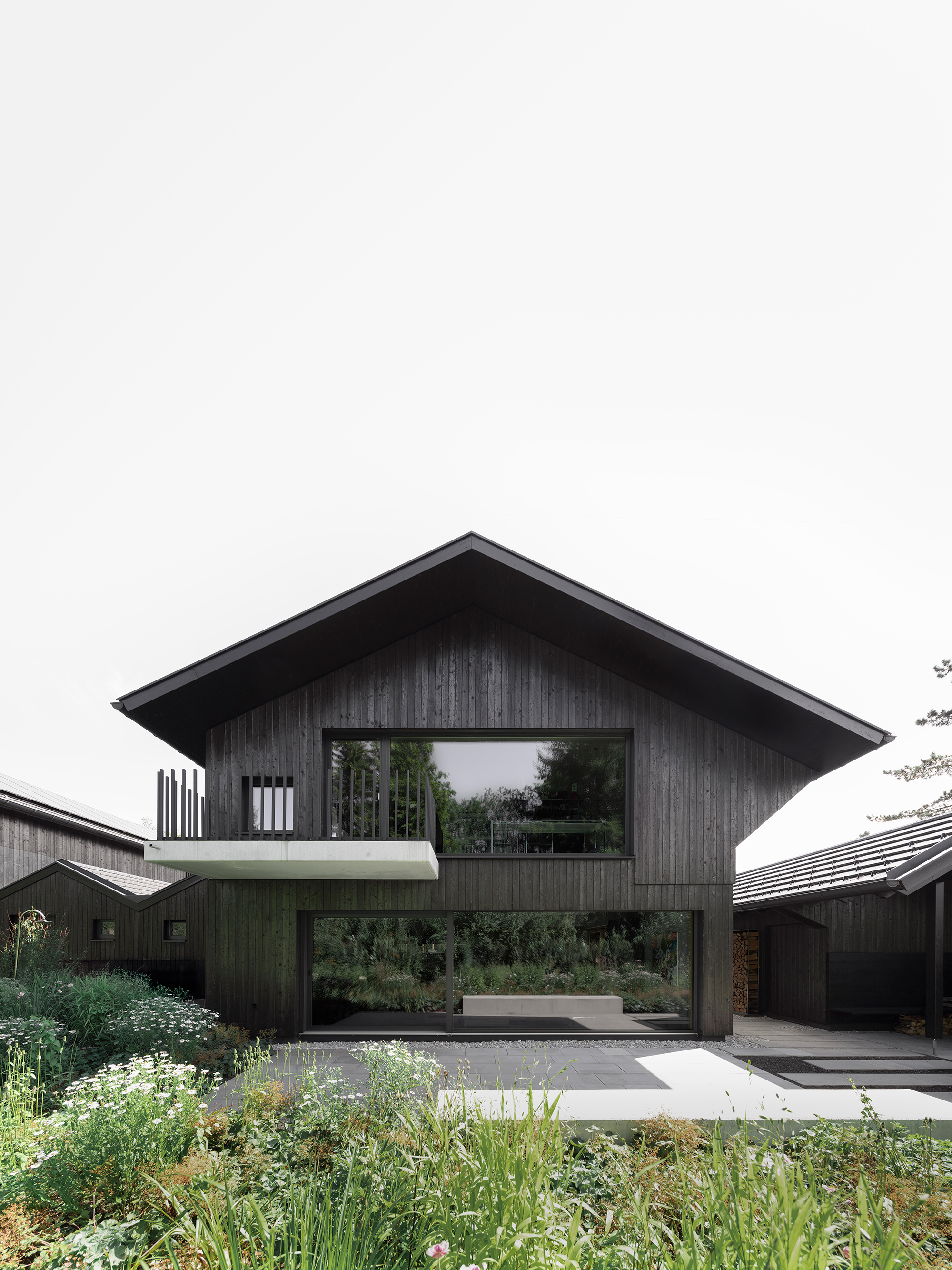
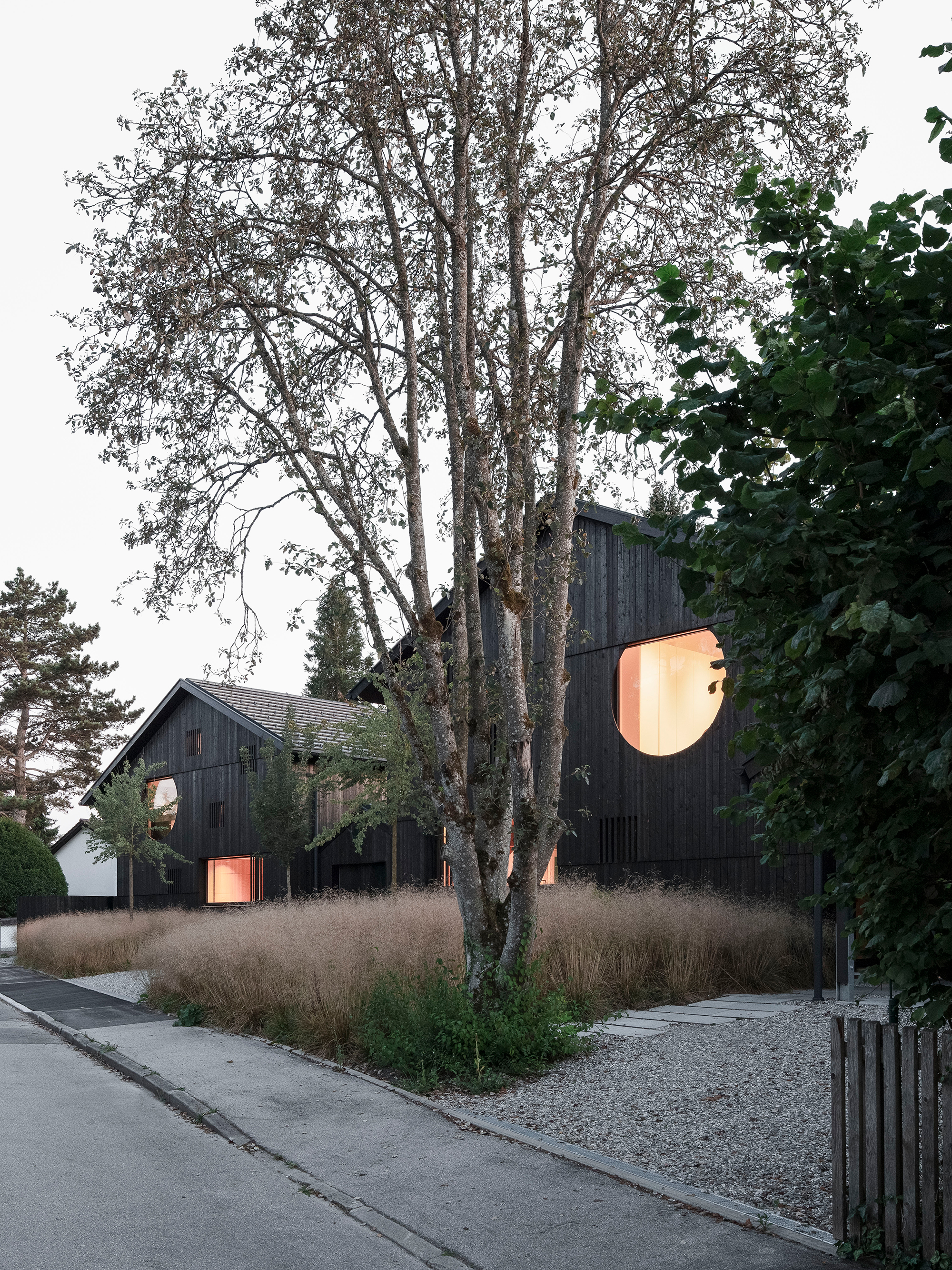
Söcking isn’t far from Munich, but it feels like a different pace entirely. On a tree-lined street there, a father and son now live side by side in matching—though not identical—houses. Buero Wagner designed them to share a footprint that once belonged to a single family home from the 1950s.
The old house had to go. Not much could be saved structurally, but the materials didn’t go to waste—most were sorted and reused on site. That decision set the tone for everything else: direct, deliberate, and careful.
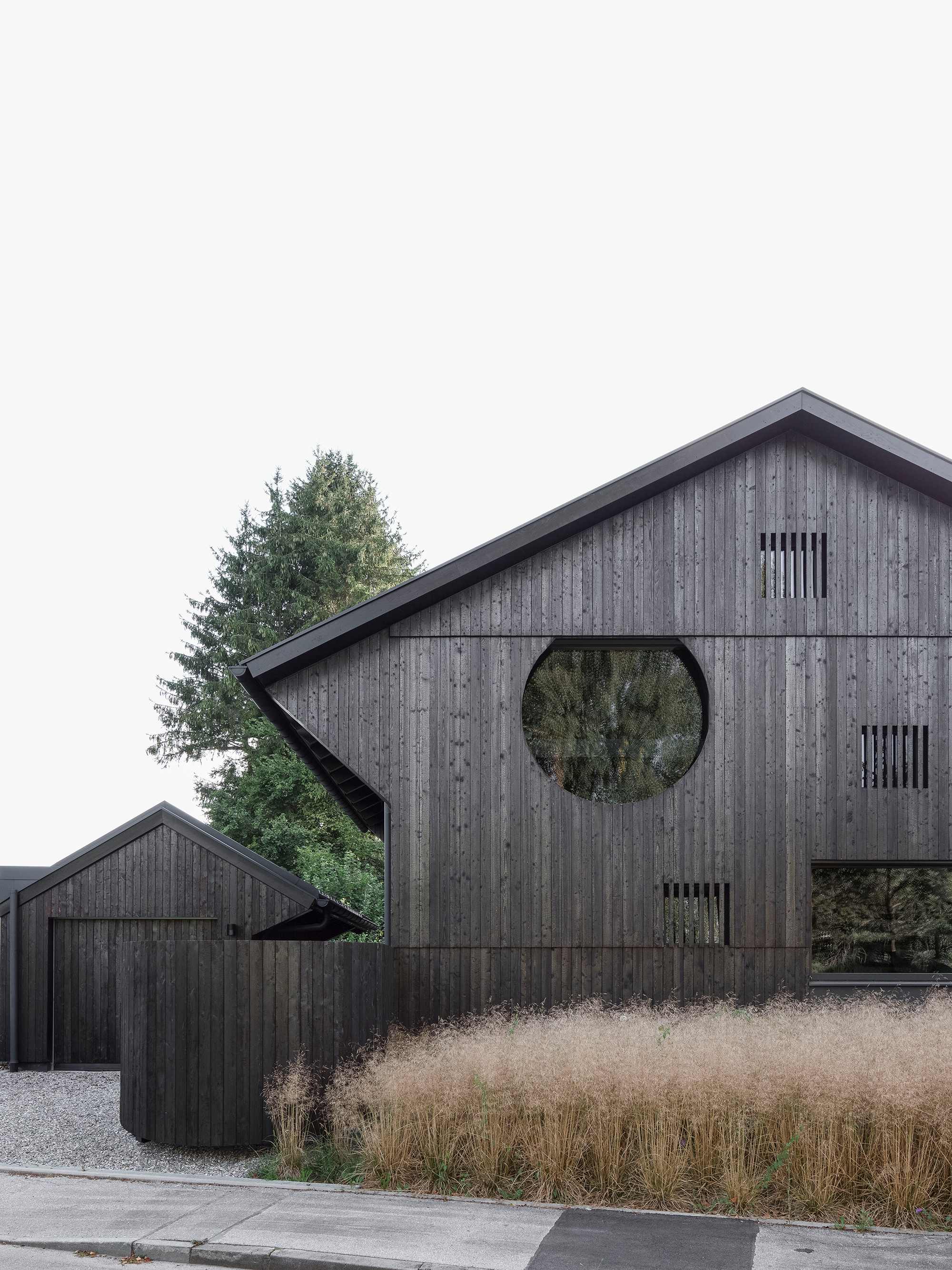
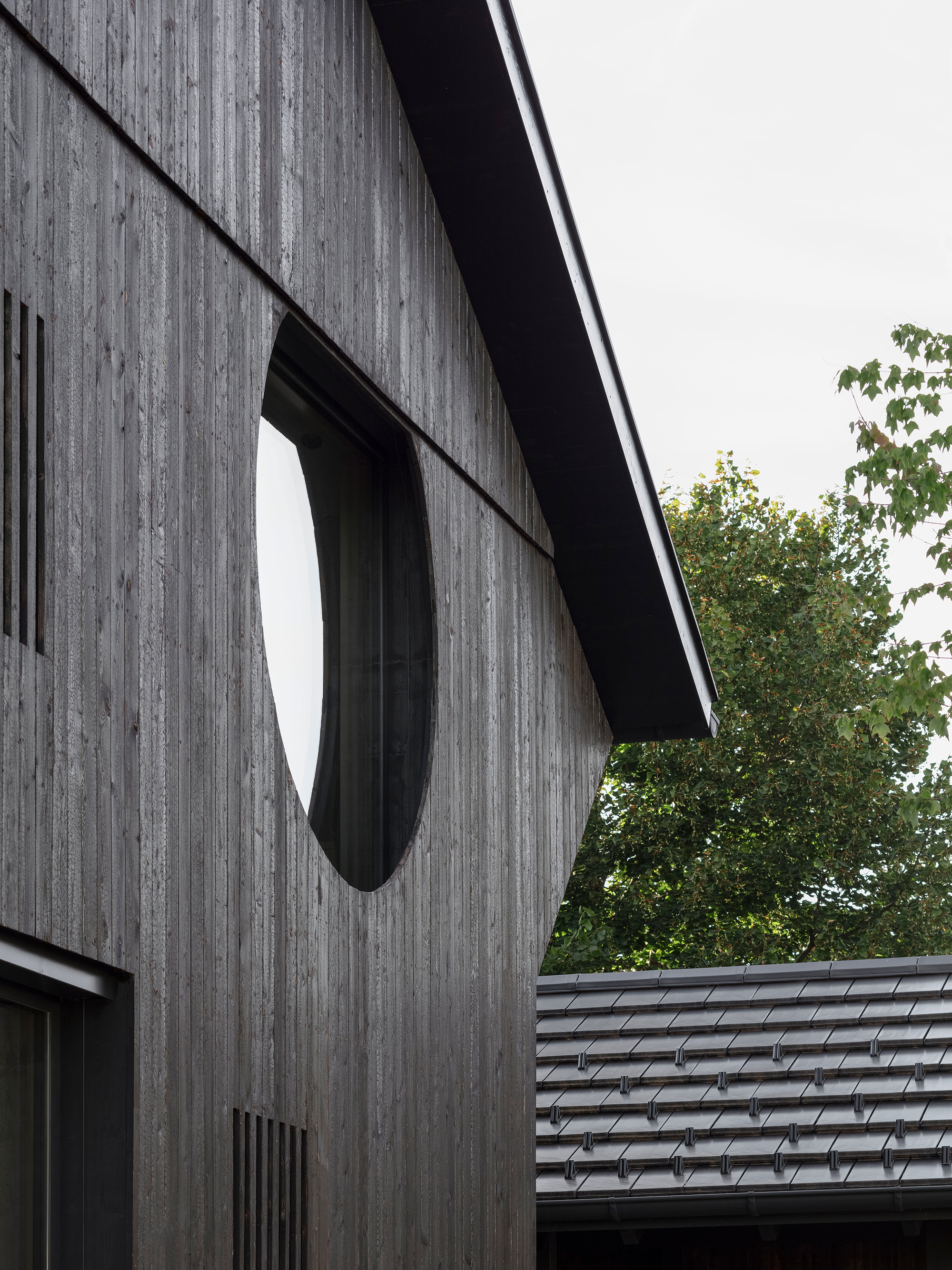
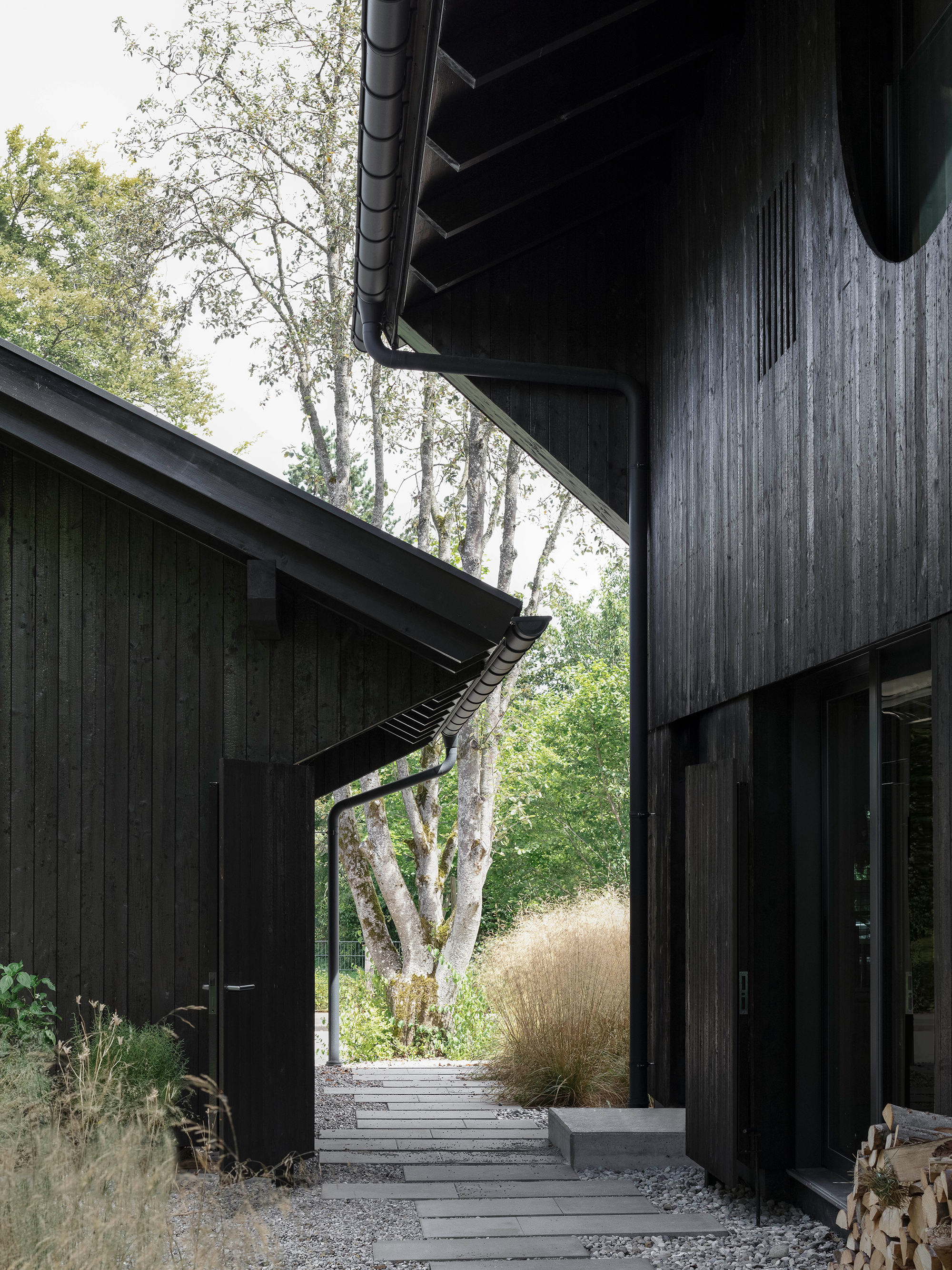
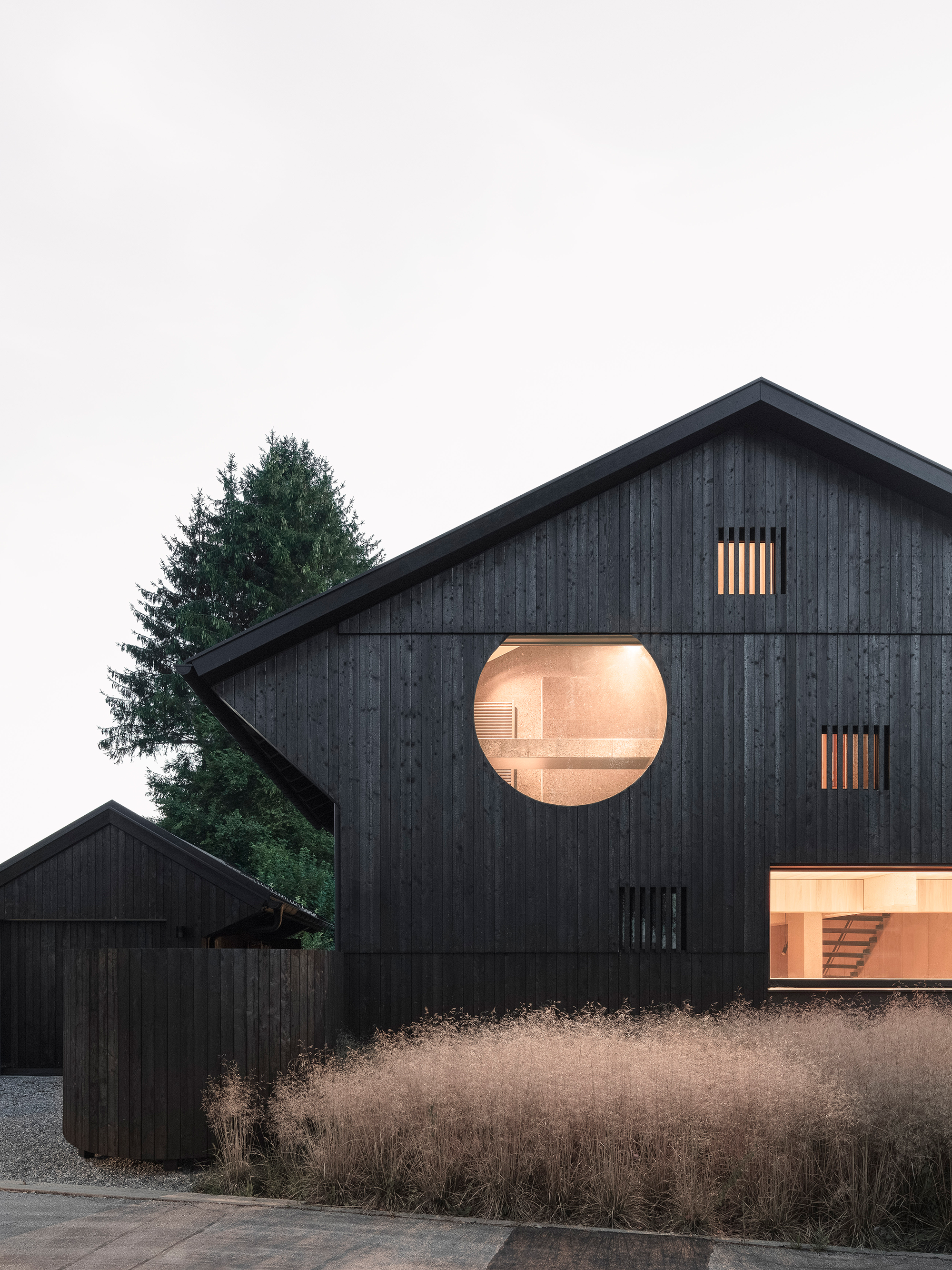
Both houses are compact, around 90 square meters each. From the outside, they look nearly the same. Gabled roofs, black charred timber siding, a few circular and vertical openings cut with precision. But up close, there are clues. One home has a different rhythm inside. Small adjustments were made to suit its occupant, even though the overall structure is shared.
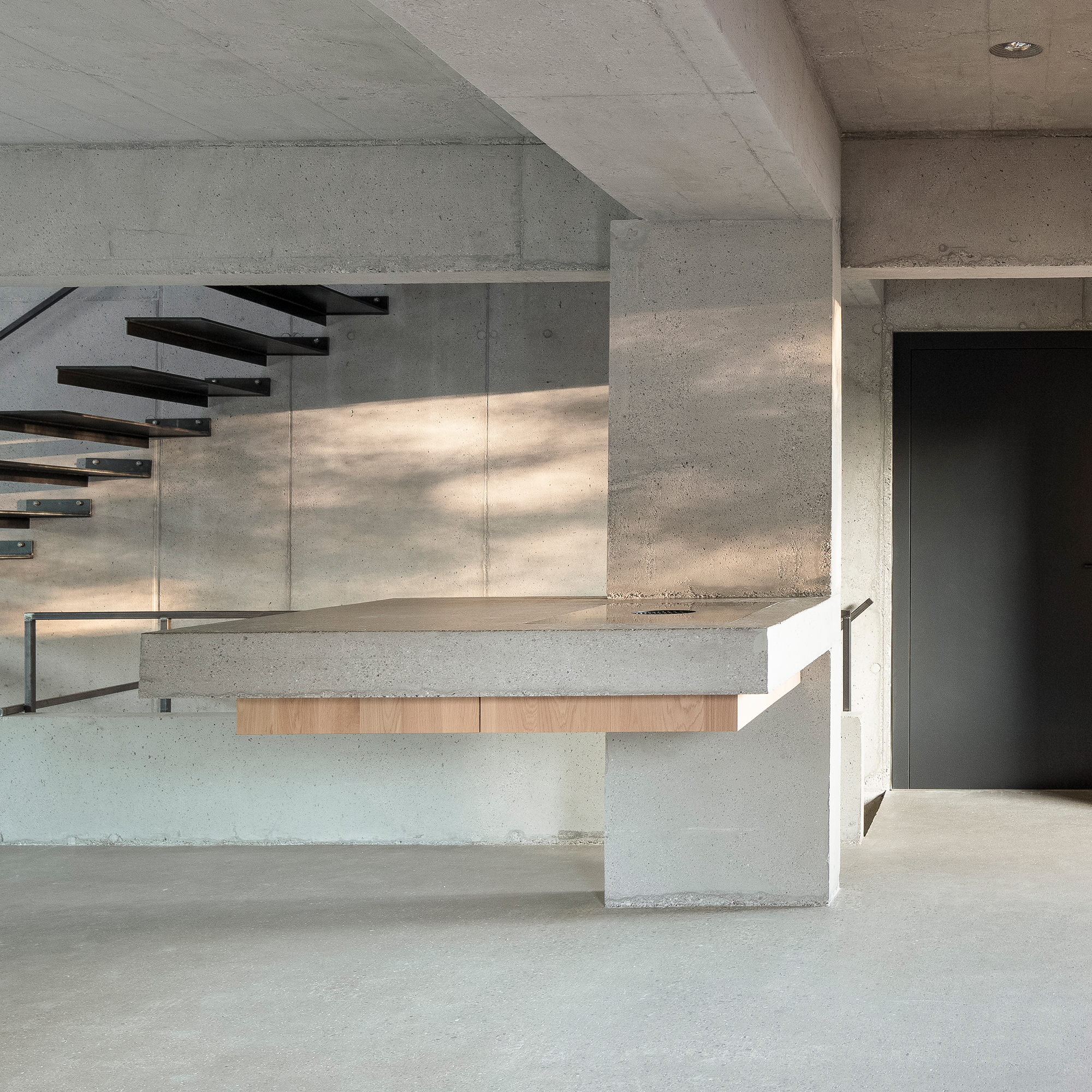
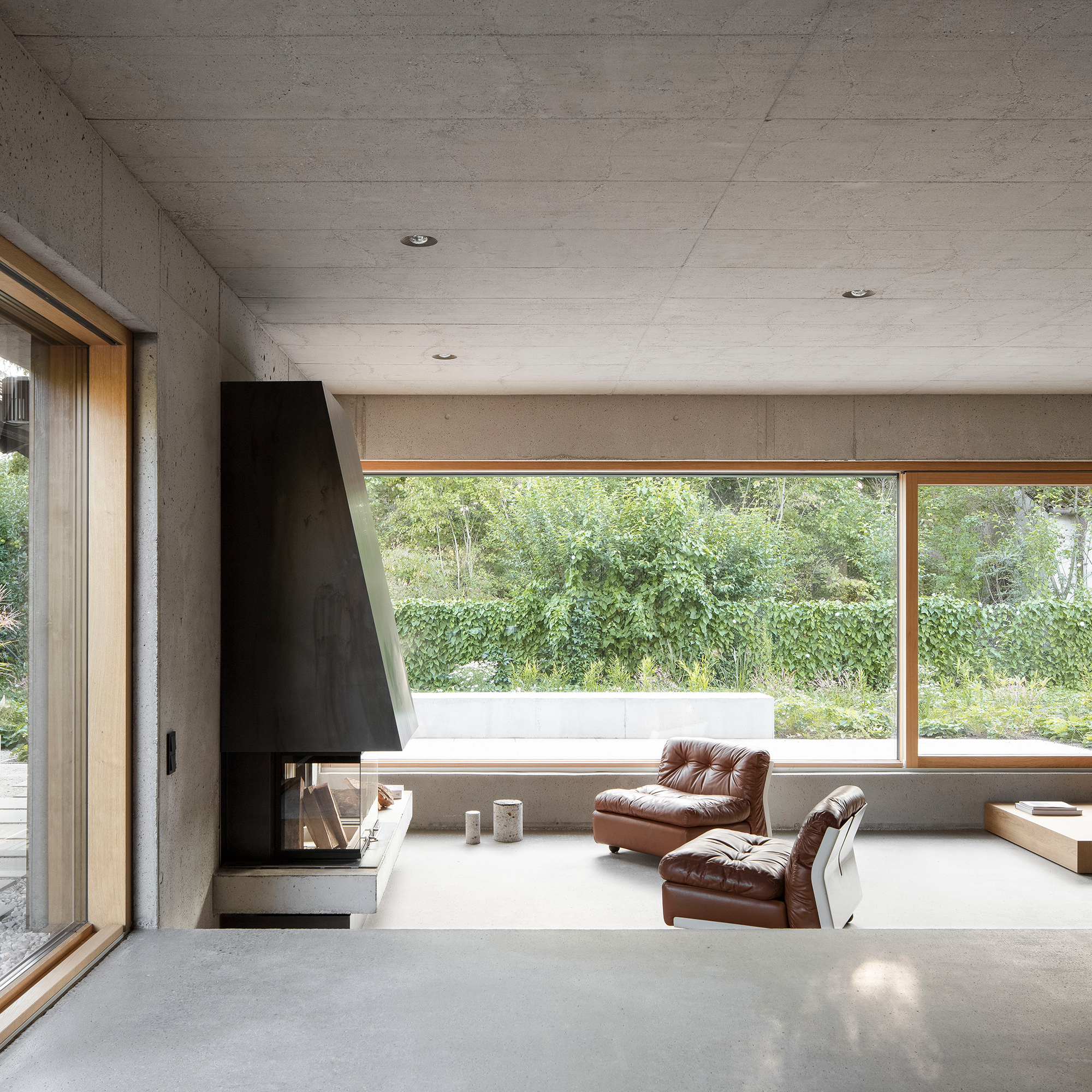
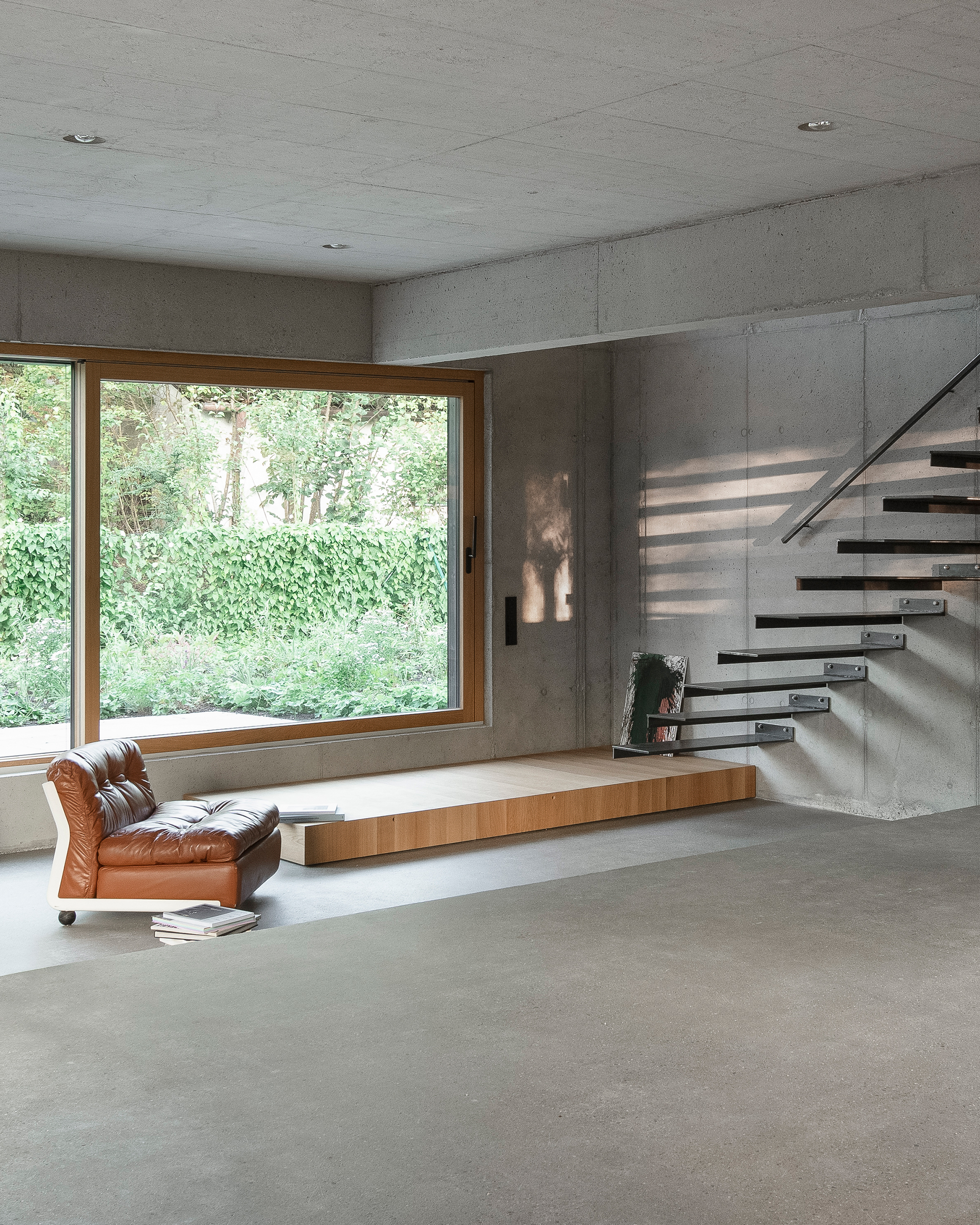
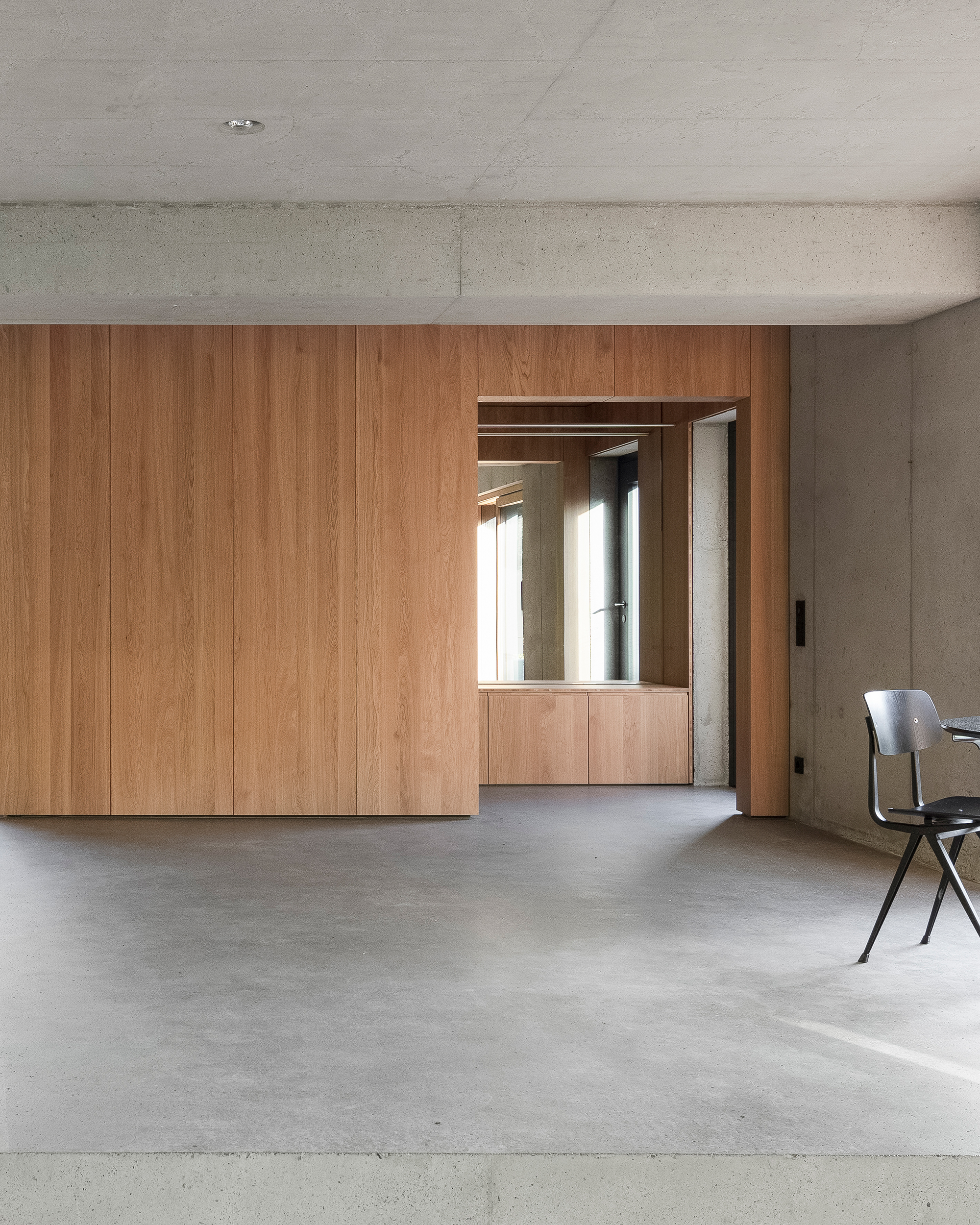
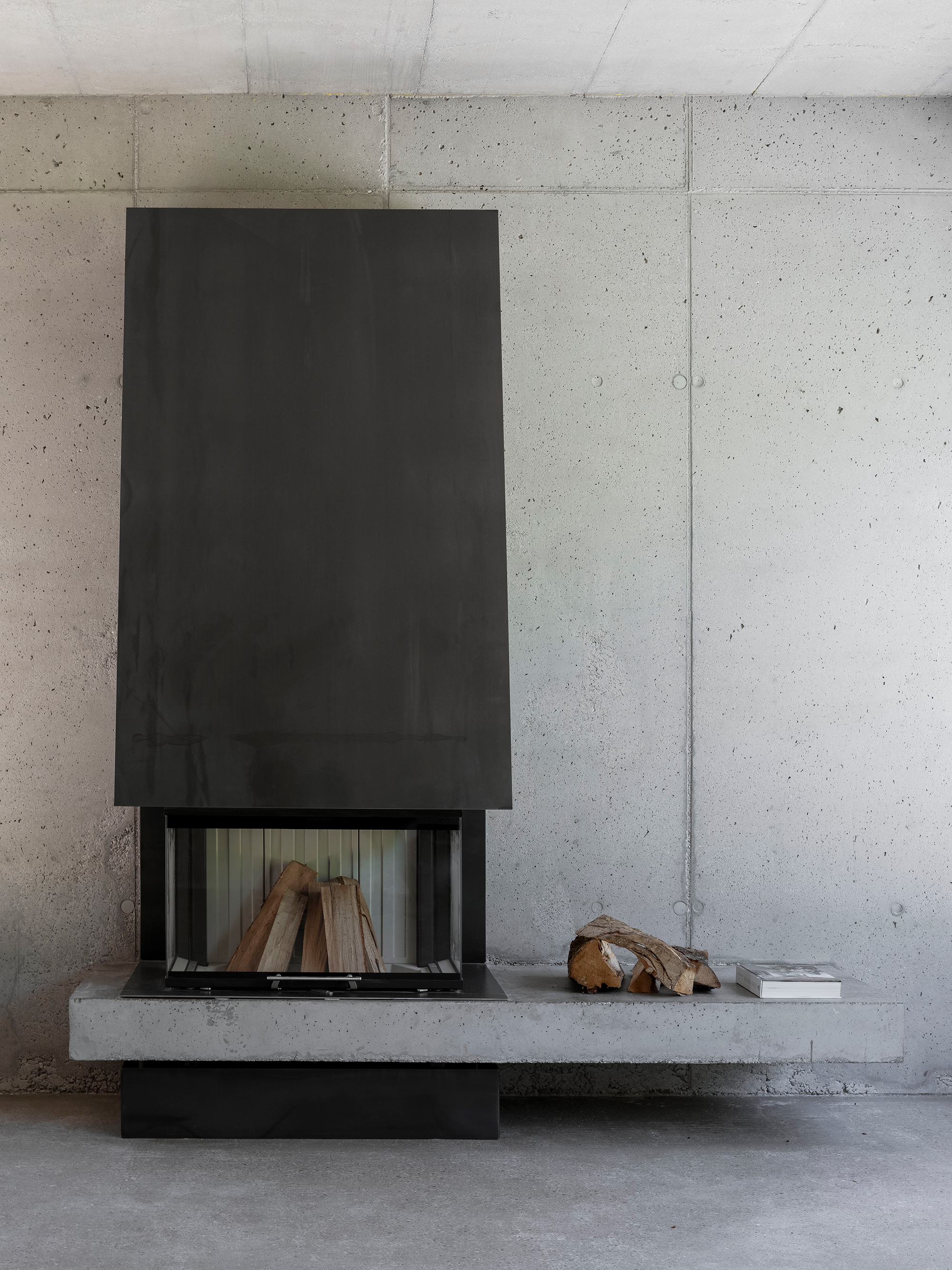
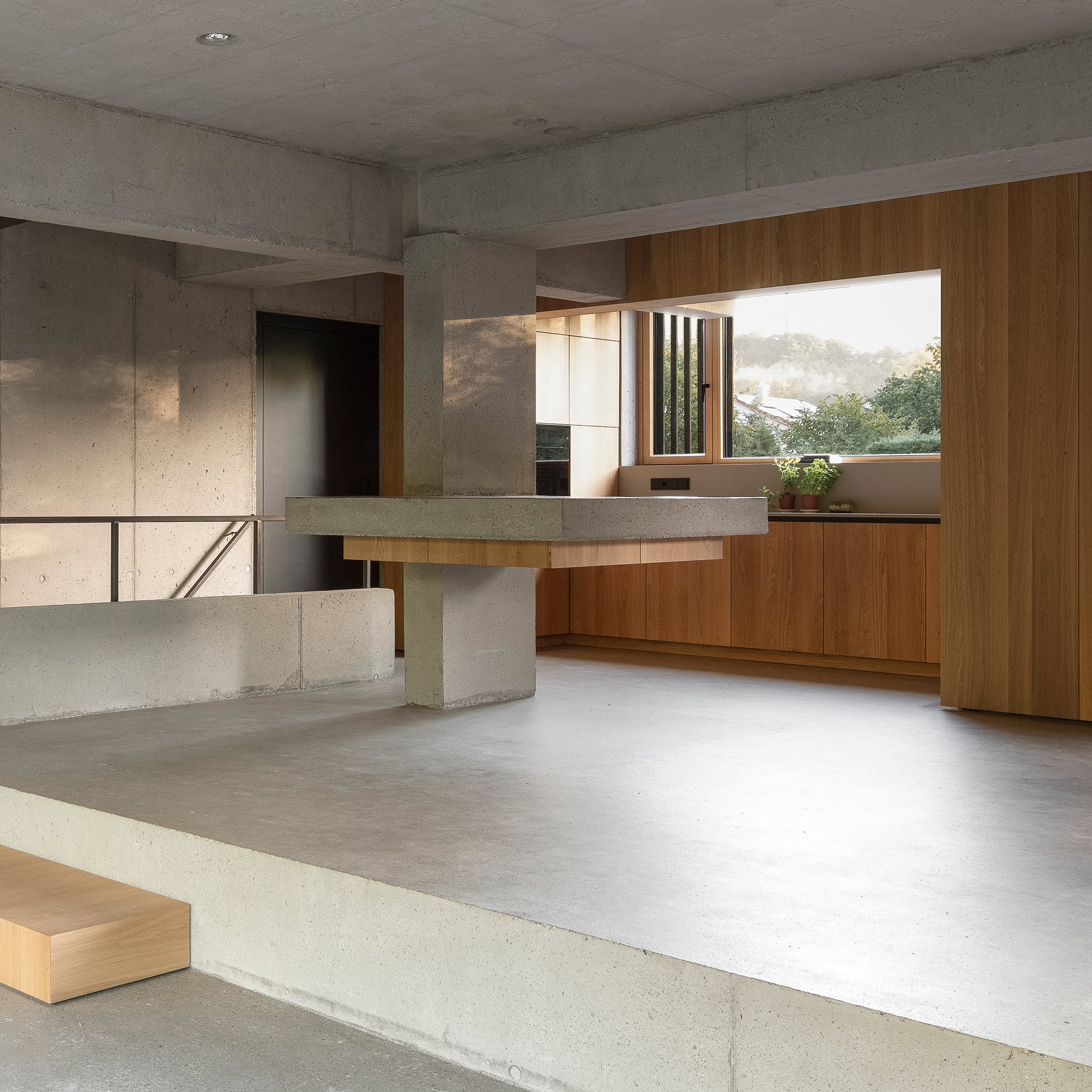
The centerpiece of each is a single concrete column that holds up the open-plan first floor. It’s not decorative. It does the work. But it also gives the space a kind of calm. In one house, the column ties into a concrete kitchen counter. In the other, it sits near the fireplace. The palette throughout is raw but warm—concrete, oak, oiled steel. Nothing extra. Just enough.
There’s no plaster. No false ceilings. The materials are the finish. Oak stair treads double as storage. Railings and fittings were designed specifically for the space. You notice the details, but they don’t shout. Heating comes from an air pump system, backed by solar panels and concrete core activation. The mechanicals are mostly hidden—down in the basement along with storage. What you see is simplicity.