Search






At Joy Machine in Chicago, Janny Baek turns nerikomi clay into a small population of ceramic “almost-things” — part plant, part creature, part architectural model.
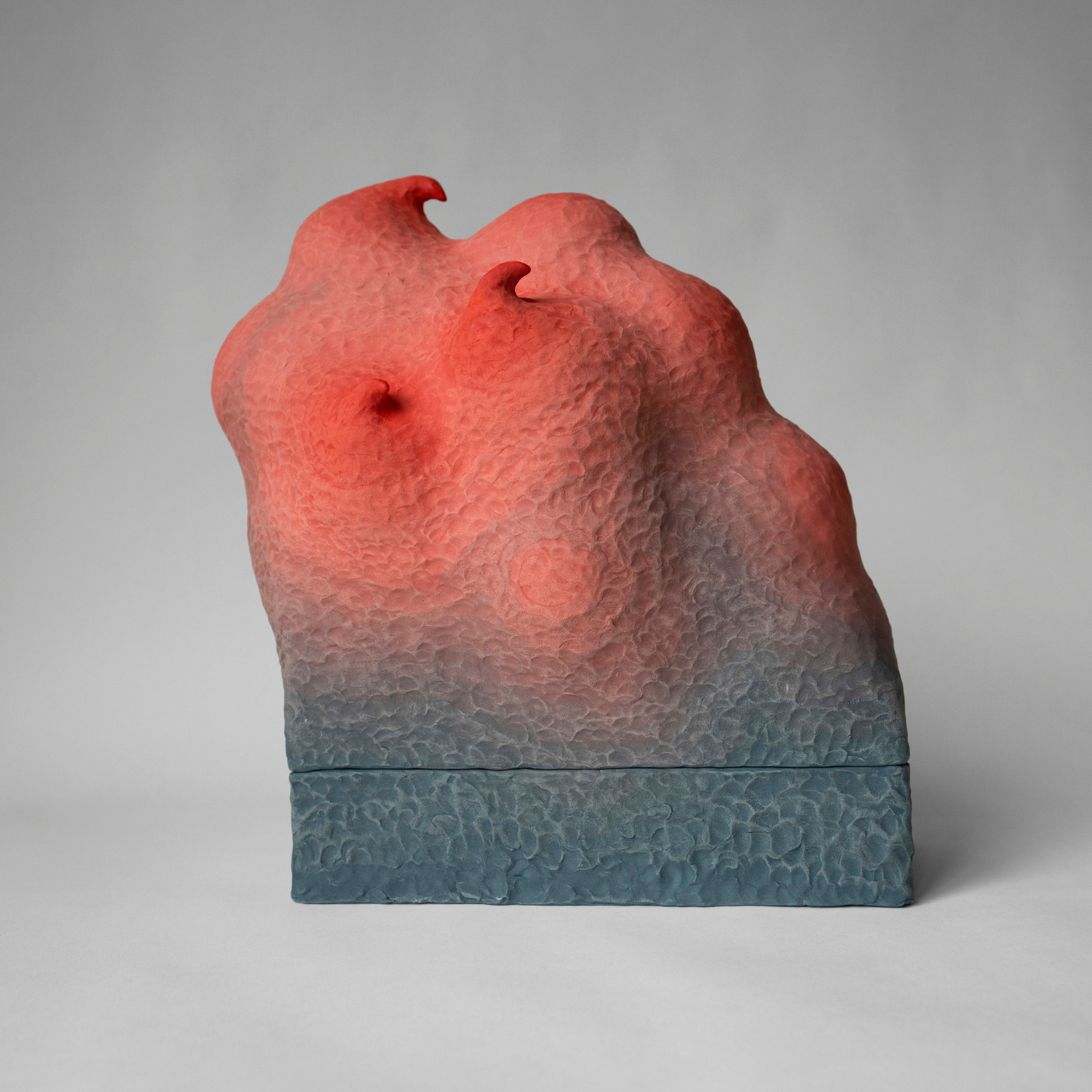
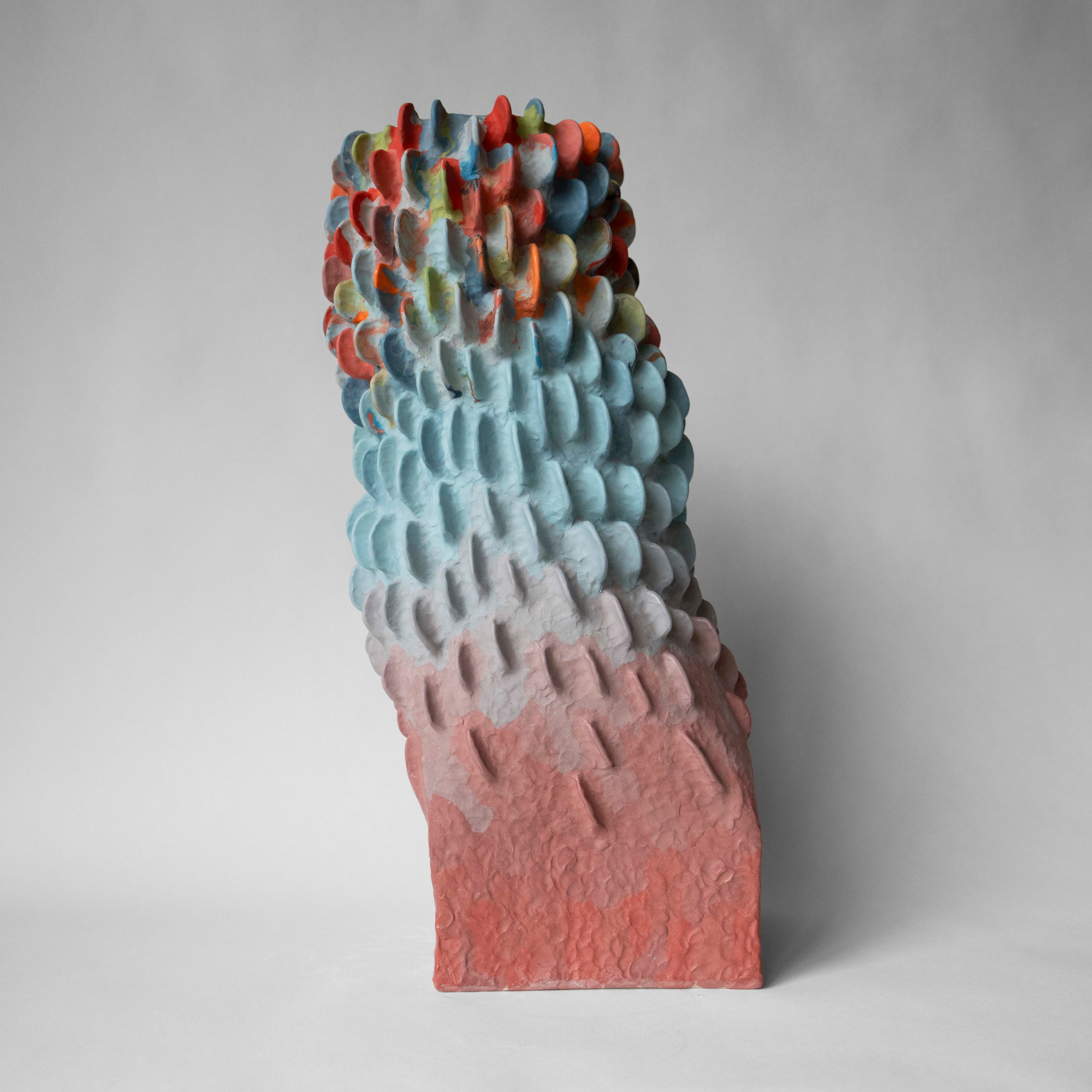
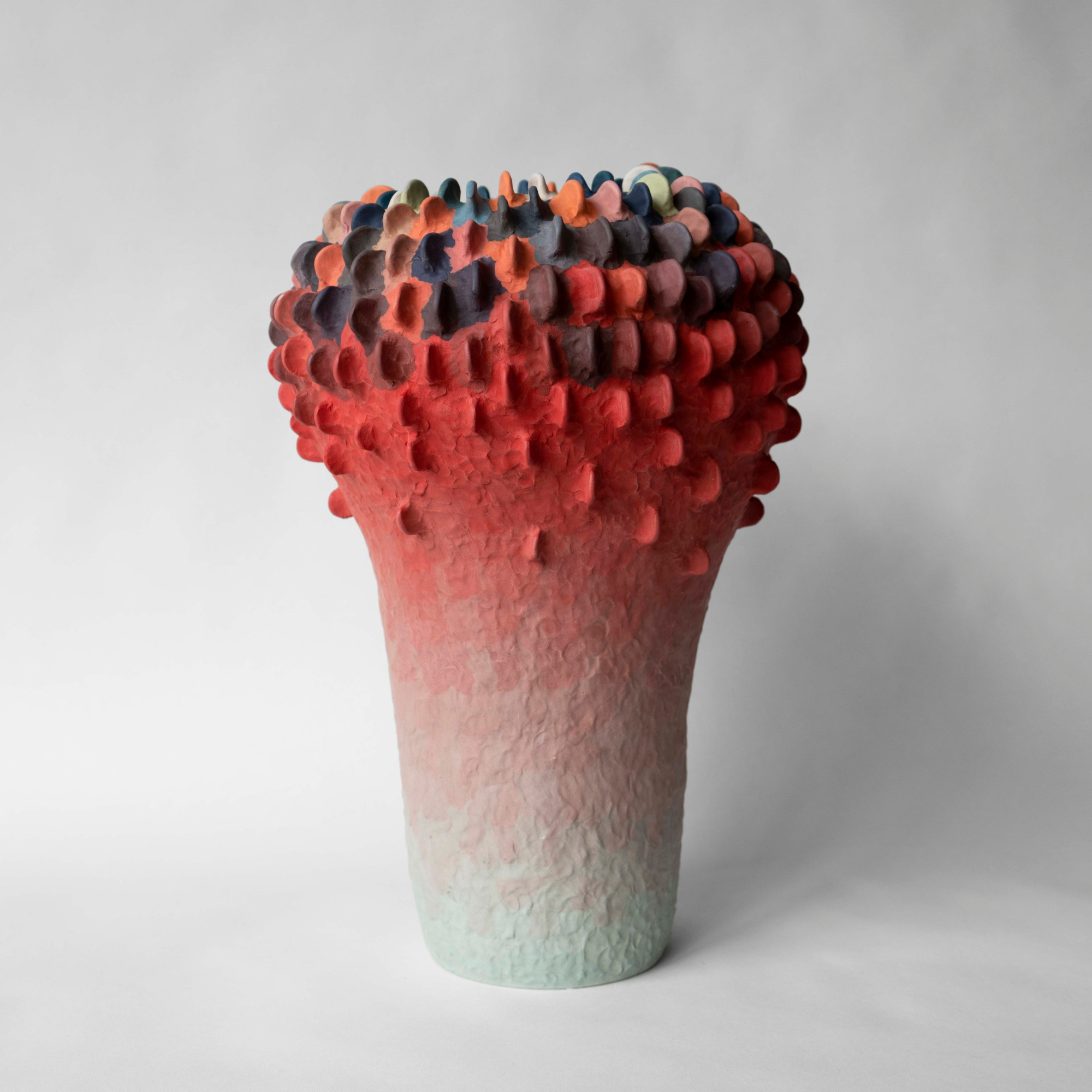
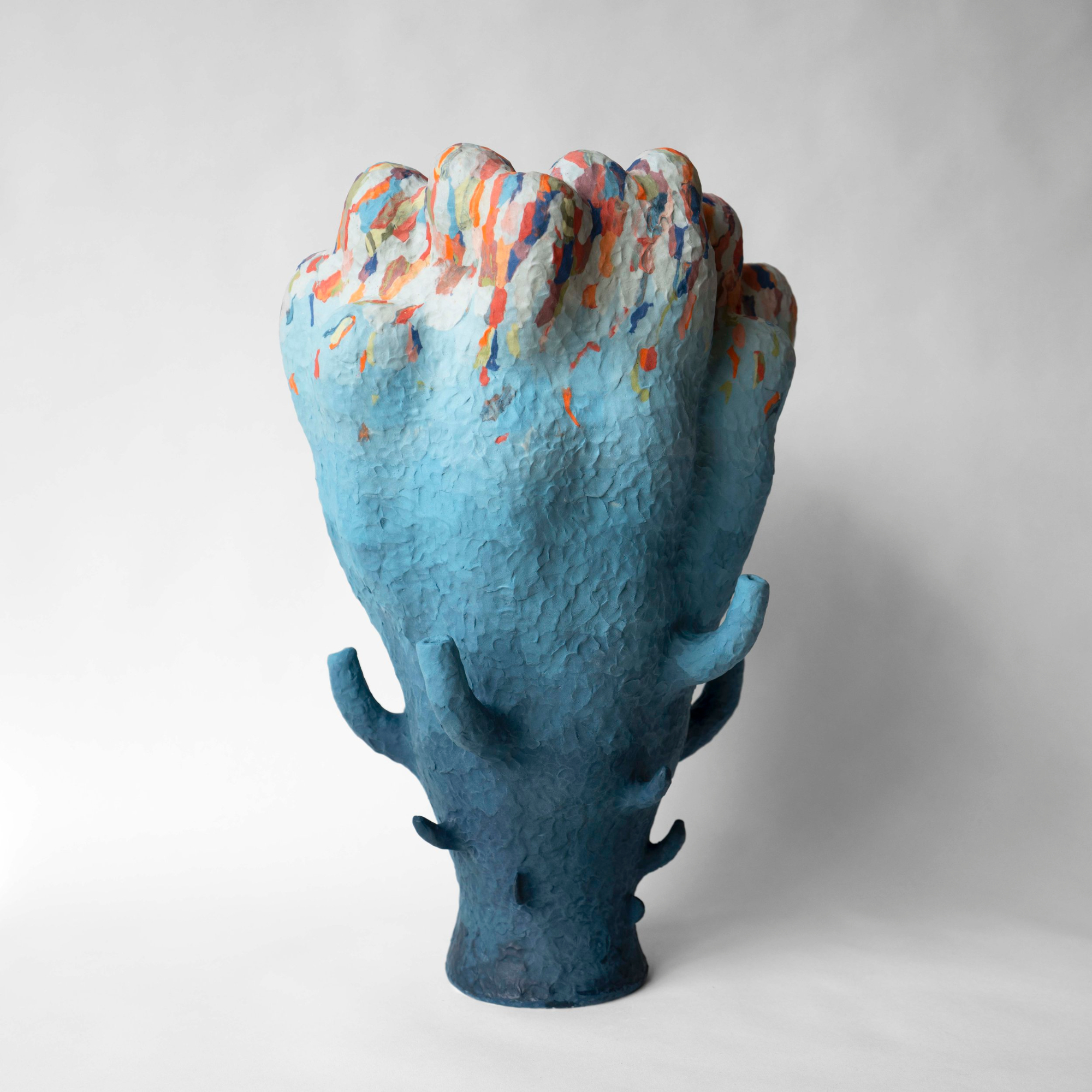
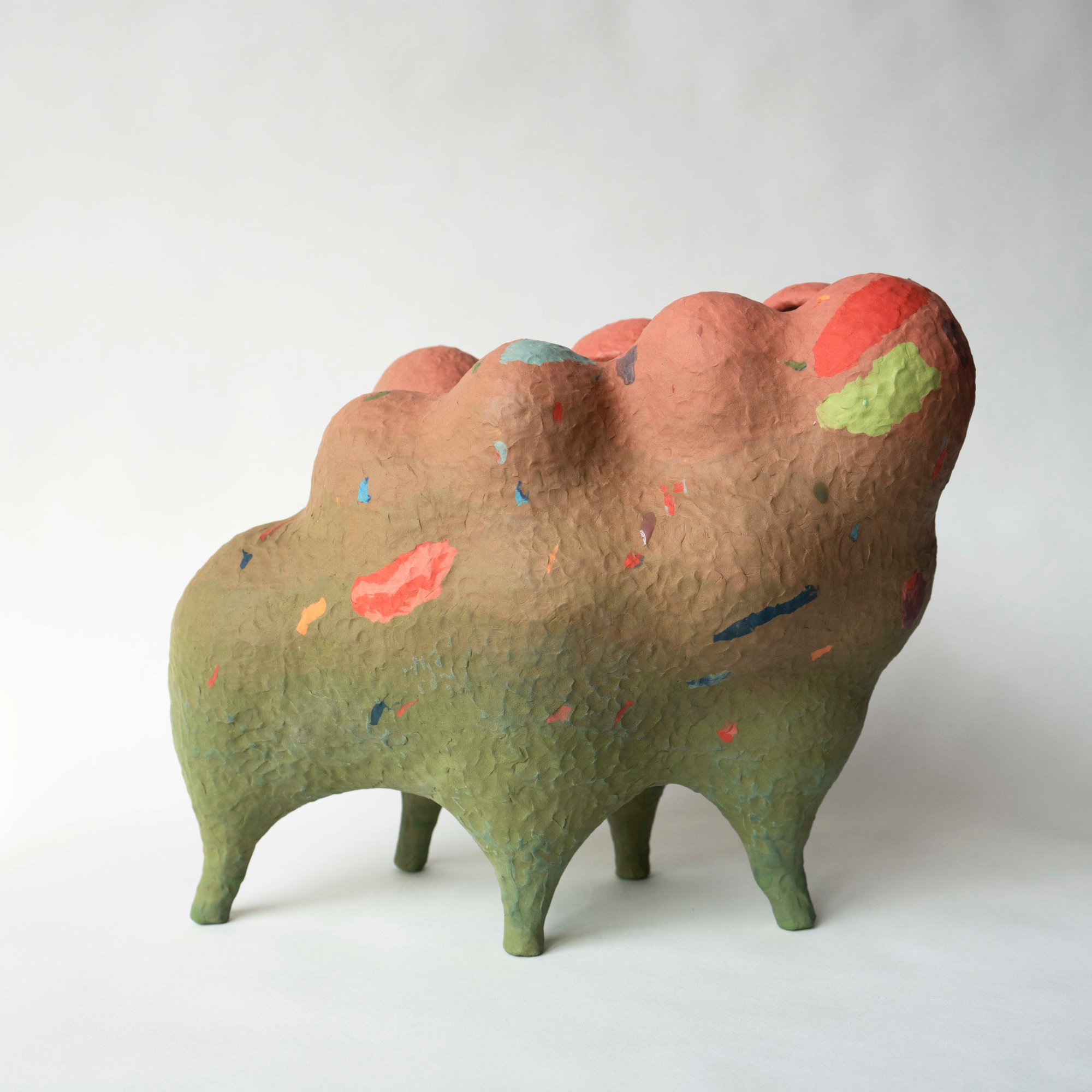
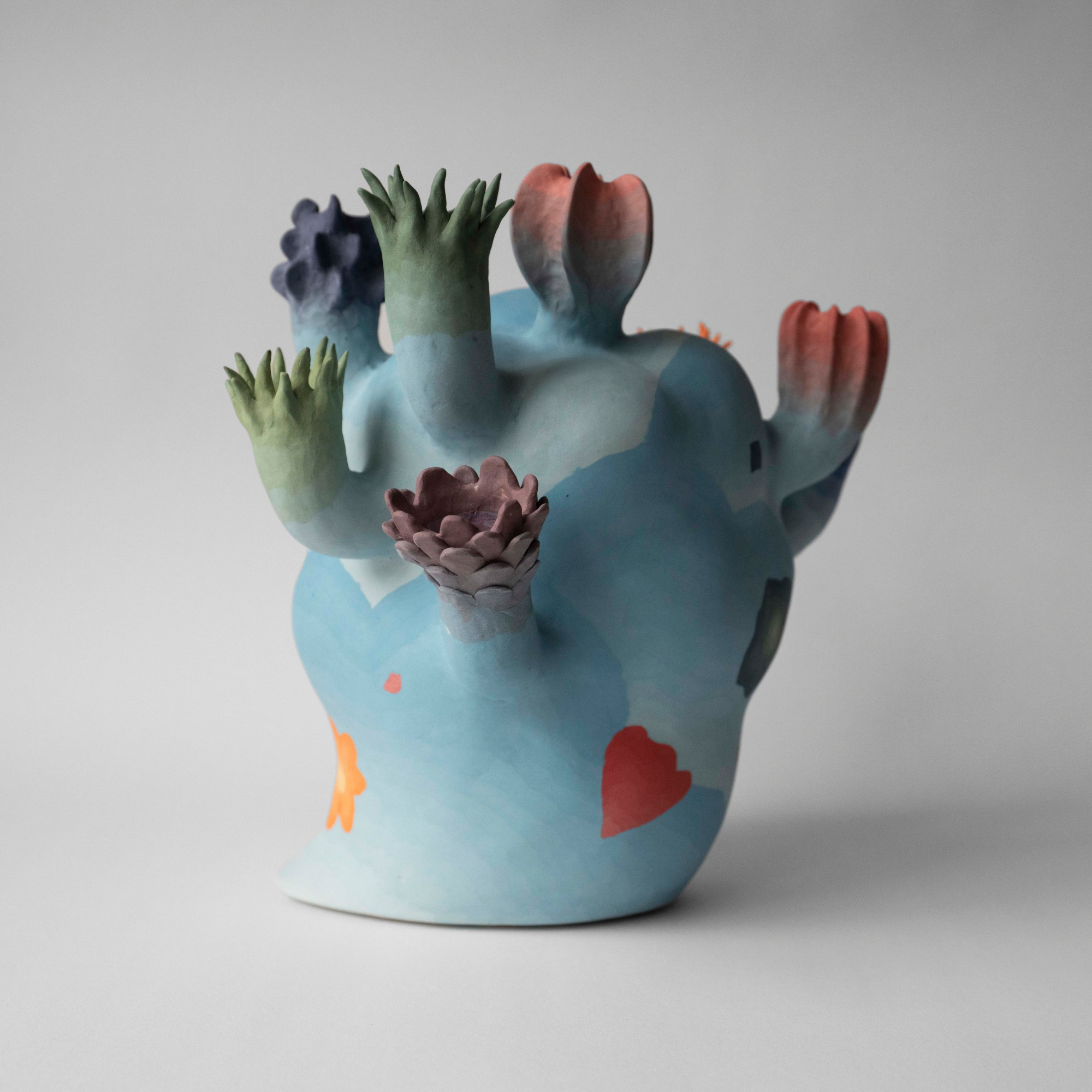
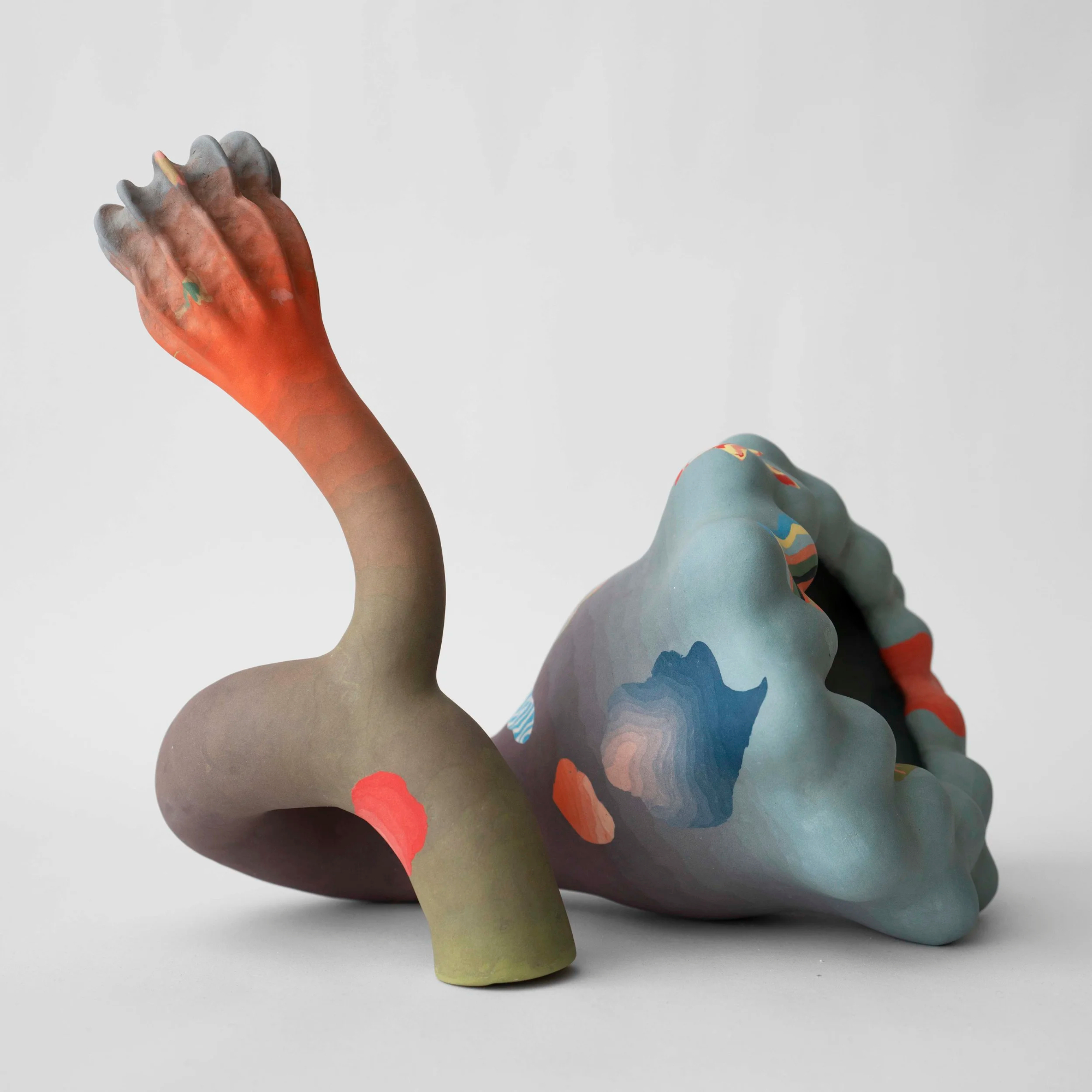
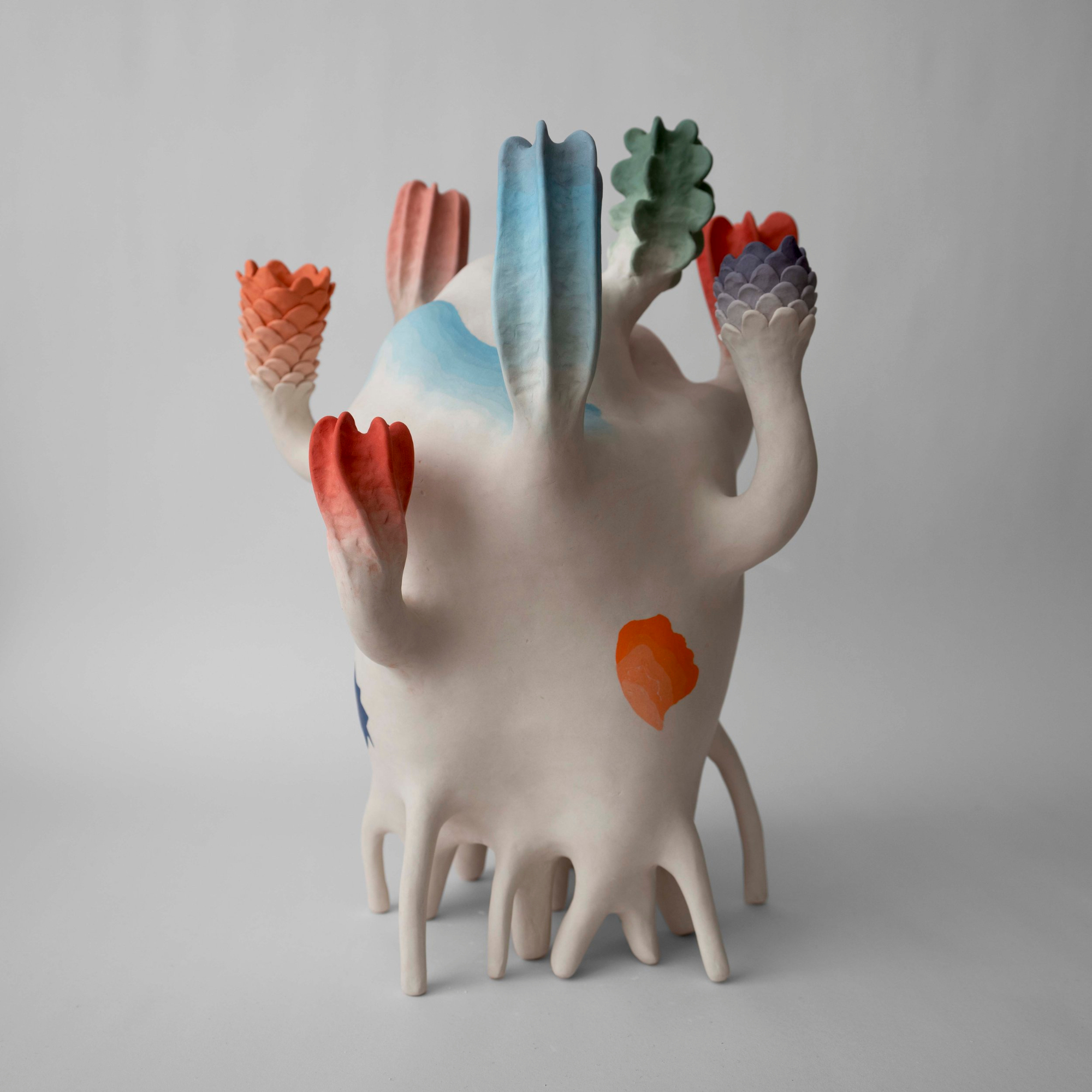
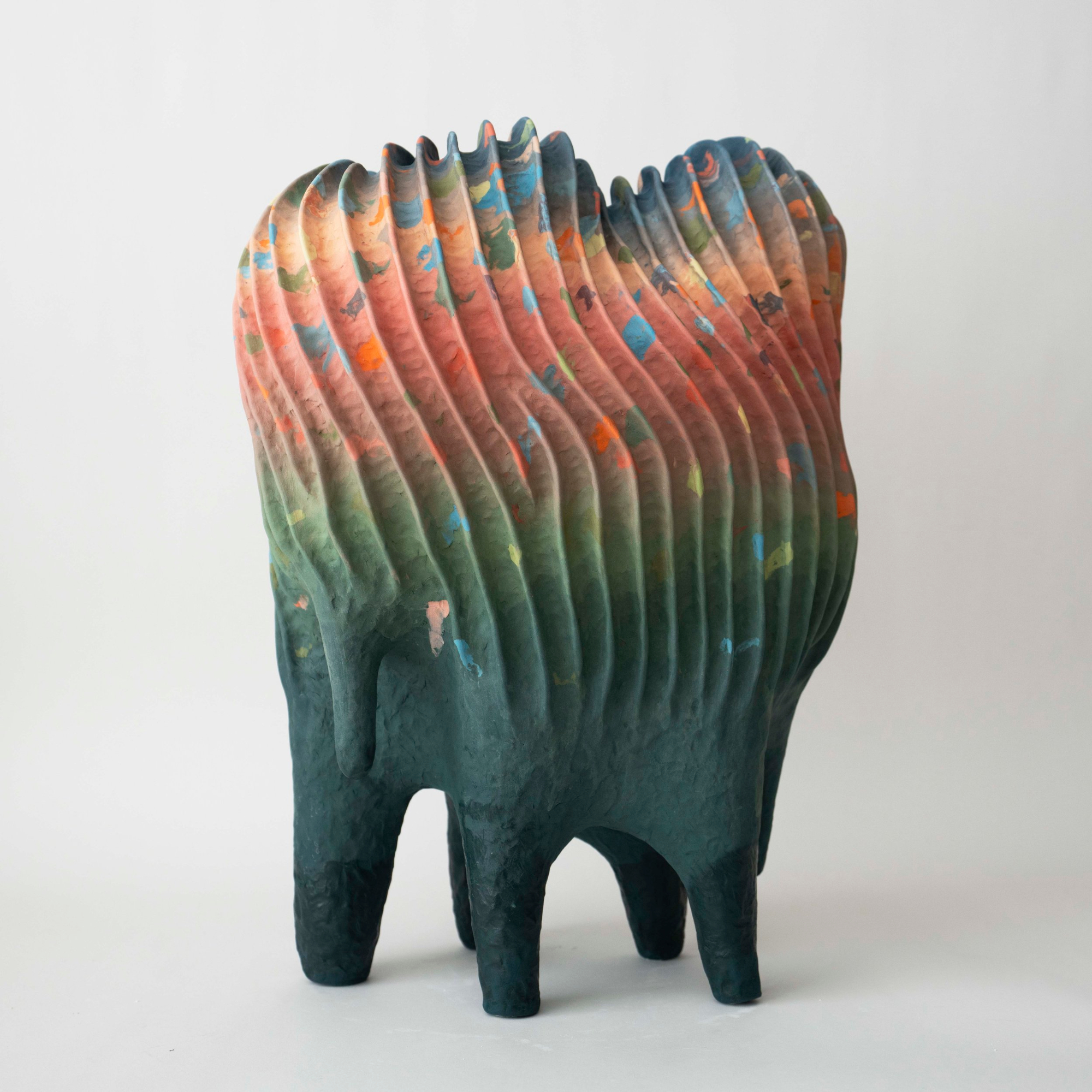
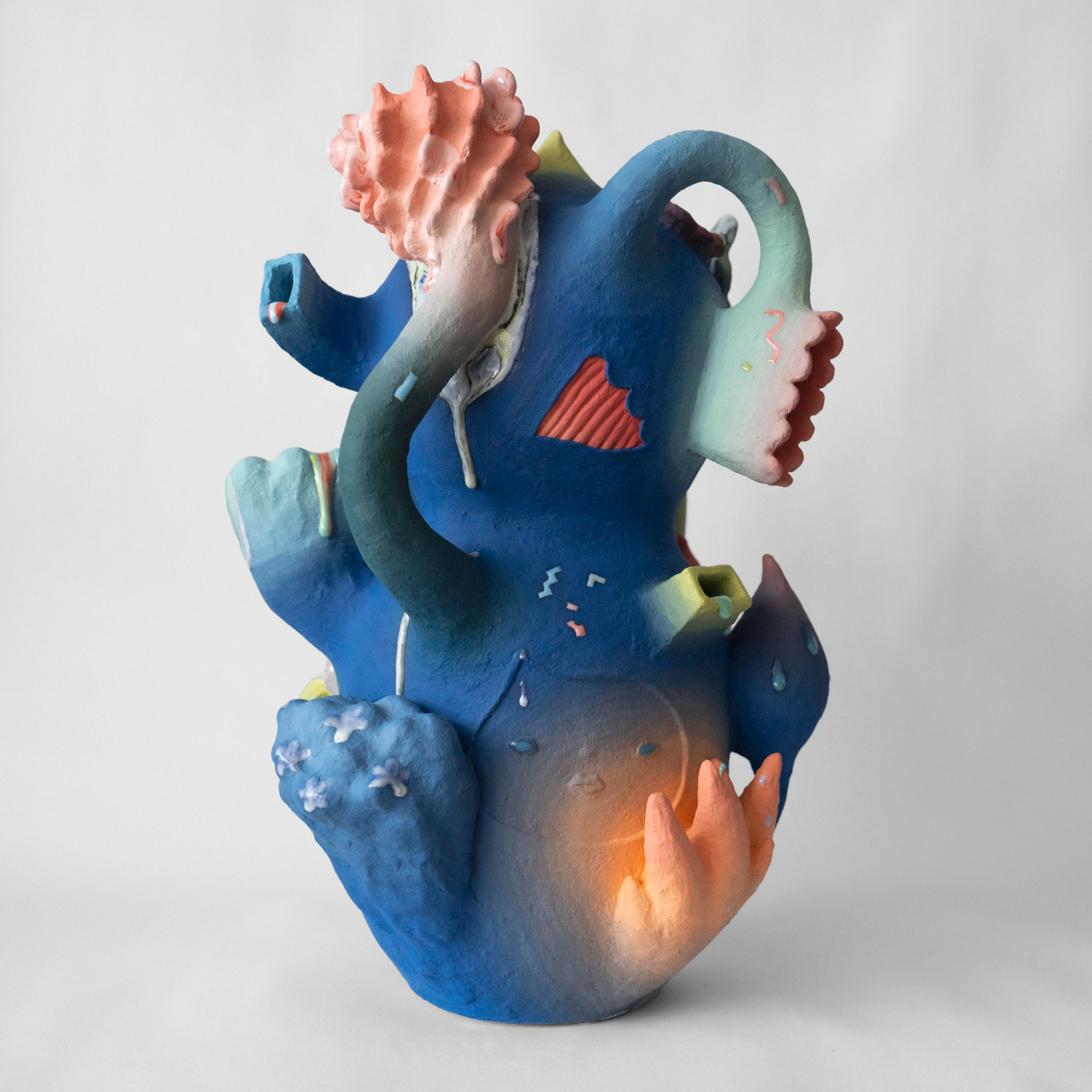
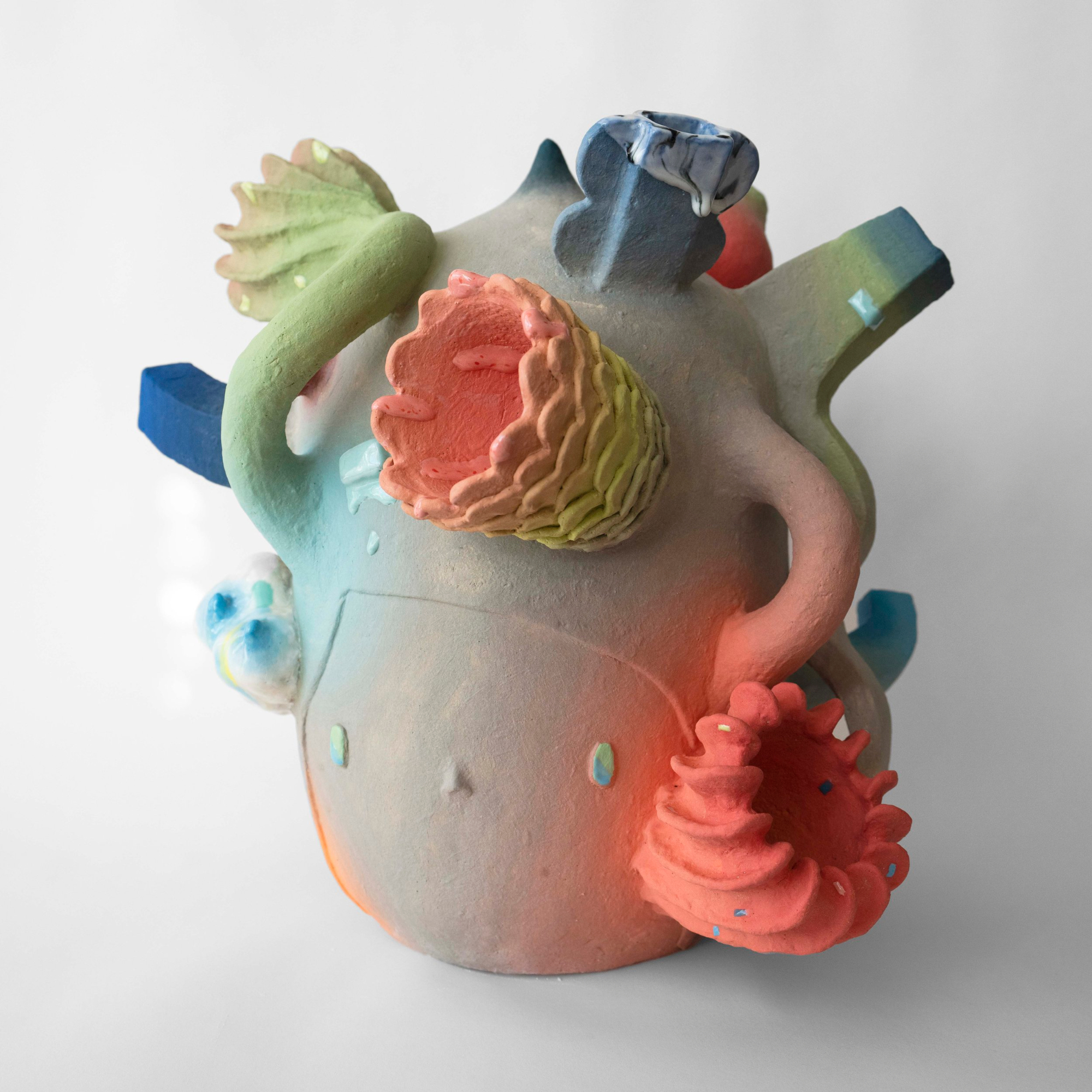
Clay usually comes out of the kiln with its mind made up — hard, glossy, finished. Janny Baek’s pieces come out mid-thought, as if the heat simply paused them at the most interesting moment. In Life Forms, opening March 20 at Joy Machine gallery in Chicago, her sculptures show up like a group of new arrivals: small, alert objects with flared mouths, ribbed skins, and protrusions that could be petals or fins or something closer to armor. They don’t land on a single reference for long. One piece suggests a blossom; the next leans toward shell, wing, or mineral growth. The point isn’t to play “guess what it is.” The pull is that each form looks caught mid-step — not unfinished, just not done evolving.
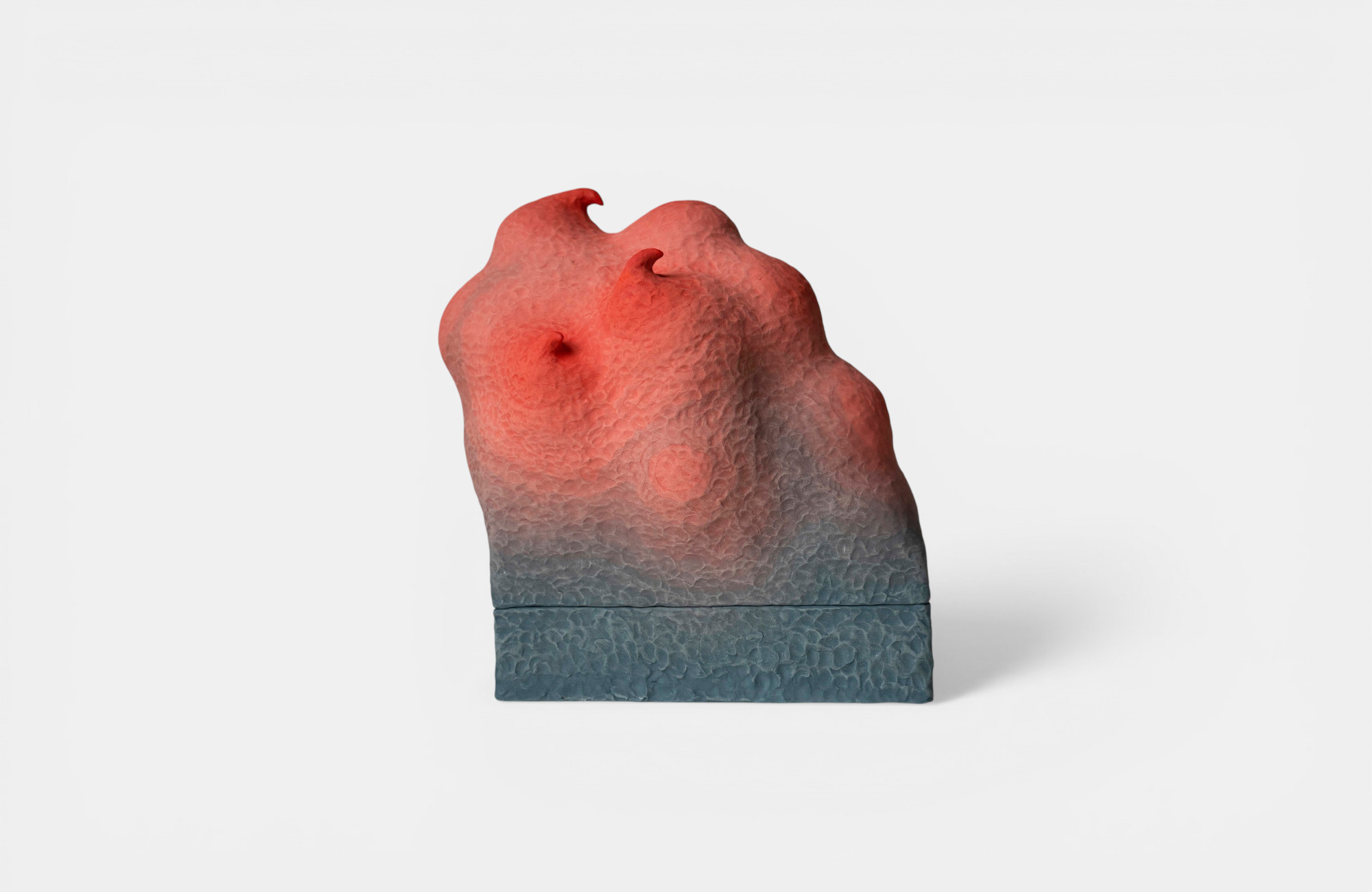
That sense of construction comes straight out of Baek’s background. Born in Seoul and raised in Queens, she trained in ceramics at the Rhode Island School of Design, then spent time building objects for animation and toy design. Later, she earned an architecture degree at Harvard, and you can feel that shift in how the work stands up. Many pieces begin with a coiled base and then grow by addition: sections stack, branch, and brace one another the way small structures do. Even when the sculptures get playful, they don’t go slack. They carry themselves like they’ve been engineered, not just shaped.
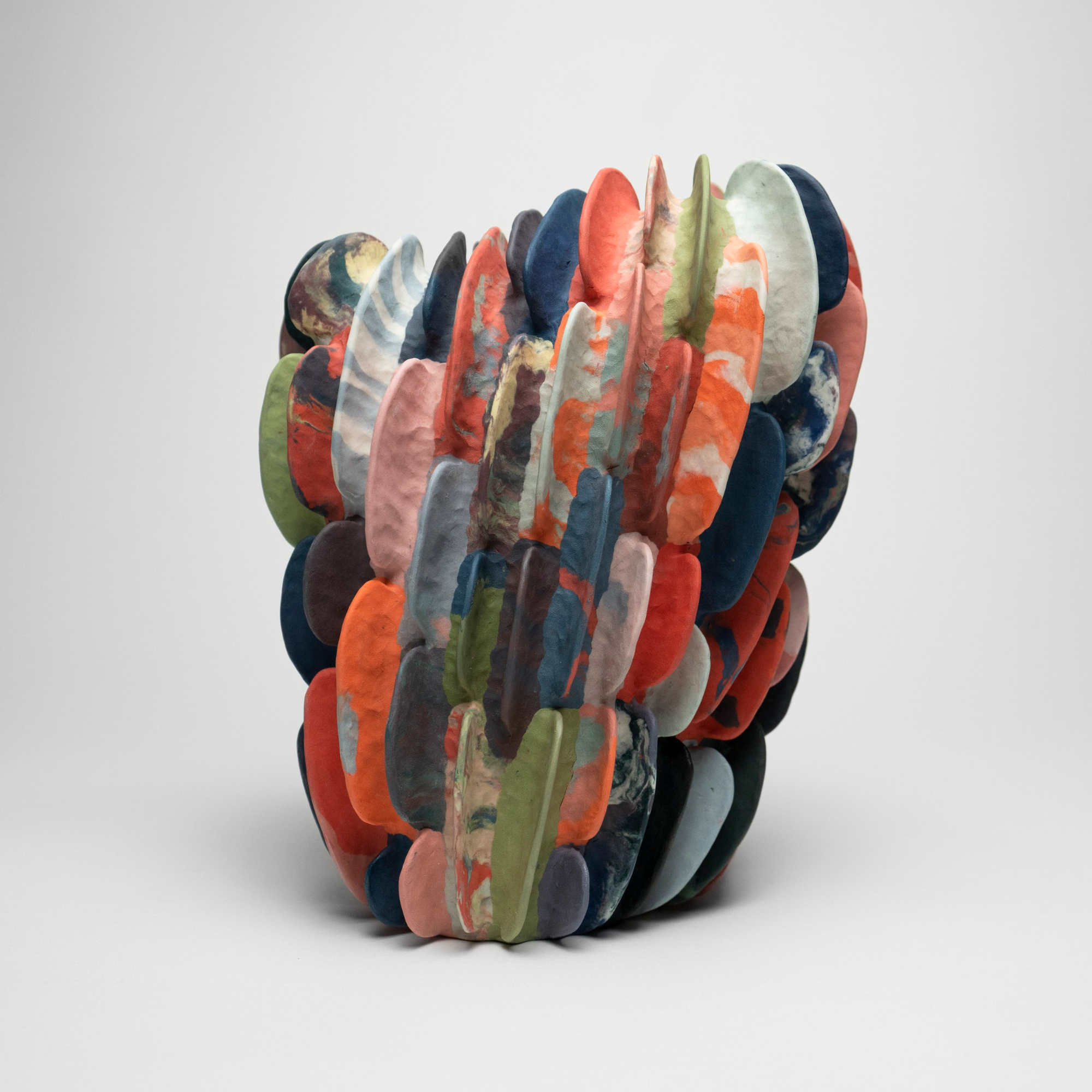
Then the color arrives and the politeness drops. With nerikomi, pigment isn’t surface treatment — it’s baked into the body, so the gradients read like structure, not decoration. Baek uses nerikomi — layering differently colored clays so the pattern runs through the body rather than sitting on top like paint. It’s a technique that rewards cutting, stretching, and pressure: the surface records decisions. Bands drift into gradients; stripes snap into sharp edges; marbling shows up where the clay has been pushed hard enough to blur. Baek describes those shifts as a way of thinking about natural processes — change, abundance, signaling — and that tracks with what you see in the room. The color isn’t decoration; it’s structure. The sculptures end up feeling like inhabitants of a place that doesn’t exist yet, but could.