Search






From draughty and dim to warm and wide open, a Dunedin villa begins again.
On a hilltop in Dunedin’s Belleknowes neighborhood, a 1920s villa once stood facing inward—its thick walls and sash windows sheltering from the elements, but also turning away from the view. The house sat like many of its time: beautifully built, rich with character, but out of sync with the landscape around it. You wouldn’t have known it looked toward the ocean or that the sky out there shifts constantly—clouds from the south, sudden rain, golden light in the early evening.
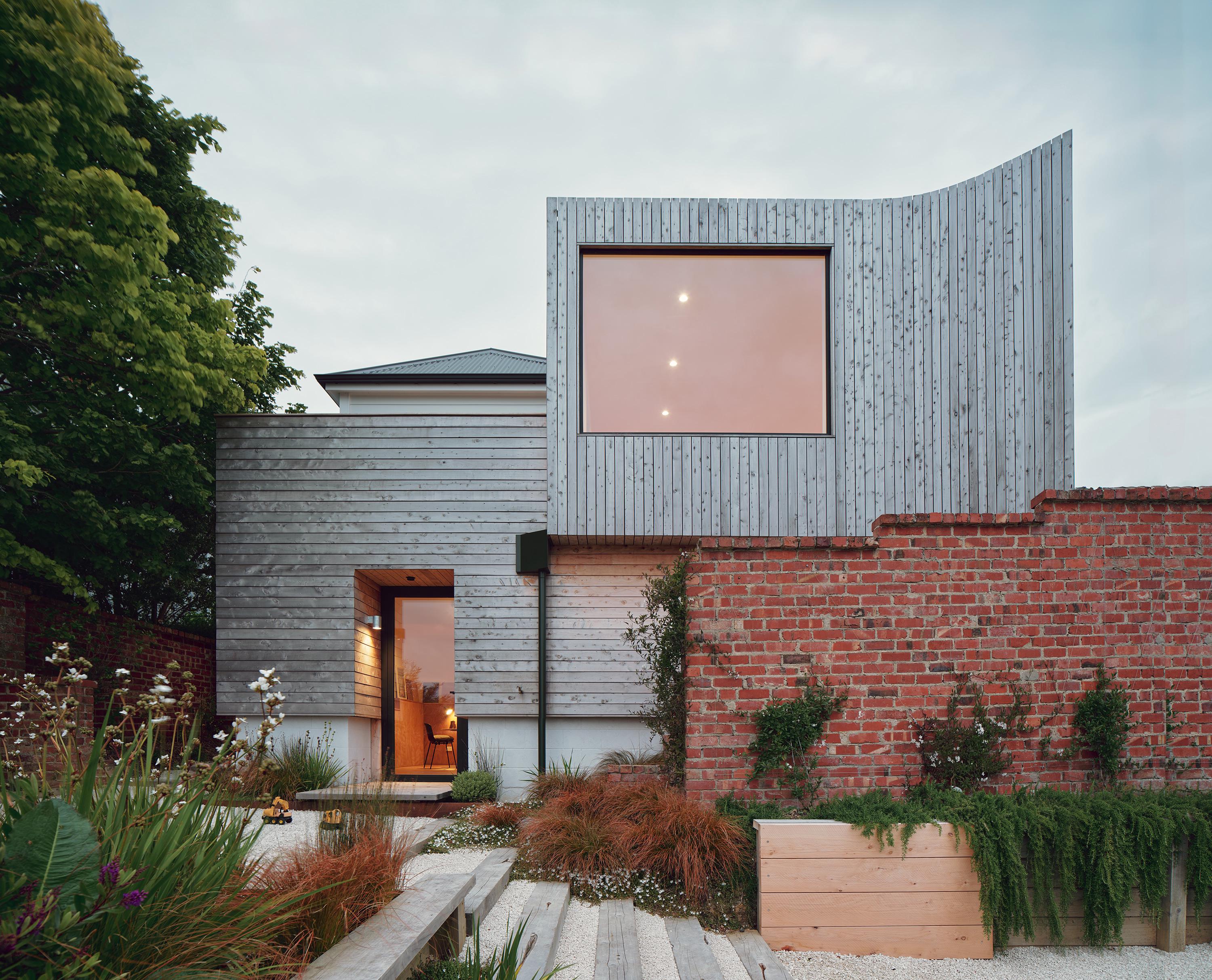
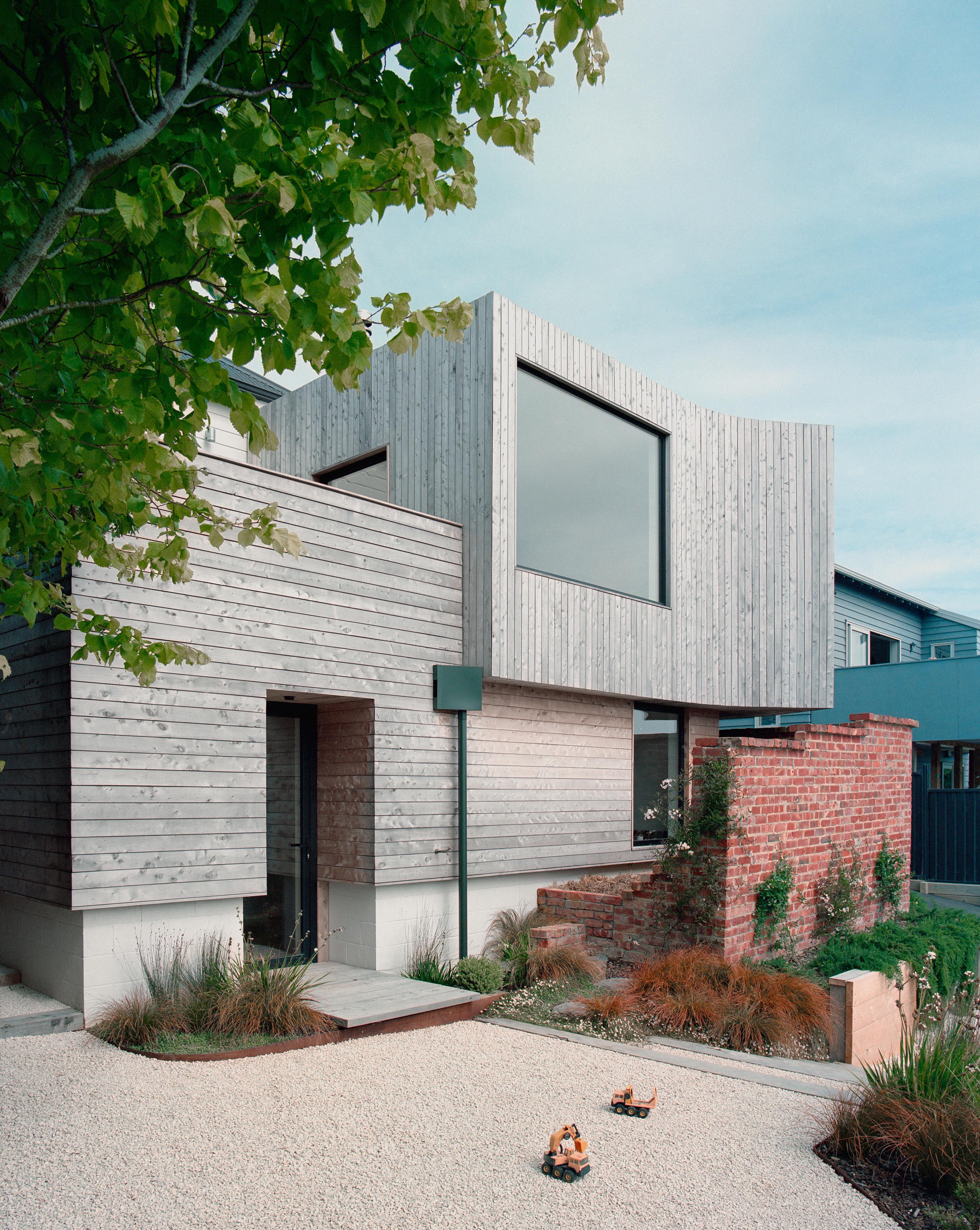
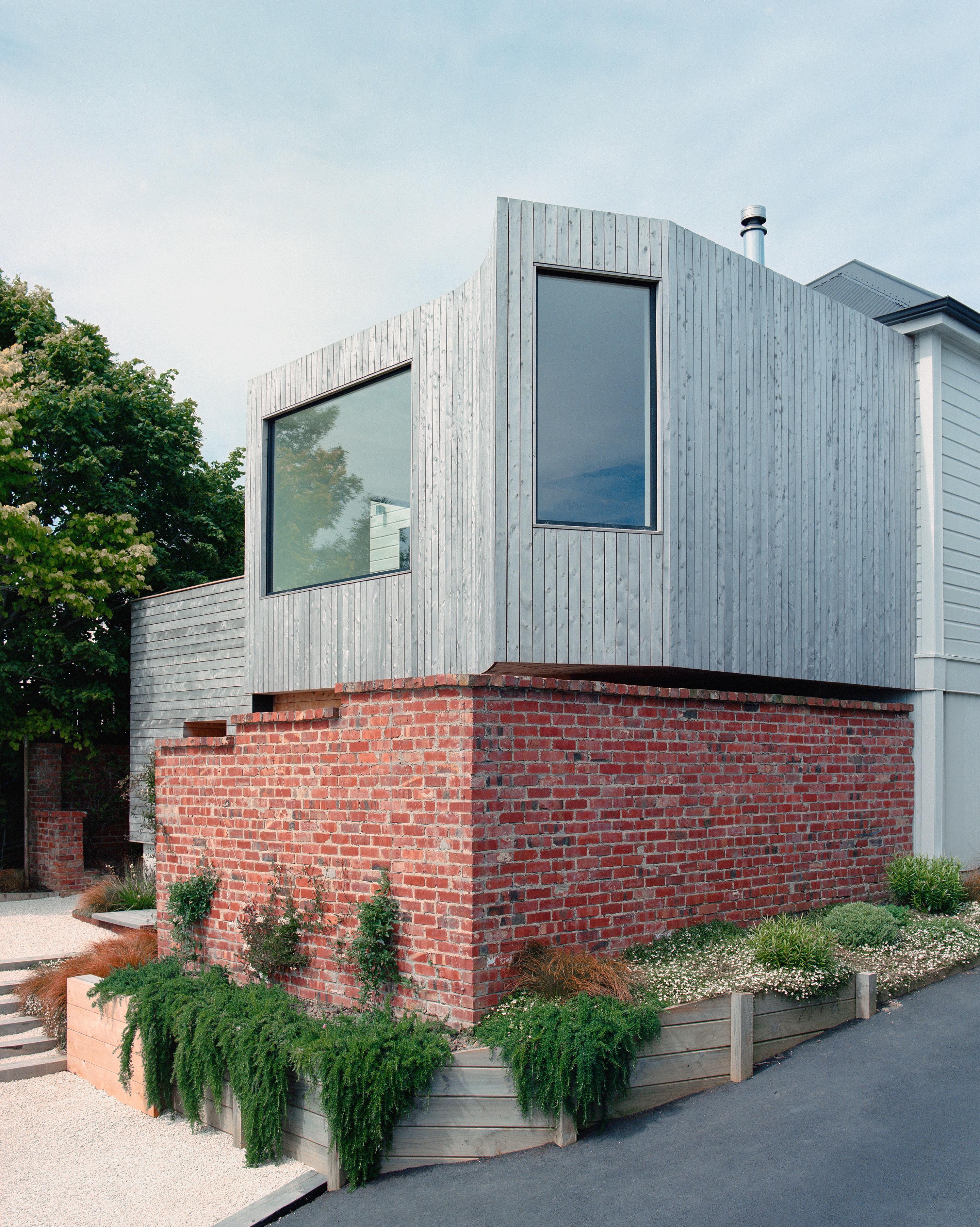
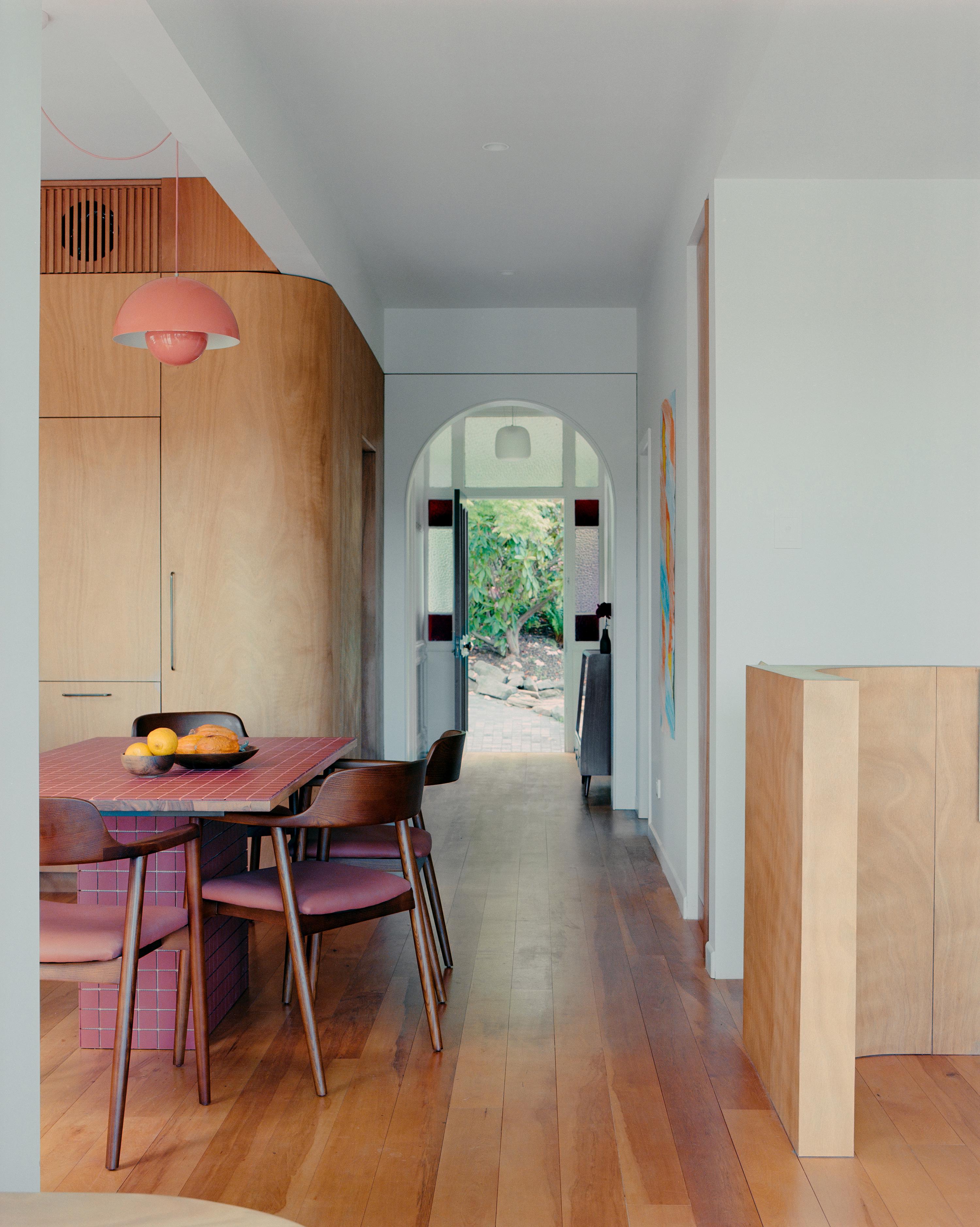
A hundred years after it was built, the villa was reimagined with care. The original façade and front rooms were restored: floors sanded, windows reglazed, detailing celebrated. But beyond that, the plan opens. A new living space looks out toward the valley and draws in light throughout the day. There’s a built-in bench where you can sit and watch the weather move—sometimes fast, sometimes barely. The addition doesn’t mimic the past, but it shares a logic with it. Clad in macrocarpa and designed to age naturally, the new volume holds its own against the wind and works with the rhythm of the original structure.
Downstairs, the house extends in quieter ways. A courtyard surrounded by native planting, a flexible room with its own bathroom, doors that shift open depending on who’s home or what the day calls for. Materials are reused and thoughtfully chosen—local timber, terrazzo, plywood, native Miro. Nothing flashy, everything purposeful. The renovation doesn’t overwrite the past—it builds on it. It makes space for light, for movement, for another century of living in place. Not a showpiece, but a house you can grow into. One that notices the weather, and lets you notice it too.
Photographs by Mickey Ross