Search






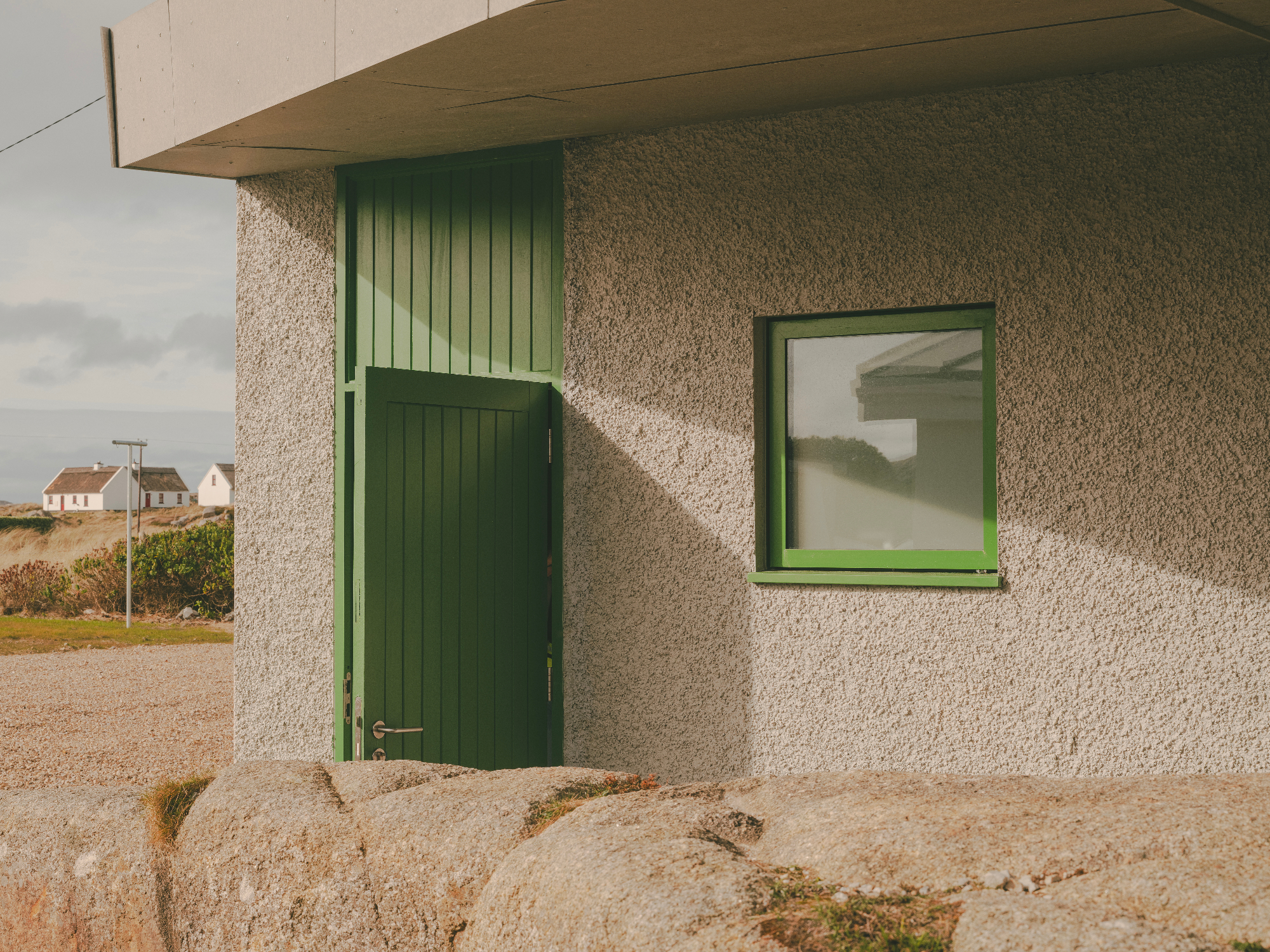
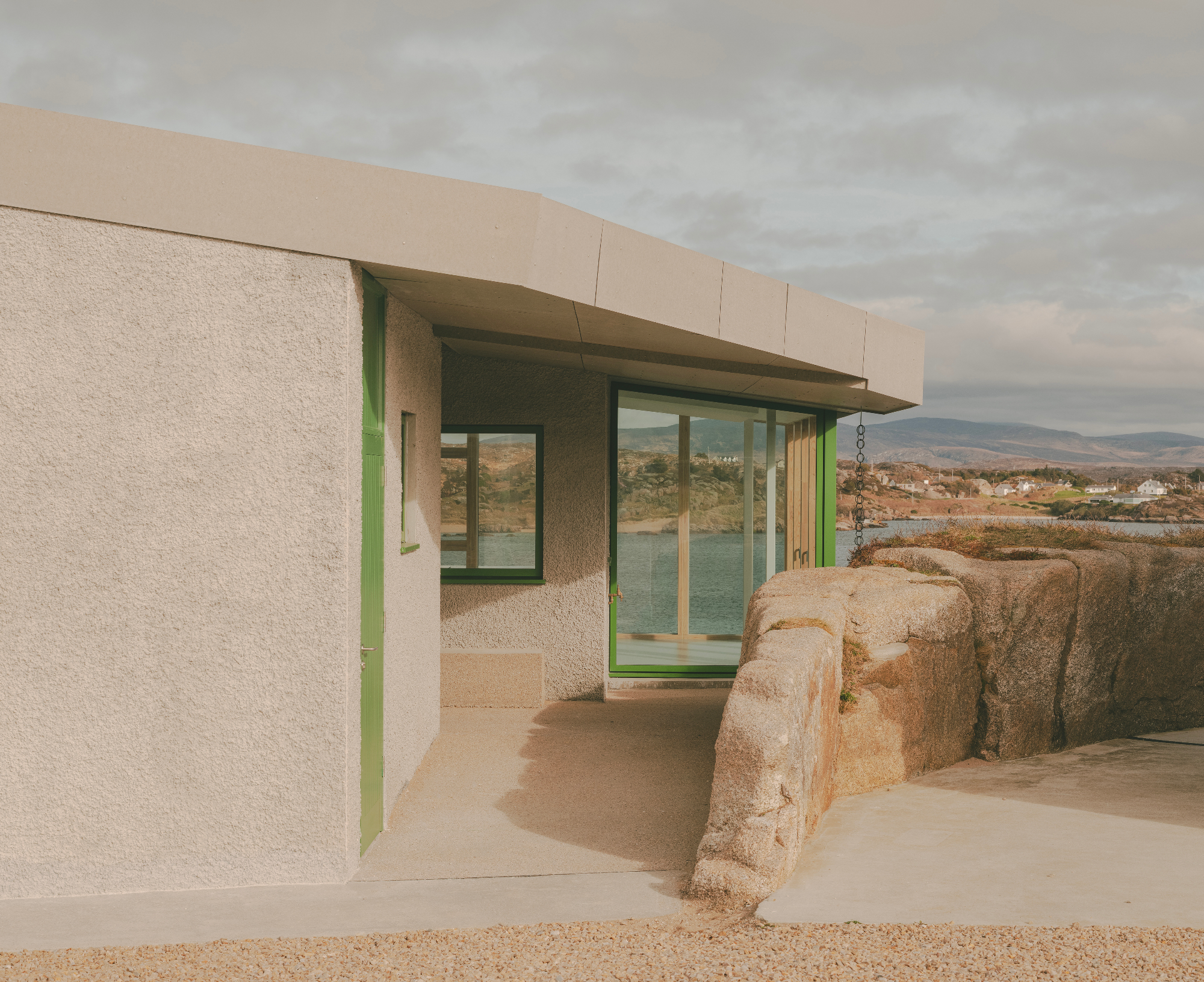
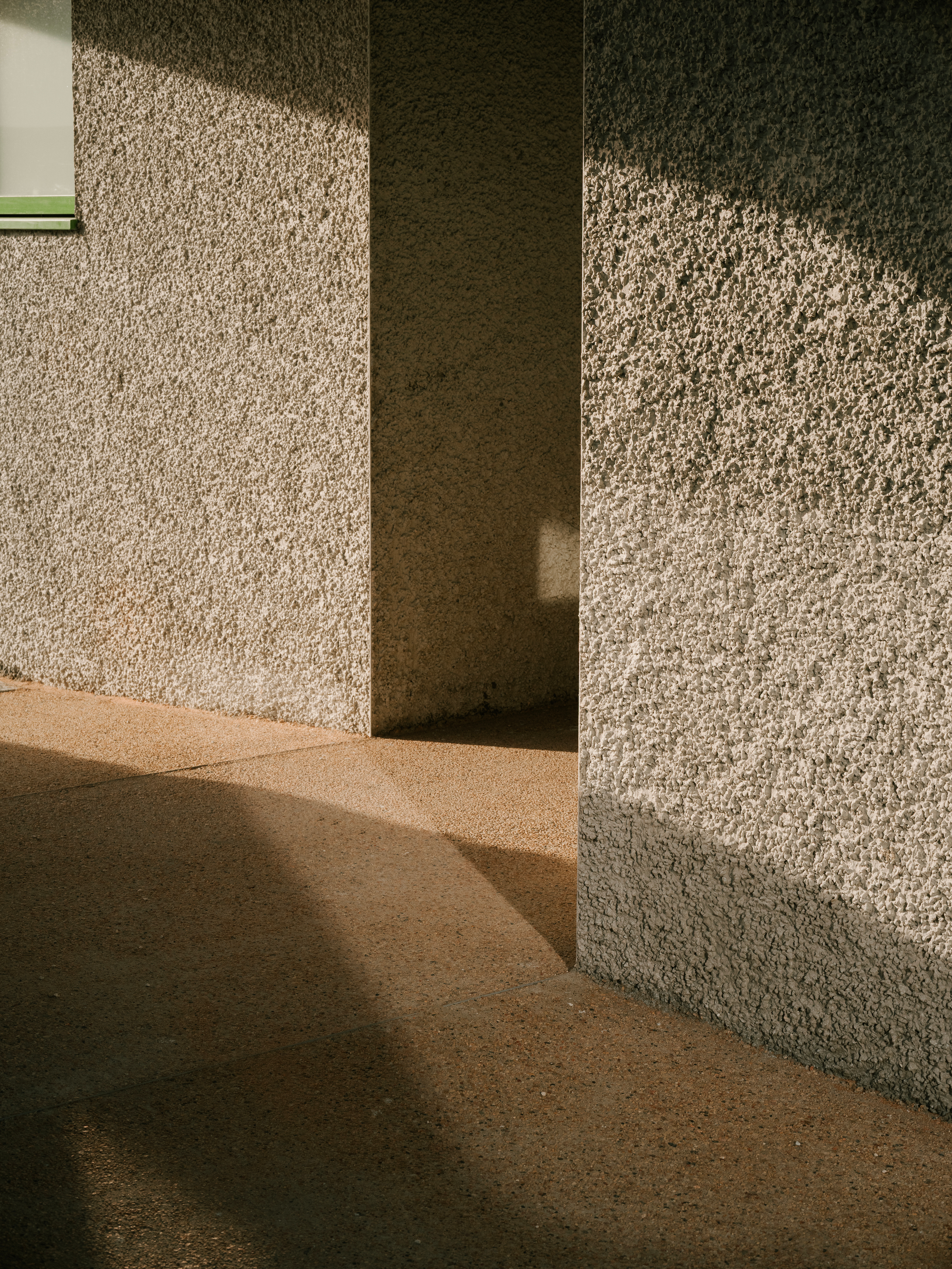
On a rocky headland in County Donegal, Pasparakis Friel sets a low, sand‑colored house into the wind—textured render, green joinery, and a roofline that skims the Atlantic light.
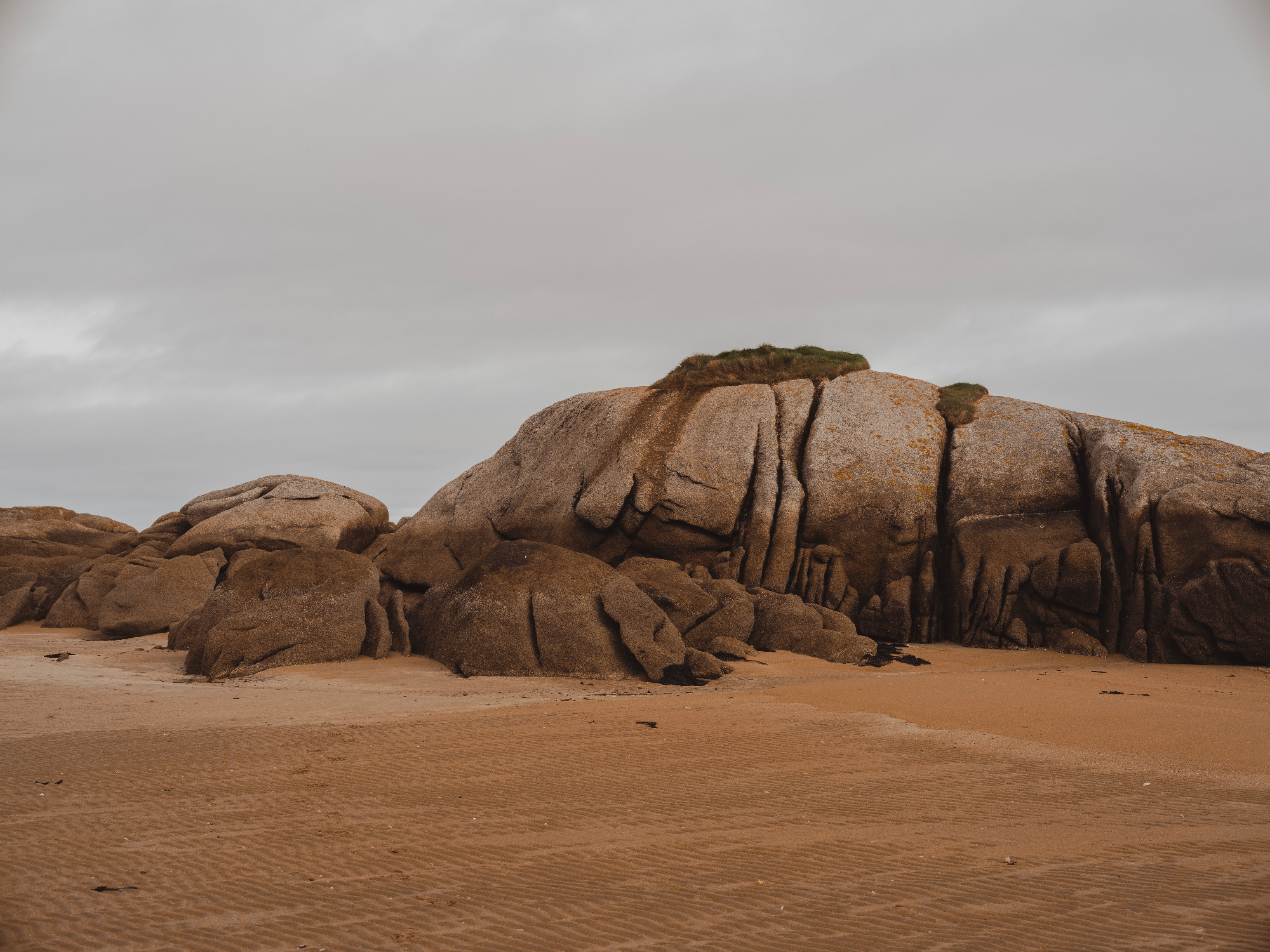
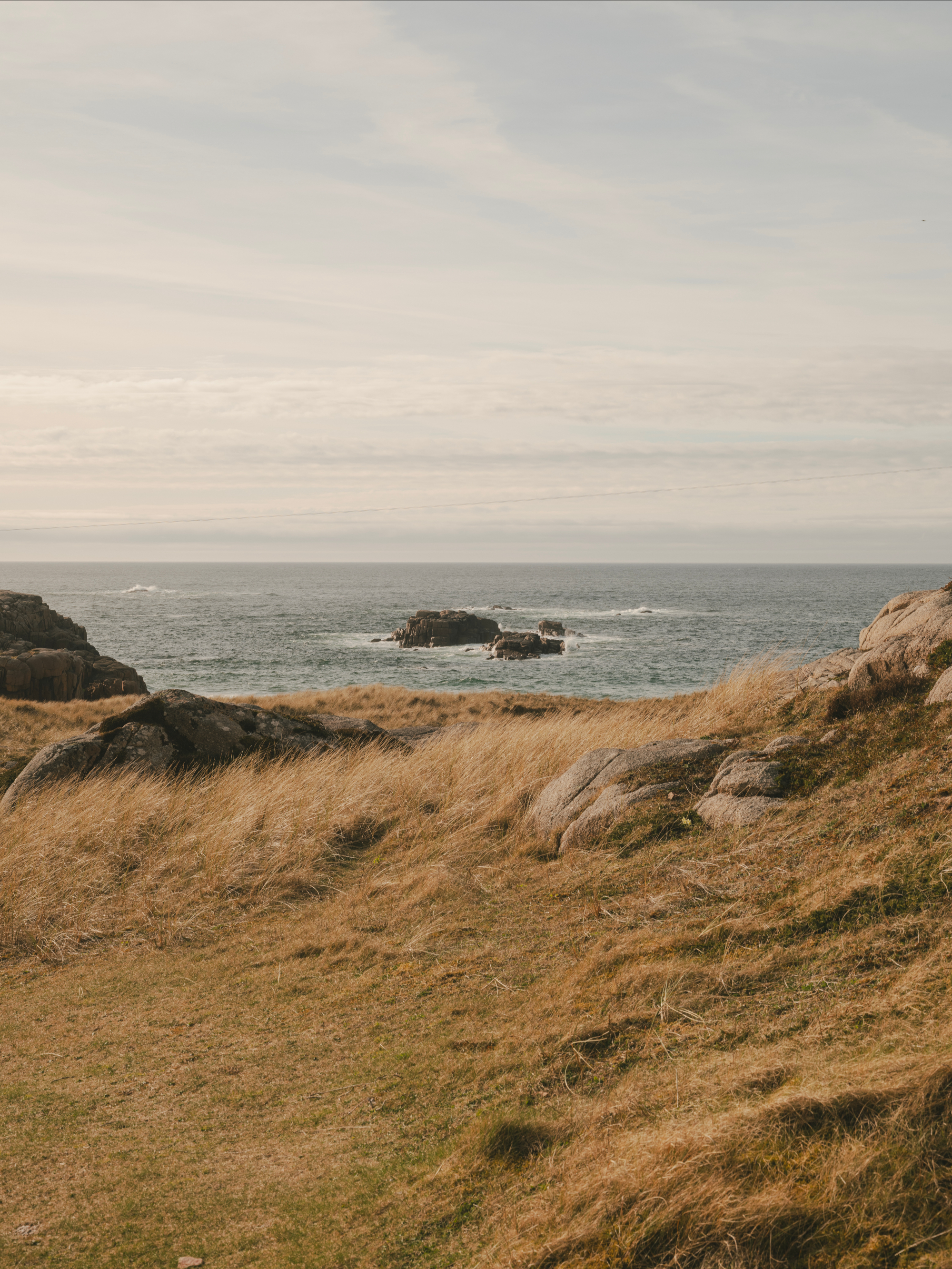
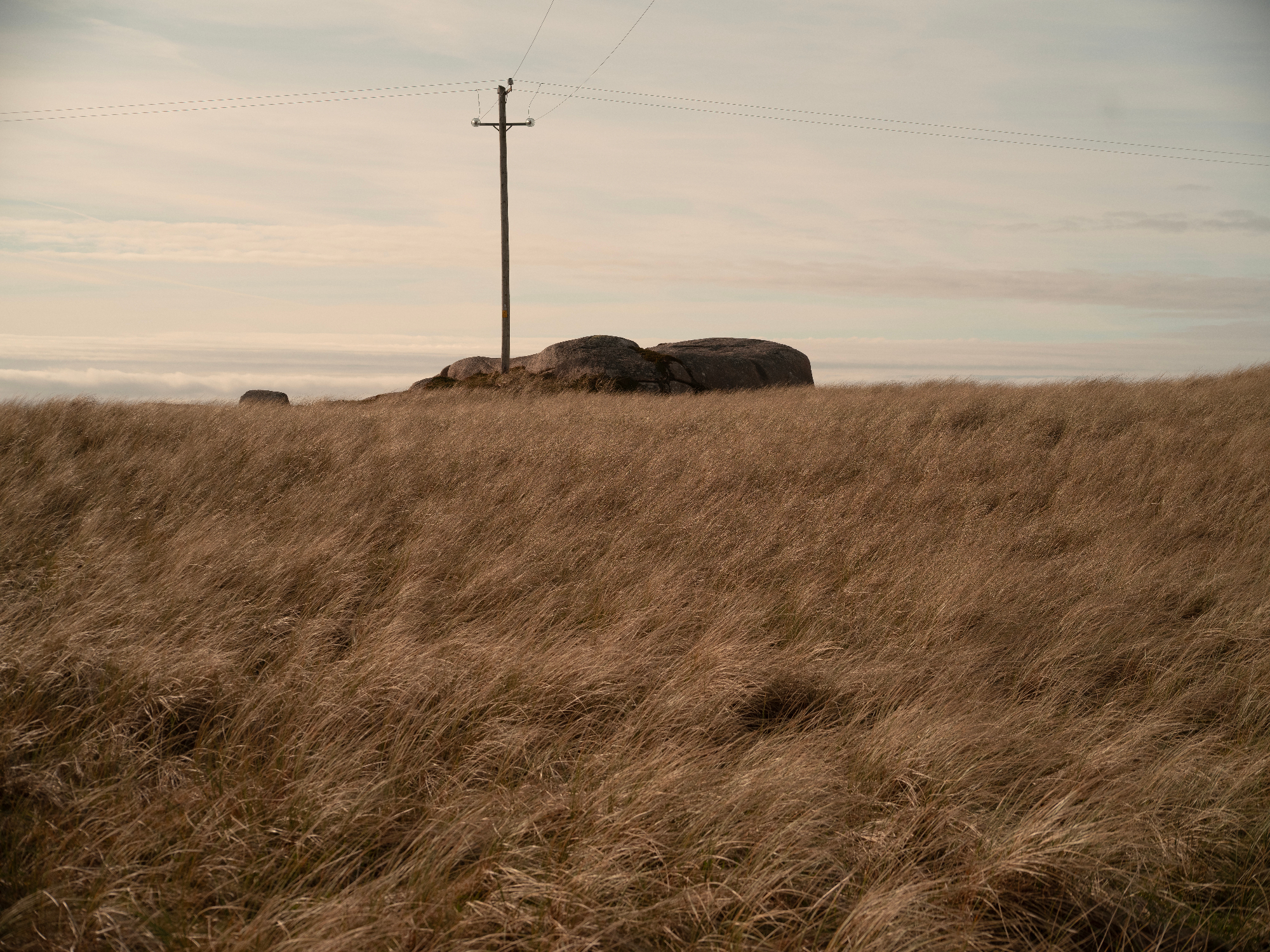
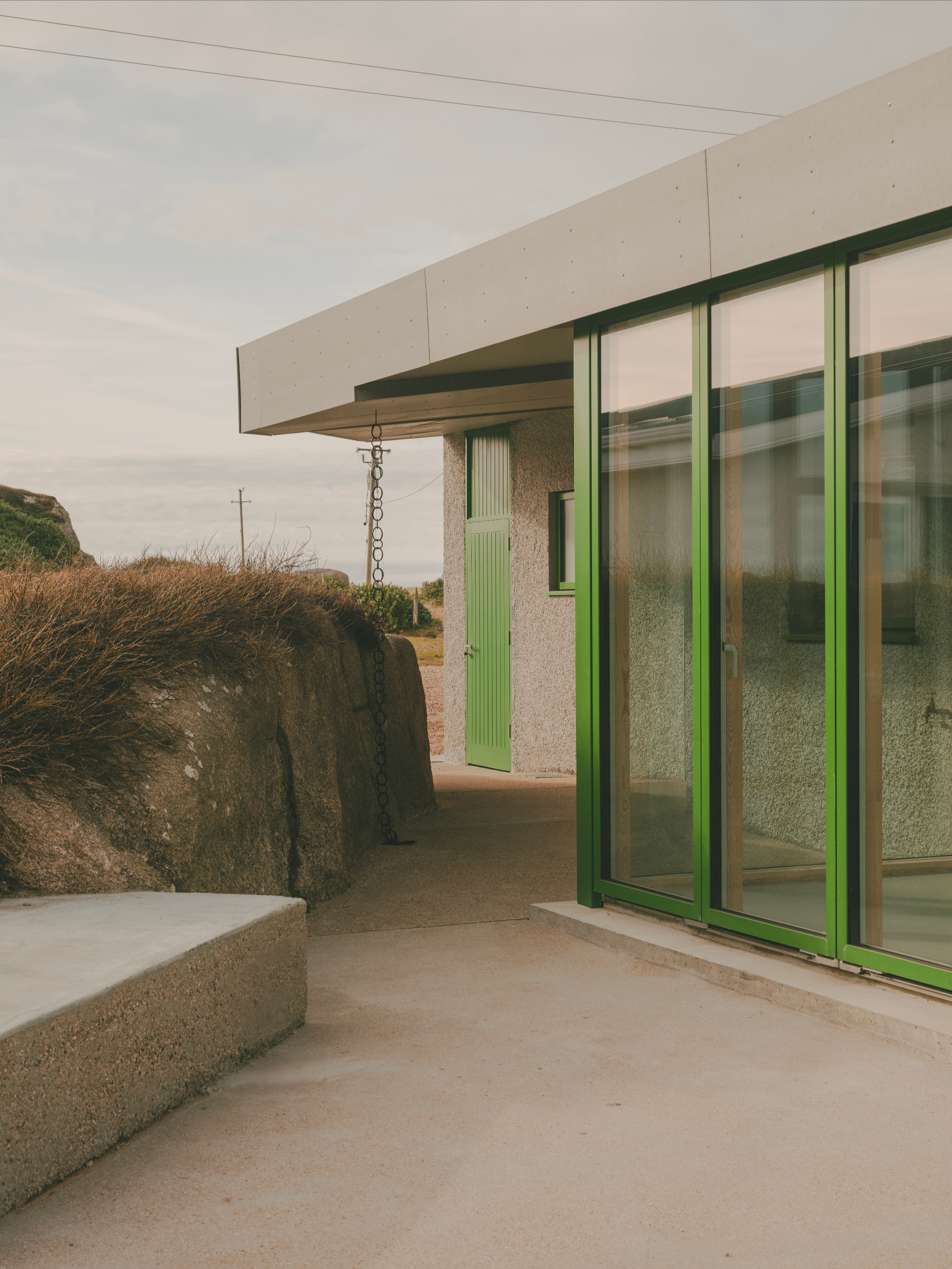
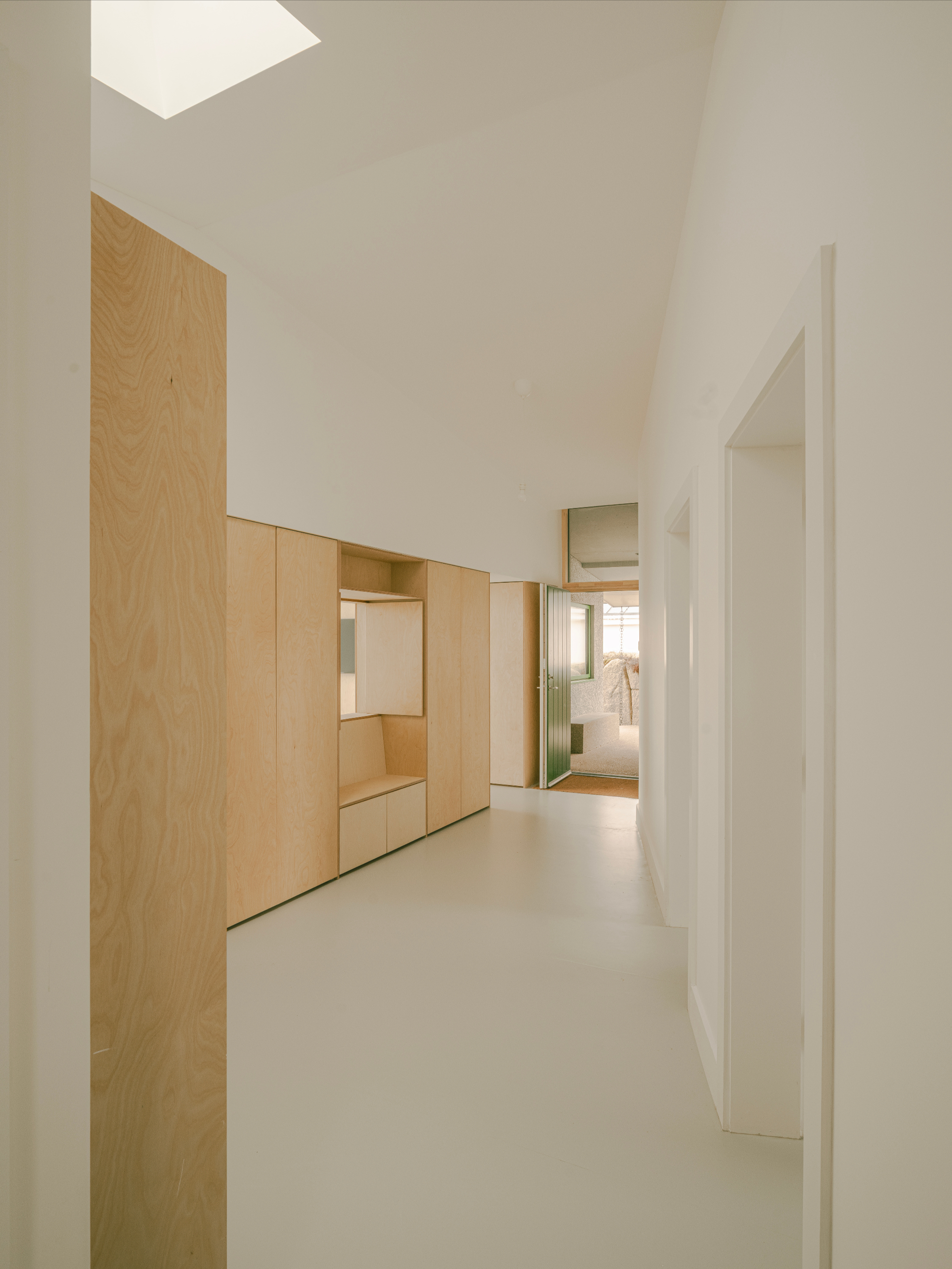
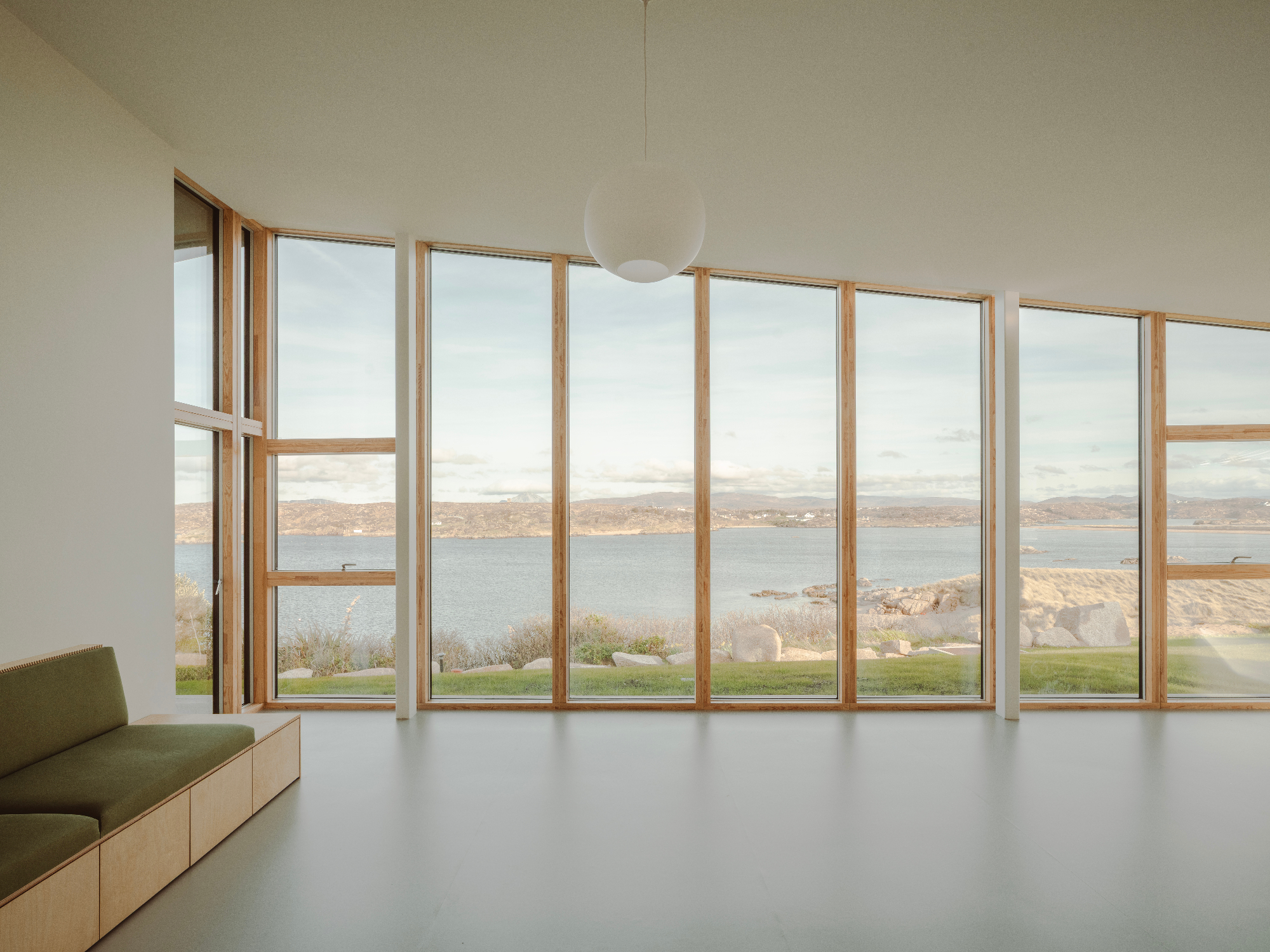
The site does most of the talking: grasses moving in one direction, granite seams leaning to the sea, a crescent of pale beach below. The house answers quietly. From the road it reads as two modest gables; from the water, a long, single sweep of glazing steps along the cliff and holds the horizon at eye level. Pasparakis Friel keeps mass low and edges soft—pebbled render close to the color of the dunes, deep eaves that throw shade and break rain, and a chain downspout that leads water away without fuss. Doors and window frames pick up a sharp green, a practical note you’ll recognize from farm gates across the region. The plan starts at a sheltered notch between boulders and slips you inside before the wind can catch the door. Then the view opens: water, rock, sky—three steady bands.
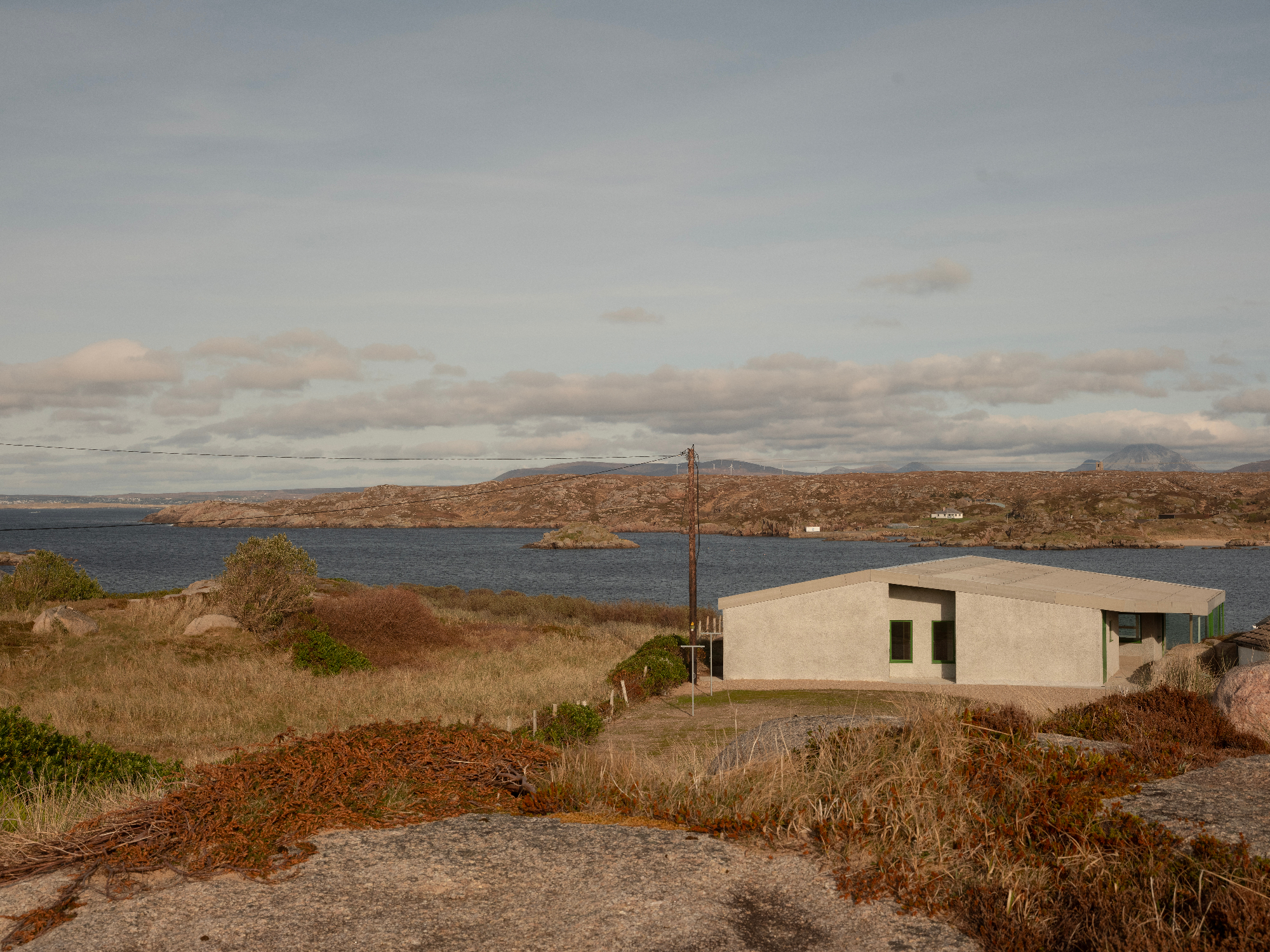
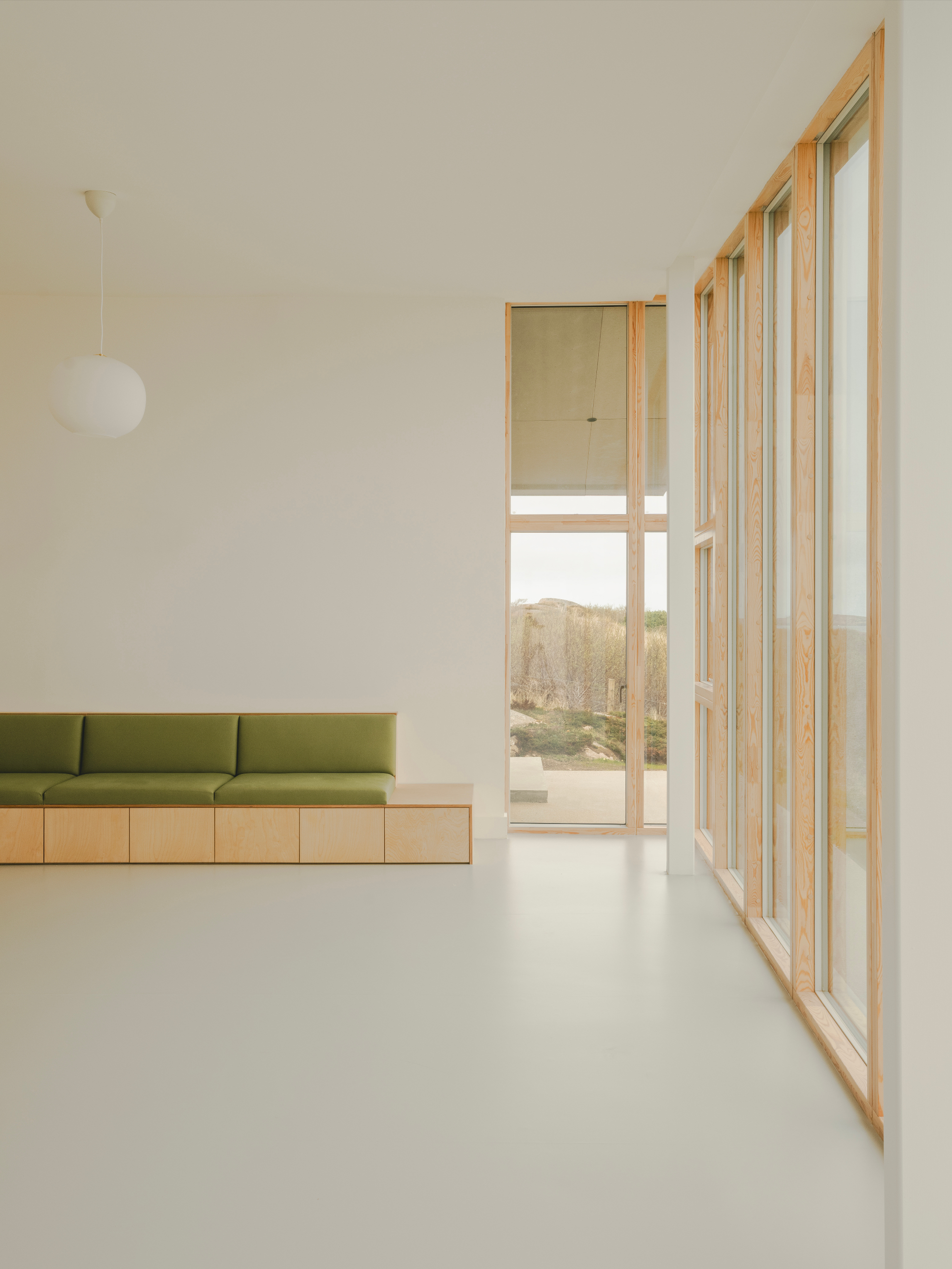
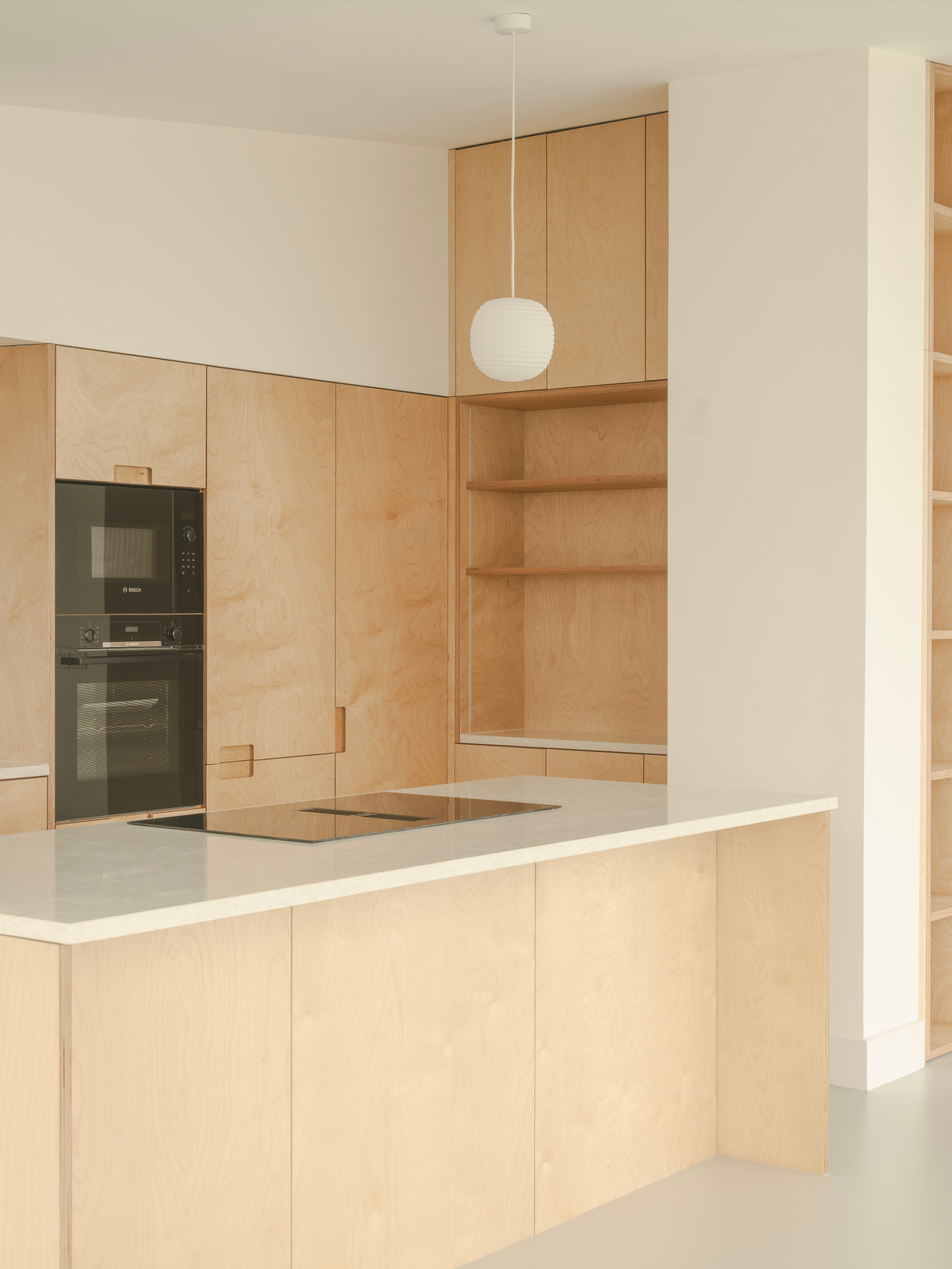
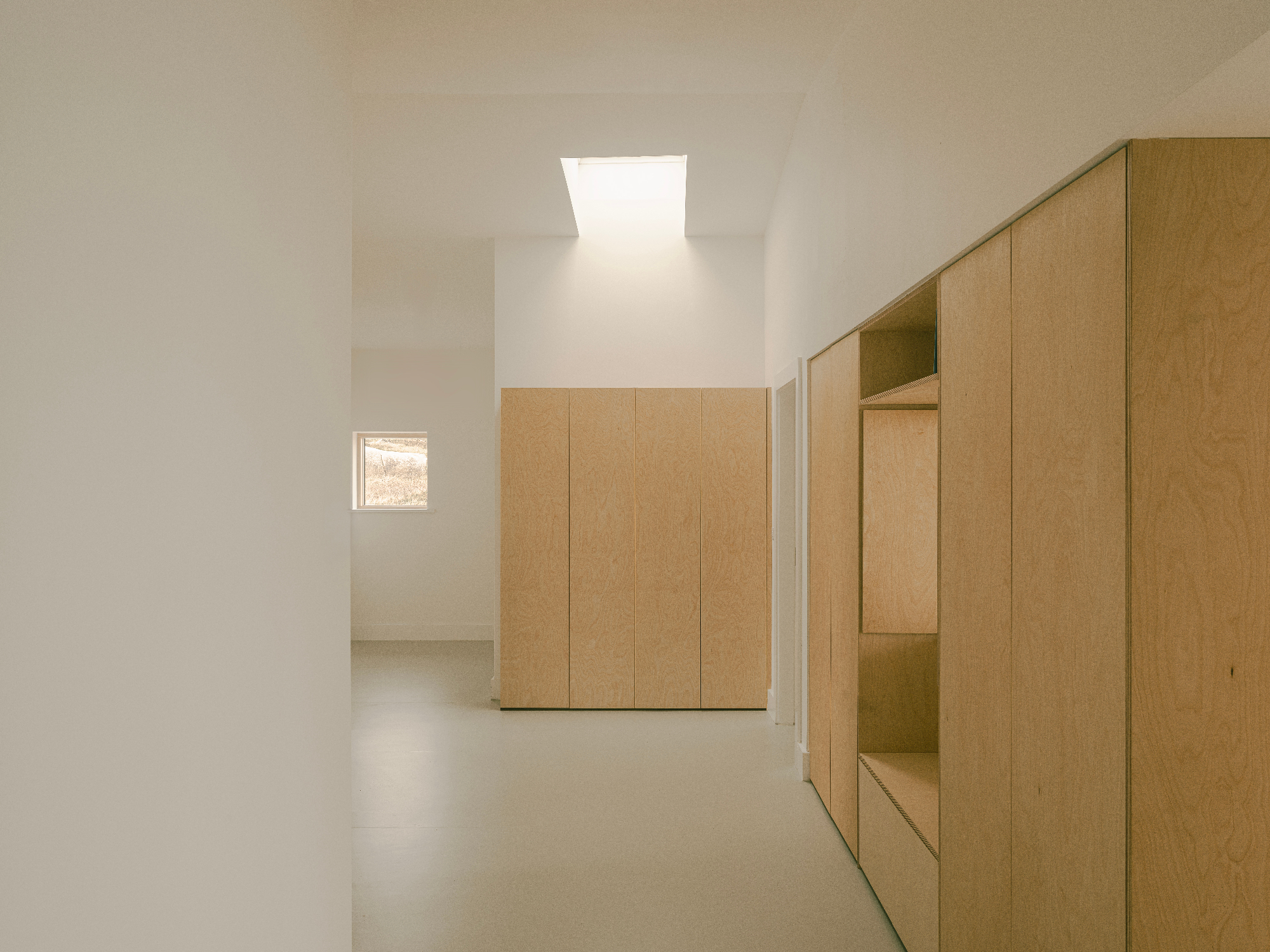
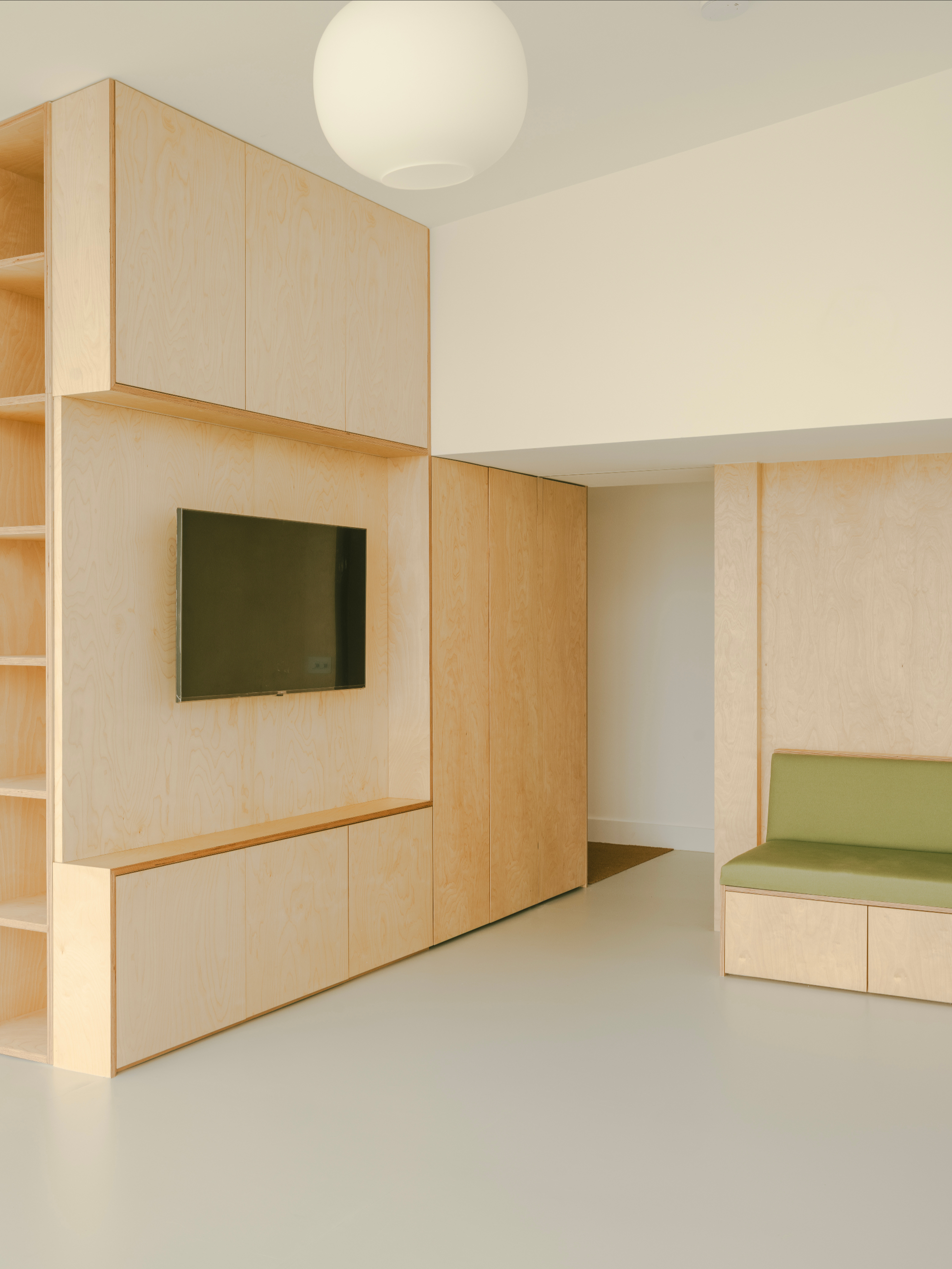
Inside, the architecture falls into a simple rhythm. A continuous living room runs the length of the sea façade; pale flooring keeps light moving across the space; and a built‑in bench—plywood carcass with green cushions—anchors the room without blocking the glazing. Timber window reveals warm the edge of the glass and make good ledges for mugs, books, and binoculars. Openings are sized for weather as much as for view: smaller, square windows on the inland sides to temper crosswinds; tall panes facing the bay to pull the outside in. The roof’s long overhang turns the terrace into a usable strip even on wet days, and the rendered walls take on the day’s color—salt gray in the morning, warm straw by late afternoon. Materials stay straightforward and durable: cementitious roof panels, textured render that shrugs off spray, timber where hands land. You can read the construction in the details—the way the soffit returns neatly at a corner, the way the thresholds sit flush so sand and grit don’t snag.
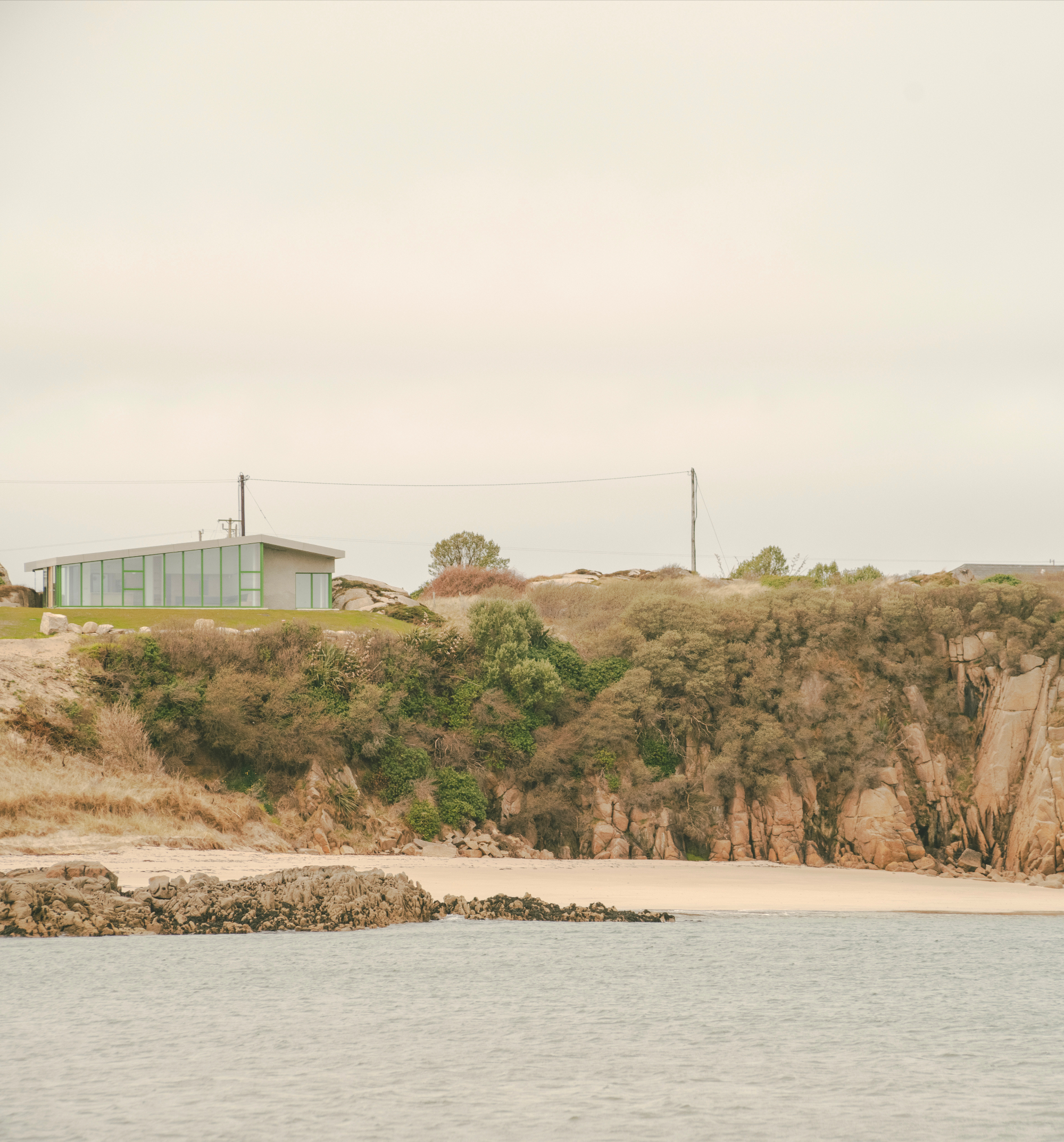
Daily life here is about small, repeatable moments. First light washes the built‑in seat and you can track a fishing boat through the frame while the kettle comes up. Midday glare softens under the eaves; the floor holds the sun’s warmth long enough for a nap. In a squall, the rain chain ticks a steady beat and the view tightens to the near rocks—the room stays calm, the wind lives outside. Walk the perimeter at dusk and the house feels set into the site rather than on it: the green door catching the last gold, the render reading almost like lichen against granite, the roof edge tracing a fine line under the sky. It’s an easy building to live with because every decision is tuned to the place—height, color, opening, overhang—so the Atlantic sets the tempo and the house keeps pace.
Photo credits: Peter Molloy