Search






A new hardcover volume follows Ben Thorp Brown’s mist-filled garden at Kunsthal Gent, where trees, ceramic sculpture, sound, and the Roman myth of Cura turn a monastery courtyard into a living artwork.
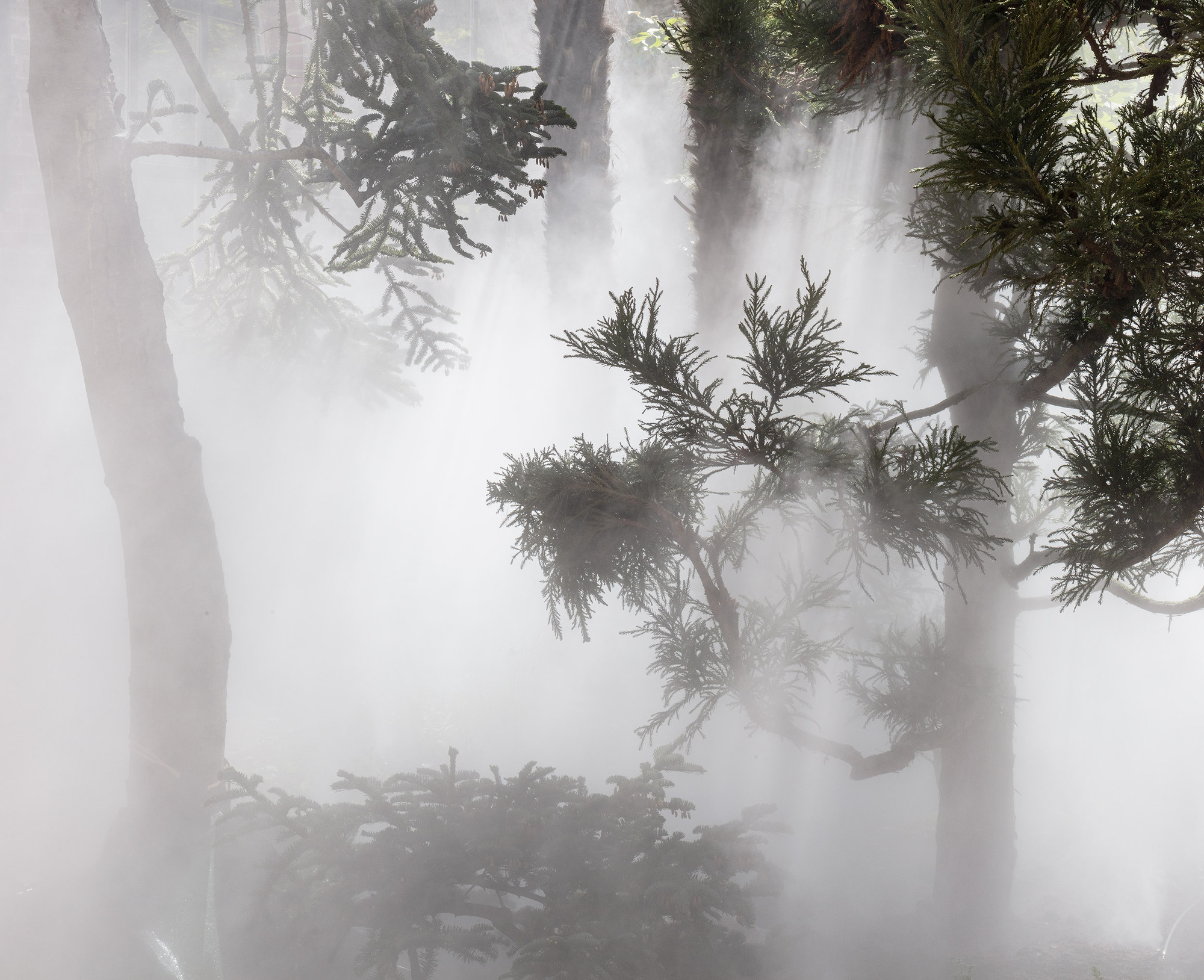
Ghent has a way of making art feel older than the room it is in. Cura’s Garden belongs to that particular magic: a long-term installation by American artist Ben Thorp Brown, developed with Belgian landscape designer Jan Minne in the courtyard of Kunsthal Gent, a former 13th-century Carmelite monastery. Since 2023, the garden has filled the space with tall trees, dense mist, wet earth, a ceramic fountain, and the distant sound of a voice. It is theatrical, yes, but not in the glossy, immersive-pop-up sense. More like stumbling into a folktale after lunch in Flanders.
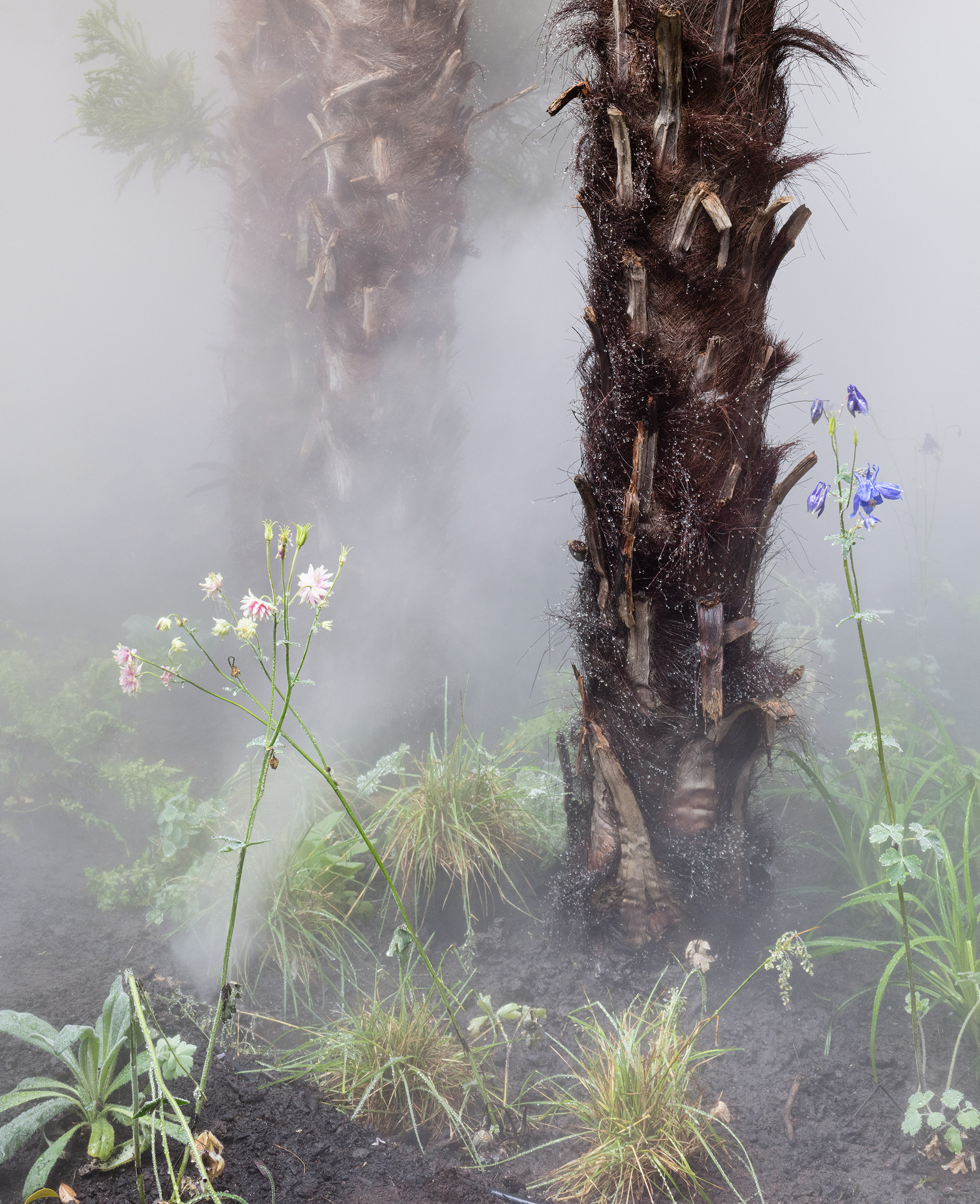
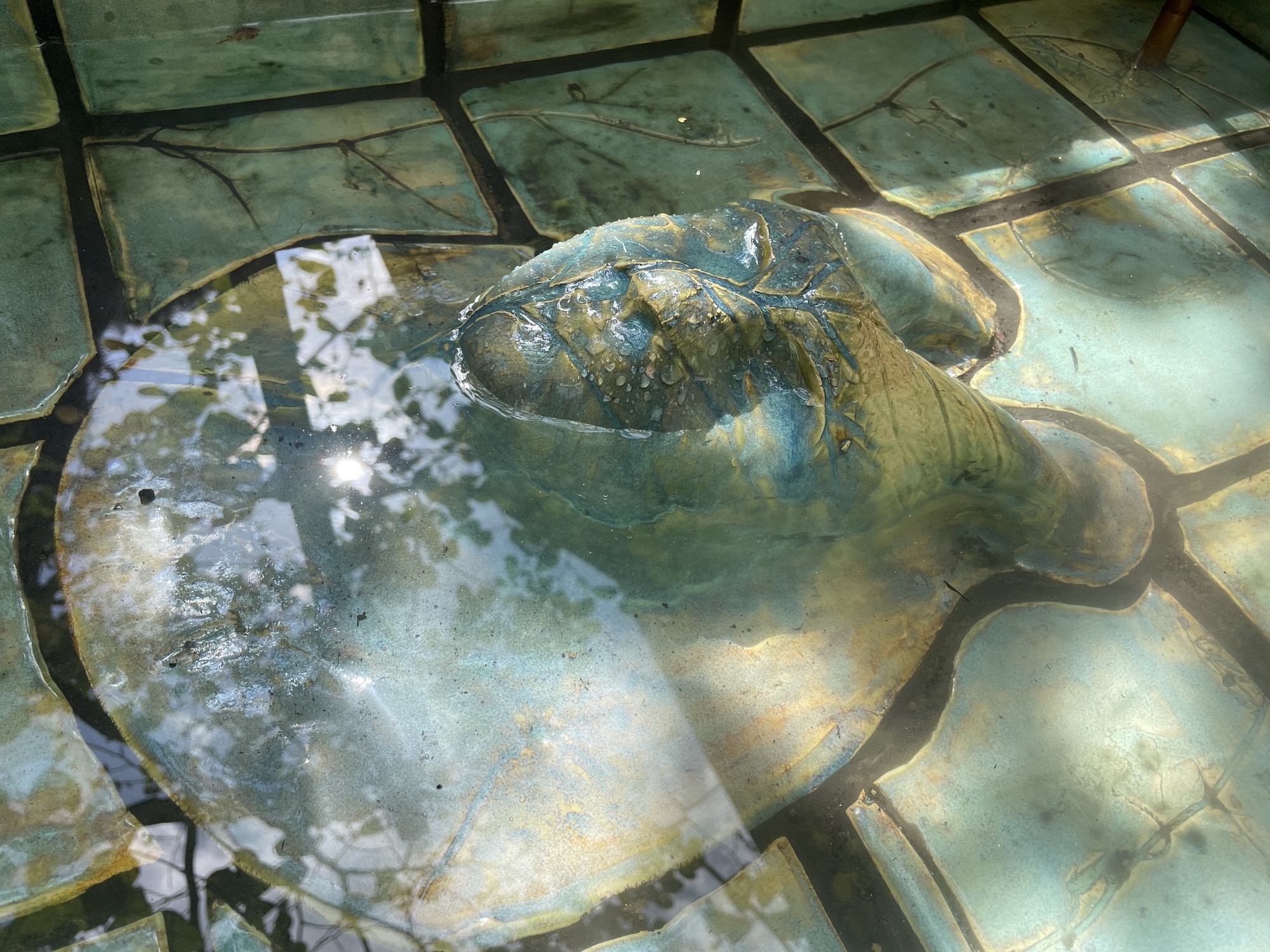
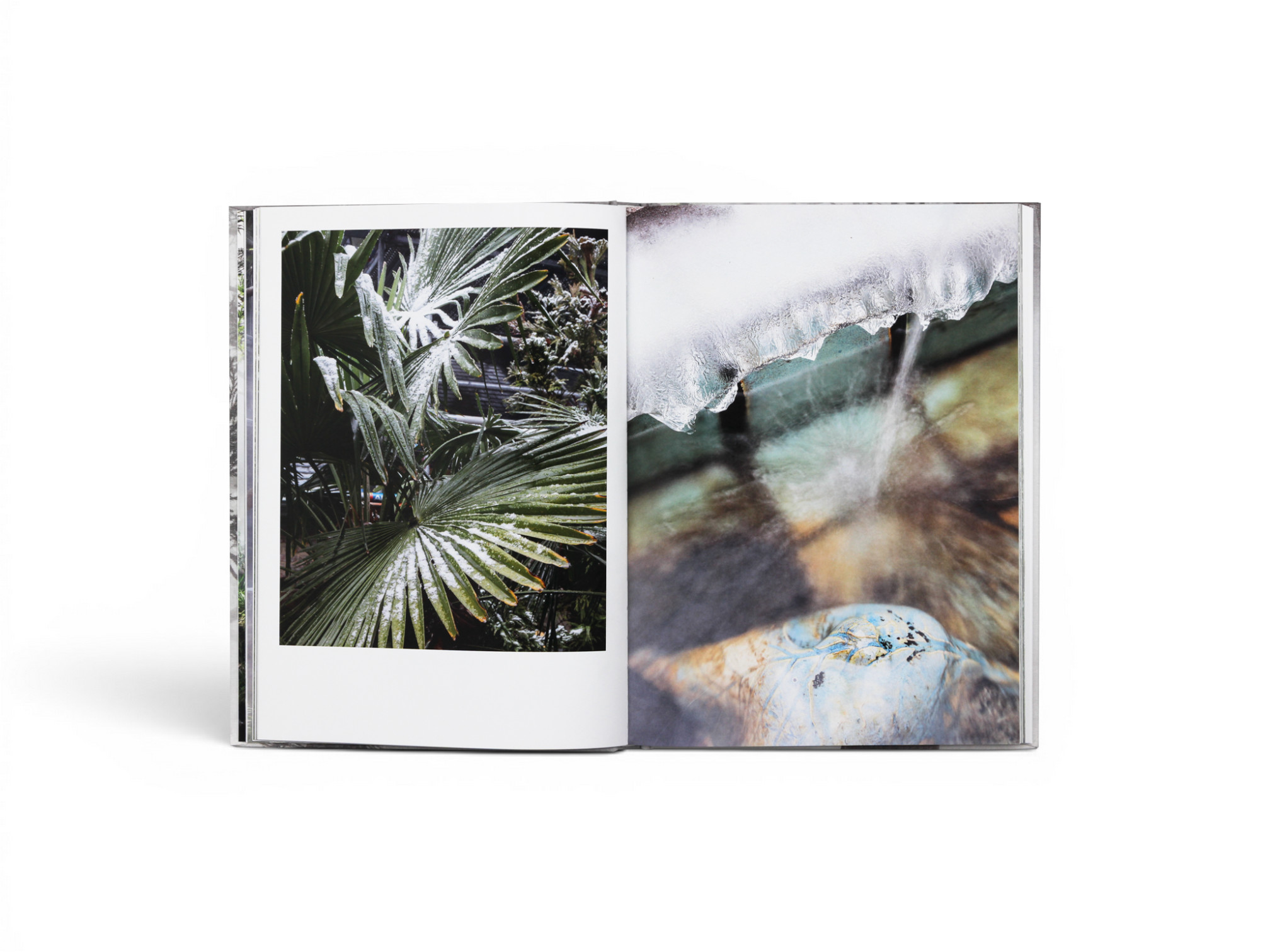
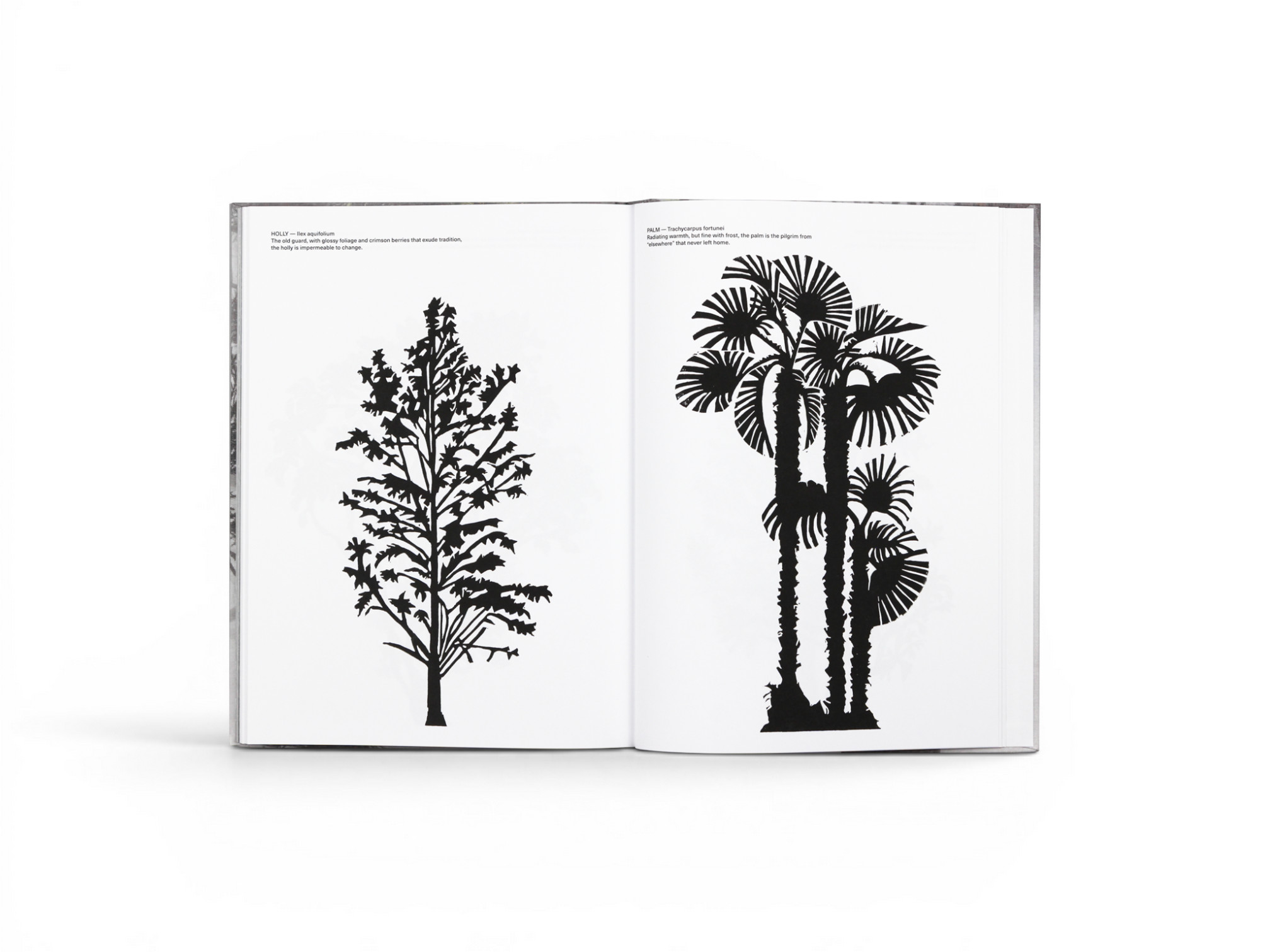
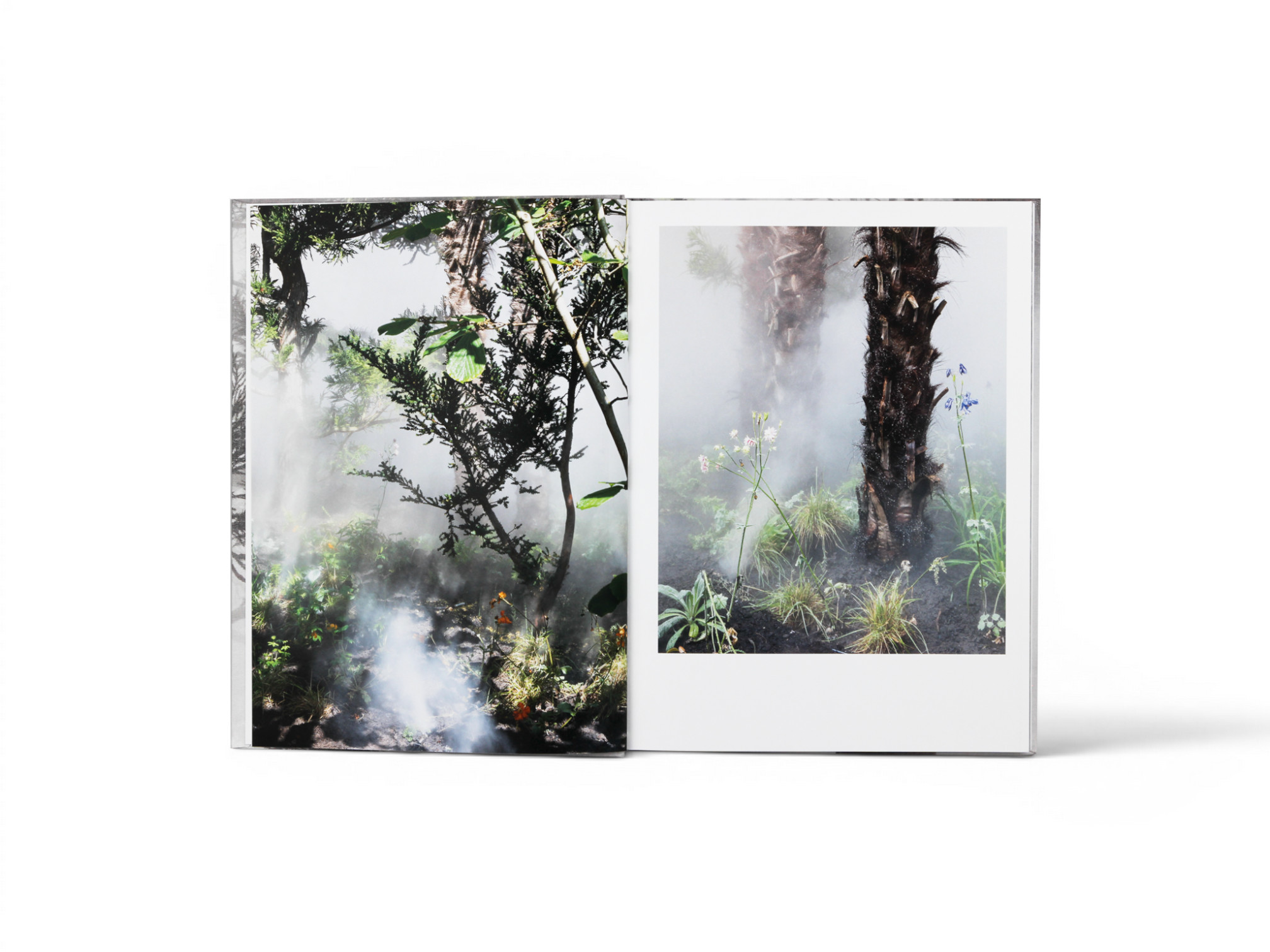
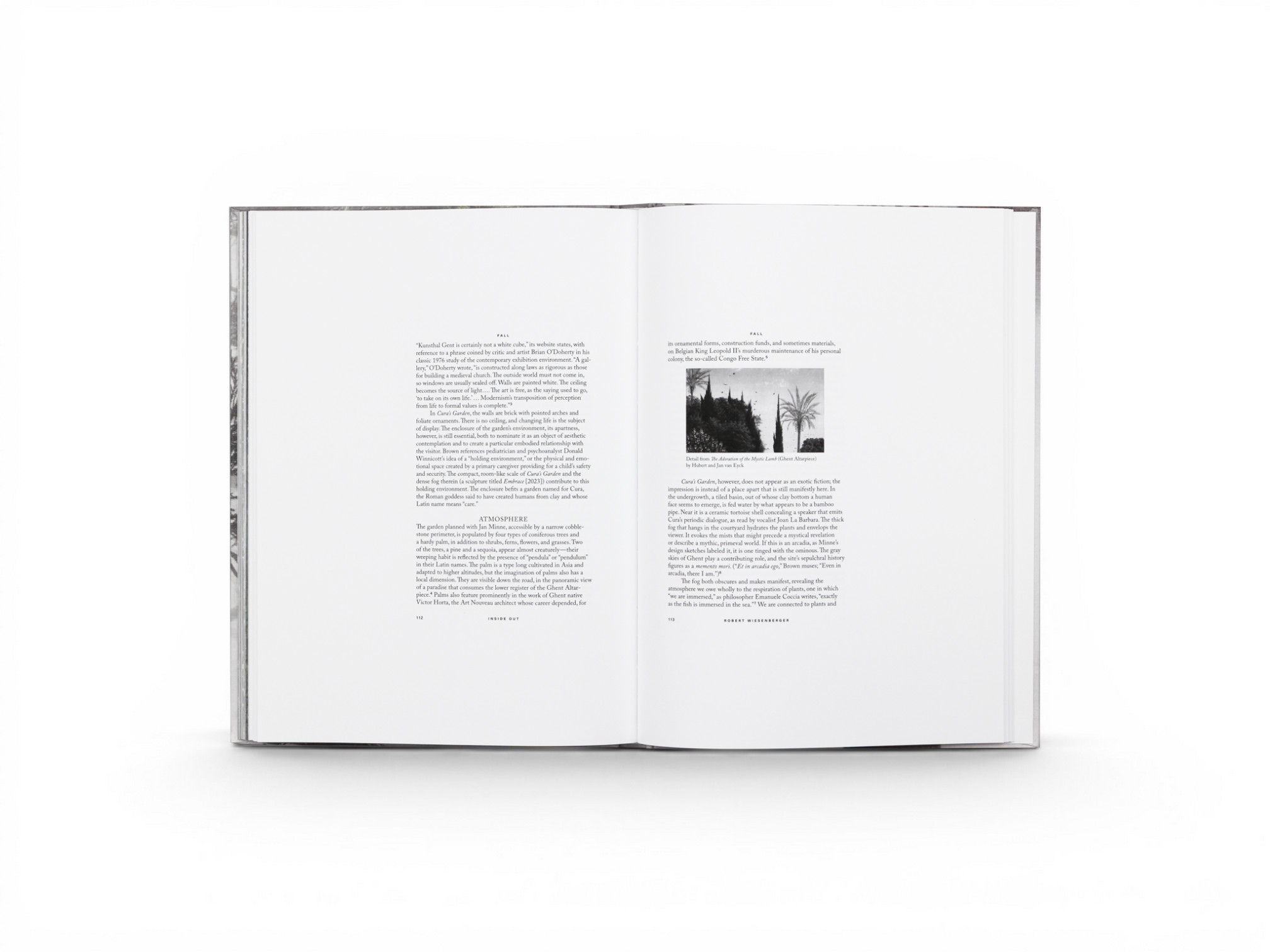
The book is the part you can take home. Co-published by Inventory Press, Kunsthal Gent, and Roma Publications, this 152-page hardcover gathers two years of the garden’s early life, organized by season. The photographs by Michiel de Cleene and Ben Thorp Brown catch the work in its best states: fog caught in branches, dark trunks beaded with water, ceramic tiles glowing turquoise, palms under frost, leaves turning graphic against a white page. The volume also includes linocut botanical prints by Cary Thorp Brown, the artist’s mother, which gives the book a lovely second rhythm: image, essay, garden, silhouette, return.
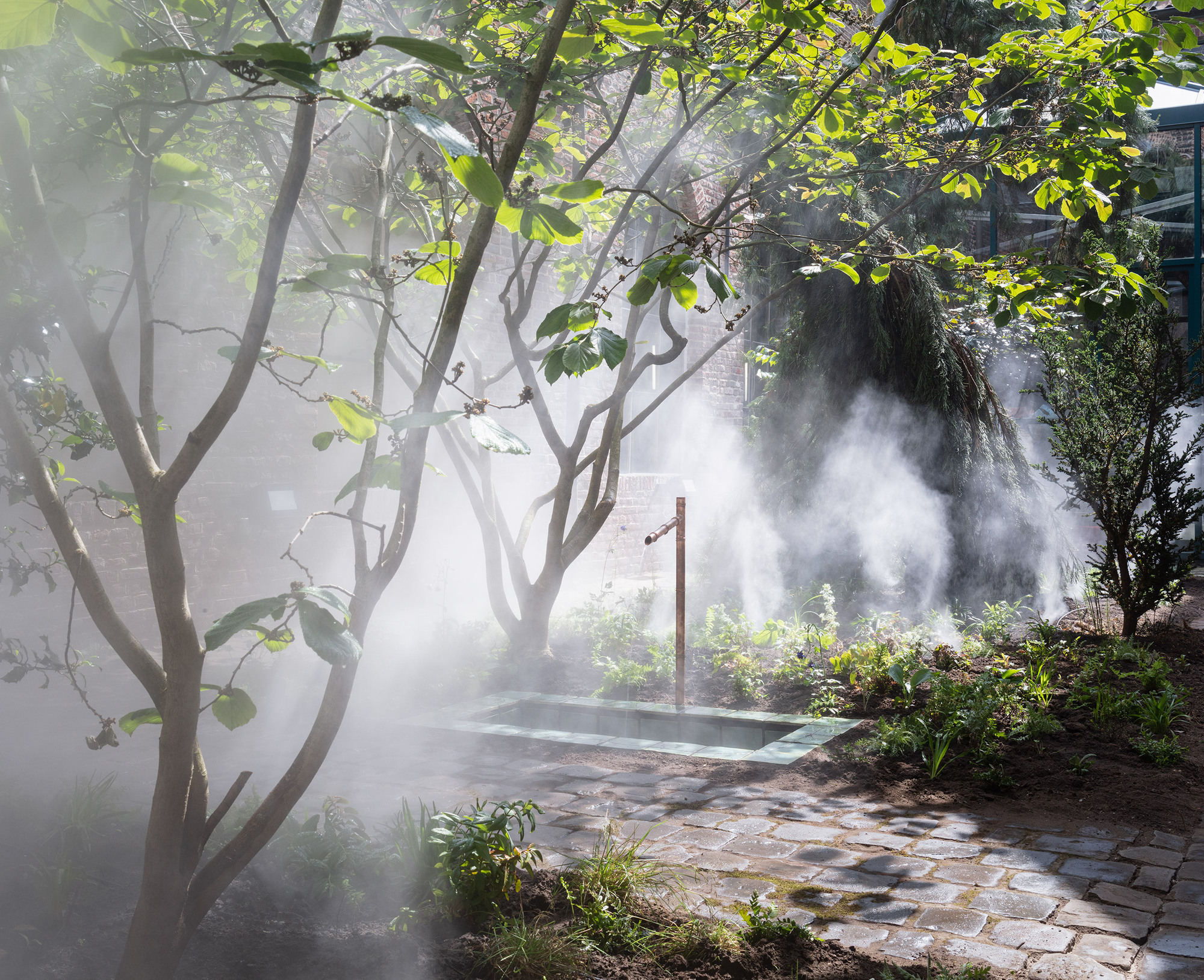
At the center of the project is Cura, the Roman goddess of care, who appears in the ancient myth of the human body formed from clay. Brown takes that story seriously without making it heavy. In the garden, Cura returns through Fountain (After Cura), a ceramic figure emerging from clay and water, and through Memento, a shell-like sculpture carrying the voice of Joan La Barbara. Around these works, fog from the sculpture Embrace changes the courtyard hour by hour. The book gives that shifting experience enough space to breathe, while essays by Laura McLean-Ferris, Laurie Cluitmans, and Robert Wiesenberger, along with a roundtable conversation with Brown, Laura Herman, Jan Minne, and Valentijn Goethals, open up the project’s thinking without flattening its strangeness.
For anyone who keeps a shelf for artist books, garden books, or European exhibitions they wish they had seen in person, Cura’s Garden is an easy yes. It documents an artwork that is still growing, weathering, and changing, but it also stands on its own as a beautiful object: quiet pages, generous images, a little mythology, a little damp Belgian air. The exhibition may live in Ghent; the book lets it travel.