Search






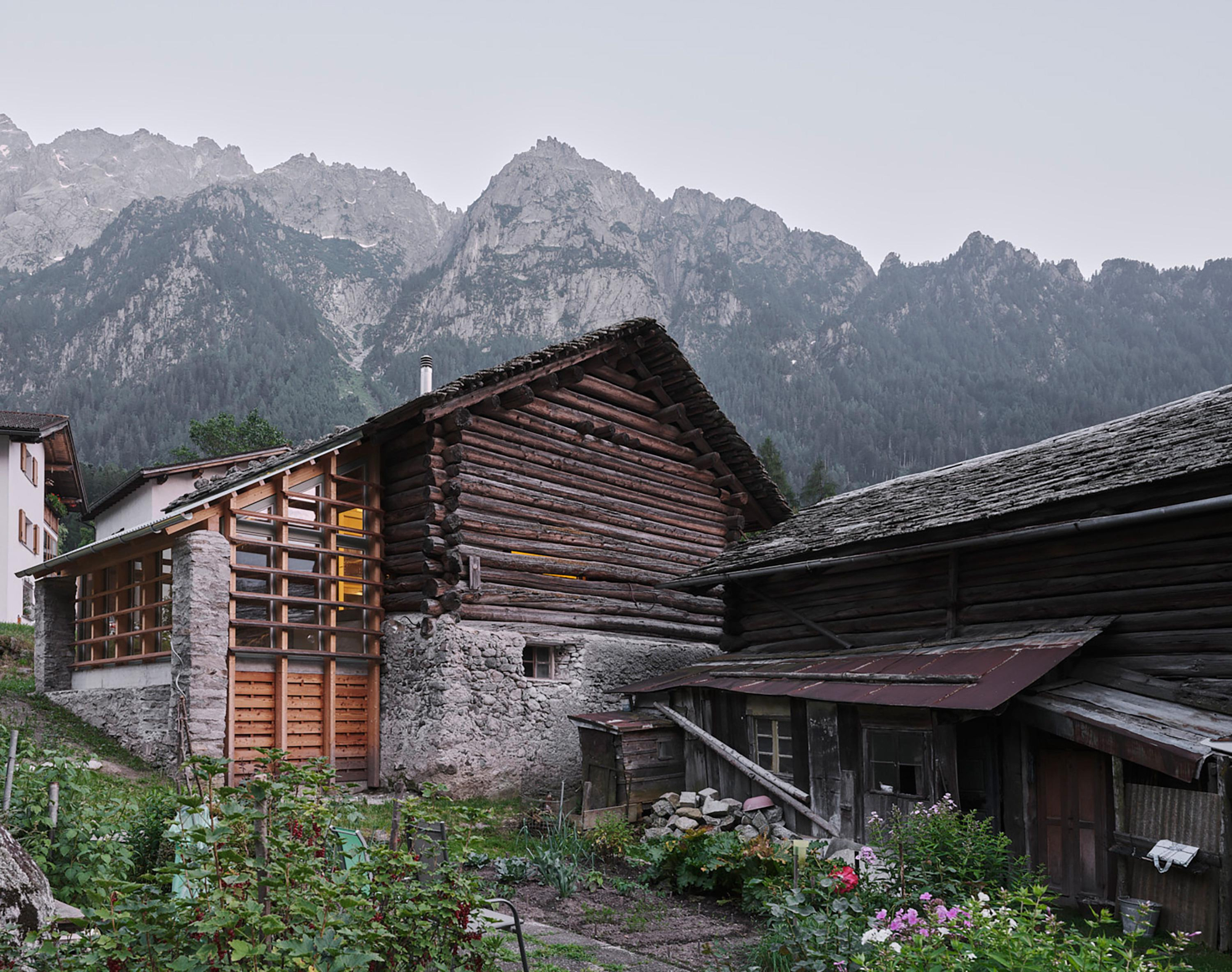
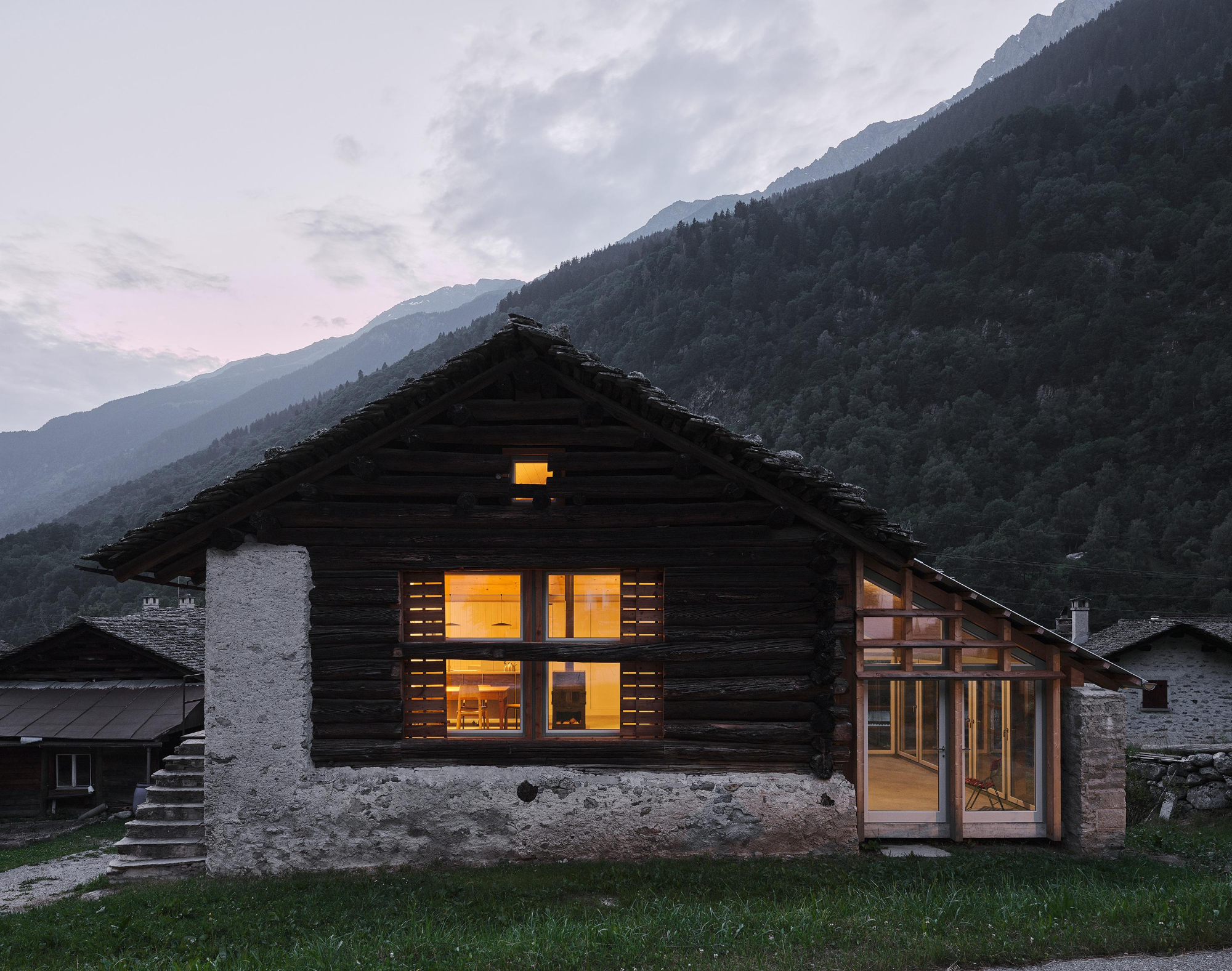
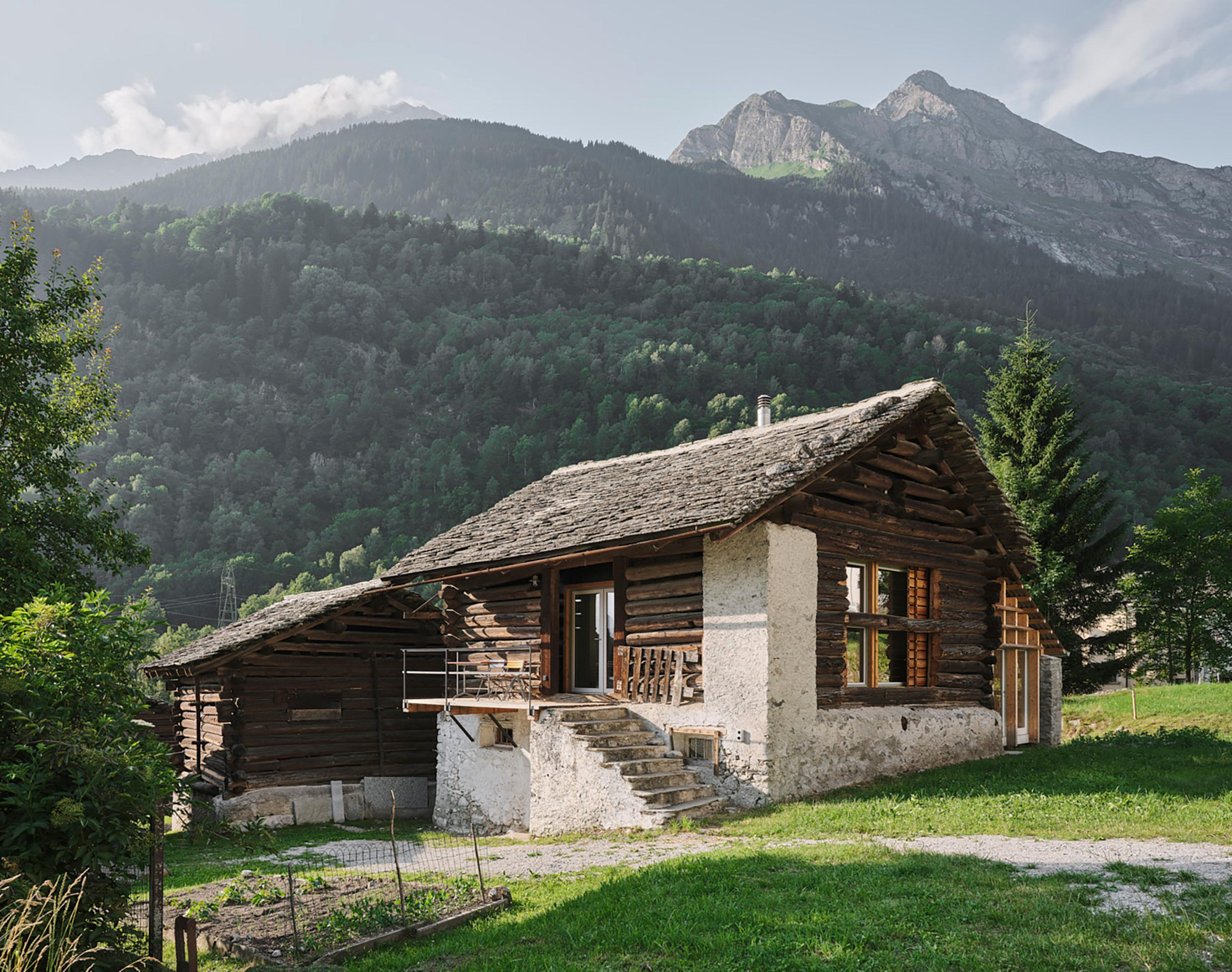
In Borgonovo, Switzerland, Alder Clavuot Nunzi adapt a Val Bregaglia stalla — the rural building that once held animals, hay, tools, and winter work — into a compact home.
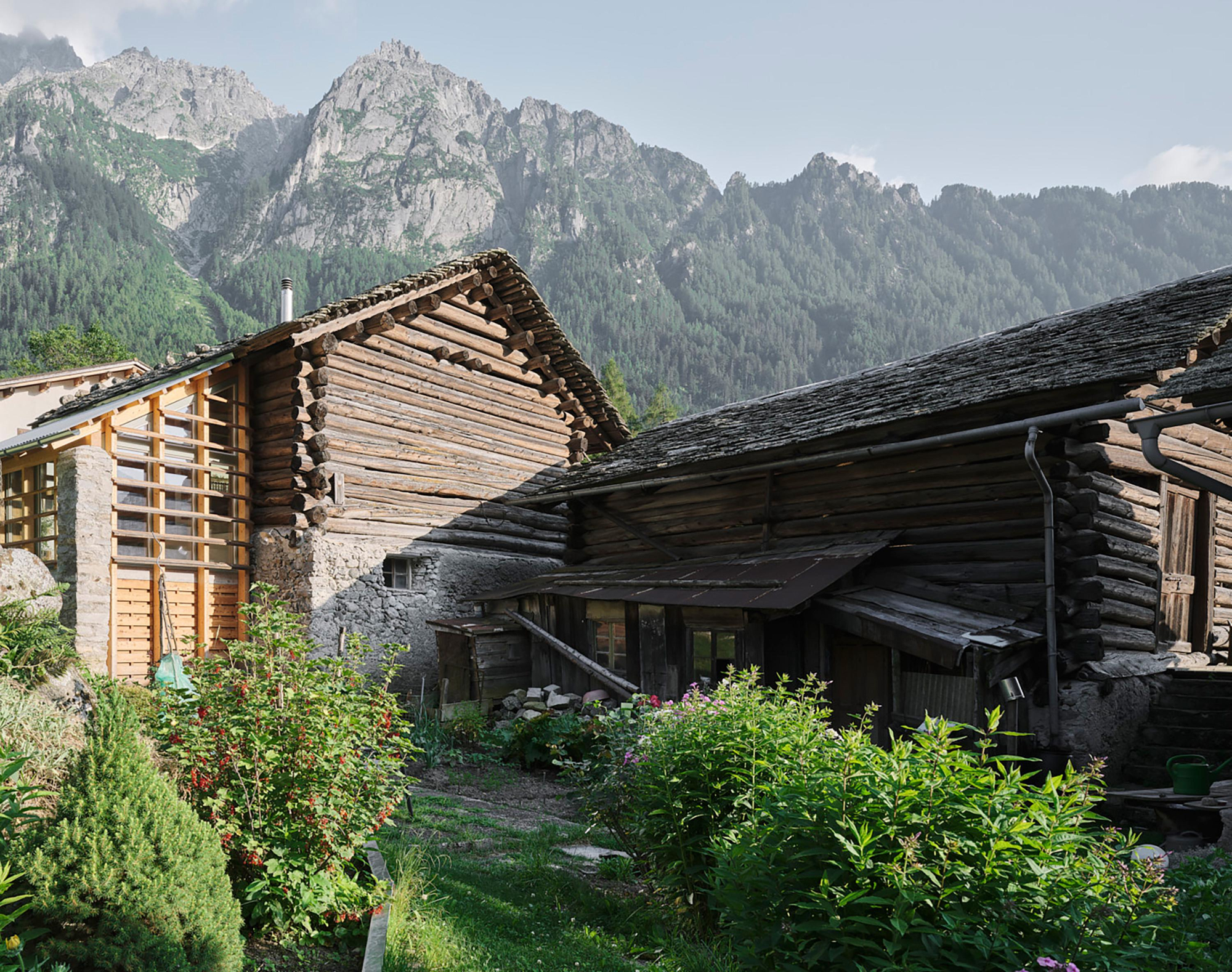
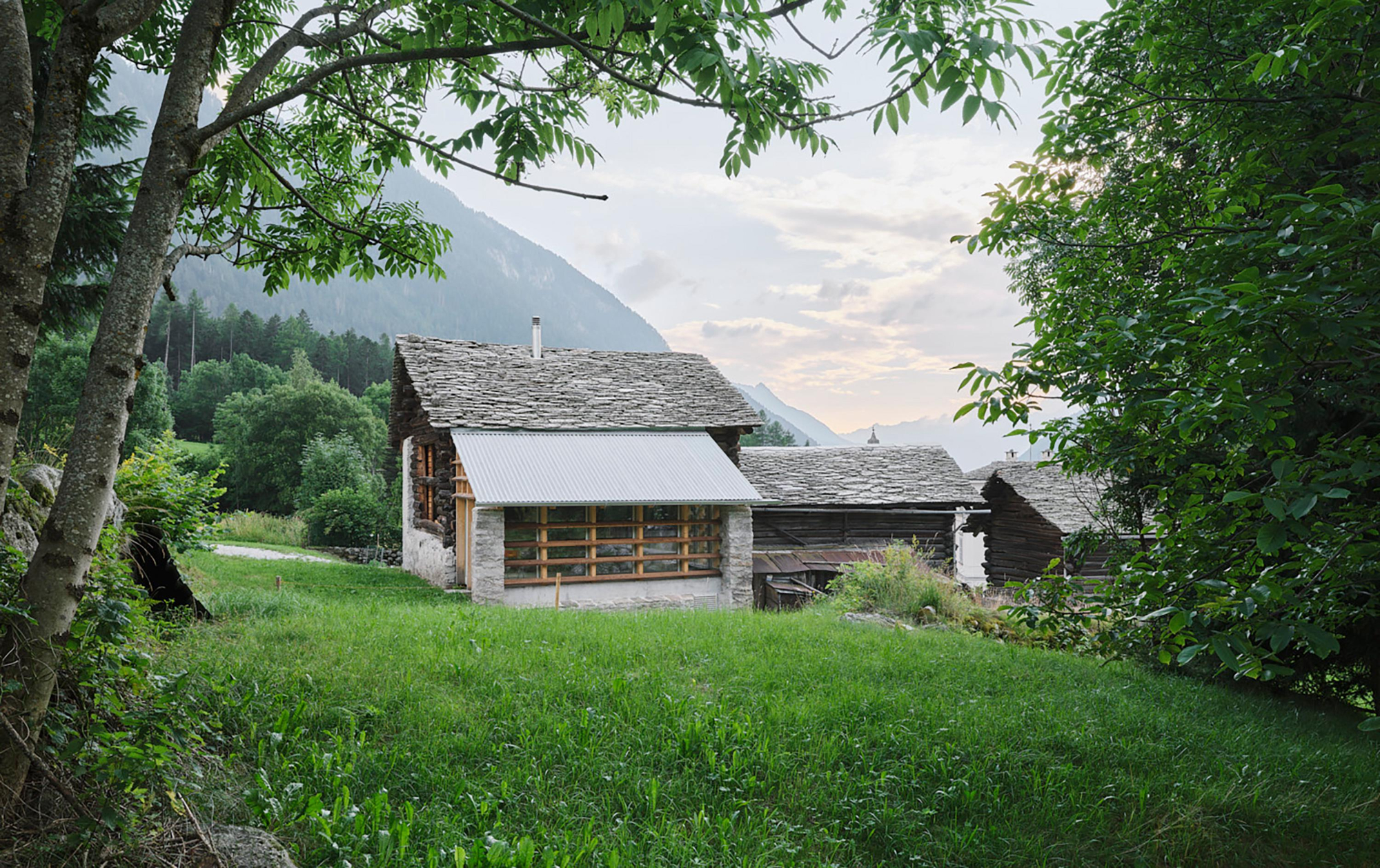
Calling Stalla d’Zura a barn would be convenient, and wrong in the way convenient words often are. The building sits in Borgonovo, in Val Bregaglia, the Swiss valley that links Graubünden with Italy. Local records describe the village, set at 1,027 meters, as a place of 17th- and 18th-century houses, small gardens, and traditional cowsheds. In these Alpine buildings, the lower level was used for livestock; the upper level stored hay. Stone handled damp, weight, and winter; timber gave the hayloft its span and air. The same intelligence appears across much of the Alpine region: a shared answer to weather, animals, fodder, and steep ground.
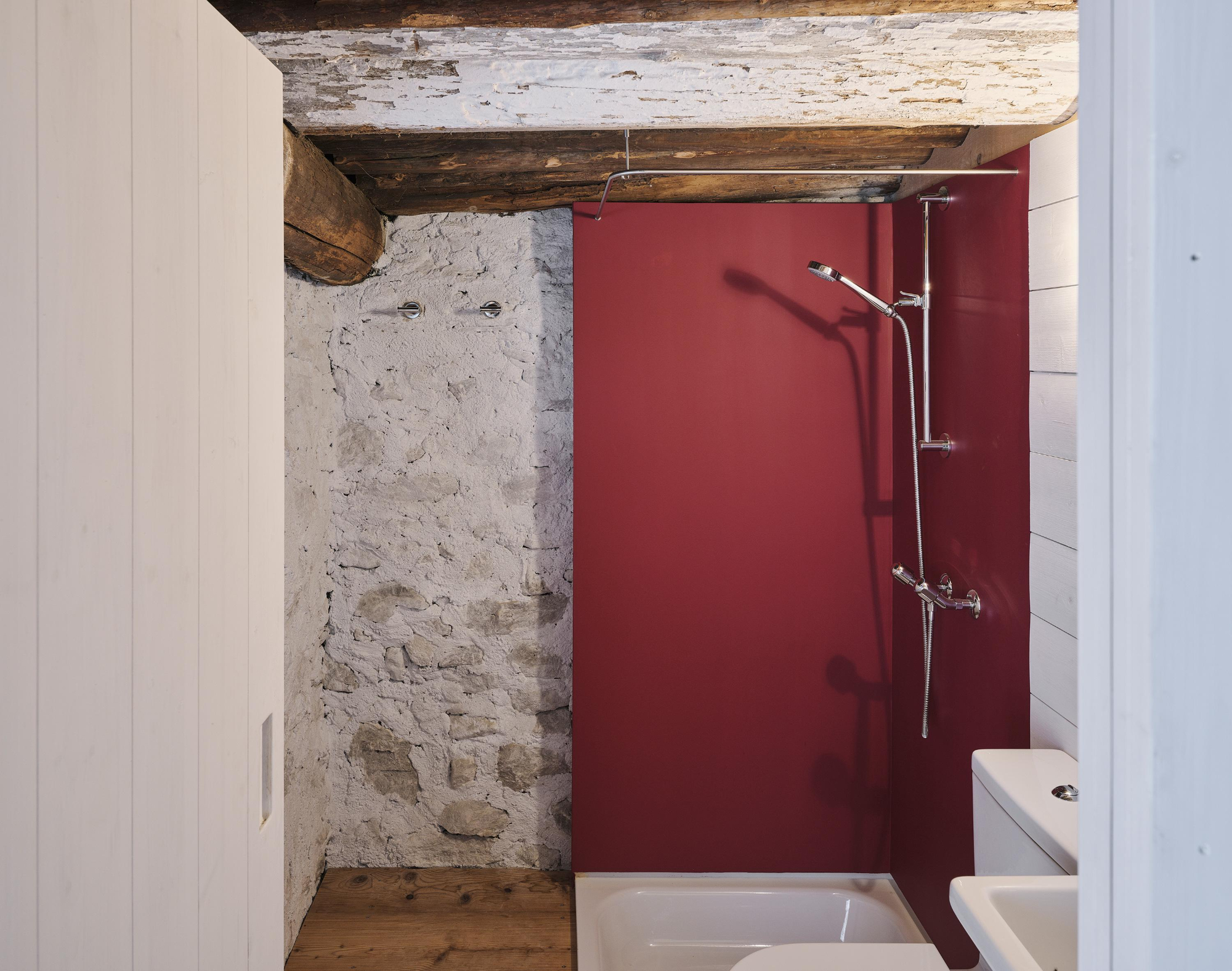
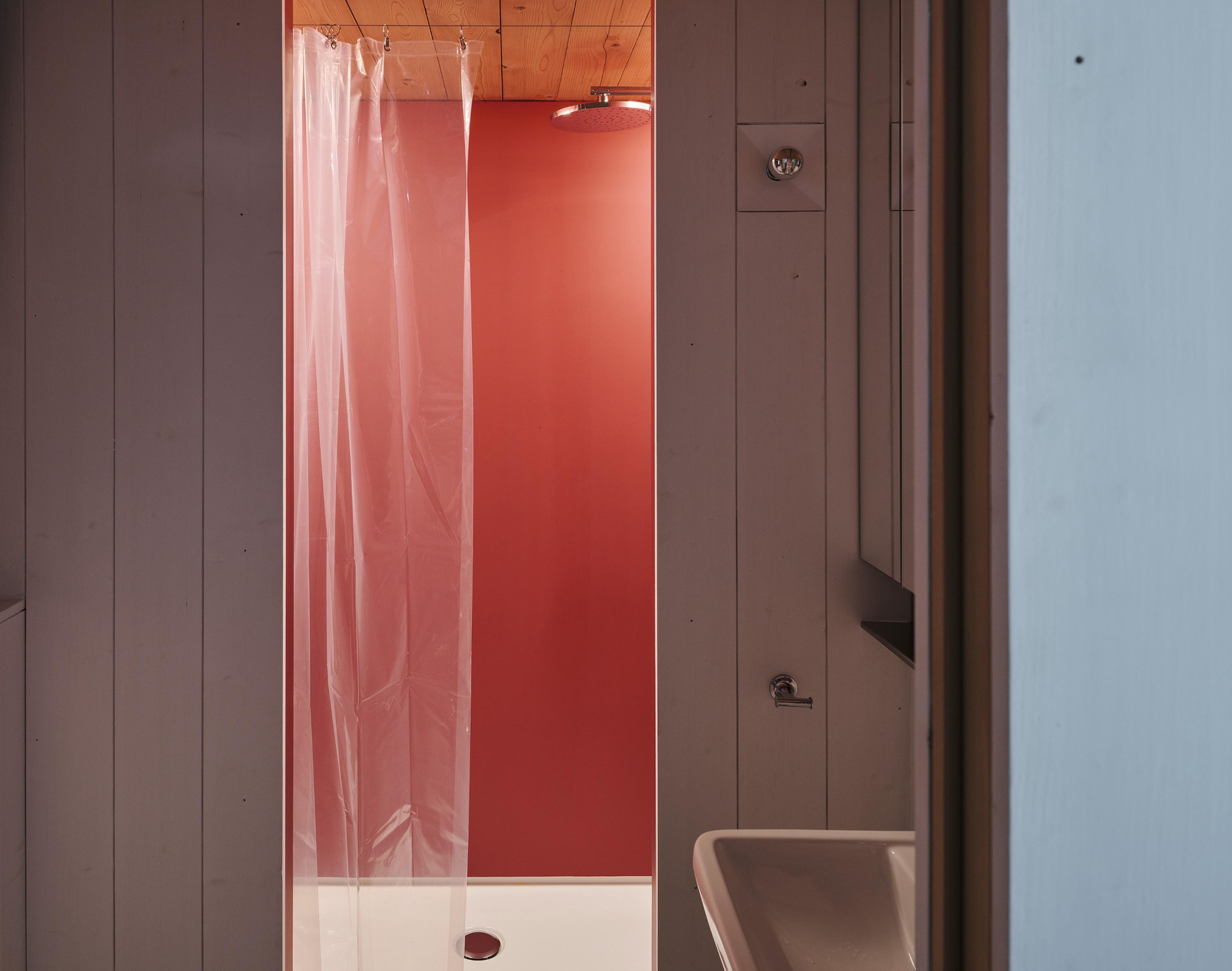
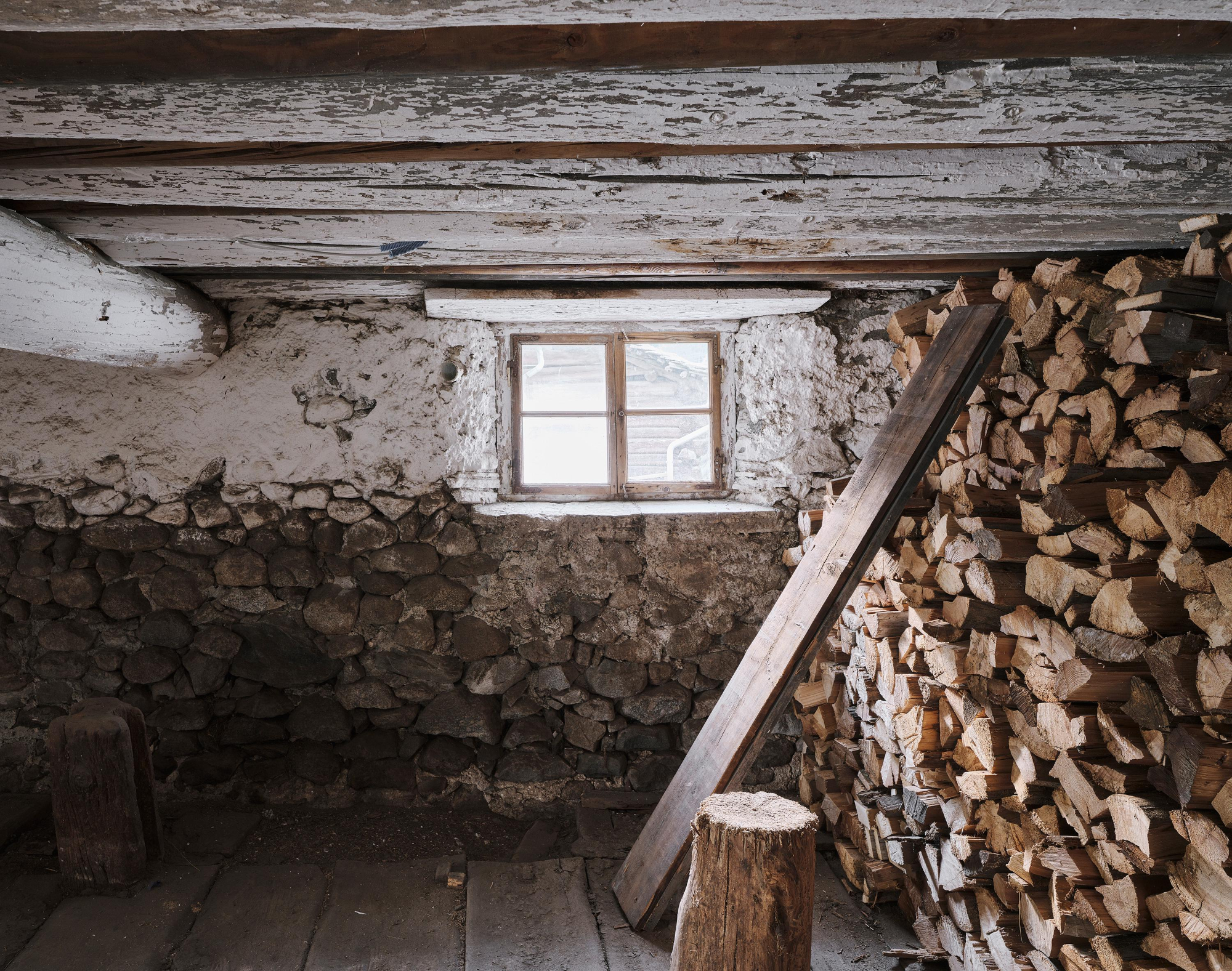
The former cowshed remains rough and cool, closer to a working room than a decorated relic. It gives the house a buffer before the heated domestic space above. The bathroom is the most persuasive example: exposed stone, low beams, whitewashed timber, new fixtures, and one deep red surface. The room still has the thickness and irregularity of a place made before comfort became the first instruction.
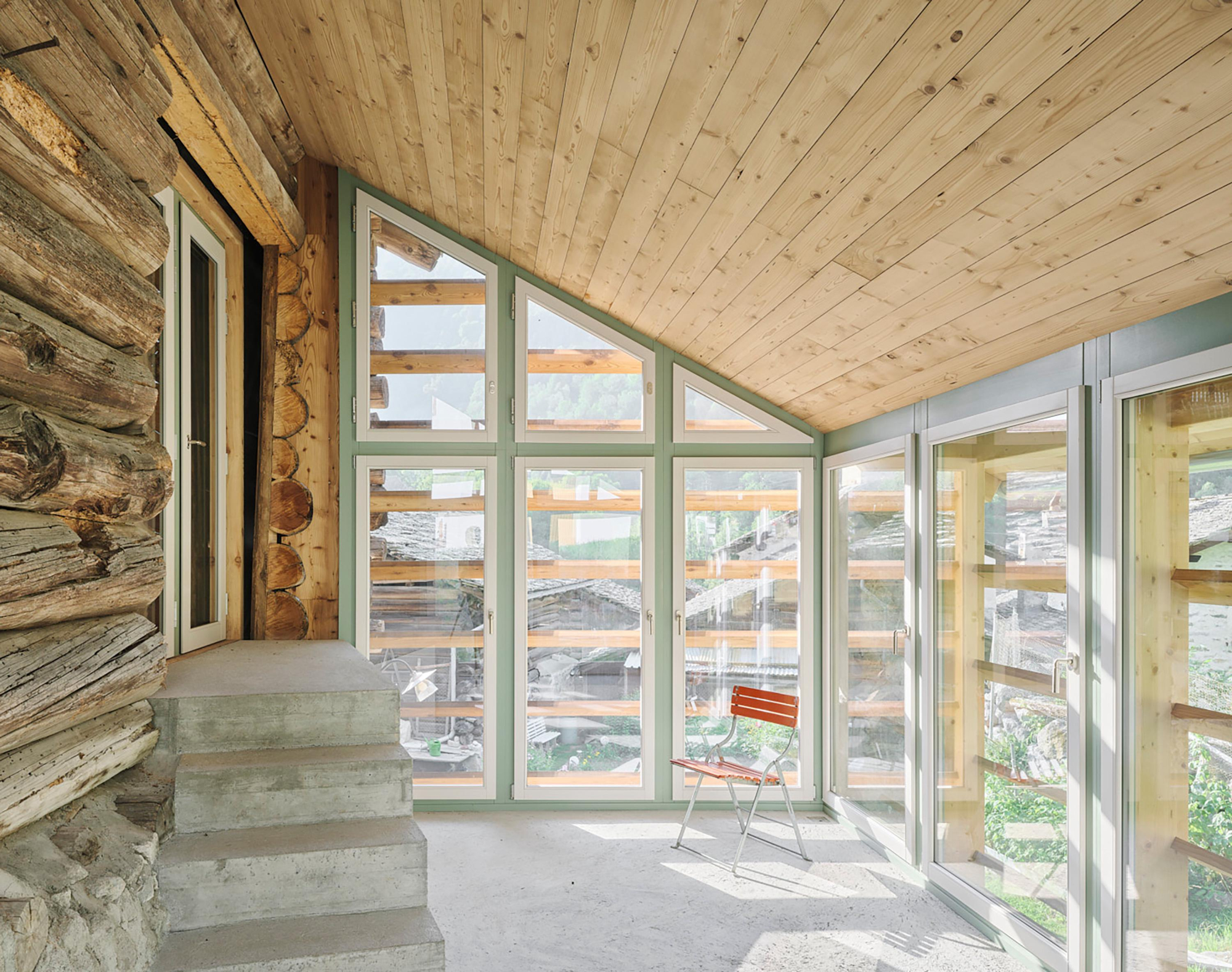
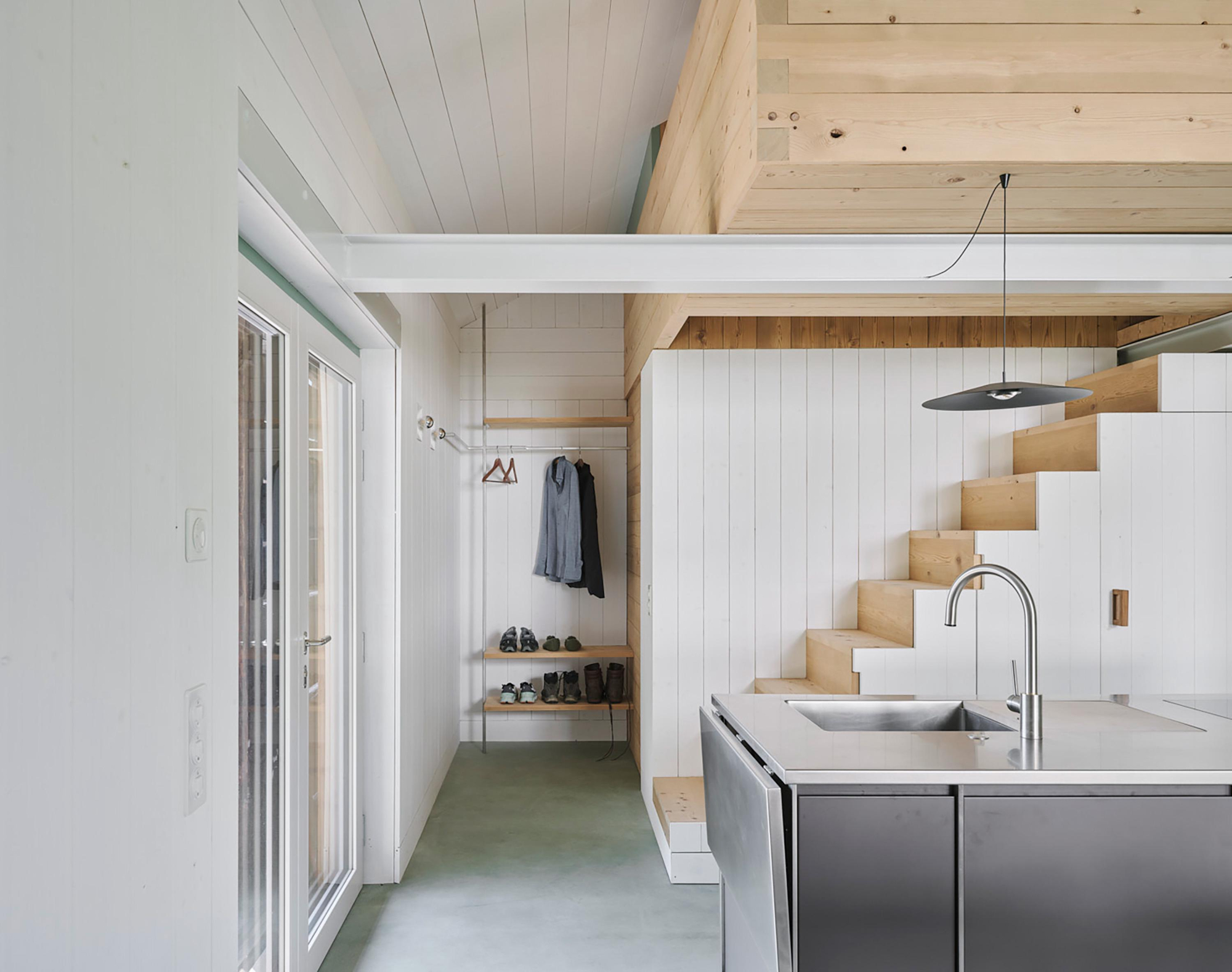
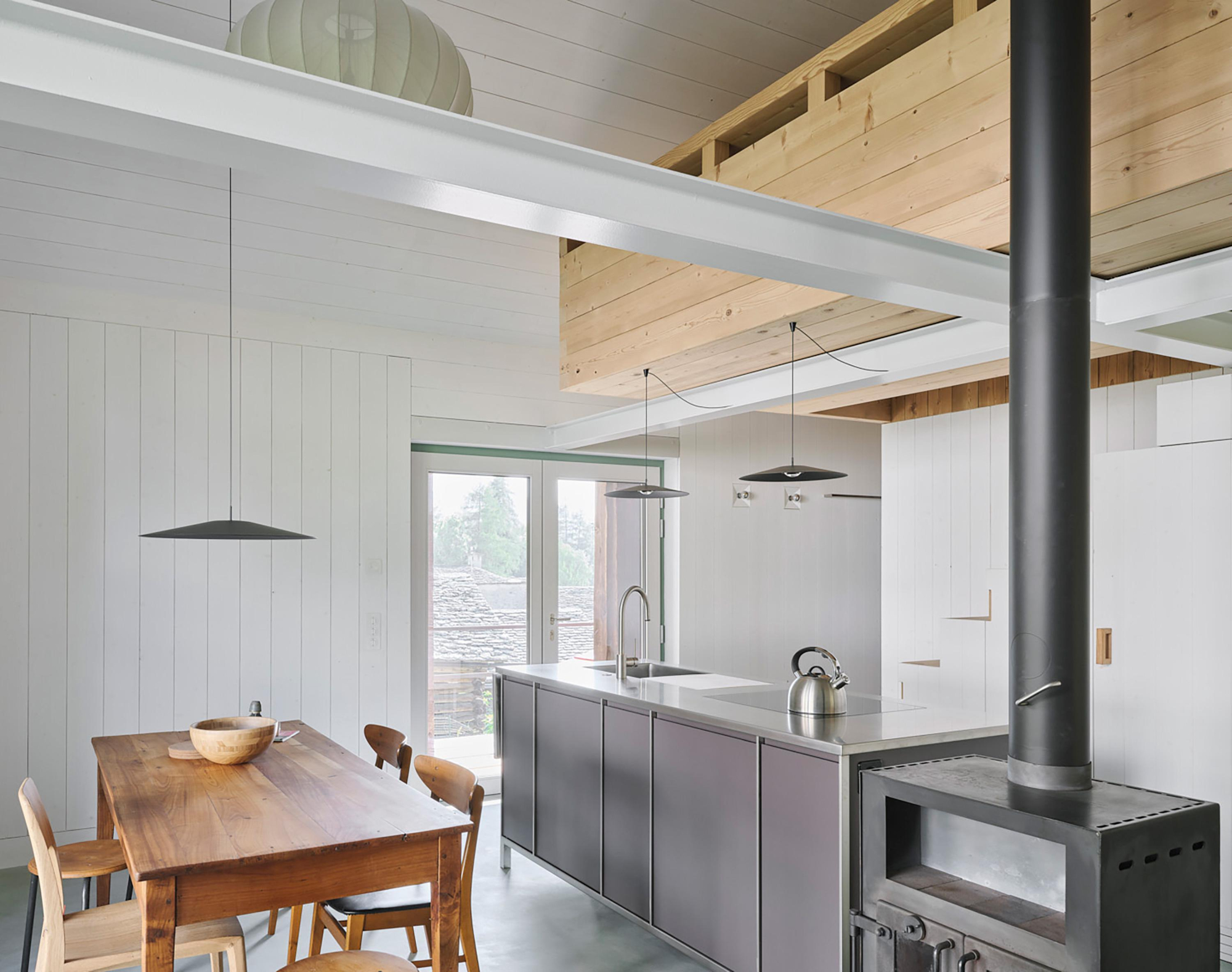
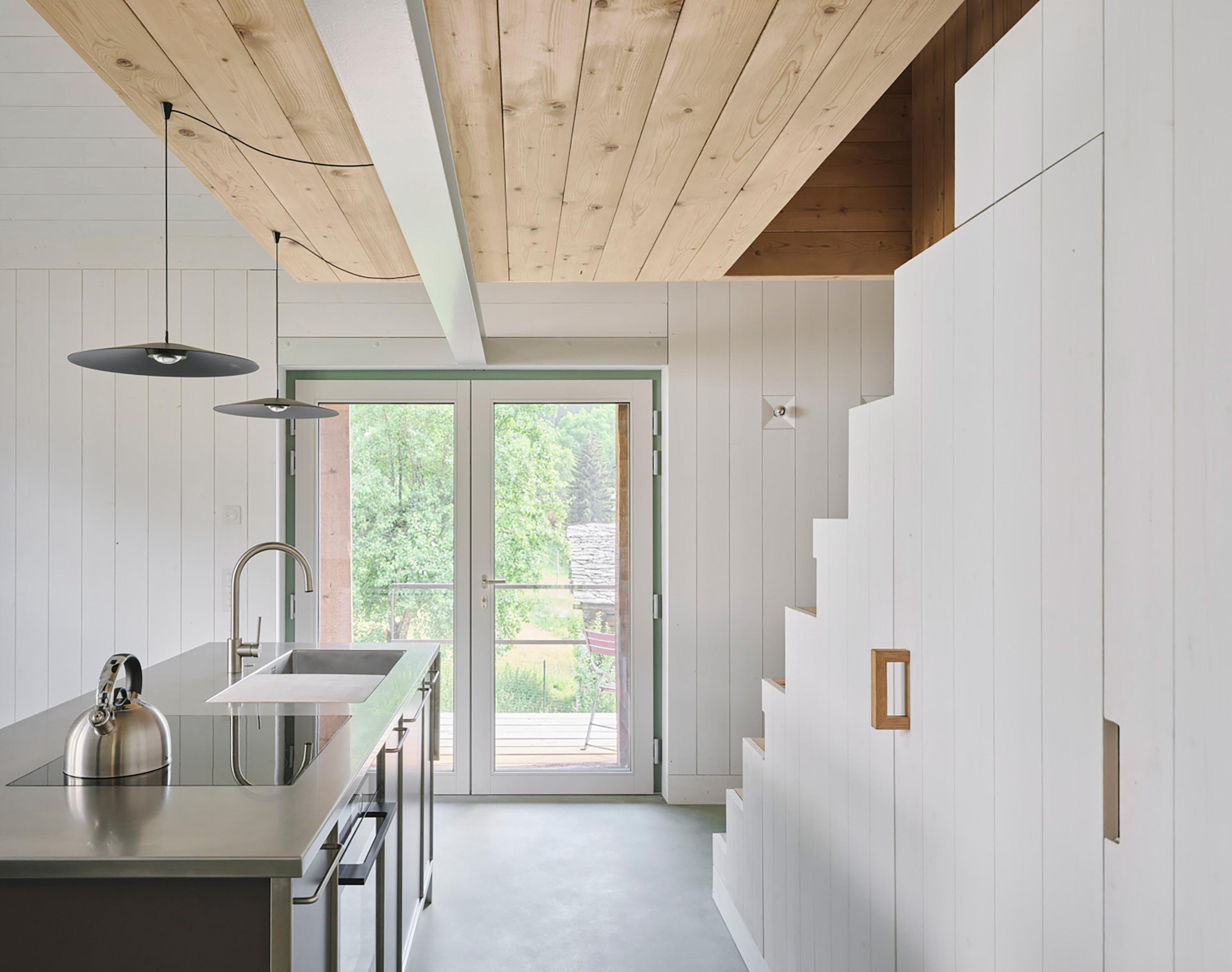
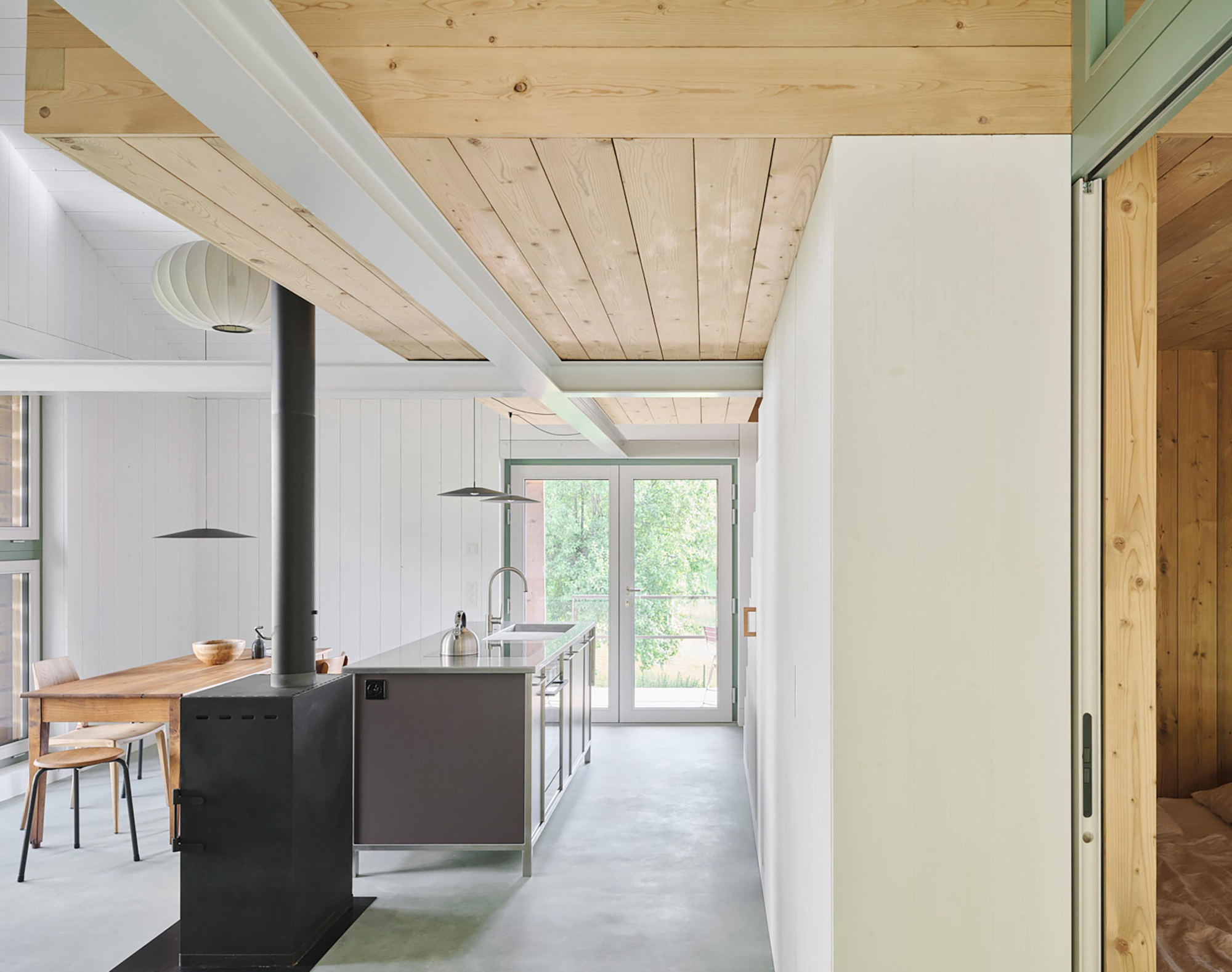
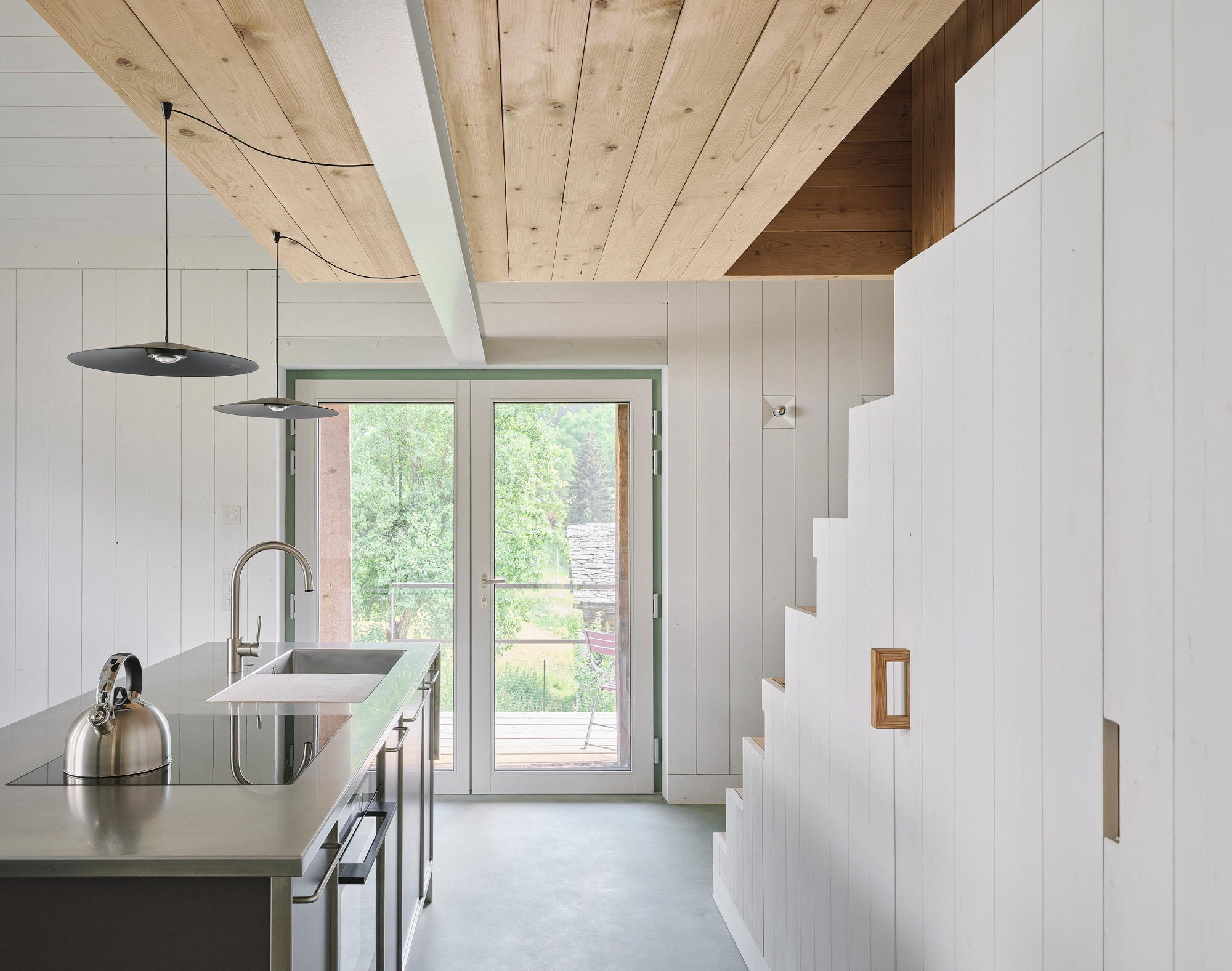
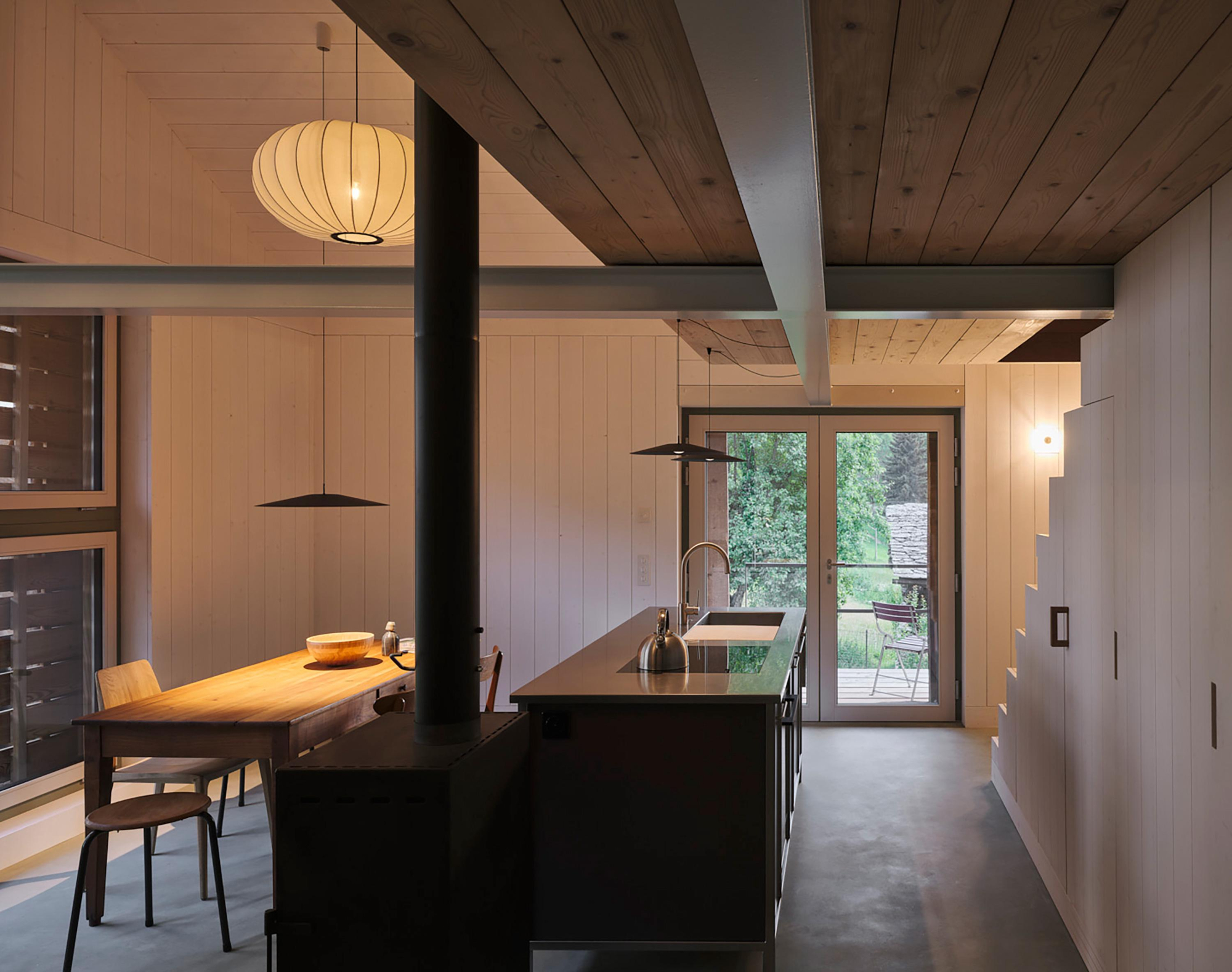
The hayloft carries the apartment. A steel cross inserted into the old volume sets out four areas and supports a simple intermediate timber floor. Storage, cupboards, stairs, and furniture are fitted into the plan with the thrift of a small mountain house, where wasted space is a kind of bad behavior. Above the steel, a pale timber box forms the private sleeping area, suspended within the larger loft without closing it off completely. Apart from the steel, the new work is timber: beams, planks, whitewashed surfaces, and joinery that stays close to the character of the old stable boards.
Stalla d’Zura extends the life of a mountain working building by spending its effort on what was already there. The stone base, log walls, roof, and hayloft had structure, memory, and a place in the village; Alder Clavuot Nunzi add the elements needed for daily life without overwhelming that inheritance. The steel cross supports the new floor, whitewashed boards make the rooms usable, glass brings in light, and fitted furniture absorbs storage into the small plan. Repairing and adapting an existing structure also avoids the waste of starting again. Borgonovo keeps one of its traditional buildings in use, with its origin still visible and its purpose renewed.