Search






In Canonbury, the London studio renovates a 1930s terrace into a family home and architecture office, choosing repair, reuse, and a newly claimed attic over the predictable rear extension.
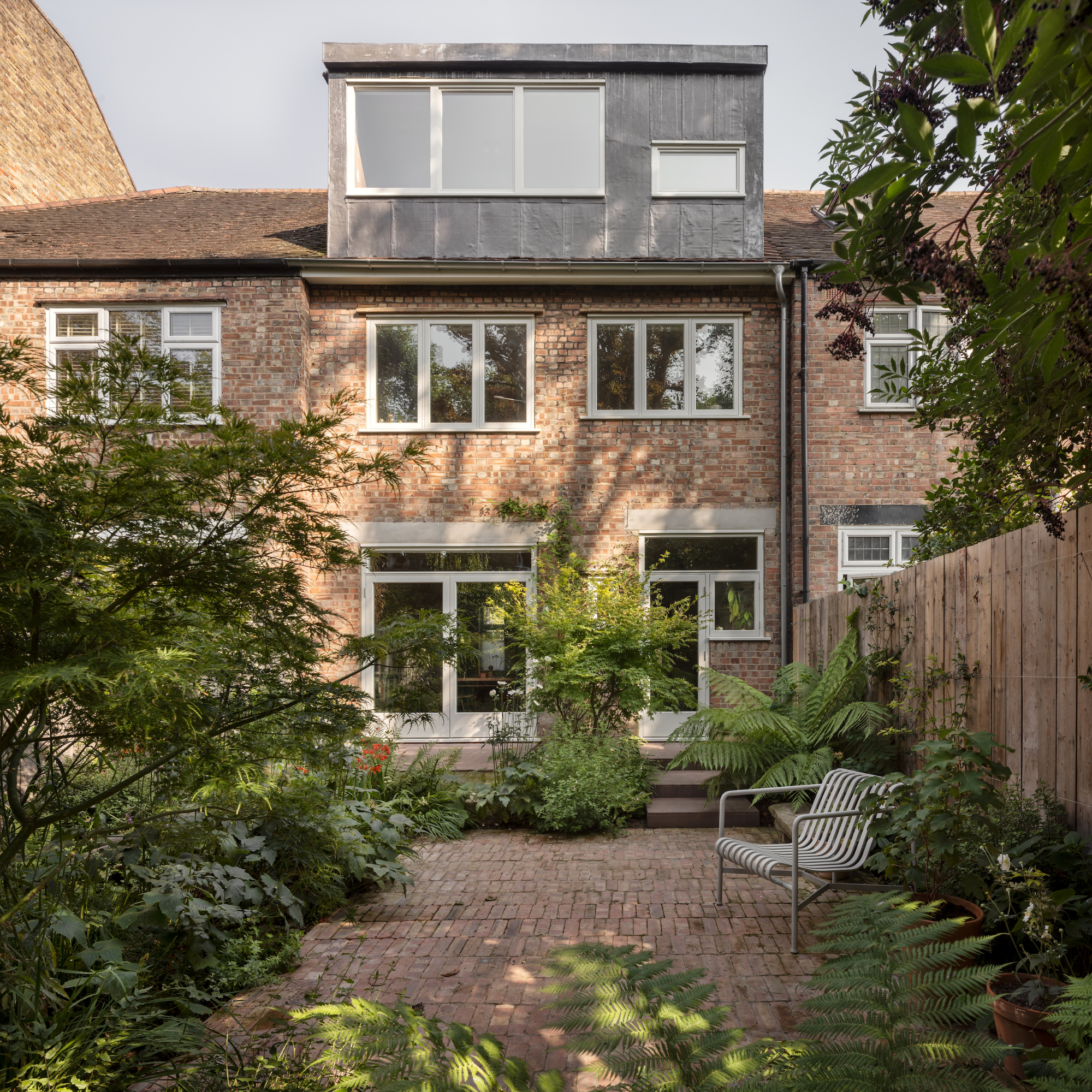
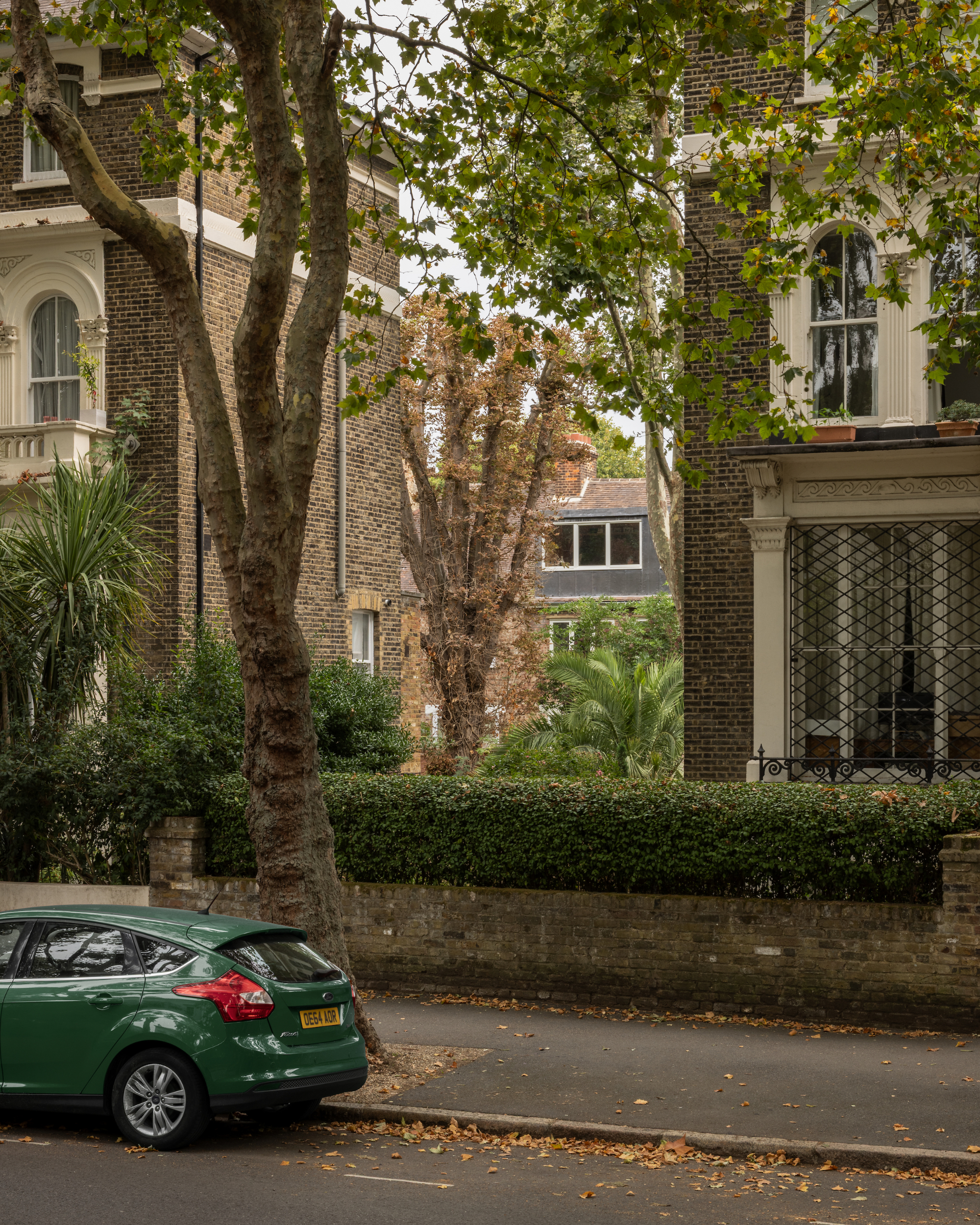
London has produced a small industry of rear extensions, each one announcing, usually with a large pane of glass, that it has discovered daylight. Elmhurst, O’Sullivan Skoufoglou Architects’ own home and studio in Canonbury, takes the less obvious route. The 1930s terraced house had been lived in by its previous owner for an entire lifetime and, when Amalia Skoufoglou and Jody O’Sullivan bought it in 2023, still had no central heating and only rudimentary facilities for cooking and bathing. It also had the things that often disappear first: original doors, fireplaces, cornices, picture rails, joinery, and the small traces of domestic use that a more impatient refurbishment would have erased. The architects kept the footprint and asked the house to become more capable, not larger.
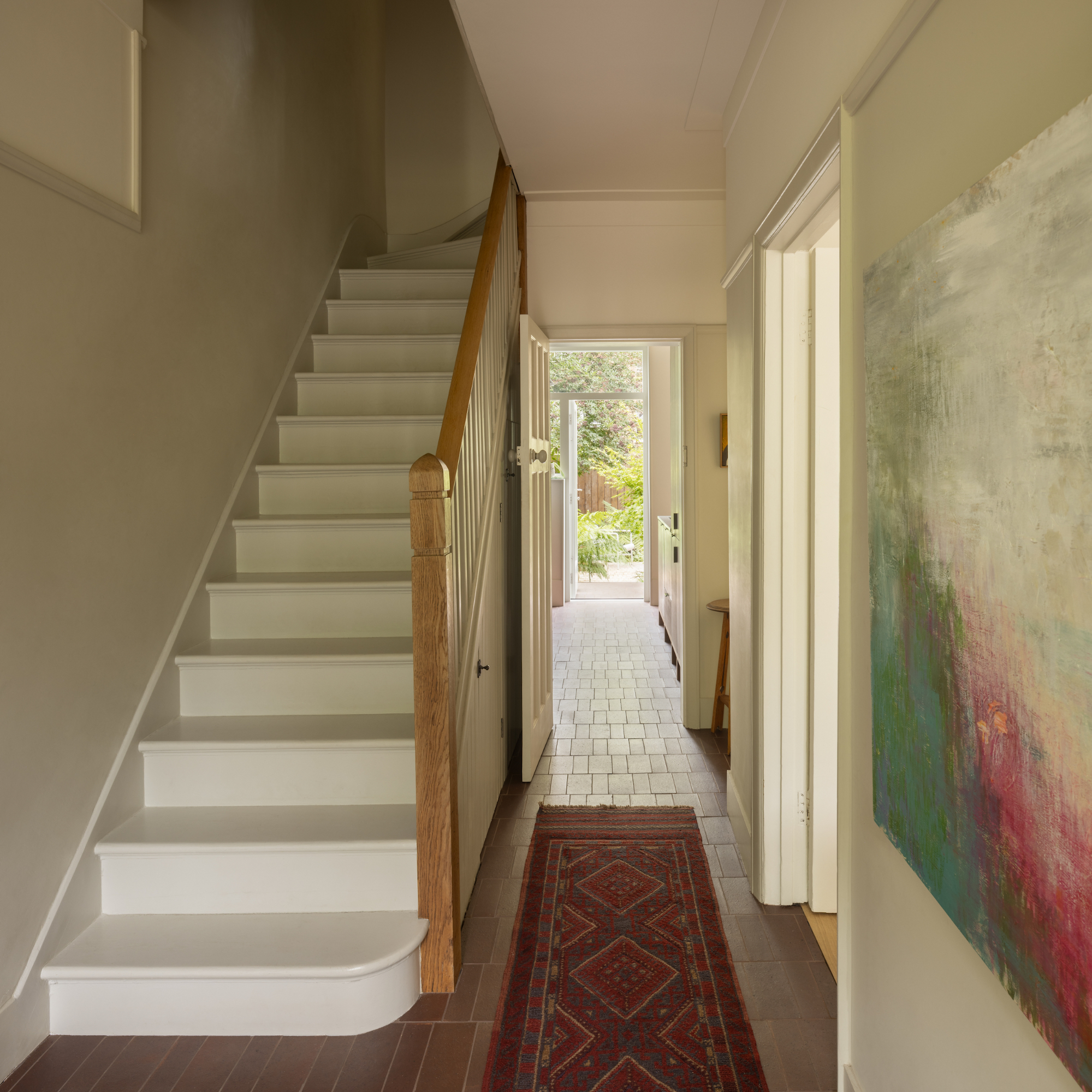
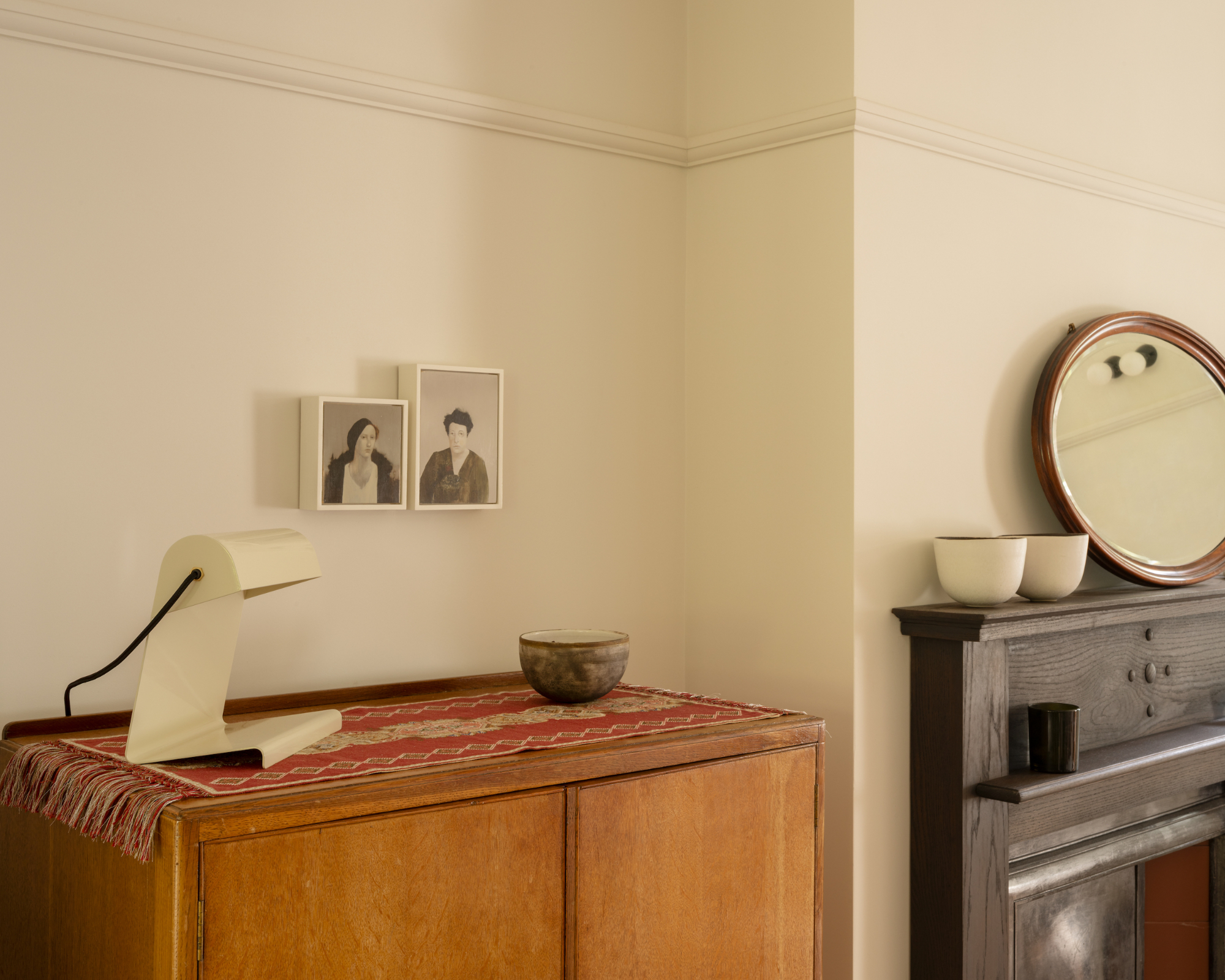
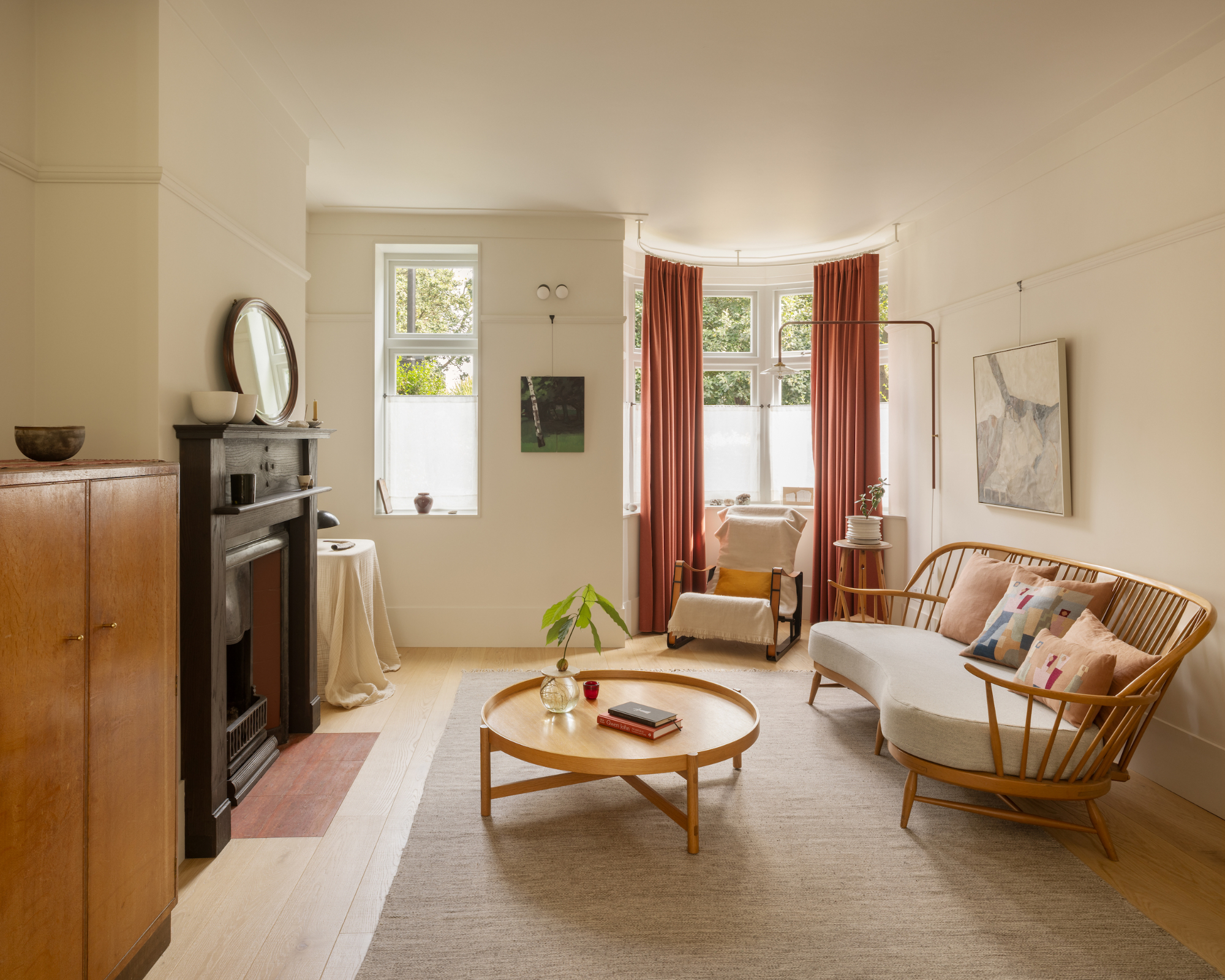
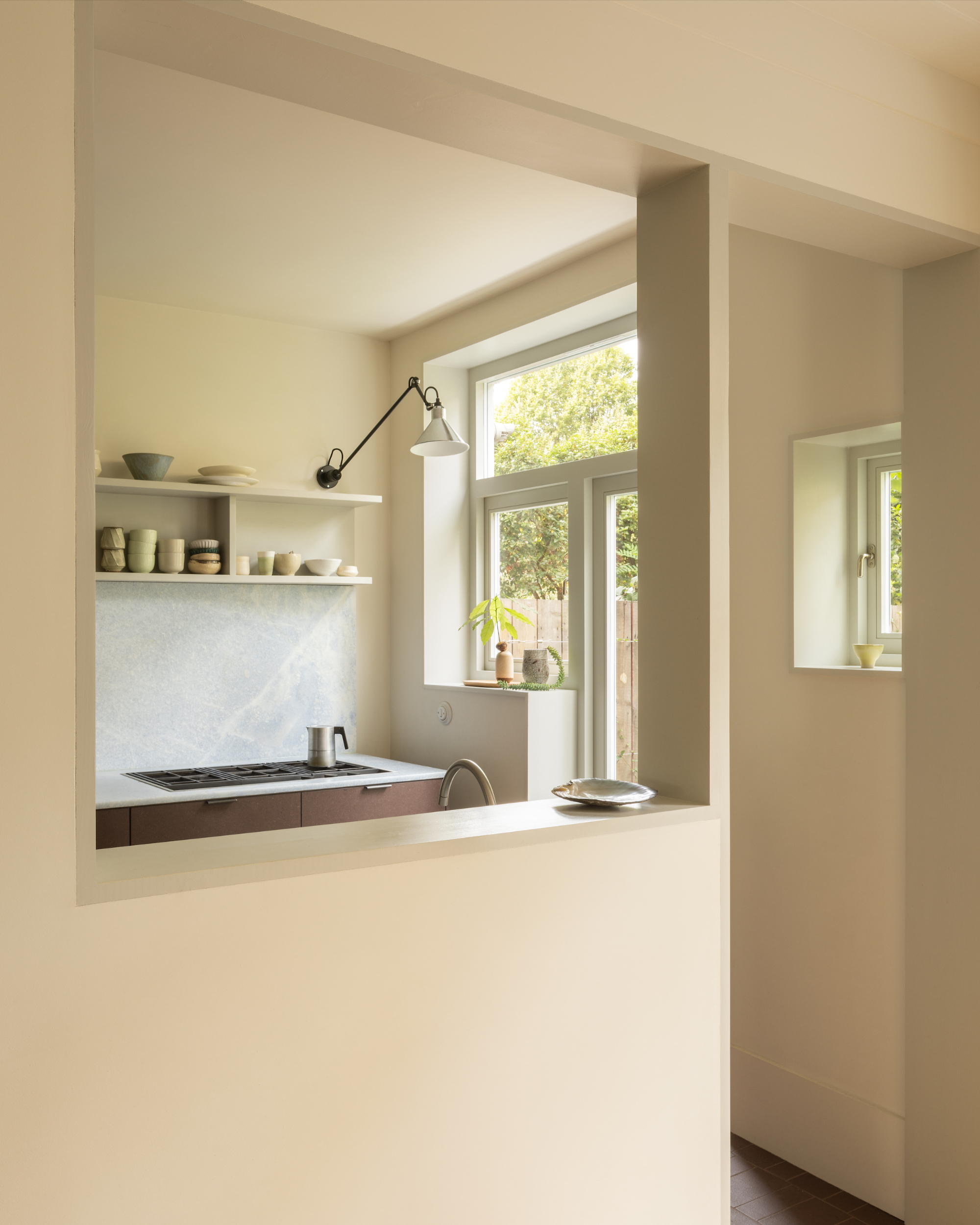
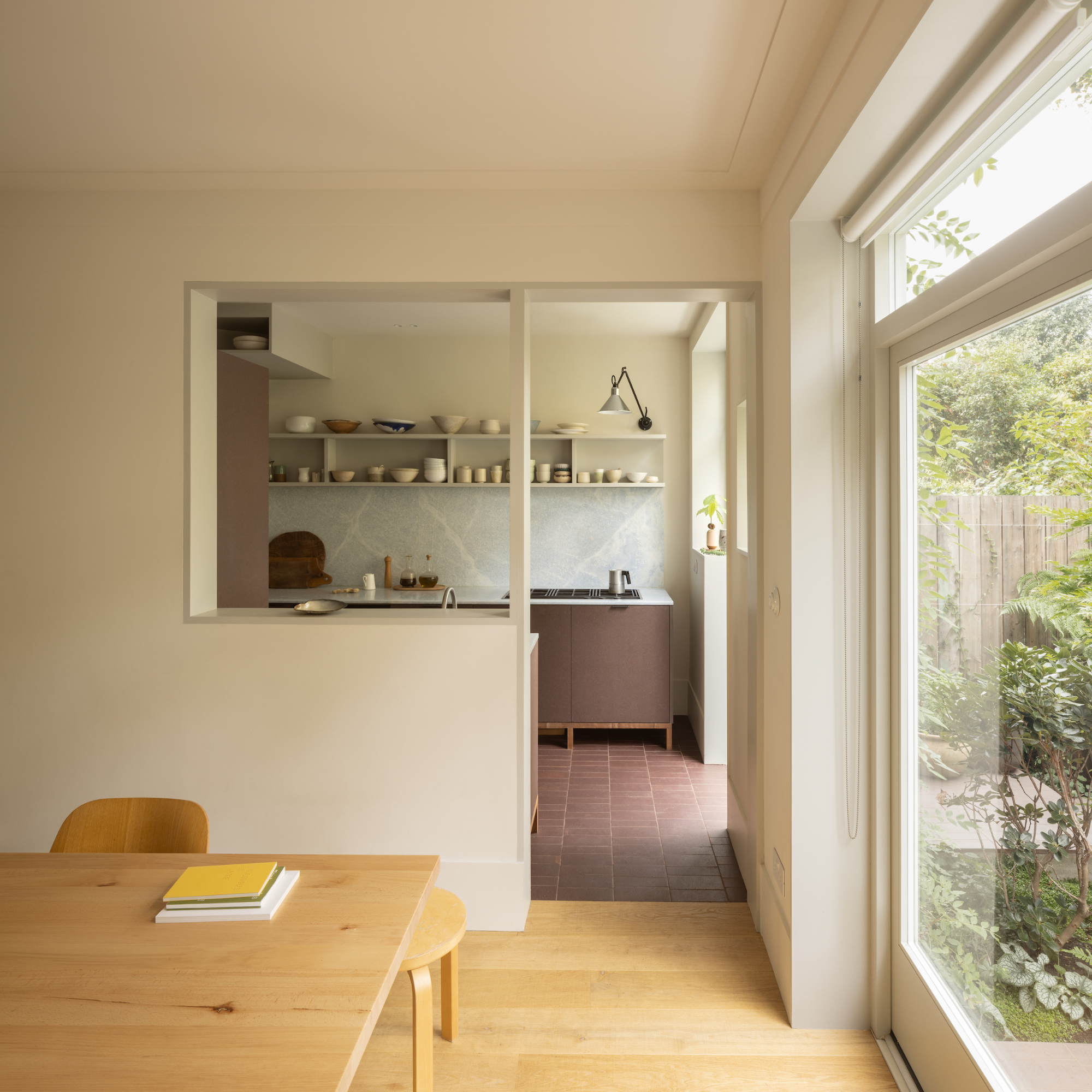
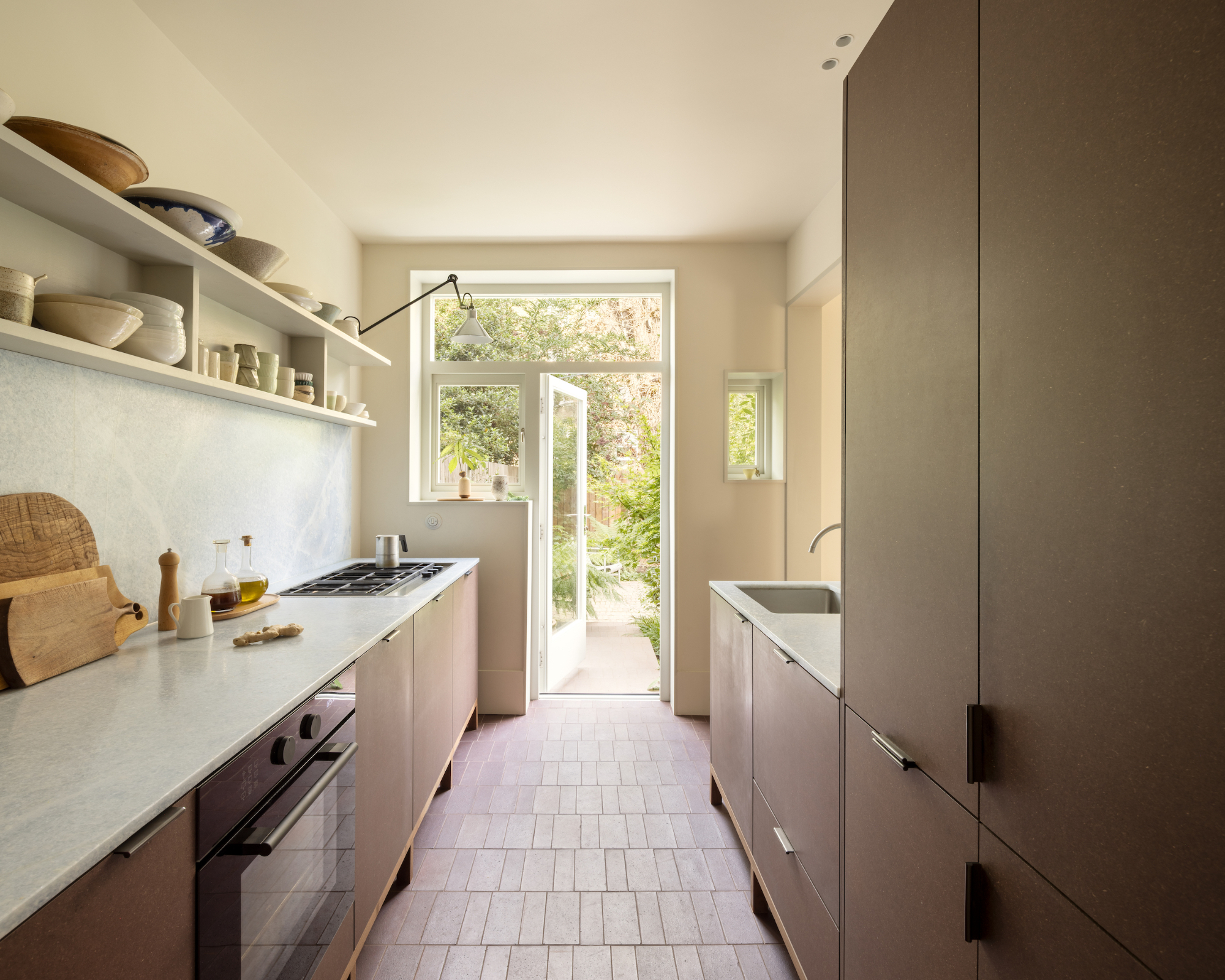
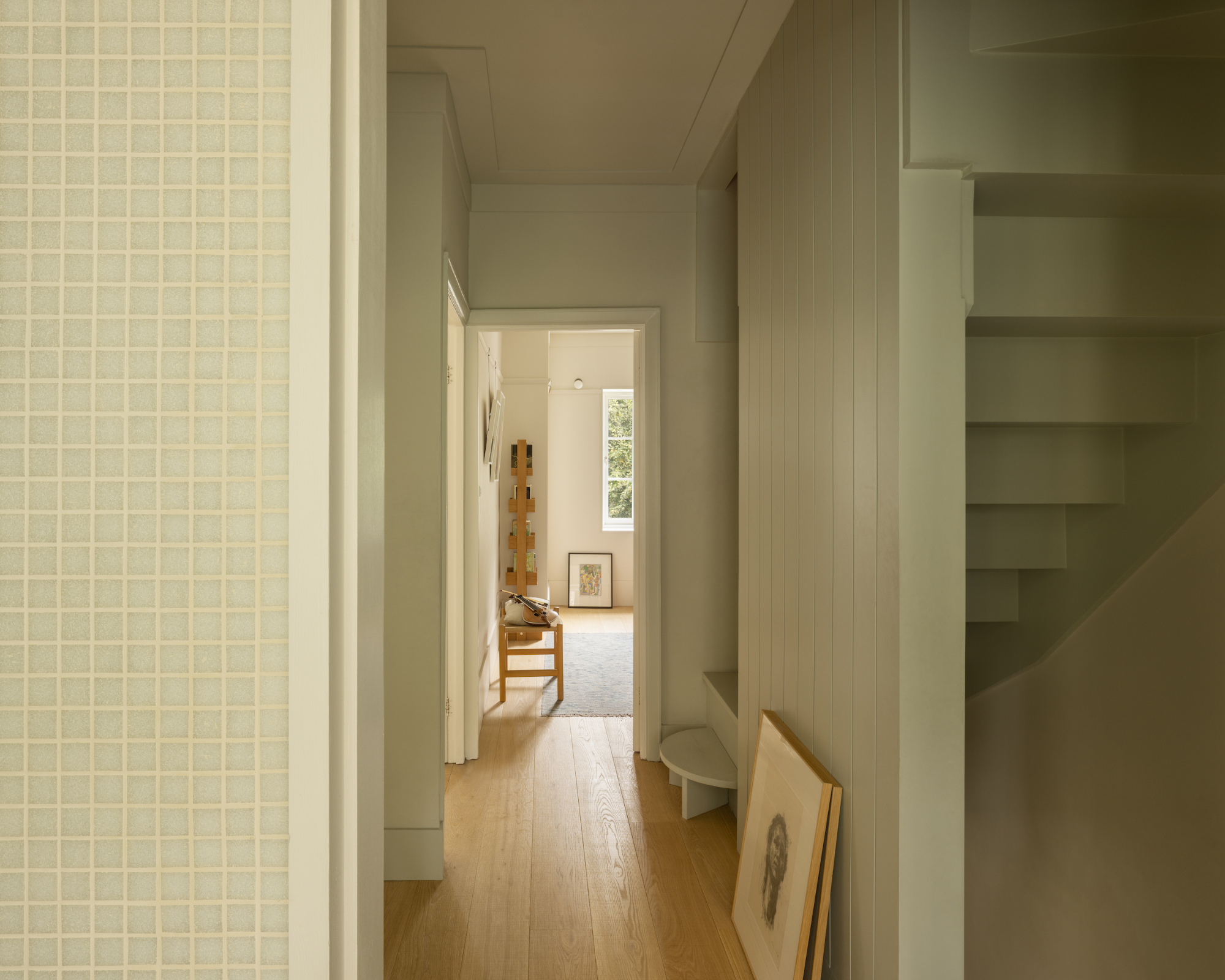
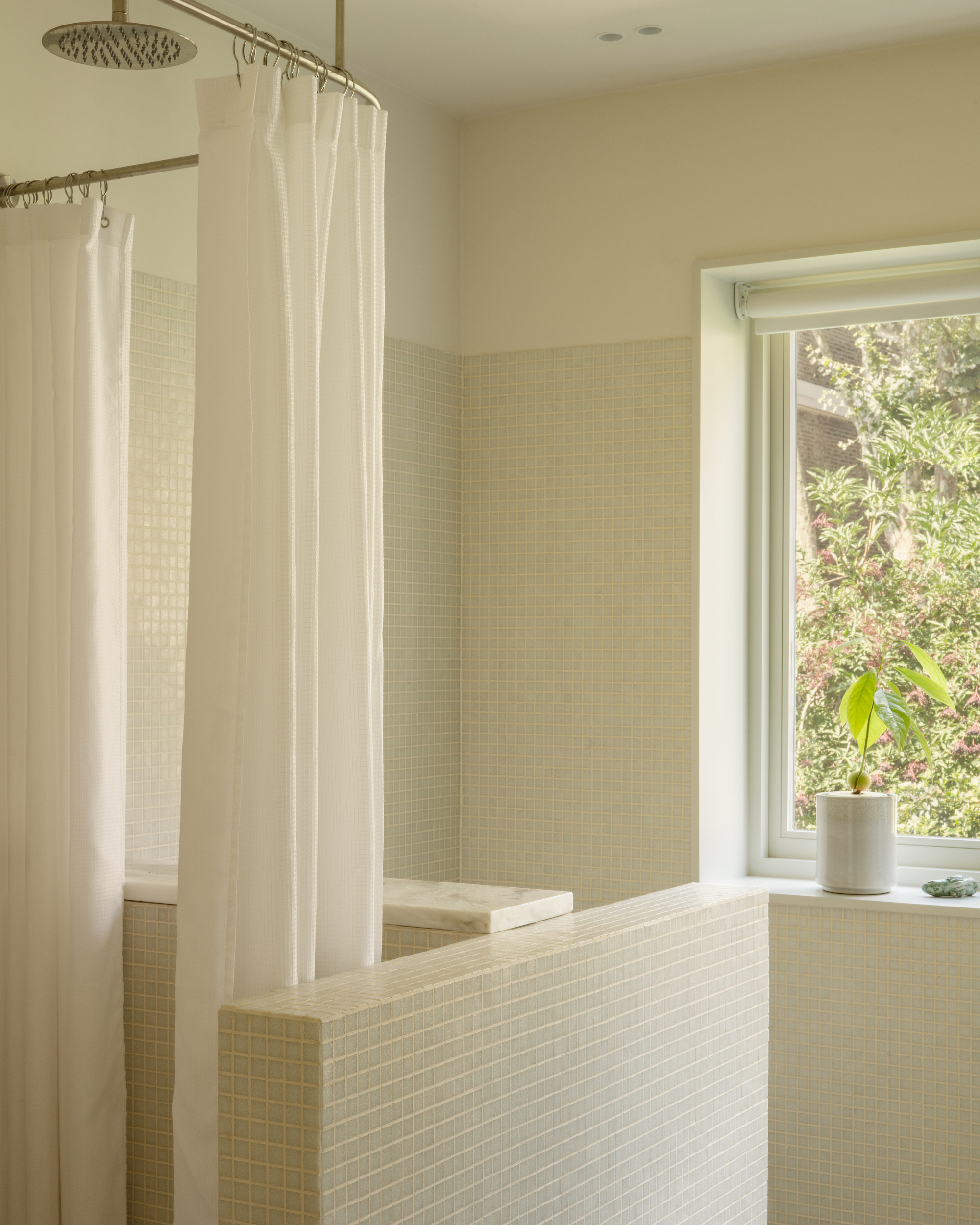
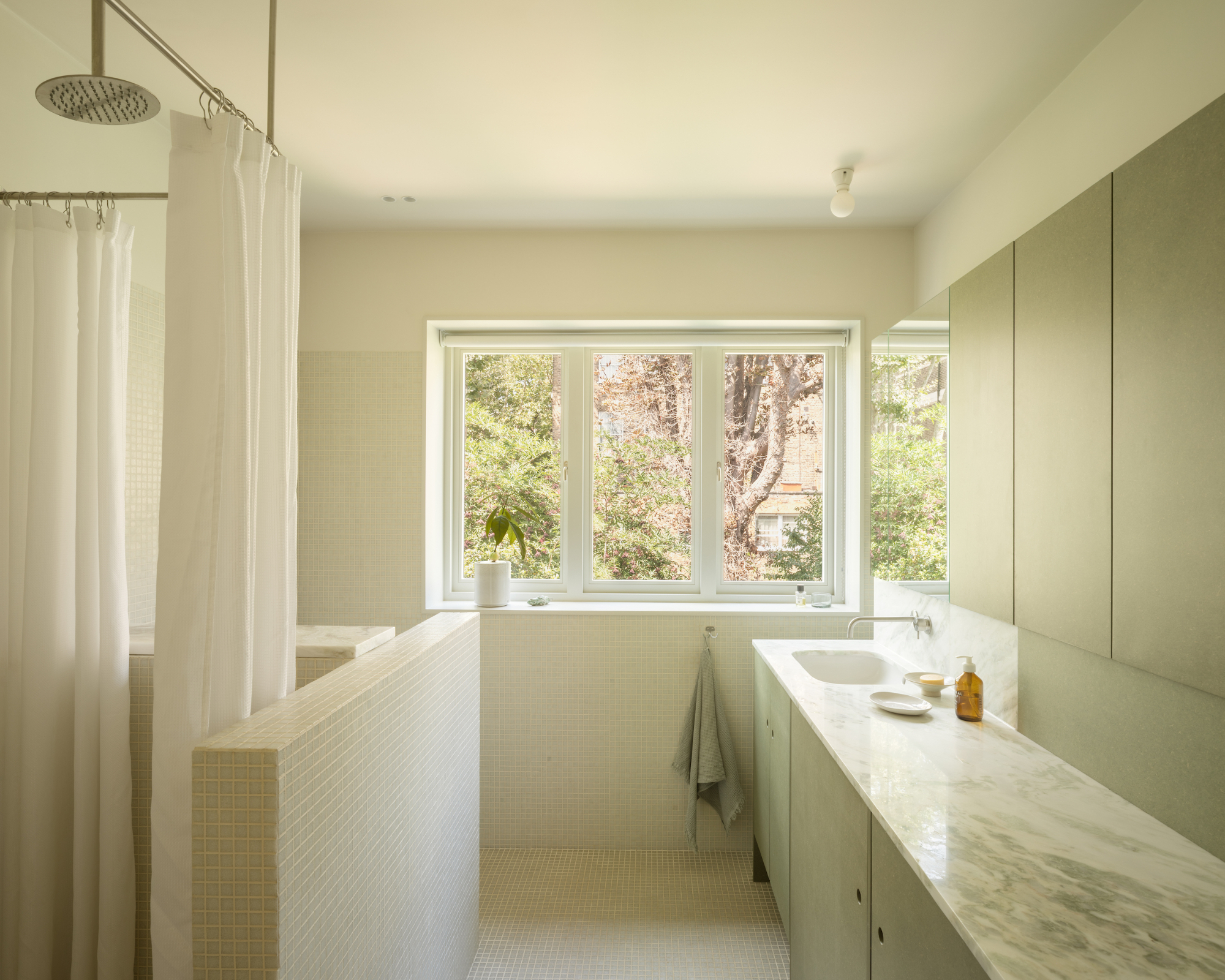
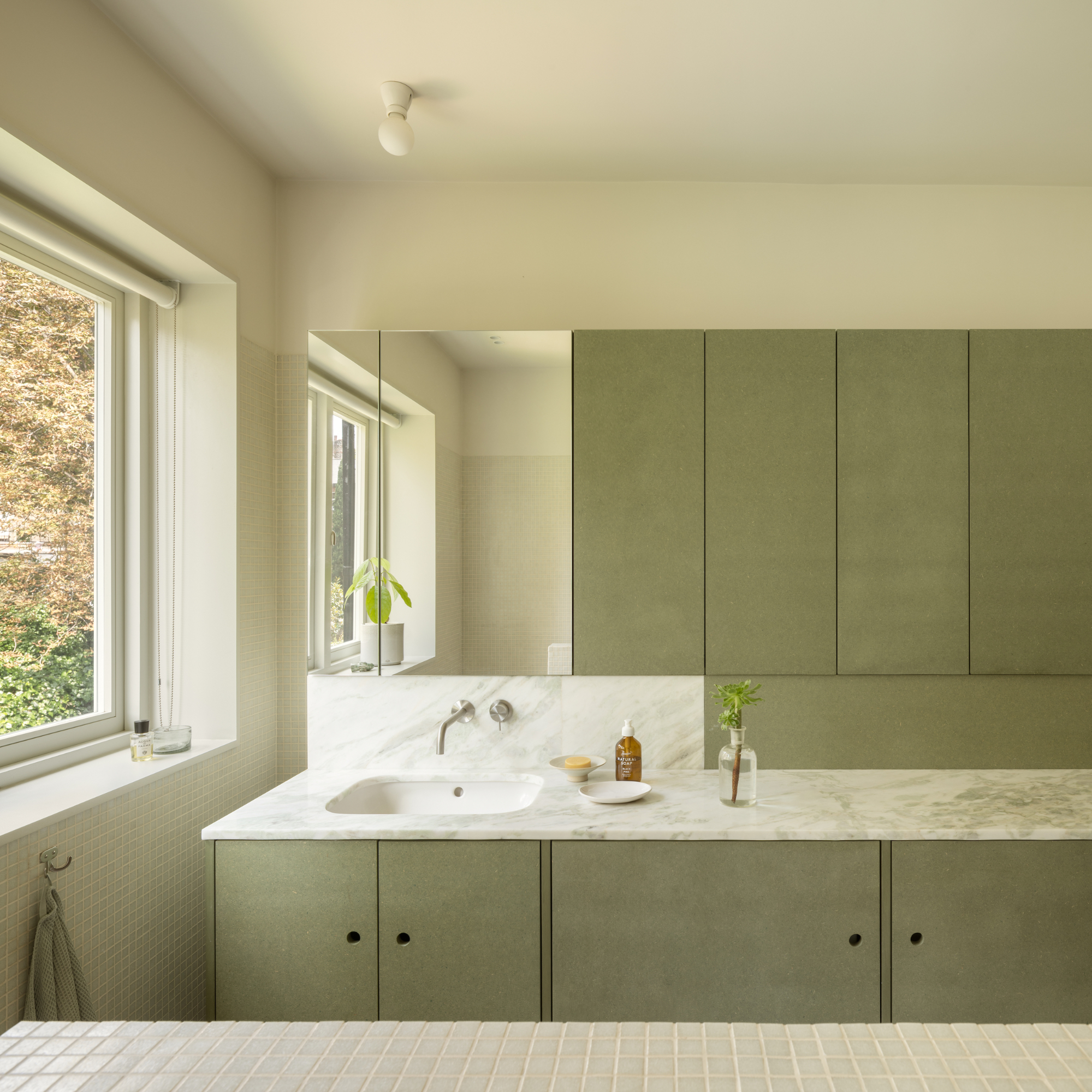
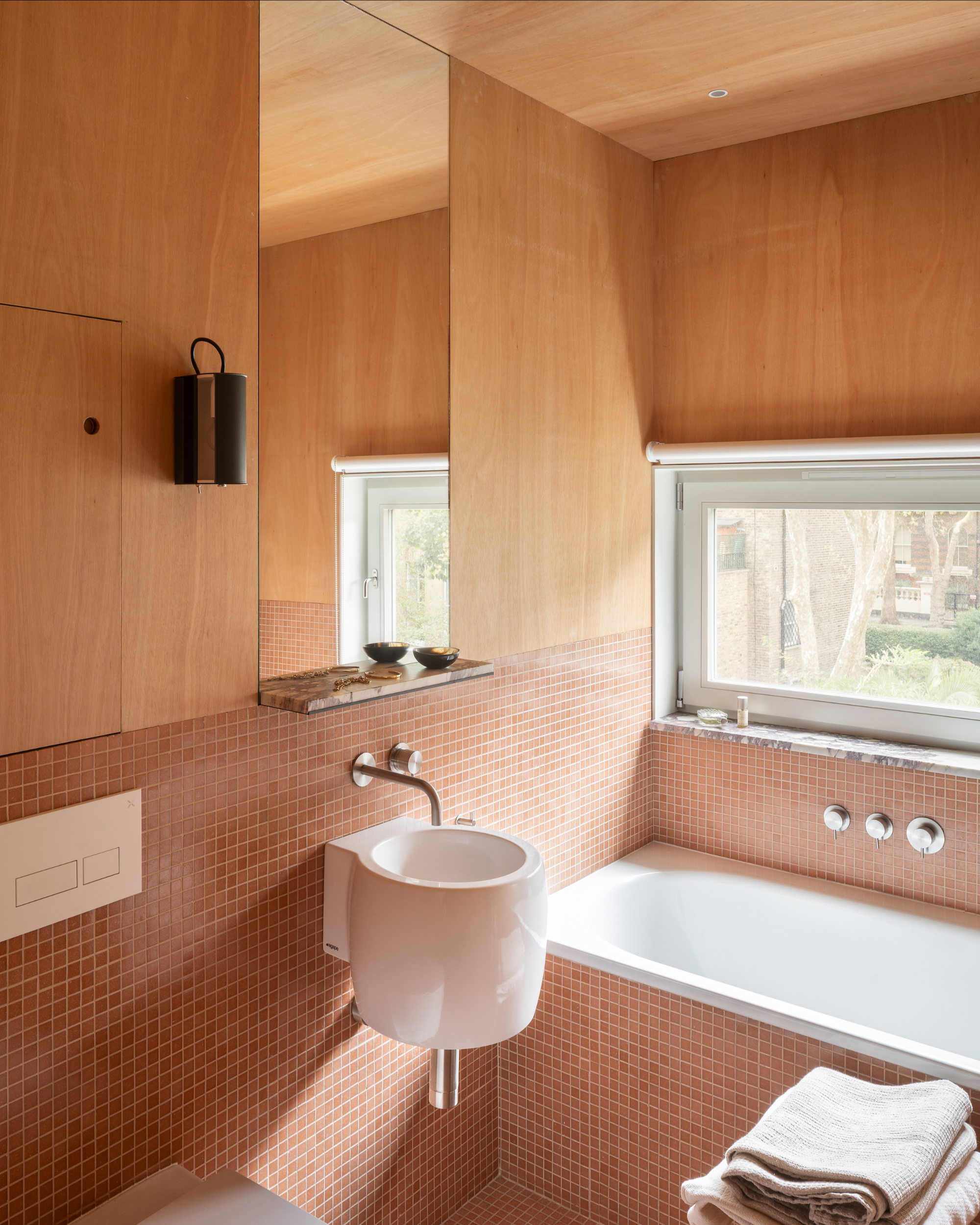
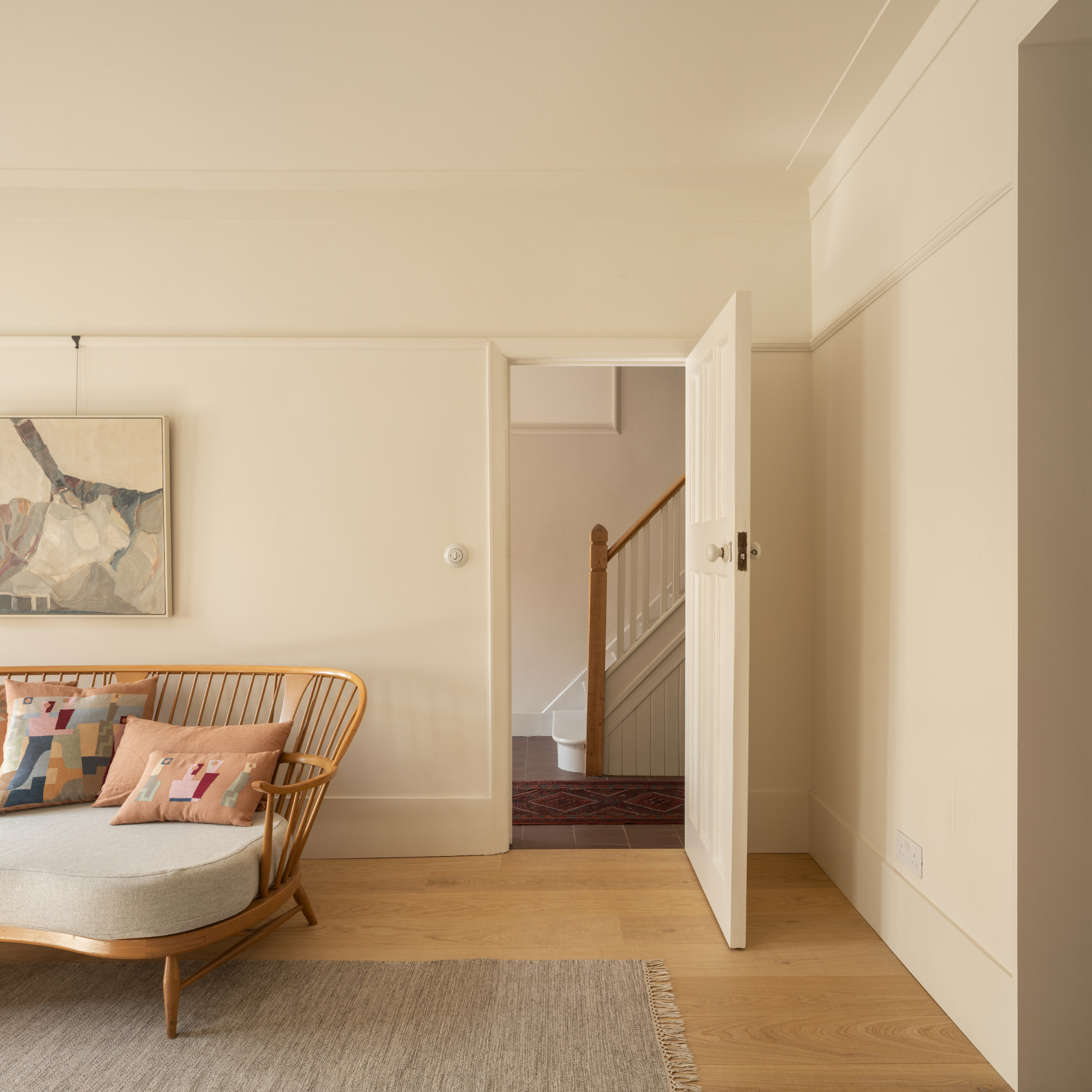
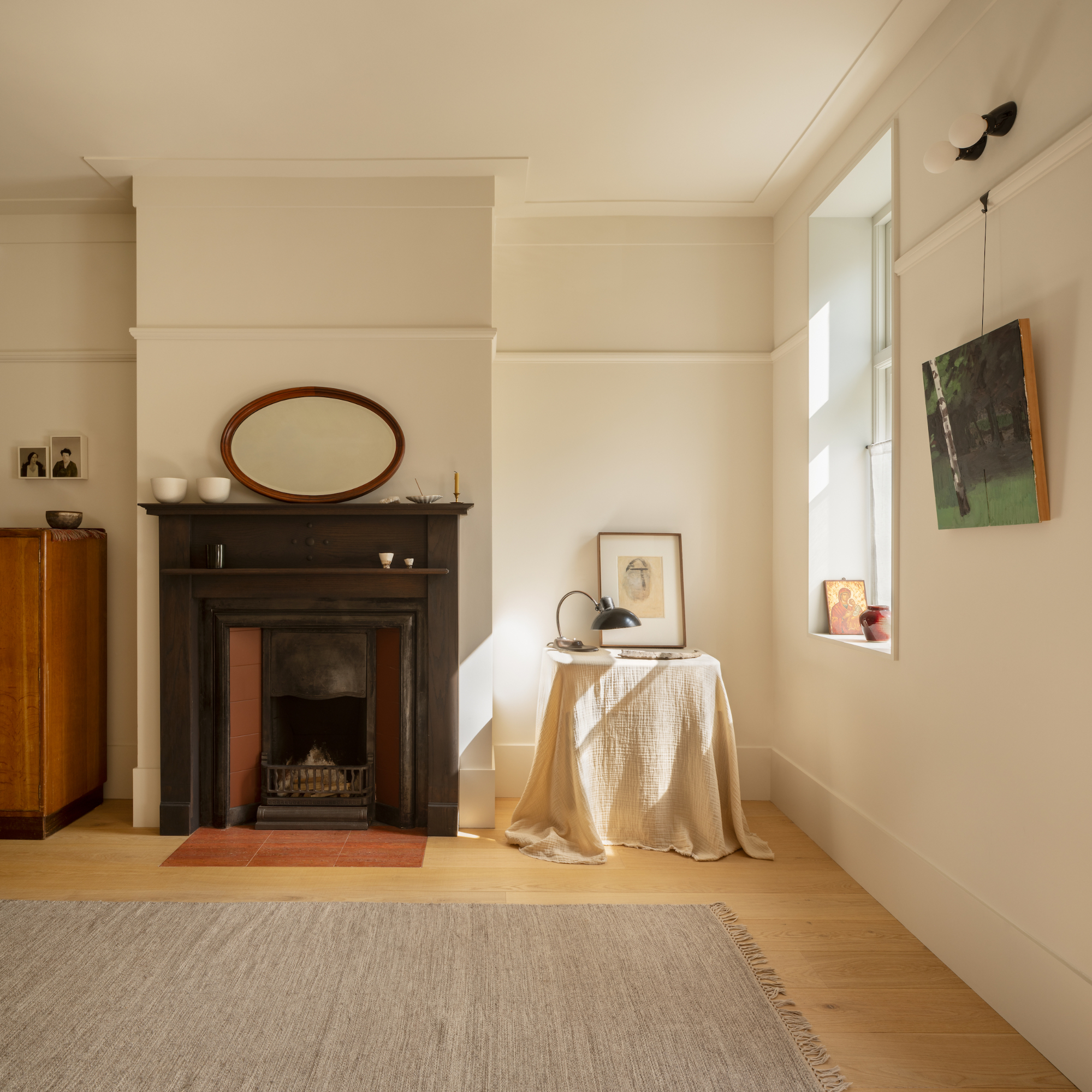
On the lower floors, the plan is not rewritten. It is edited. New openings between the kitchen and dining room improve movement and allow light and conversation to pass between the two spaces, without collapsing the house into the usual open-plan blur. The kitchen and bathroom joinery sits closer to furniture than fitted cabinetry, with proportions that pick up on the existing doors and timberwork. In the sitting room, the bay window, fireplace, cornices, and picture rail are allowed to keep their authority. There is no forced contrast here, no historic shell with a showroom inserted behind it. The new work adjusts the old house without trying to win an argument against it.
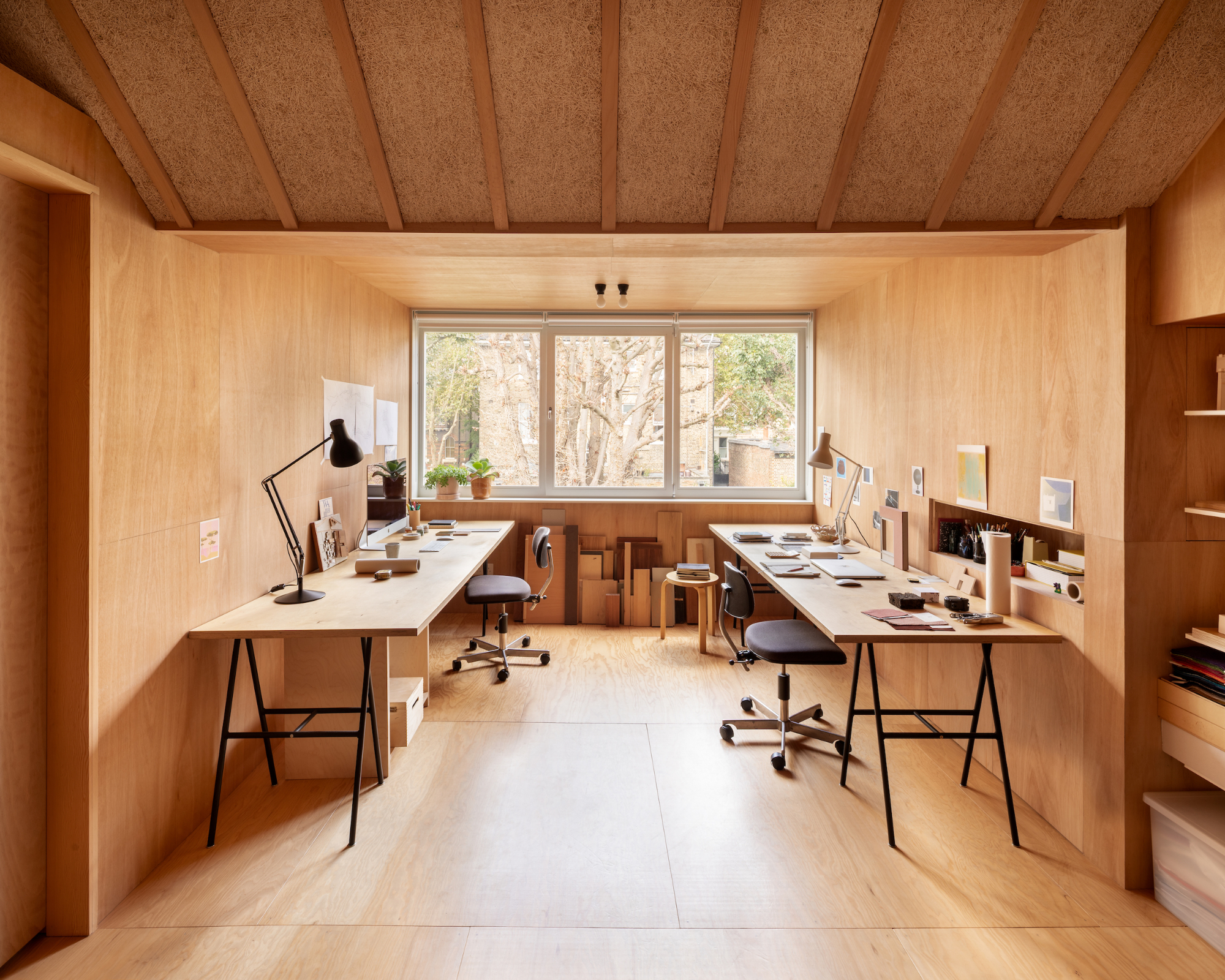
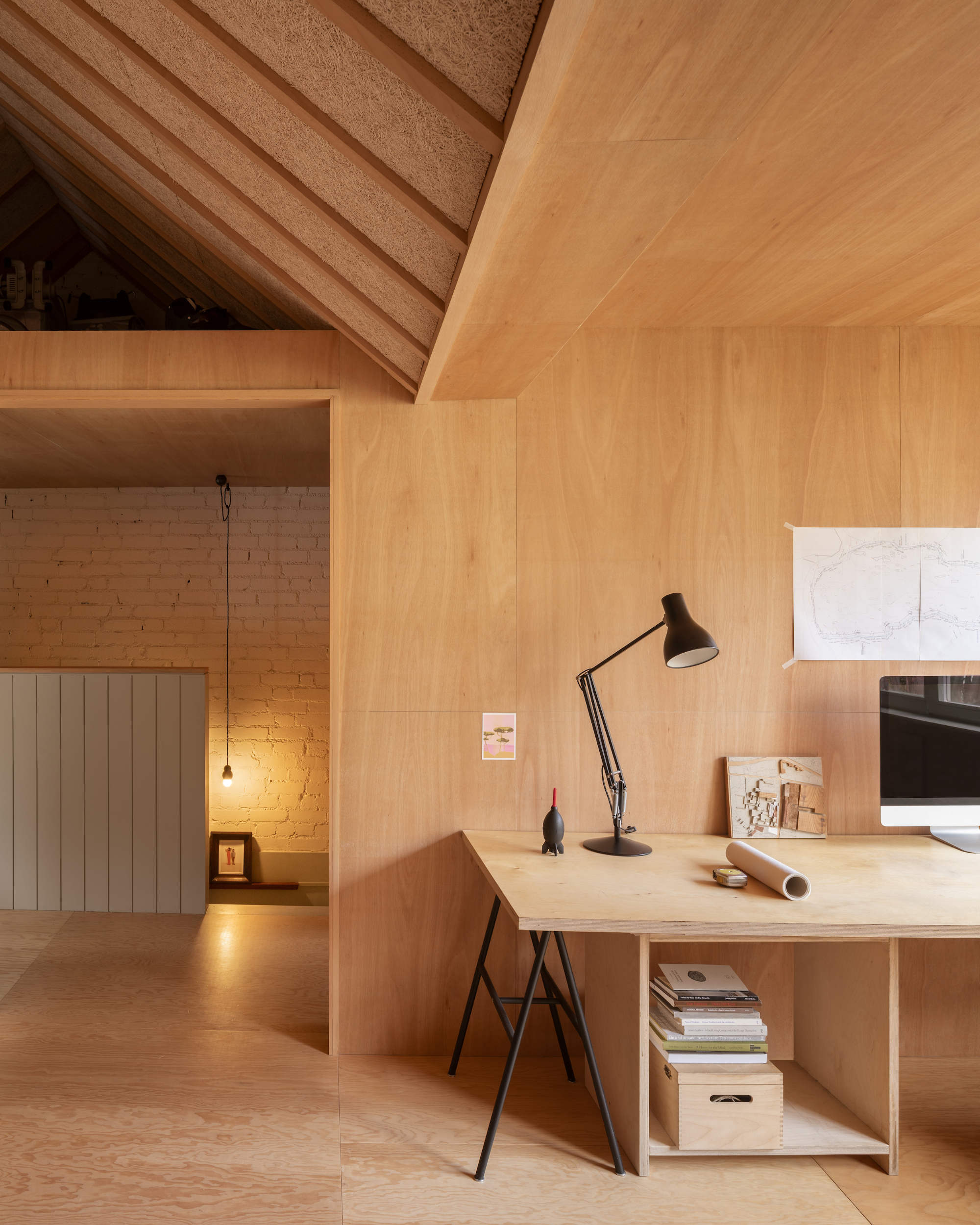
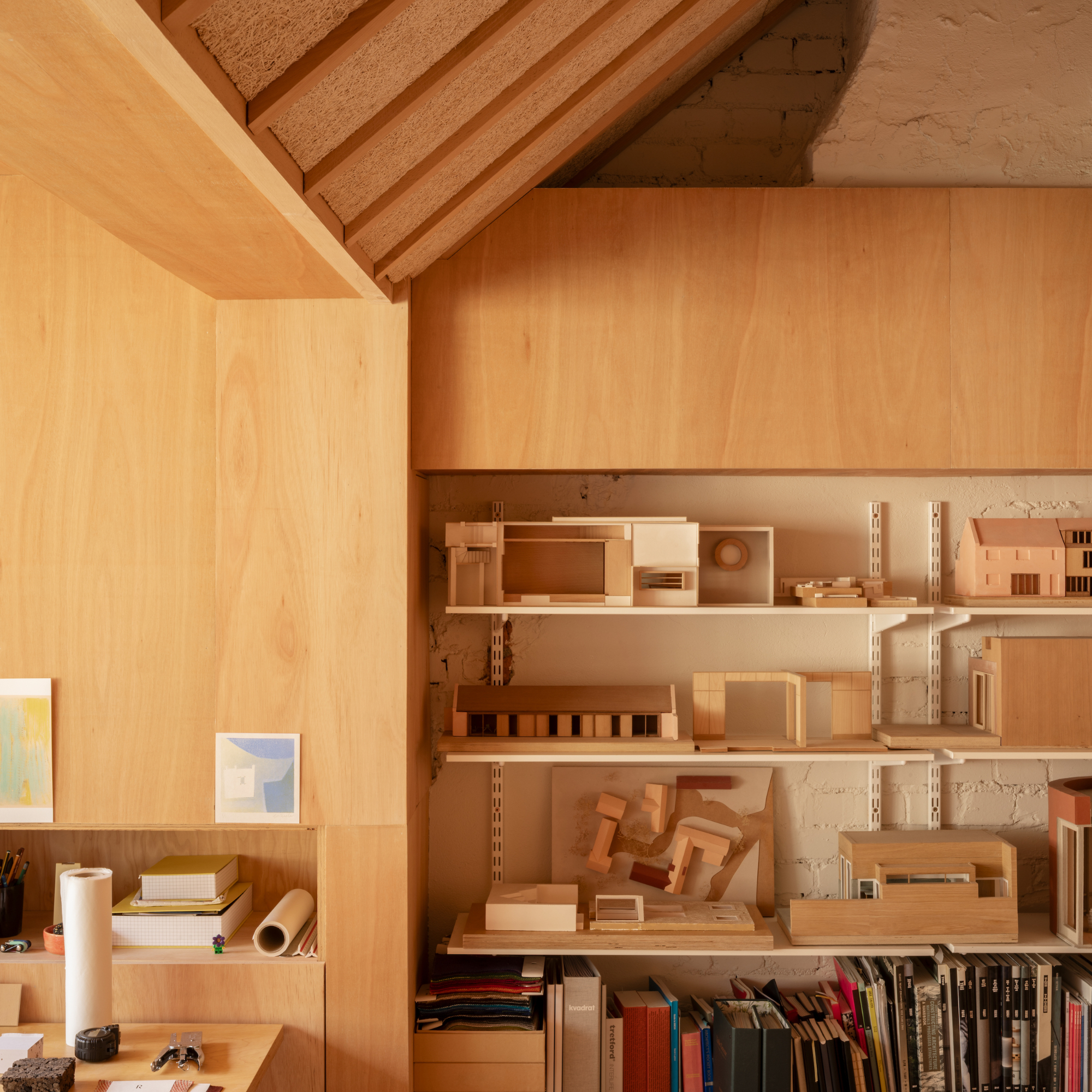
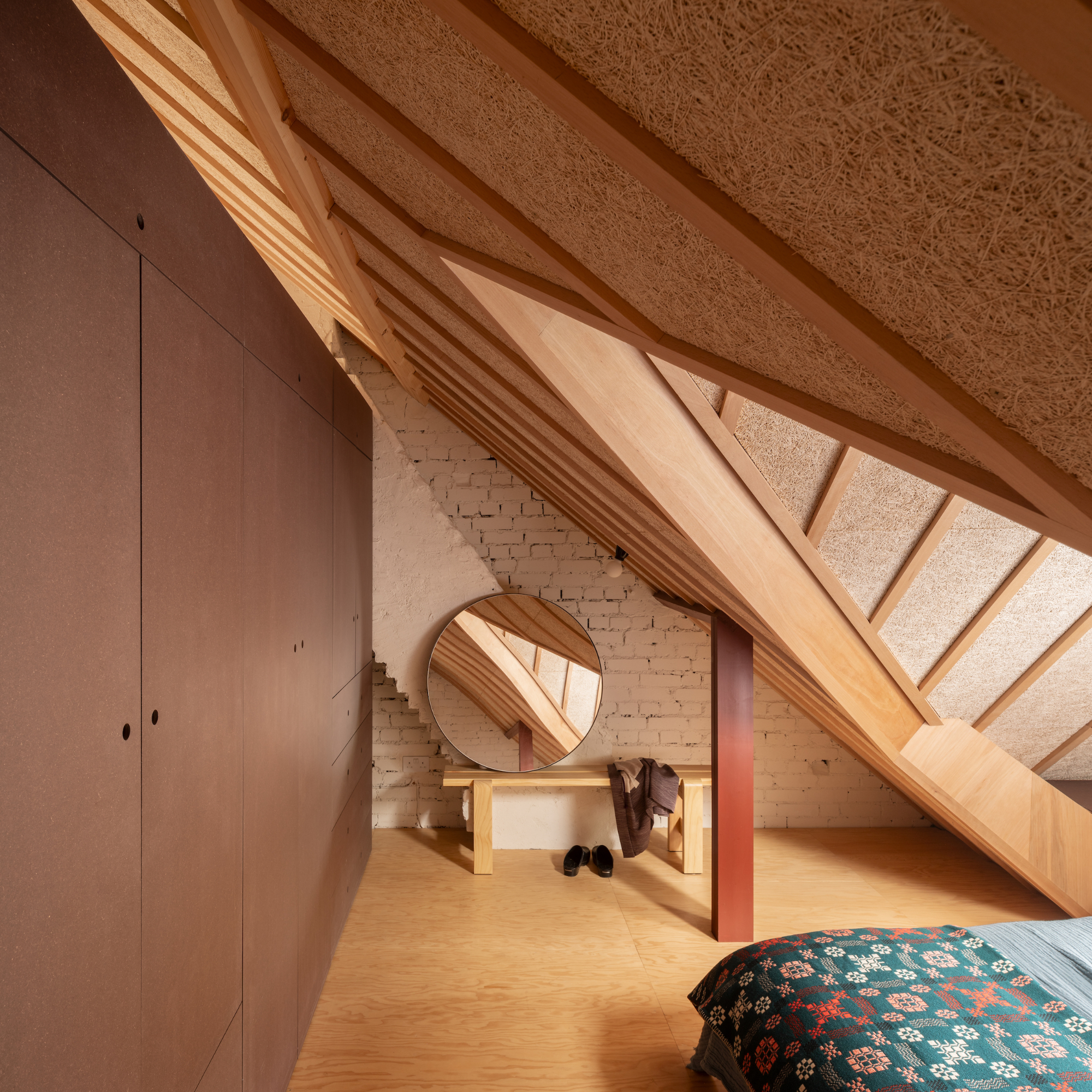
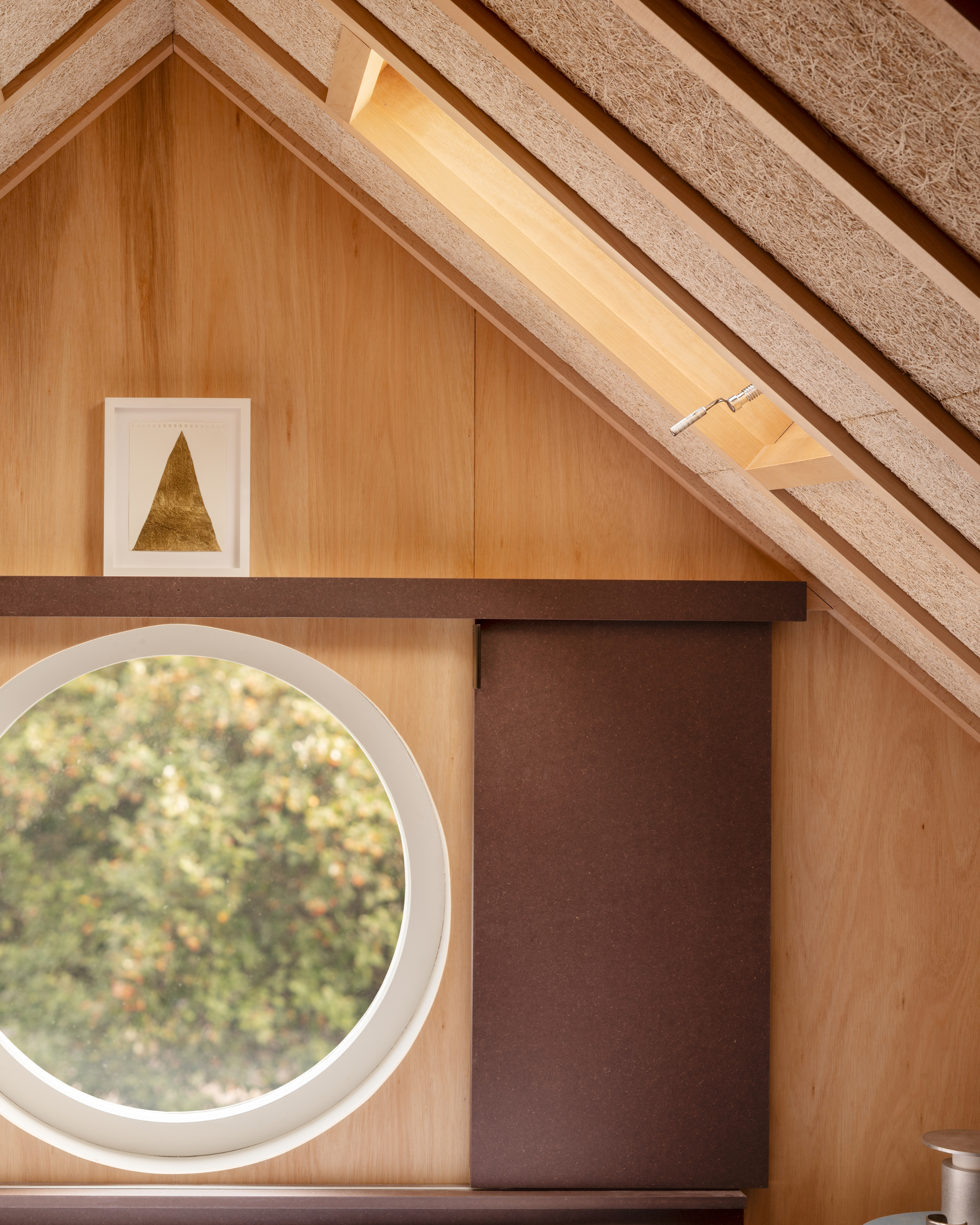
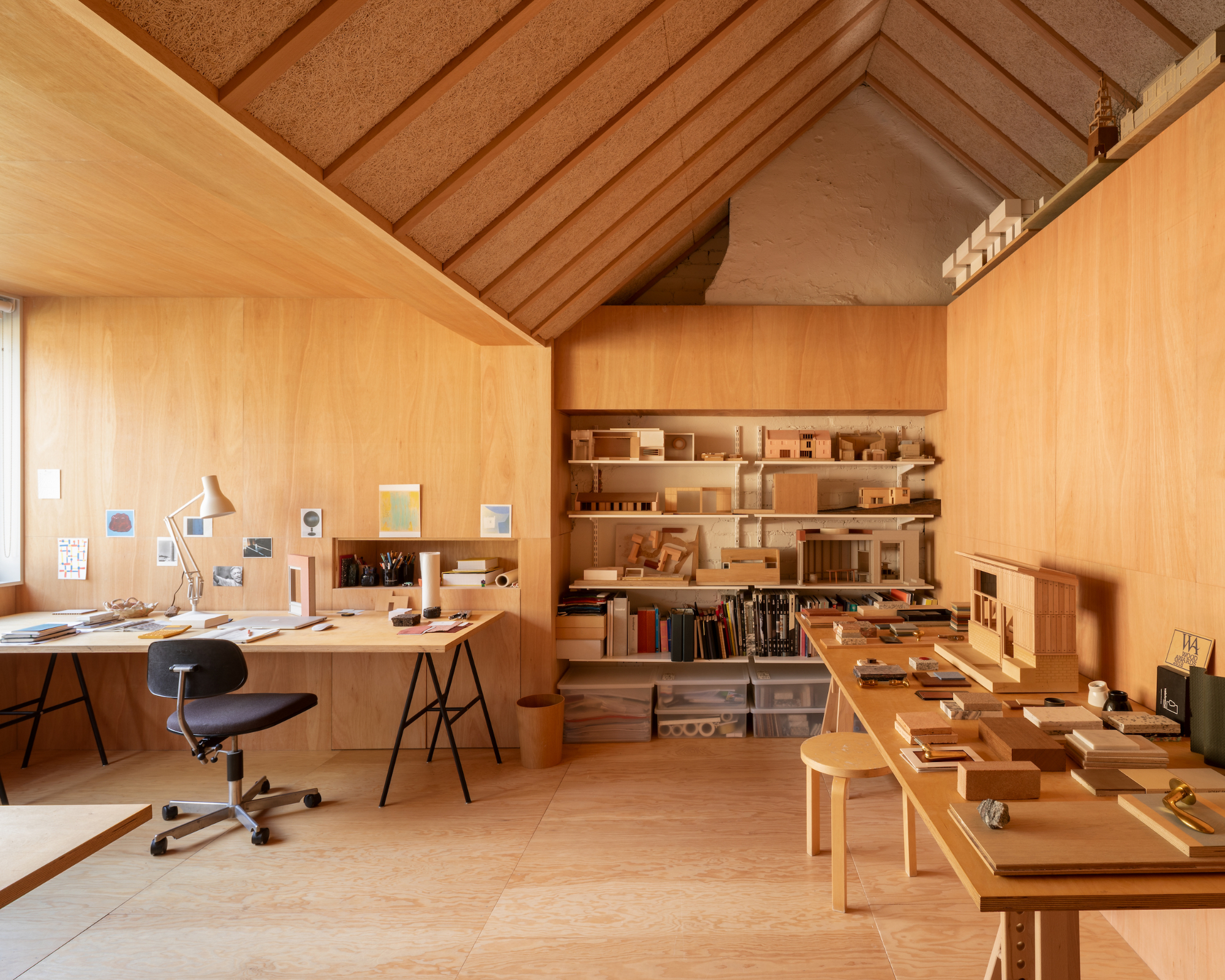
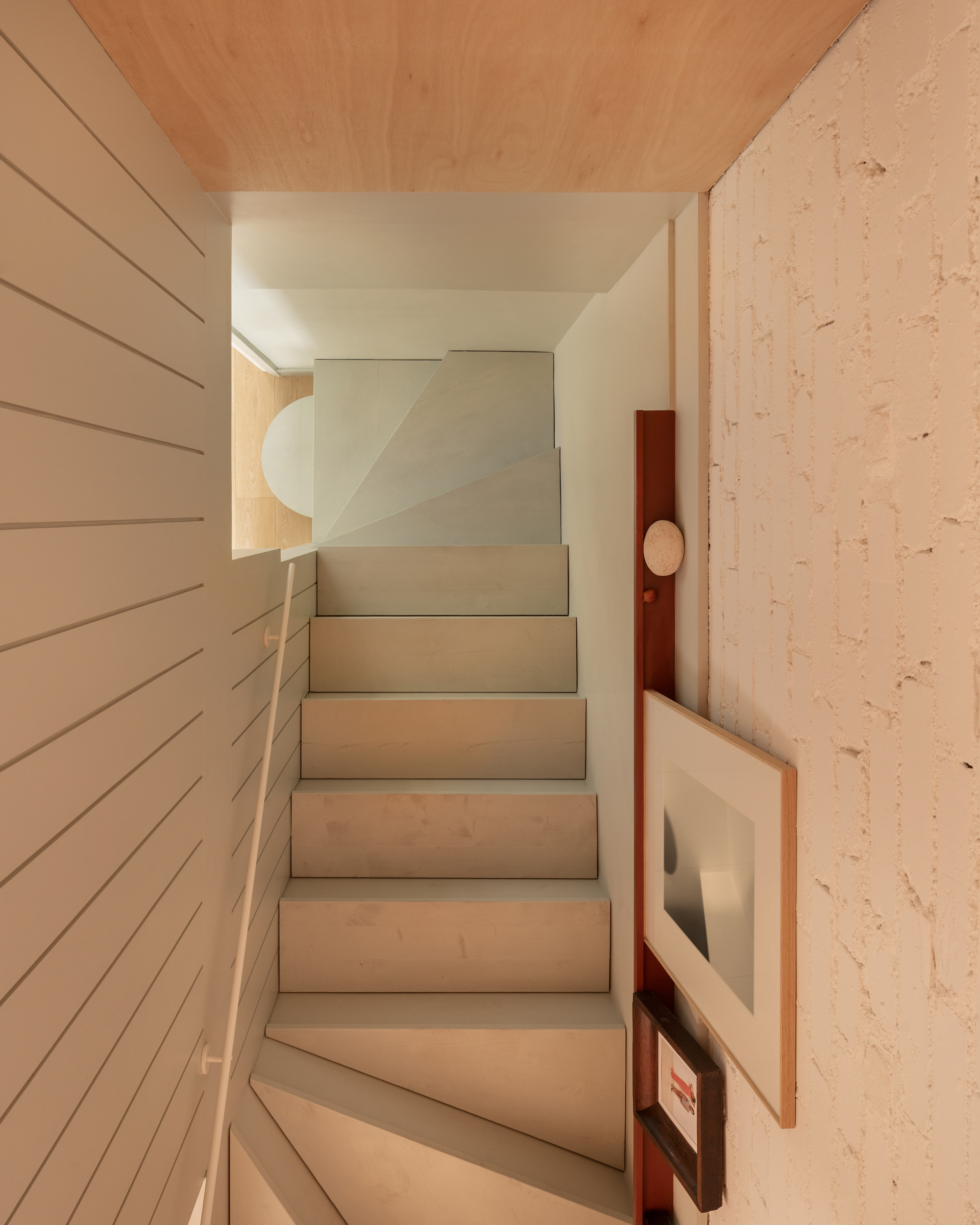
The attic is where the project permits itself more invention. Previously dormant and inaccessible, it now holds the principal bedroom and the architects’ studio: part retreat, part workroom, part domestic compromise of the most practical kind. A new timber stair connects it to the first floor, while the roof build-up makes the construction legible rather than hiding it under a generic plasterboard finish. Existing rafters were extended and paired with wood-wool insulation; plywood lines the walls and floor; a large window brings in garden views and enough daylight for drawing, model-making, and the long hours of a small practice. It is not a loft conversion trying to look expensive. It is a room made from timber, roof geometry, and necessity.
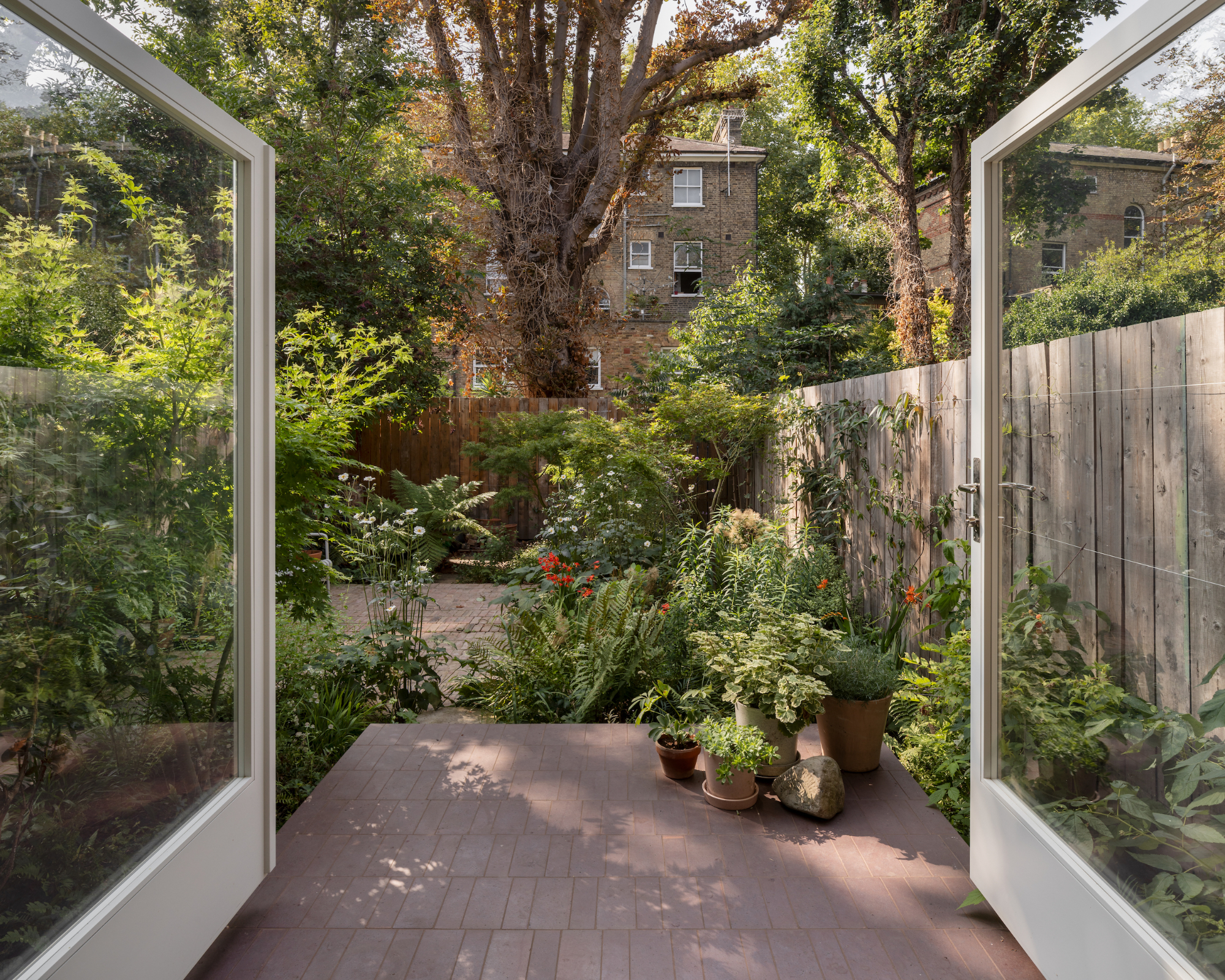
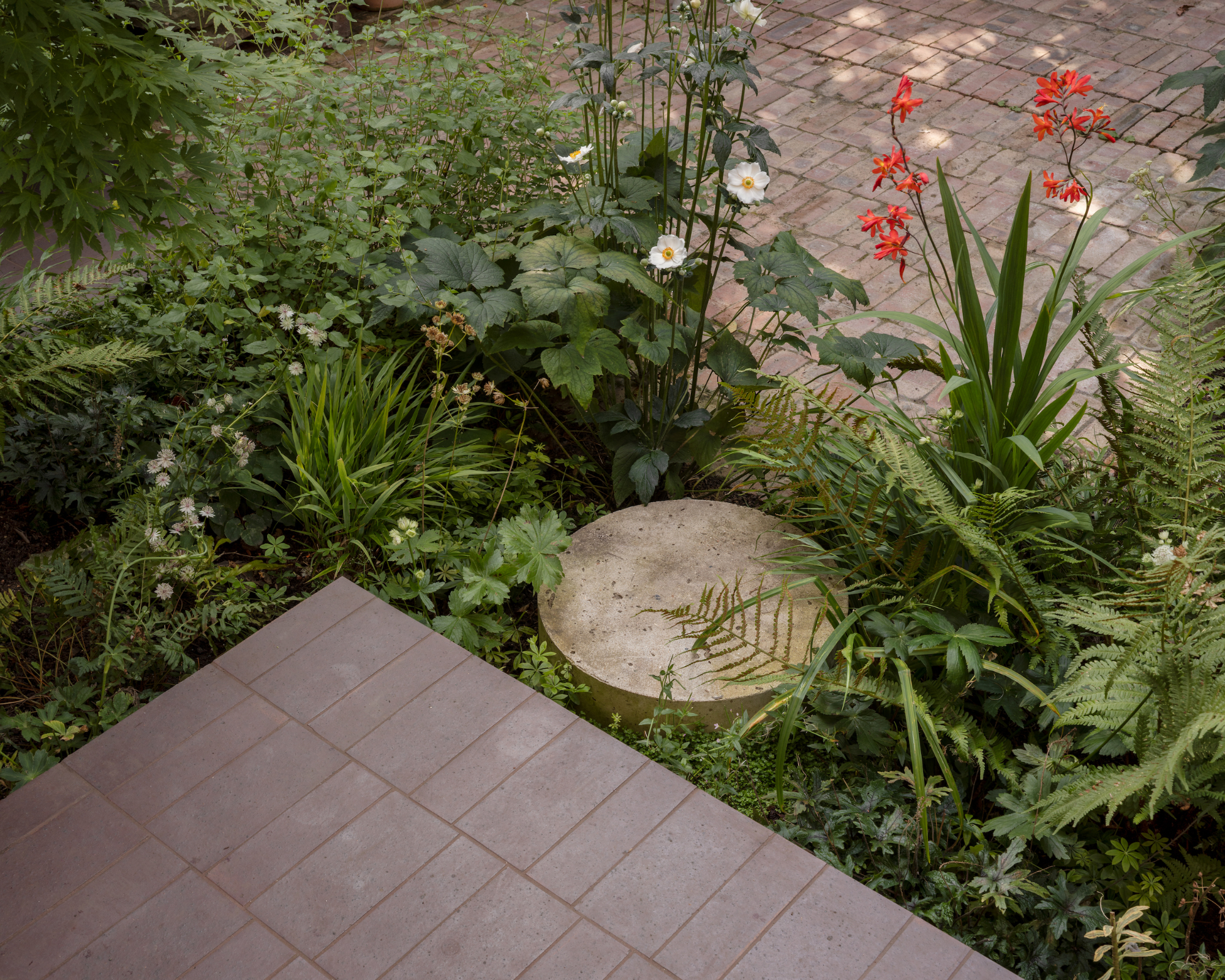
The environmental case is strongest where it stays prosaic. Bricks from a removed chimney breast become garden paving. Original floorboards return as fencing. Terracotta roof tiles are laid on edge at the front patio. The original brick walls, pebble-dash render, timber floors, and roof structure were retained, avoiding the familiar exchange of rubble out and steel in. New double-glazed timber windows, internal insulation, cross-ventilation, and future provision for solar panels and a SunAmp thermal store move the house forward without turning performance into a slogan. Photographed by Ståle Eriksen, Elmhurst still belongs to Canonbury’s leafy, slightly fussy domestic fabric from the street. Inside, it has become something more exacting: a house that works harder, remembers more, and does not need to show off to prove the point.