Search






A 19th-century farmhouse’s metamorphosis: barn becomes home, sunny wing becomes a permaculture greenhouse.
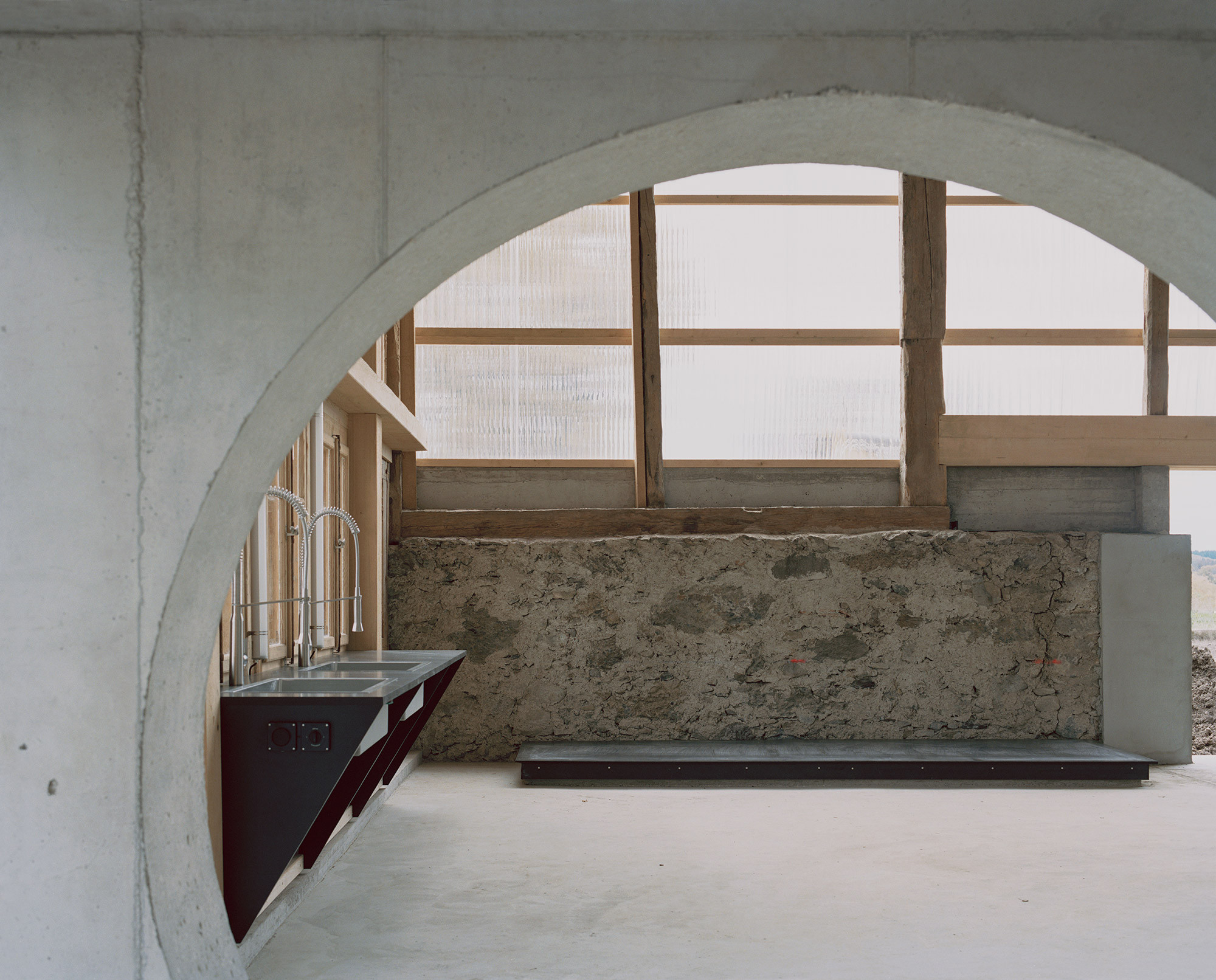
In Vuisternens-devant-Romont, Switzerland, this 19th-century building had reached that awkward moment where agricultural programs no longer had a reason to exist. Additionally, the farmhouse had a limited amount of space that could be turned into proper living areas. Architecture firm Bard Yersin solved these issues by swapping the building’s roles: the barn becomes the home and the original south-facing dwelling transforms into a greenhouse for permaculture. Suddenly, the brightest side of the building is about growing, while the deeper, larger volume becomes the living space. Still under the same roof, the two wings now work with a completely different day-to-day logic.
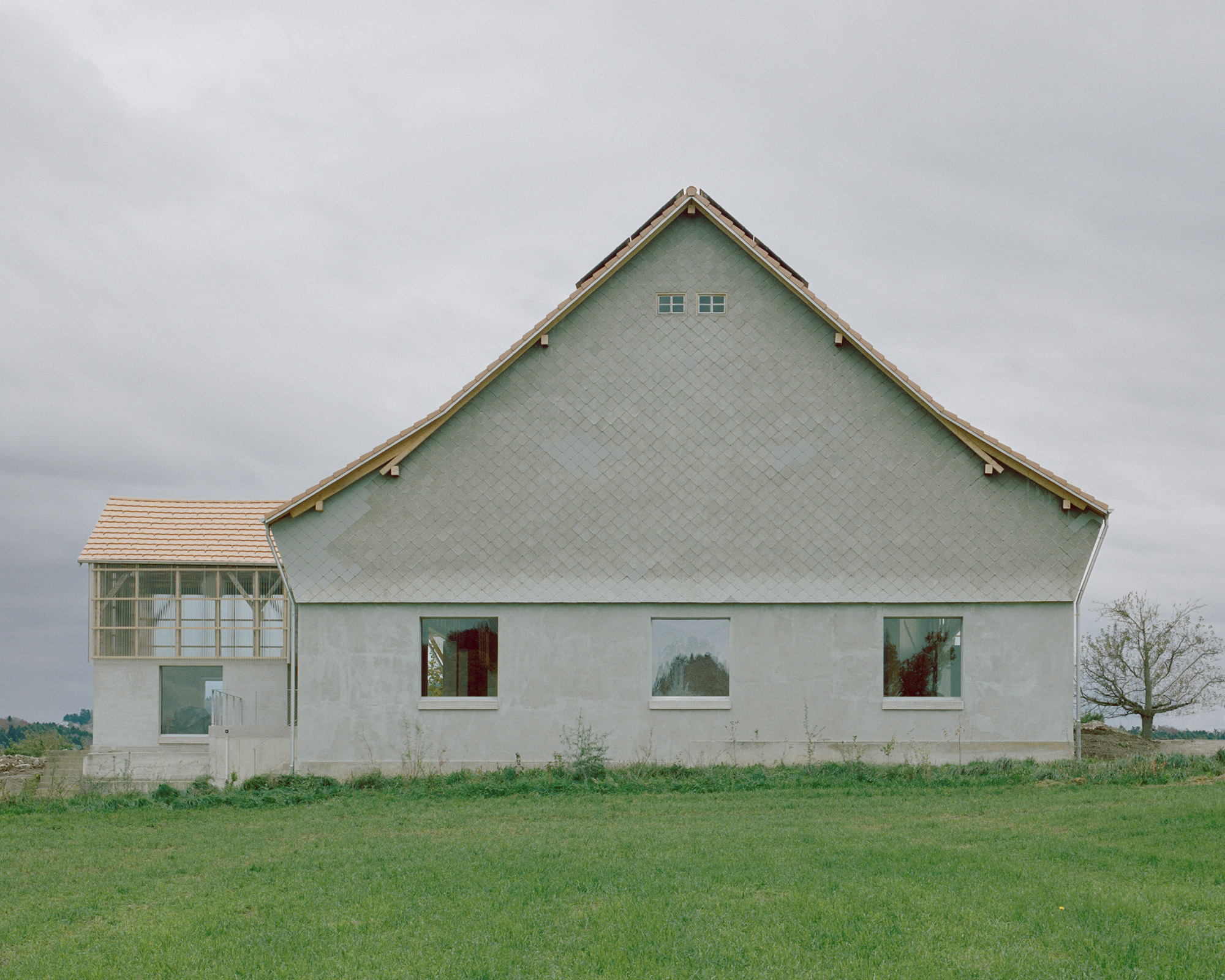
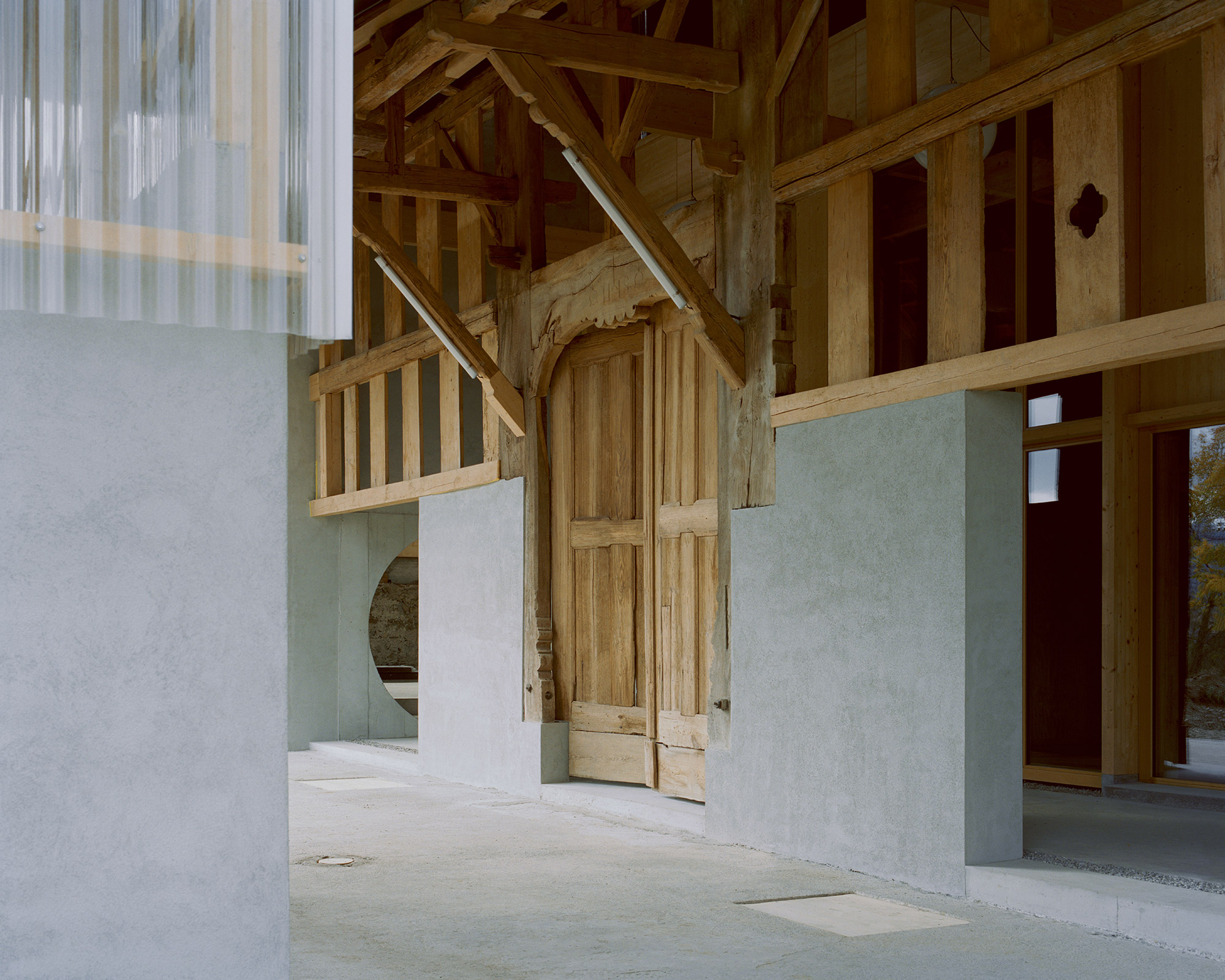
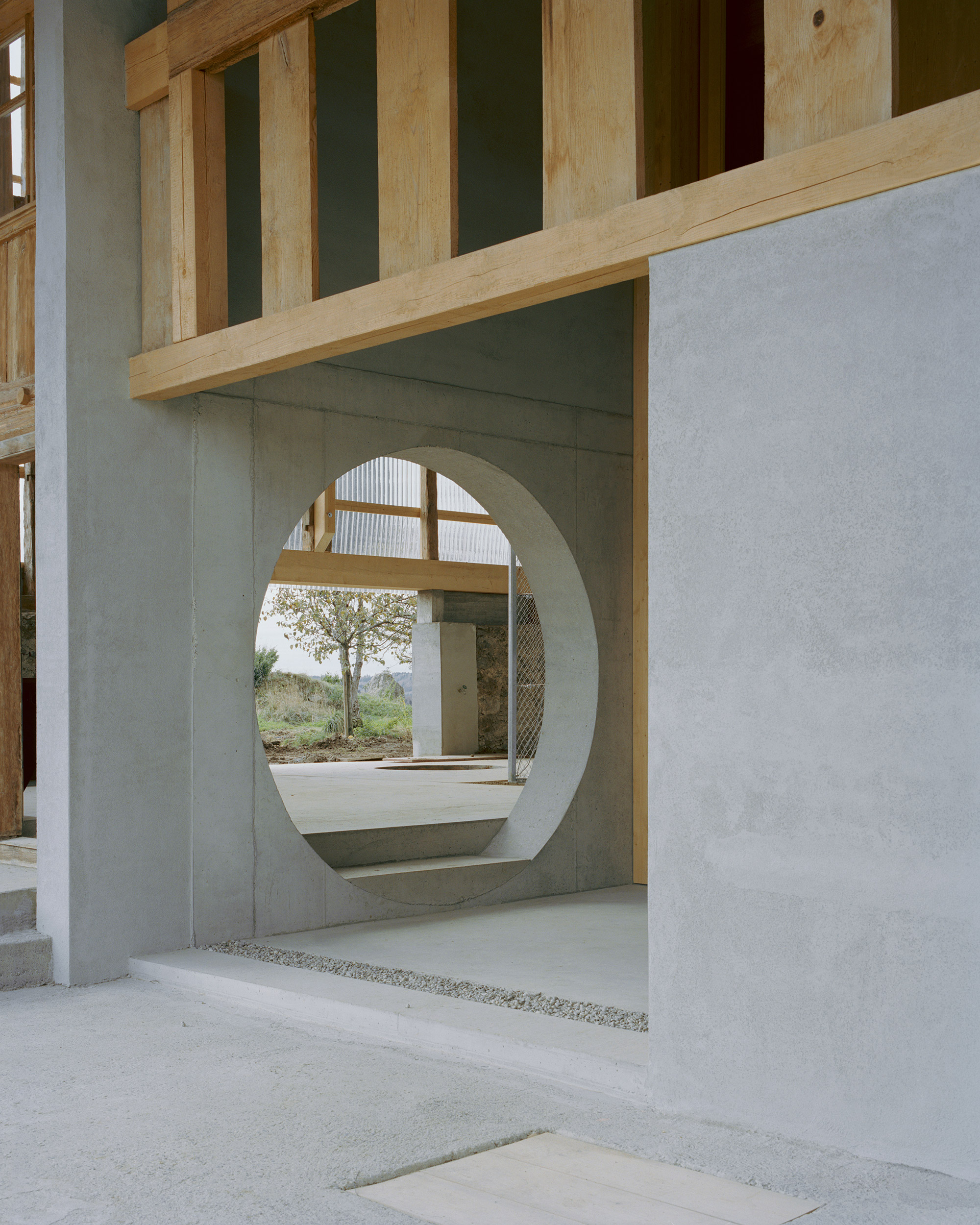
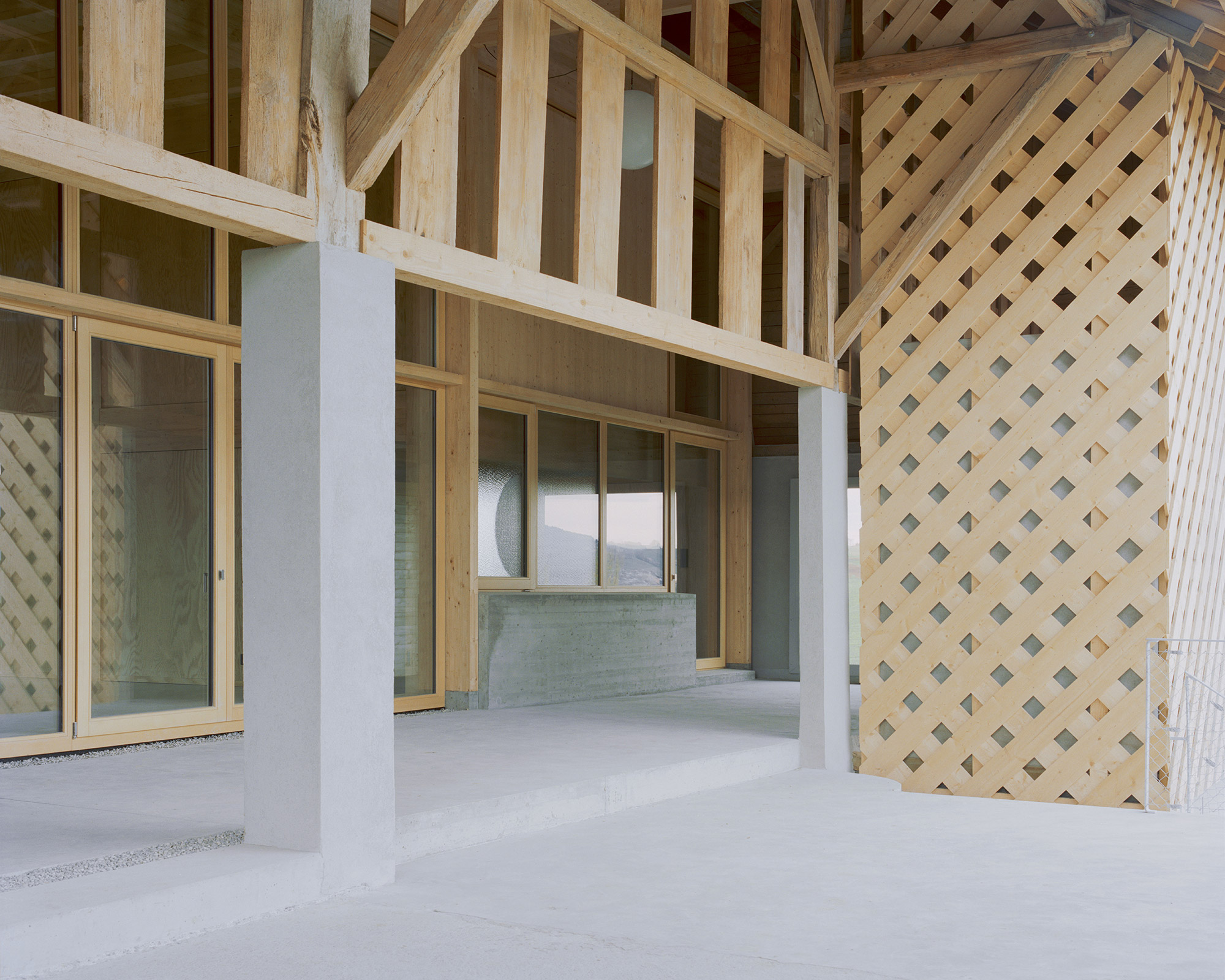
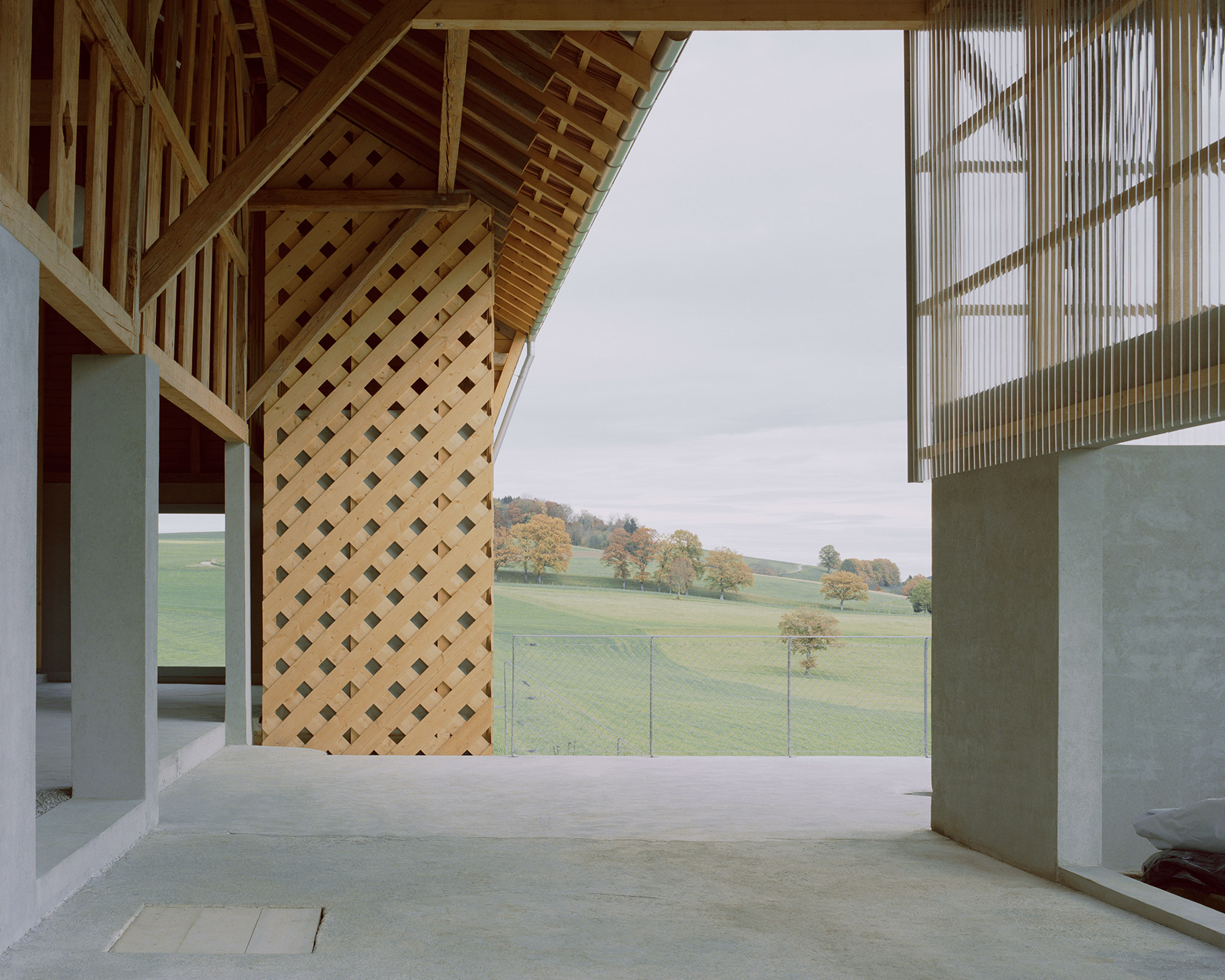
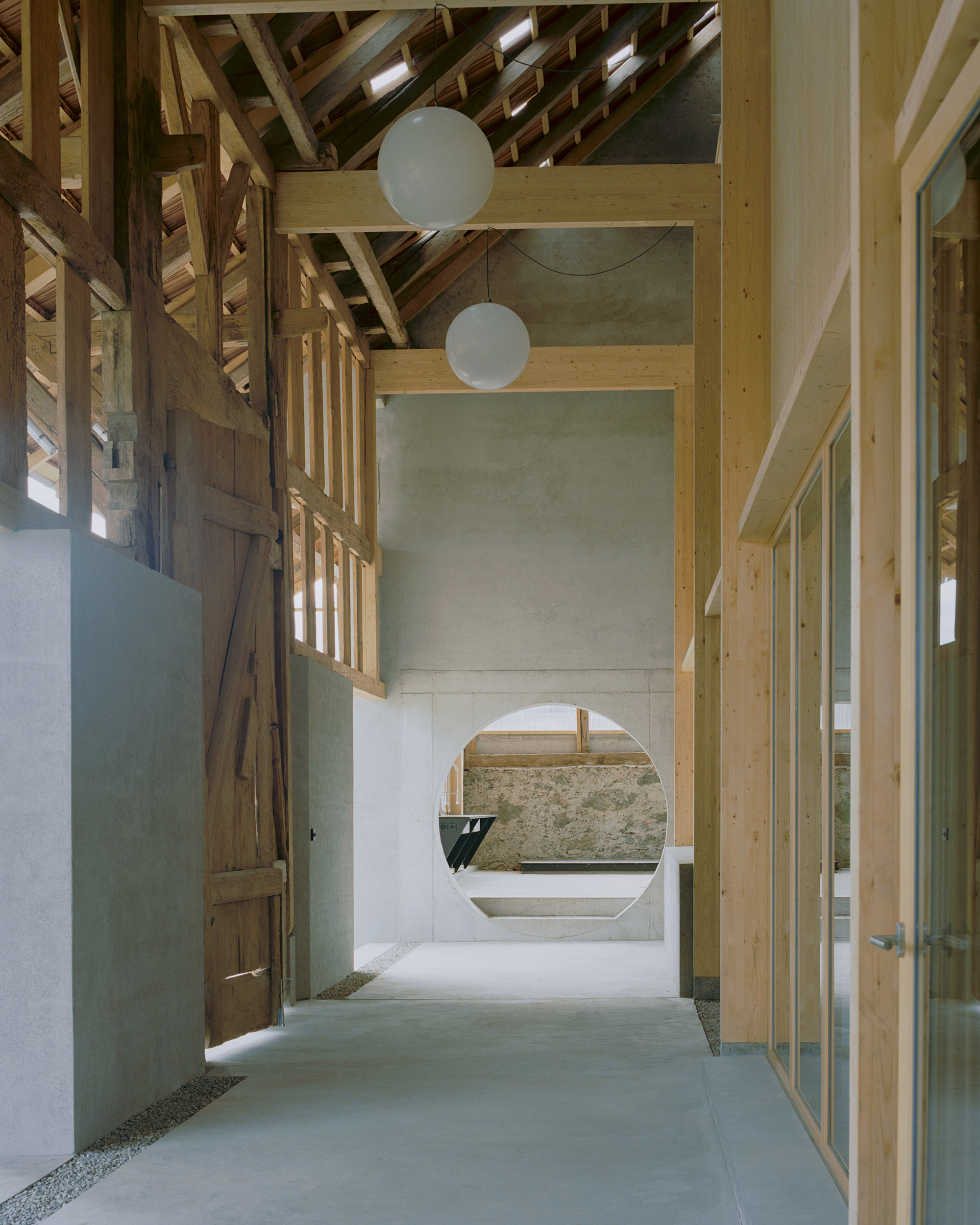
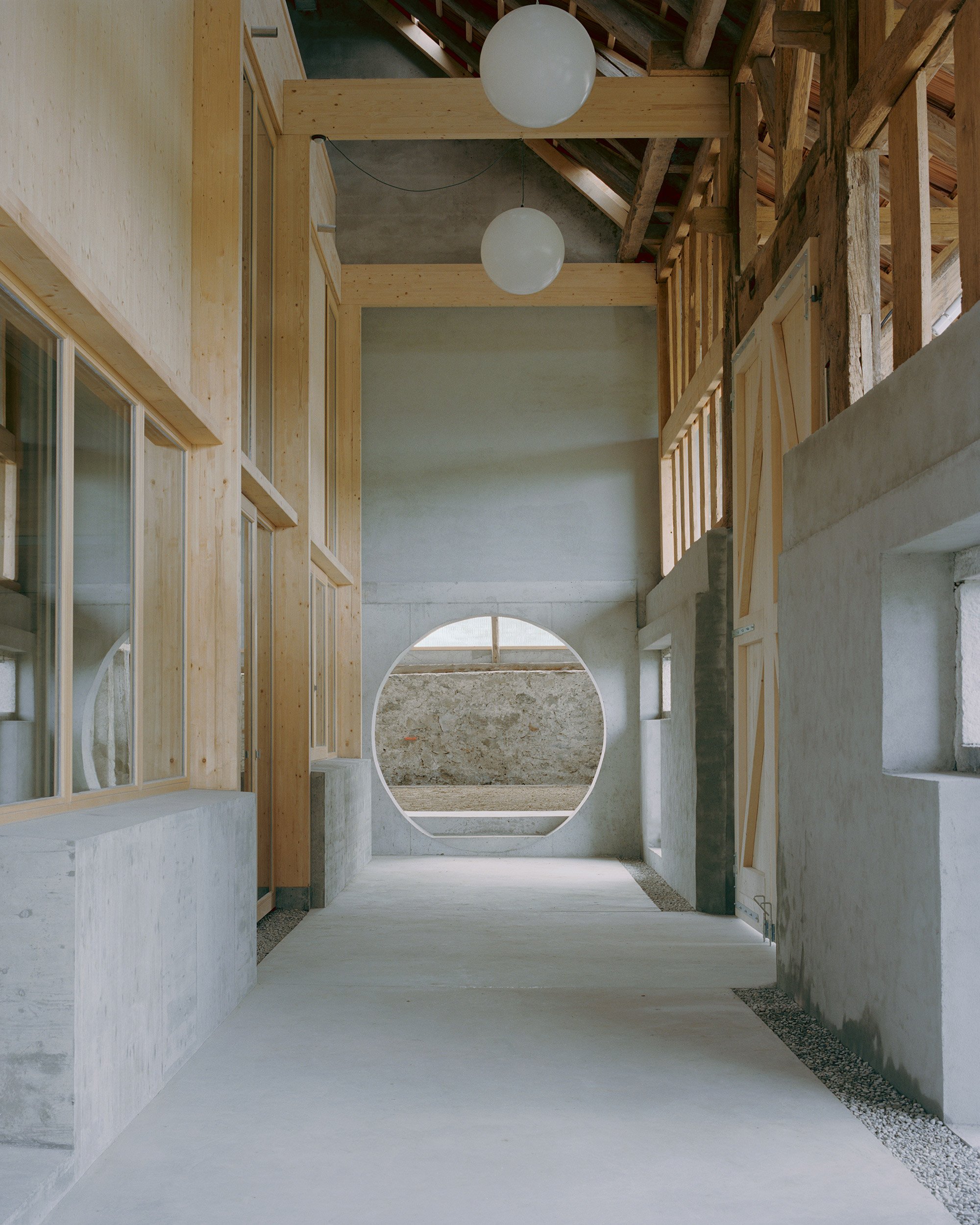
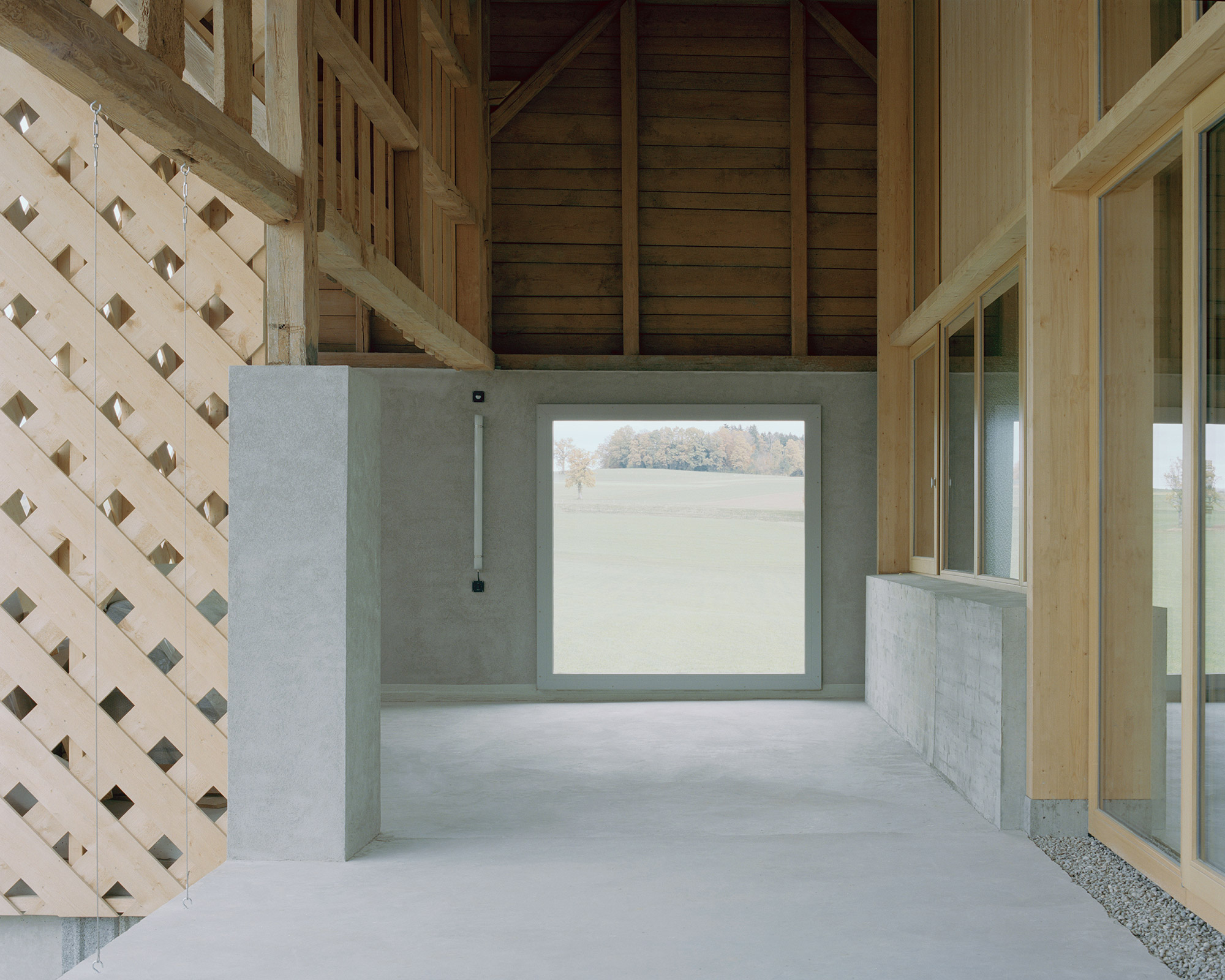
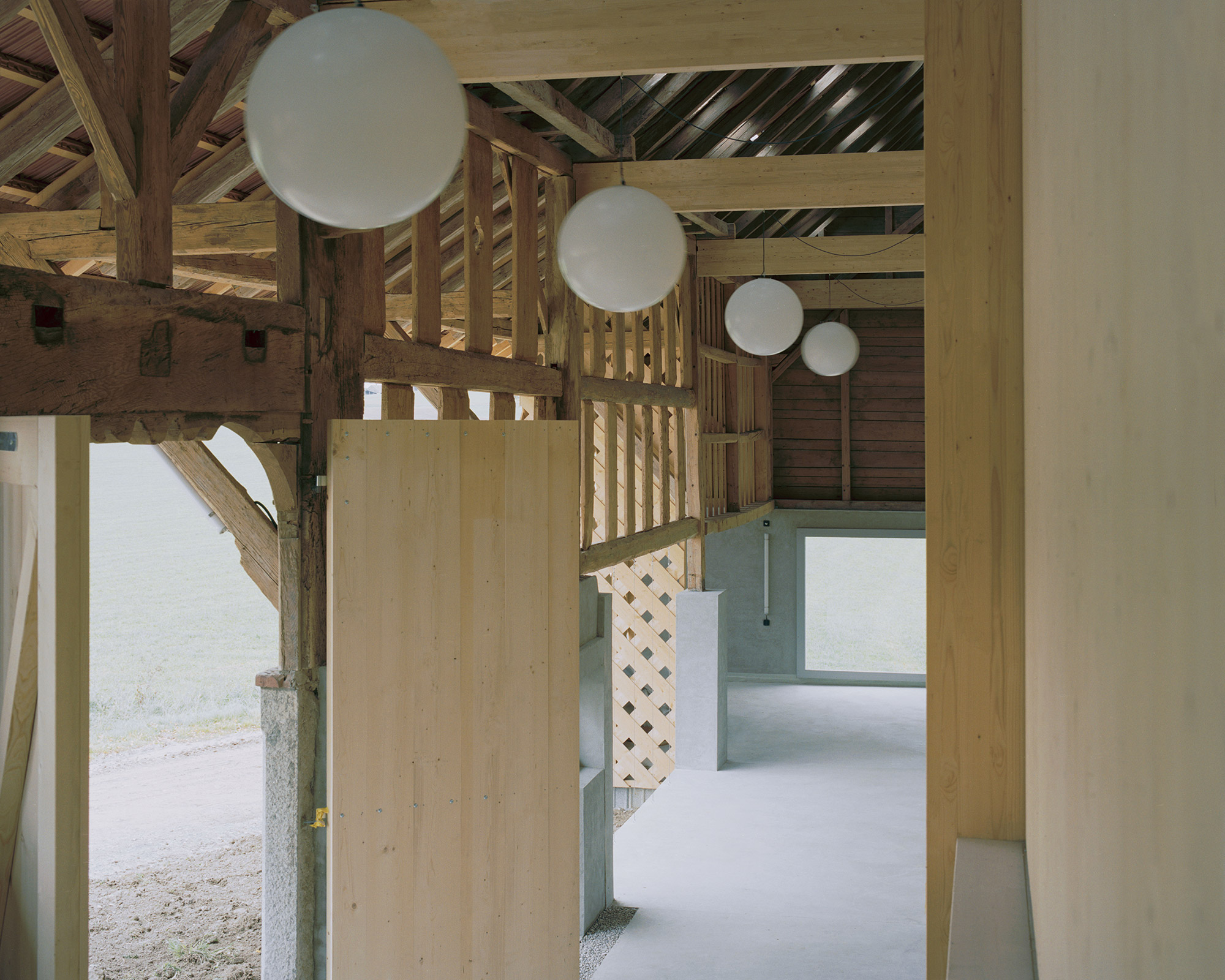
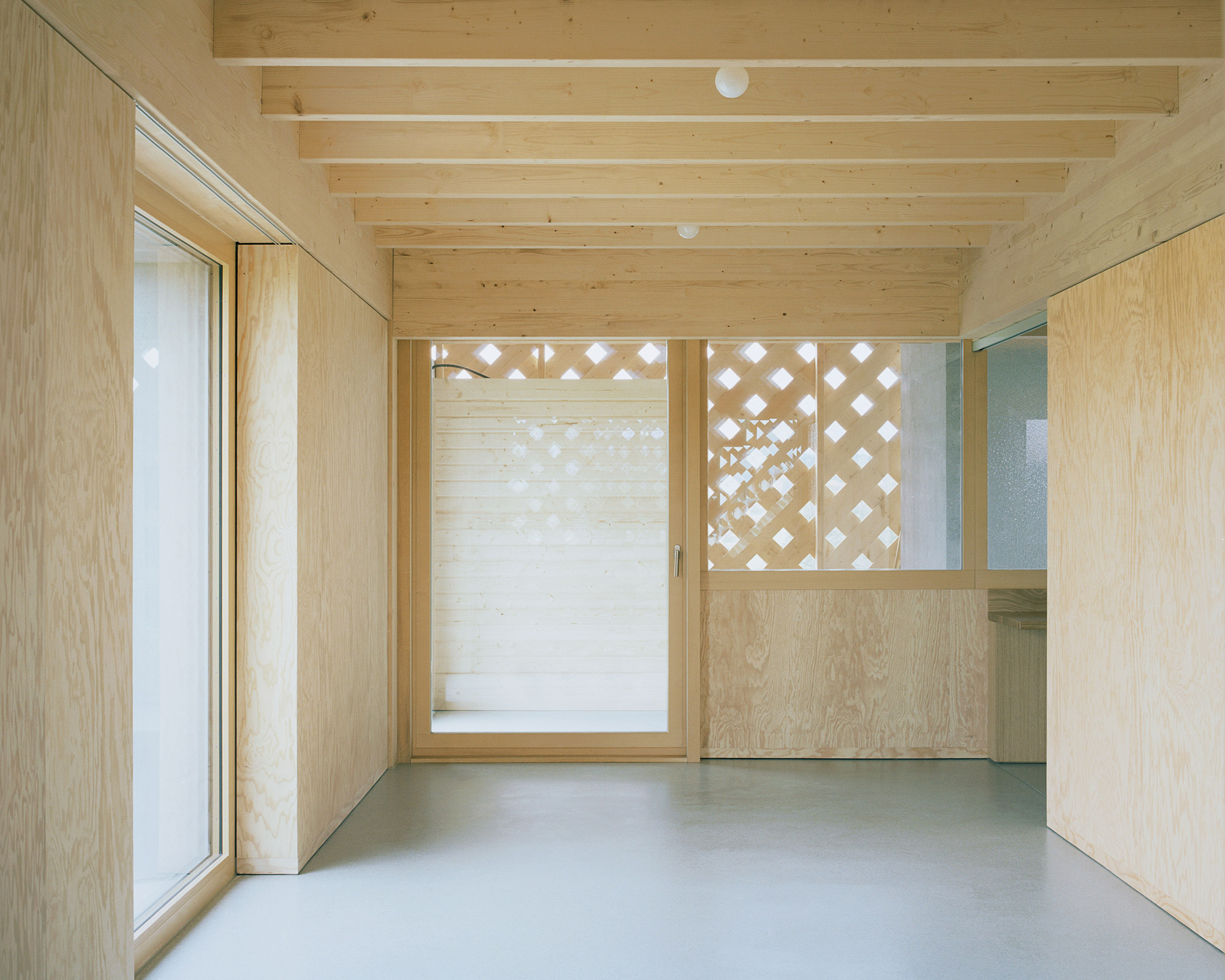
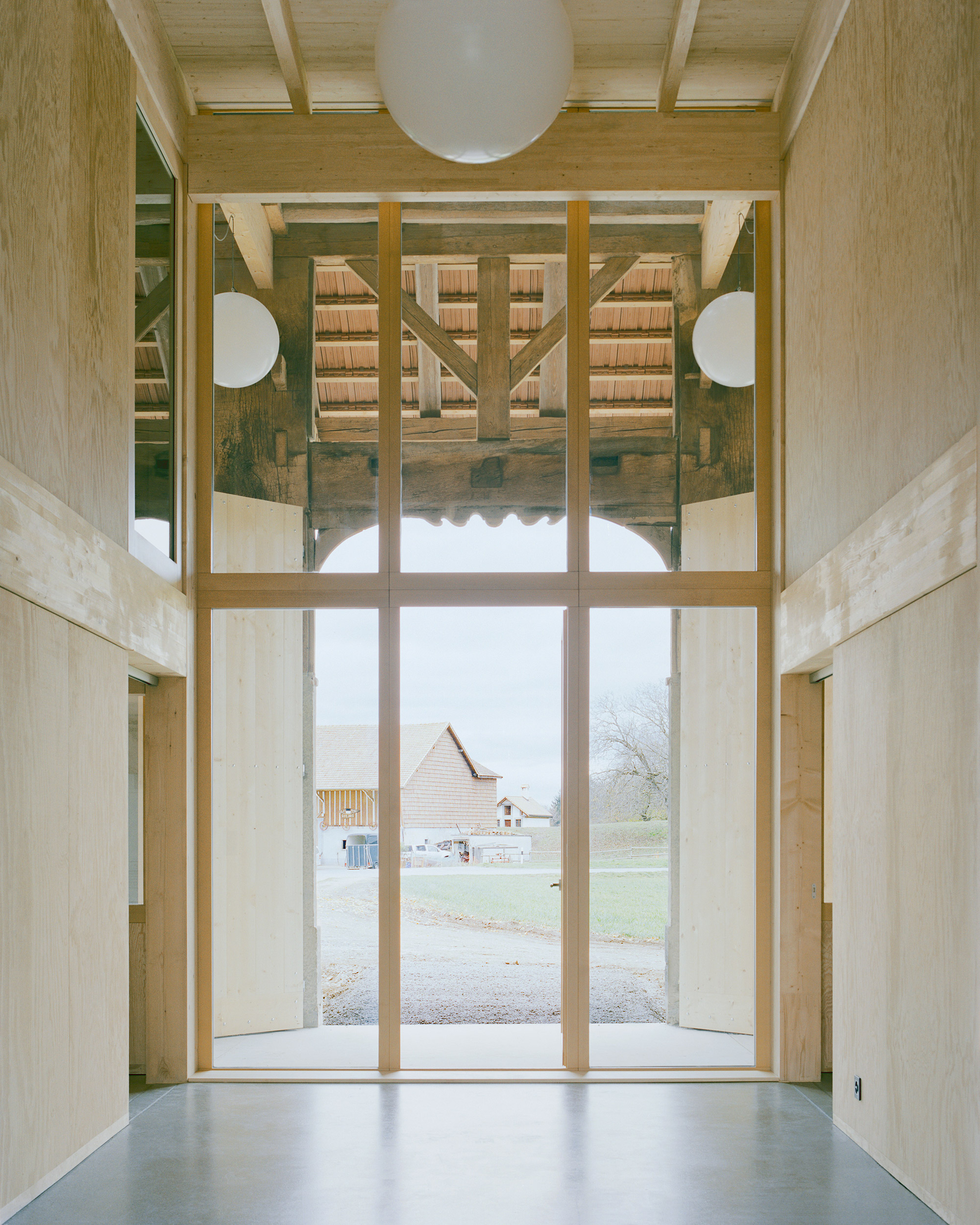
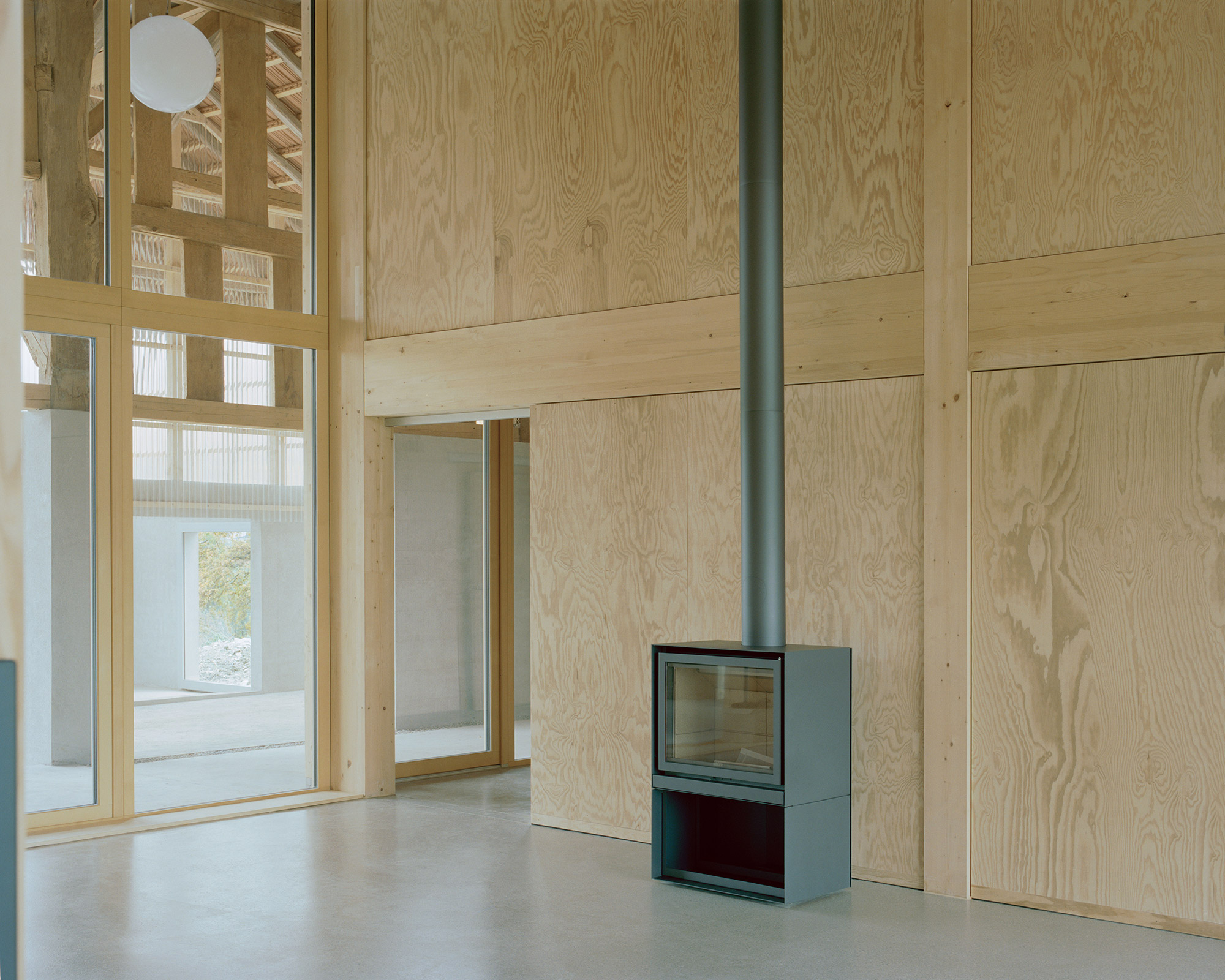
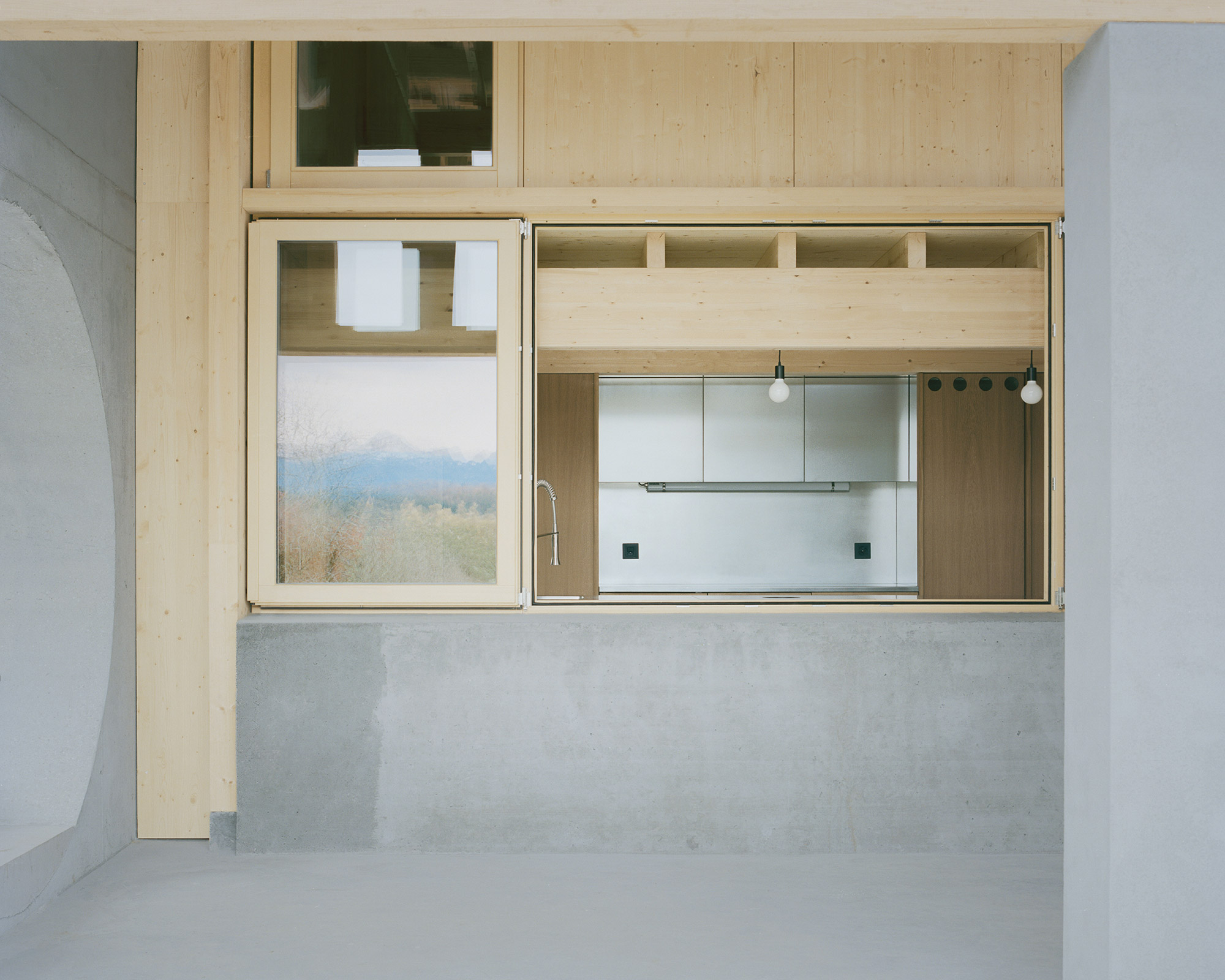
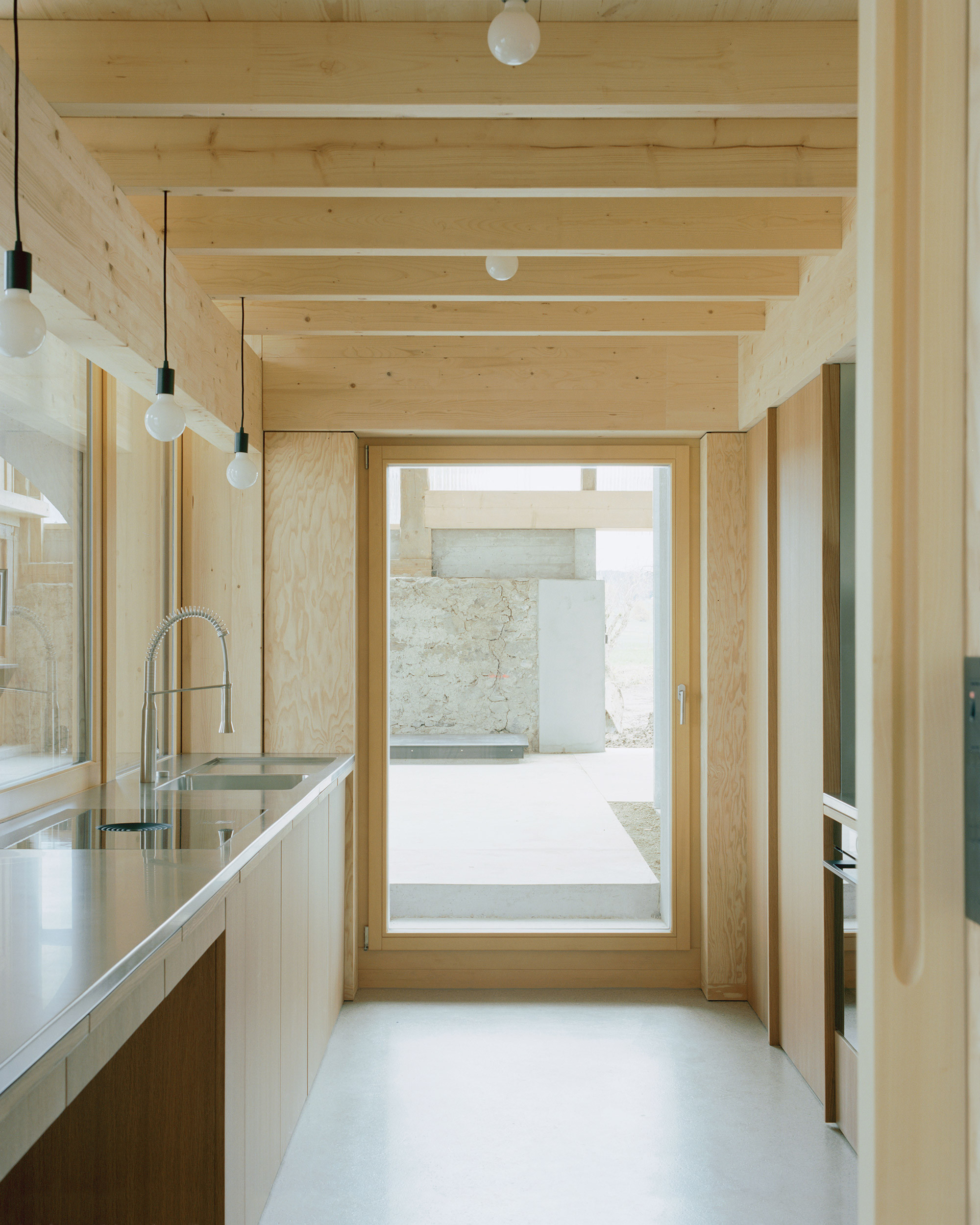
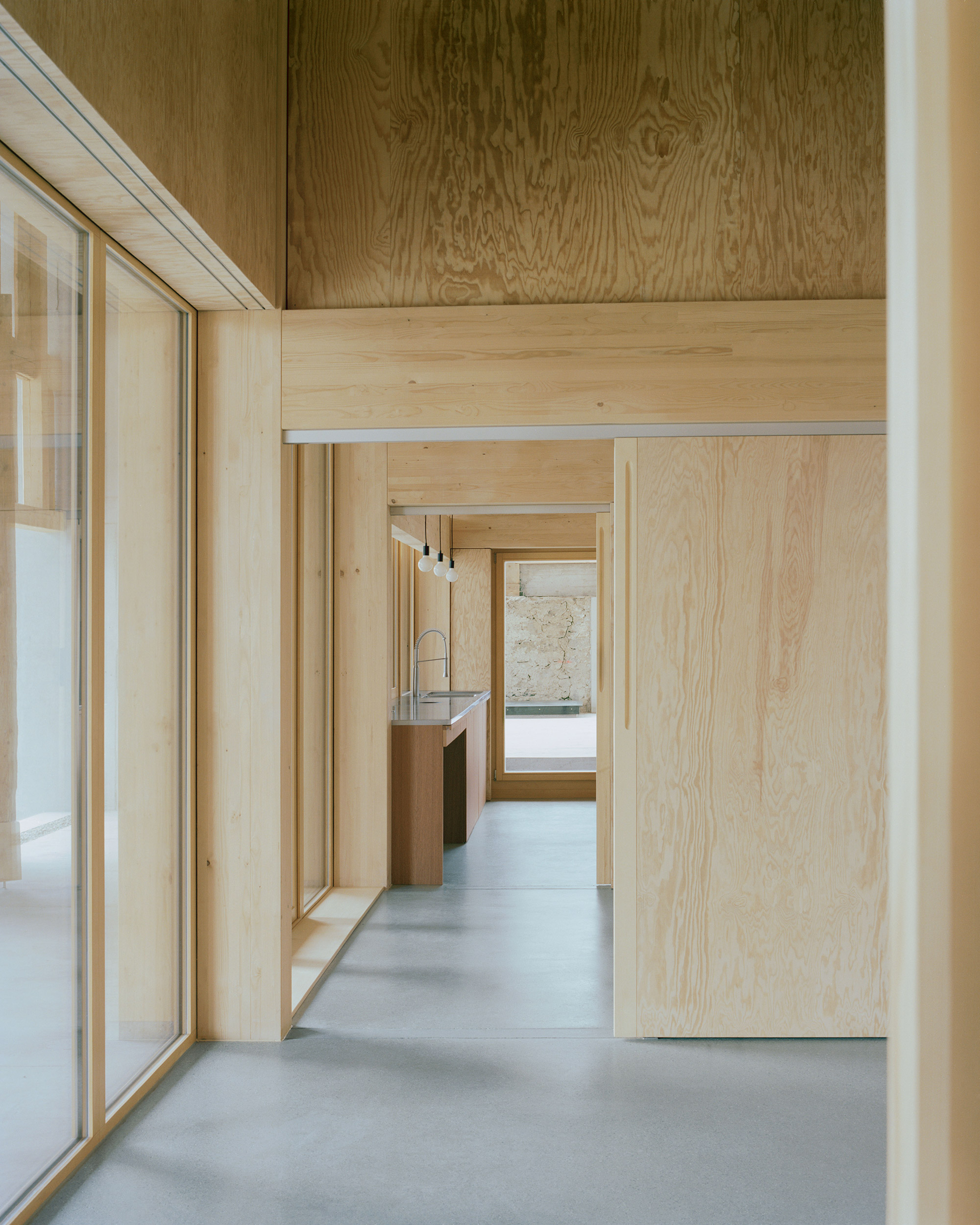
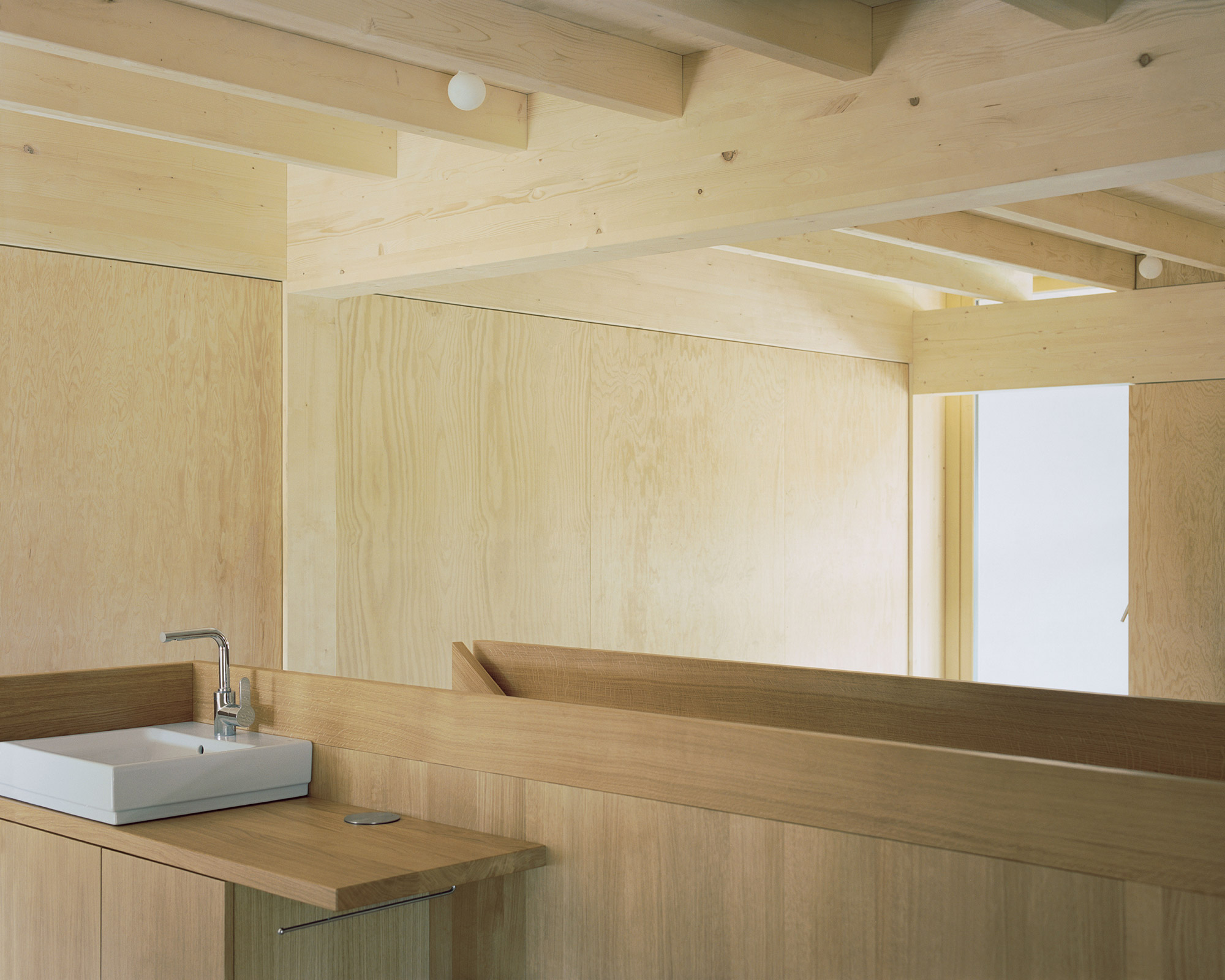
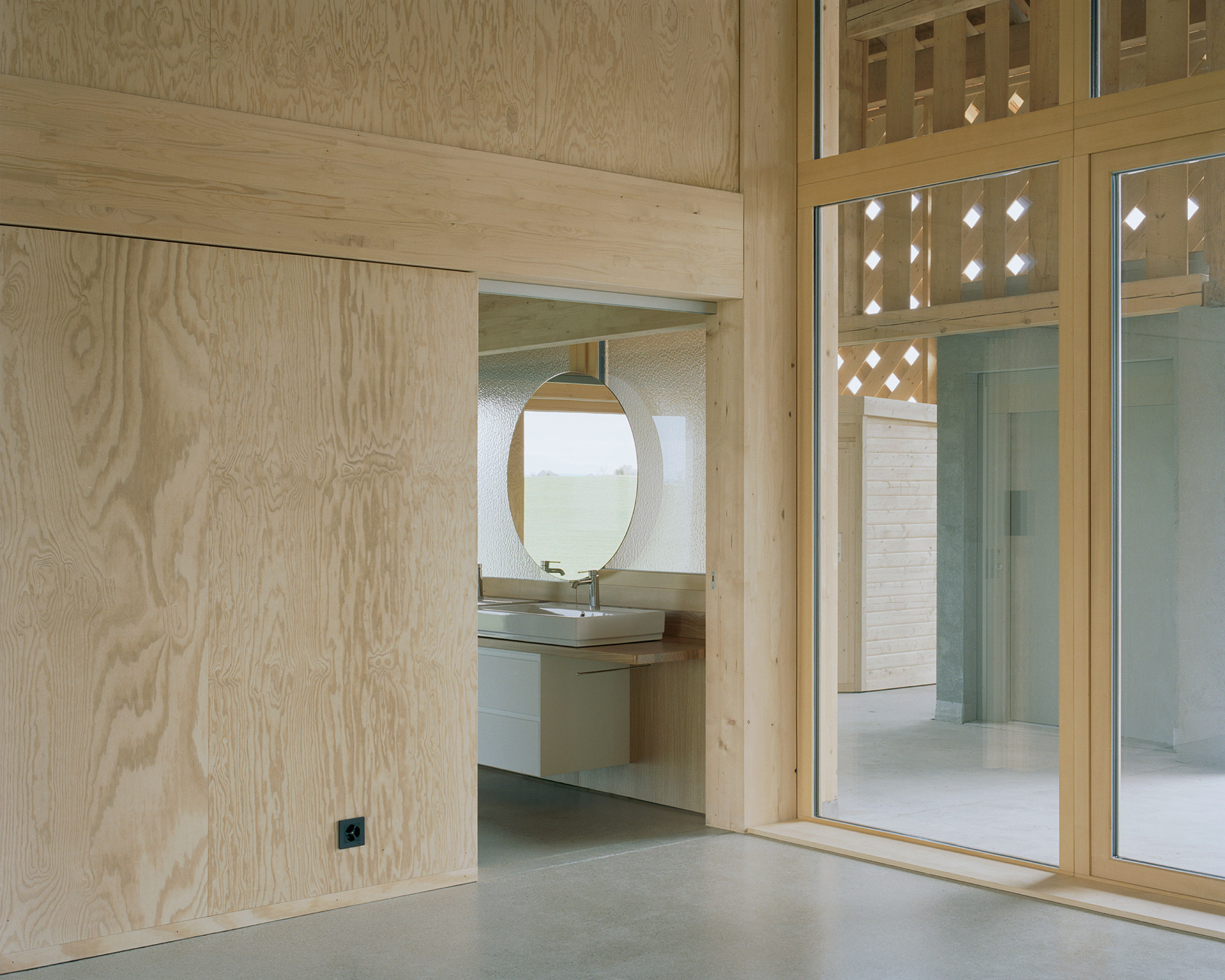
From the outside, the silhouette stays familiar, but with some obvious interventions. Apart from sharper openings, there are also translucent fluted panels that filter the light and an envelope that feels finely-tuned rather than completely renovated. Inside, the new home is built as a timber-and-glass structure set within the barn shell, aligned to the existing roof rhythm so it doesn’t feel like an object dropped into a void. Concrete holds the base and thresholds, while timber brings warmth. A few elements stand out; among them, the lattice screen that filters space without shutting it down as well as the clean circular cut-out that creates an almost whimsical passage between spaces.
A striking example off adaptive reuse architecture, this Bard Yersin project brought an old farmhouse to life with modern interventions that don’t smother the character of the original building. The presence of the original structure remains, while the inserted timber-and-glass rooms provide comfort in a tighter, more controlled footprint. Finally, from a sustainability standpoint, the logic is just as strong. Reusing the existing envelope preserves a huge amount of material while avoiding waste and the carbon cost of demolishing and rebuilding. Photography by Willem Pab.