Search






Architecture that weaves a luminous thread between peacefulness, solidity and an ever-changing natural landscape.
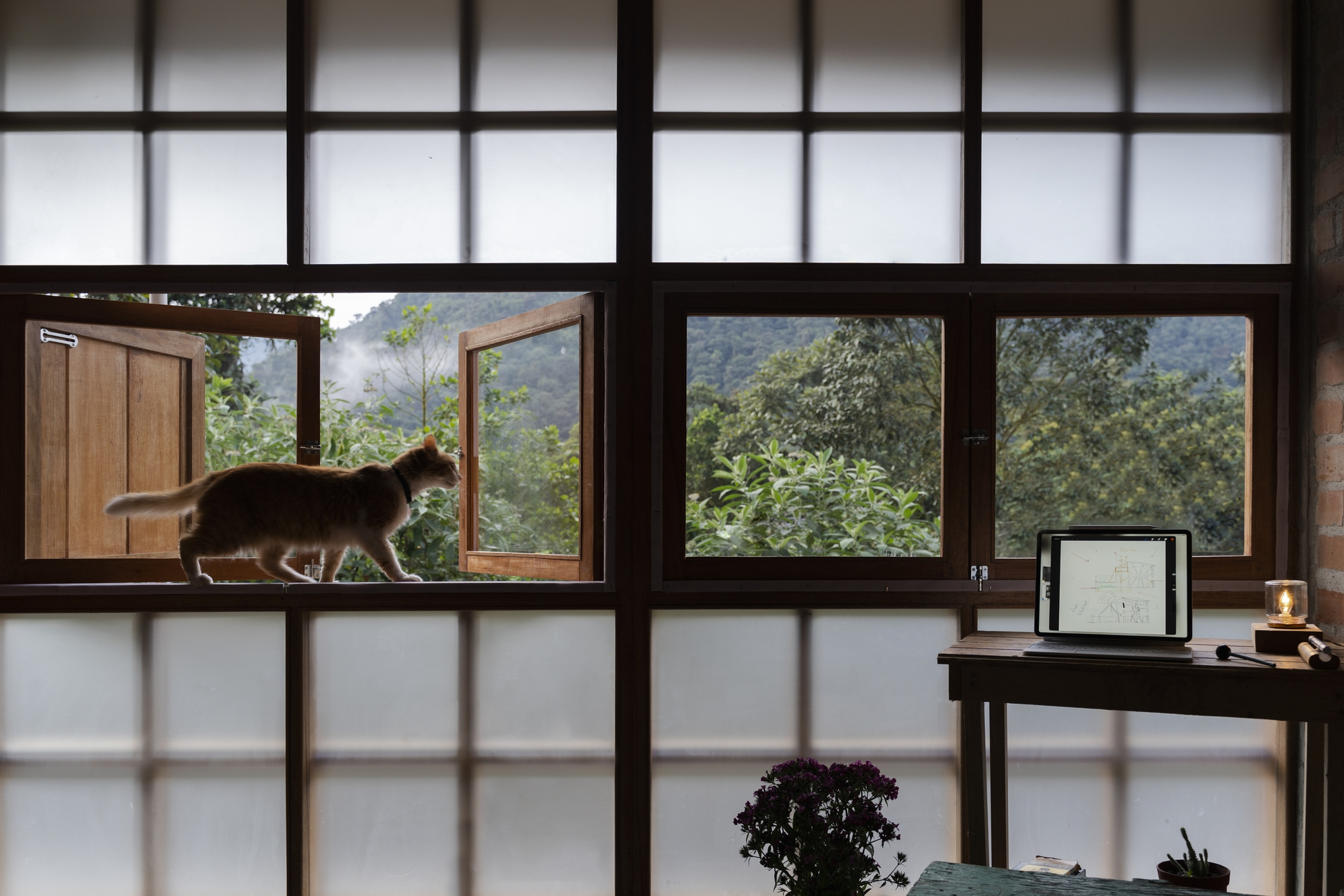
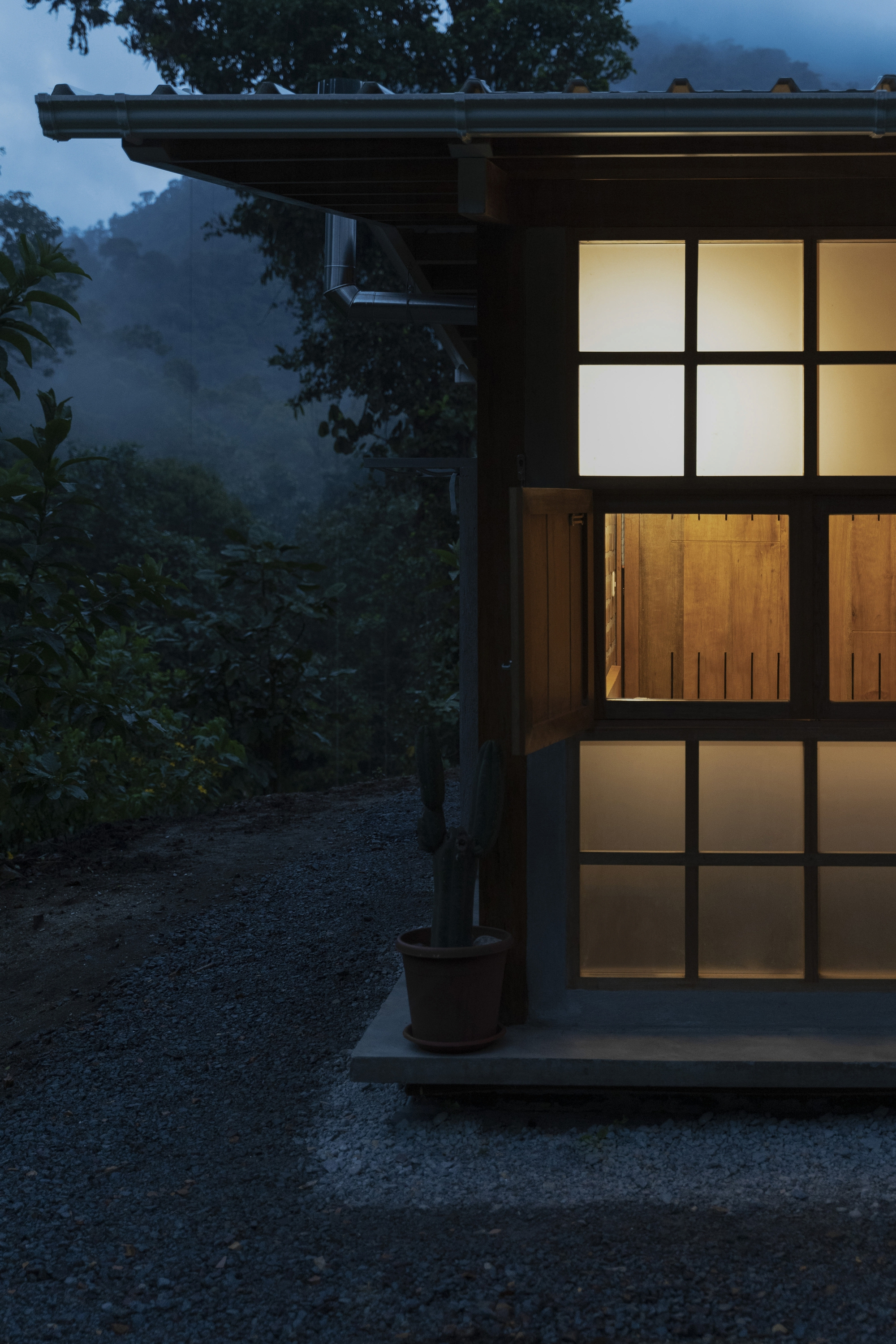
Embedded in natural settings, the best retreats nourish not only the body, but also the mind and soul. This project completed by Quito-based architecture practice Ídem is a beautiful example. Named Soul House, or Casa Alma, the quiet refuge achieves a poetic balance between the symmetry of clean geometric forms, the warmth of carefully chosen materials, and the tranquility of minimalist, Japandi-like interiors. The house stands on the slope of a hill, surrounded by lush vegetation and the Andes Mountains in Mindo Valley, Ecuador. While the location enables a close connection between residents and nature, the architectural design evokes the concept of a serene shelter.
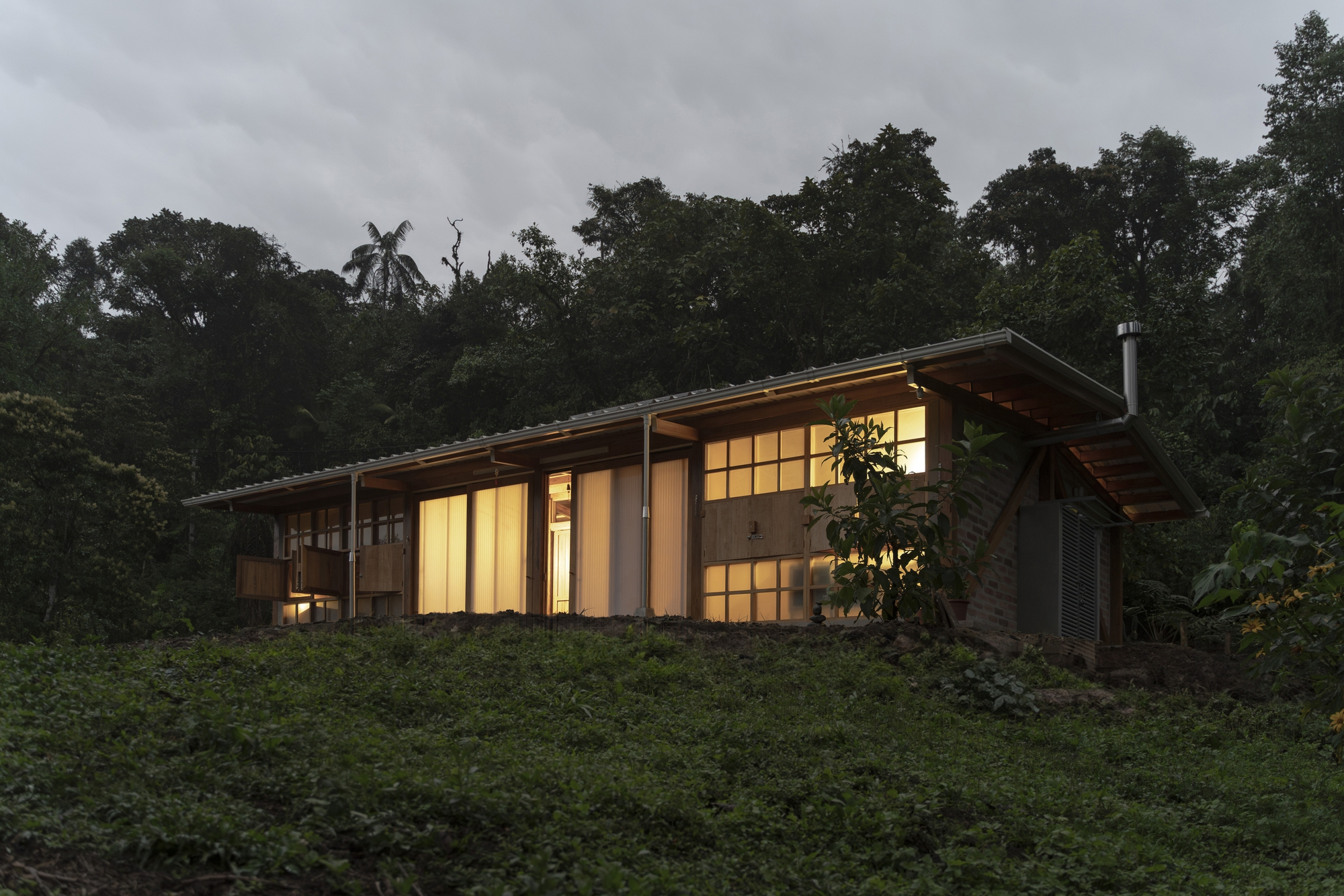
The studio designed the dwelling with a symmetrical layout, giving a nod to the concept of balance. Opaque sliding doors provide privacy while filtering the light with a soft touch. In the words of the architects, the house “embodies symbolic resonance and material logic”, establishing a dialogue between the built environment and a quiet mood.
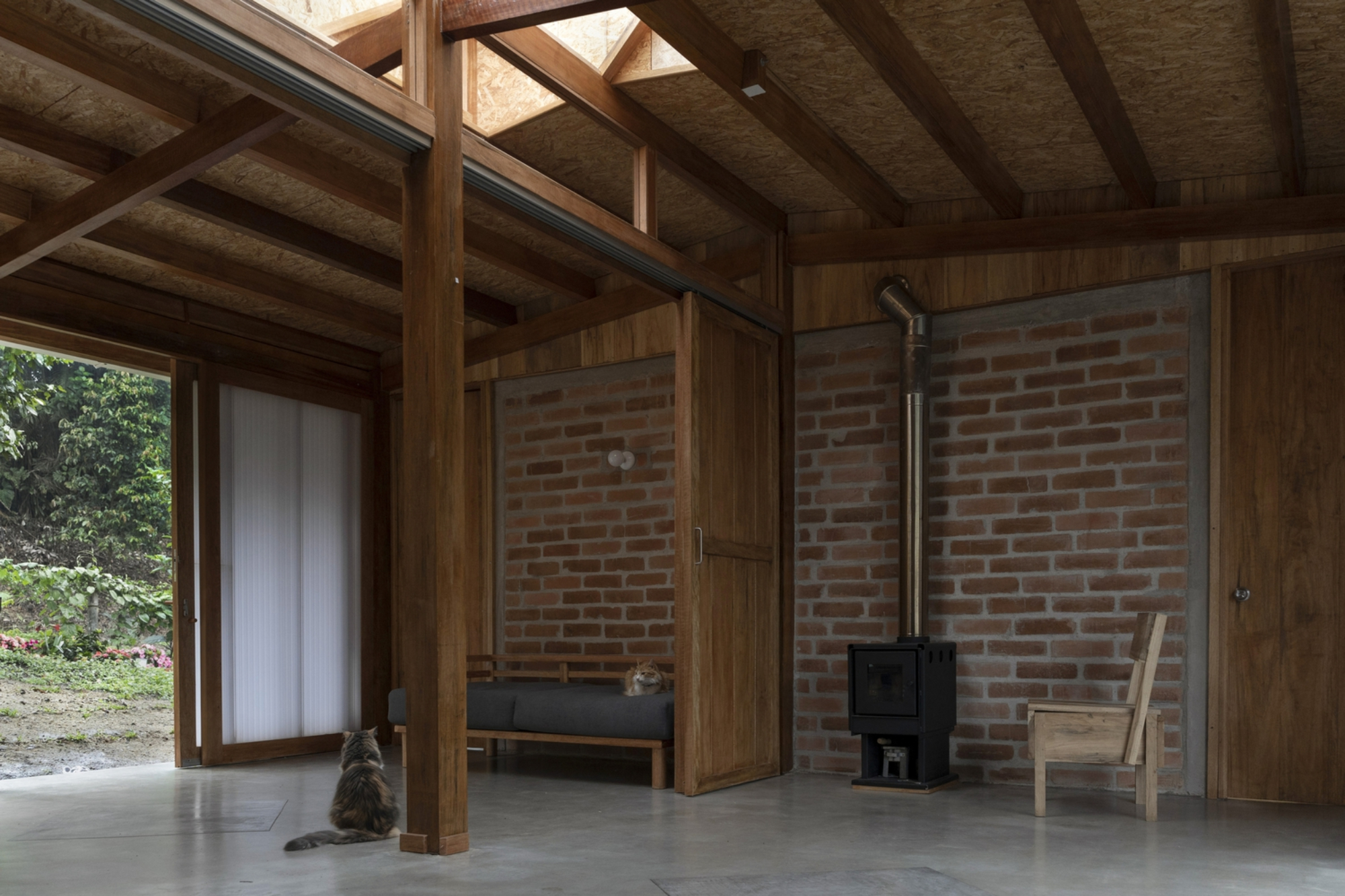
At the heart of the building, a transversal void opens the living spaces to the surrounding landscape. Above, a skylight fills the house with natural light while keeping the sky as a link to nature even when the residents retreat behind the opaque sliding doors.
Similarly to Japandi-inspired spaces, Soul House boasts sliding panels. These flexible elements allow the residents to create two separate volumes or to connect the wings in an expansive, open-plan space.

French and Japanese architectural influences brought together with local craftsmanship.
Inspired by existing wooden structures and the prefabricated houses of French architect Jean Prouvé, Ídem designed a timber post and beam framework that creates a repetitive rhythm. Apart from ensuring an easy assembly on-site, this structure also gives the building more stability. As for the skylight column, it gives a subtle nod to the work of Japanese architect Kazuo Shinohara and his exploration of structure and poetry.
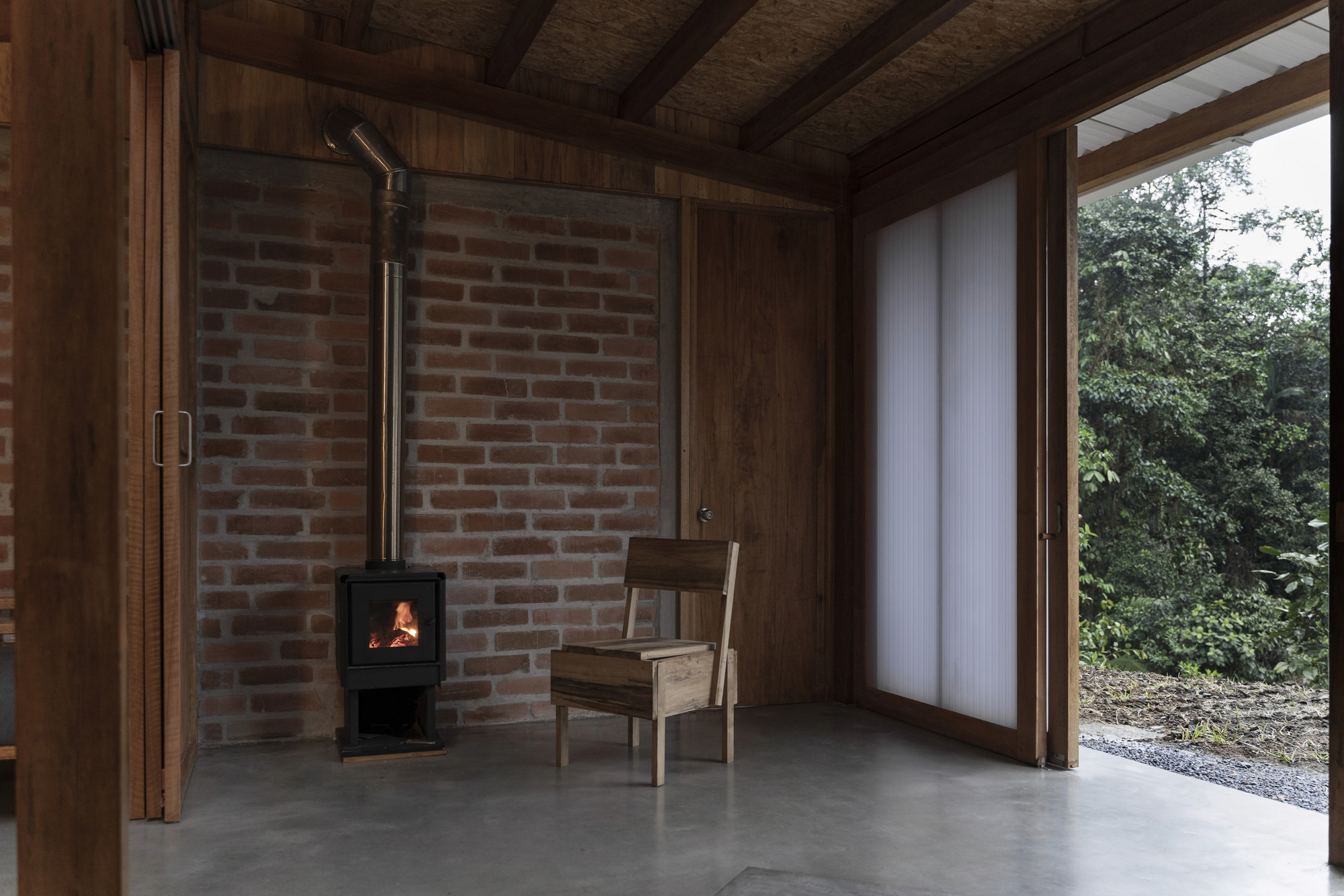
The interior design favors warm minimalism and tactile materials. Exposed brick walls and solid wood complement polished concrete floors. A Sedia 1 chair by the acclaimed Enzo Mari sits by a fireplace, a design gesture that perfectly captures the soul of the house: quietness full of personality and warmth.
Apart from embedding the house in nature with great care for the pristine location, the architecture office also minimized the project’s impact on the ecosystem. A rainwater collection system feeds the gardens, while a wastewater treatment system ensures that Soul House returns water to the environment without damaging the fragile balance of the local ecosystem. Finally, Soul House captures the heart of local craftsmanship, as the studio collaborated with local artisans to complete the project. Photography© Isabel Delgado