Search






A Hampstead infill that threads a new concrete form around an early Norman Foster box.
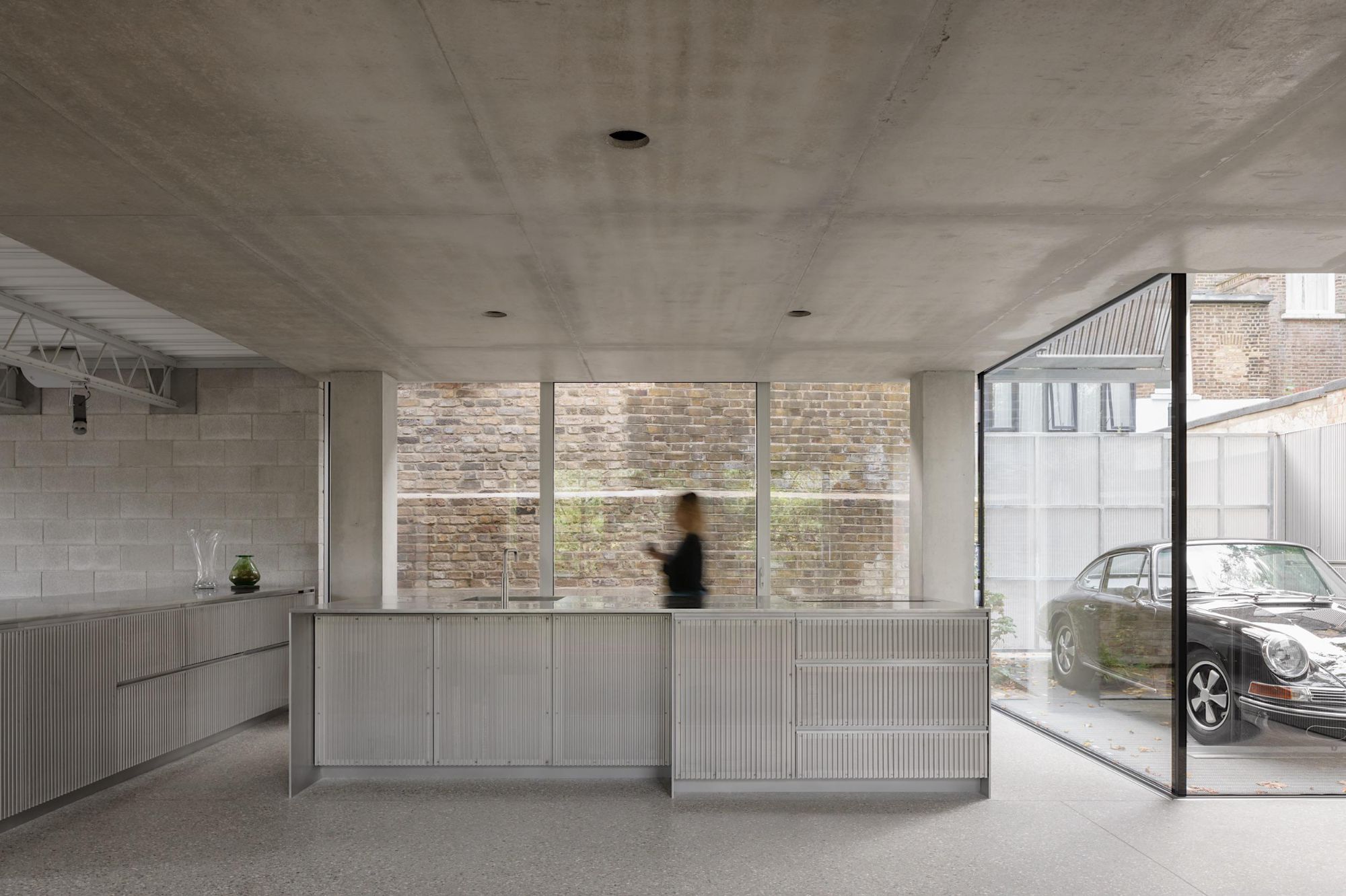
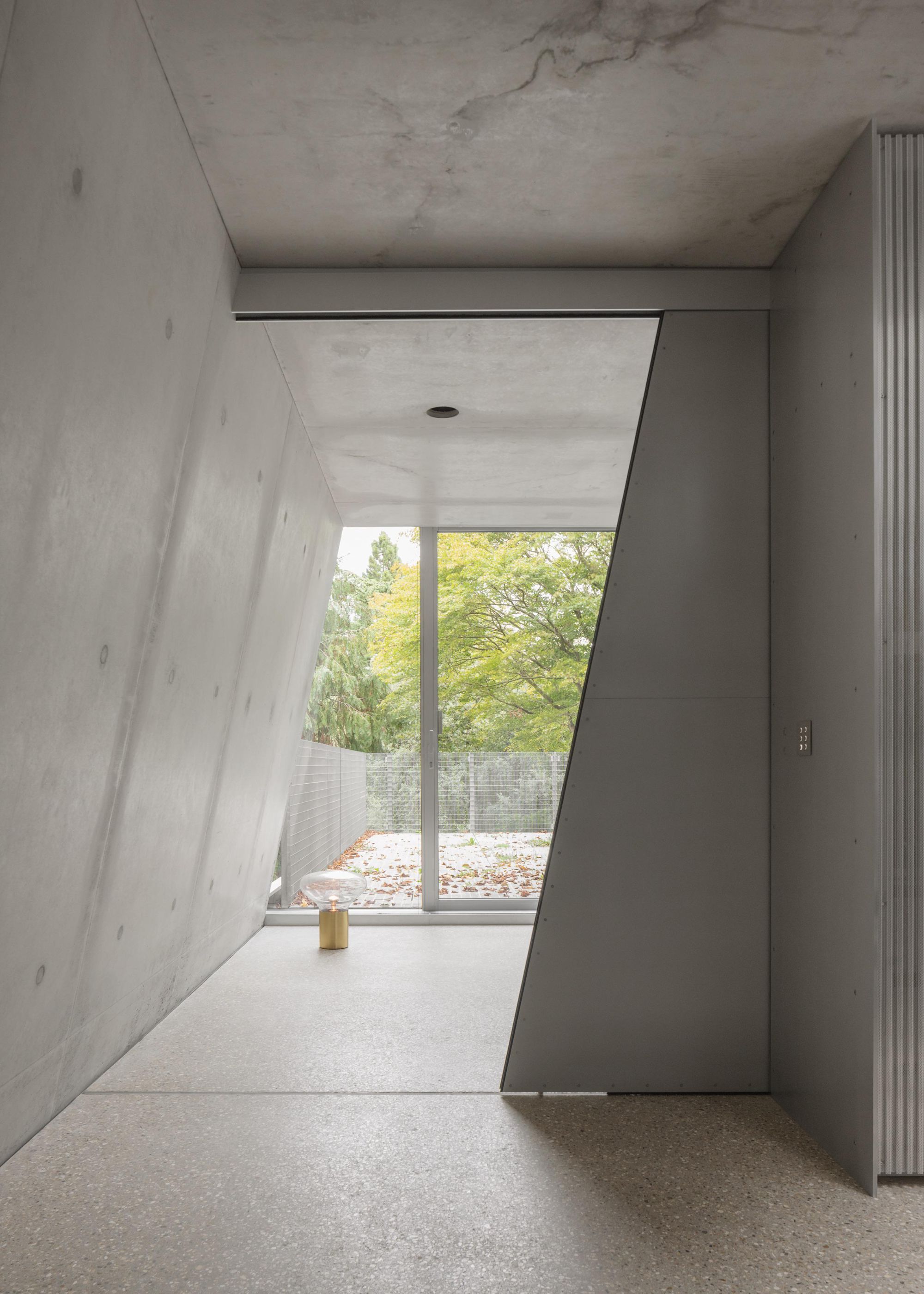
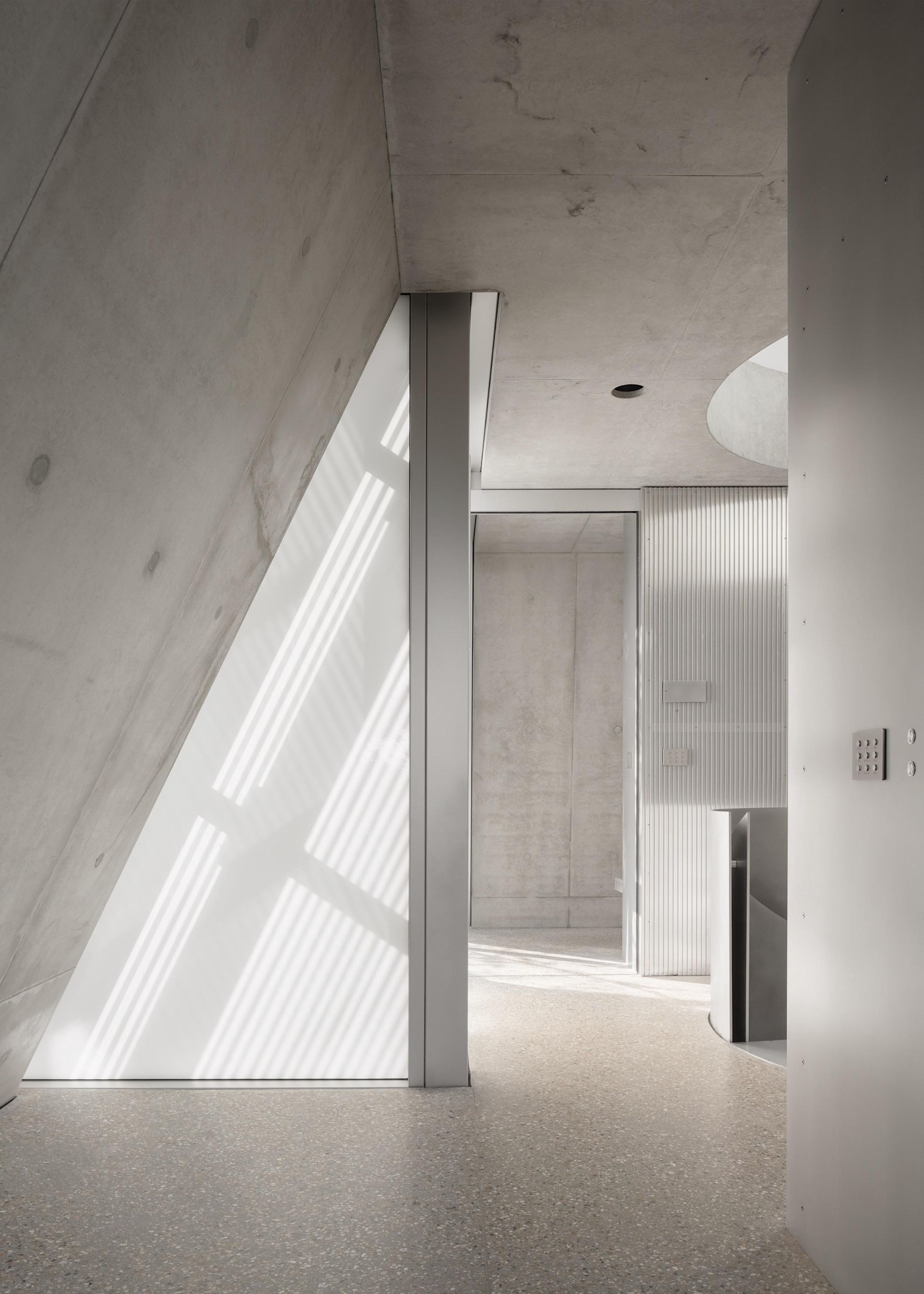
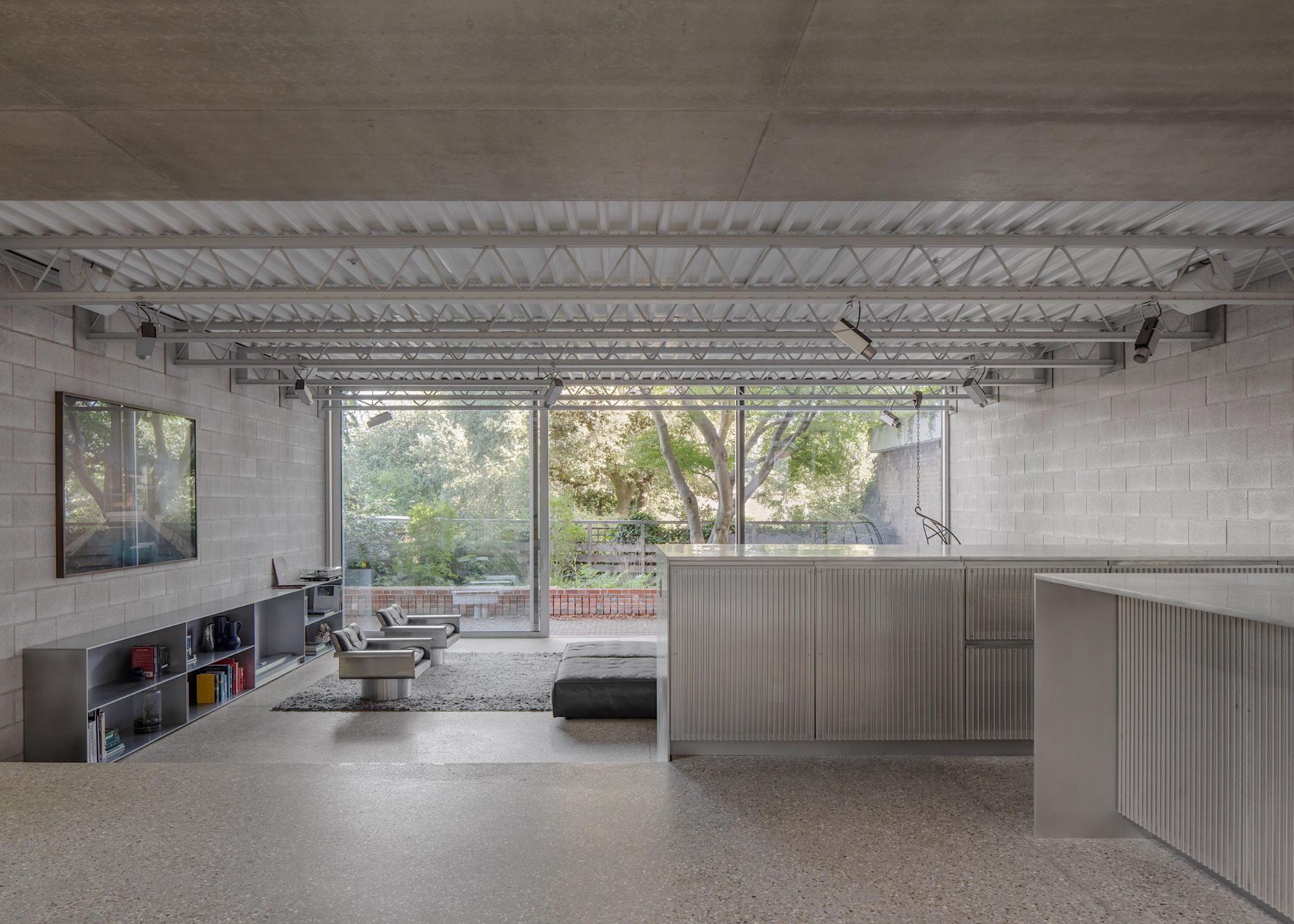
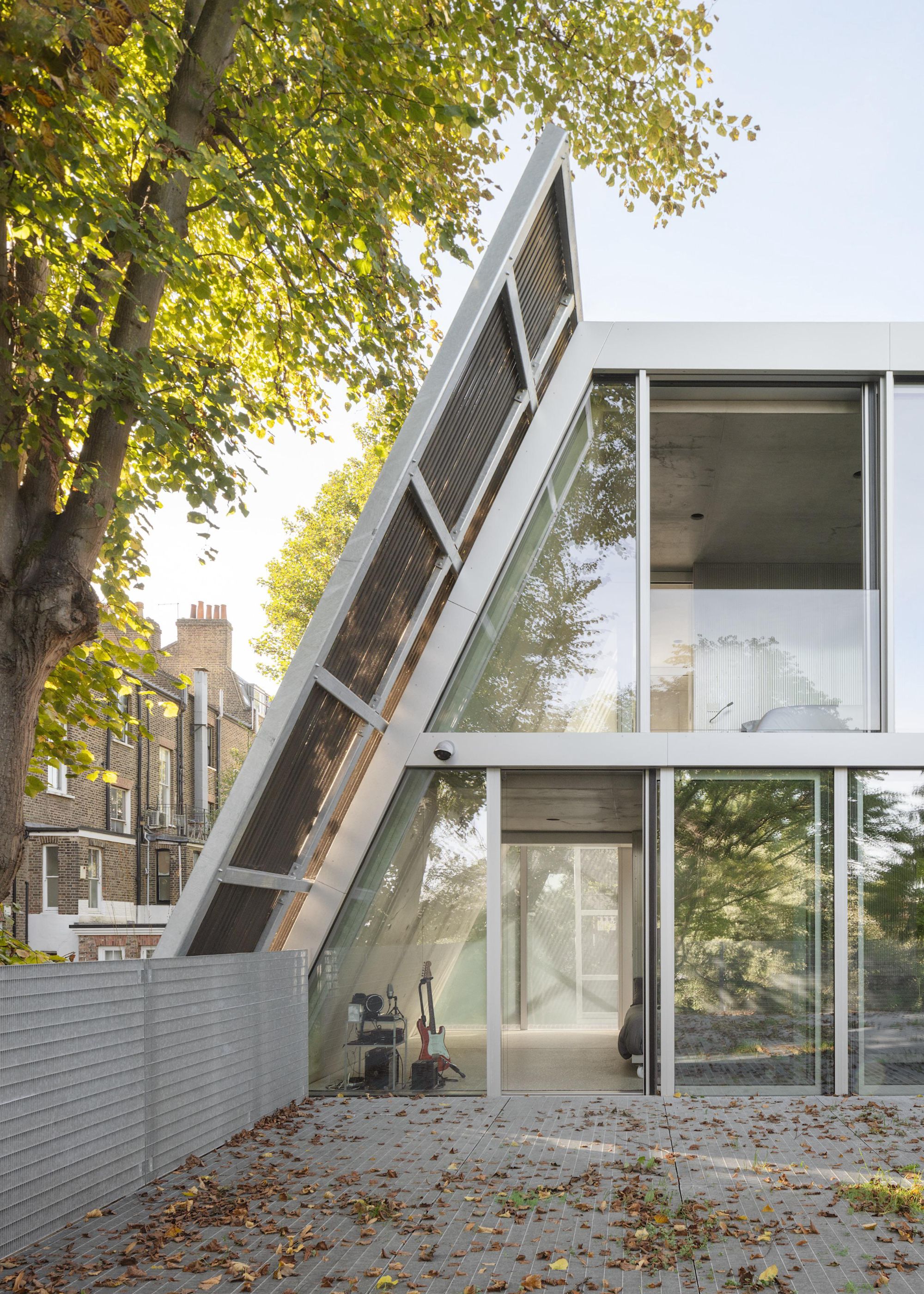
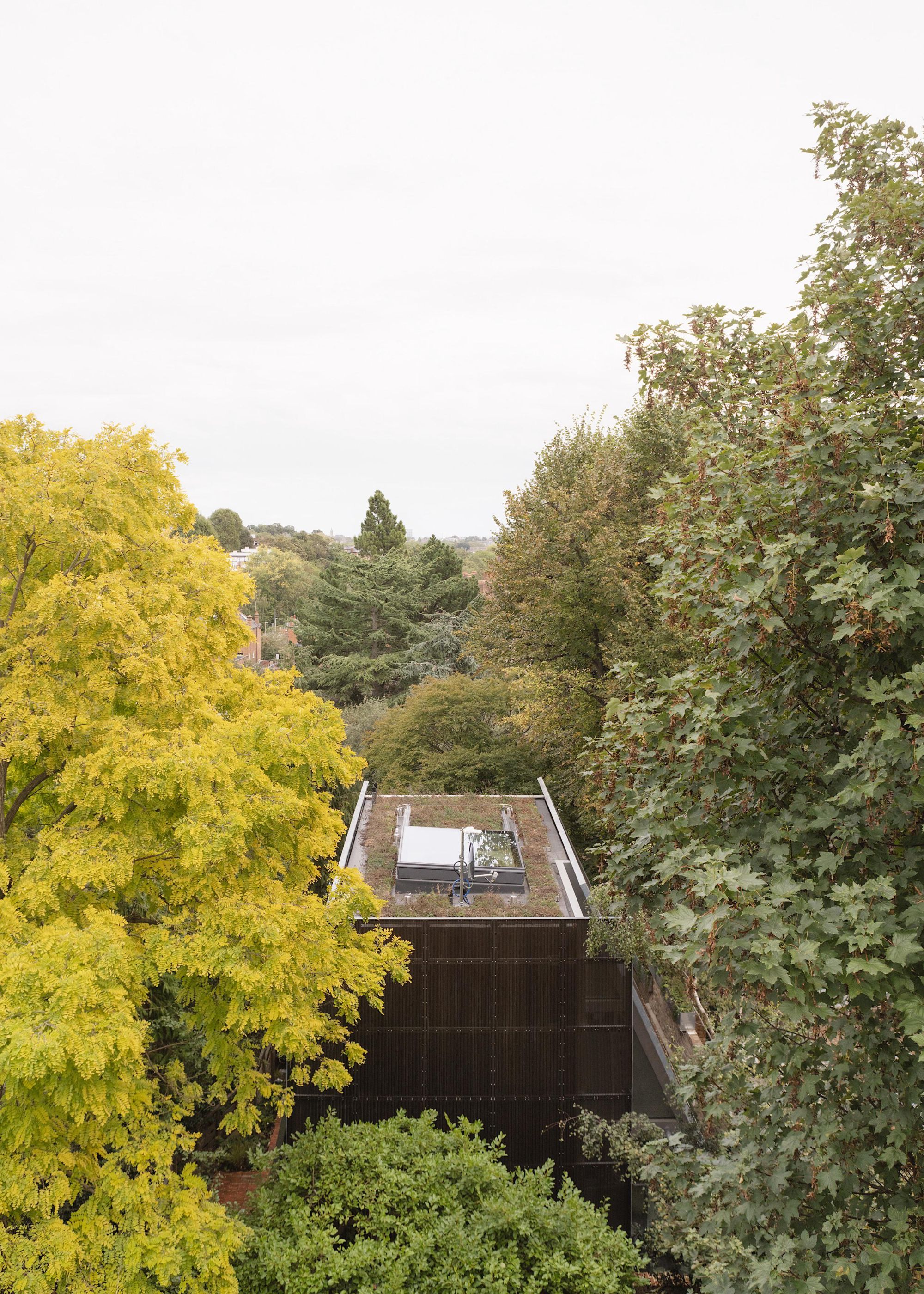
On a narrow mews plot in north-west London, architect Gianni Botsford has replaced a dilapidated 1860s cottage with a four-storey concrete house that locks onto a prized fragment of history: a 1969 extension designed by Foster Associates. The Foster box—steel trusses, exposed cinderblocks, and wide aluminium glazing—stays intact, while the new volume folds around it, tilting its roofline to echo the lost Victorian outline and to slip daylight deeper into the plan.
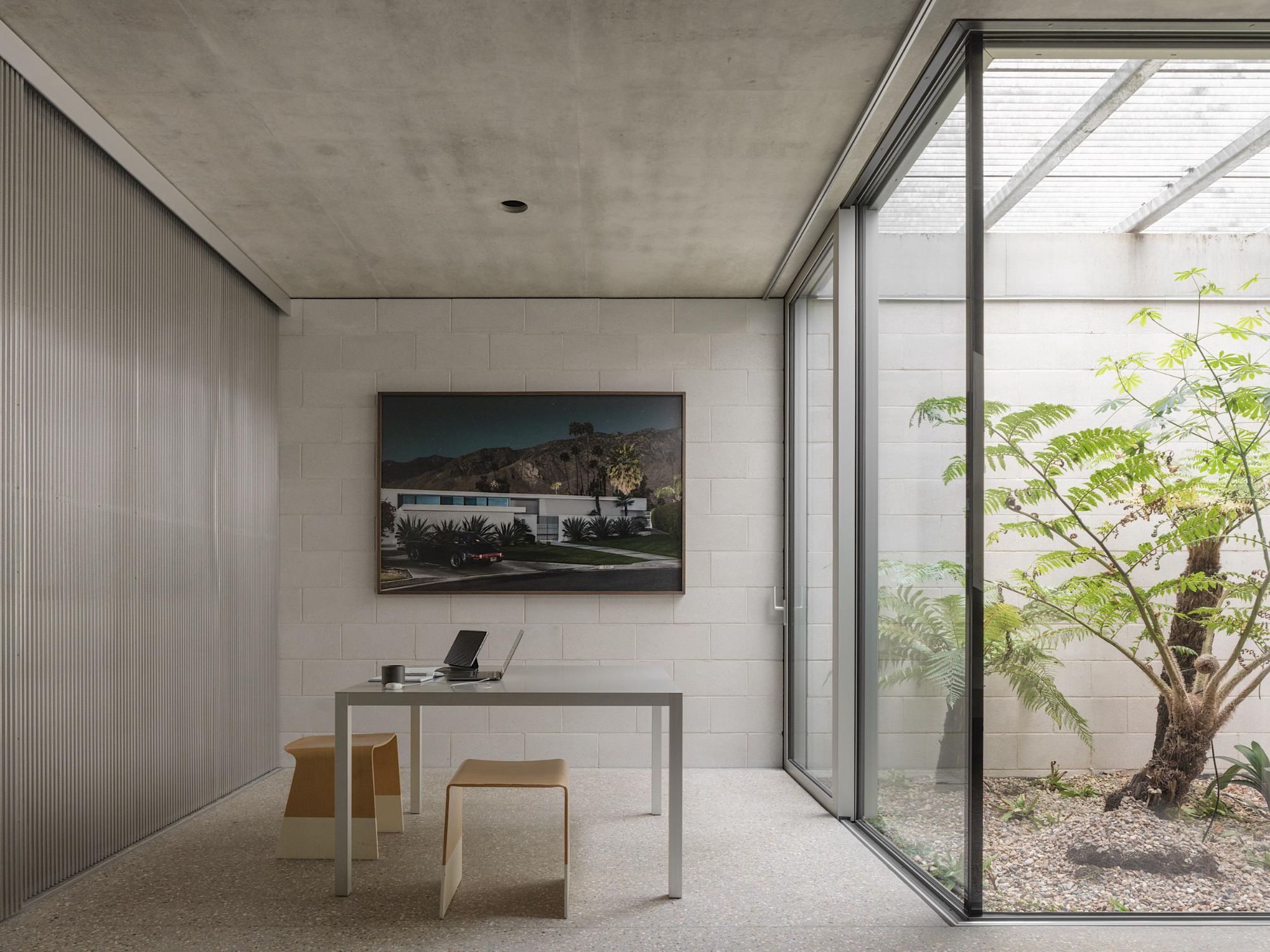
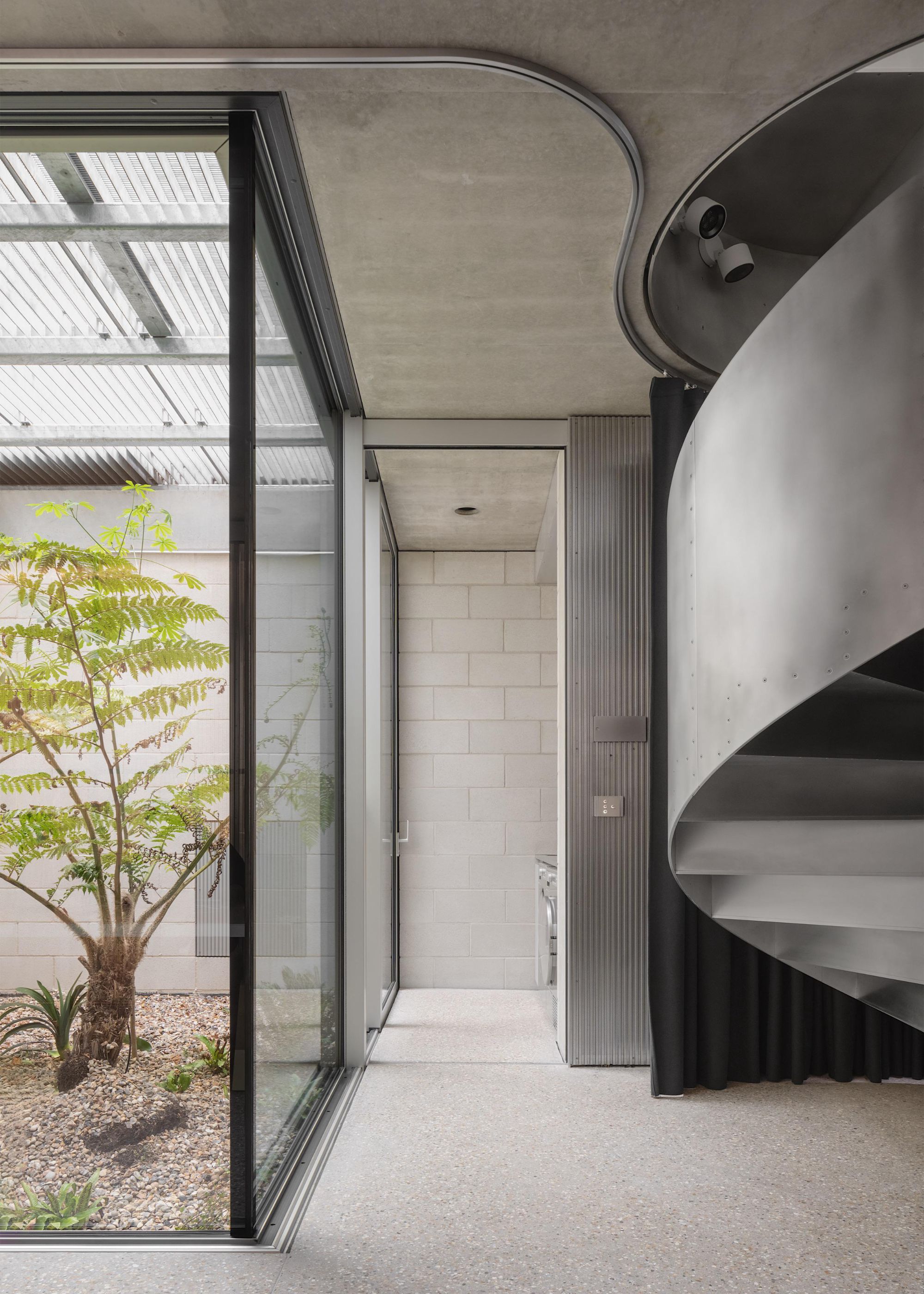
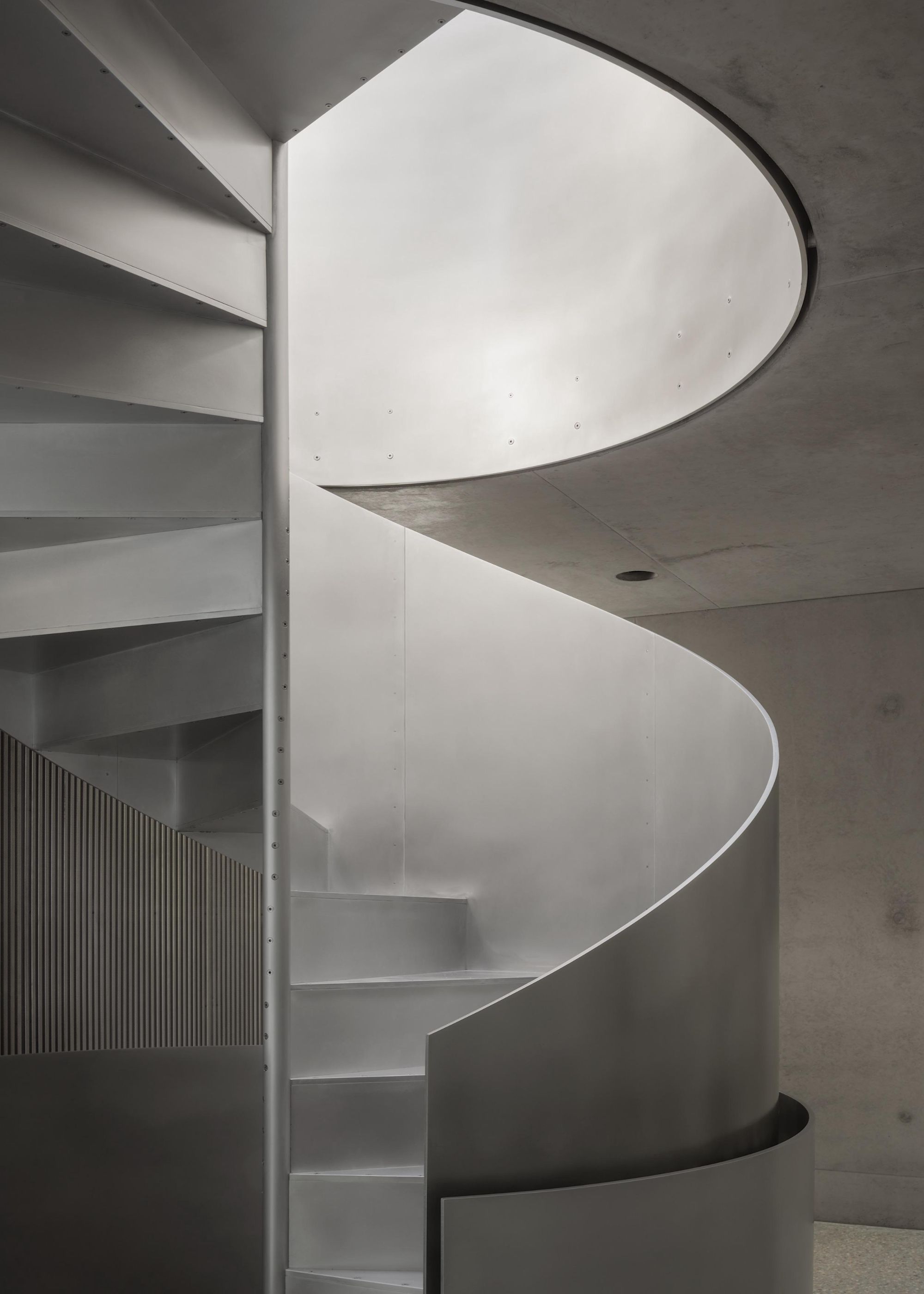
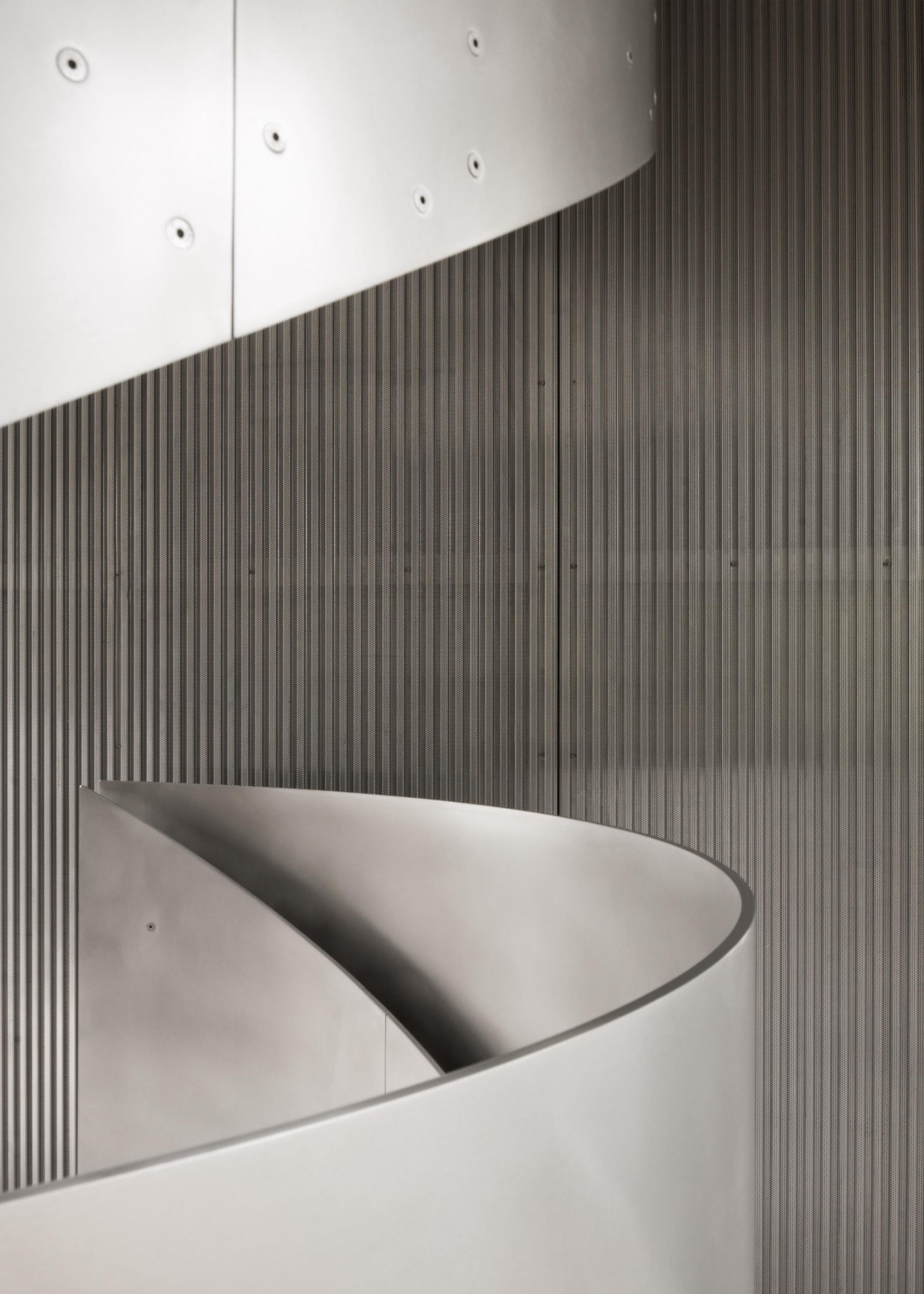
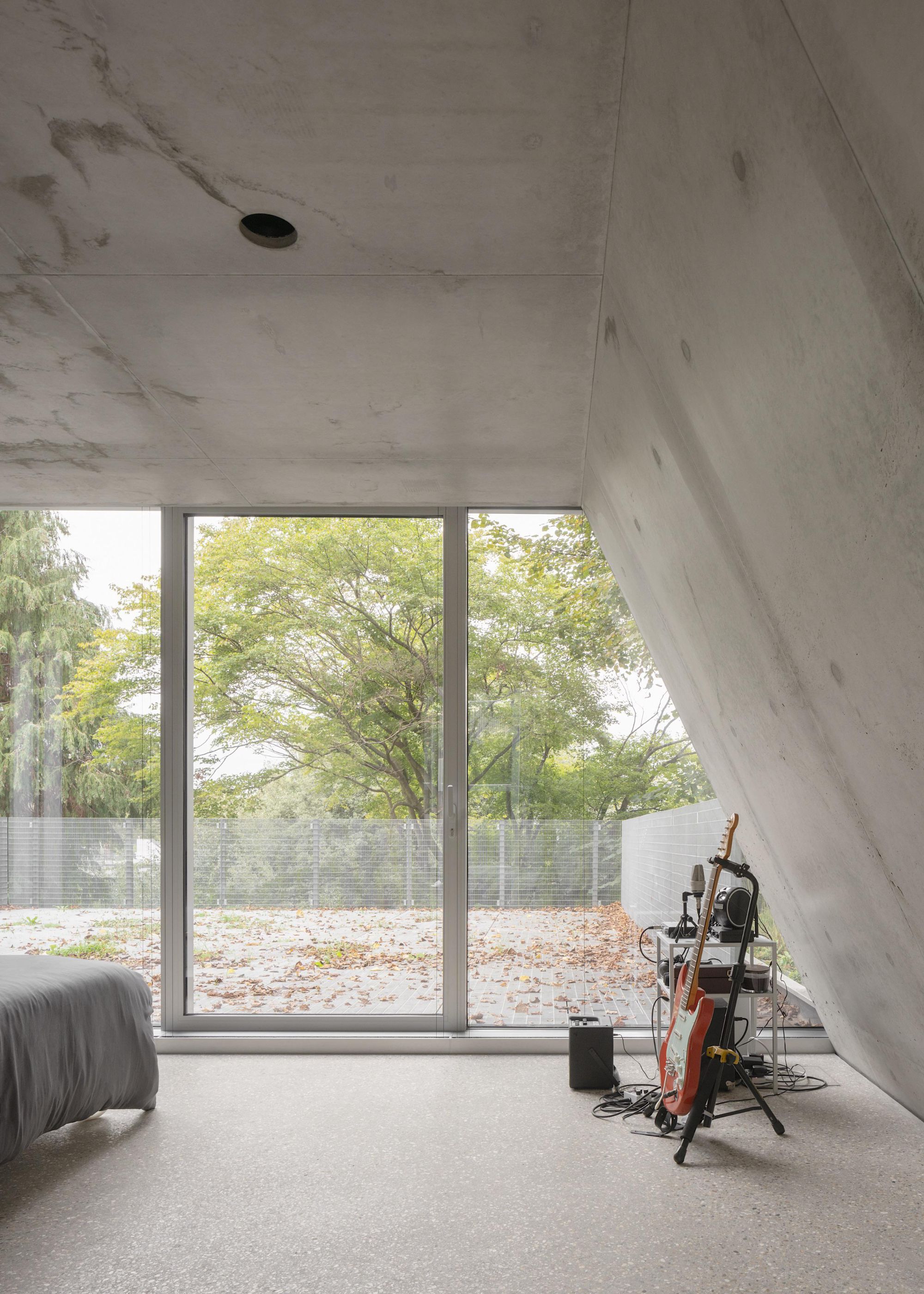
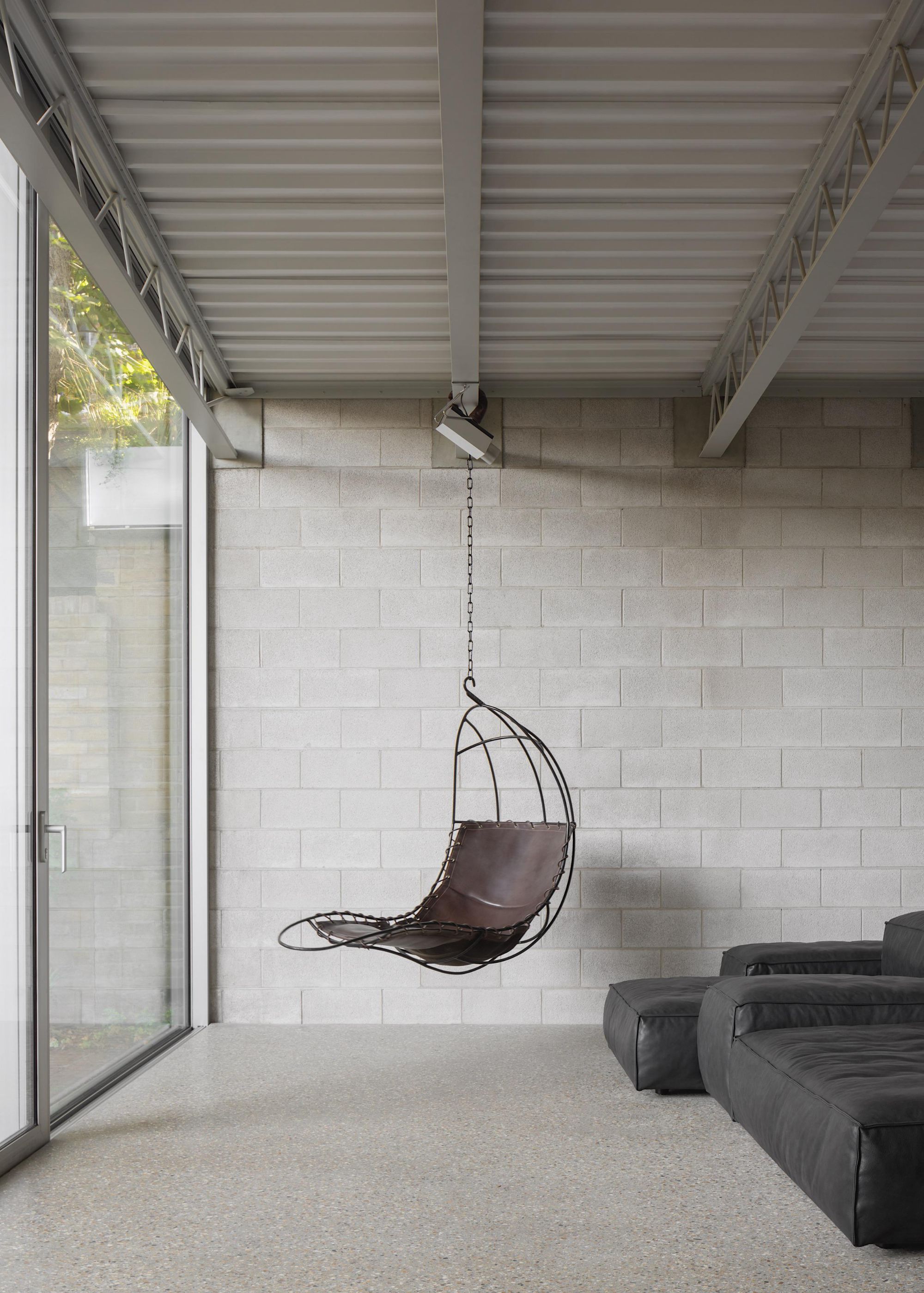
Botsford’s addition is cast entirely in in-situ concrete, the surfaces left raw to temper light and hold winter warmth. Bespoke anodised-aluminium frames pick up the Foster language, but in a softer copper-brown that matches the surrounding brickwork and the garden’s autumn tones. Inside, the ground floor flows as one room—kitchen, dining, living—so the original steelwork reads in full view; a circular stair drops to a lower-ground family level that opens to a sheltered winter garden.
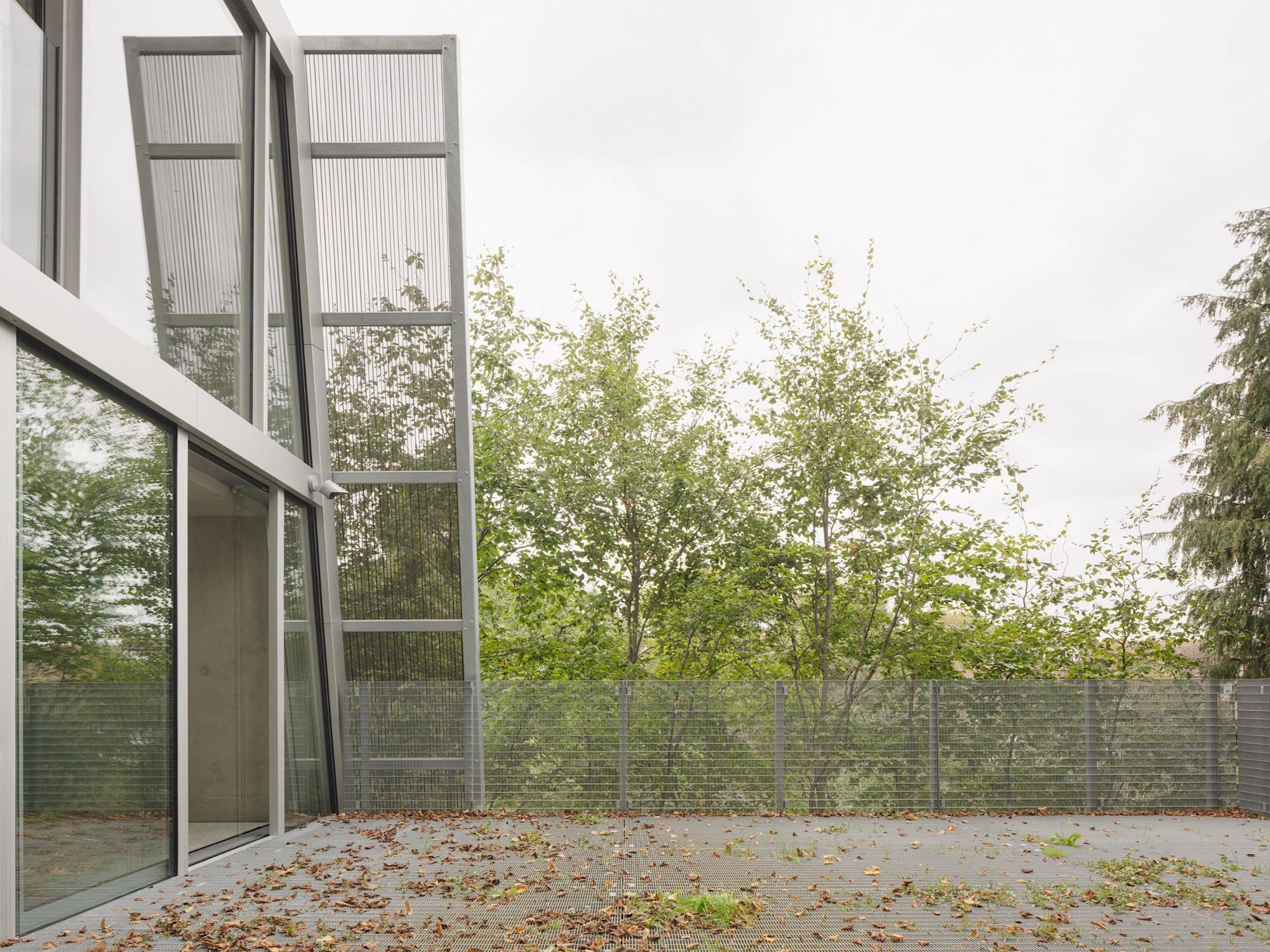
Climbing up, two bedroom floors step back from the street, carving terraces that look past chimney pots to Hampstead’s back-garden canopy. Perforated aluminium mesh wraps the exterior, giving privacy from neighbouring windows while chasing breezes through the upper rooms. Low-flow fittings, an air-source heat pump, grey-water recycling, and an EV charger round out the house’s quietly efficient mechanics.
Reciprocal House is less an addition than a handshake between eras: Foster’s late-sixties pragmatism on one side, Botsford’s 21st-century concrete craft on the other. Together they form a compact ensemble that treats structure as finish, keeps materials honest, and turns a sliver of mews land into a layered place to live.
All images courtesy ©Schnepp Renou, courtesy of Gianni Botsford Architects.