Search






At Mary Street House in St Kilda West, Edition Office extends a heritage dwelling with curved masonry walls, timber-lined retreats, and a careful buffer against the noise of the city.
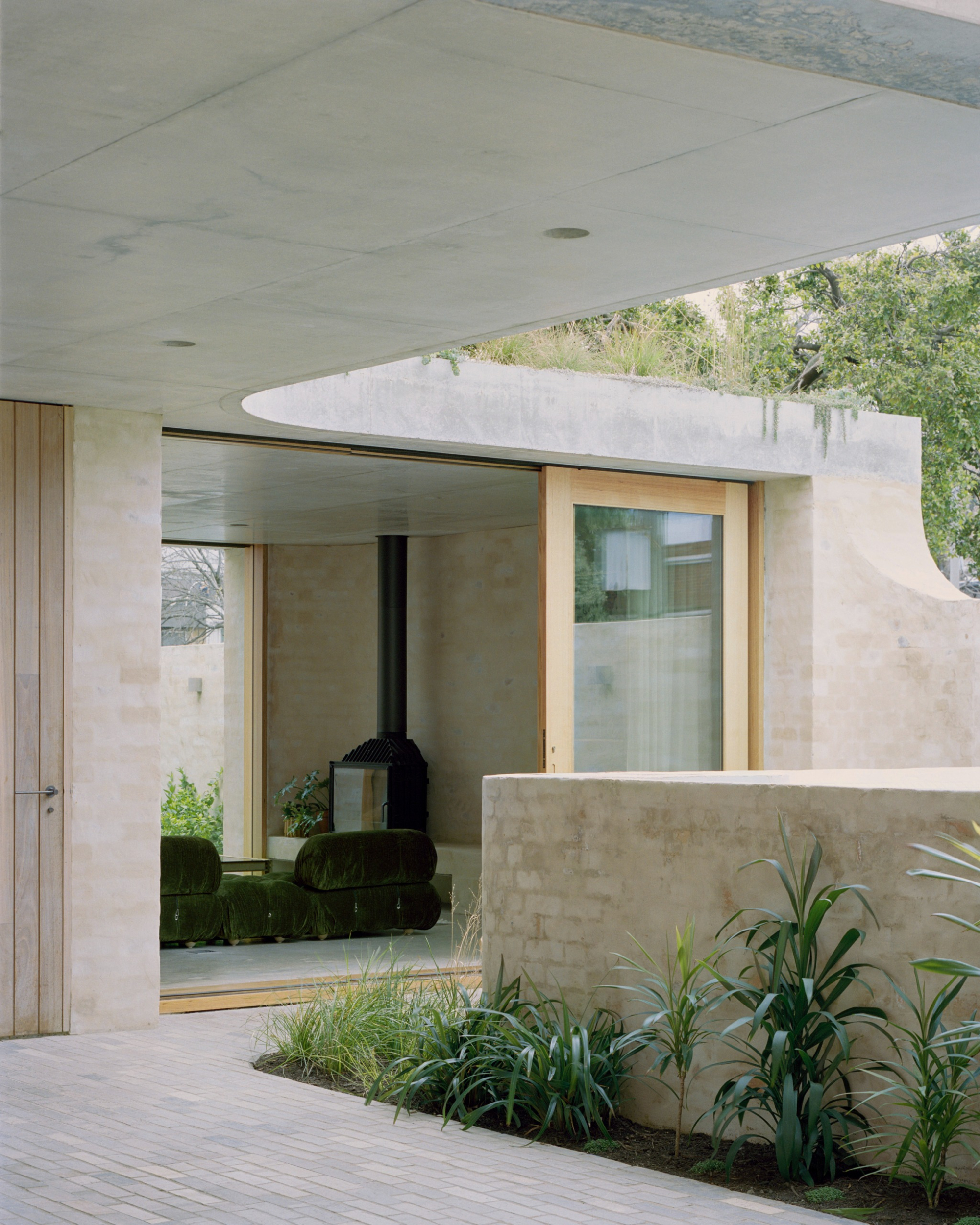
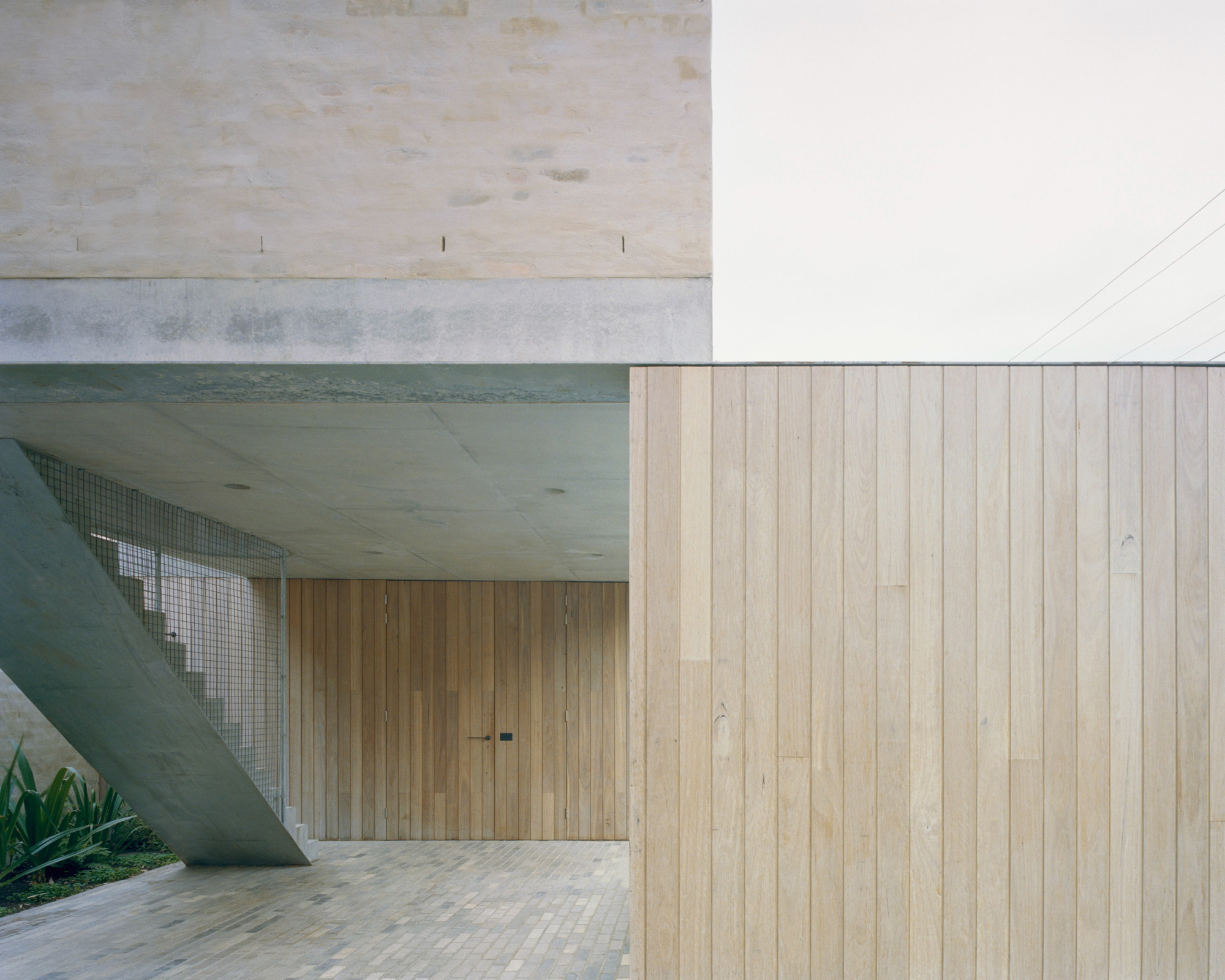
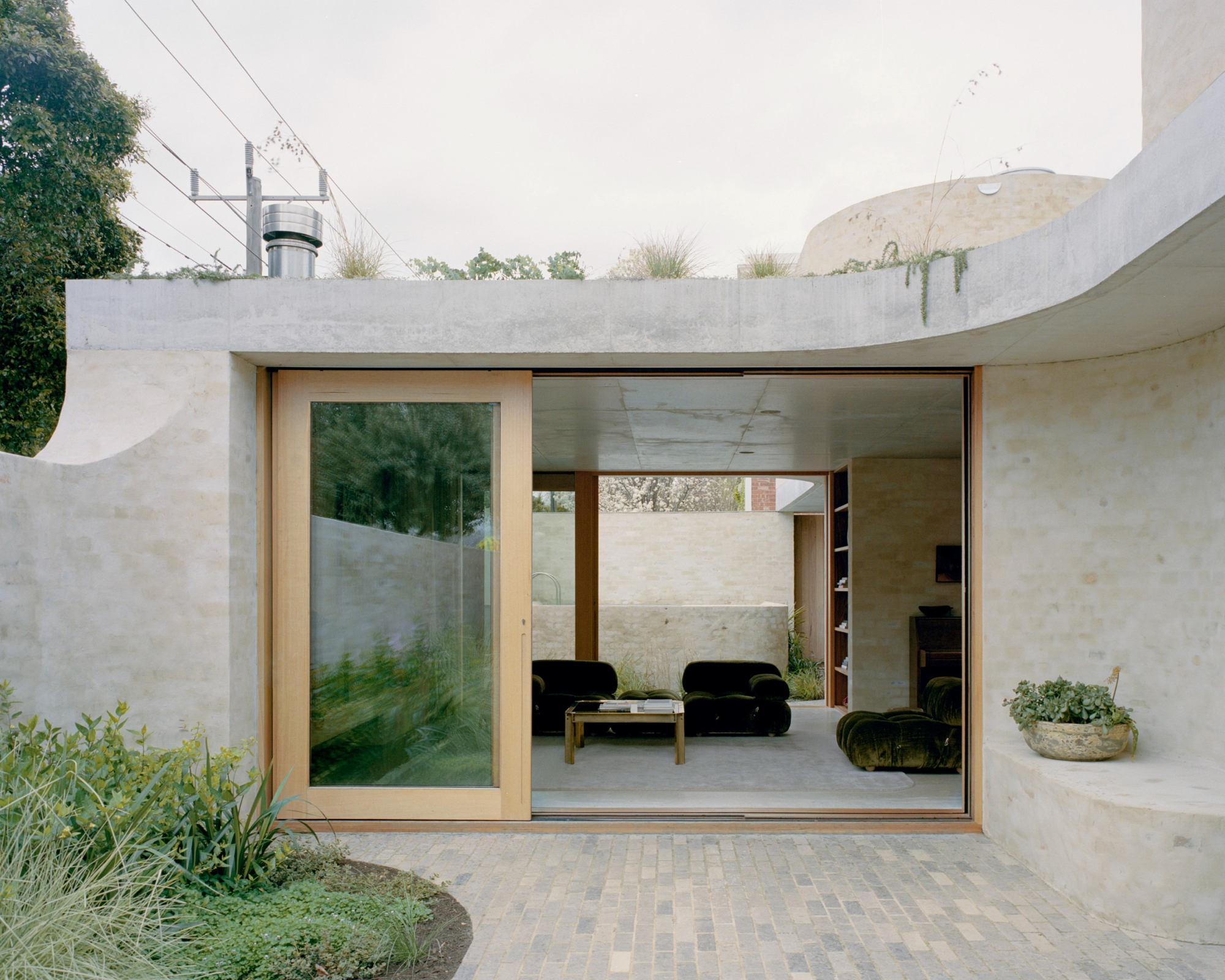
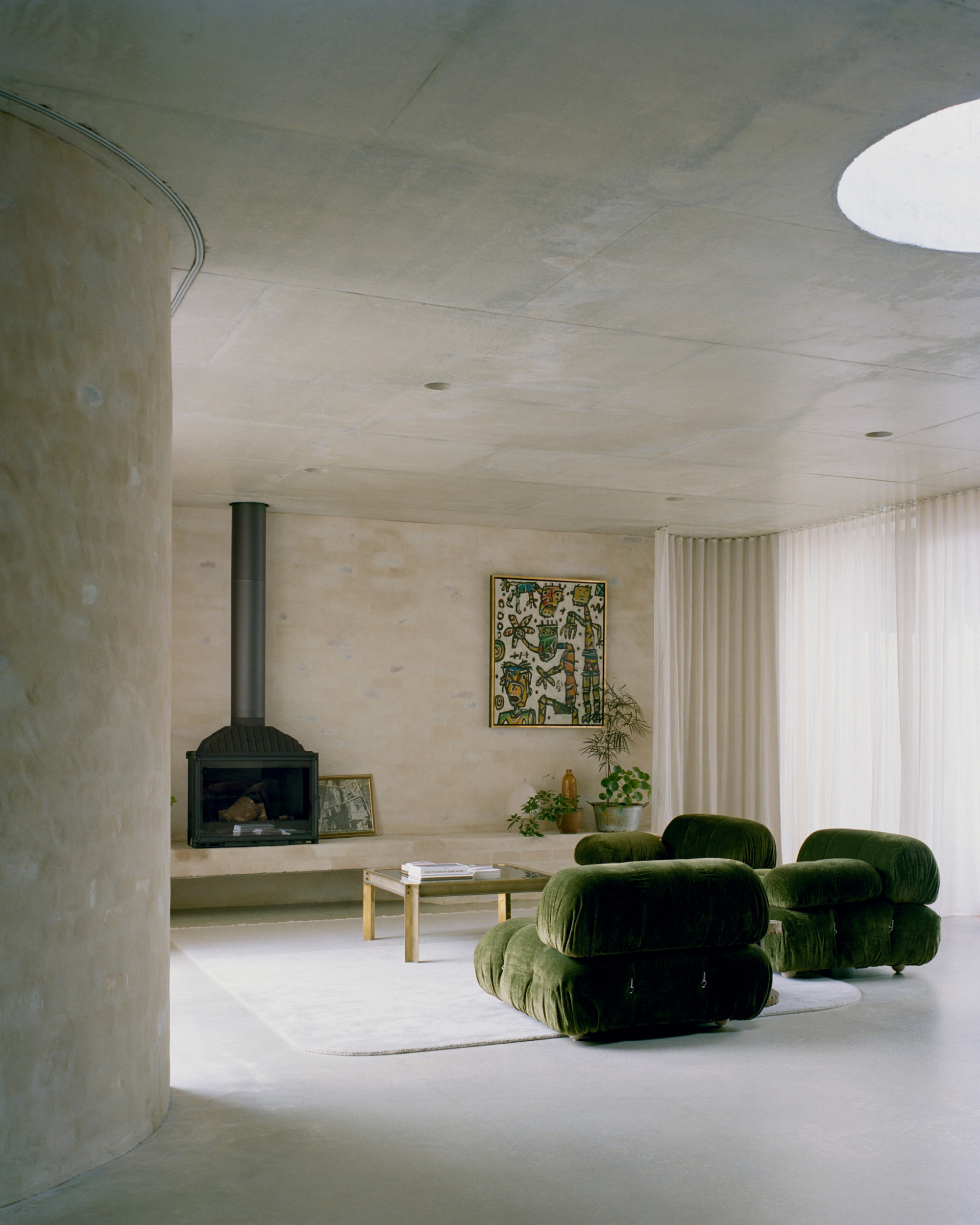
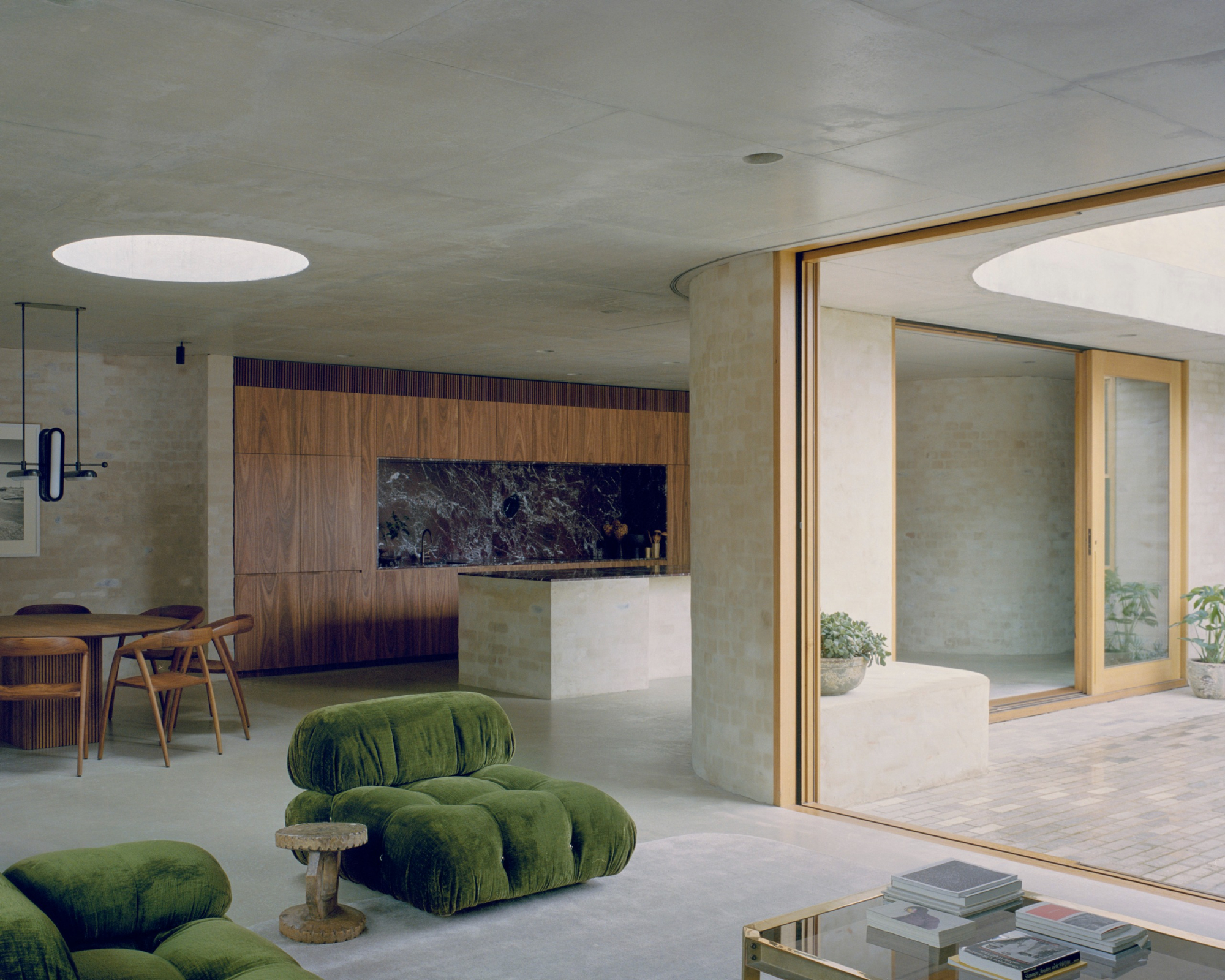
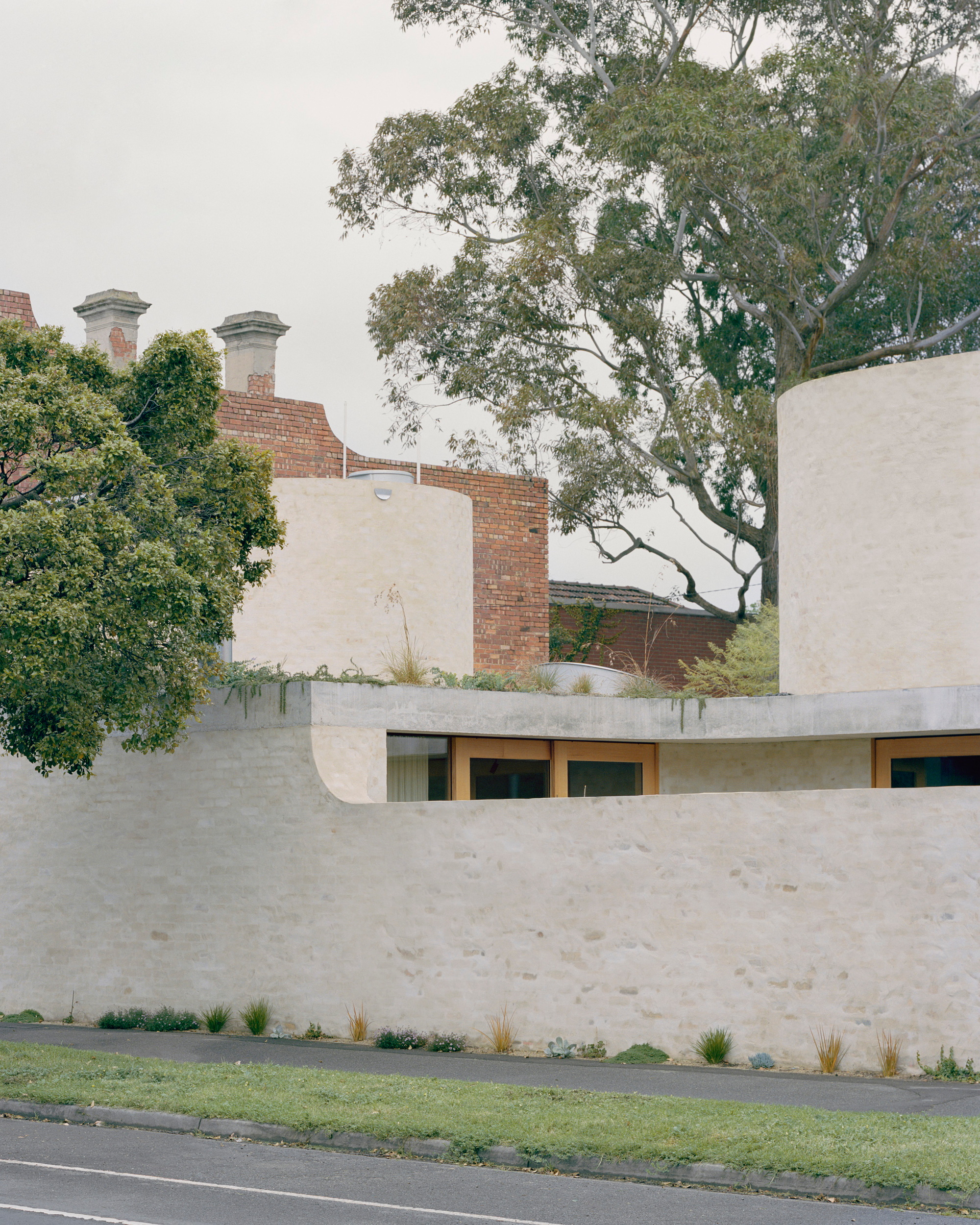
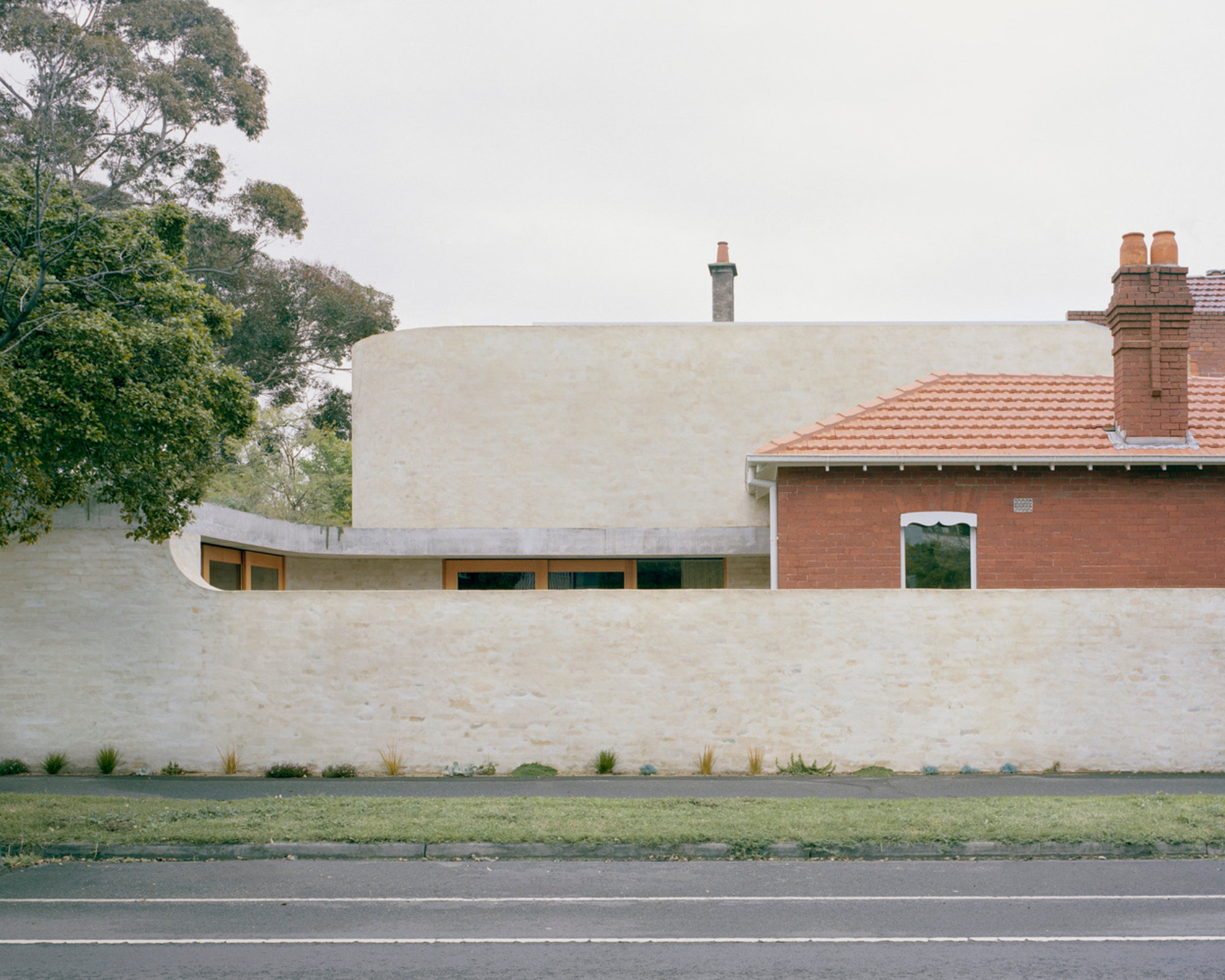
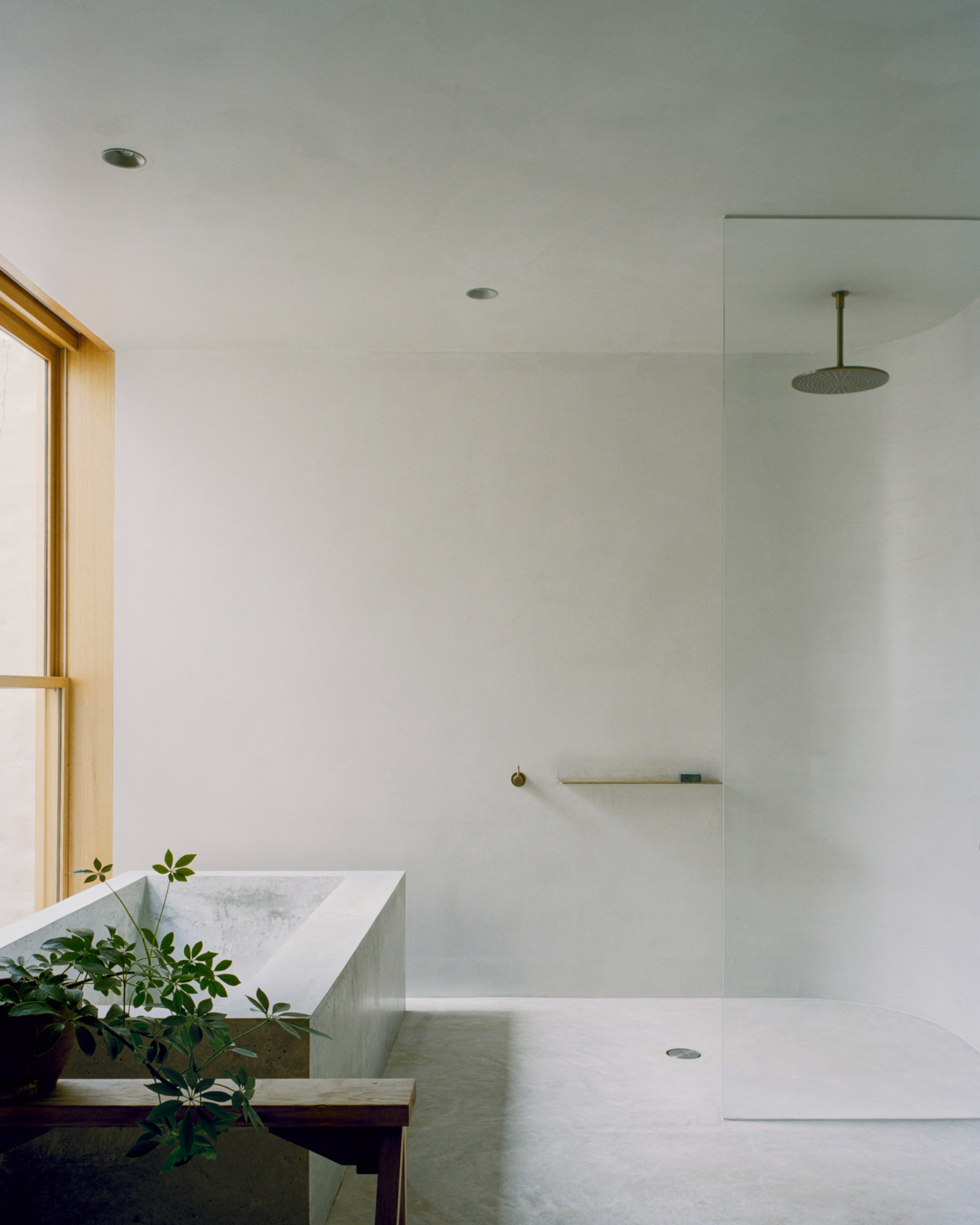
In St Kilda West, Melbourne, Mary Street House occupies a difficult urban position: the end of a street, open on three sides, with northern light on one edge and the noise of a busy arterial road on another. Edition Office’s response to the Federation-era house is not to imitate its decorative frontage, but to continue its material intelligence. The original brickwork becomes the point of departure for a new rear addition, built from sustainably sourced recycled bricks and shaped into thick, softly finished walls that wrap the site, define outdoor rooms, and form a protective side fence. The result gives the house a stronger civic presence while making its interior life more private.
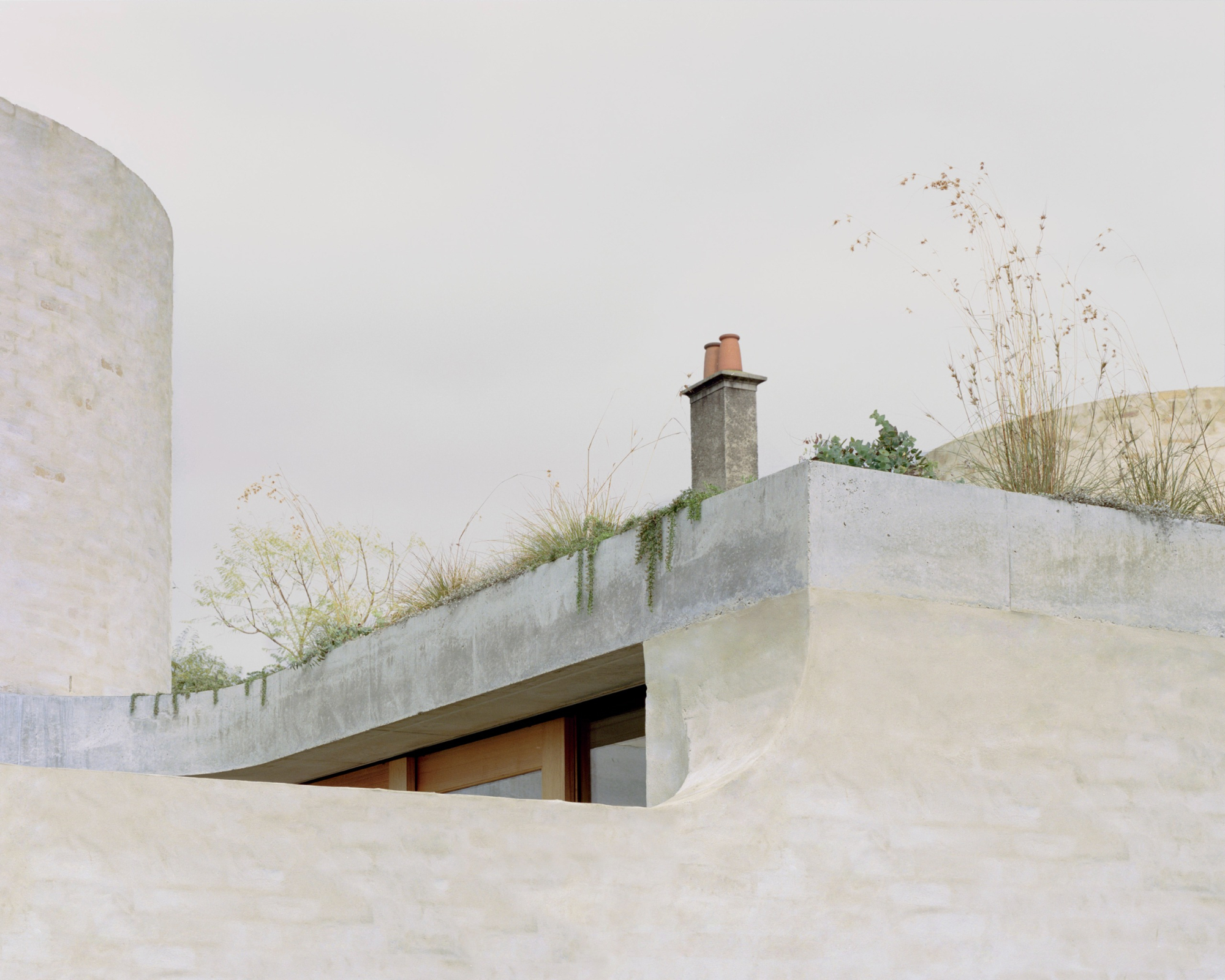
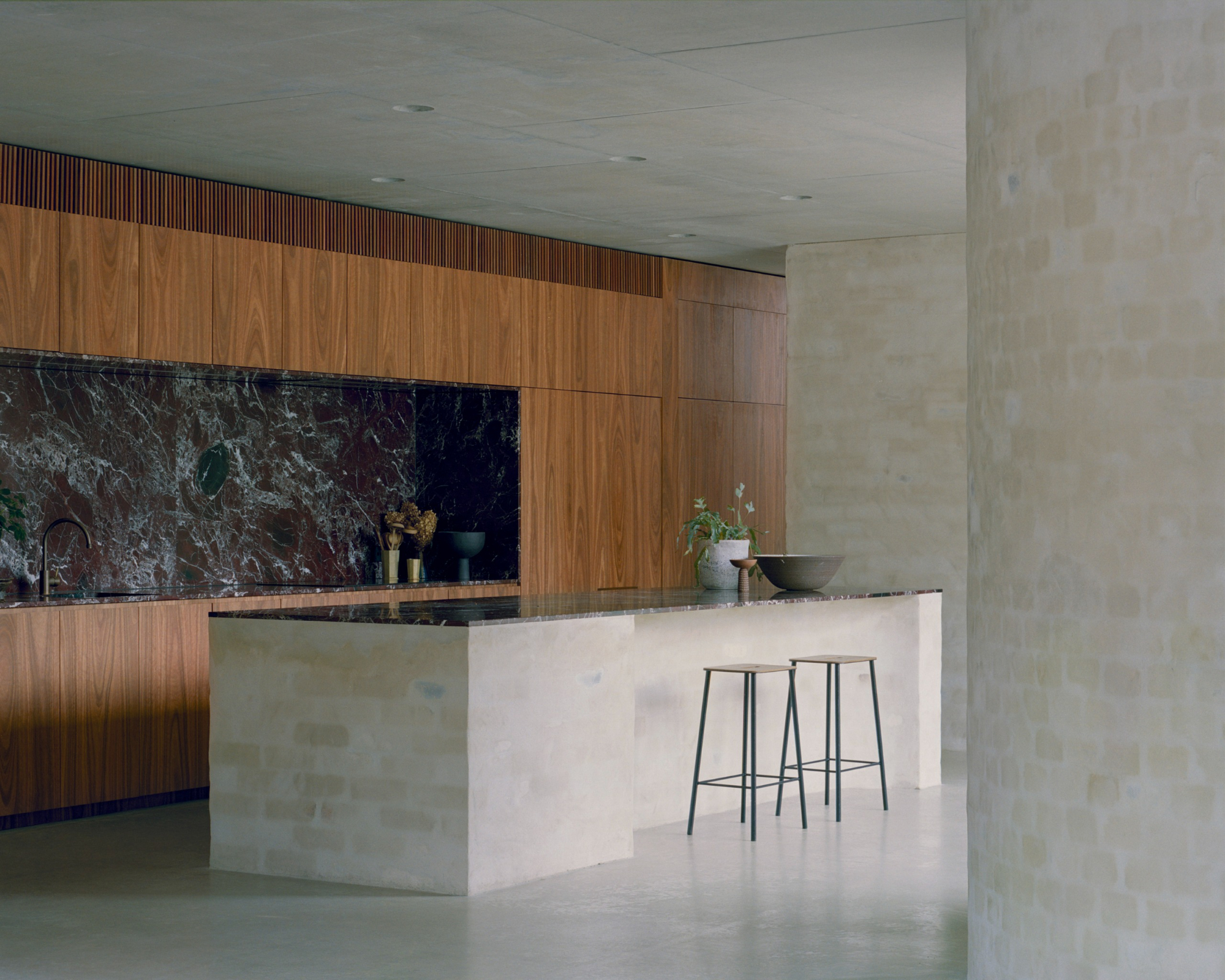
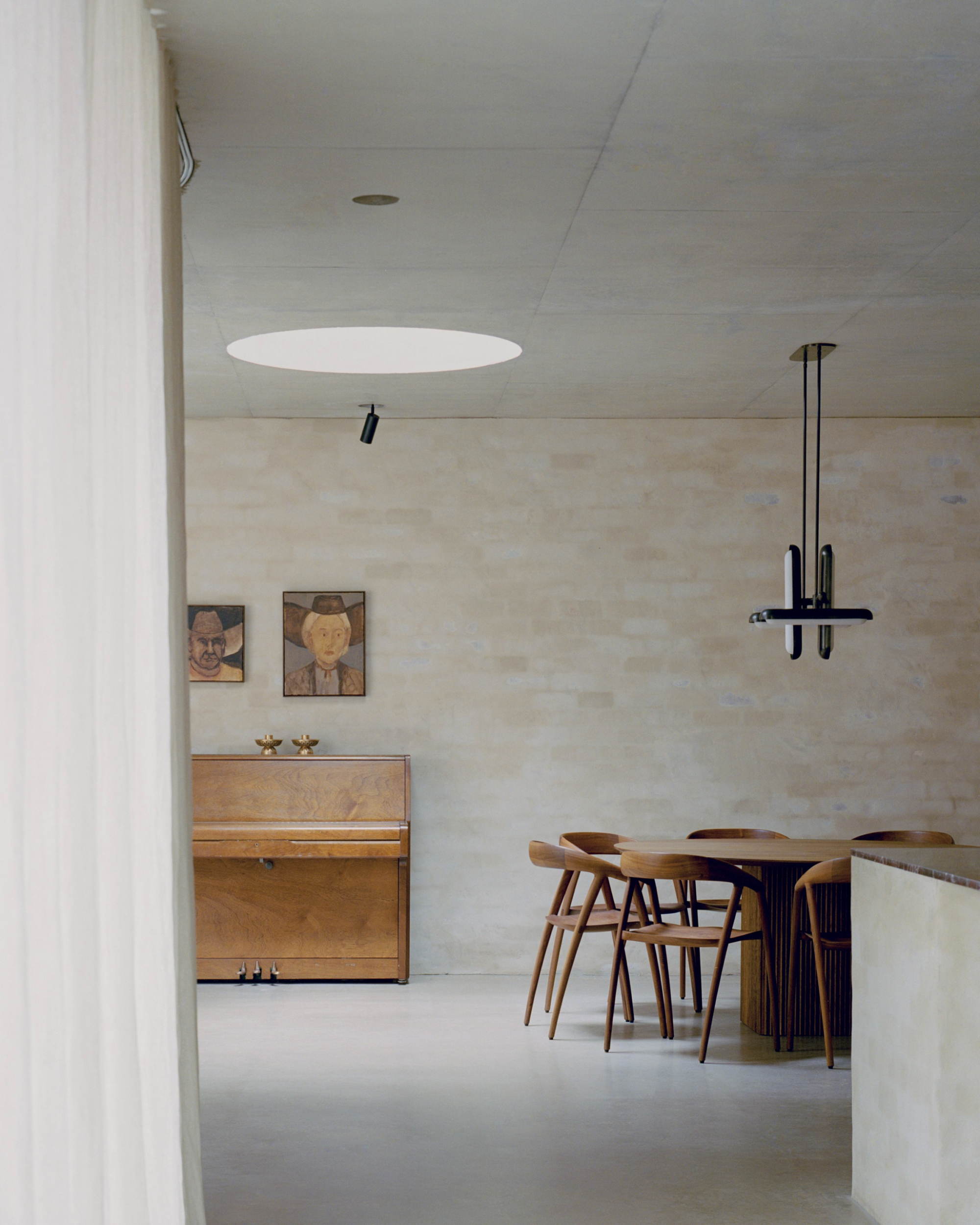
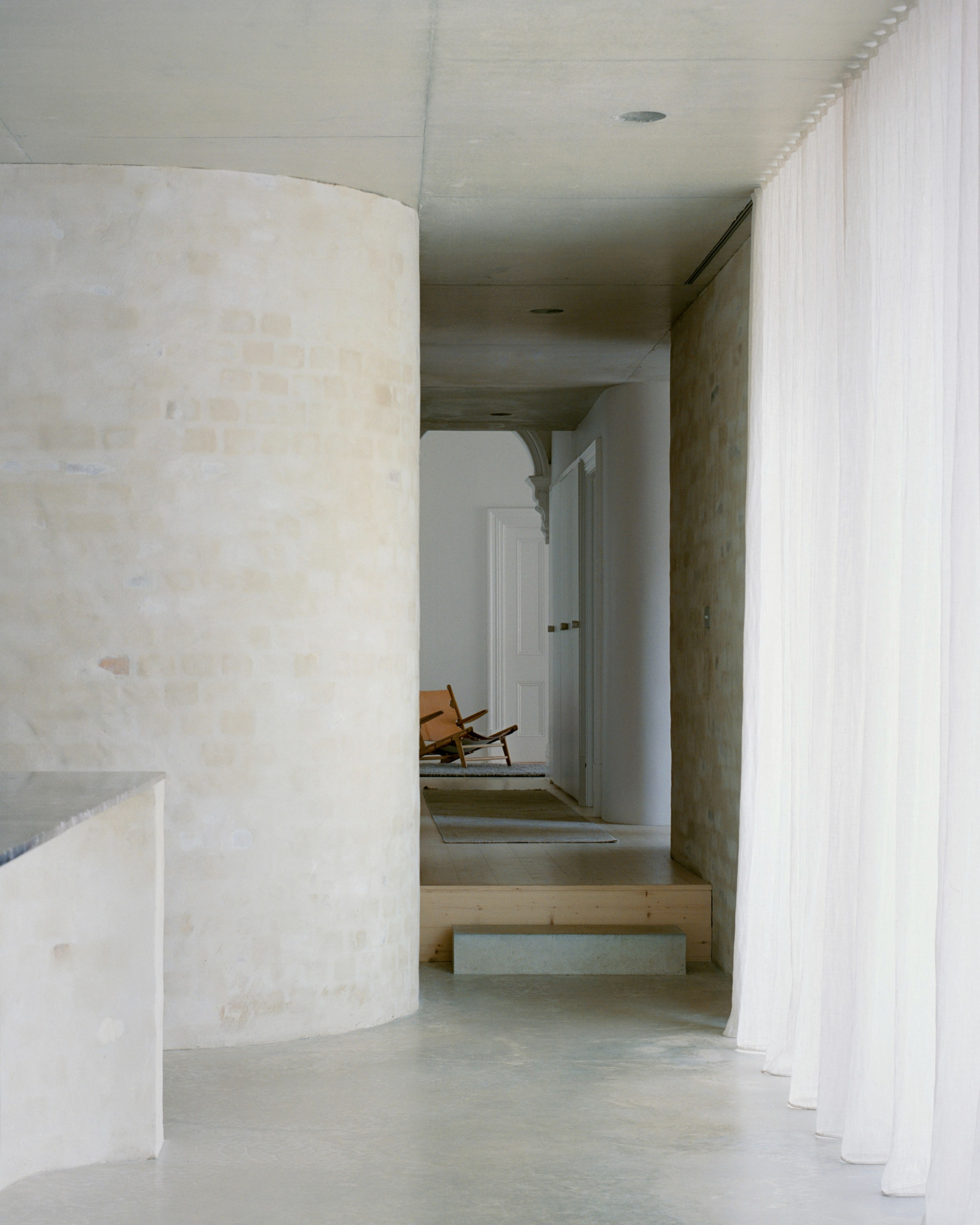
The new wing is organized through a sequence of masonry walls, courtyards, and ceiling planes that guide the transition from the restored heritage rooms to the contemporary social spaces. A long passage connects old and new, while the dining area sits deep within the walled plan, lit from above by a skylight set into a concrete ceiling. The brickwork has a textured mortar finish, giving the addition a surface quality that feels worked rather than polished. Its mass also has a practical role: it buffers traffic noise and helps regulate internal temperature. Here, material choice is not a decorative gesture but a way to solve the problems of the site.
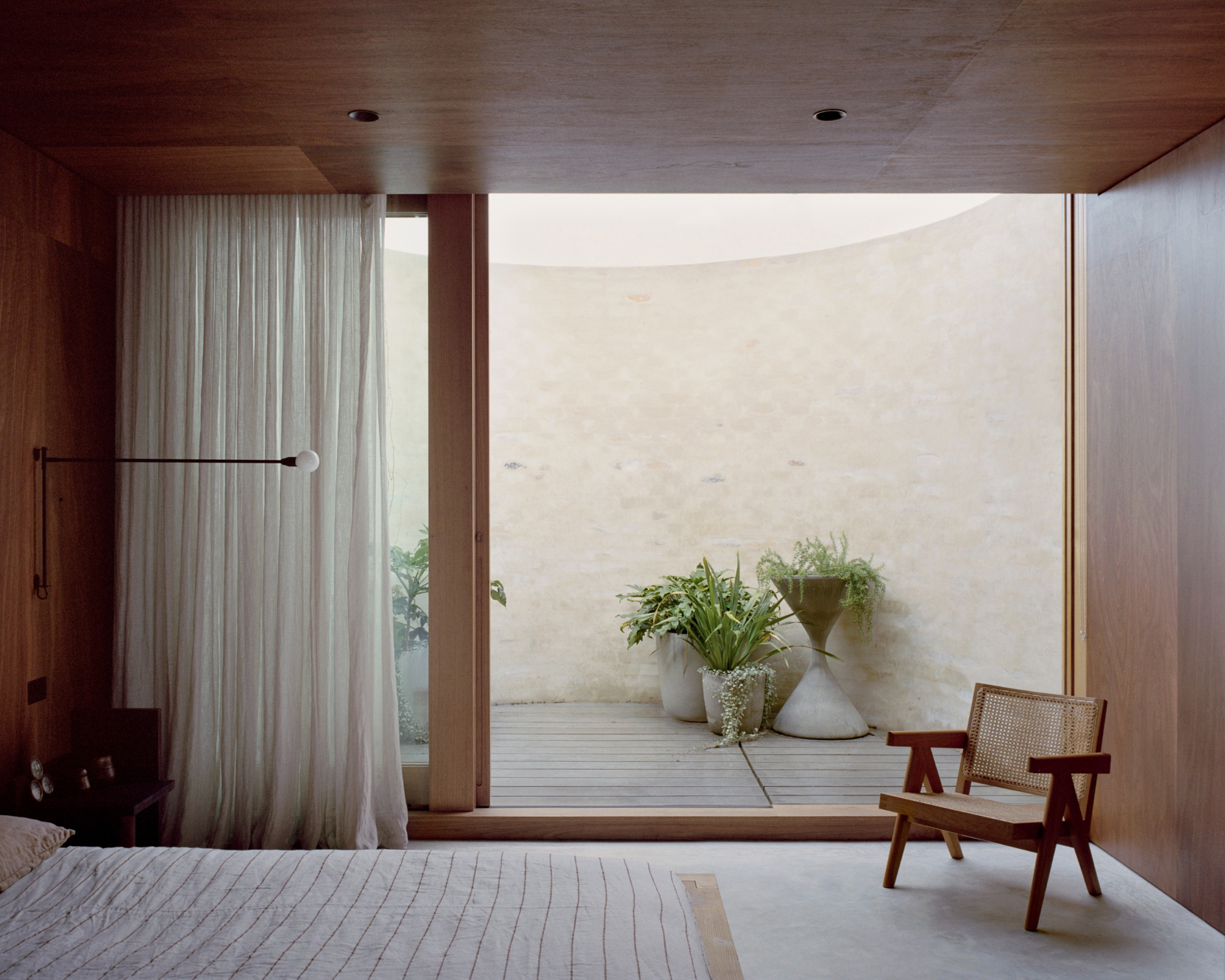
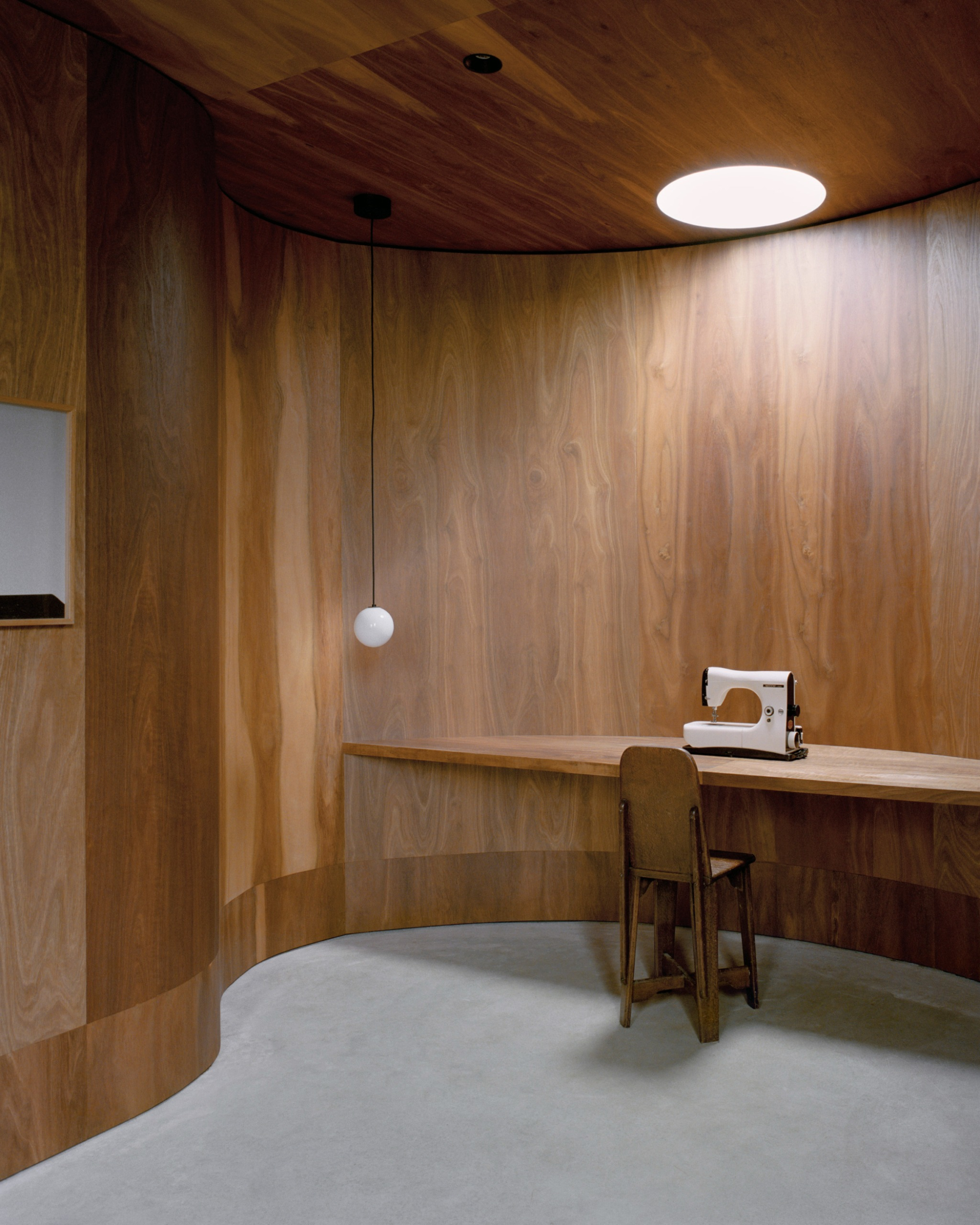
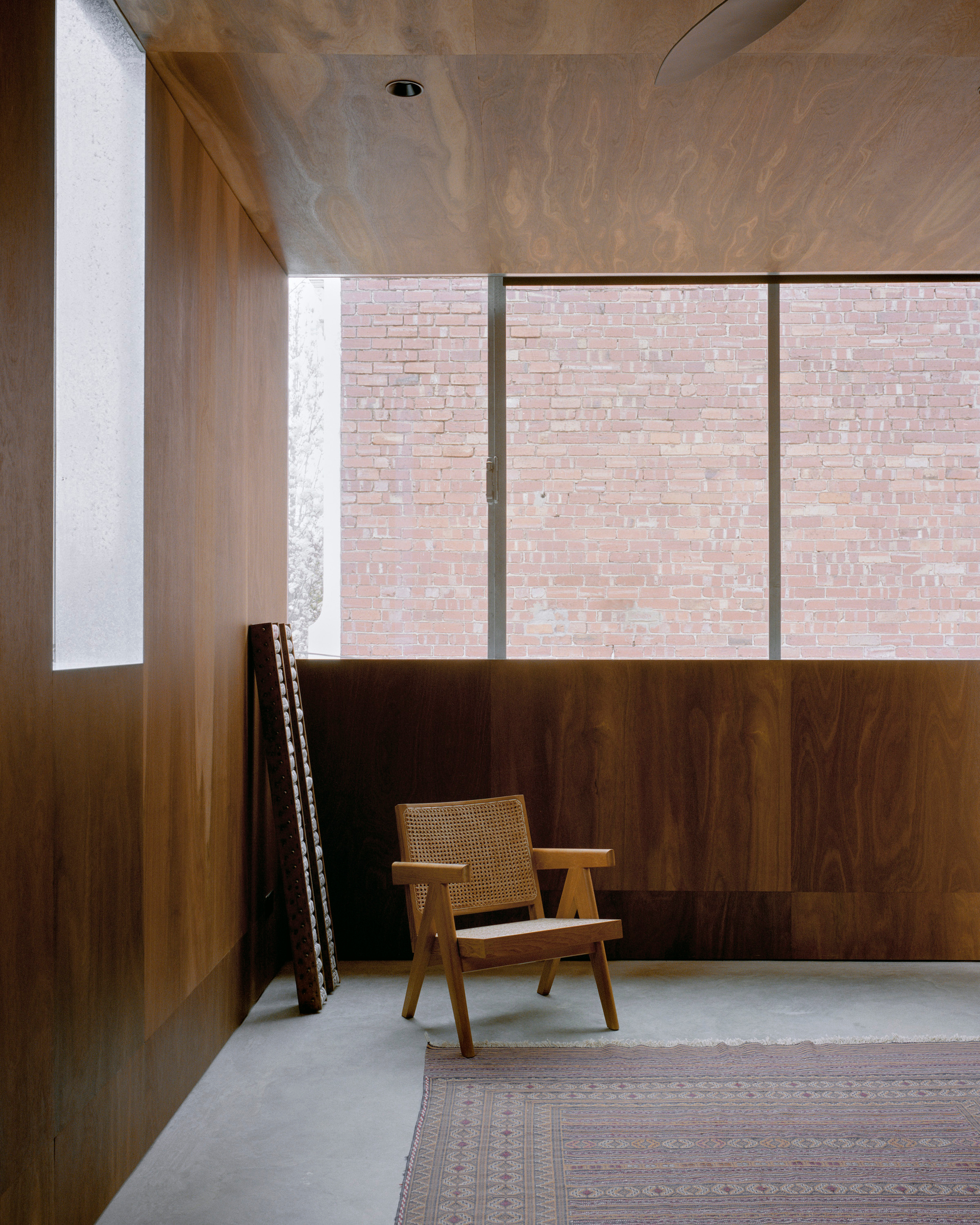
Above the planted concrete roof, two brick volumes complete the new composition. One extends from the ridge line of the original terracotta-tiled roof and contains the principal bedroom suite with a private courtyard garden; the other holds a small studio. Inside, both are lined in dark spotted gum plywood, creating a clear contrast with the pale masonry and concrete below. Photographed by Rory Gardiner, the house reads as a careful negotiation between eras: the Federation home restored, the new work visibly of its time, and the whole project shaped by light, privacy, thermal mass, and the discipline of brick construction.