Search






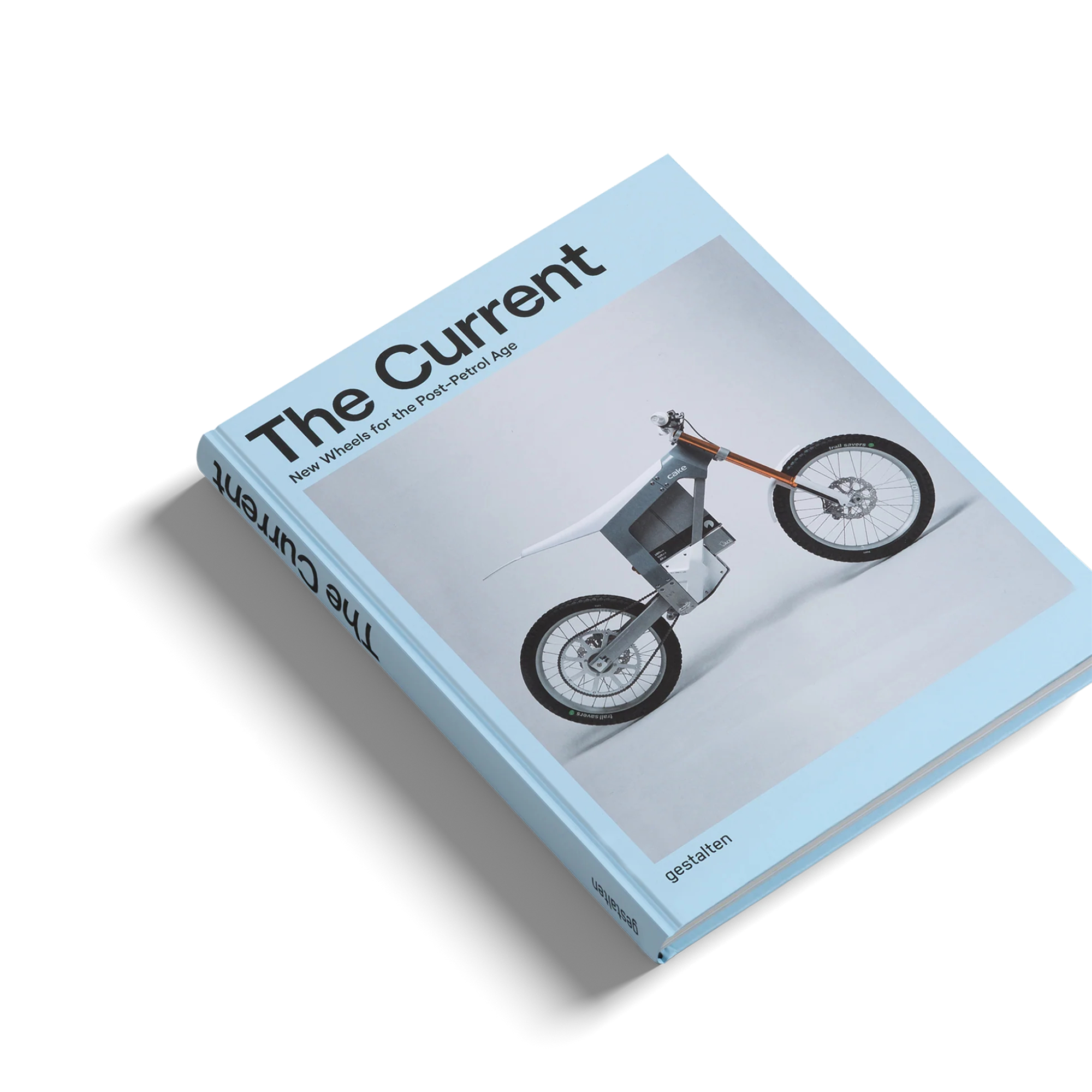
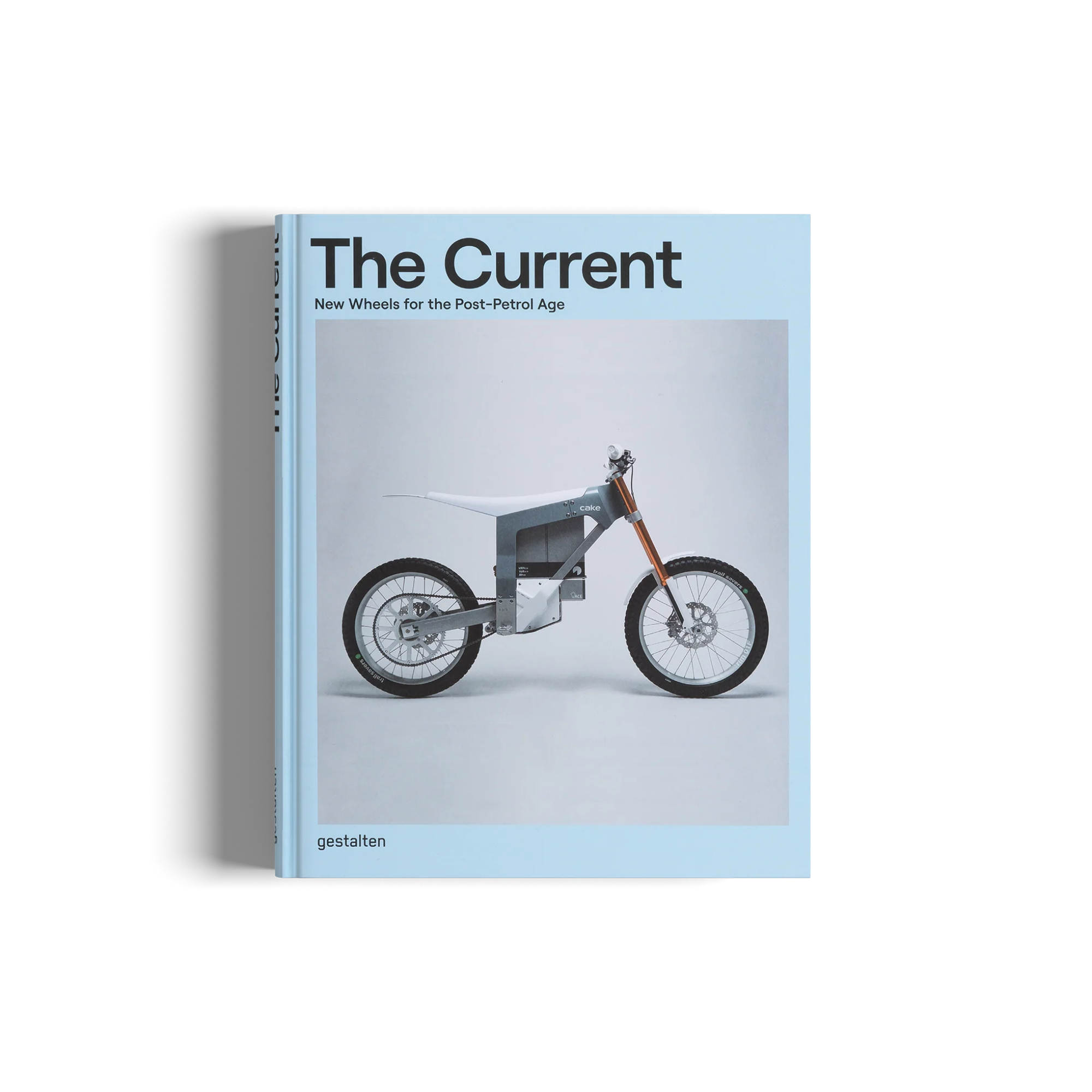
A hardbound look at the electric machines reshaping the road, from custom motorcycles and city bikes to cars built for the post-petrol age.
Electric vehicles have spent years being sold as medicine: better for the planet, sensible for the future, good for people who read charging-network reports for pleasure. The Current makes a better case. It starts with the machines themselves — motorcycles, bicycles, hybrids, and cars — and treats them as objects of speed, design, engineering, and desire. Less sermon, more throttle.
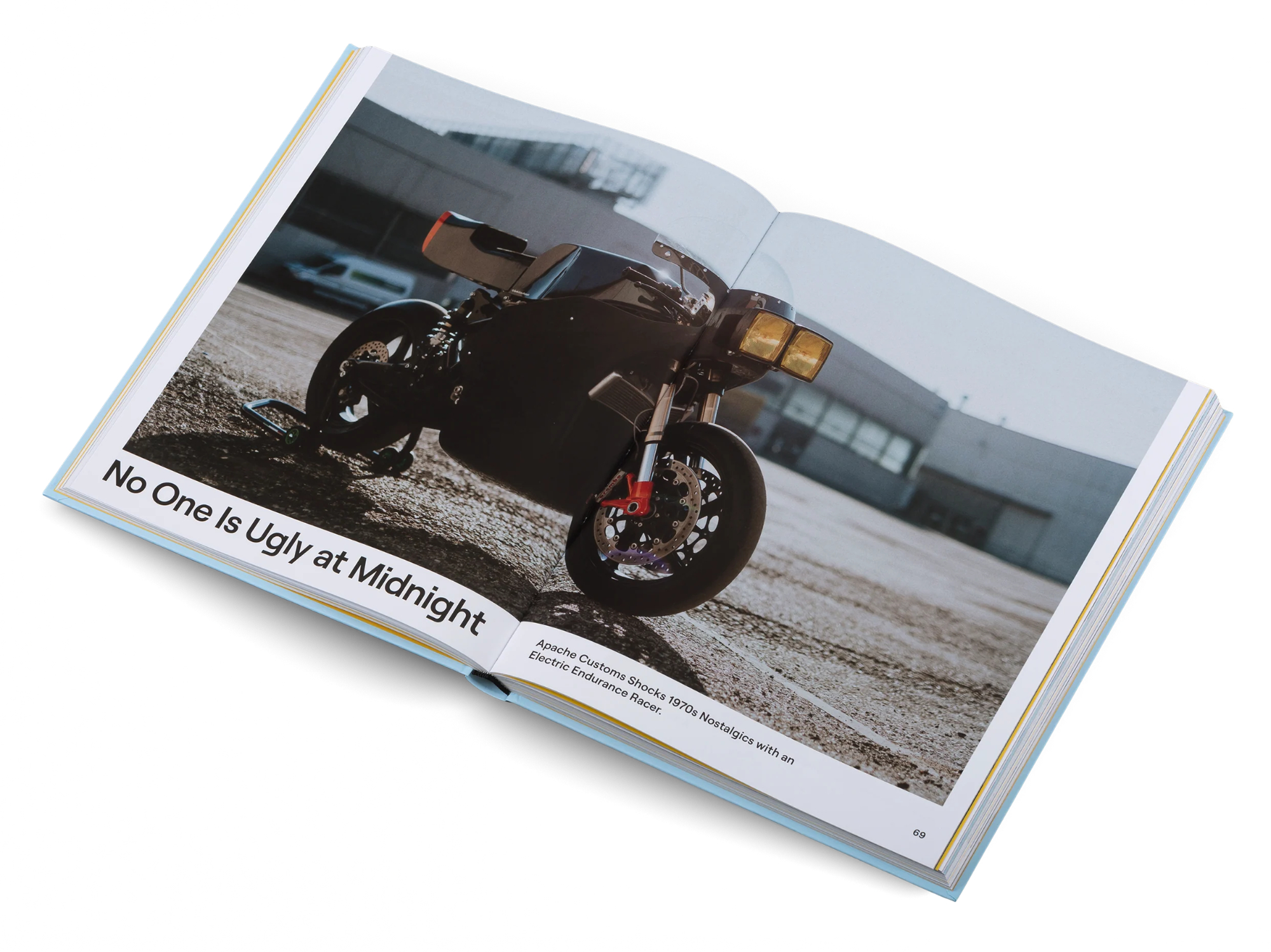
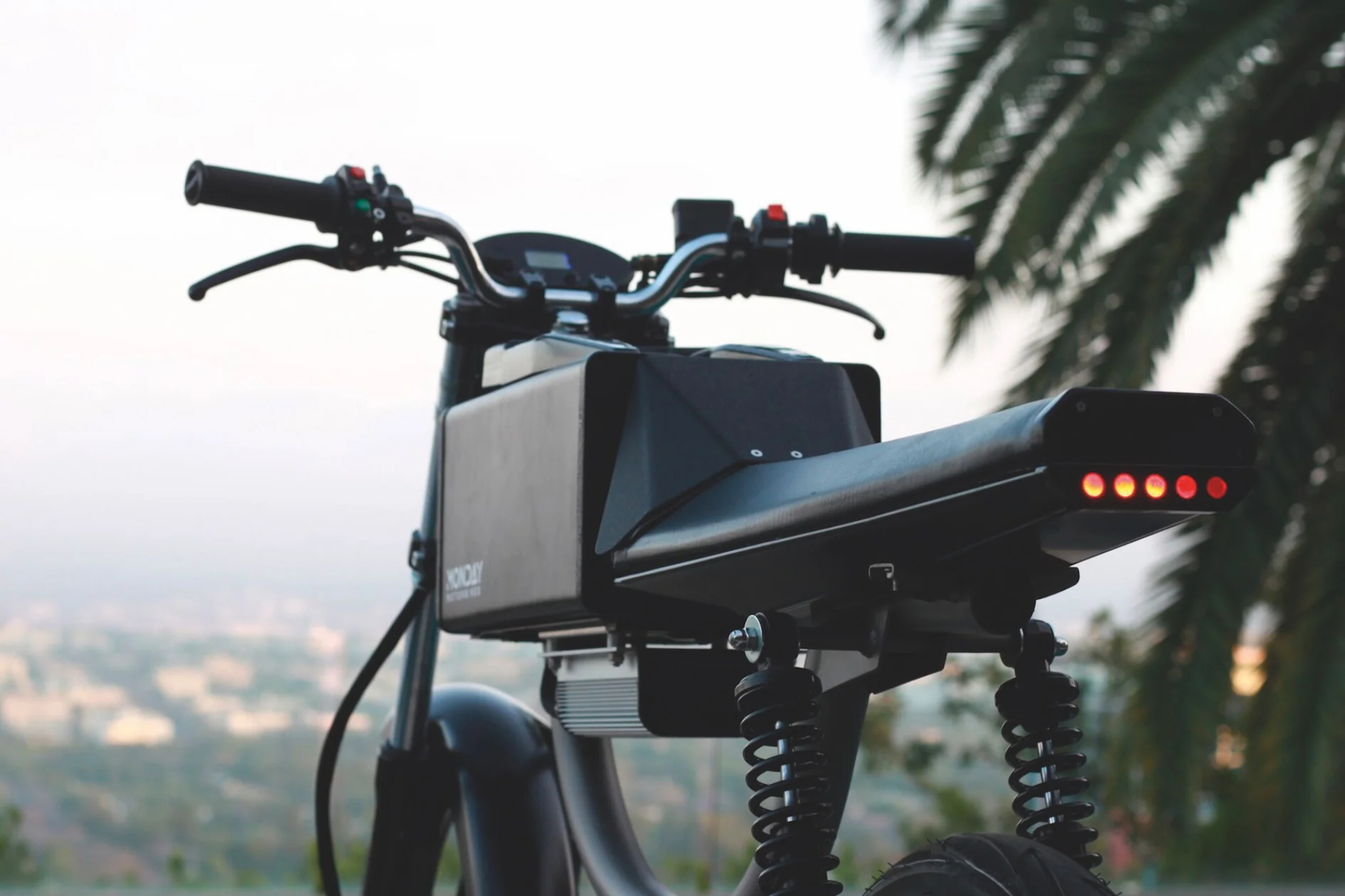
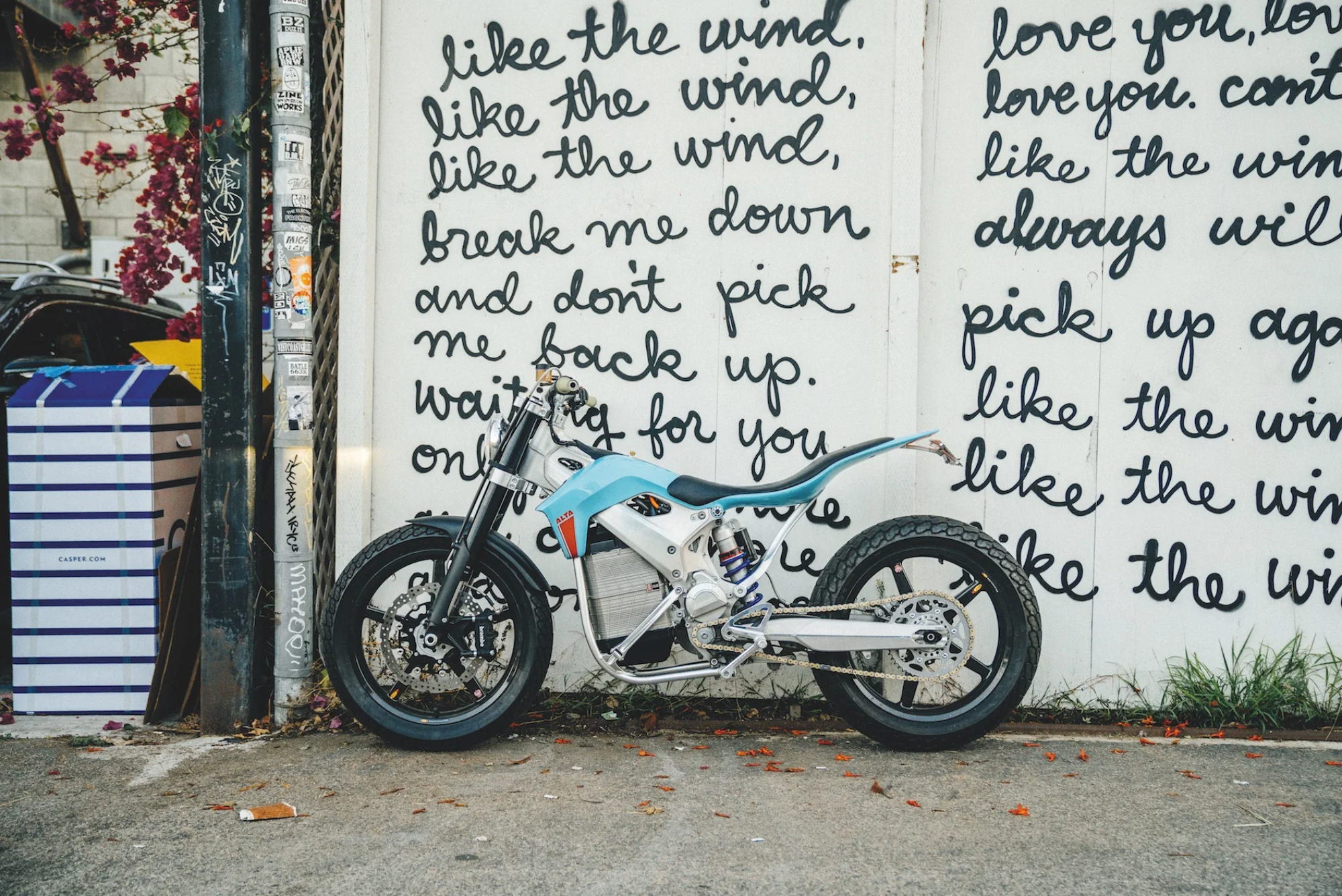
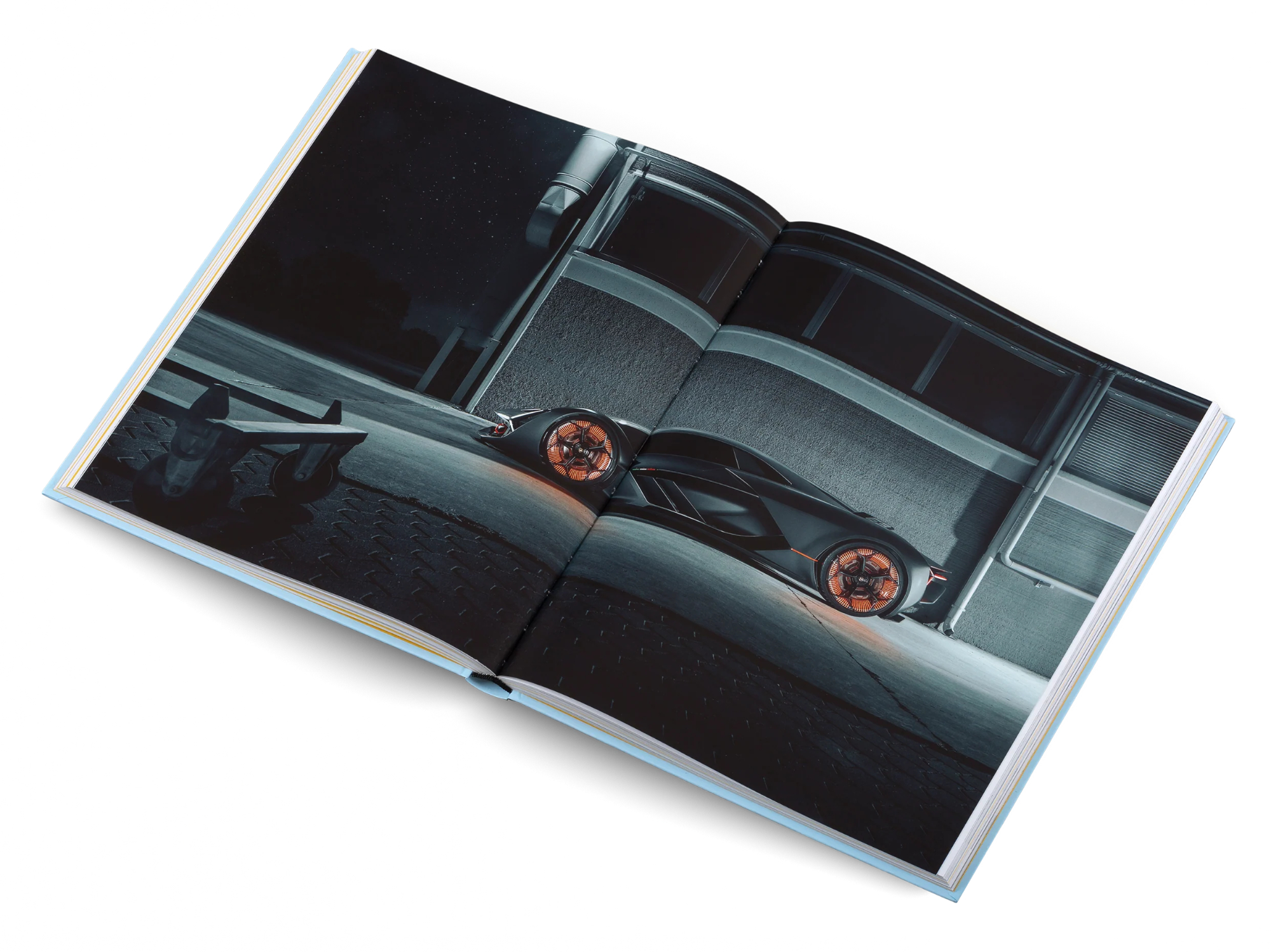
Published by Gestalten and edited with Paul d’Orléans, the book looks at the builders and companies pushing electric mobility beyond the appliance stage. The range is the point. This is not just a parade of polished concept cars or quiet commuter pods. It includes two-wheelers, three-wheelers, four-wheelers, custom projects, established brands, and newer outfits trying to make the electric vehicle feel less like a compromise and more like a clean-sheet invention.
The appeal of the electric machine is not only that it removes fuel, grease, and exhaust. It changes the character of movement. Instant torque. Fewer moving parts. Less noise. A different kind of presence on the road. For a section like Motion, that matters: the shift is not just environmental, but mechanical and cultural. The best electric vehicles do not ask to be admired because they are responsible. They make the old arguments feel tired.
Across 208 full-color, hardcover pages, The Current reads as a snapshot of a moment when the romance of transportation is being rewritten. The combustion engine had sound, smell, vibration, and a century of myth behind it. Electric mobility has something else: strange proportions, new packaging, rapid acceleration, and the sense that the rulebook is suddenly thin. That is where the book is strongest — not in predicting the future, but in showing the machines already making it look more interesting.