Search






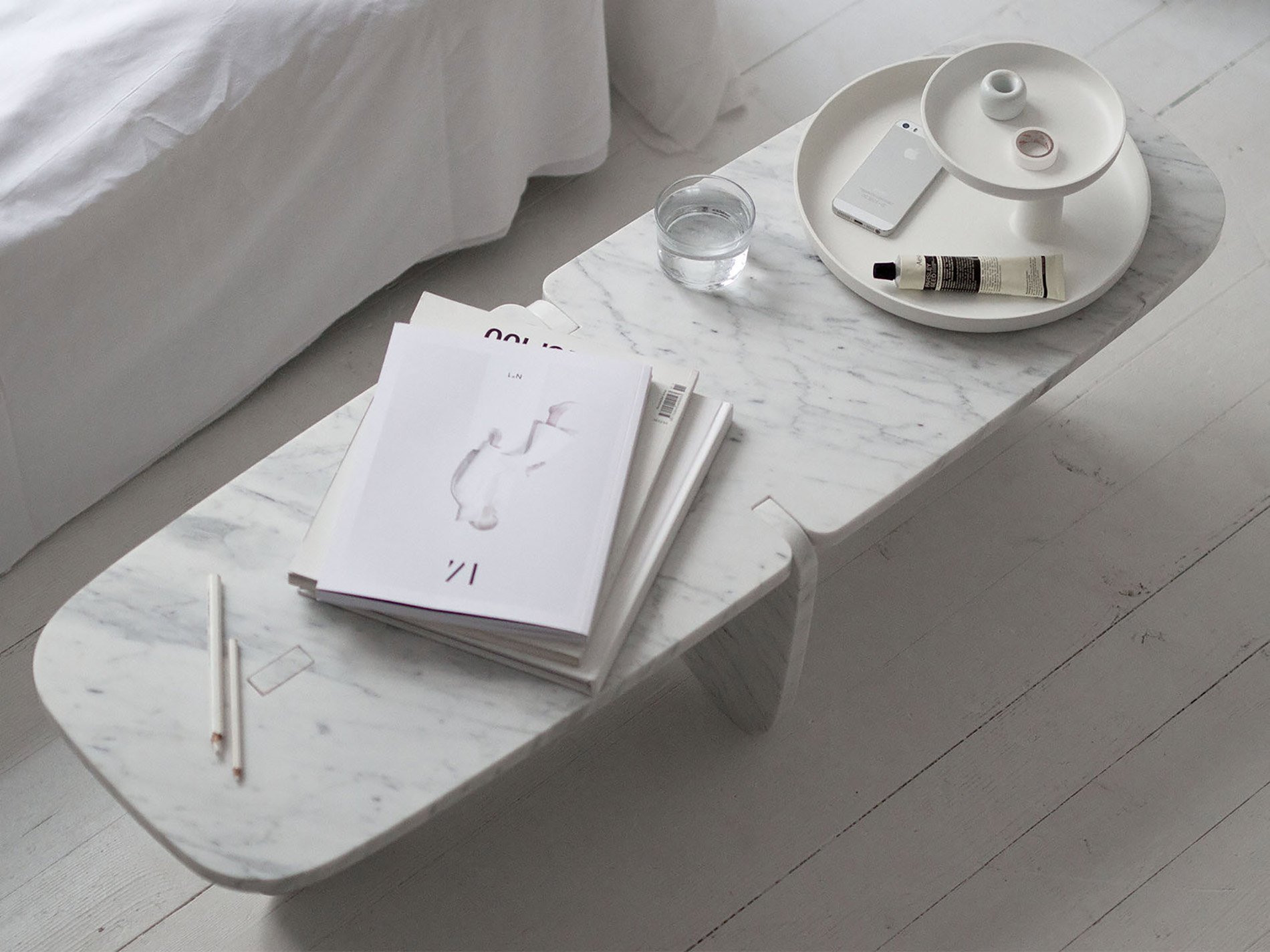
When we picture marble in our minds, there are a particular string of qualities conventional wisdom leads us to associate with the material. Though it can be sculpted and polished to an incredibly fine, even feathery detail by a skilled hand, we will often prejudice our view of what marble can do by assuming it to be only functional as momentous, hefty statement. This plays out in architecture, sculpture and especially in furniture, where marble is often only used as a tabletop (usually set into behemoth Old World-style designs). Balking this historic notion, the Riviera Tables by Zurich-based designer Alfredo Häberli present marble as few have ever seen it before, reimagining it as a lightweight flat-pack system.
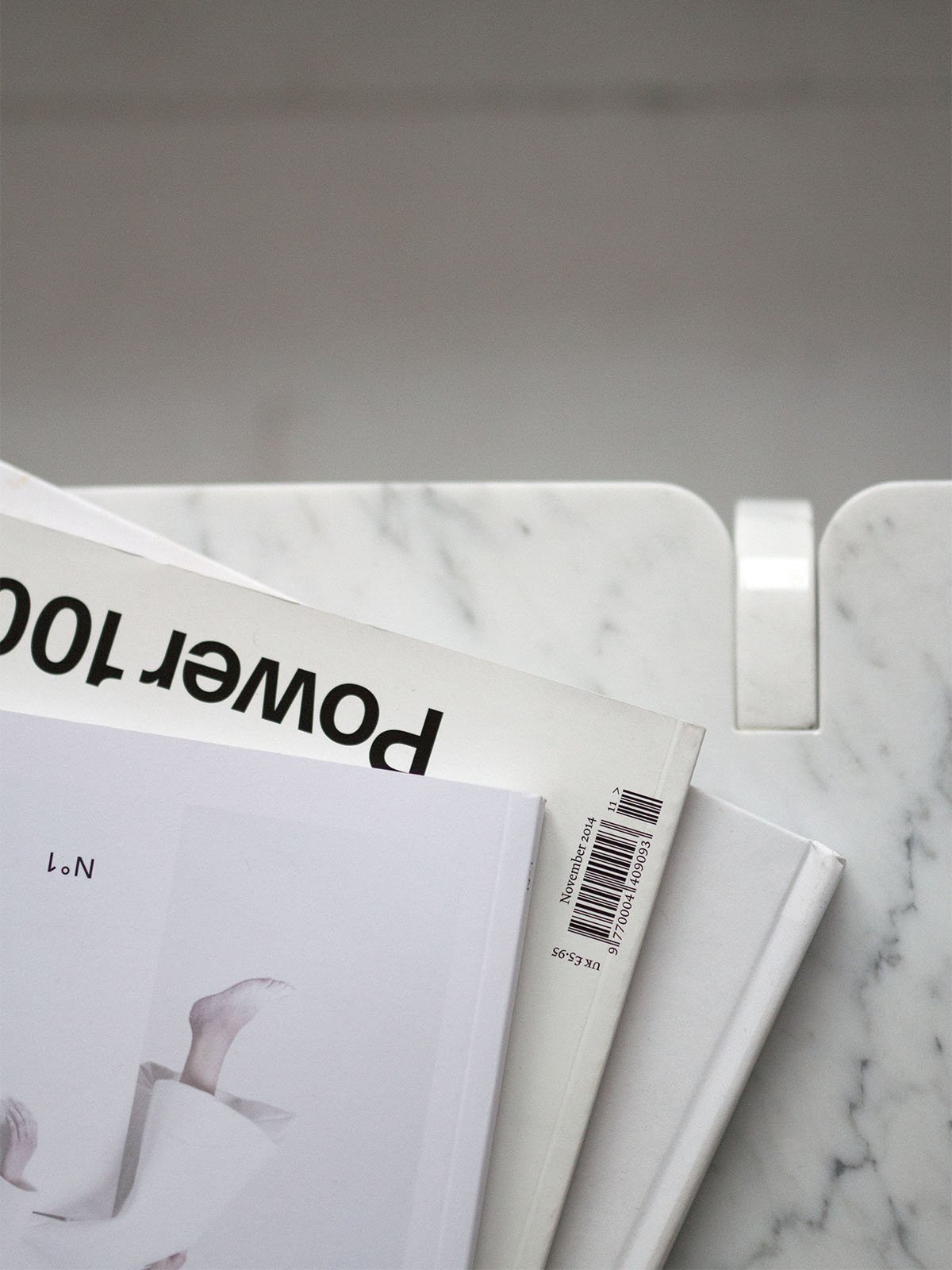
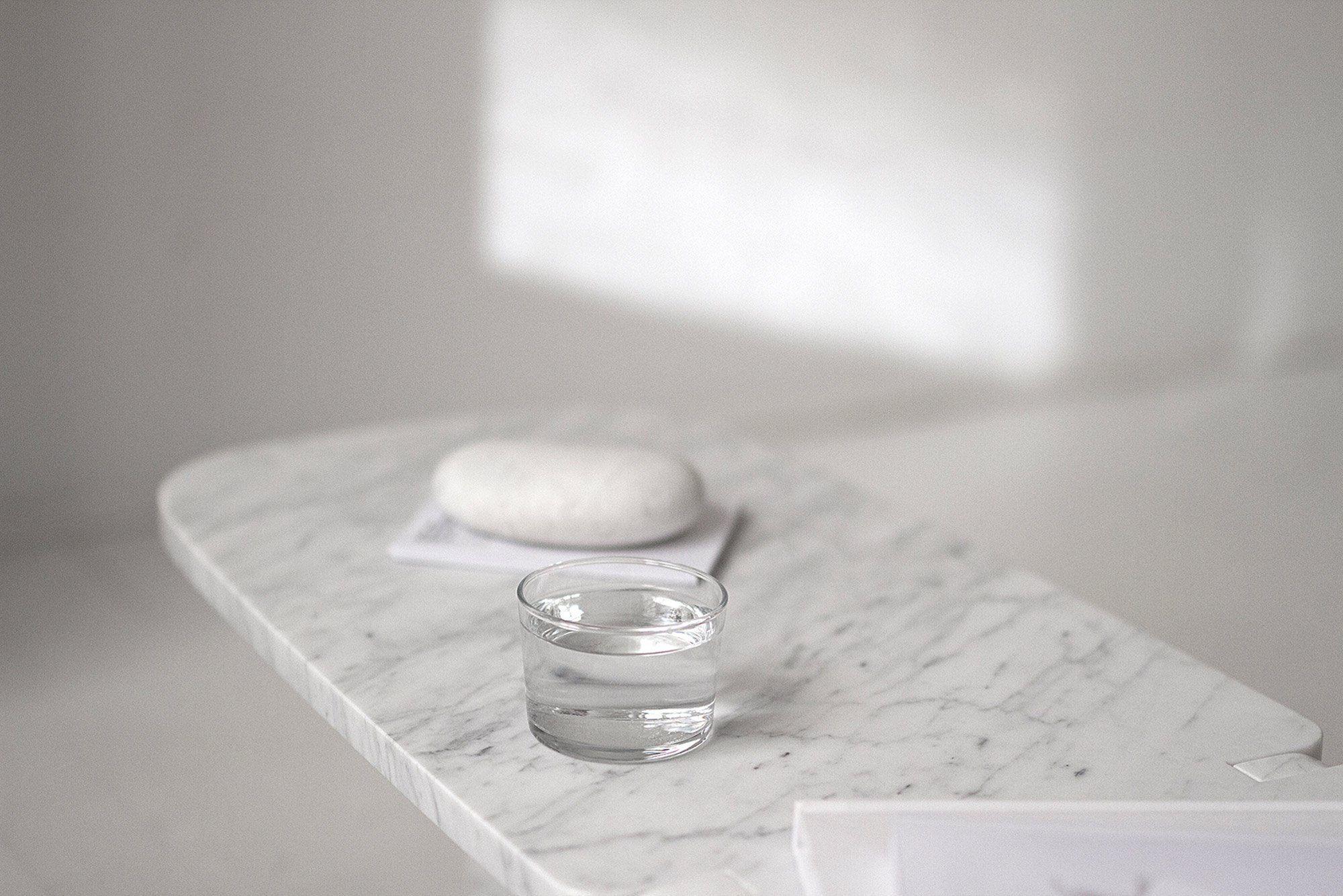
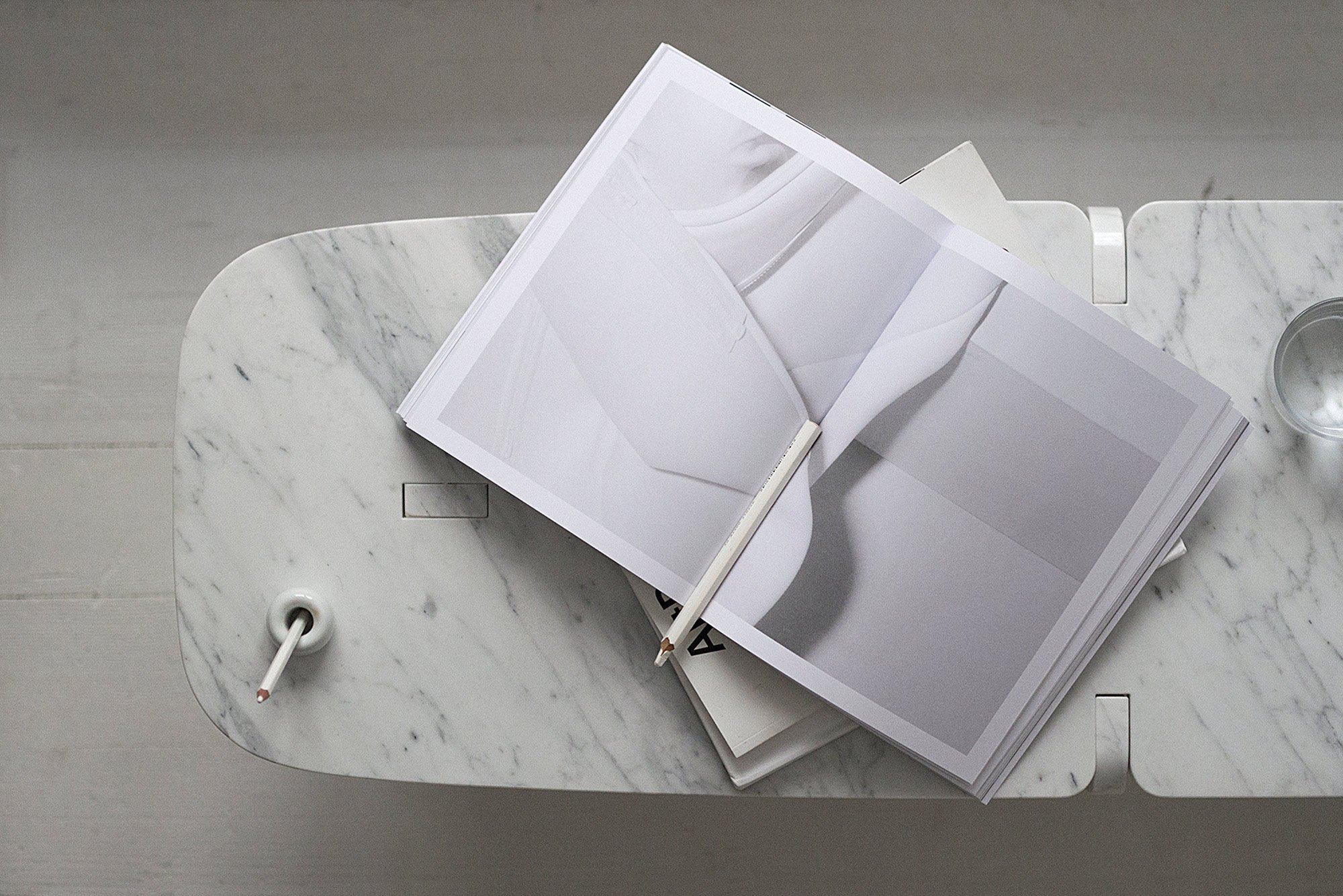
Made from Carrara marble – the same kind used in the Pantheon, Michelangelo’s David, and countless monuments – the tables were designed for DADADUM to be both easy to transport as well as take the genre in a new direction. The stone modules interlock without any additional hardware to create either a coffee or end table. Thanks to cut joints like one would find in a well-built wooden construction, the tables come together in a way that feels incredibly modern, though the process is actually influenced by the natural stone tables of the Ticino Valley in southern Switzerland. Using the stone’s weight to his advantage, Häberli has discovered a system that has the ingenious ease and precision of an IKEA set without opting to create it out of plywood, or give it a ridiculous name. The beveled edges of the tabletop are echoed in the arches of the table’s “legs,” which keep the piece from feeling at all heavy. And to create a lovely detail of contrast, the edges are polished while the surfaces are left matte. In what comes down to a very simply connection, Häberli has captured lightning in a bottle because he never lets the notoriously posh associations we project onto the stone get in the way of his design. The Riviera Tables don’t say much, but by shifting what we fundamentally think of when we imagine marble, it’s as if they’ve finally freed the stone from the shackles of antiquity.