Search






A sprawling, three-building estate inspired by the rolling hills and architectural character of southern Tuscany, Italy.
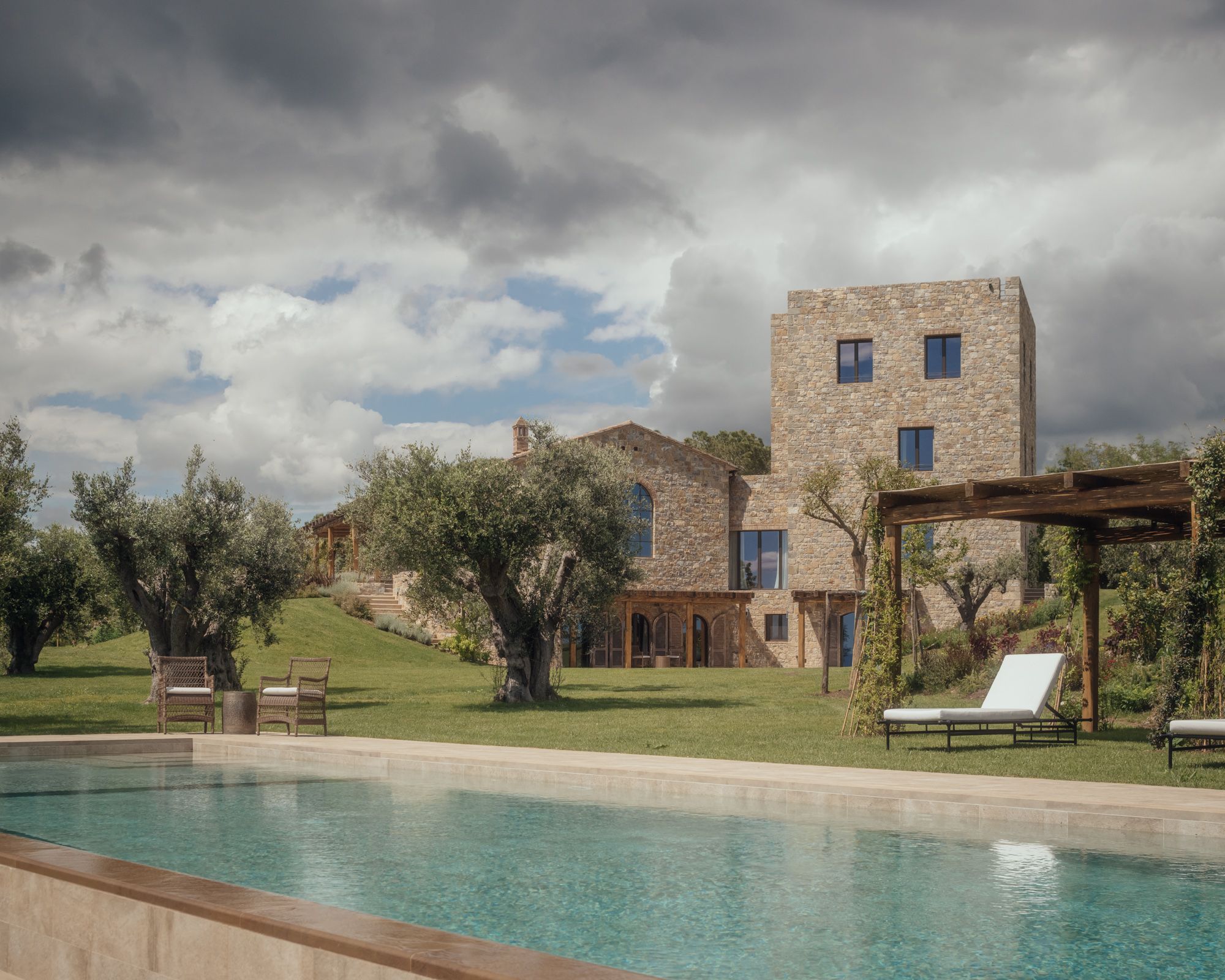
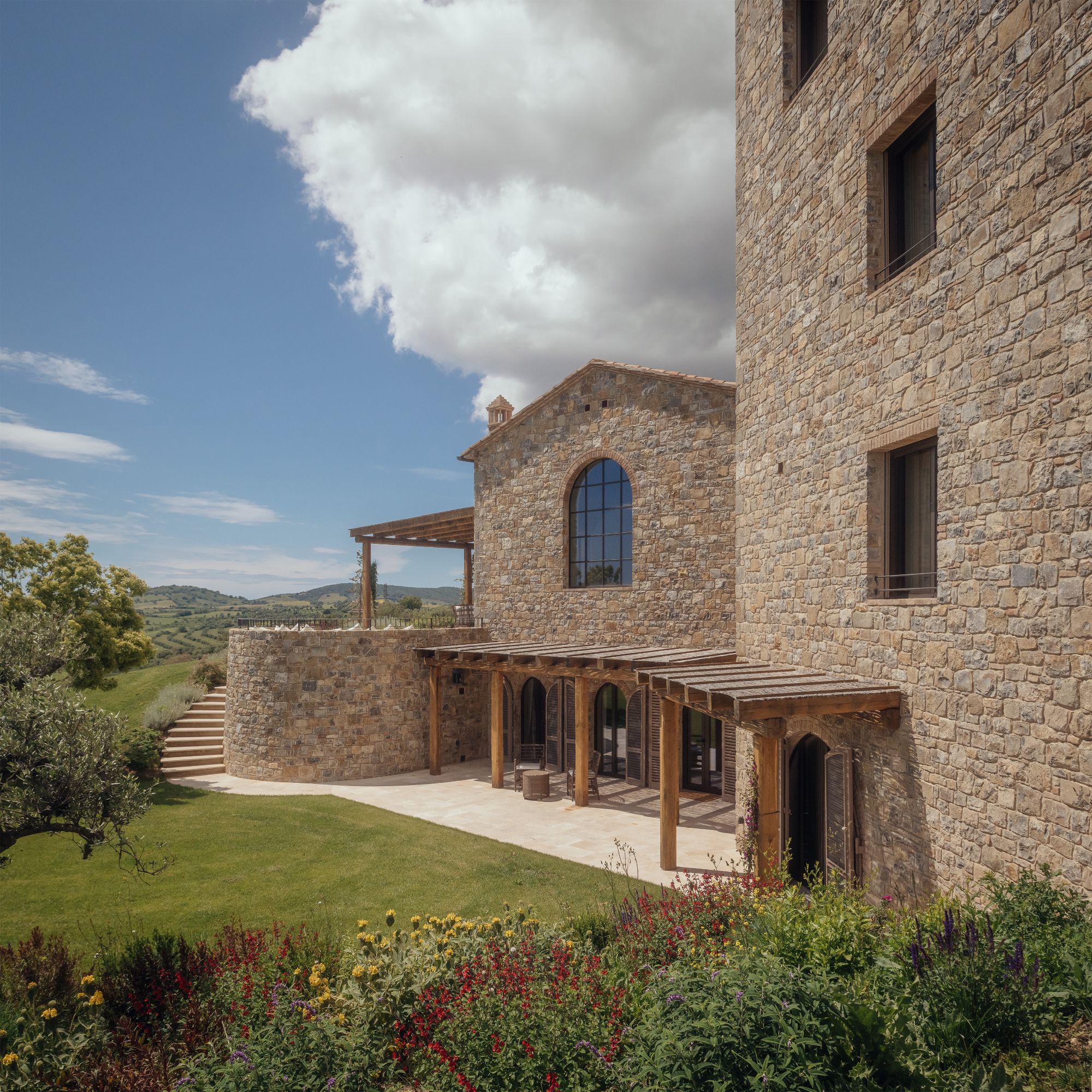
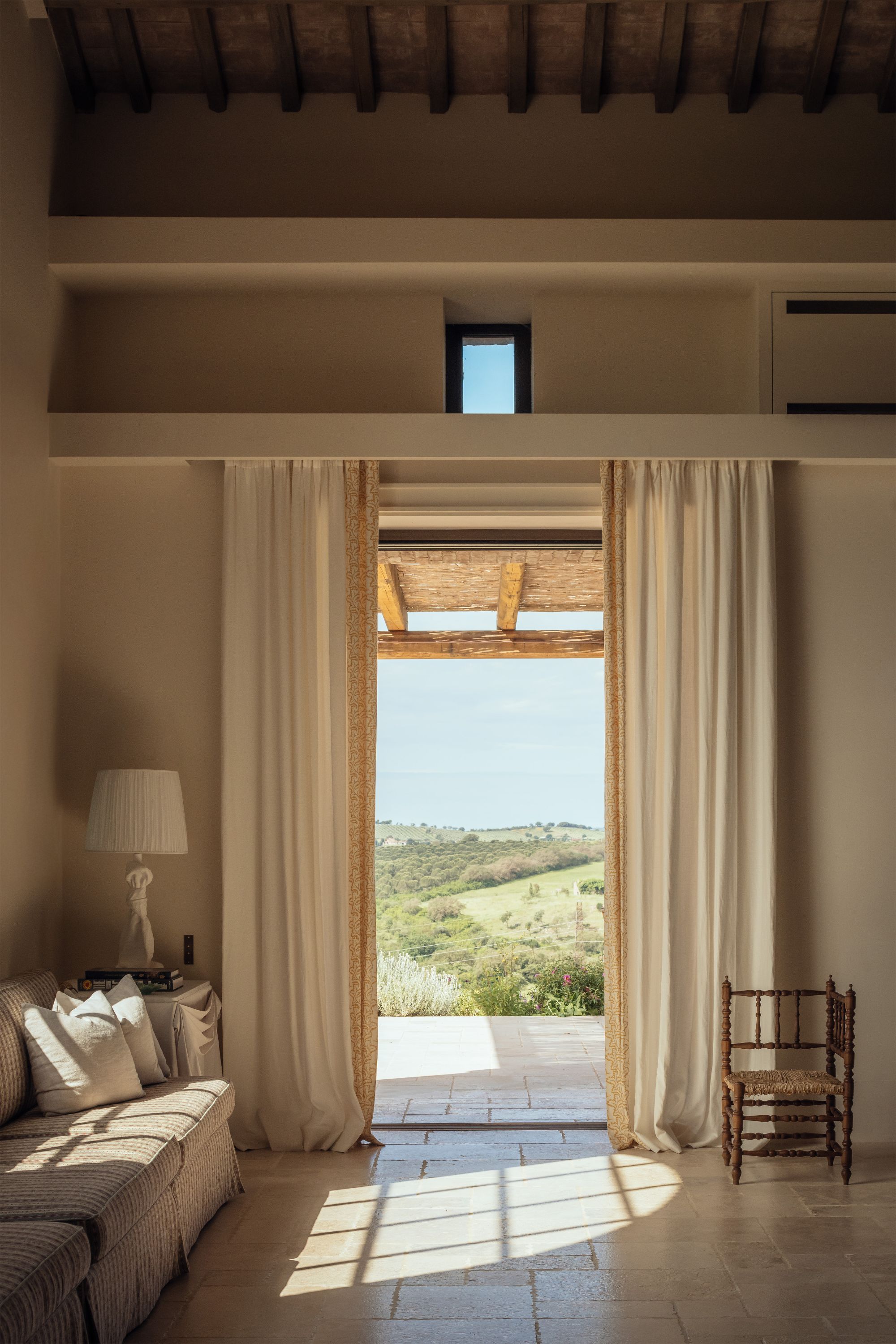
Built on two hilltops surrounded by olive groves, Ercolina is a new, three-building estate that looks like it has always been part of the Maremma countryside in southern Tuscany, Italy. International architecture firm McLean Quinlan achieved this feat by connecting the design to the local context through multiple threads; apart from referencing the vernacular architecture of the surrounding rural area, the studio also took inspiration from the walls of the ancient town of Magliano, and the stone towers found across central Italy. Additionally, Ercolina responds to the site’s orientation, topography and climate.
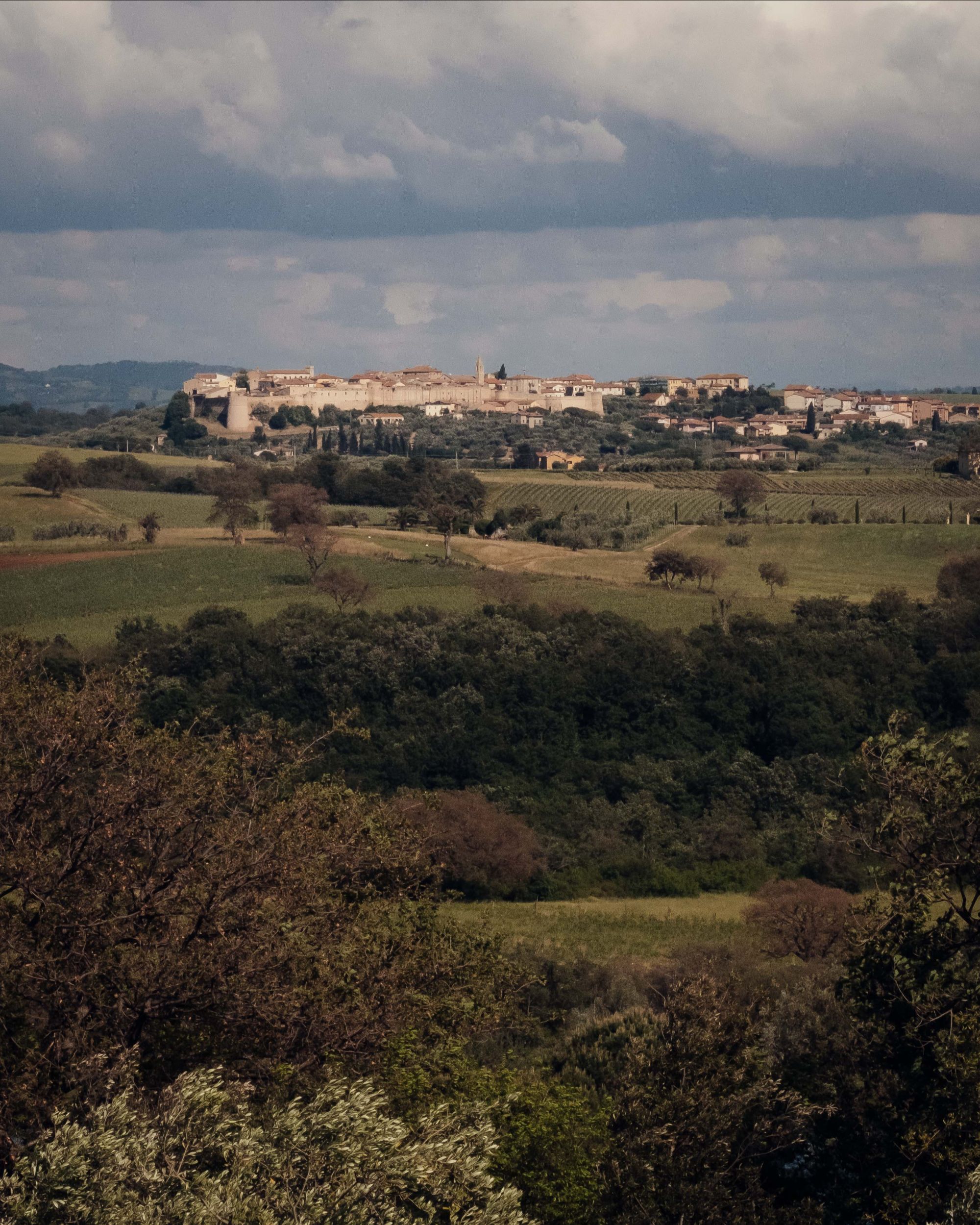
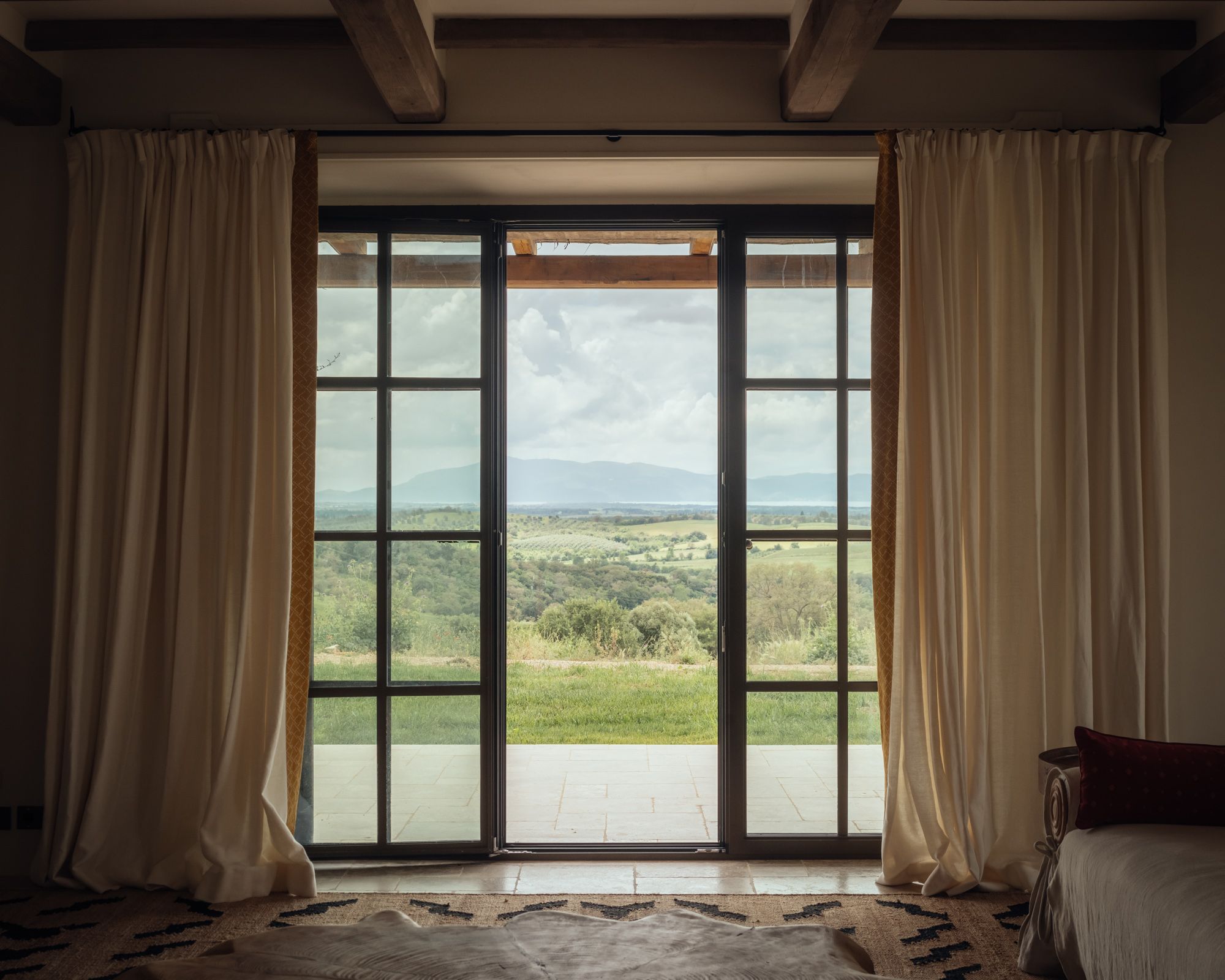
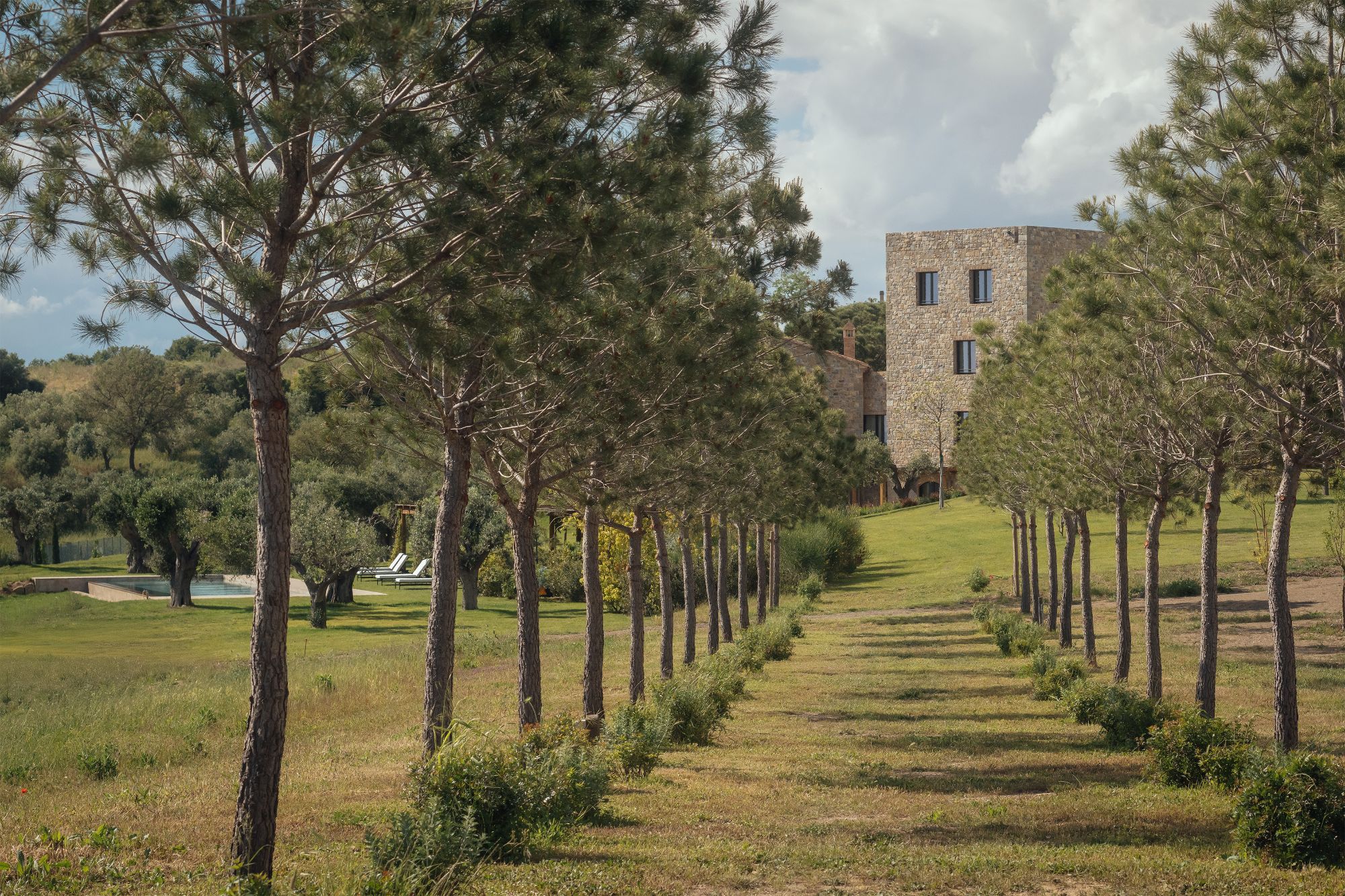
The clients, a family with Italian roots who wanted to set up a base in Italy, got closely involved in the design process. The property comprised an old farmhouse and some scattered ruins spread across two hills with views towards the surrounding olive groves and the sea, allowing the studio to create a sprawling residence deeply anchored in the landscape. Boasting three buildings, the estate spans the Tower, the Barn, and a guest house. Each building has a specific location and orientation in order to optimize access to views, light, and natural ventilation. Furthermore, the studio carefully preserved existing olive trees.
“Ercolina is our first project in Italy and continues our long-held interest in craft, landscape and context. We designed it in response to the site’s topography, climate, and impressive views, while looking to the surrounding architecture so that it feels in keeping with the area’s character,” says Kate Quinlan, Director, McLean Quinlan.
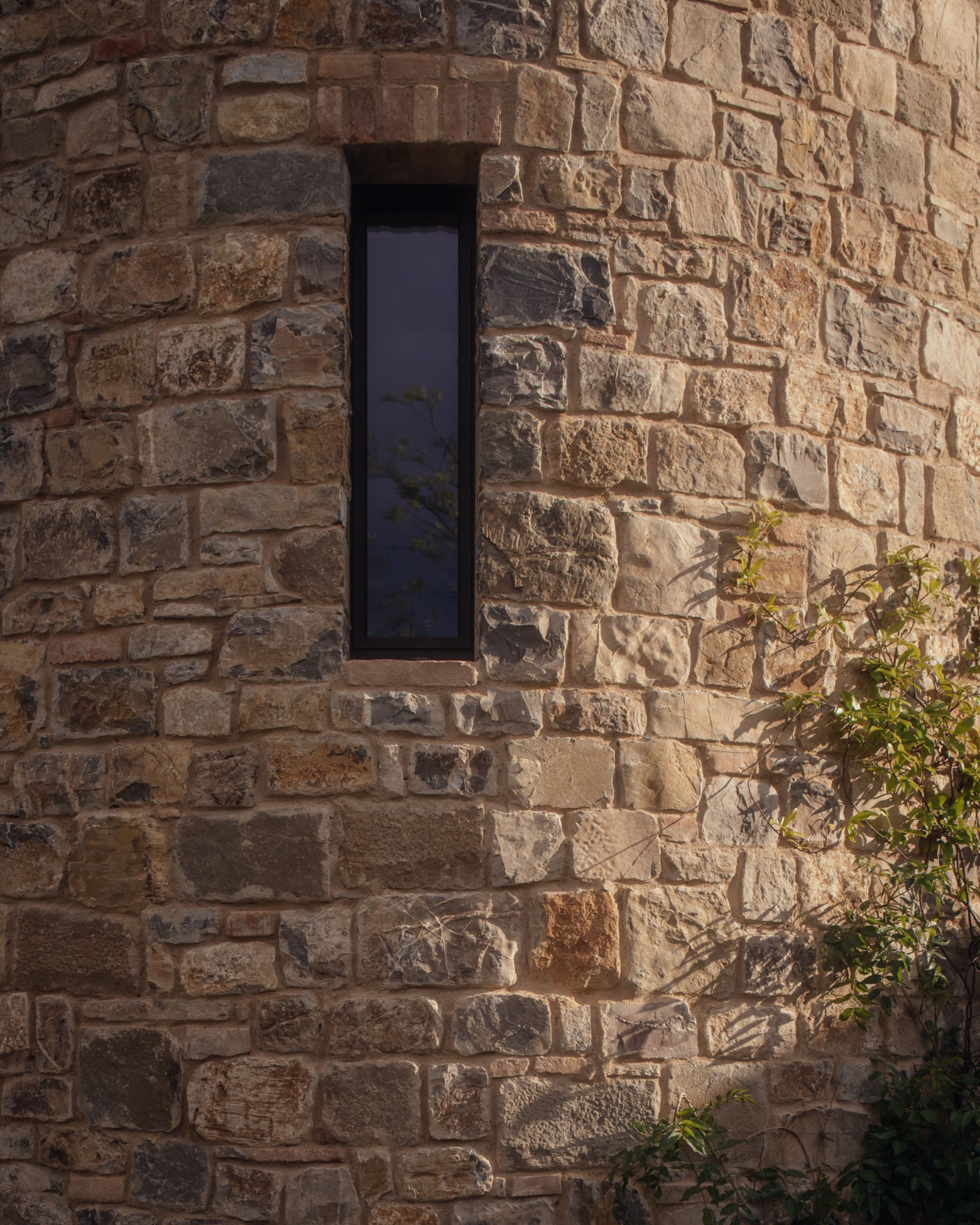
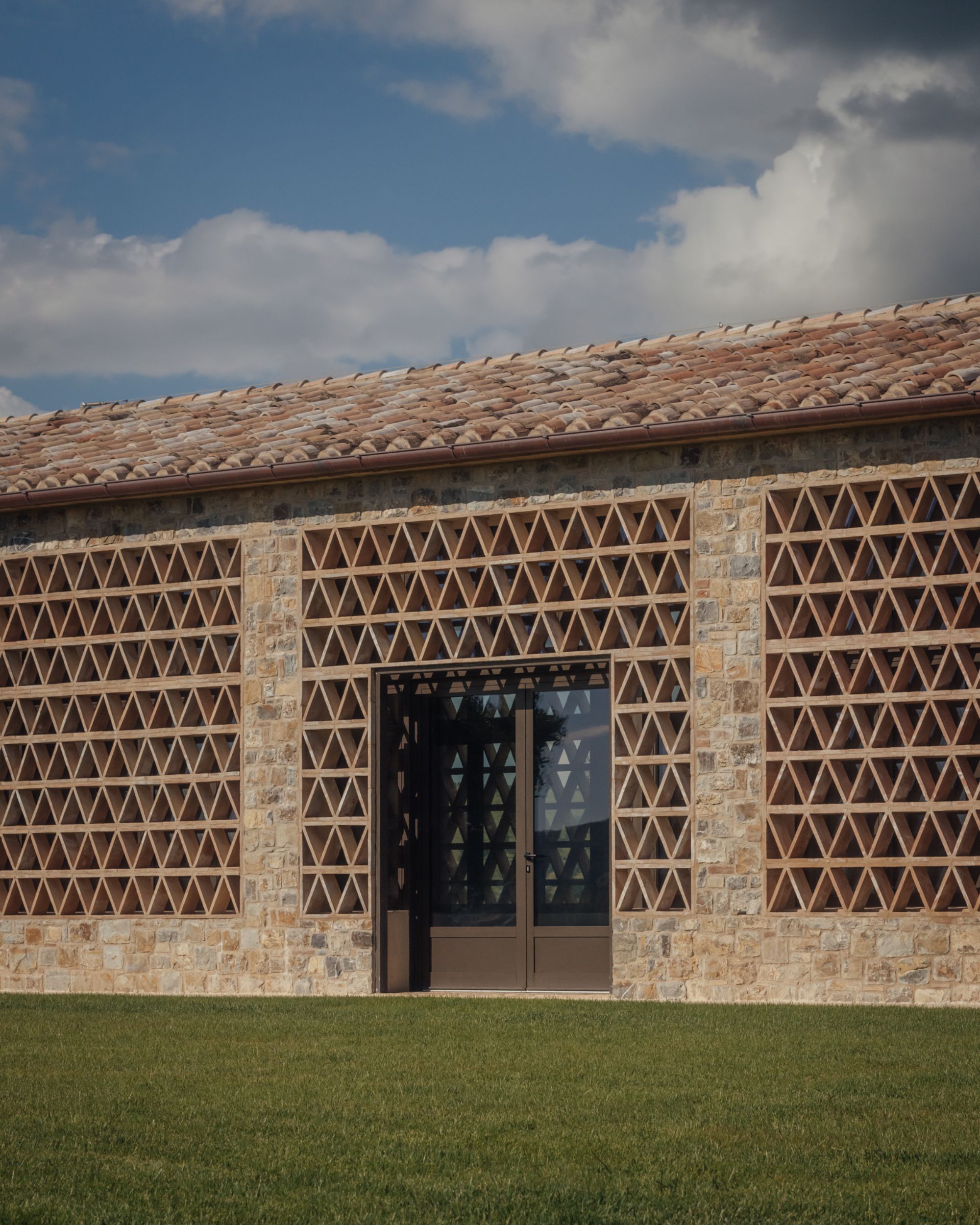
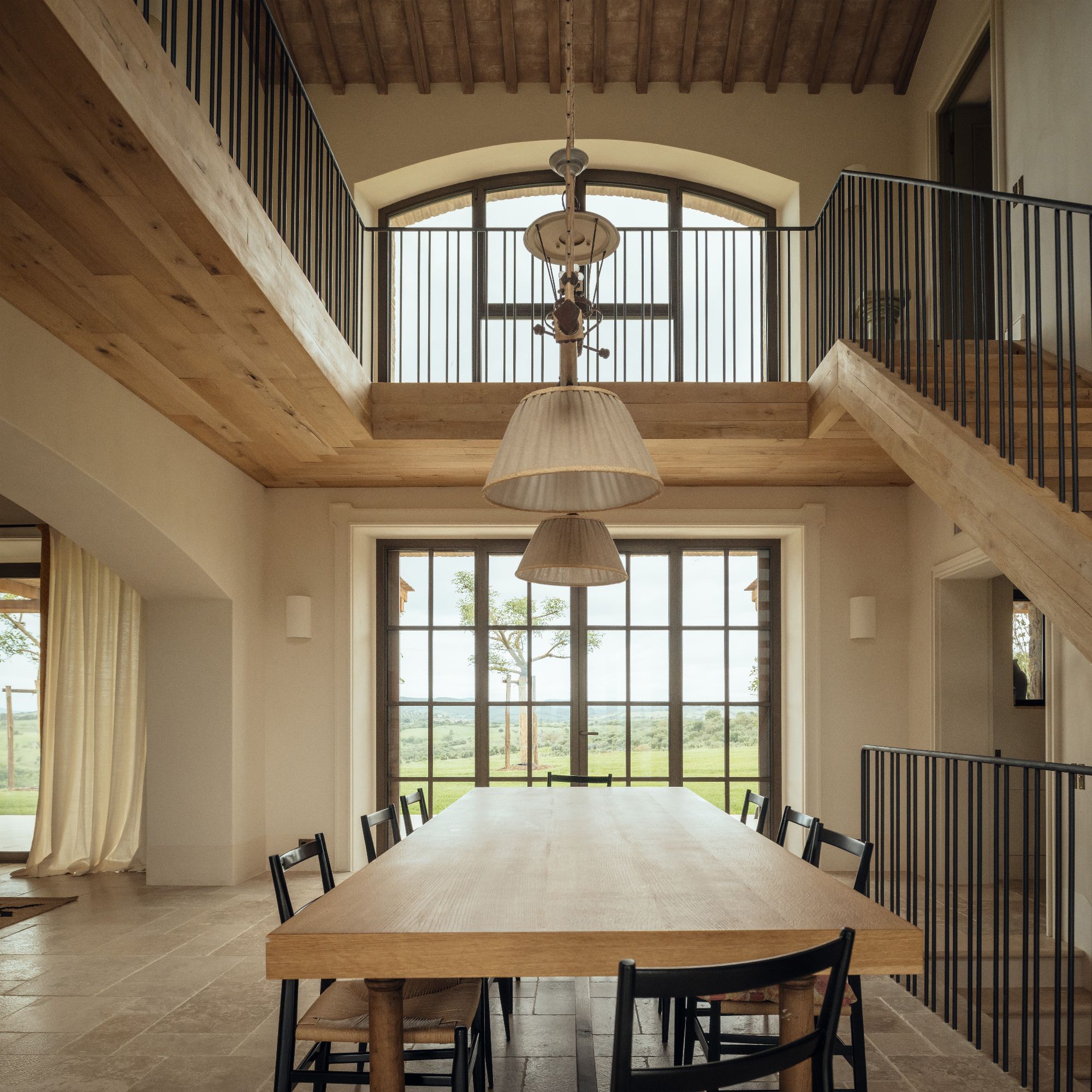
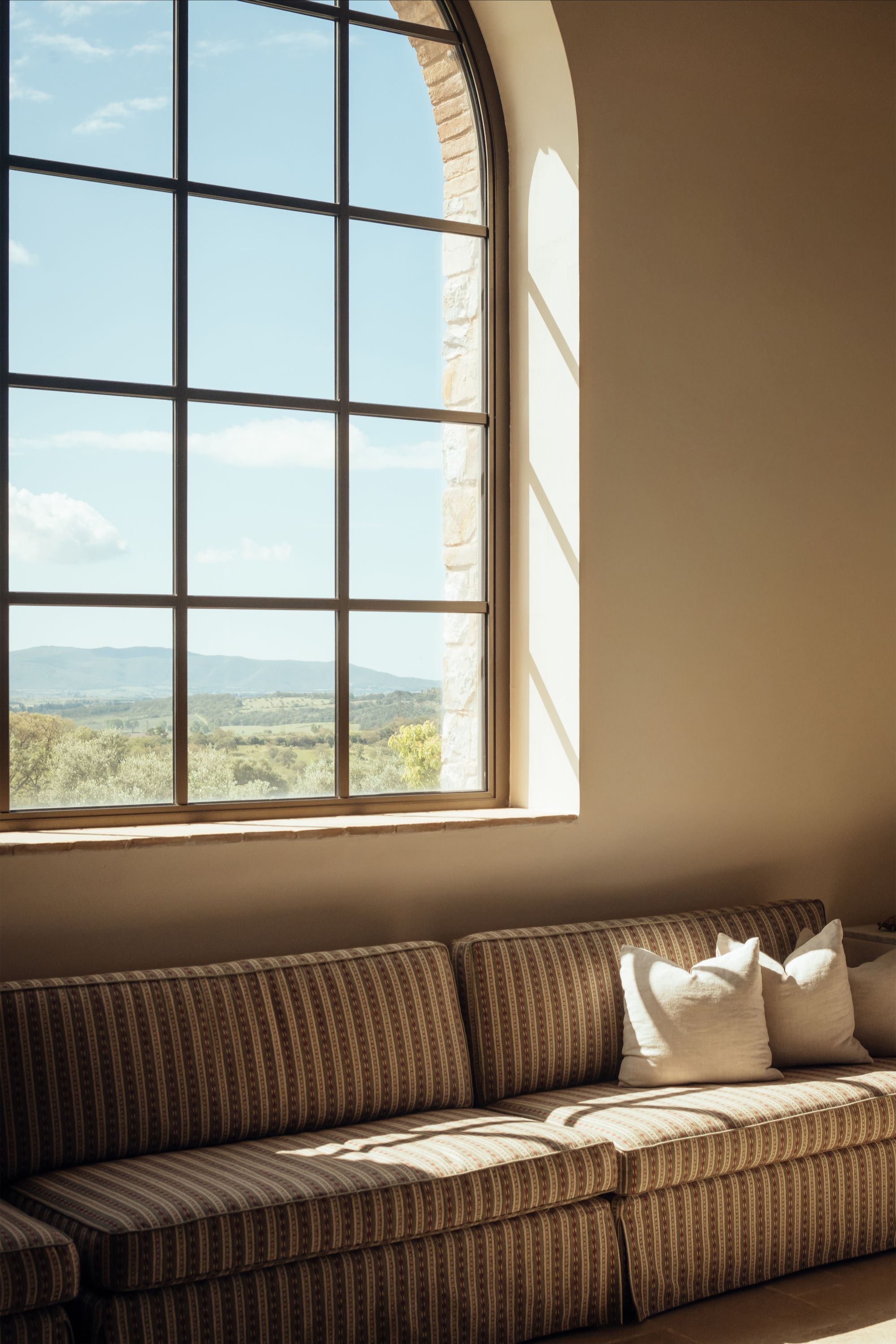
Standing tall like a landmark, the Tower houses the main living spaces. Its design pays homage to the historical towers of Italy, featuring stone walls and arched openings. The fenestration brings a contemporary touch to the design while keeping a traditional feel, maximizing access to views and light. On the nearby hill, the architecture studio placed the Barn and the guest house. While the former houses a multifunctional zone and offers storage options for the production of the estate’s olive oil, the latter contains social areas, including a large kitchen and dining space.
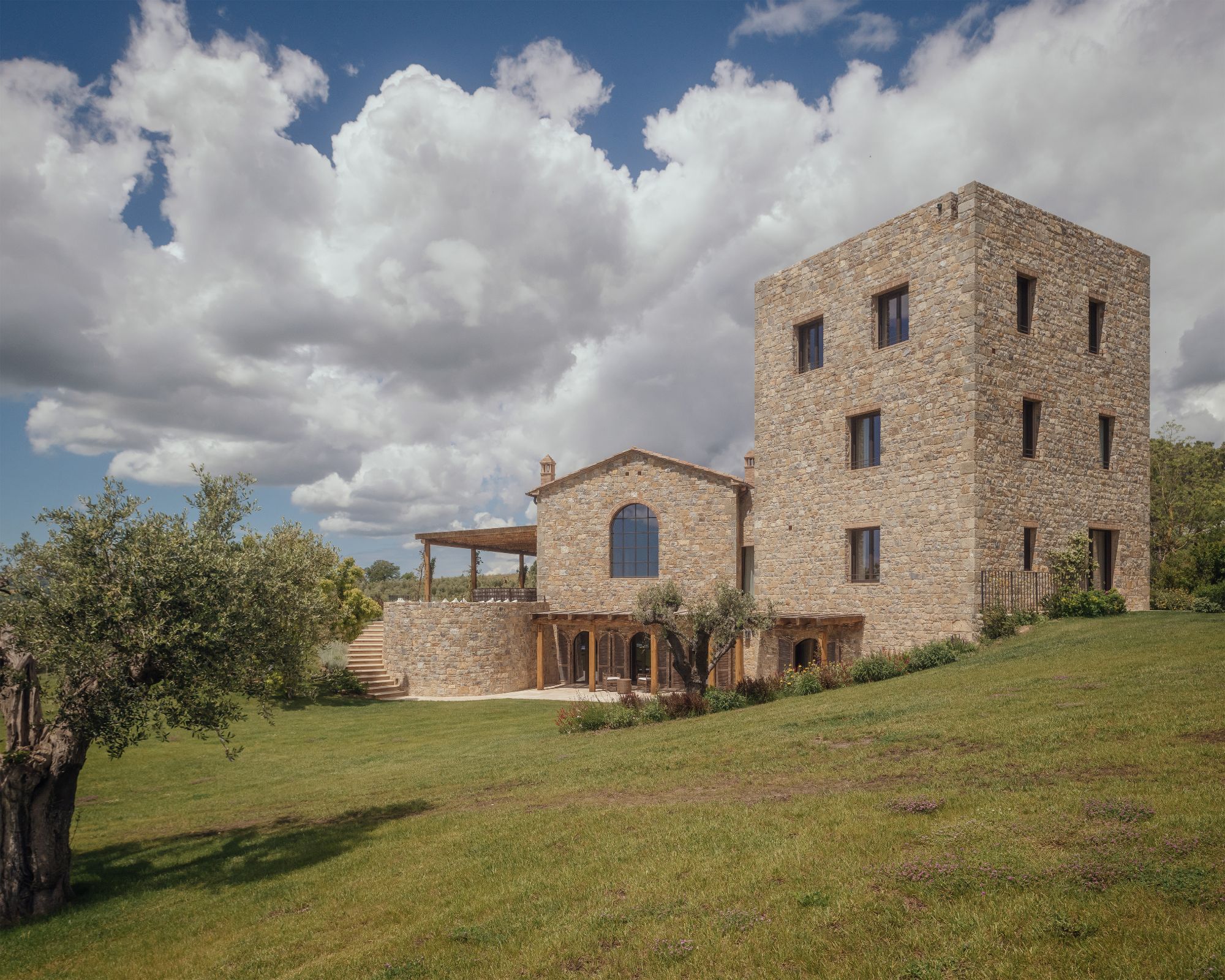
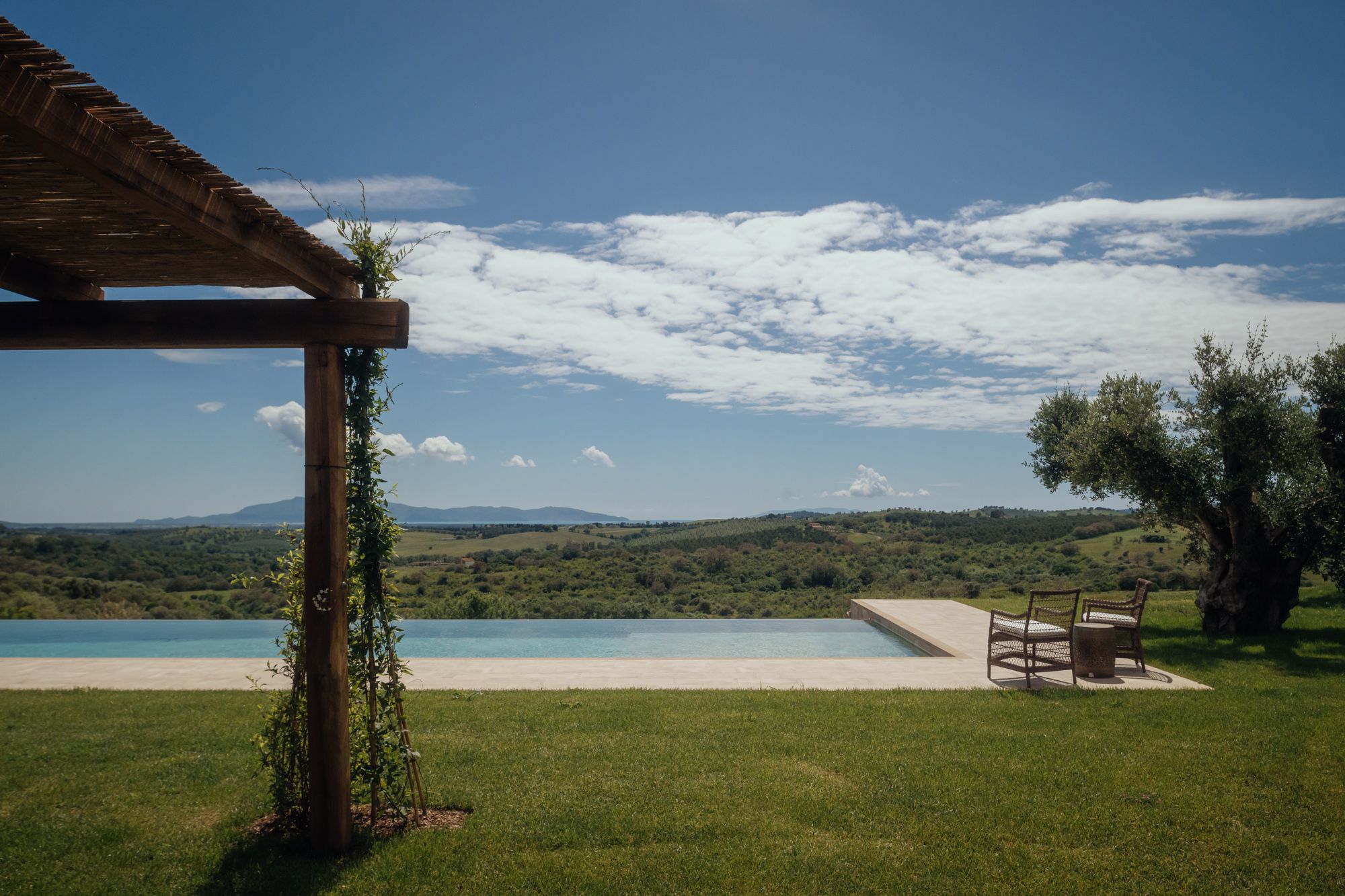
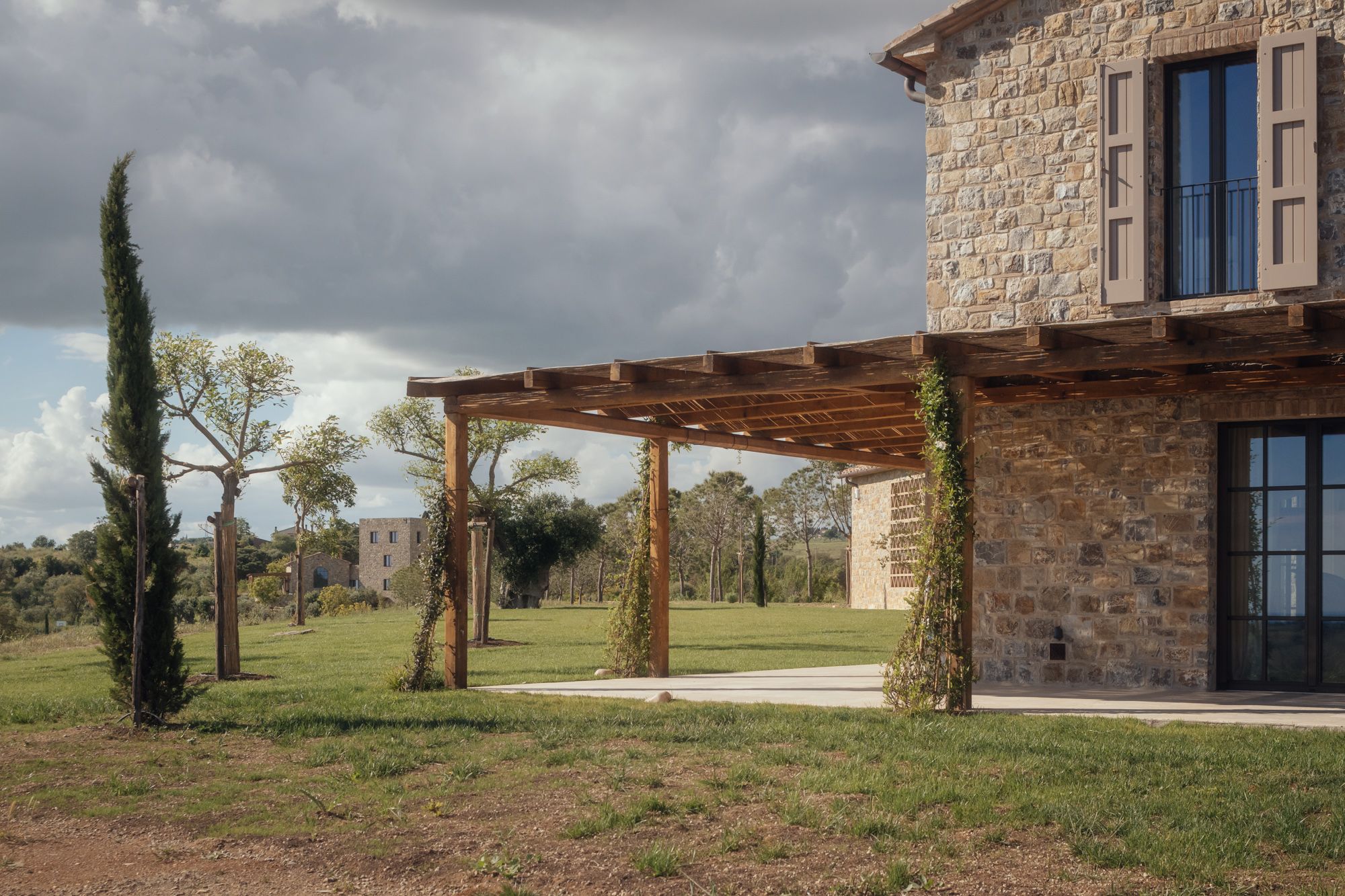
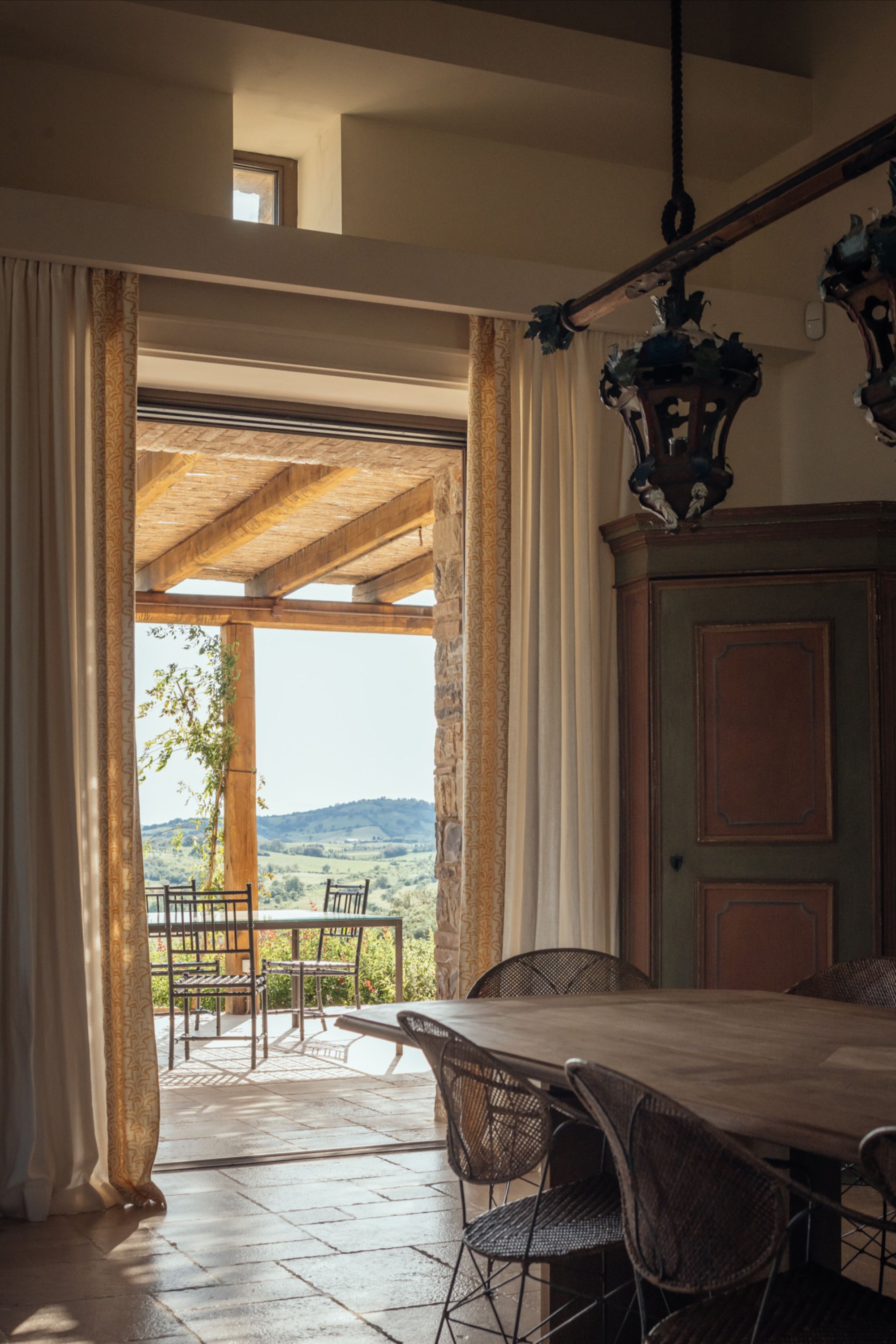
Across all three buildings, Ercolina has eleven bedrooms with en-suite bathrooms, two spacious kitchens, indoor and outdoor lounge areas, as well as an infinity pool, a tennis court, and a tasting room. Throughout the property, covered terraces, loggias, outdoor living spaces and al fresco dining areas connect the residents and guests to the breathtaking landscape.
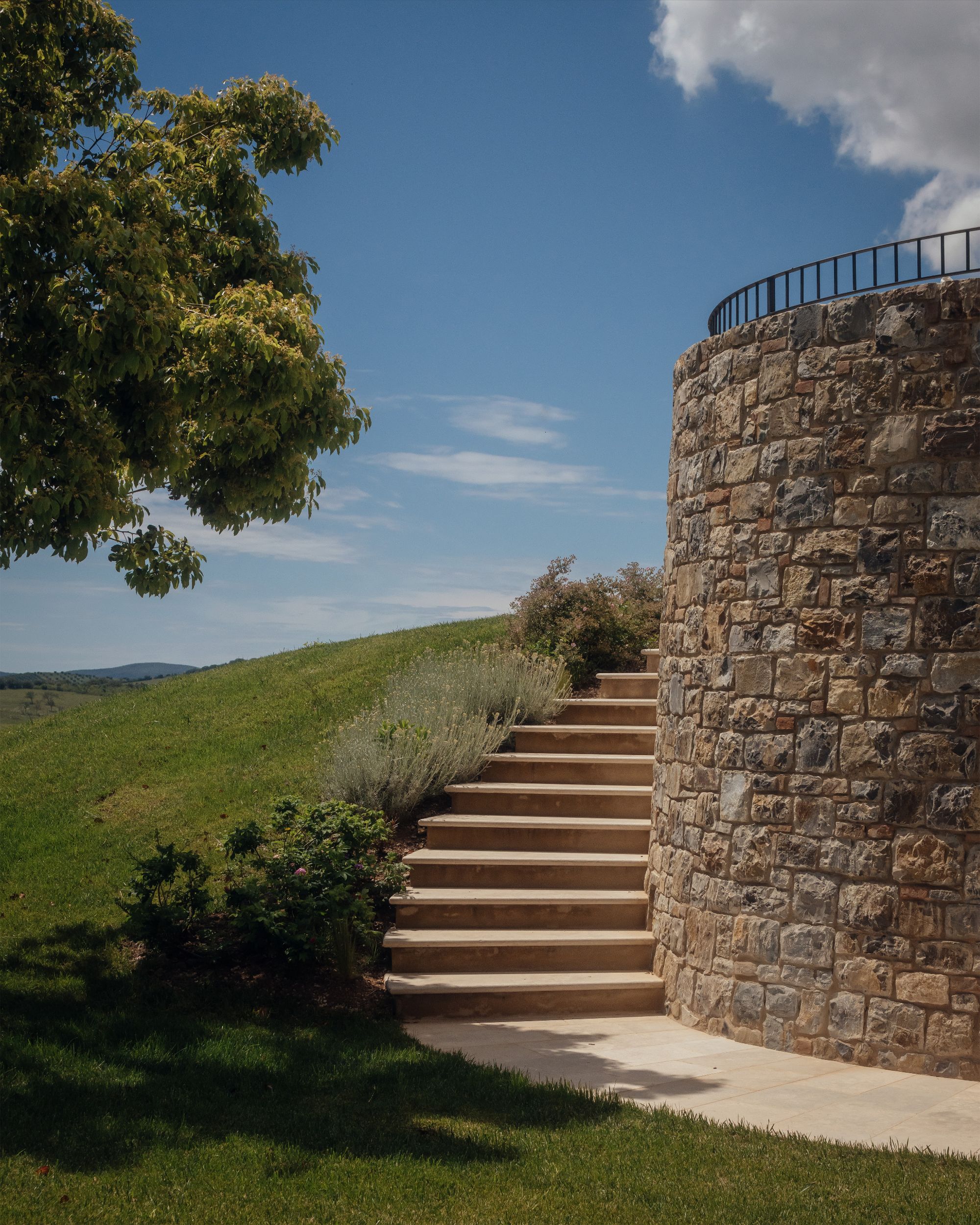
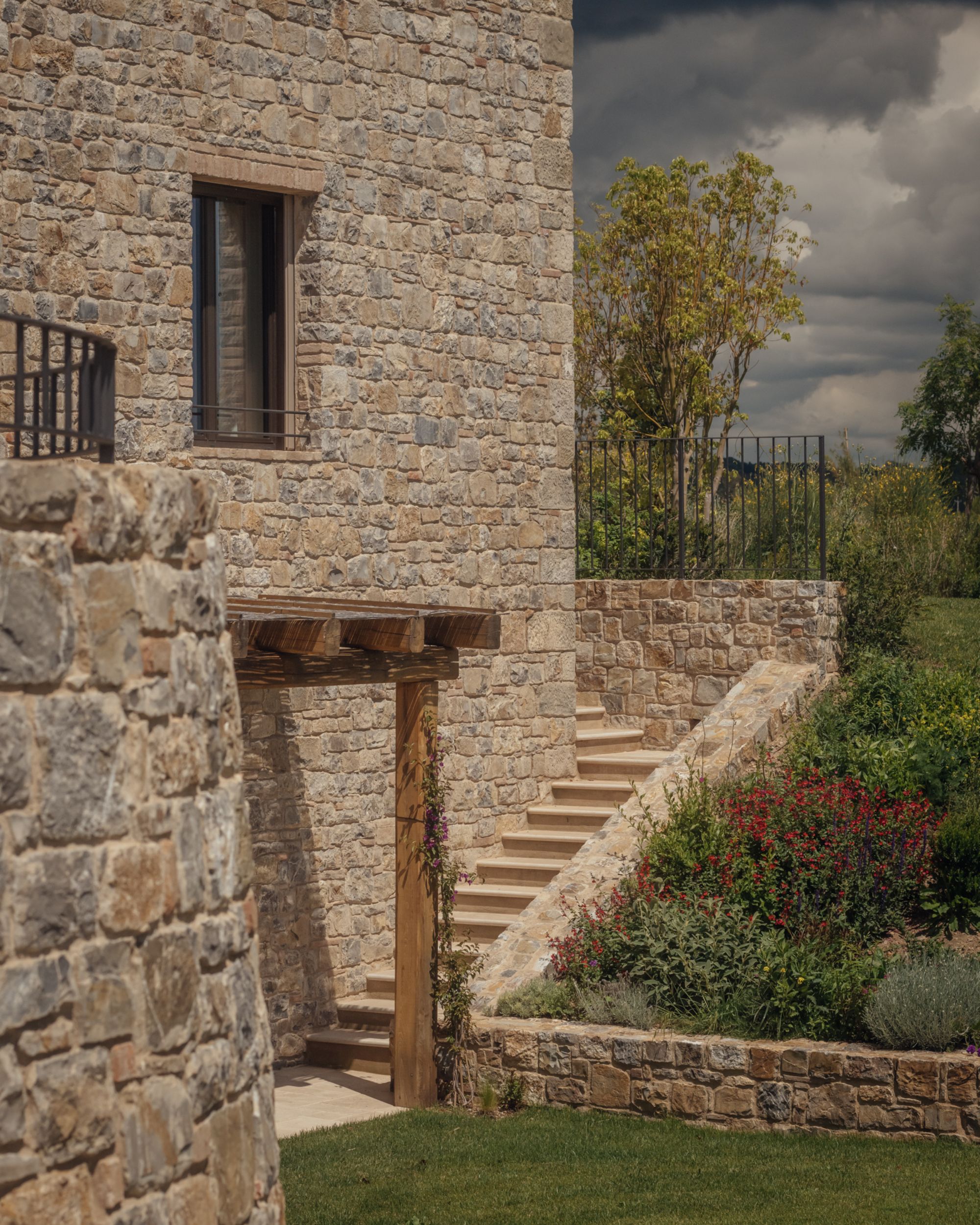
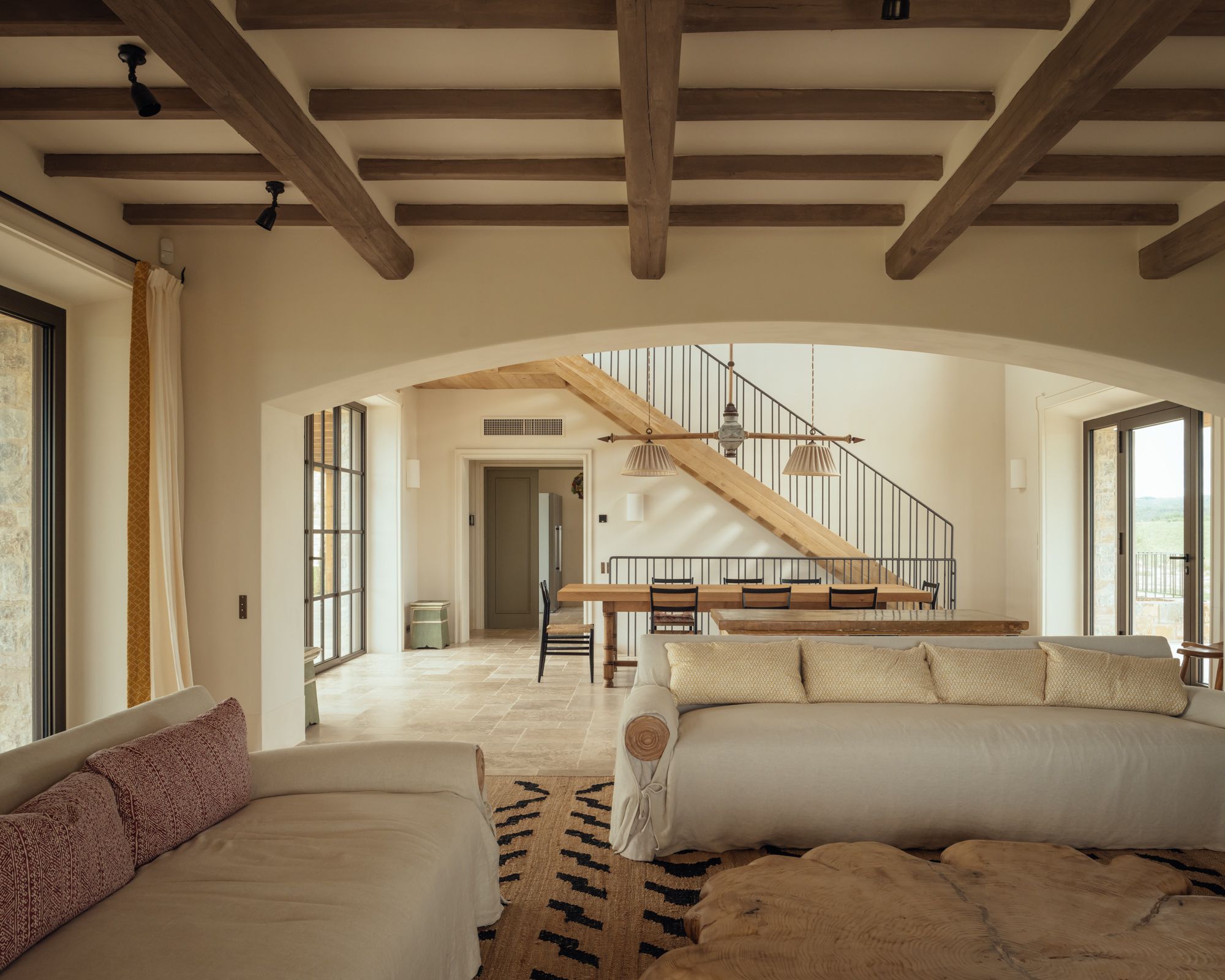
In terms of materials, McLean Quinlan looked to Tuscany for inspiration. Apart from stone sourced from the site, the team also used terracotta for the roofs, Italian tiles, and other locally sourced materials. The studio worked with Tommaso Ziffer in collaboration with Studio GAA Architects and, later on, Spanish interior design studio Casa Muñoz to create the warm yet modern interiors. Landscape and garden designers, Gaia Chaillet Giusti and Stefano Baccari, collaborated with the studio to ensure that the outdoor areas not only complement and anchor the architecture, but also reinforce the relationship between the estate and Tuscany’s vineyard- and olive tree-covered hills. Photography© Jim Stephenson.