Search






Didea and Airbnb turn an early‑20th‑century ruin into a compact three‑level home—perforated steel stairs, lime‑and‑earth finishes, and light that moves through the core.
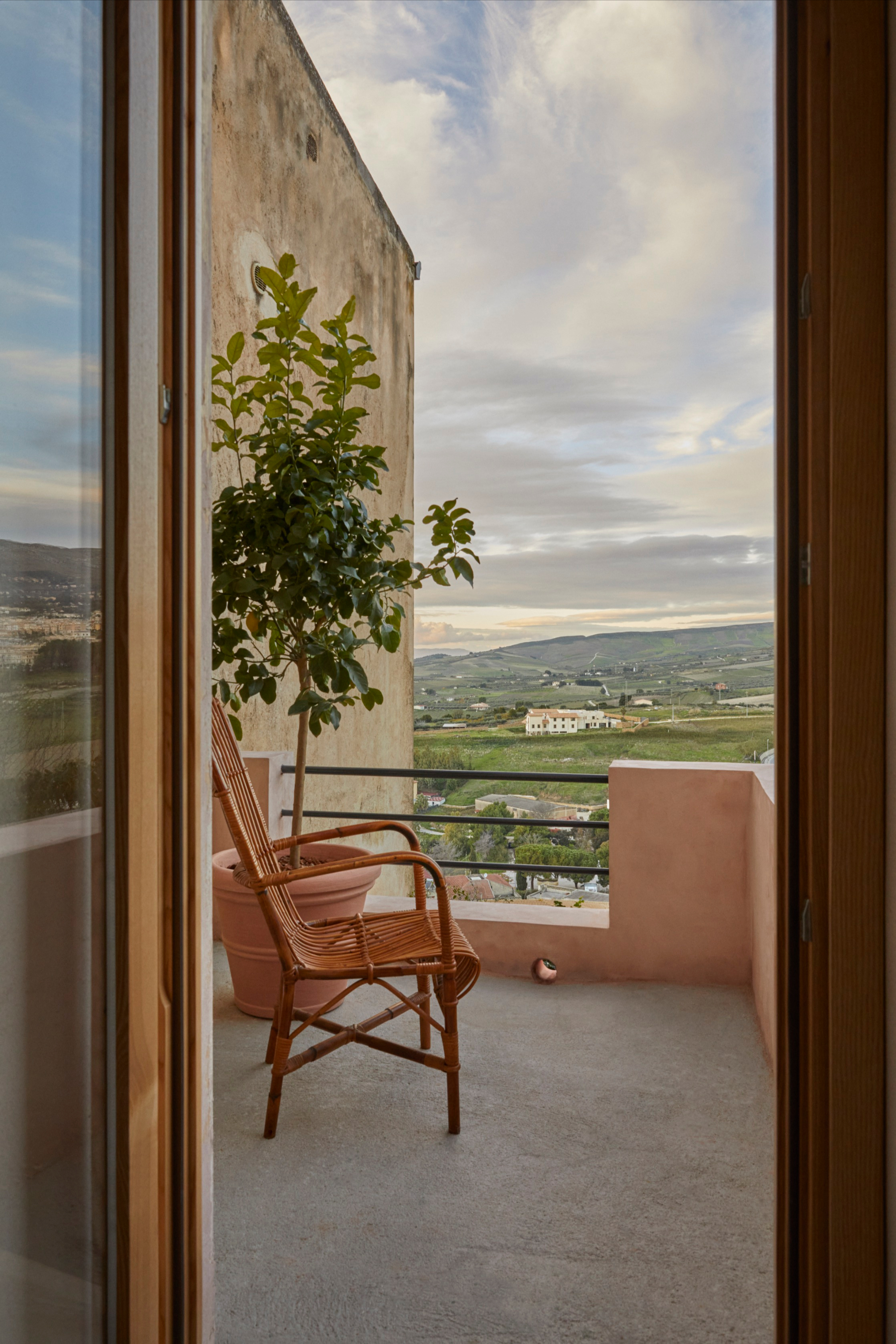
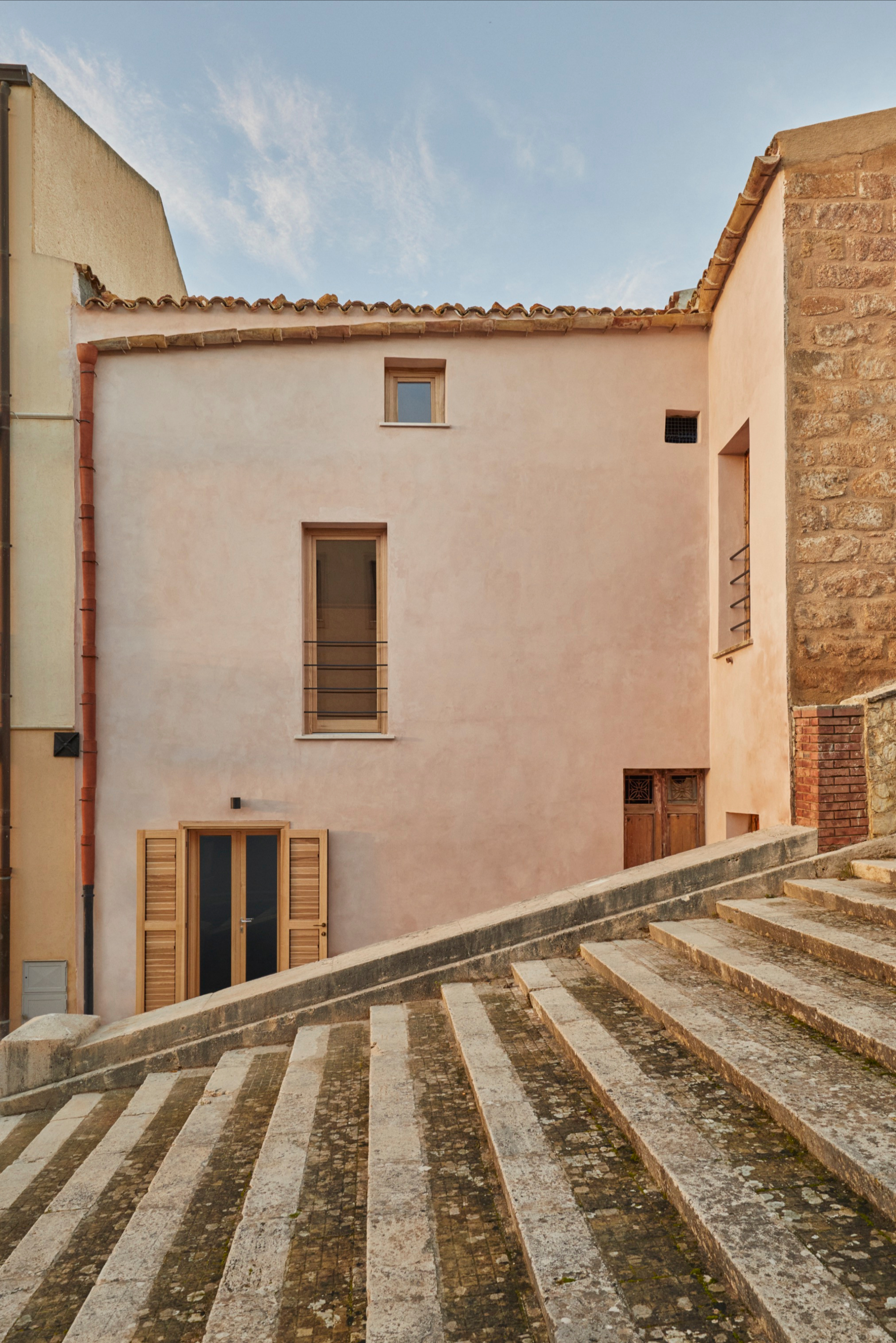
In the hill town of Sambuca di Sicilia, Italy, a crumbling stone house gets a second life without losing its place in the street. Palermo‑based Didea, working with Airbnb’s “1 Euro House” initiative, stabilized the shell, rebuilt collapsed floors, and redrew the interior as a simple vertical sequence for living and hosting. The aim was practical: keep what carries the village’s character, bring in services and daylight, and make a home that works day to day. The project sits within the broader program to revive Sambuca’s abandoned properties; Didea’s renovation—roughly 135 m², completed in 2022—shows how a symbolic purchase becomes a usable, generous space when the plan is disciplined and the materials are honest.
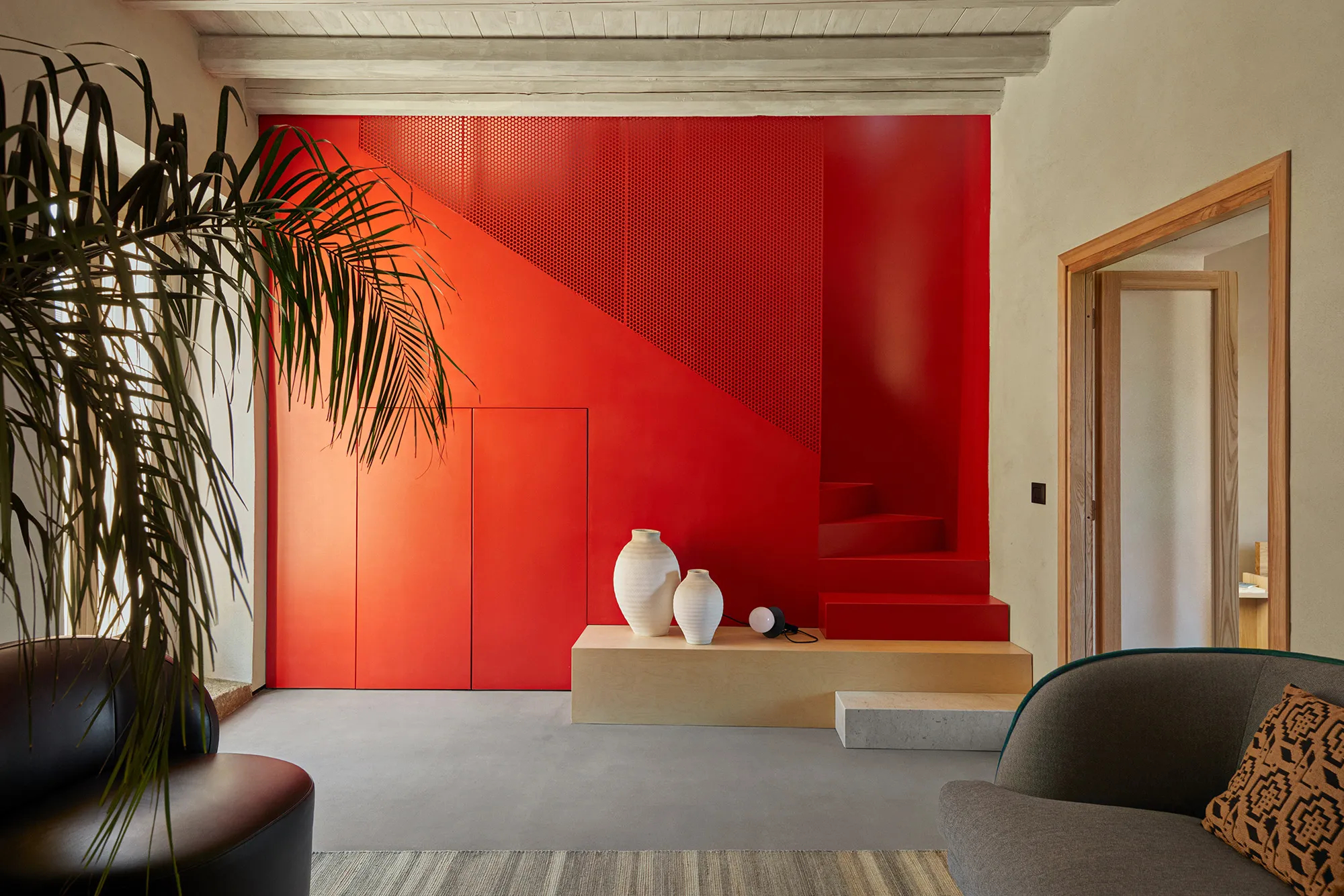
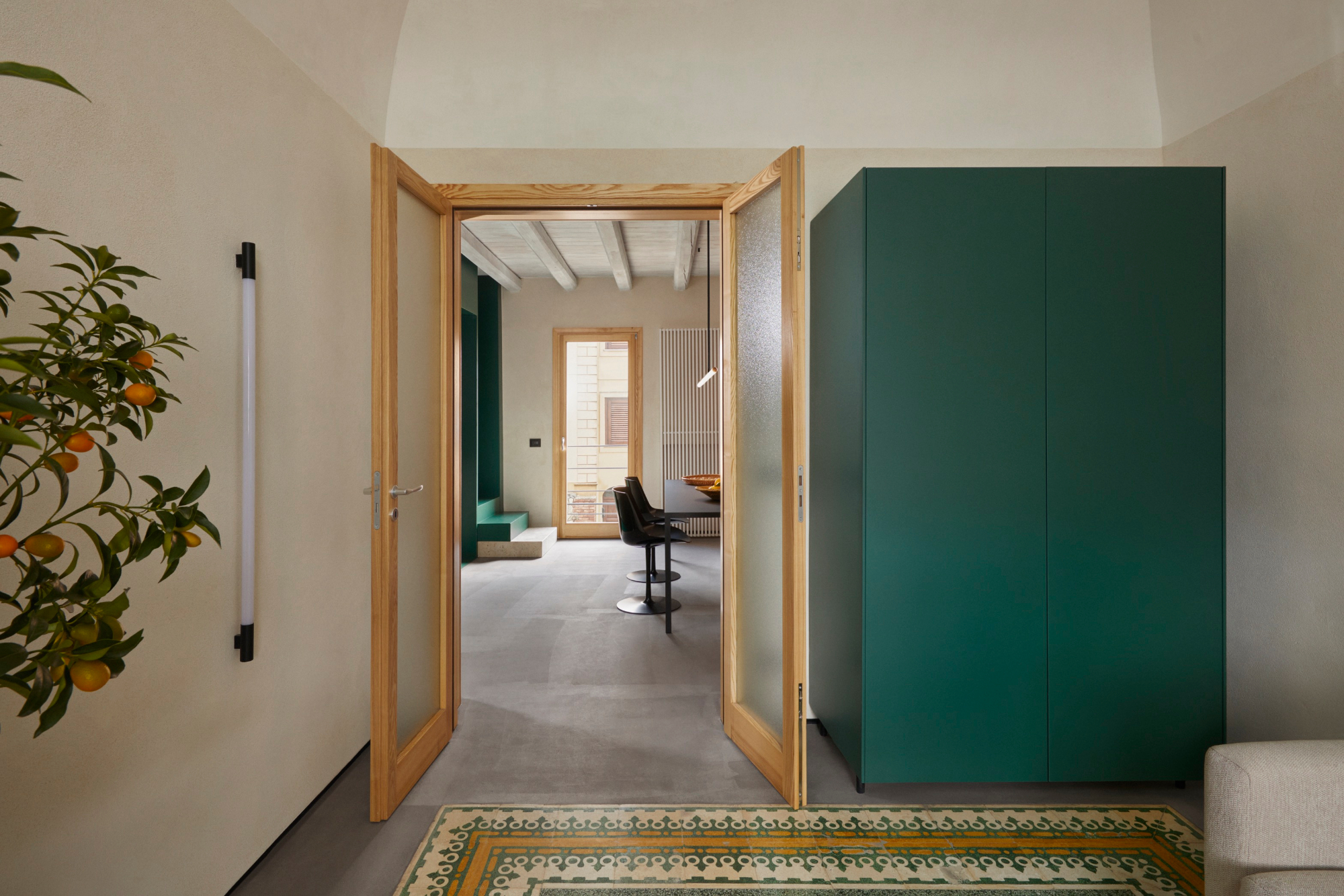
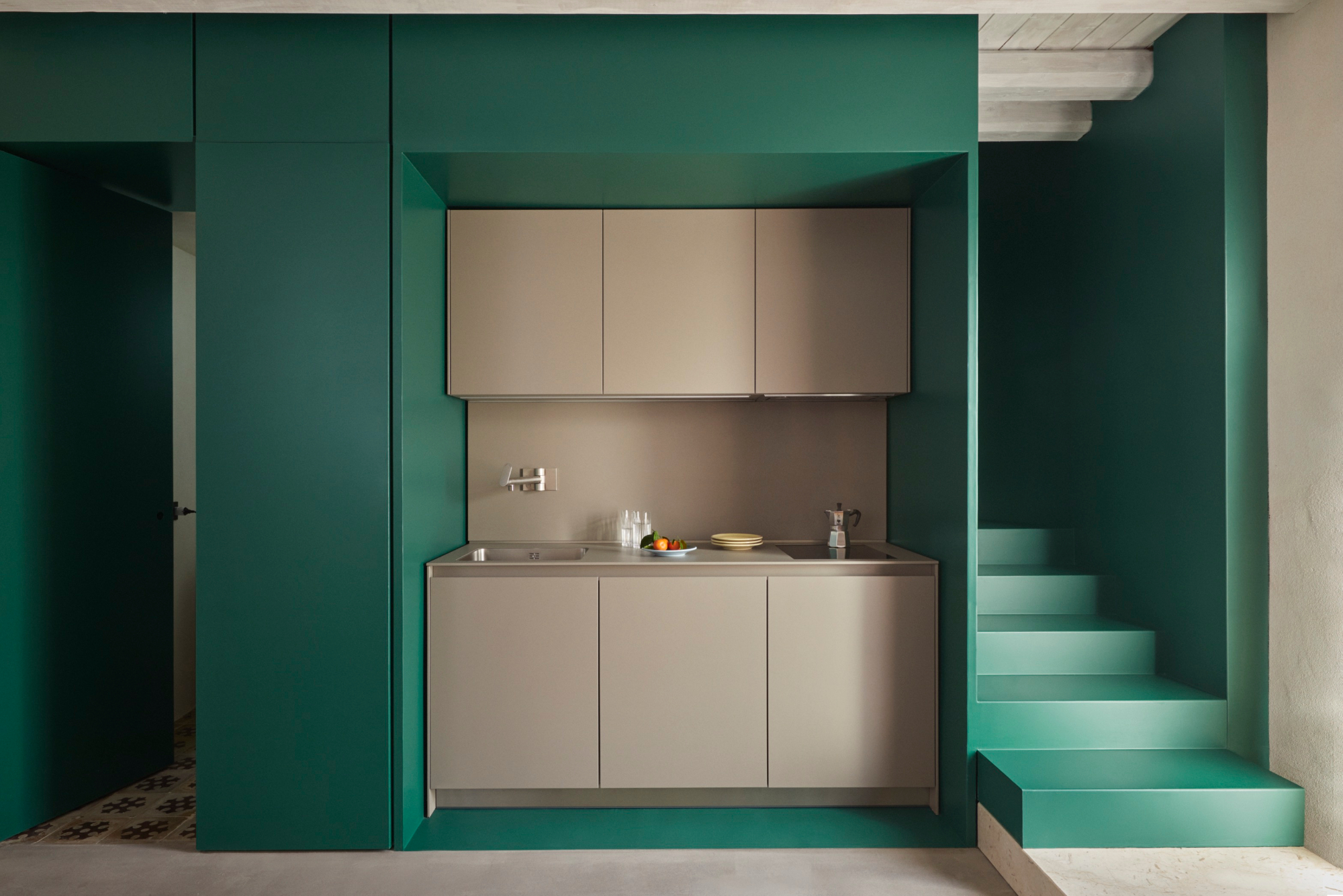
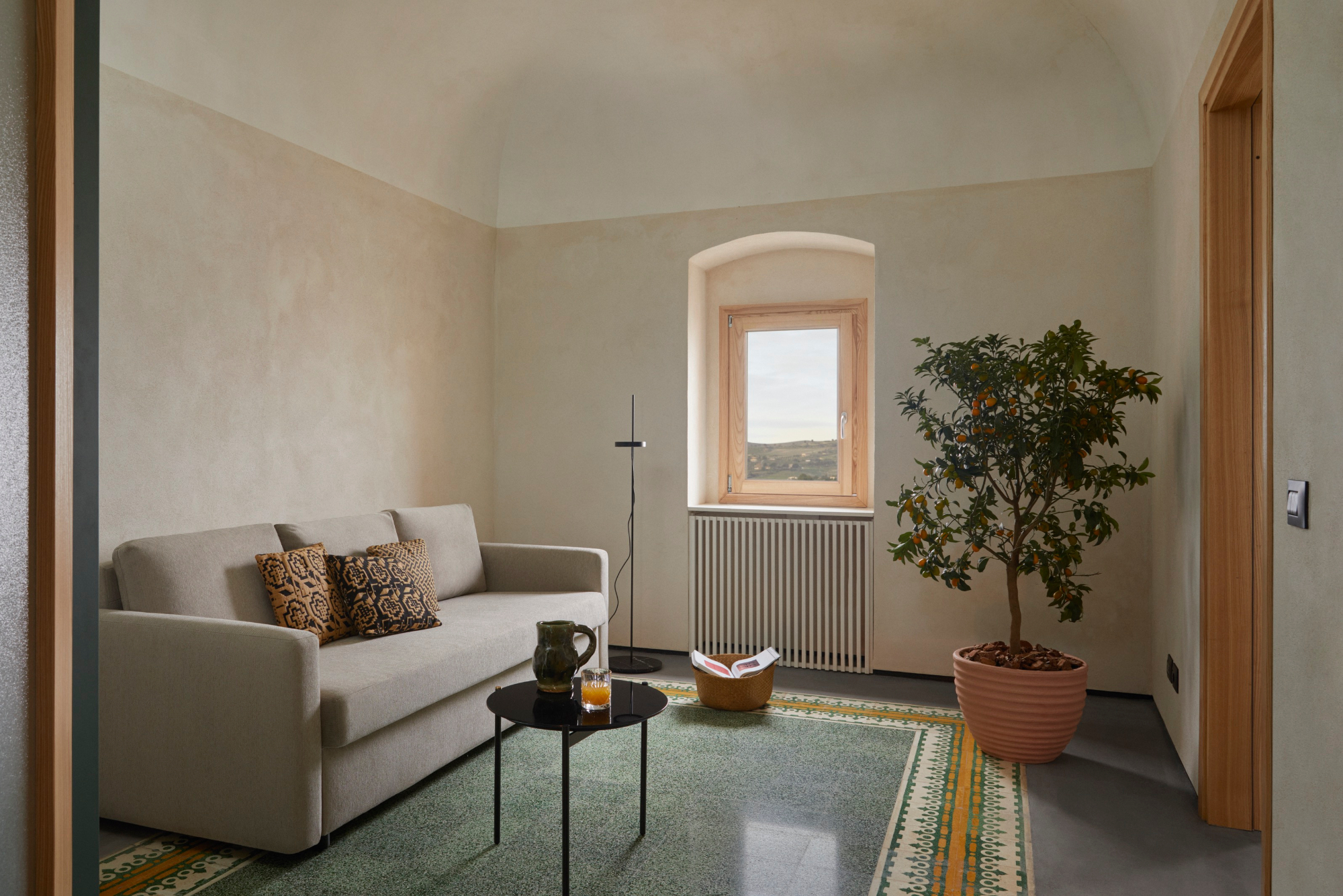
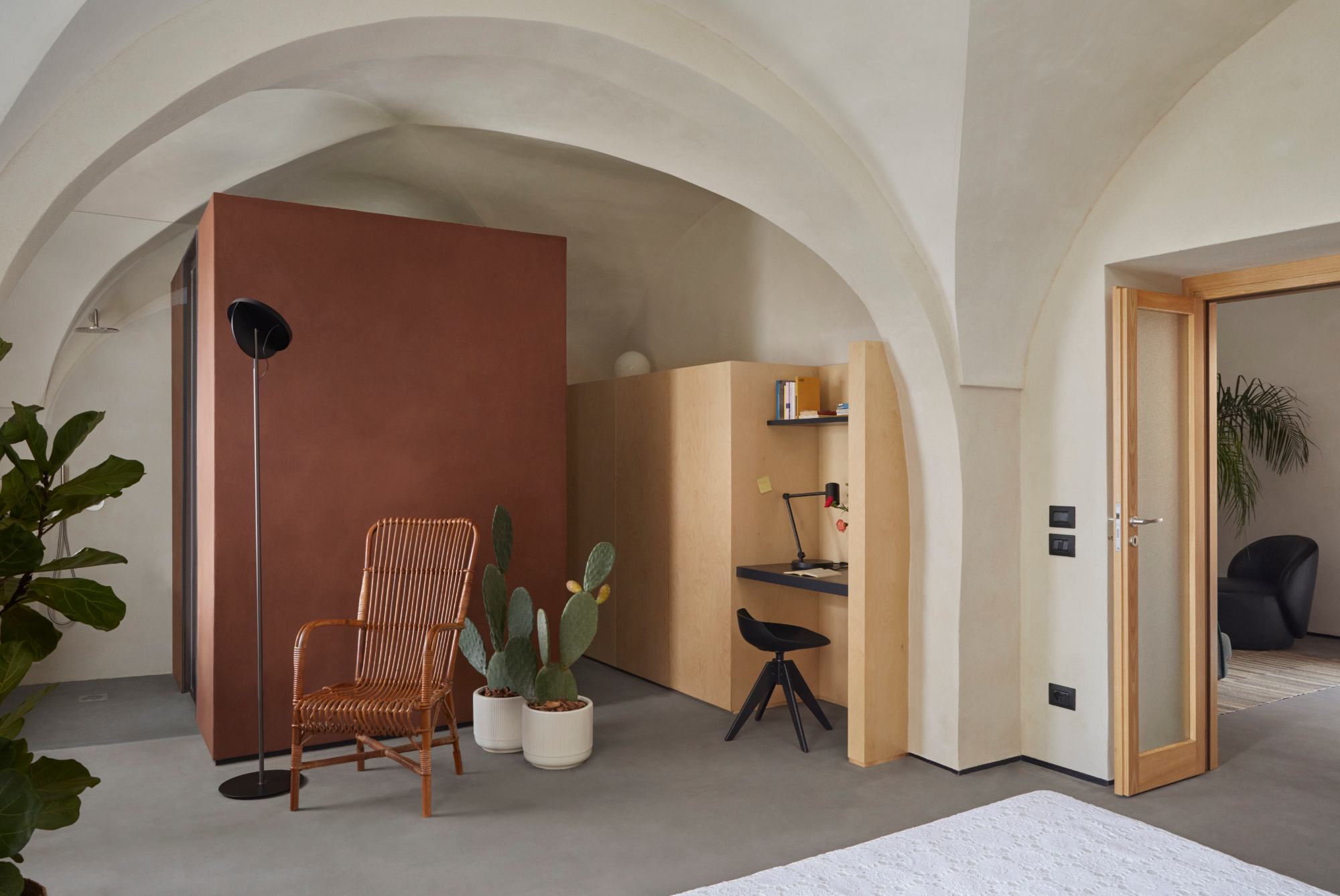
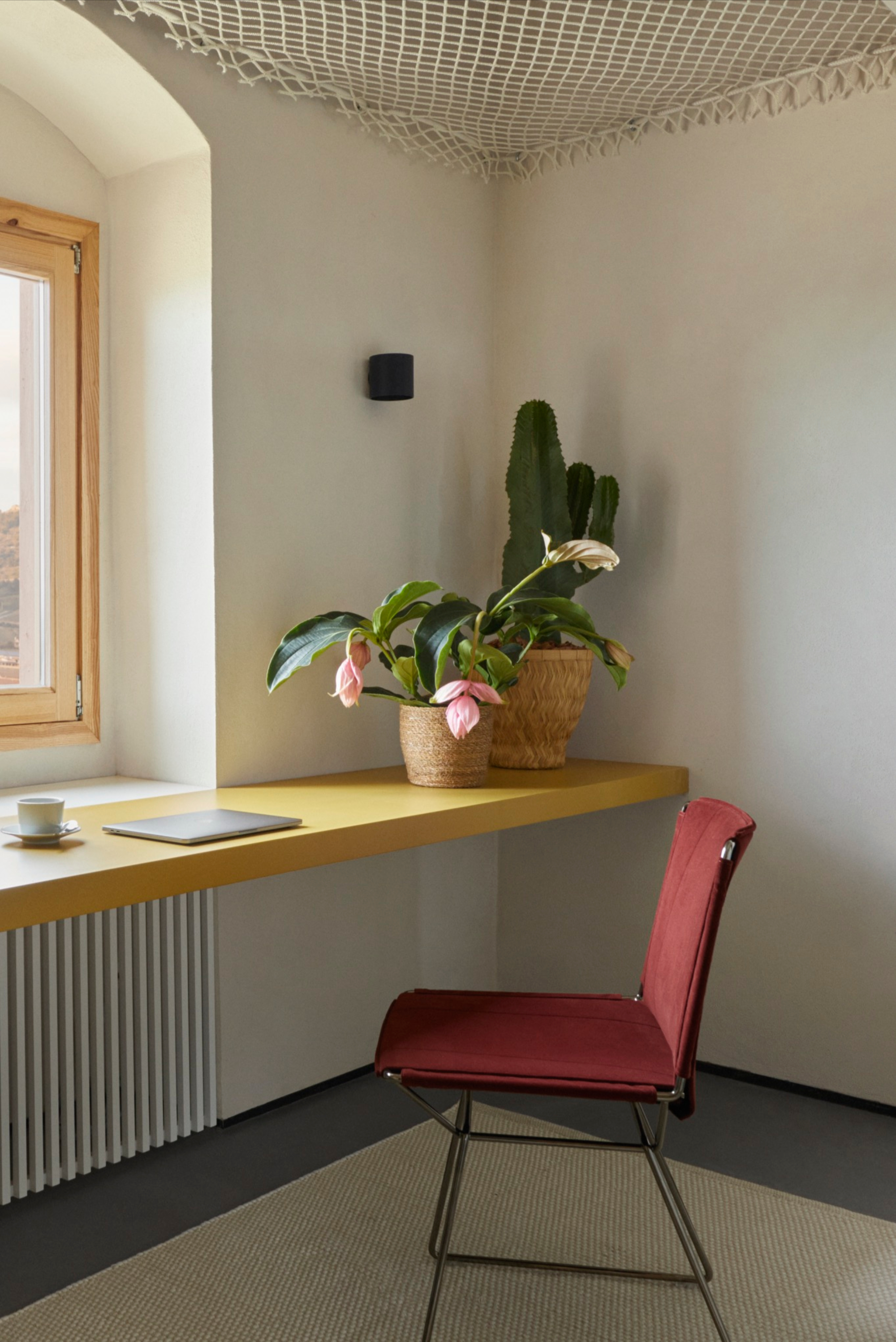
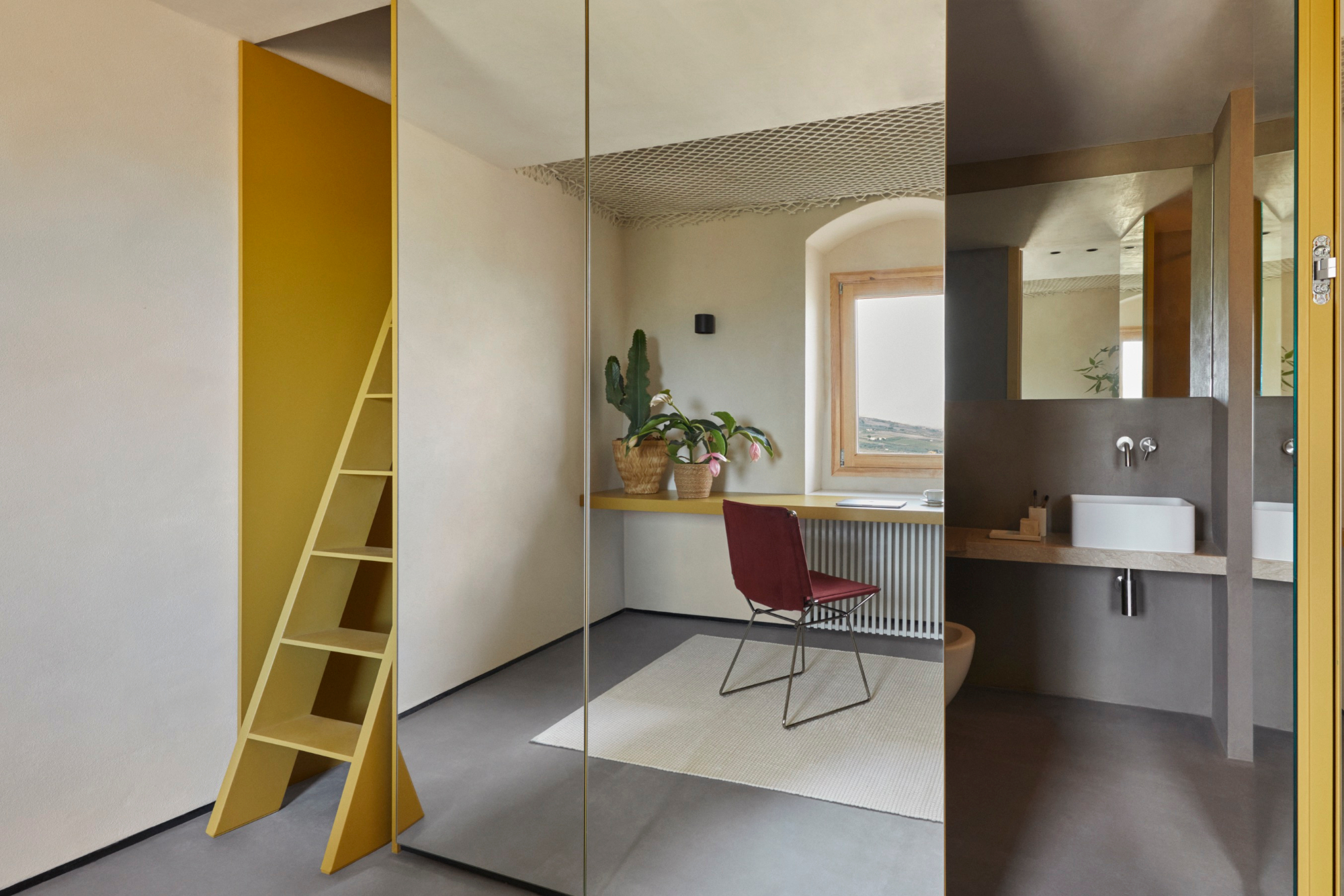
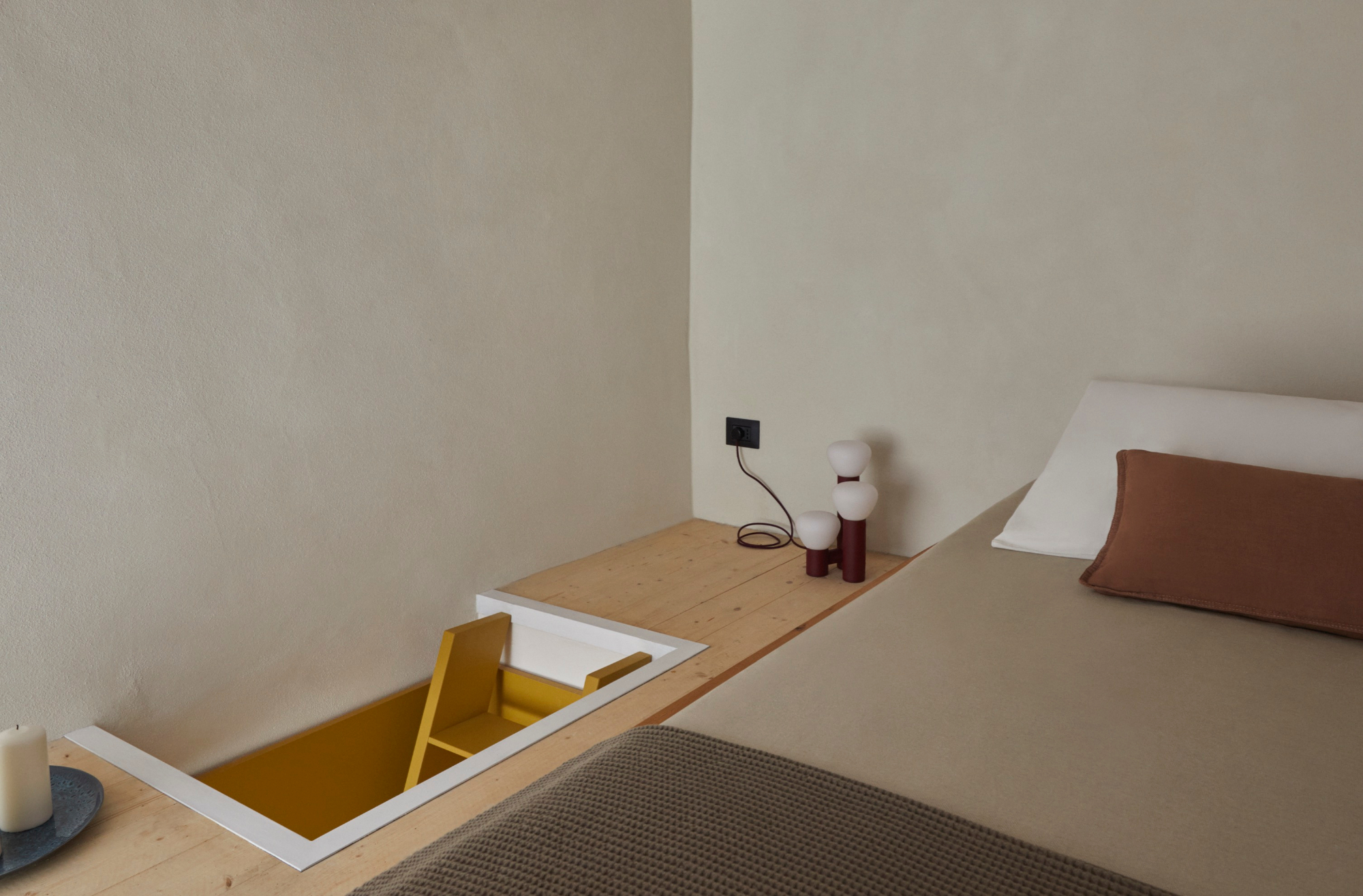
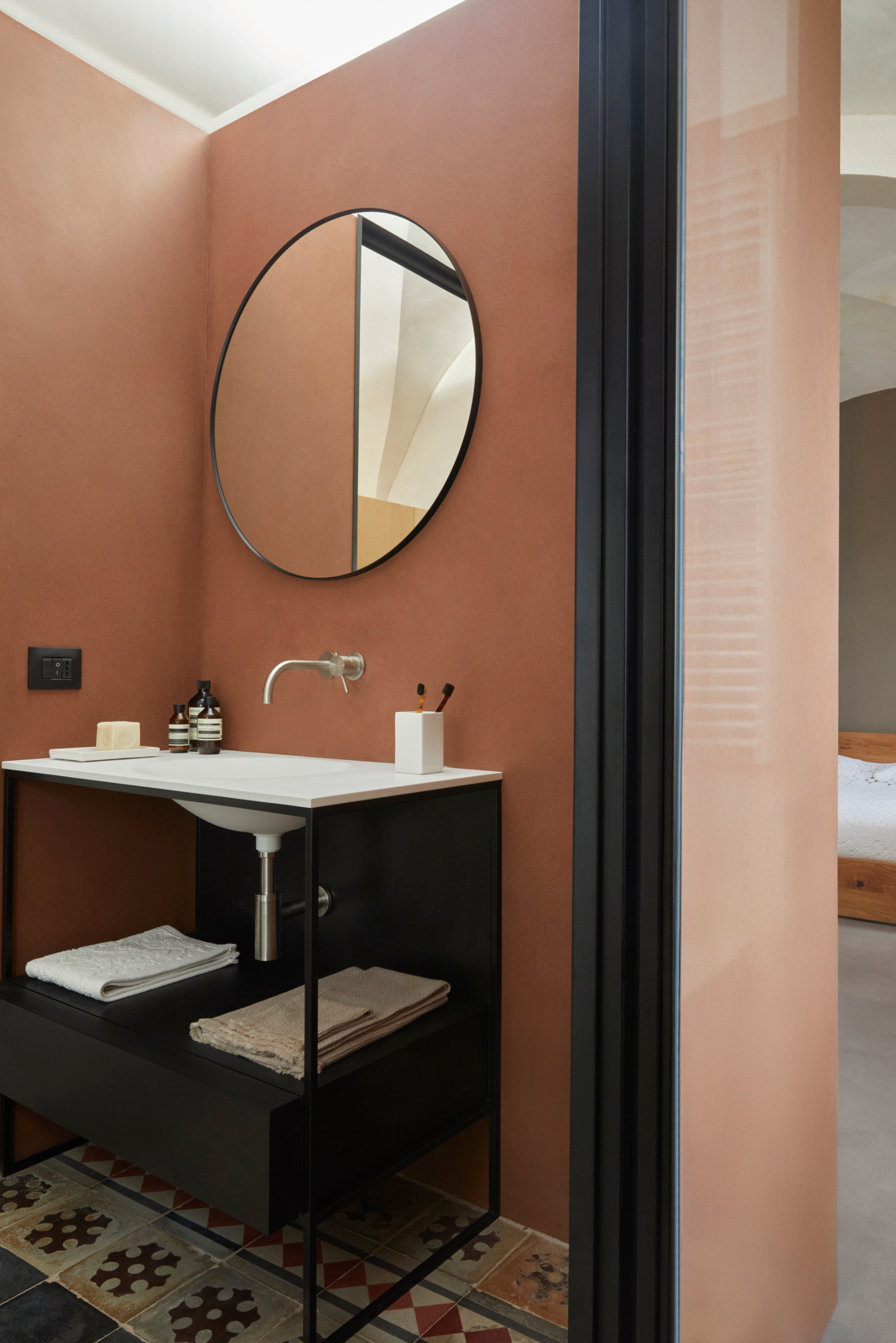
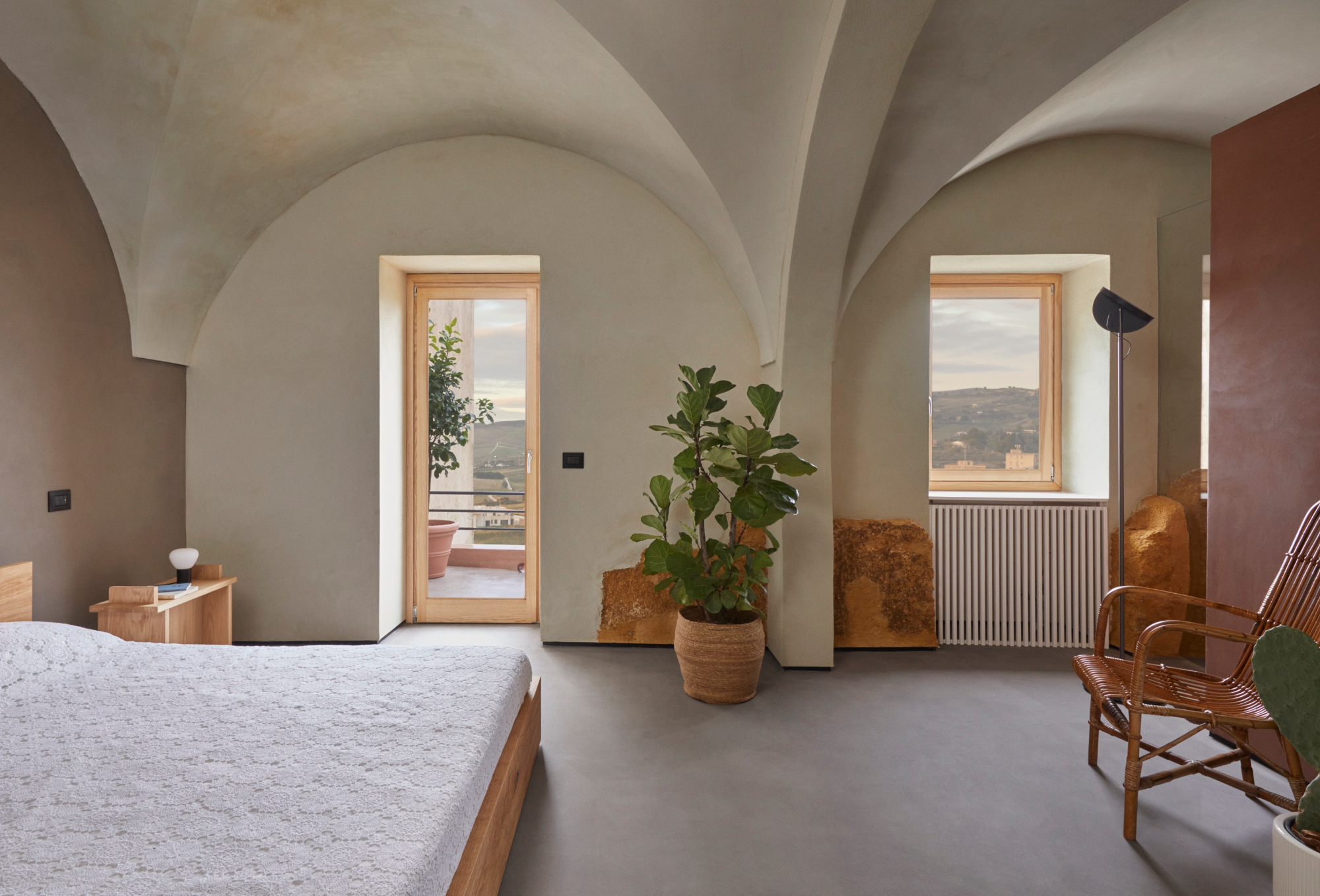
Inside, two perforated steel staircases—one red, one green—thread the house from street level to the top floor. They read like slim towers of light: treads and risers cast shifting patterns across walls and floors, and the color hits are grounded in the Sicilian landscape outside. Translucent interior doors keep rooms connected without glare; original fabric—vaulted ceilings, masonry—holds the texture of the place. Finishes are breathable and tactile: lime plaster and raw‑earth coatings (Matteo Brioni’s TerraVista and TerraFloor) manage humidity and temperature while keeping surfaces matte and calm. Much of the furniture is tailored to the rooms, built to the proportions Didea drew, so storage and seating feel integrated rather than added later.
Living here follows a clear rhythm. Morning light filters through the stair perforations; by afternoon, the pattern slides across the floors and up the walls. Tight landings open to compact rooms where you cook, read, or step out to catch the breeze. The house is small, but the moves are confident—color where it directs you, texture where your hands land, and materials that age well. As Didea’s Nicola Andò puts it, “Restoring what already exists is, in itself, an act of sustainability,” and you feel that in the way the old shell and the new insertions work together.