Search






On the coast of Sokn, a historic stone boathouse is rebuilt for contemporary use, balancing endurance with economy.
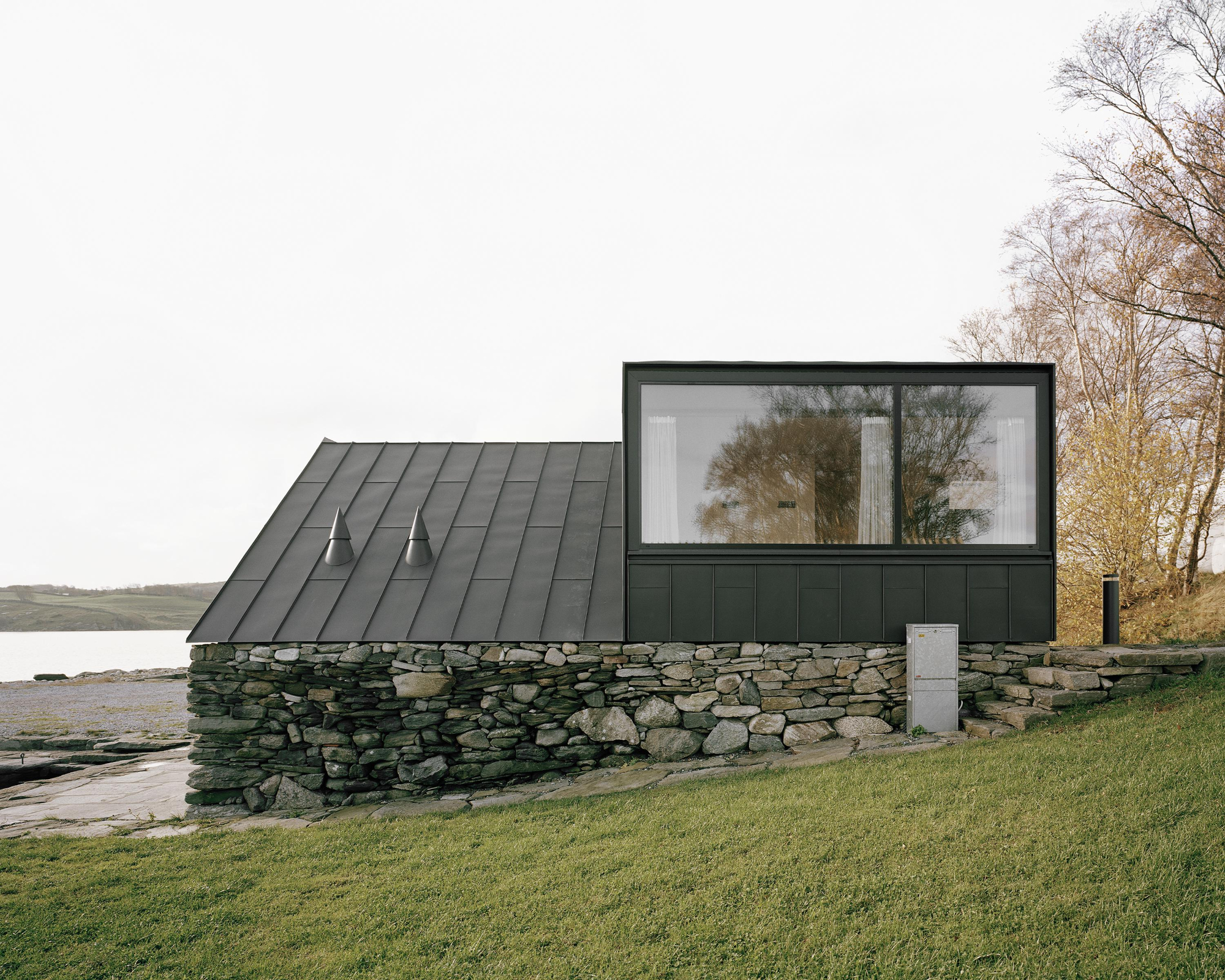
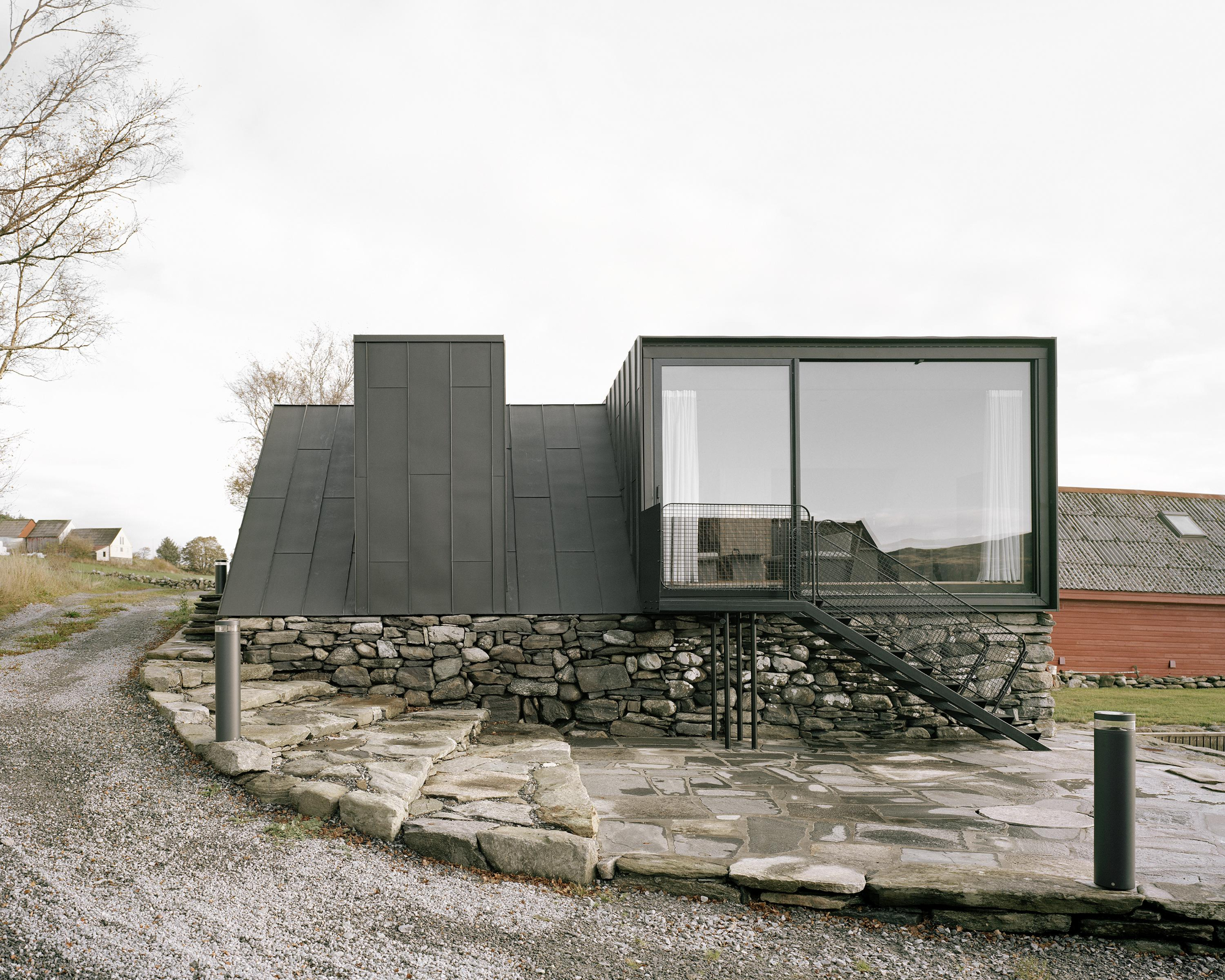
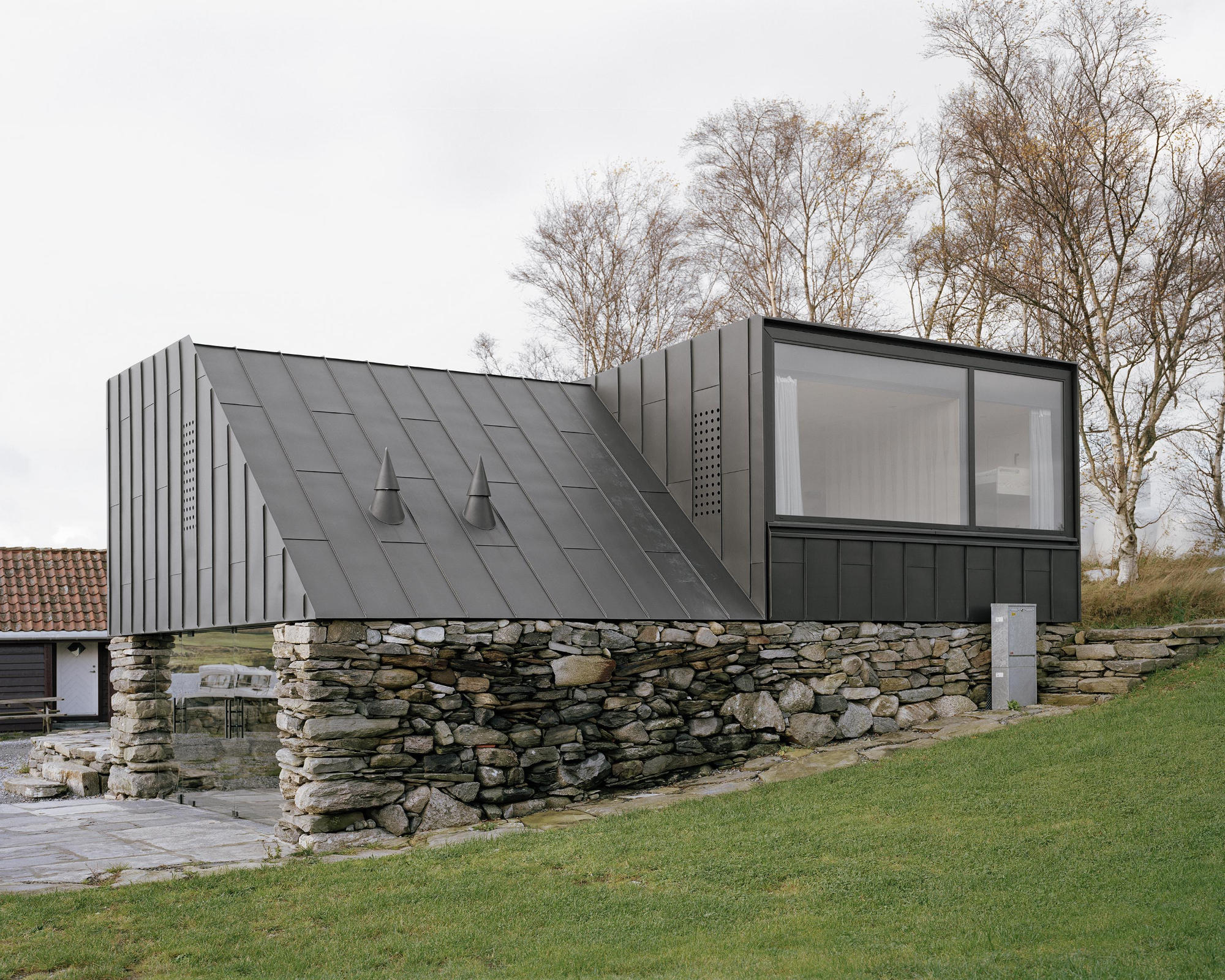
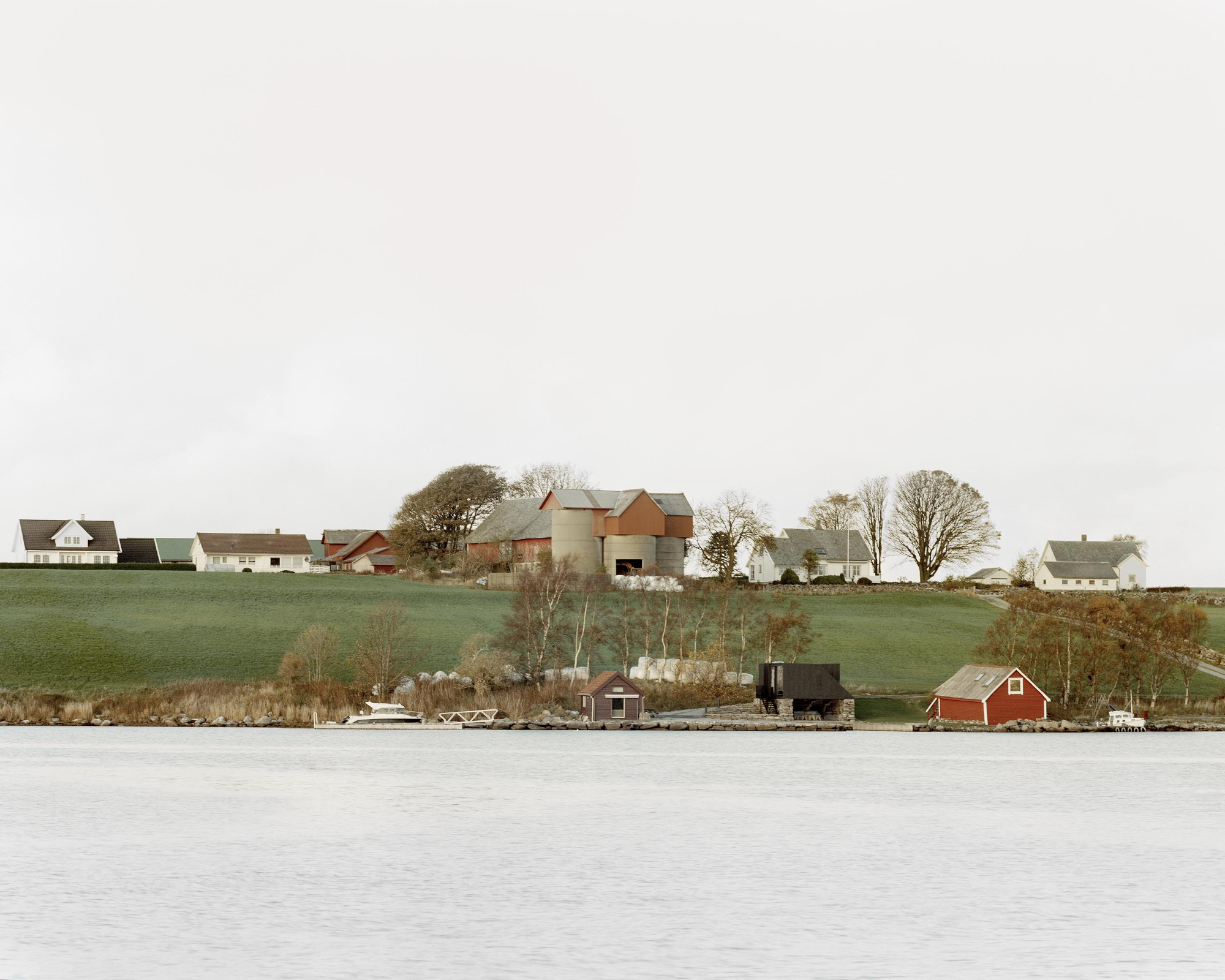
This project began with a 200-year-old stone structure, set just back from the shoreline on a foundation of locally gathered moraine stone. The original dry-laid walls were restored rather than replaced, their shape and tone still echoing the landscape around them. Architect Espen Surnevik was asked to rework the building into a holiday home while retaining the traditional utility of the ground floor. The new superstructure sits on top of the repaired base, following the same low roof pitch and tight footprint as its predecessor. There are no overhangs, no extensions. The shape holds close to the region’s vernacular boathouses, shaped by wind, tide, and climate.
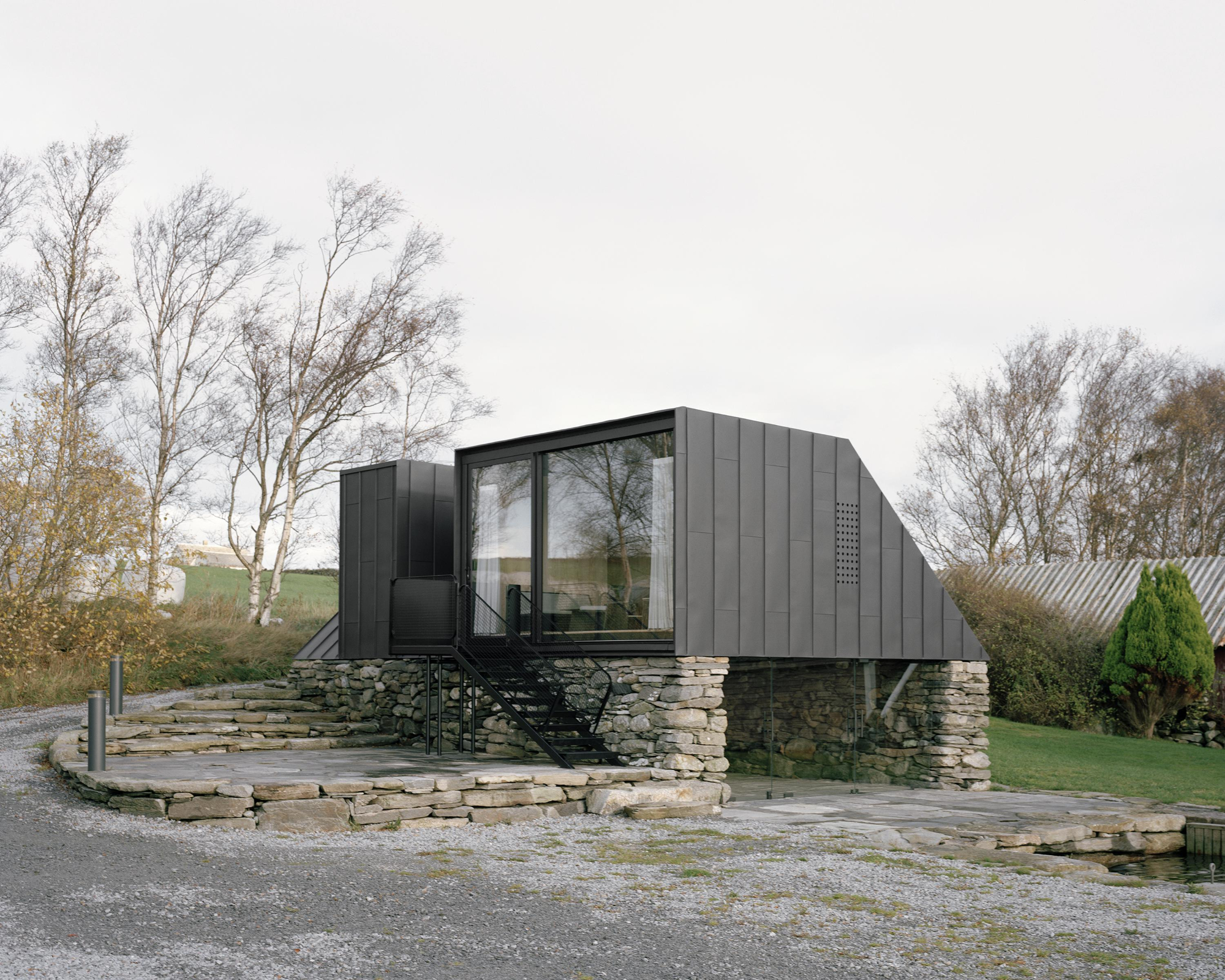
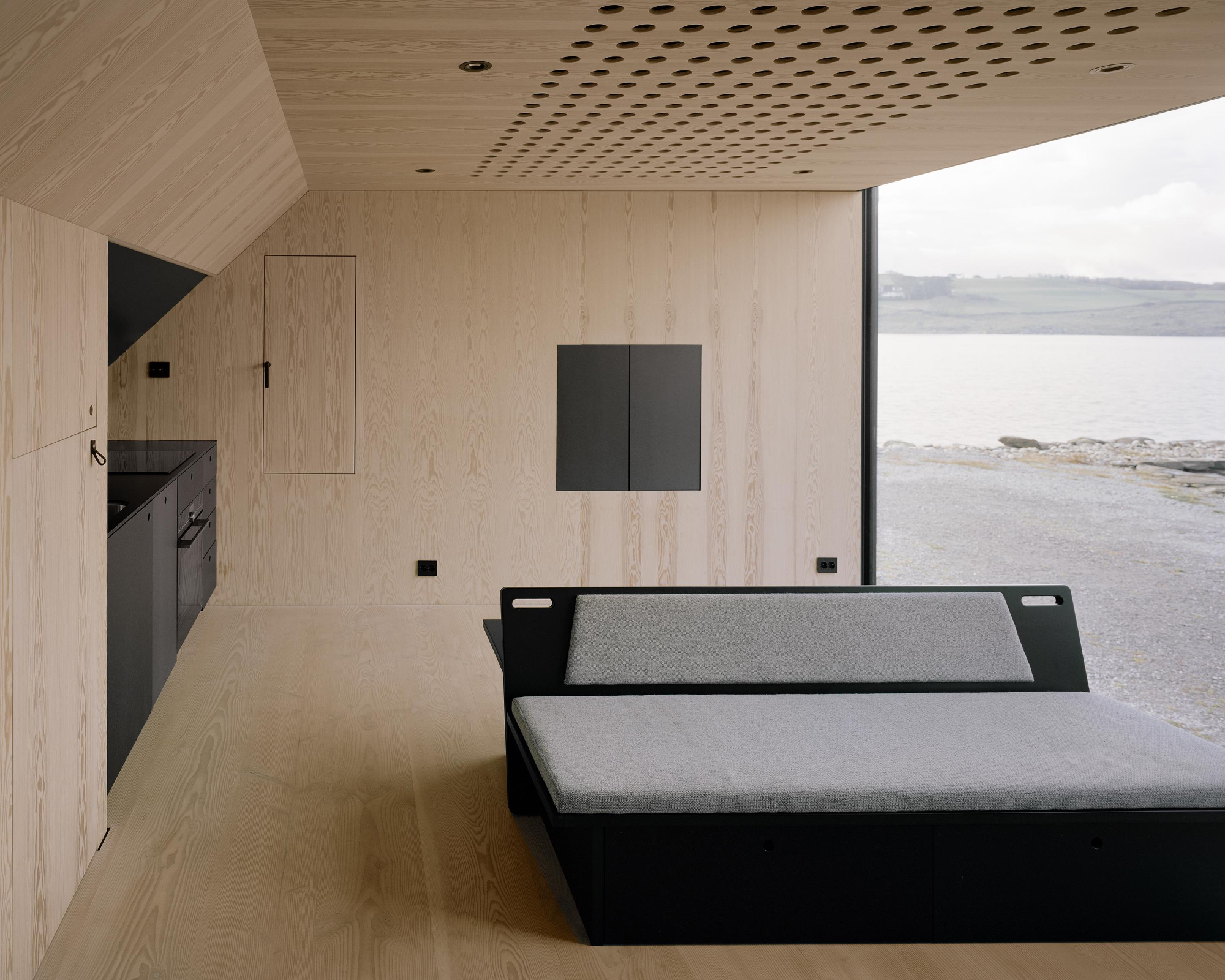
The cladding is oxidized zinc—dark, matte, and quietly reflective. It doesn’t aim to imitate the old timber siding but holds a similar tone and weight in the landscape. The interior is built primarily in spruce and pine. Simple spans, warm surfaces, and clean openings guide the layout. Furnishings were made for the project, using the same pine as the structure. Everything sits within a regular rhythm. Window placements follow the geometry of the walls and roof. There’s no ornament. The detailing is careful but restrained. Glazing, steel, and other contemporary components are used without apology. They don’t try to pass as traditional but work in parallel with the stone and wood.
Water is part of the architecture. The base level is designed to accept occasional flooding, with tolerances around doors and floor levels that let the tide in without damage. The walls continue to drain water from the hillside above. The construction is solid, but nothing about it is sealed off or overprotected. The result is a building that takes its place along the shoreline without pushing for attention. It’s built to last, but also built to be clear—about its materials, its purpose, and its place.
All photos by Rasmus Norlander