Search






A hundred-year-old dry stone cottage, transformed into a Passivhaus gem by a talented studio.
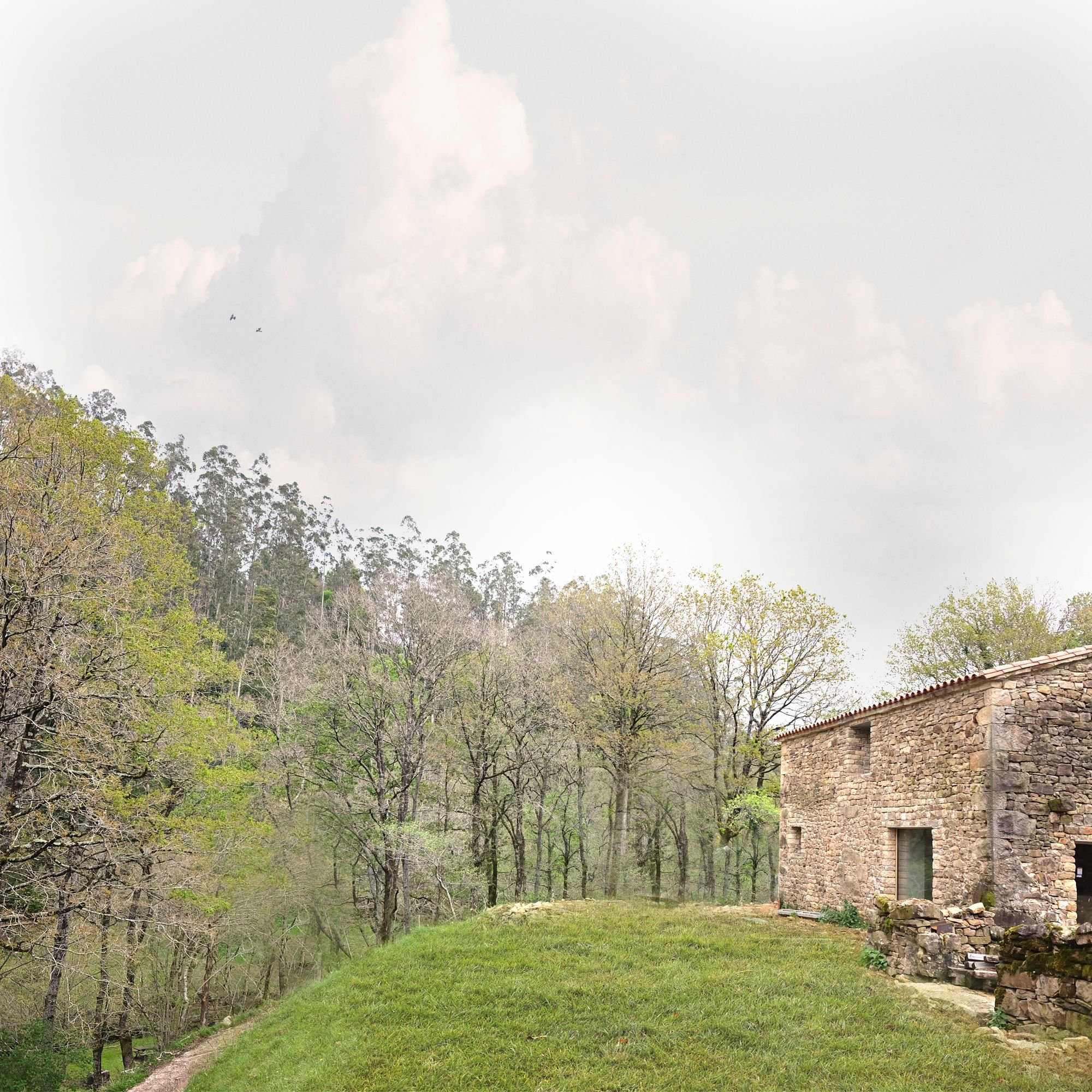
Located in the Valles Pasiegos region of northern Spain, Casa Mínima is a hundred-year-old traditional Pasiega cottage that has been thoughtfully brought up to Passivhaus standards and an EnerPHit certification by Madrid-based Estudio Mínima. The project stands as the studio’s architectural manifesto and “showroom” while providing a blueprint for the sustainable modernization of rustic architecture. If other studios might have preserved only the bare minimum from the original structure, Helena Aguilar and Juan Ramón Cristóbal of Estudio Mínima intentionally kept the entire envelope untouched. They opted for ingenious interventions that raise the building to modern standards without altering its identity.
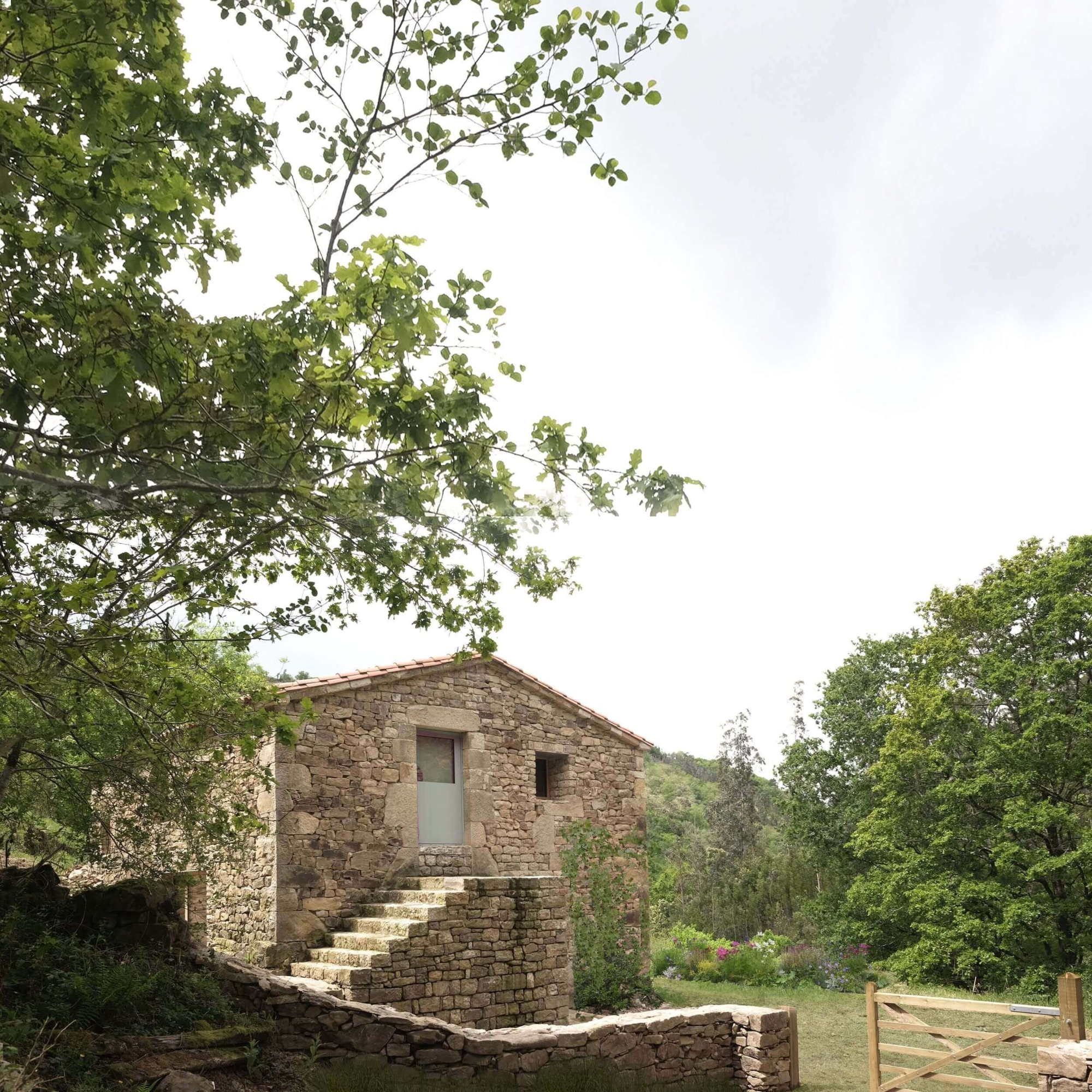
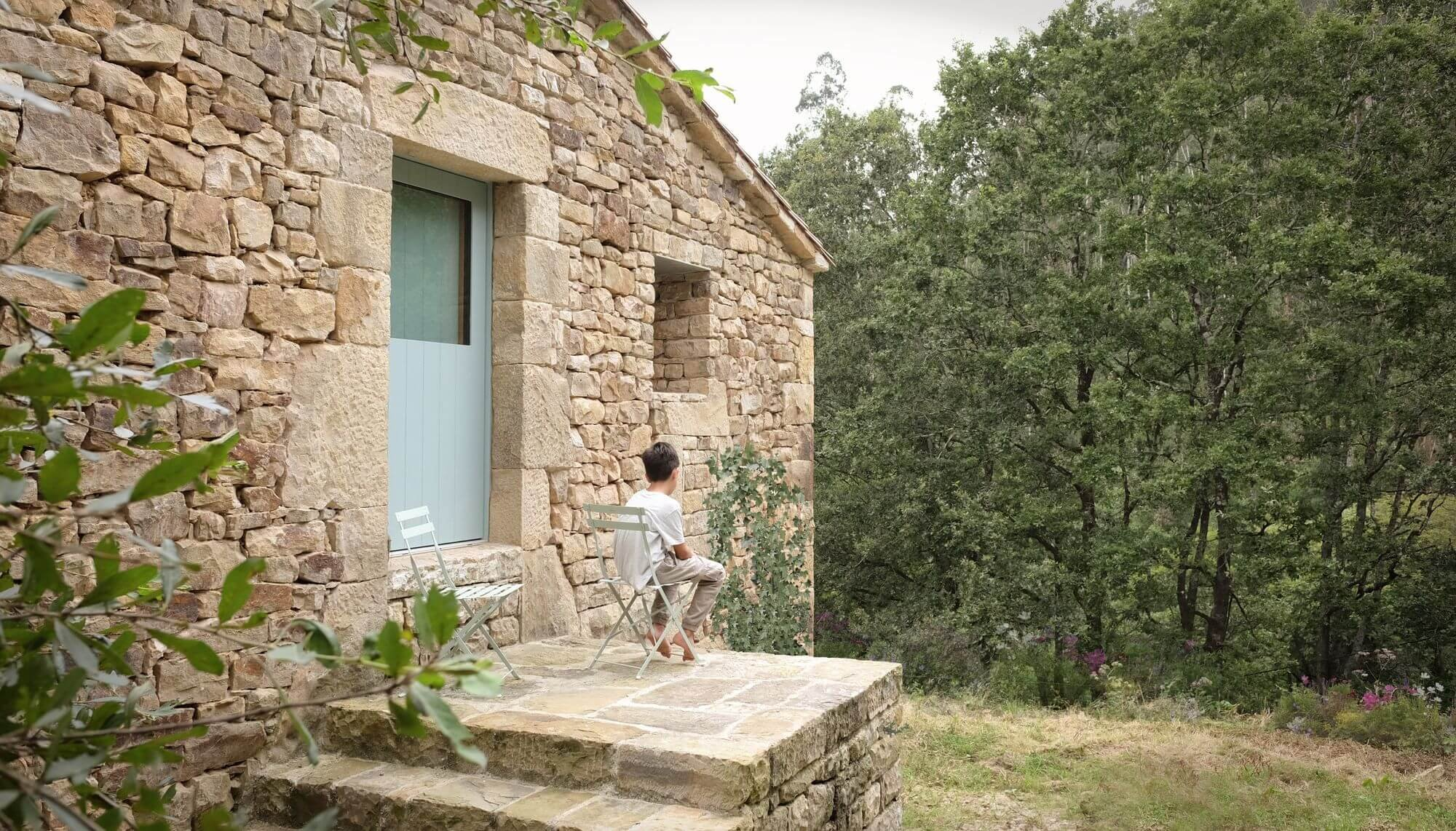
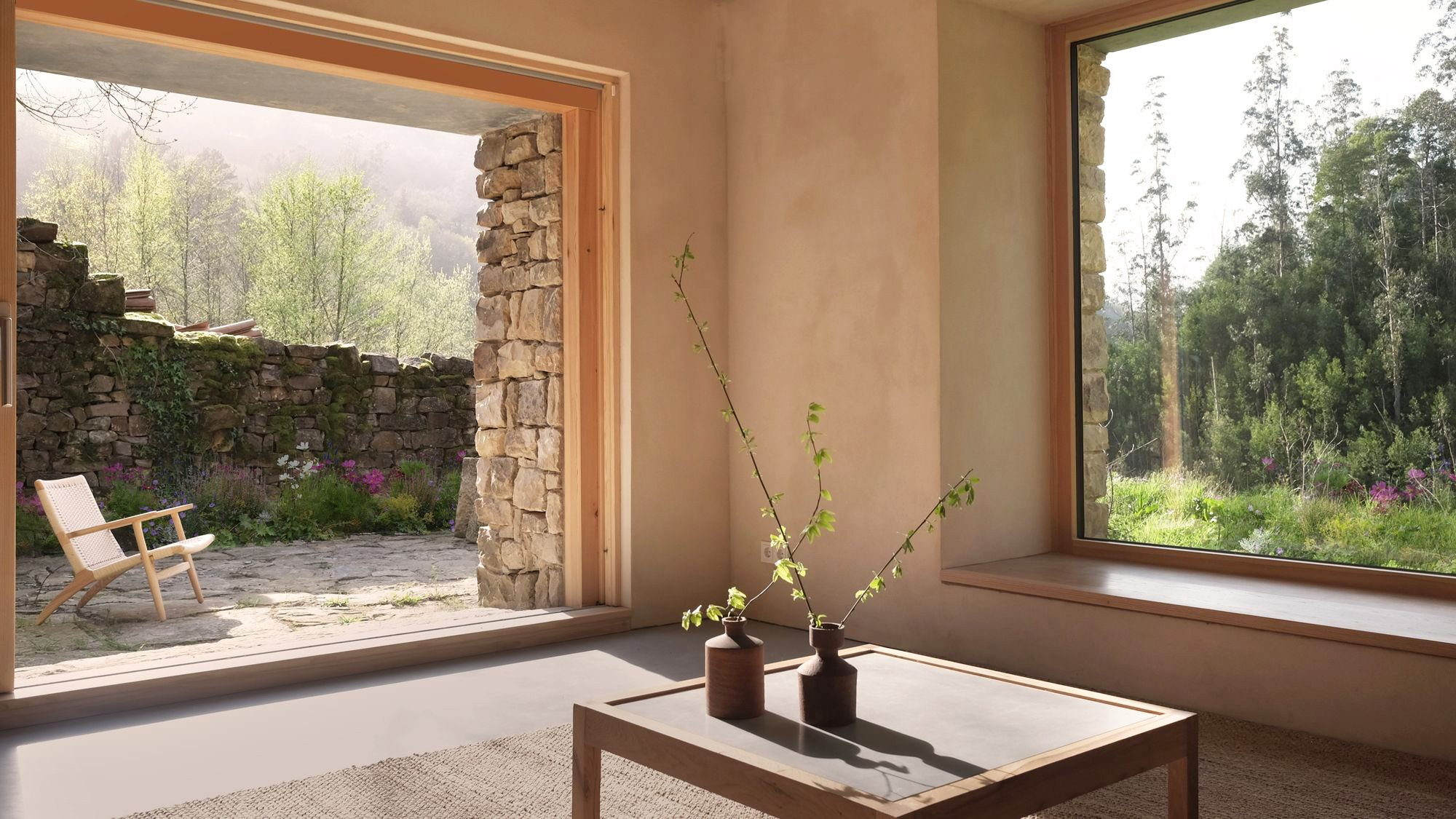
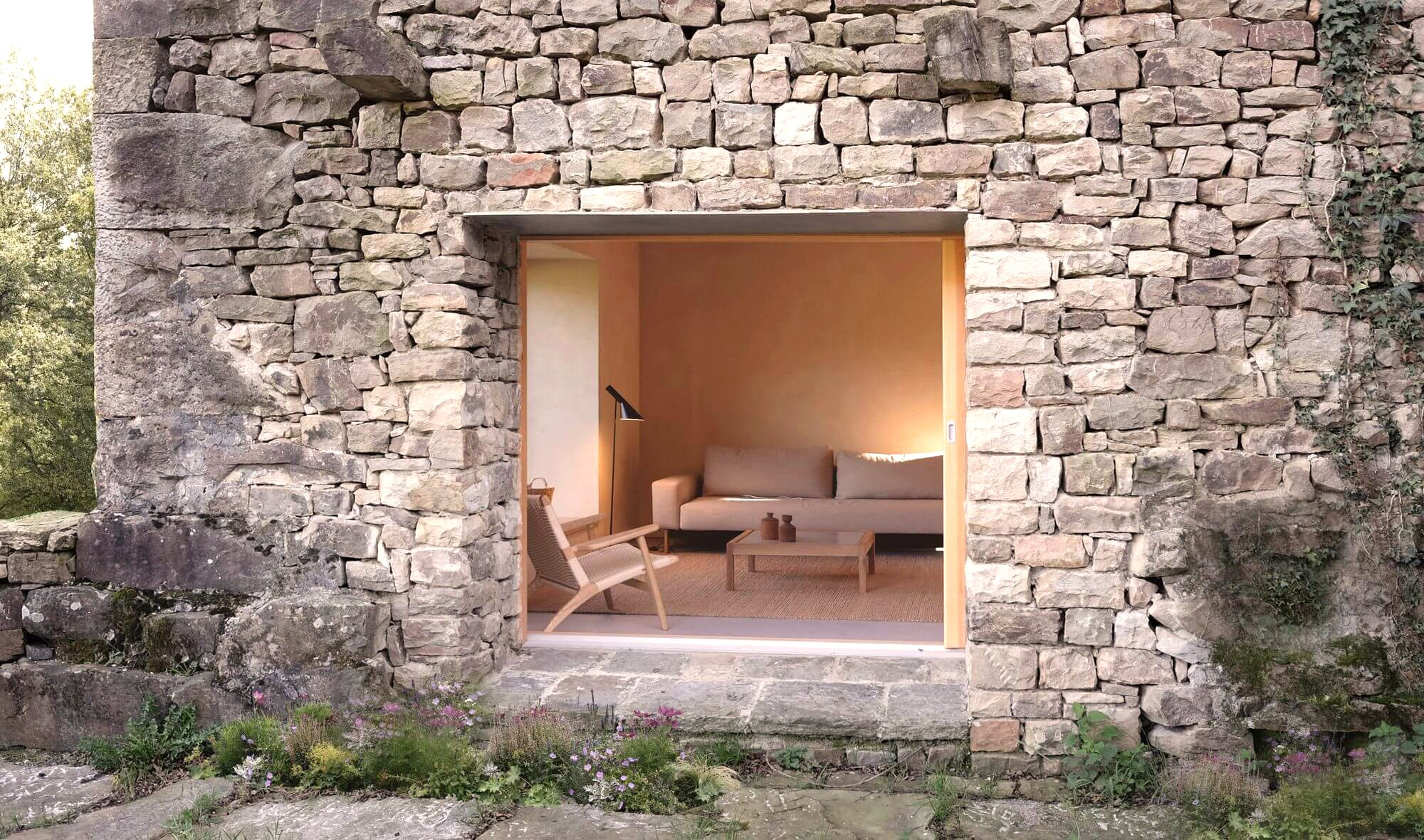
The architects originally discovered the stone cabin in ruins, with the interiors entirely uninhabitable. After they fell in love with the structure, they decided to renovate it and transform it into a modern retreat with an old soul. The studio preserved the 80cm-thick walls, but added new openings to connect the living spaces with the nearby meadow and the surrounding countryside. Following Passivhaus principles, the team focused on interior interventions that ensure modern comfort and low-energy consumption without diluting the charm of the traditional architecture.
Casa Mínima now boasts an internal layer of organic thermal insulation, ceramic brick and lime plaster. The gable roof features a high-performance insulation, while the windows reach passive standards thanks to triple laminated glass and argon gas. A wood-burning fireplace combined with a ventilation system with heat recovery cover the cabin’s heating needs in the winter. For the summer months, a passive cooling system ensures optimal comfort without the need for air conditioning.
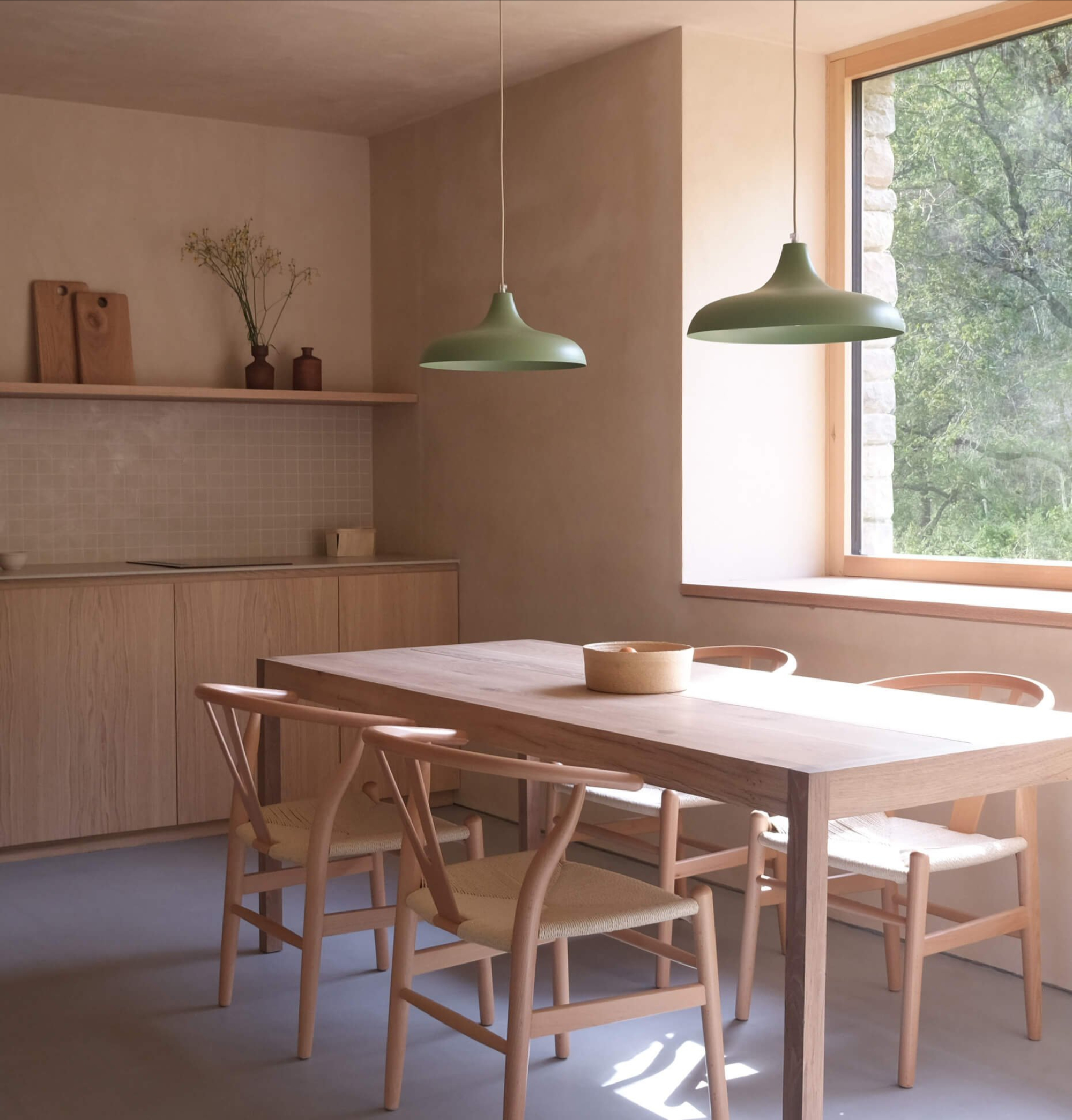
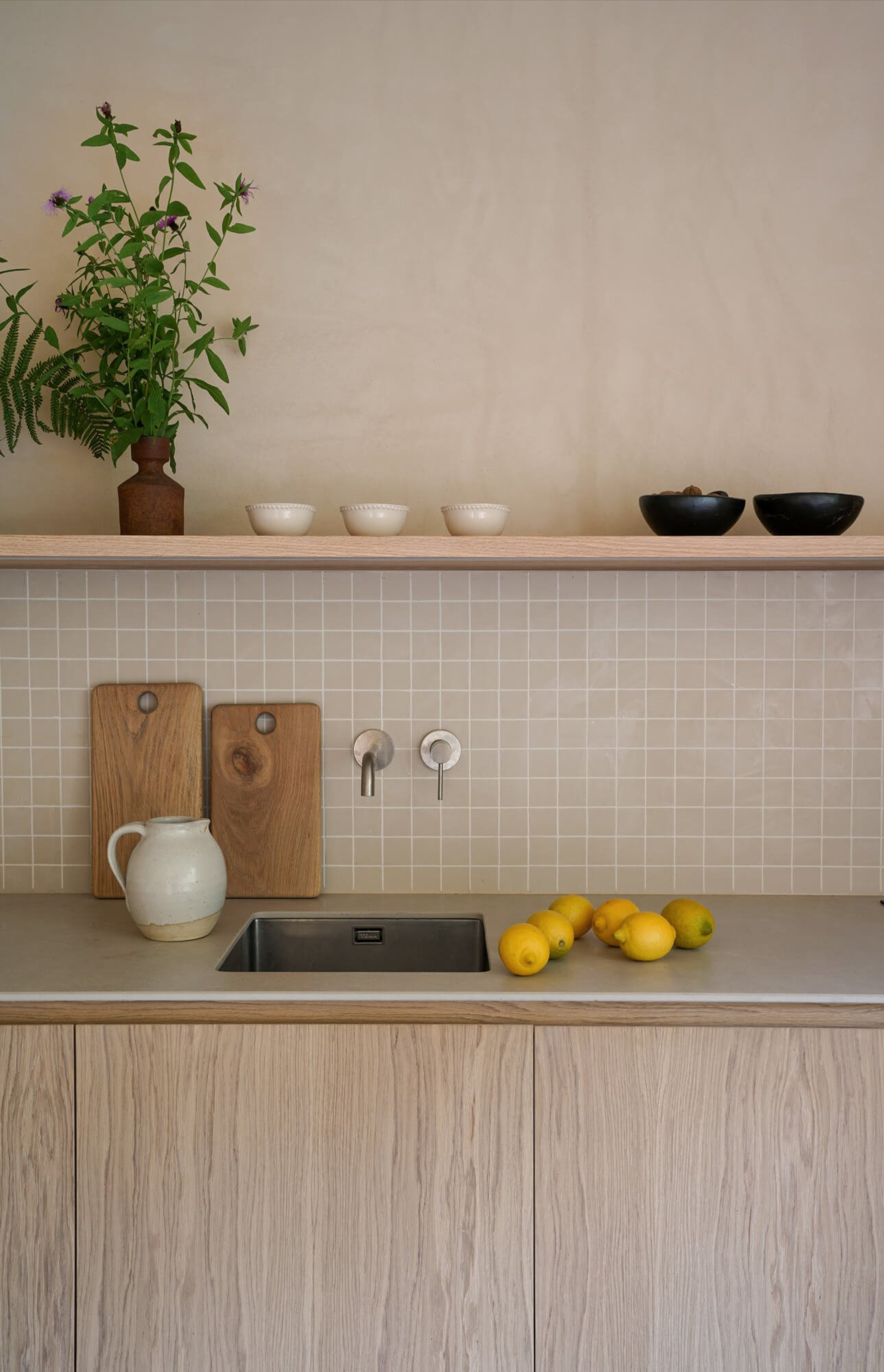
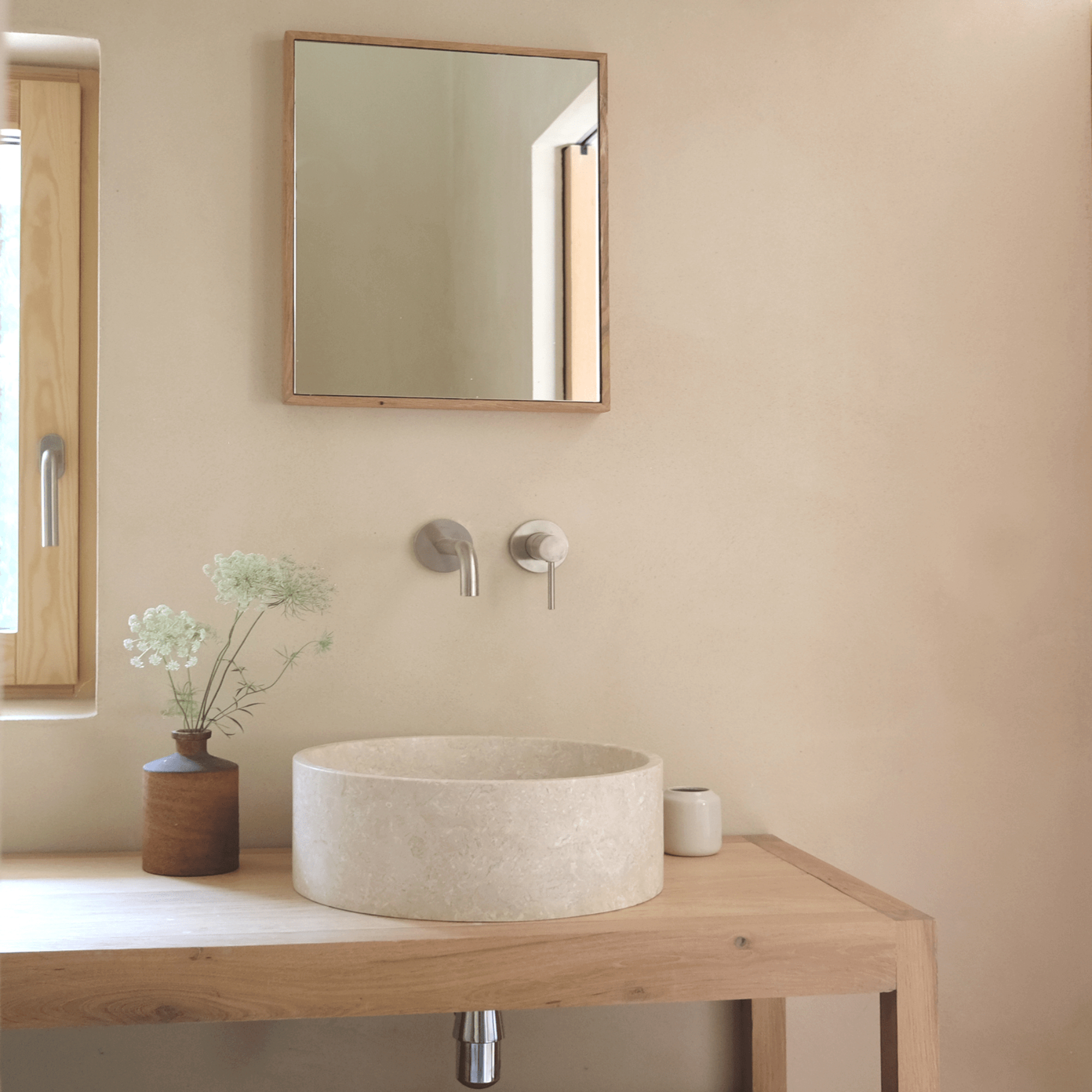
Guests (up to six) can rent Casa Mínima for quiet stays in the Spanish countryside. Beyond the thick stone walls, they discover relaxing spaces that exude warm minimalism. Casa Mínima’s old cattle stable on the ground floor now houses an open-plan kitchen, dining area and living room. Upstairs, there are two en-suite bedrooms with access to pastoral views. Throughout, the studio used natural materials like solid oak, natural textiles, ceramics, and stone. In a poetic twist, both the dining table and side tables are made from the structural beams of the old cabin. Photographs© © Biderbost Photo / Estudio Mínima.