Search






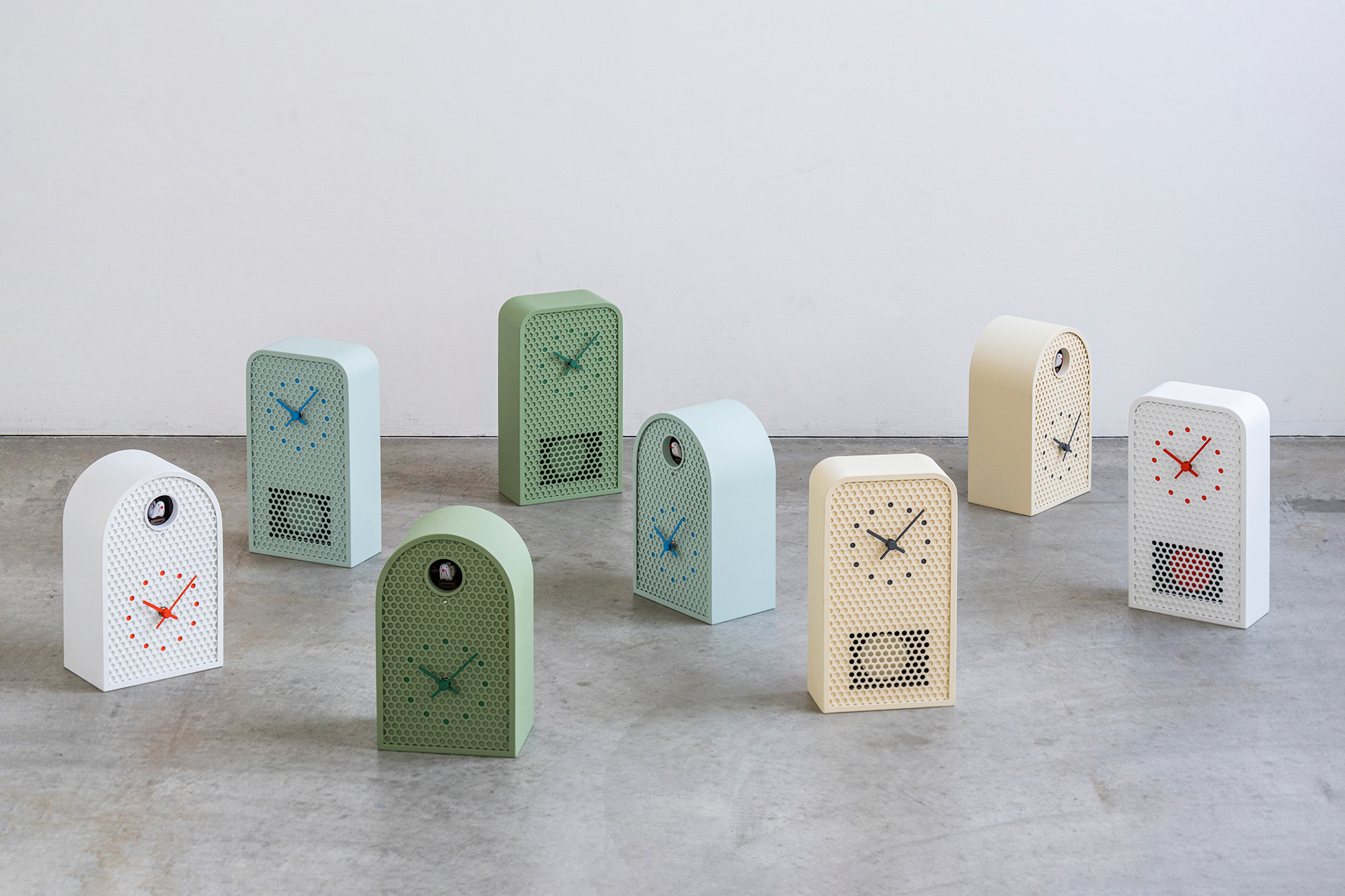
MOOV by Lemnos brings the pendulum clock into a smaller, sharper format, with a perforated metal face, a partly visible swing, and four easy-to-place colorways.
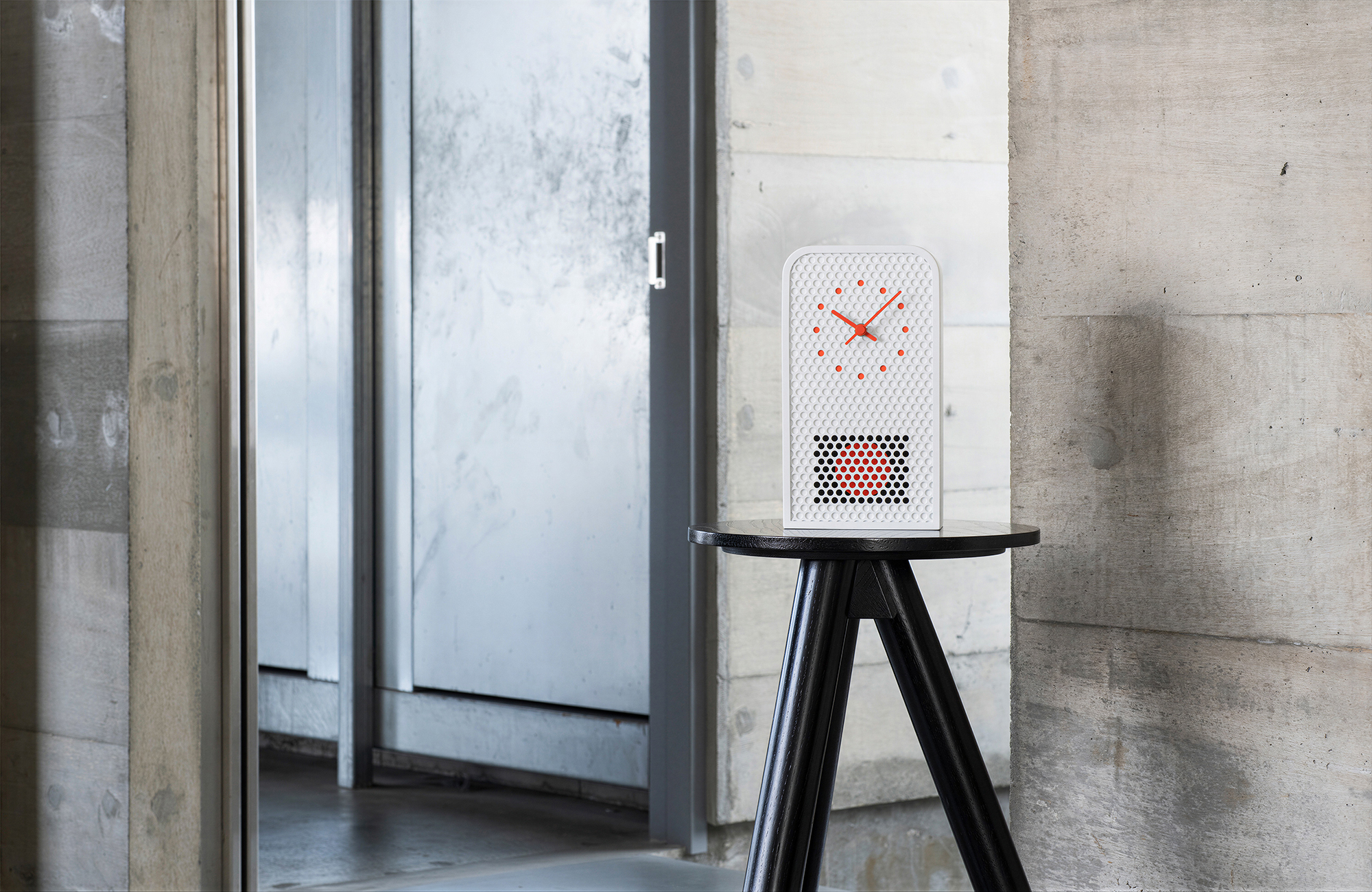
Your phone tells time, then immediately hijacks you. A clock has one job. MOOV, designed by Ryosuke Fukusada for Lemnos, makes that job feel newly appealing by bringing back one of the oldest timekeeping cues: the pendulum. Here, the swing is partly hidden behind a perforated steel face, showing just enough movement to give the clock a pulse.
Before founding his Kyoto studio, he worked in consumer electronics at Sharp, studied at Domus Academy in Milan, and assisted Patricia Urquiola; his studio also lists a 2025 Compasso d’Oro International Award shortlist among its honors. Lemnos brings the other half of the story. The company’s history goes back to 1947 in Takaoka City, Japan, first as a brass-casting manufacturer, before moving into clock frames and design clocks. That background matters here: MOOV is a small object, but it comes from people who take clocks very seriously.
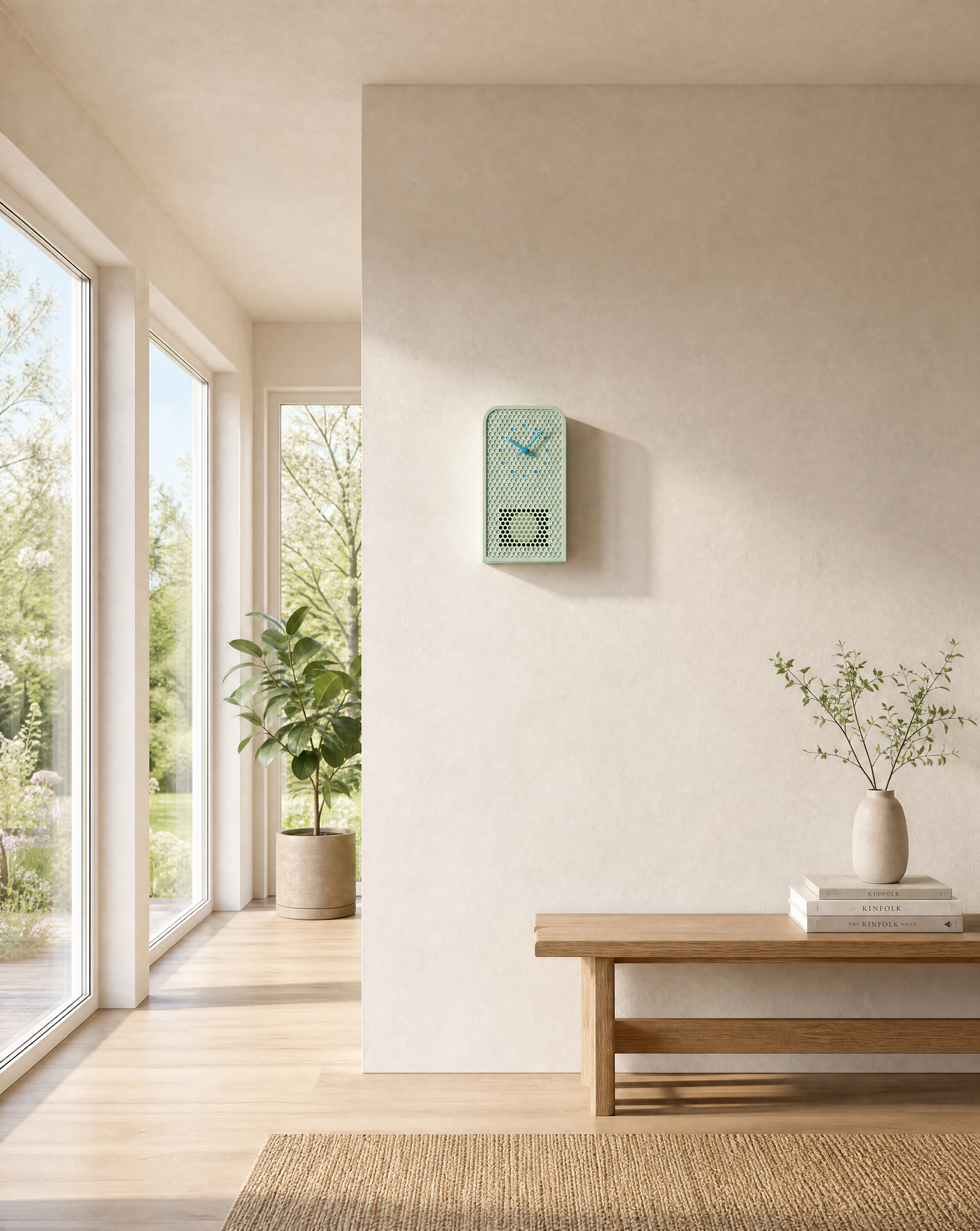
The design is built around a grid of circular cutouts. Some of the holes become hour markers. Others expose the pendulum behind the lower opening. The pattern gives the clock a graphic surface, while the motion behind it keeps the object from becoming flat. The case is made from steel, acrylic, and MDF; Lemnos lists cutting, bending, welding, painting, and punched-metal production among the processes used for the clock. At 142 × 257 × 78 mm, it is compact enough for a kitchen, hallway, studio, bedroom, shelf, or desk.
MOOV has a touch of nostalgia, but it does not lean into retro design. The pendulum is borrowed from a familiar clock language, then partly hidden behind the perforated metal face, where it becomes a small, almost private movement. That detail gives the object warmth and a bit of humor. It is the kind of clock that can sit quietly in a room and still feel like it has its own personality.