Search






Loader Monteith reimagines an 18th-century cottage as a light-filled retreat for three generations
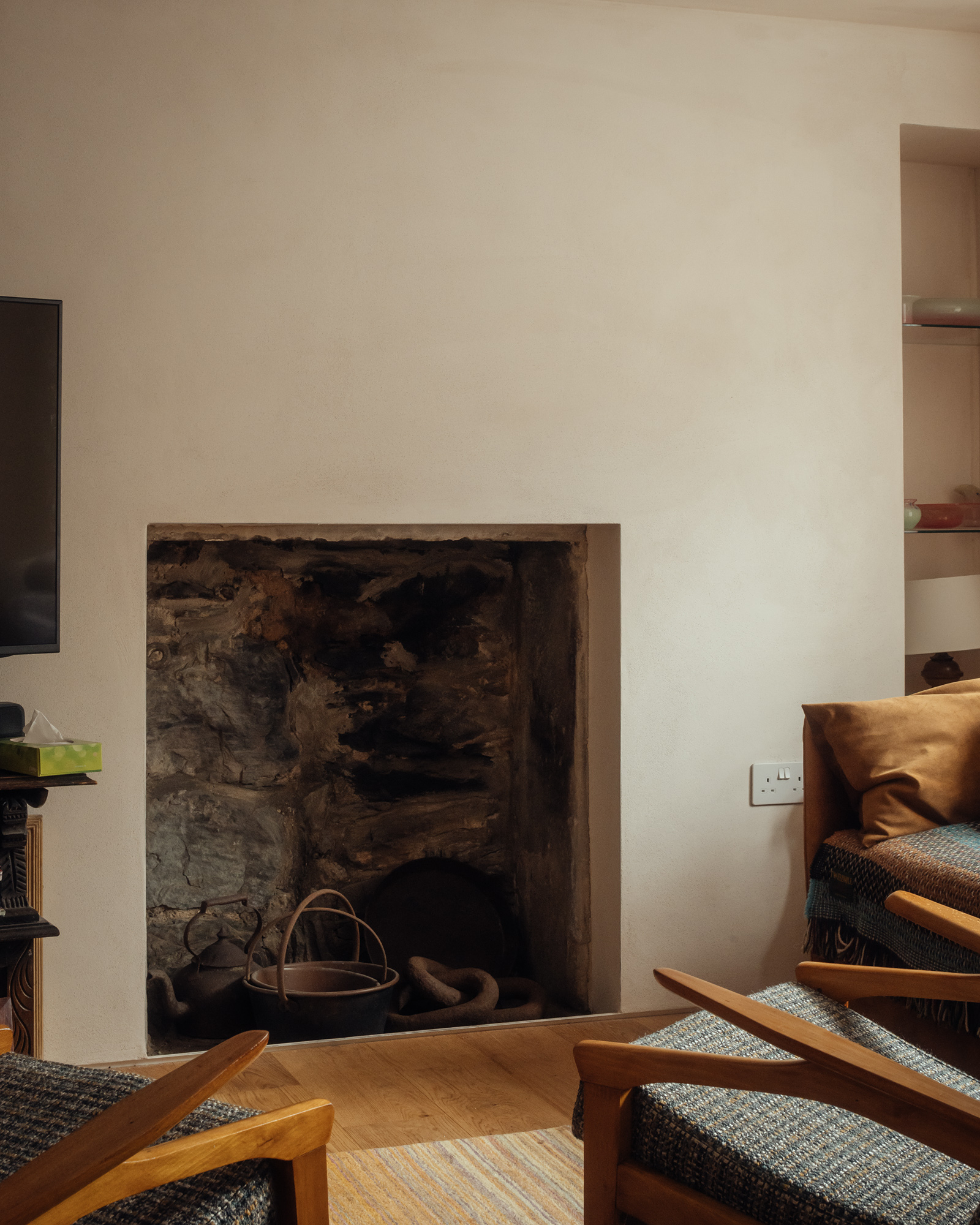
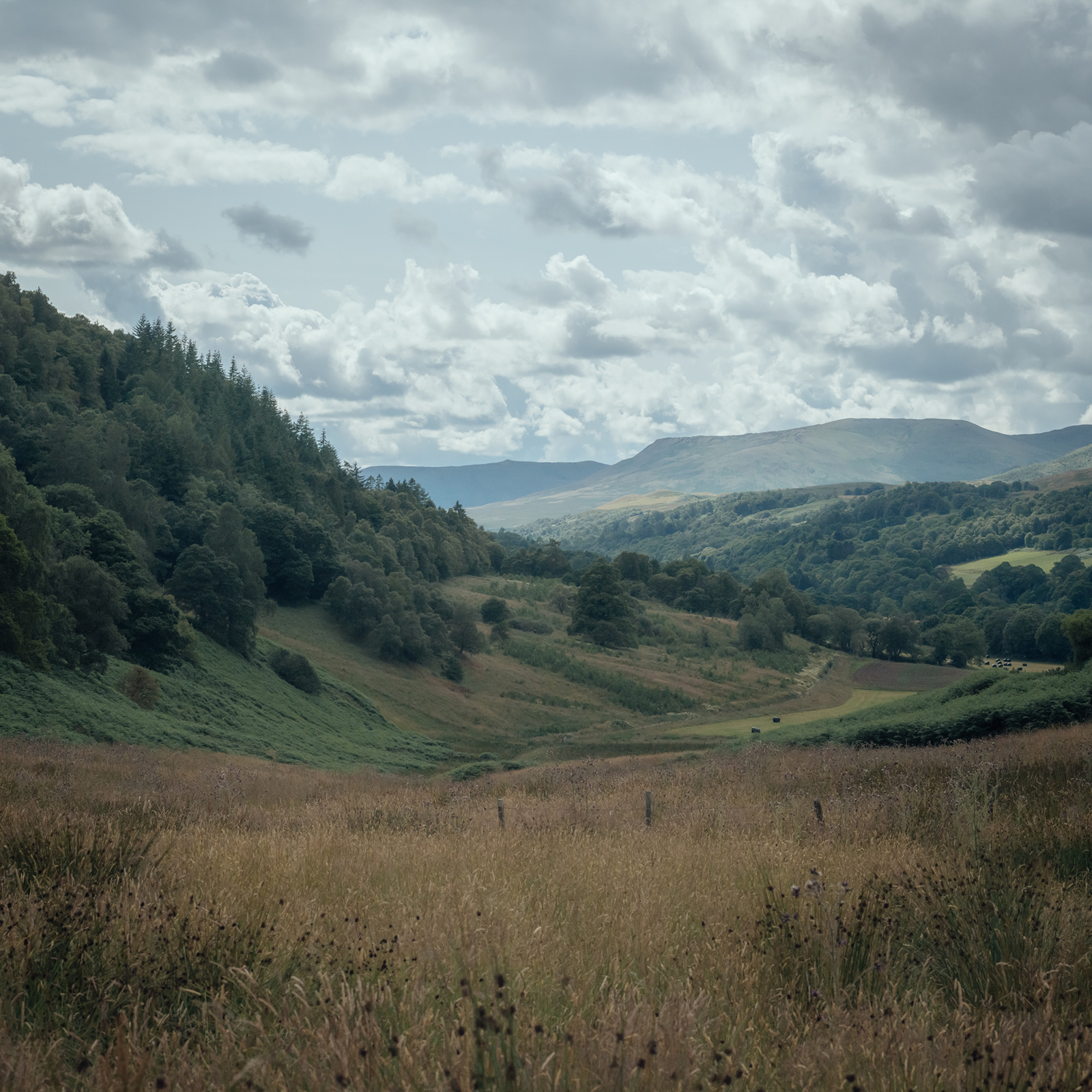
Jim and Frances bought the 1789 white-harled cottage for its bones and its setting—a conservation-area village that slips down to the River Earn. Years of dental-surgery partitions, leaks, and zero insulation had left the house dim and maze-like, but the couple saw room for family and for the relative who lives with Alzheimer’s. Loader Monteith accepted the brief: preserve the stone shell, invite daylight, and make every level easy to navigate
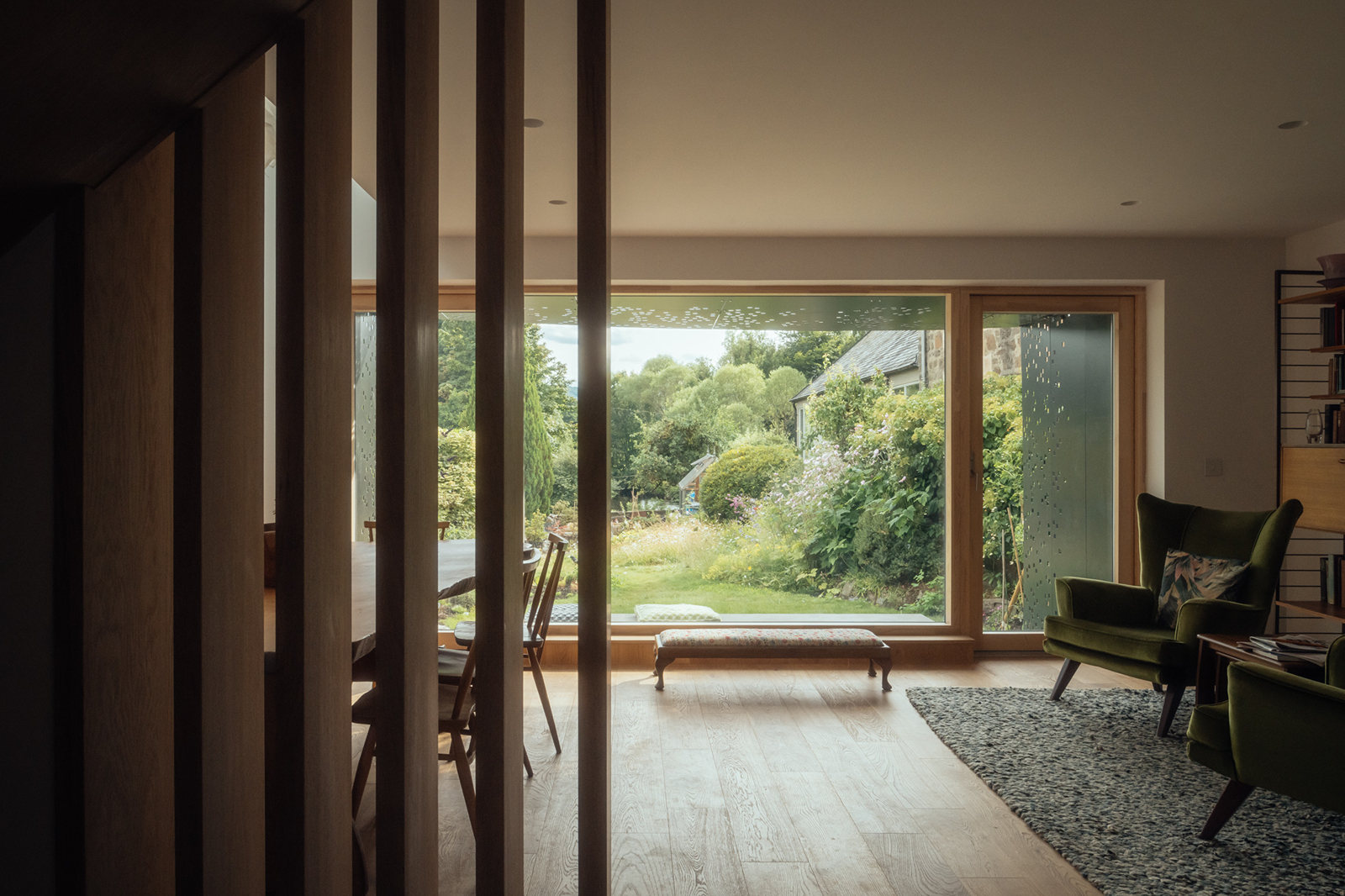
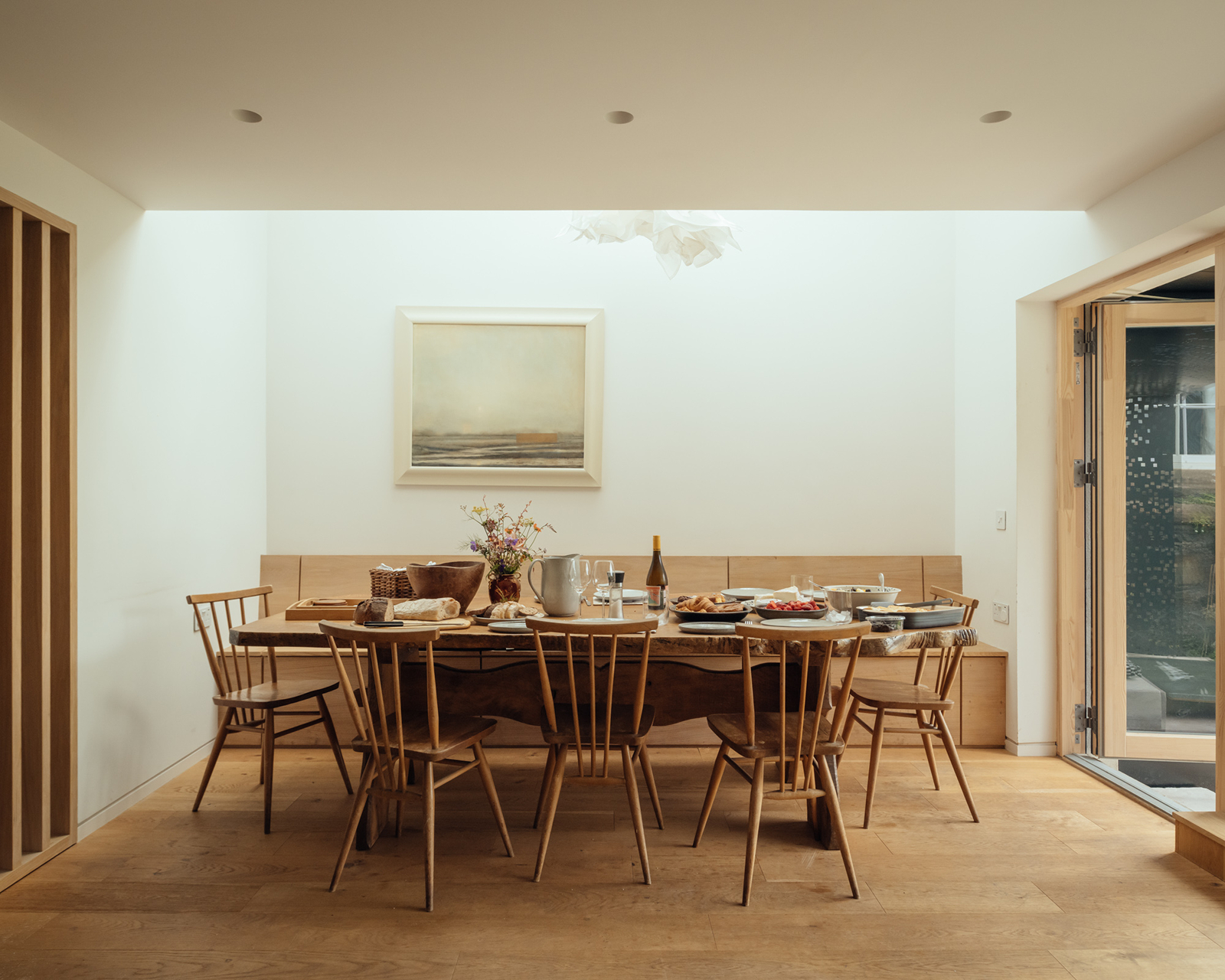
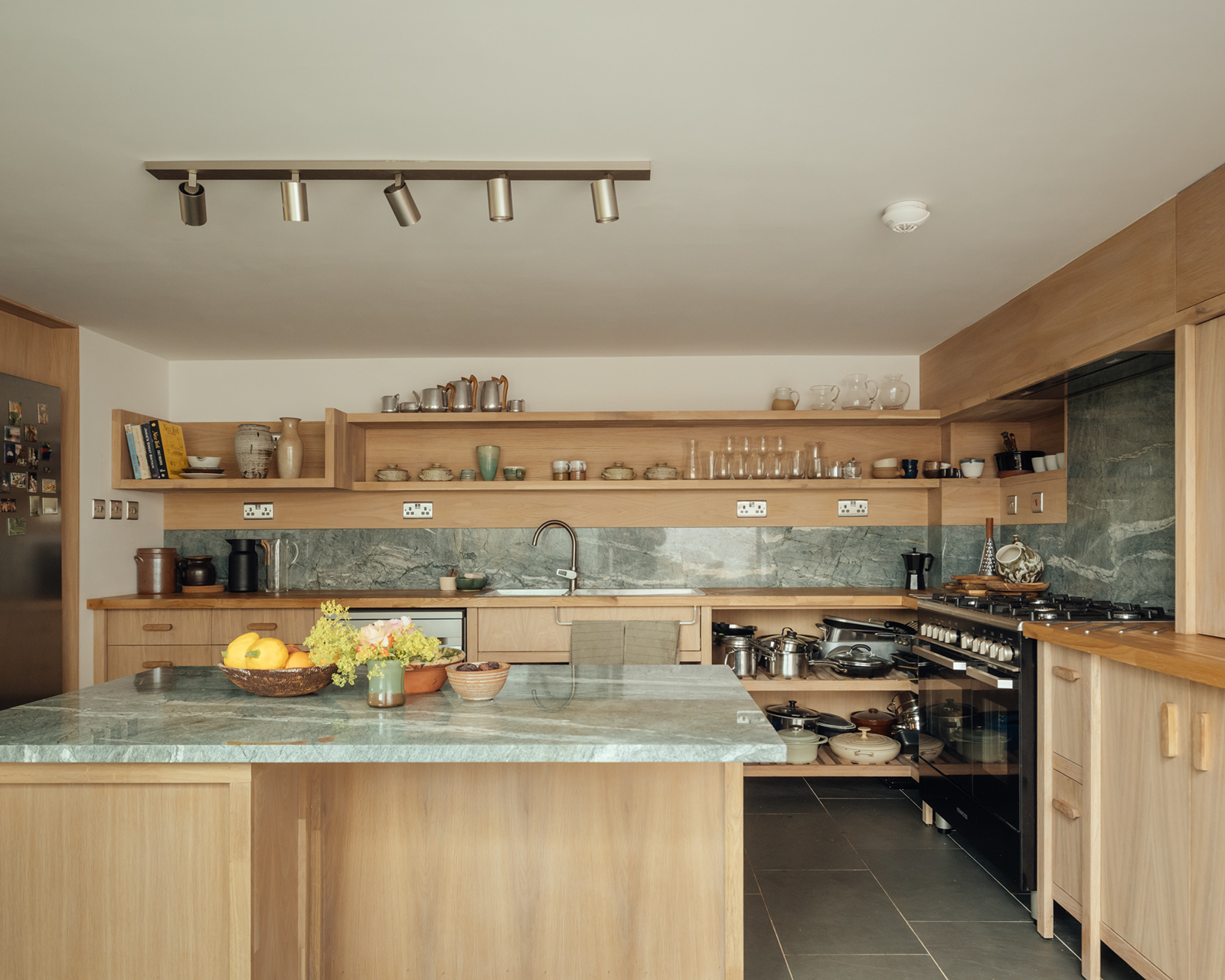
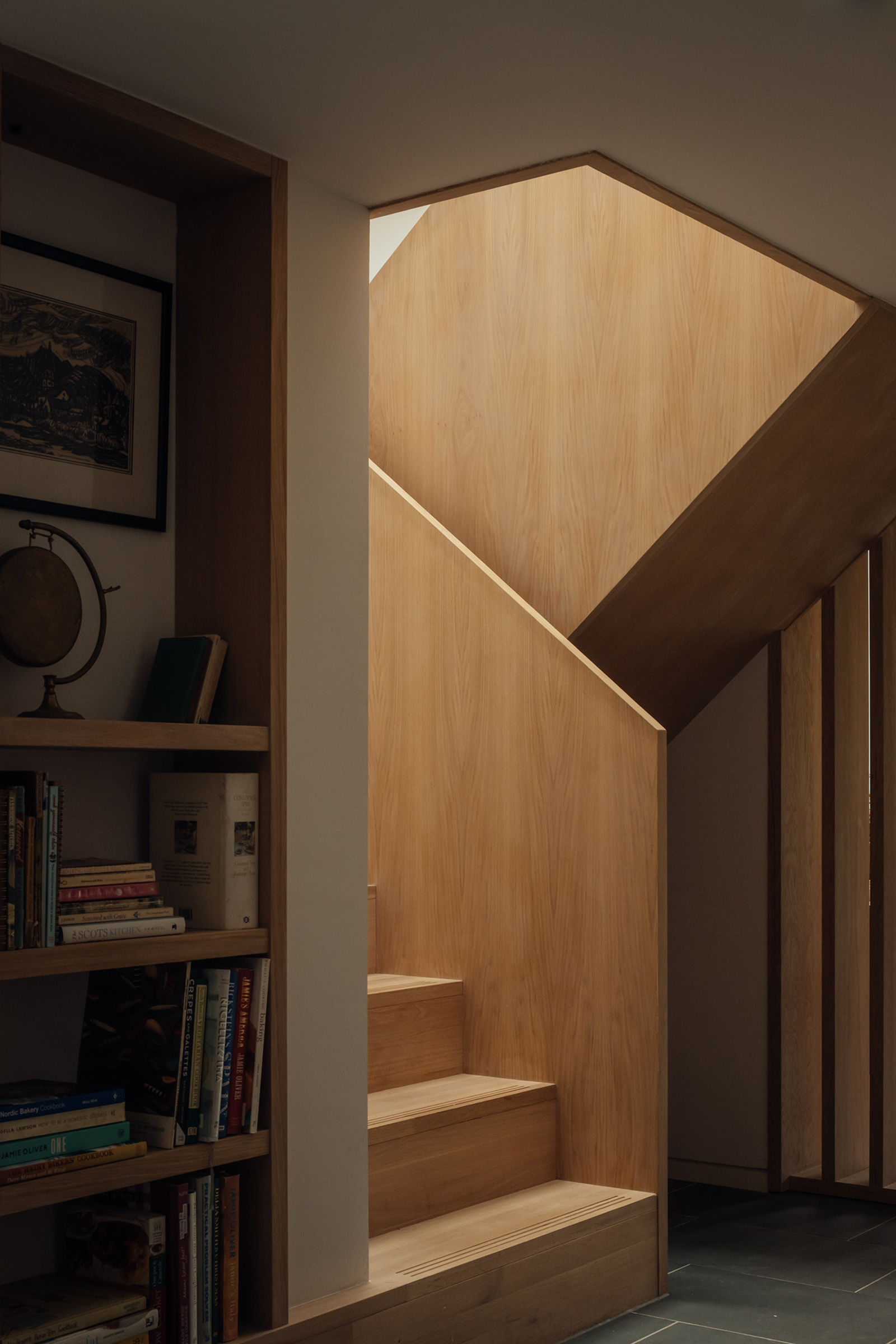
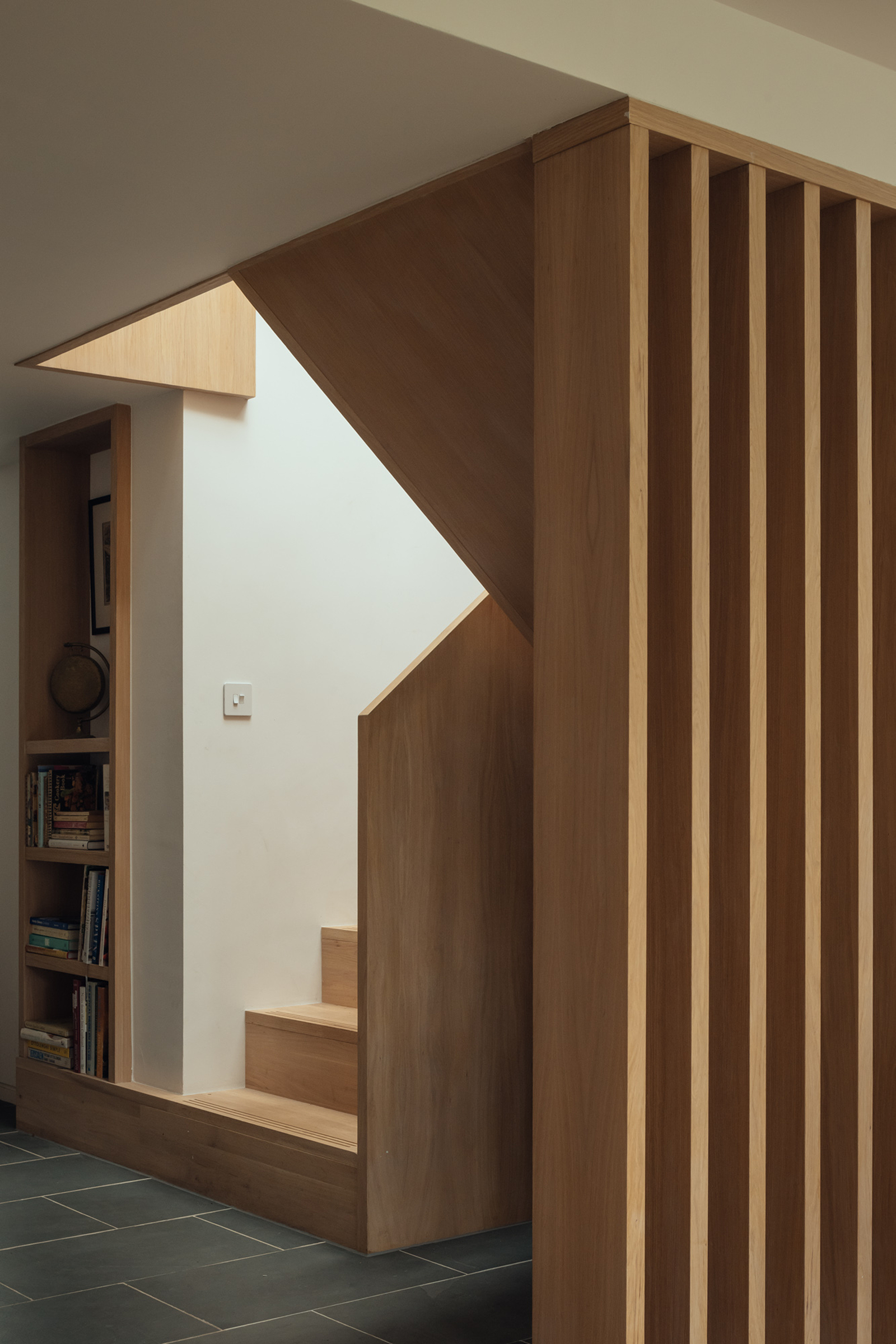
First moves were surgical. The architects slid the stair to one side, knocked out interior walls, and cleared a sightline from front door to garden. Oak flooring now runs room to room, warming the cottage while guiding circulation. At the center, a lowered marble island cut from a slab handed down through Frances’s family anchors the kitchen—height-tuned for her baking sessions and wrapped by open cabinets that double as “memory anchors” for everyday objects
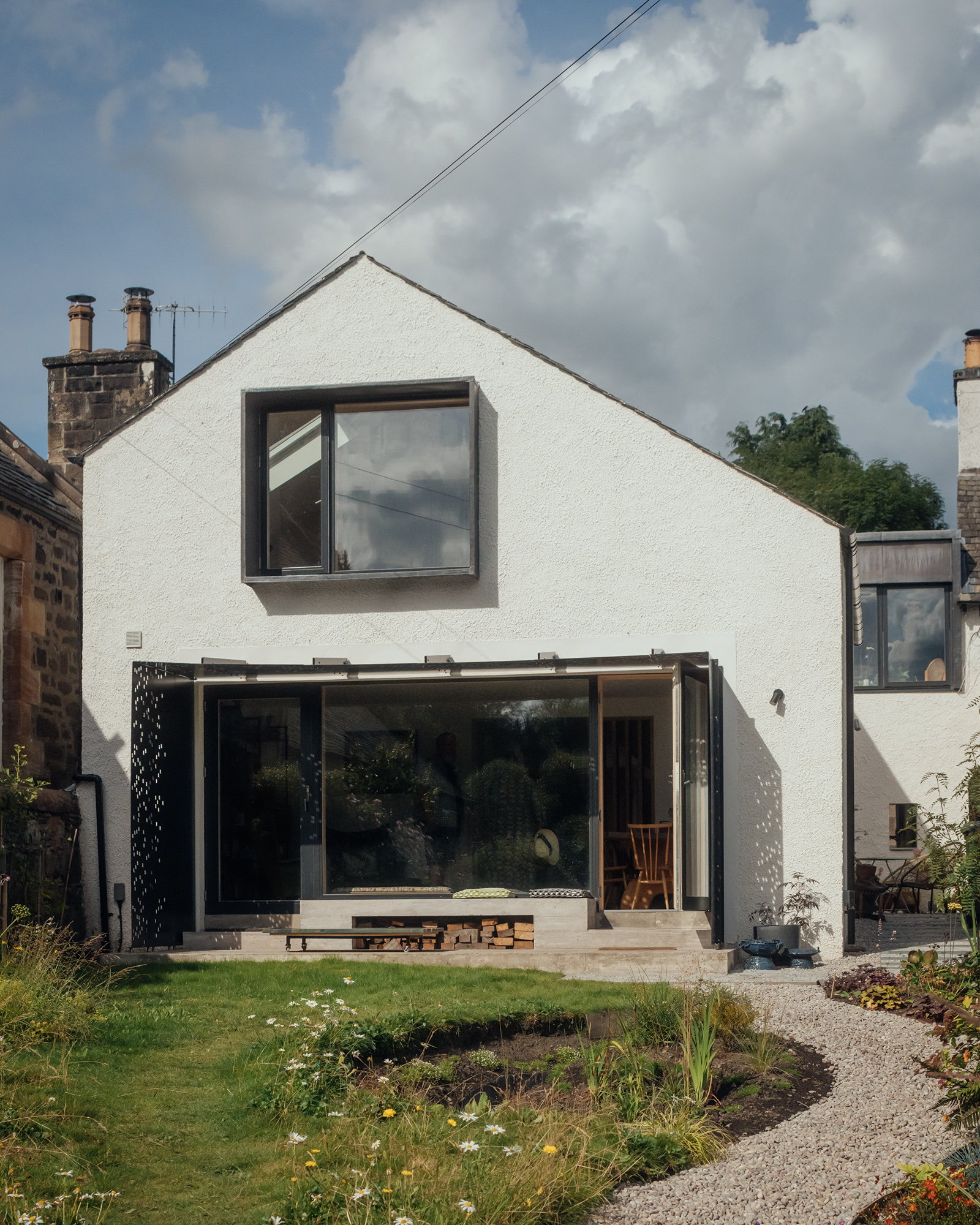
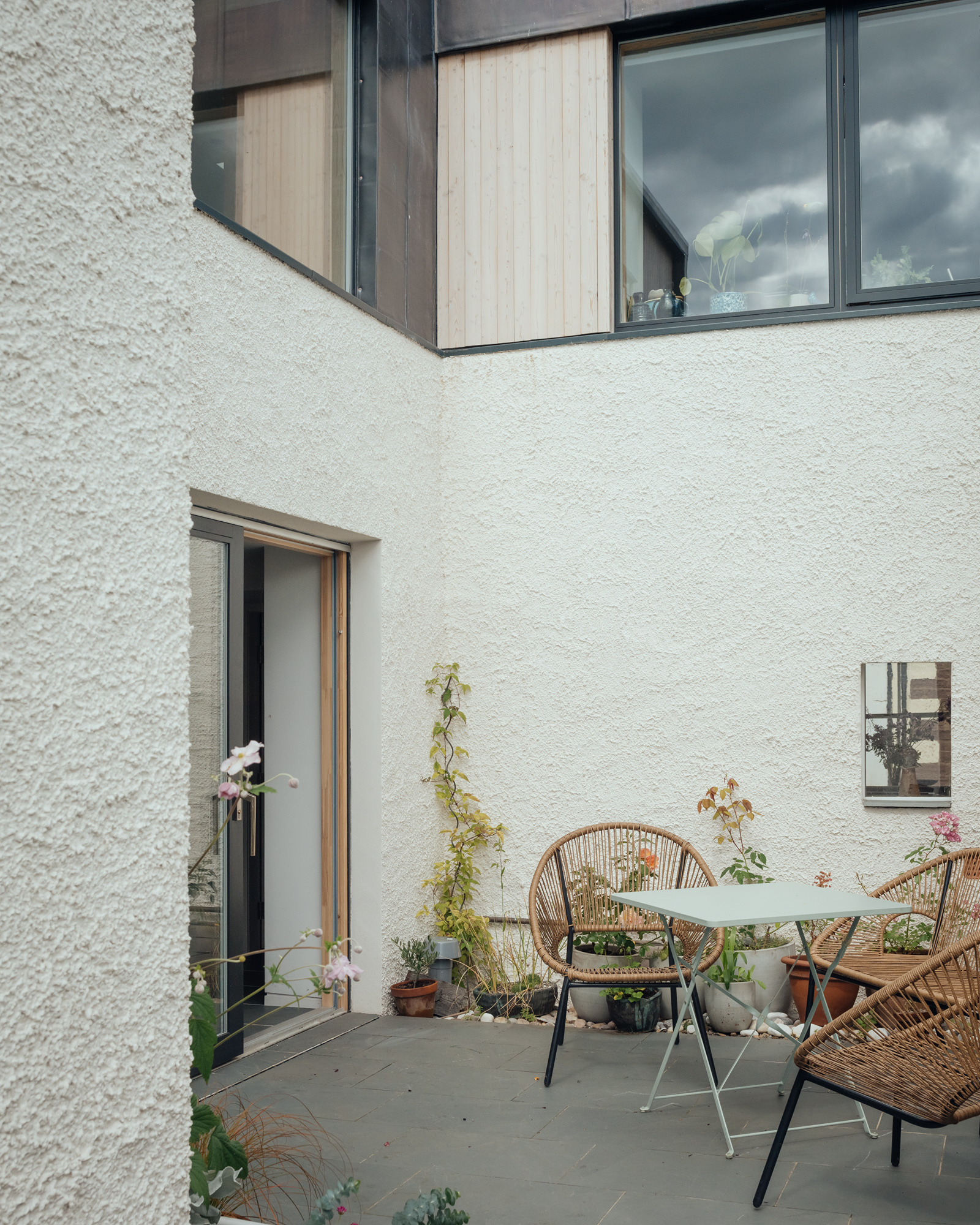
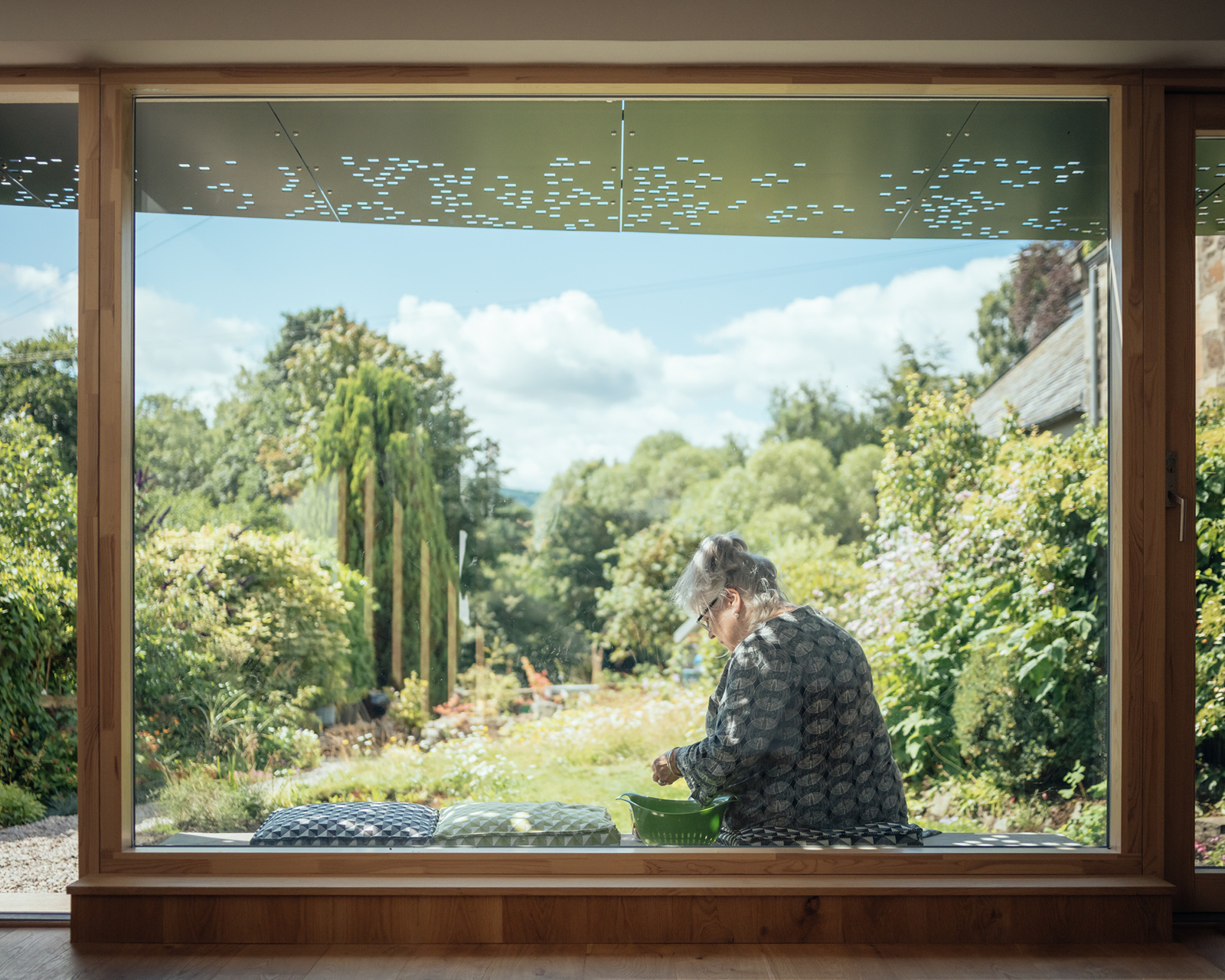
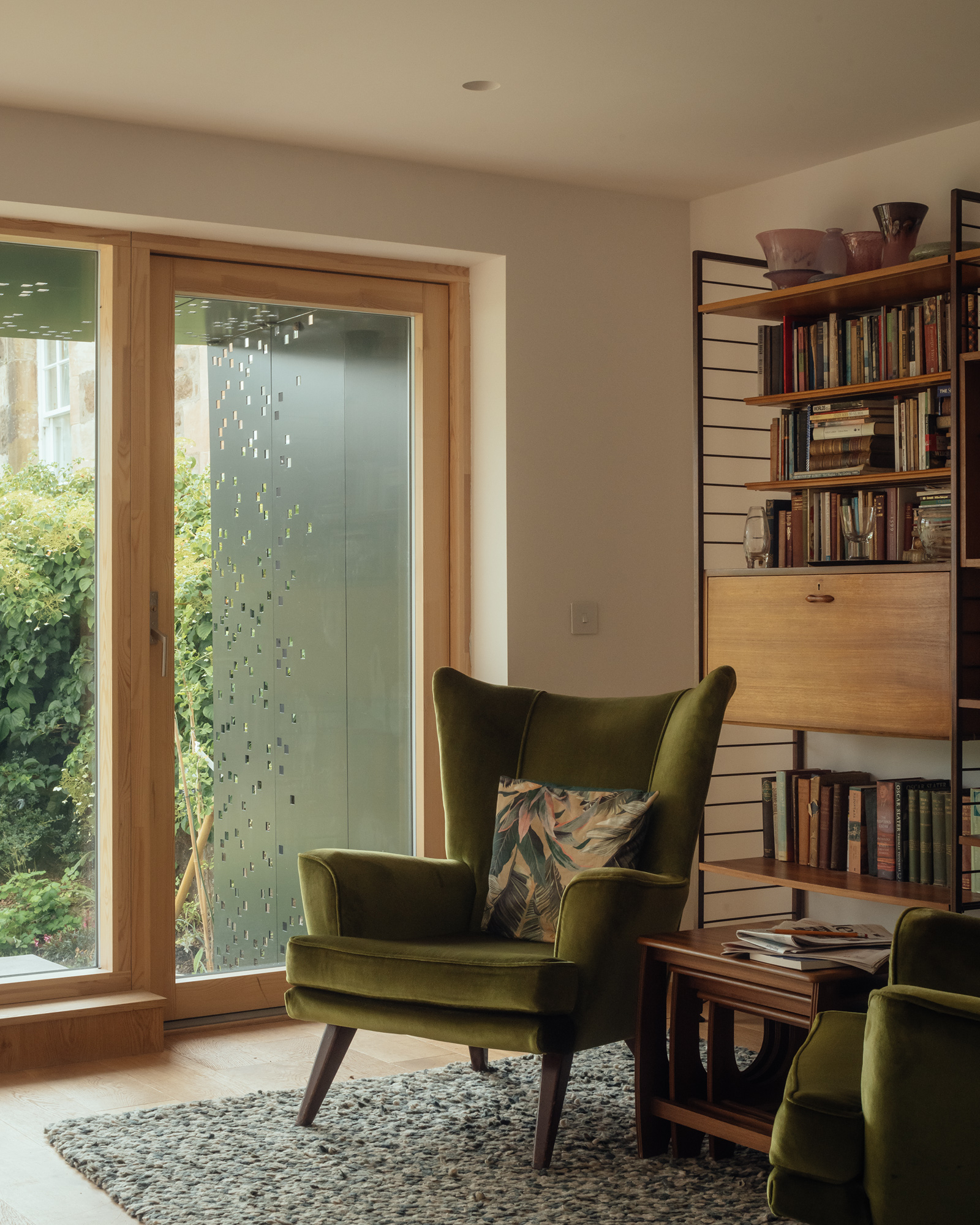
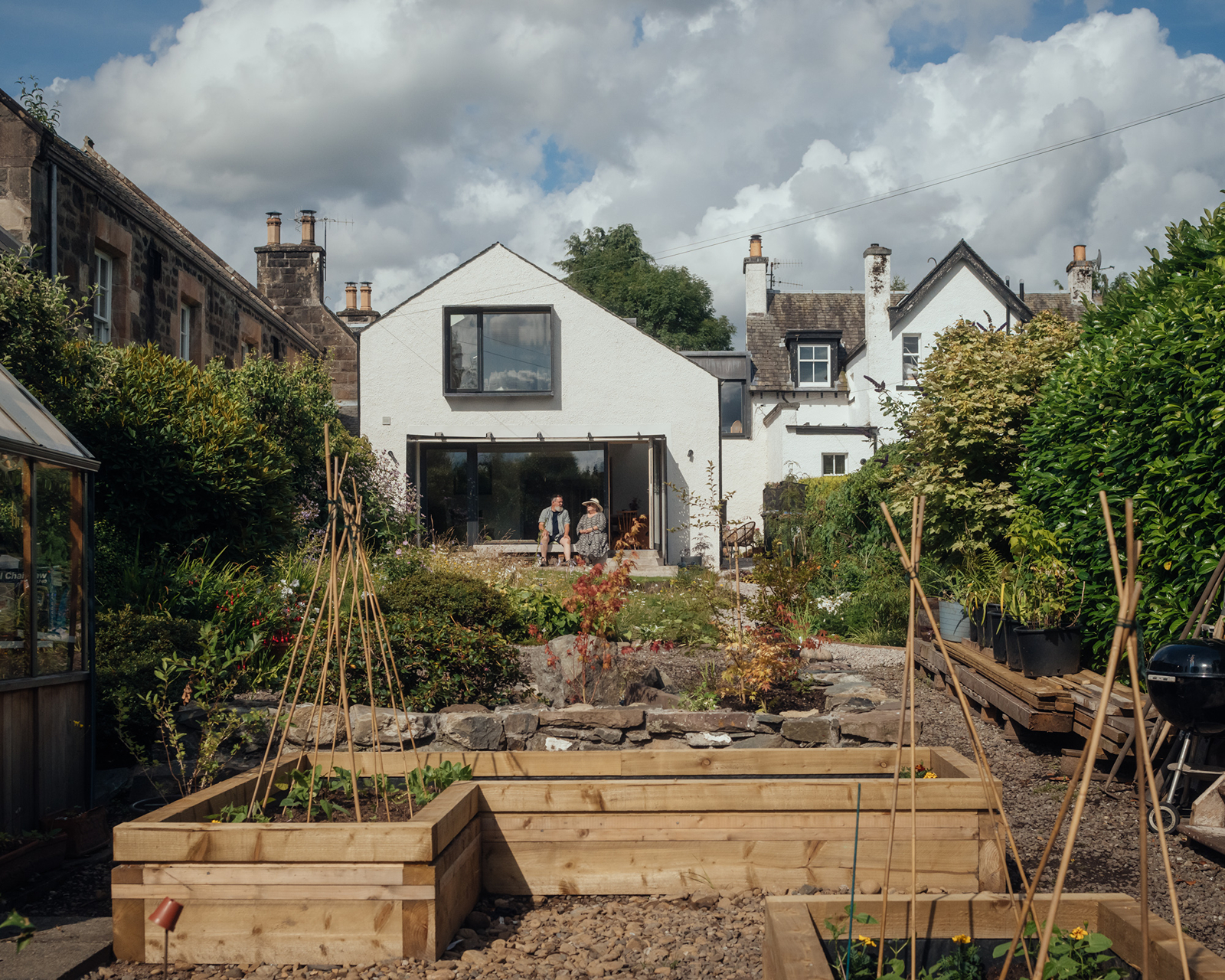
Out back, a two-story timber-framed addition steps toward the river. Fully glazed sliders erase the boundary between dining table and terrace; above, a tapering perforated-aluminum canopy casts shifting shade while discreetly screening views from the neighboring church. Laser-cut into the metal are the names of the grandchildren, a quiet signature that flickers across walls as the sun moves
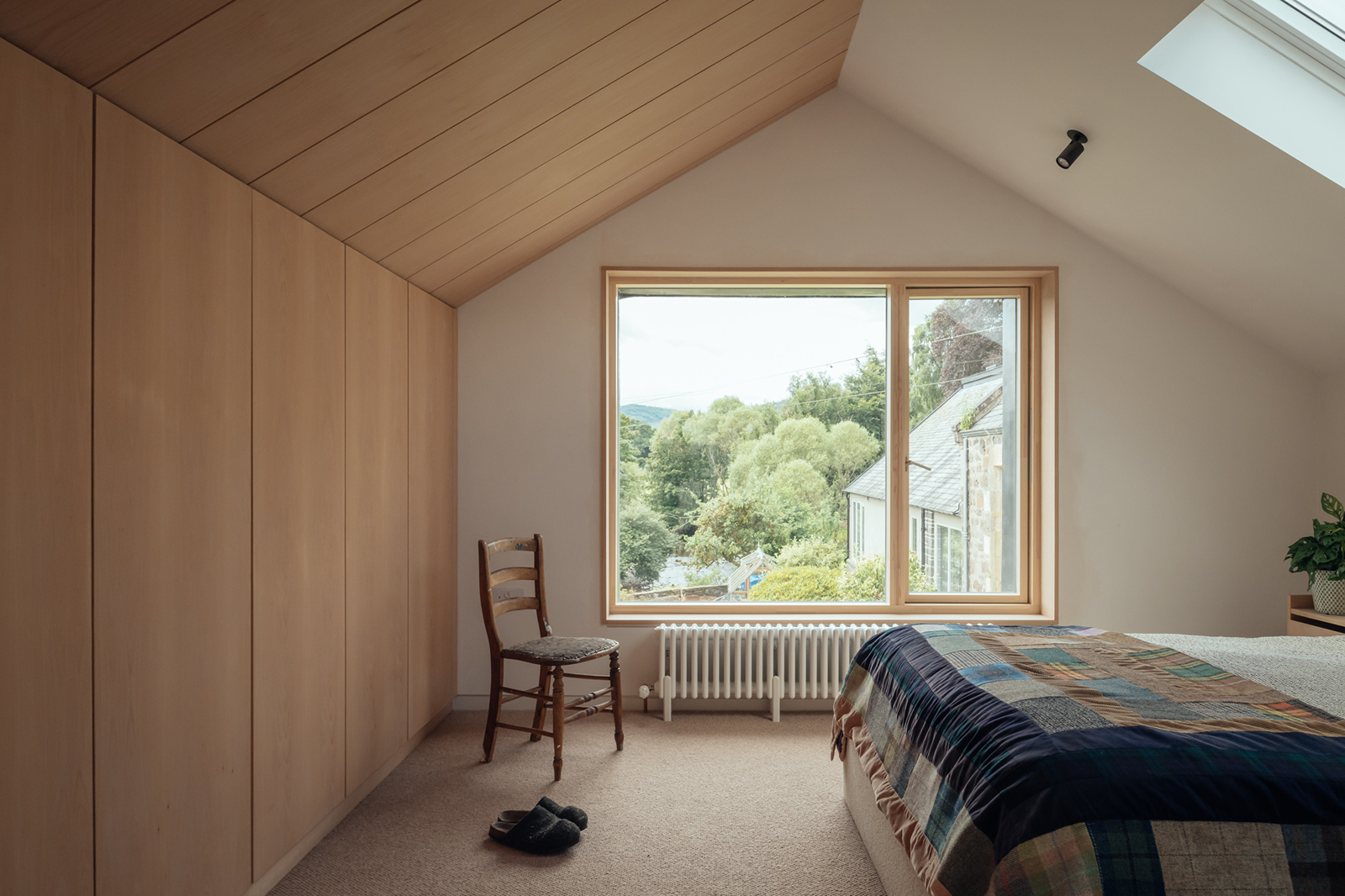
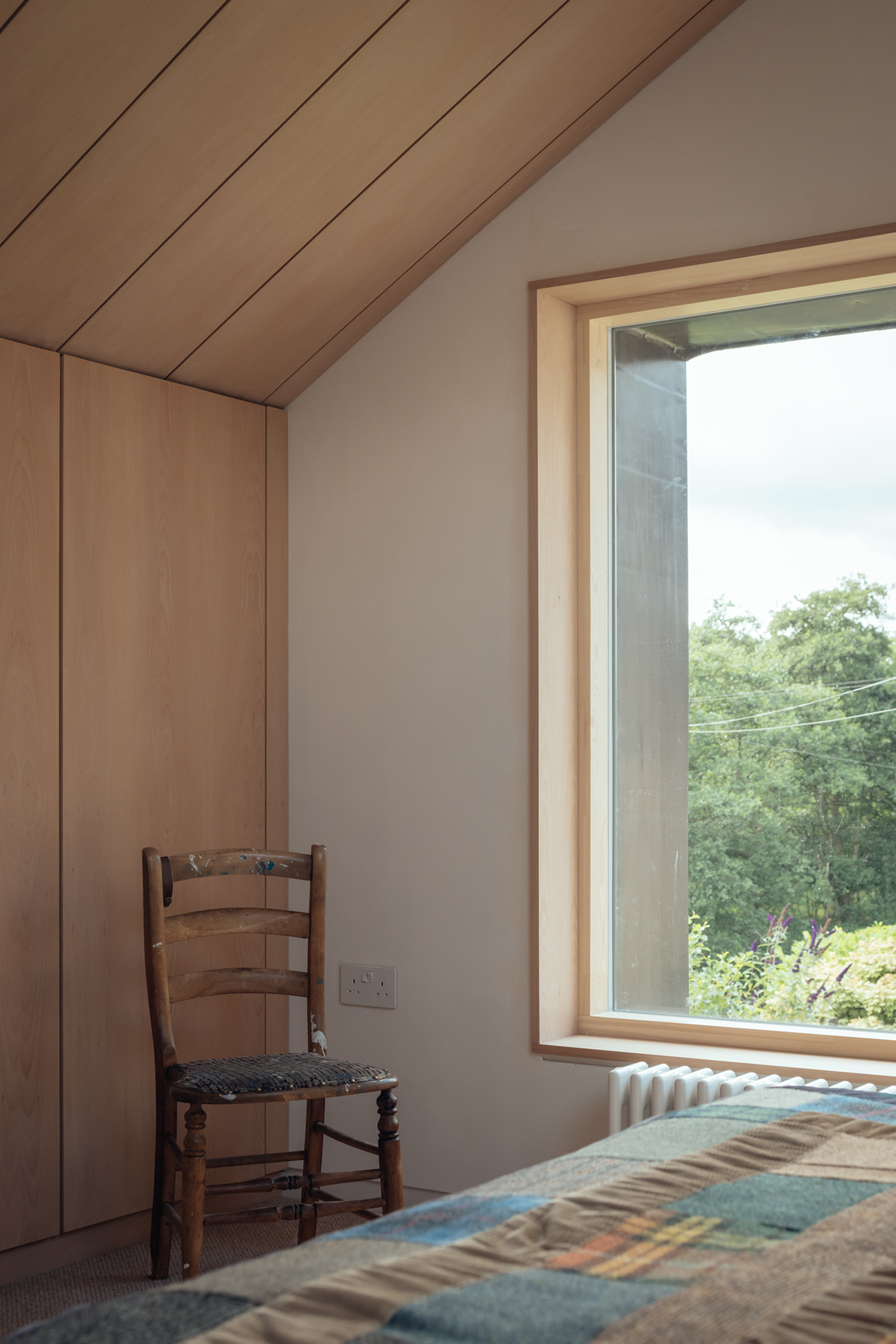
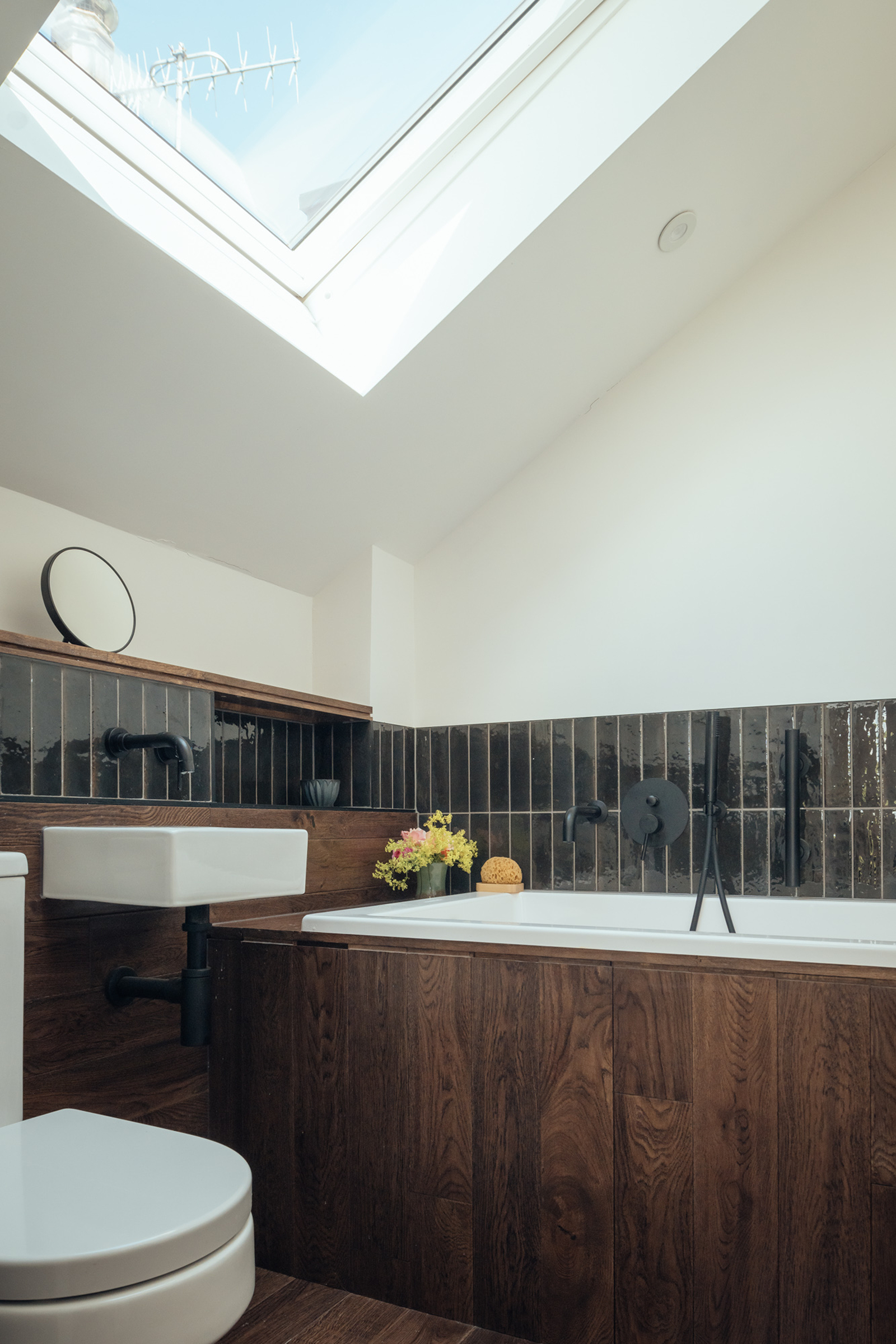
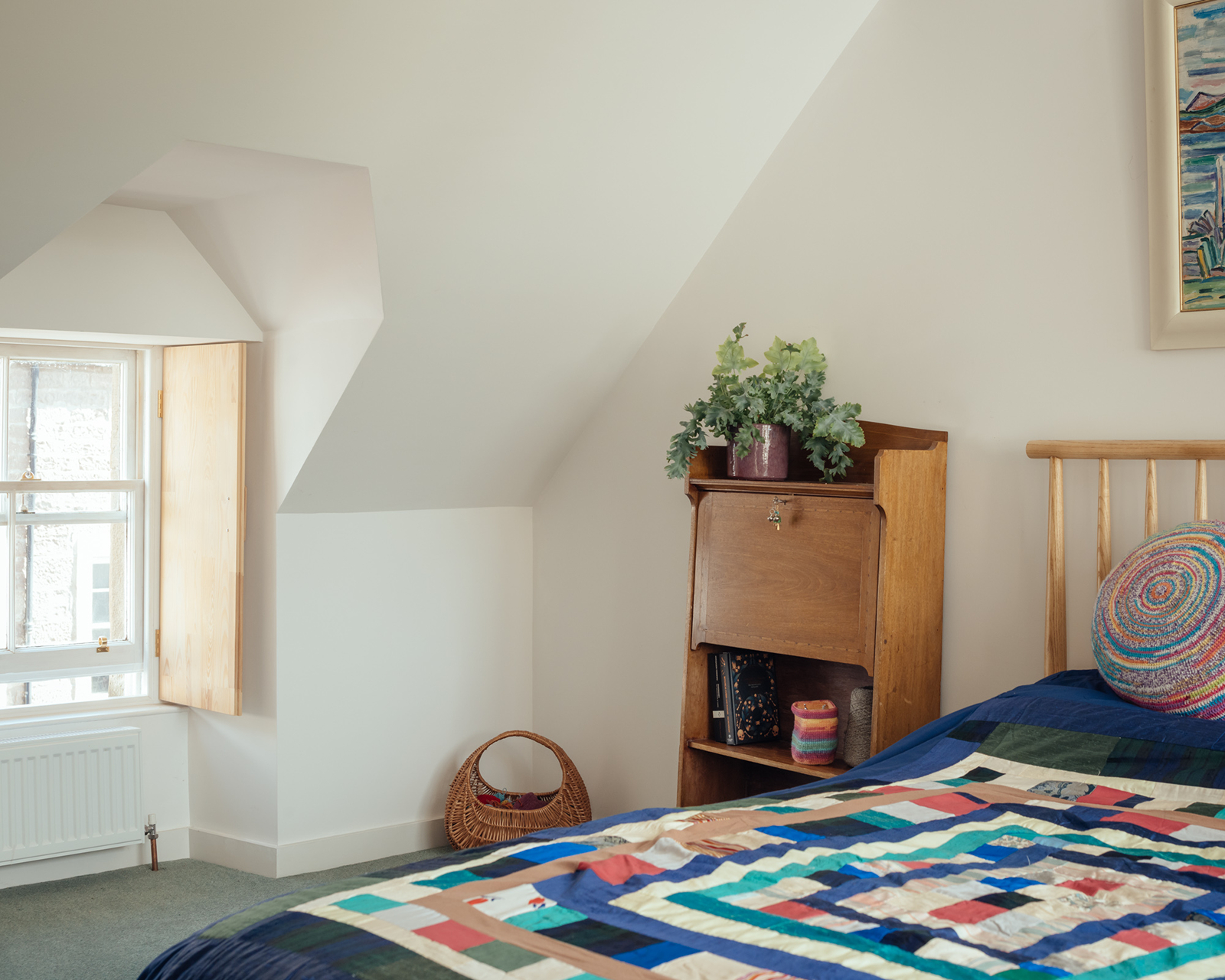
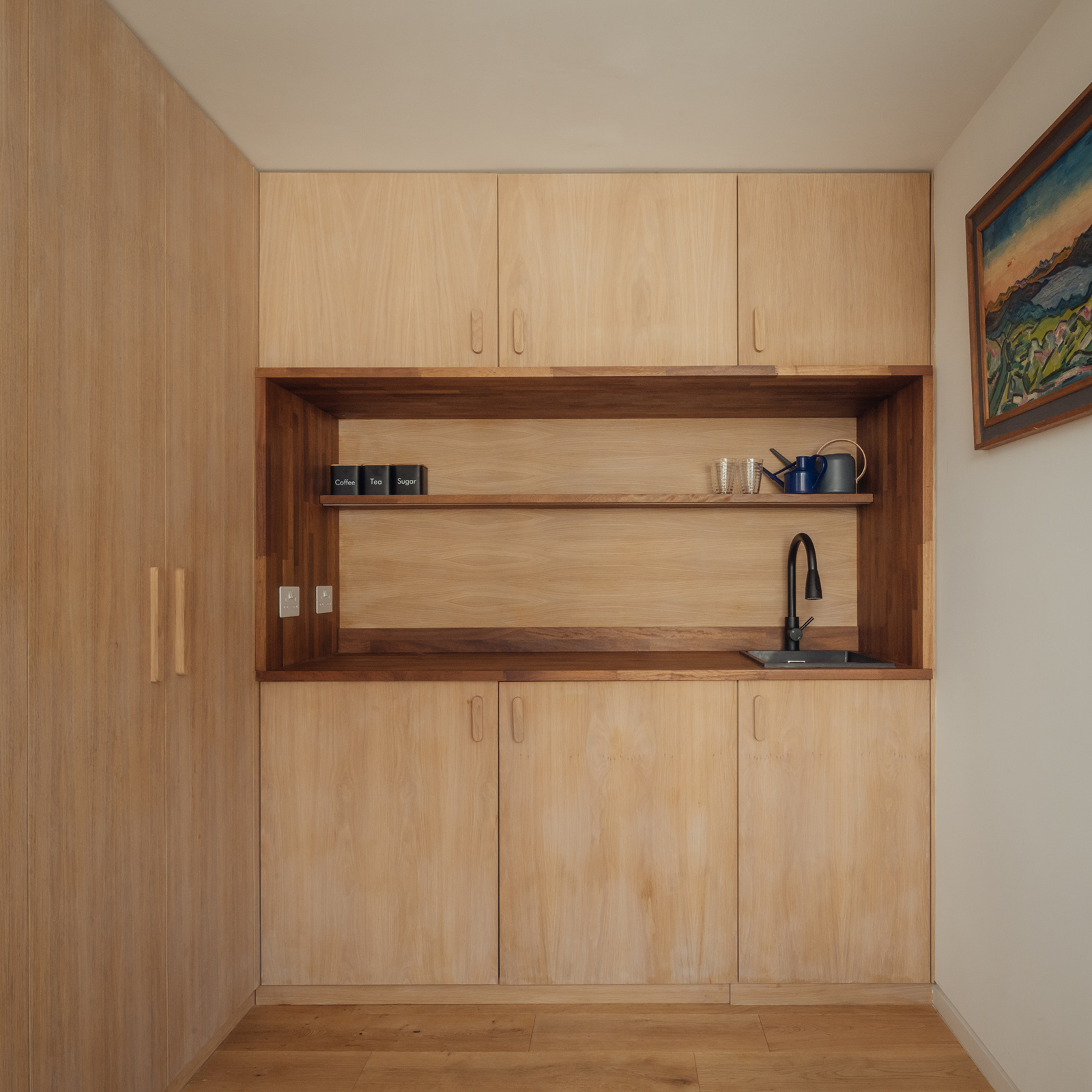
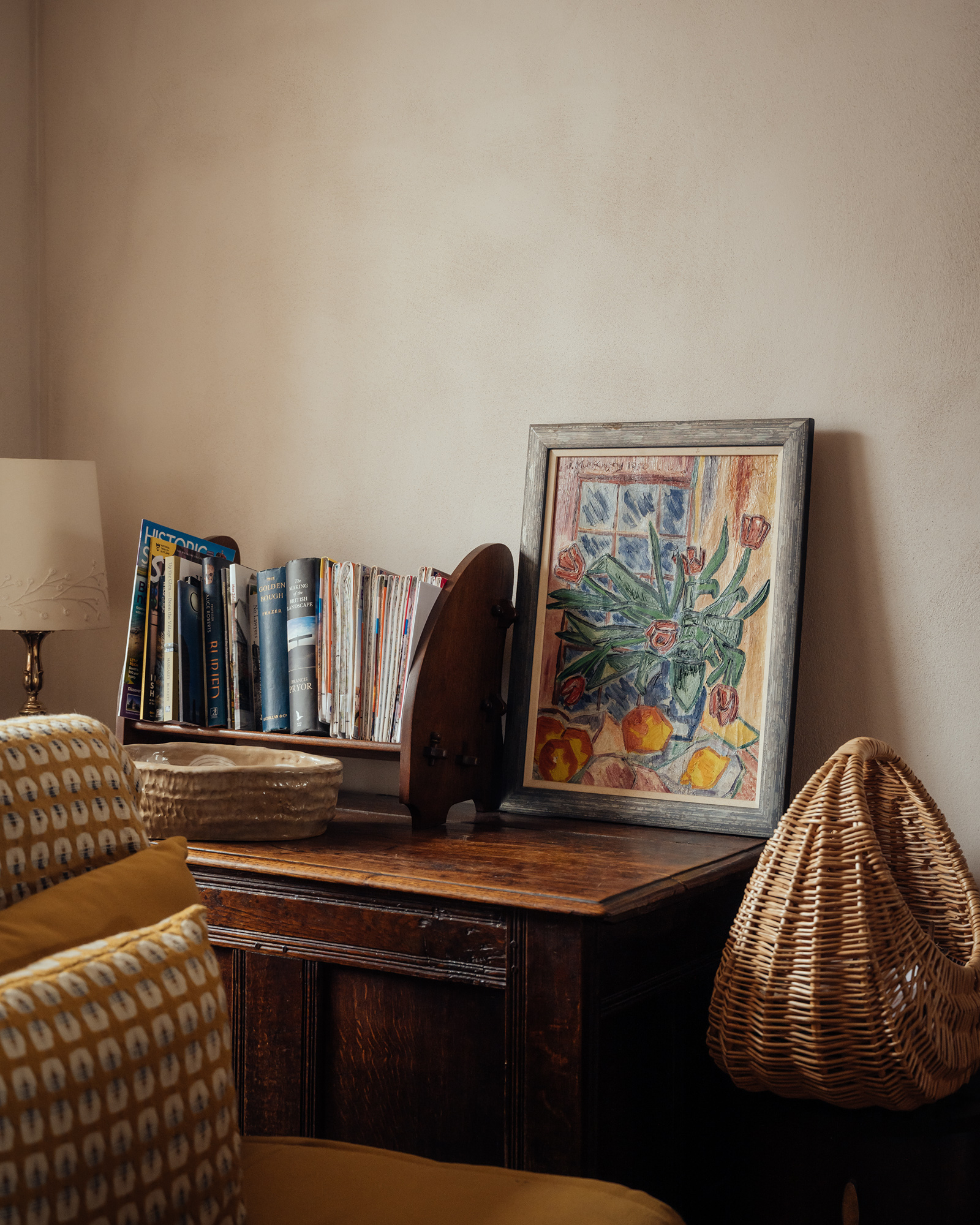
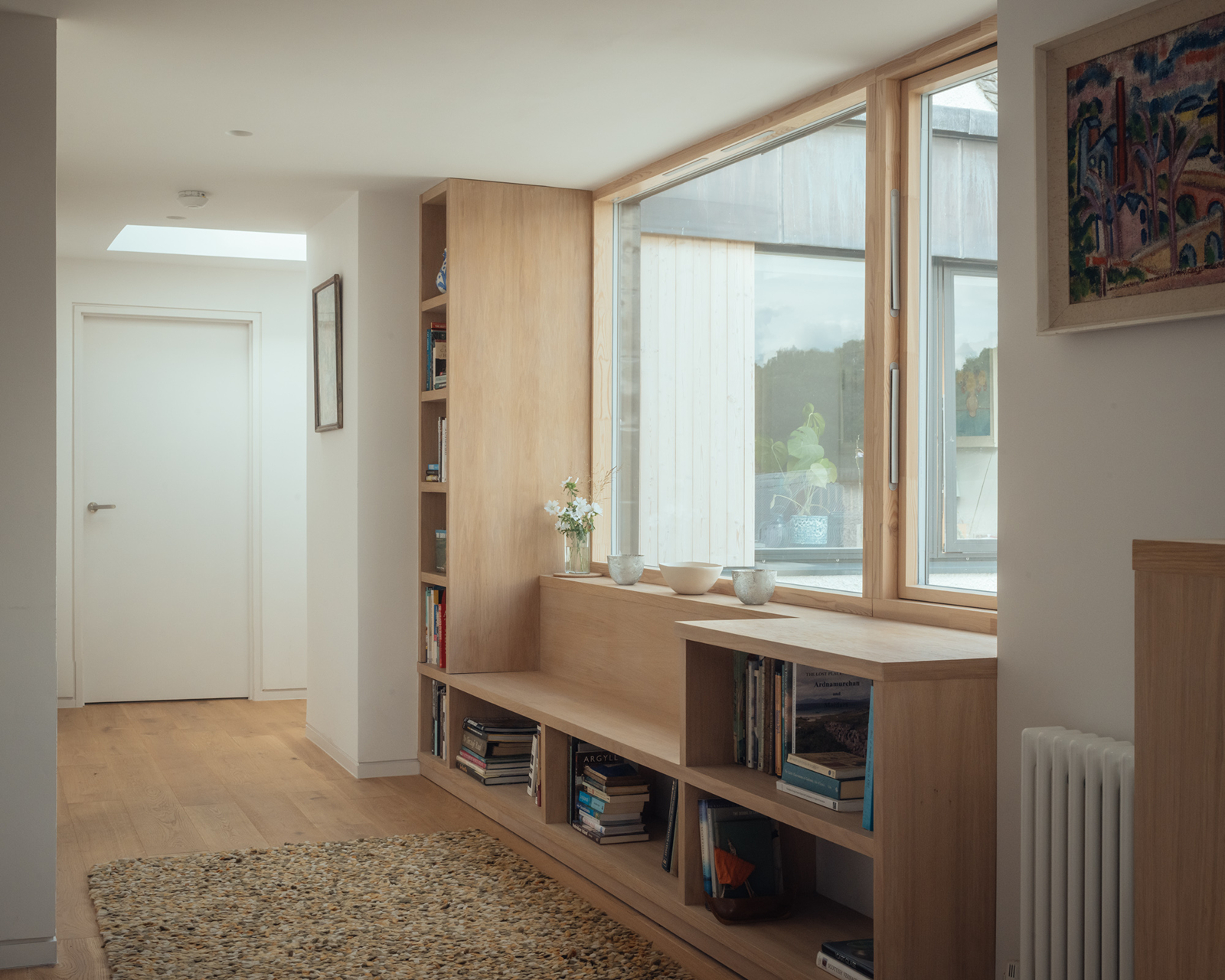
The upper floor keeps things calm: a primary suite framed by a picture window toward the valley, two guest rooms, and a snug tea nook tucked into a dormer. An omnitub under the slope of a skylight turns the ensuite into a pocket of sky-lit silence. Shelves for art, ceramics, and family photos seed everyday “place markers” for the Alzheimer’s relative, making orientation intuitive
Triple glazing, new insulation, and airtight detailing let the house hold warmth while river light roams freely through the plan. As Frances puts it, “One of the joys of the house is the way it tracks the sun through the day and the seasons”—a reminder that thoughtful detail can turn a centuries-old shell into a living, evolving home.