Search






Neiheiser Argyros reshapes a 1970s seaside home into an open-air promenade of arches, terraces, and soft concrete light
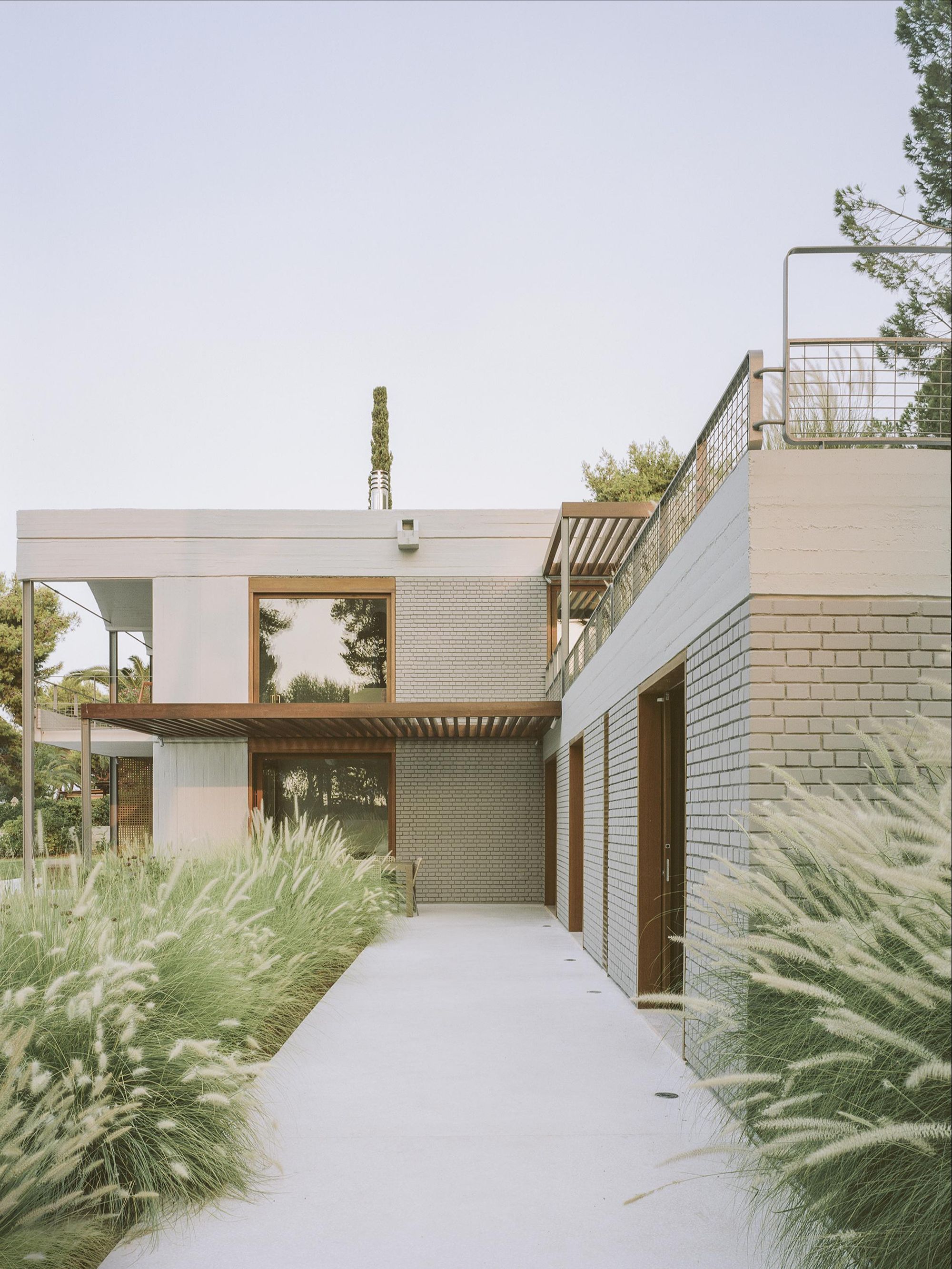
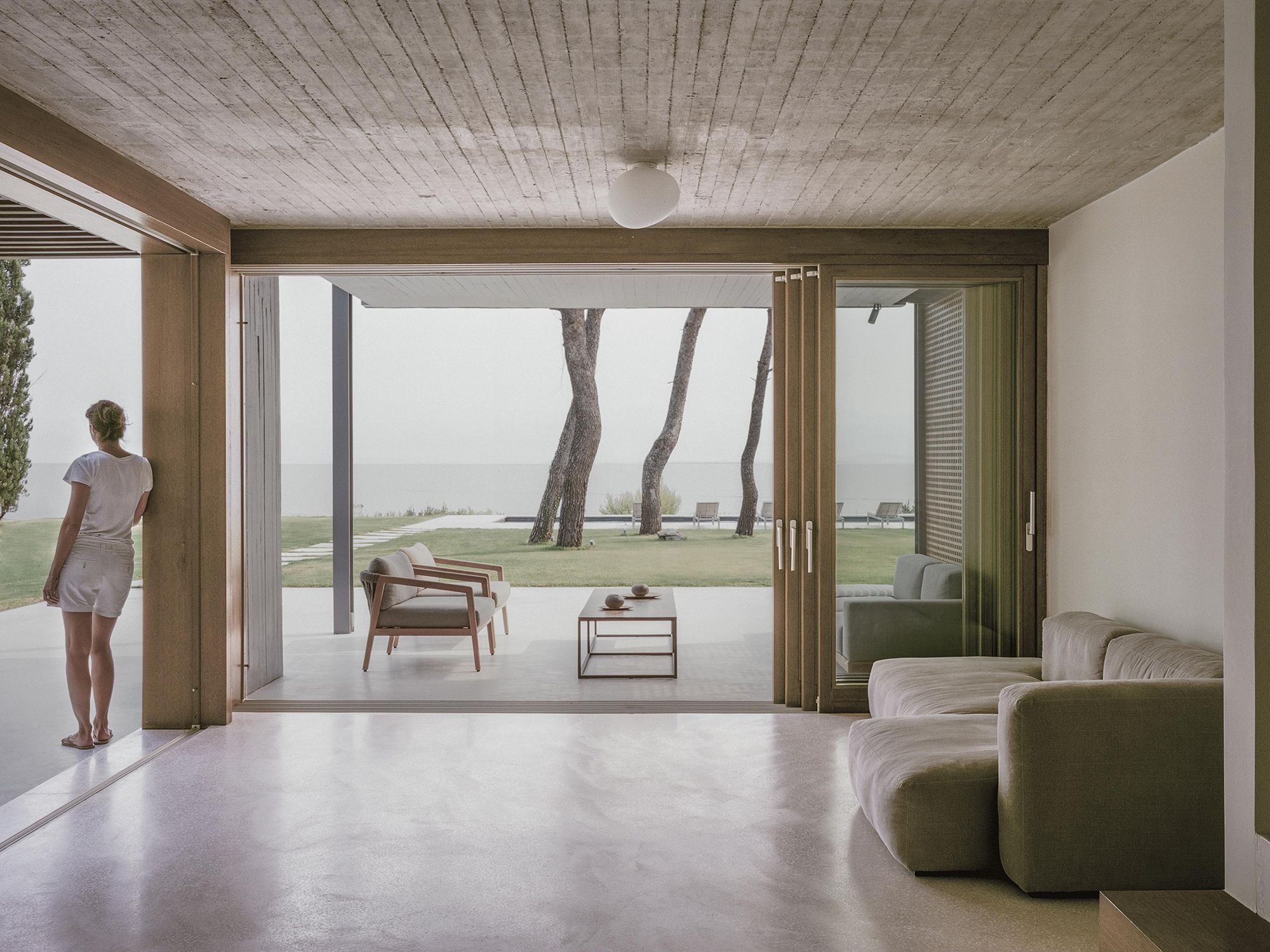
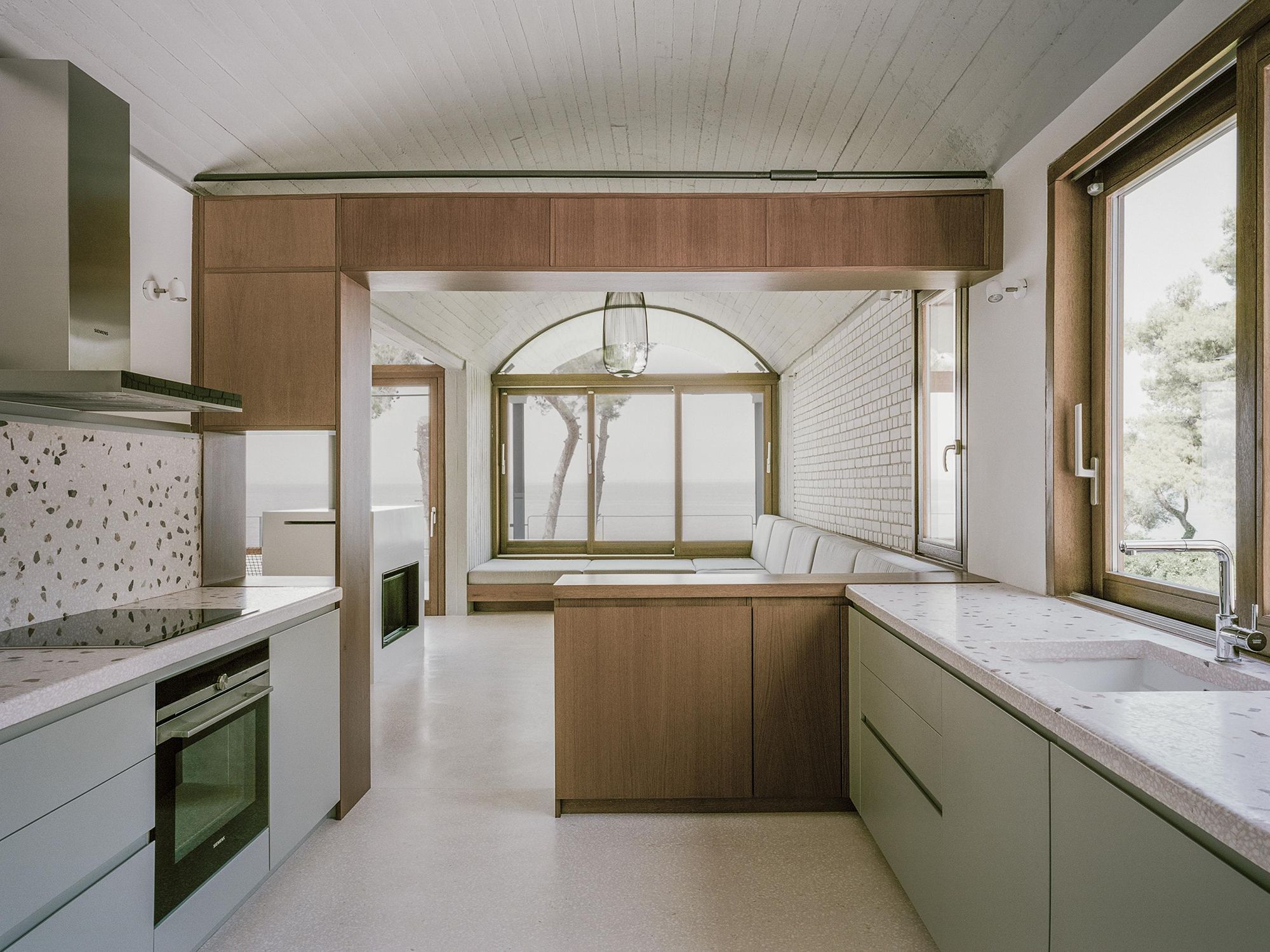
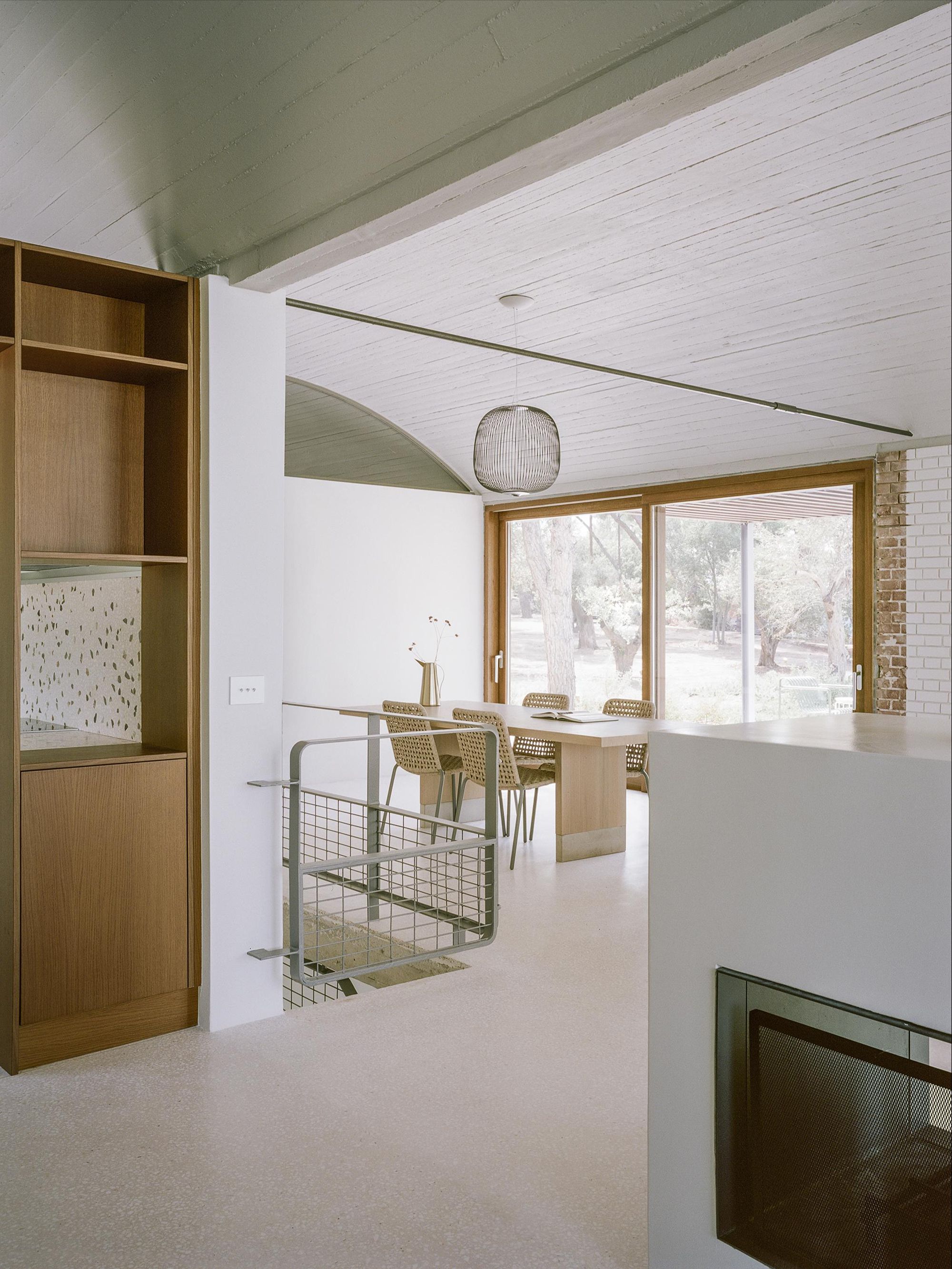
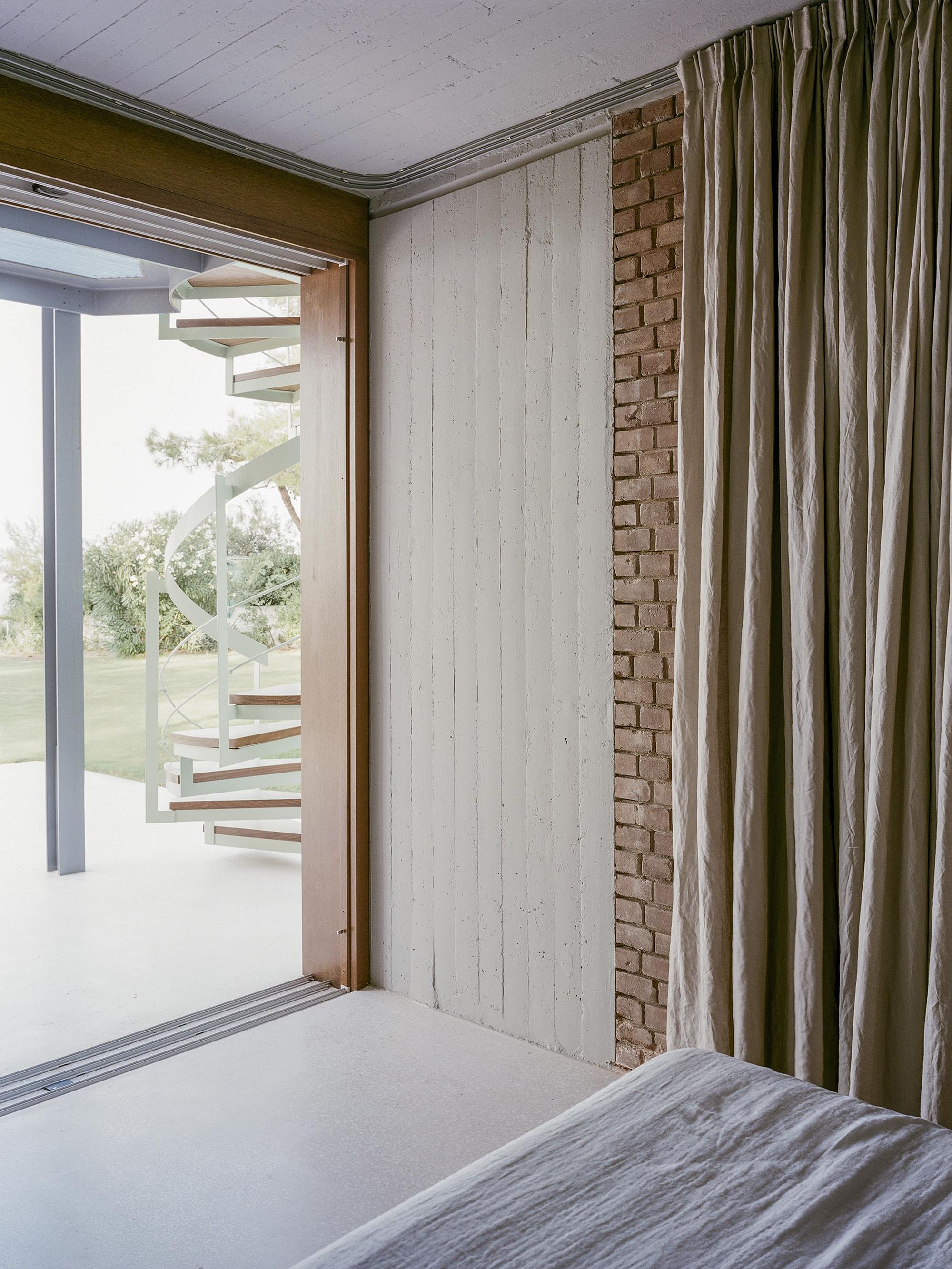
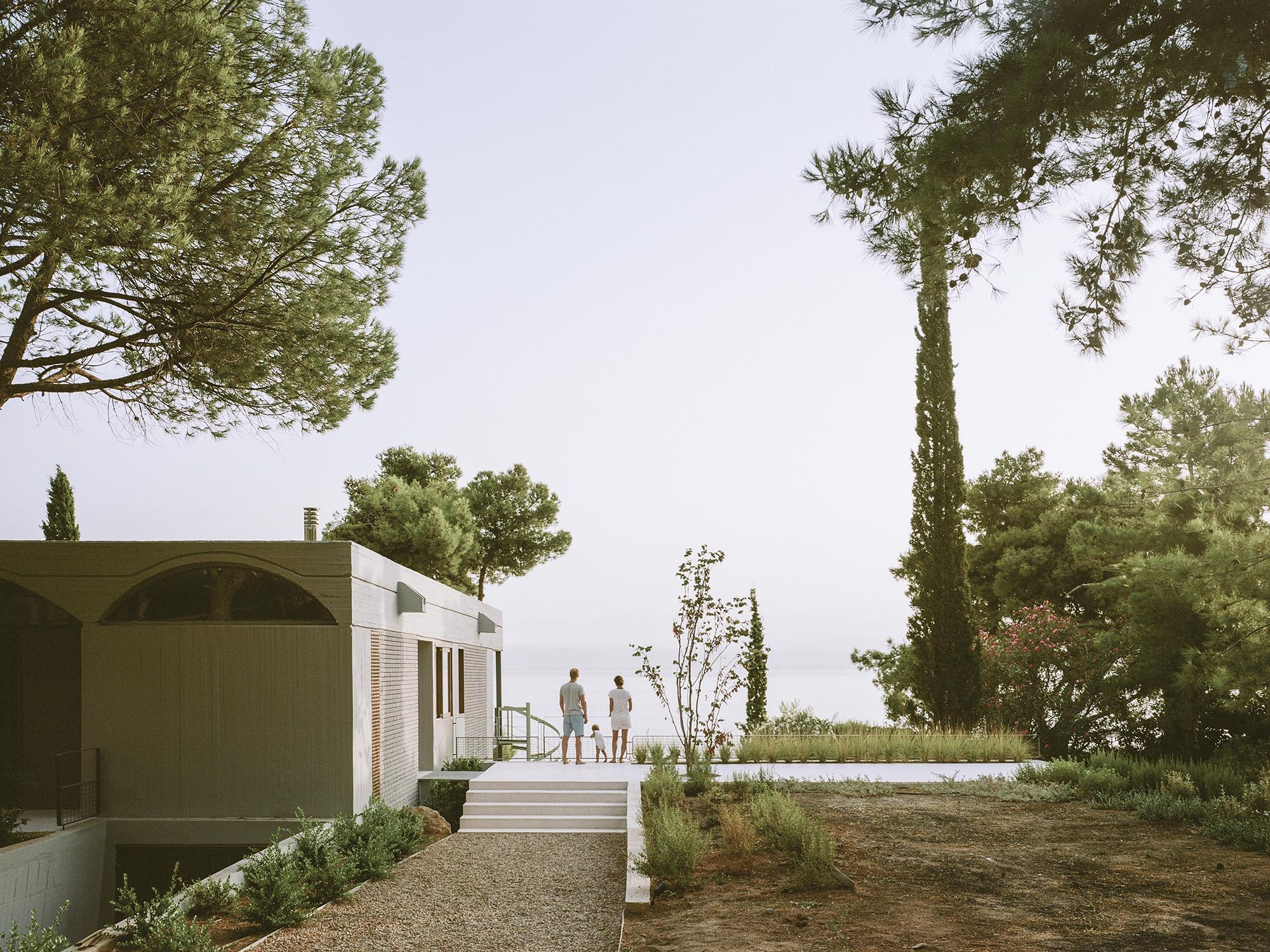
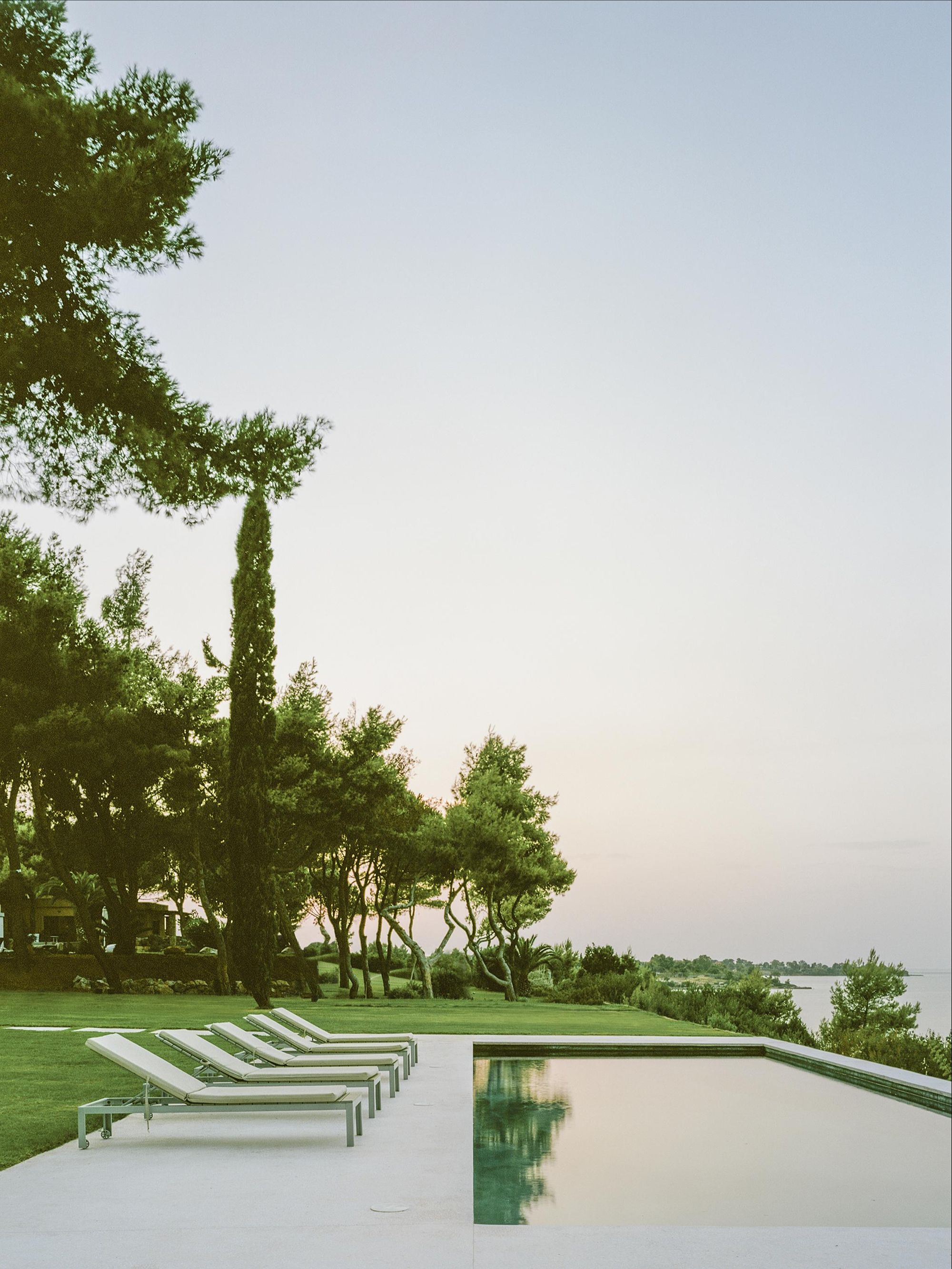
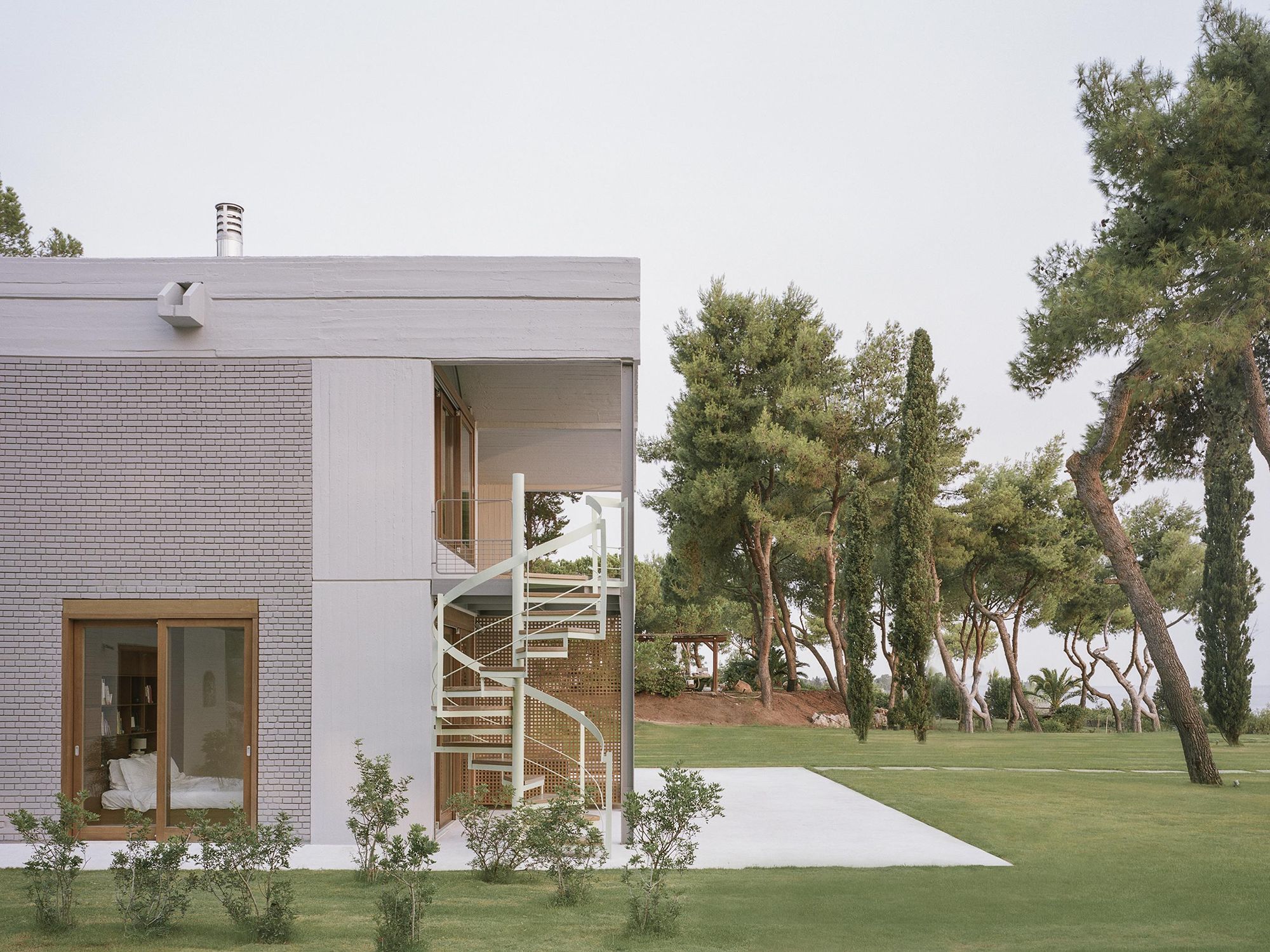
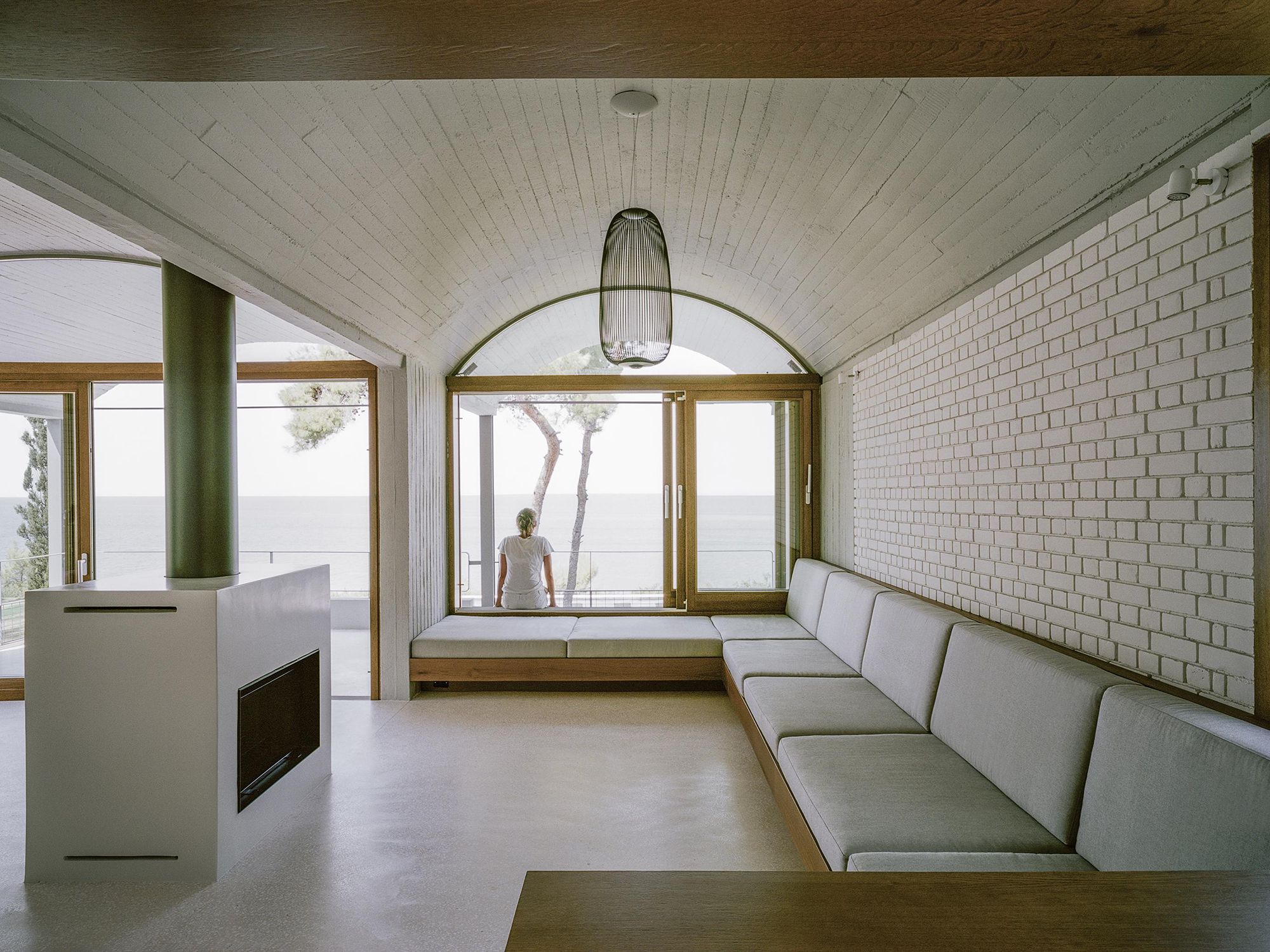
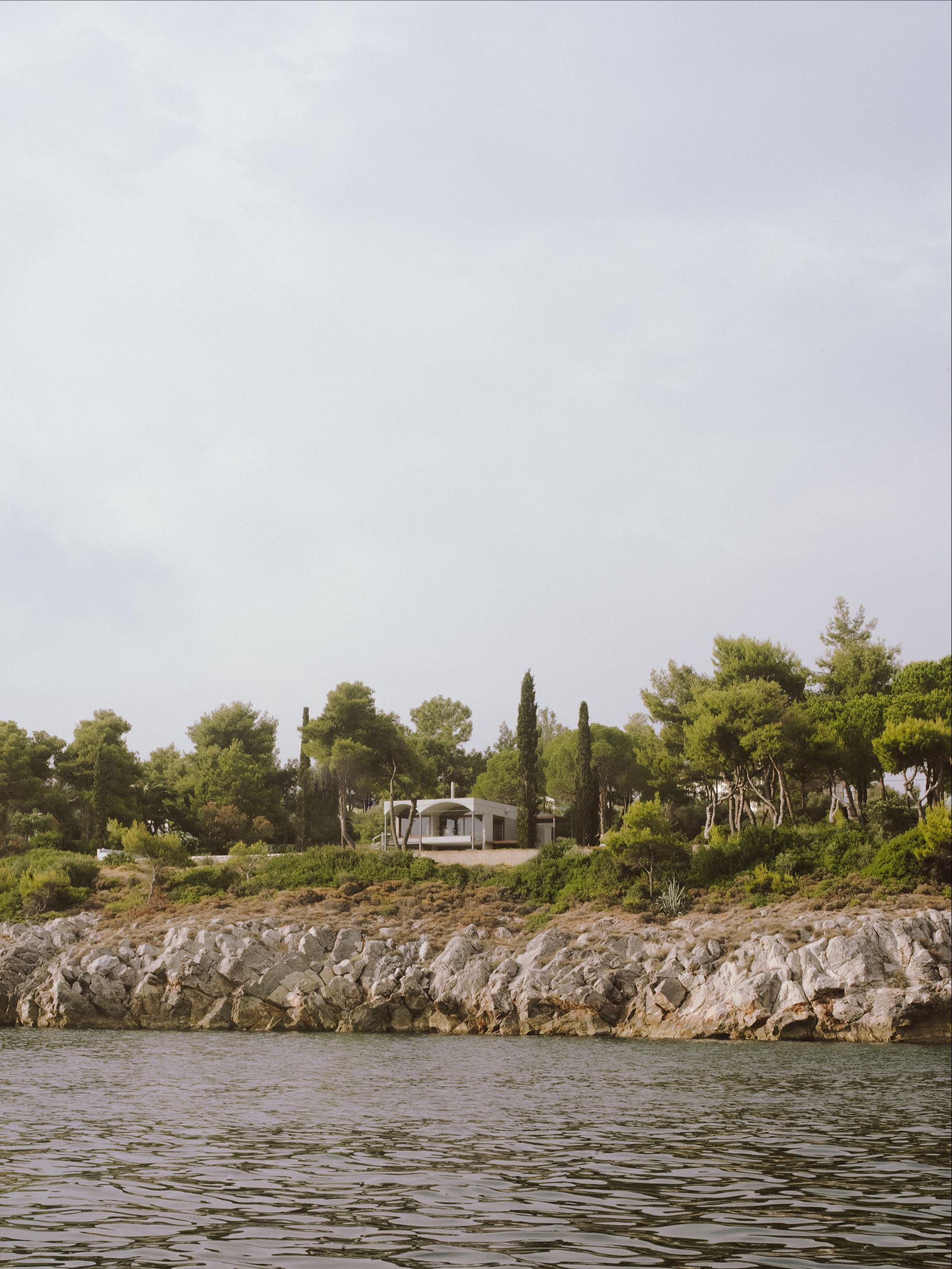
From the approach road the house almost hides behind olive trunks and wild pine, its pale brick and board-formed concrete slipping into the slope above the Euboean Sea. Walk a little farther and two shallow concrete vaults emerge, framing the horizon in a broad, symmetrical sweep. Those arches hold the main living room—a single, breezy space where terrazzo floors meet exposed structure and wide wood sliders push aside until the interior feels indistinguishable from the lawn below. A mint-green spiral stair curls down the façade, a casual shortcut between rooftop garden and water’s-edge grass.
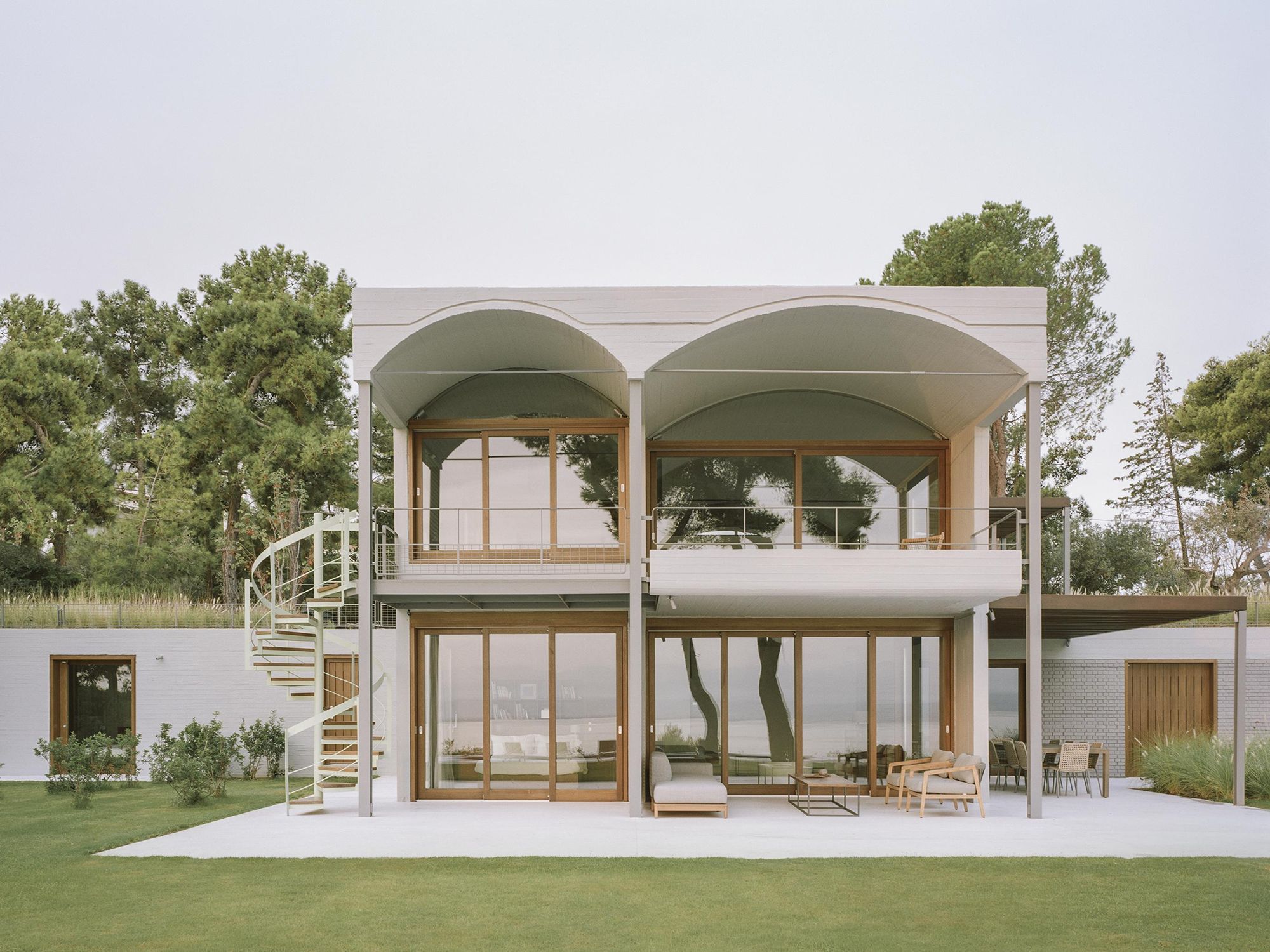
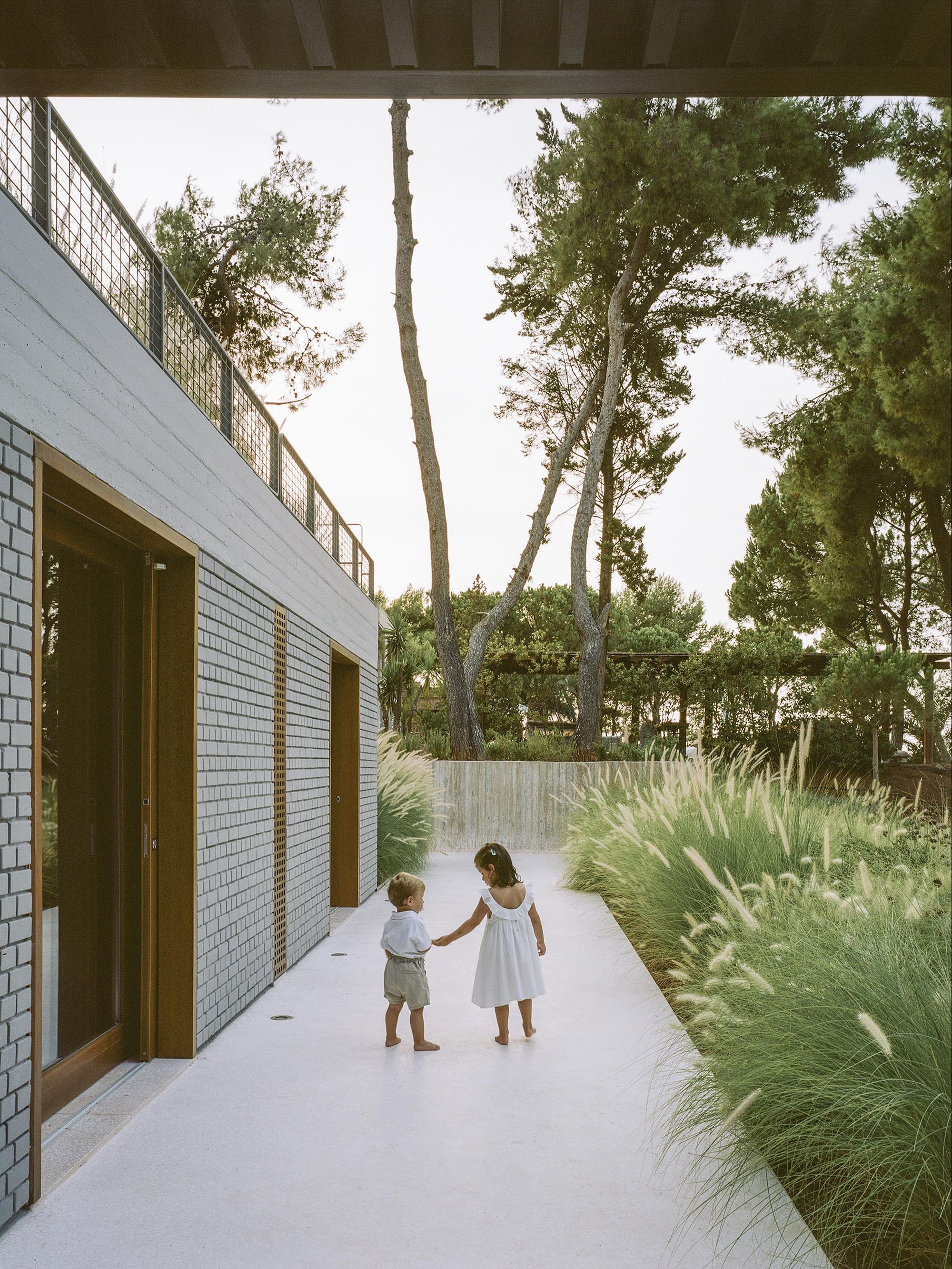
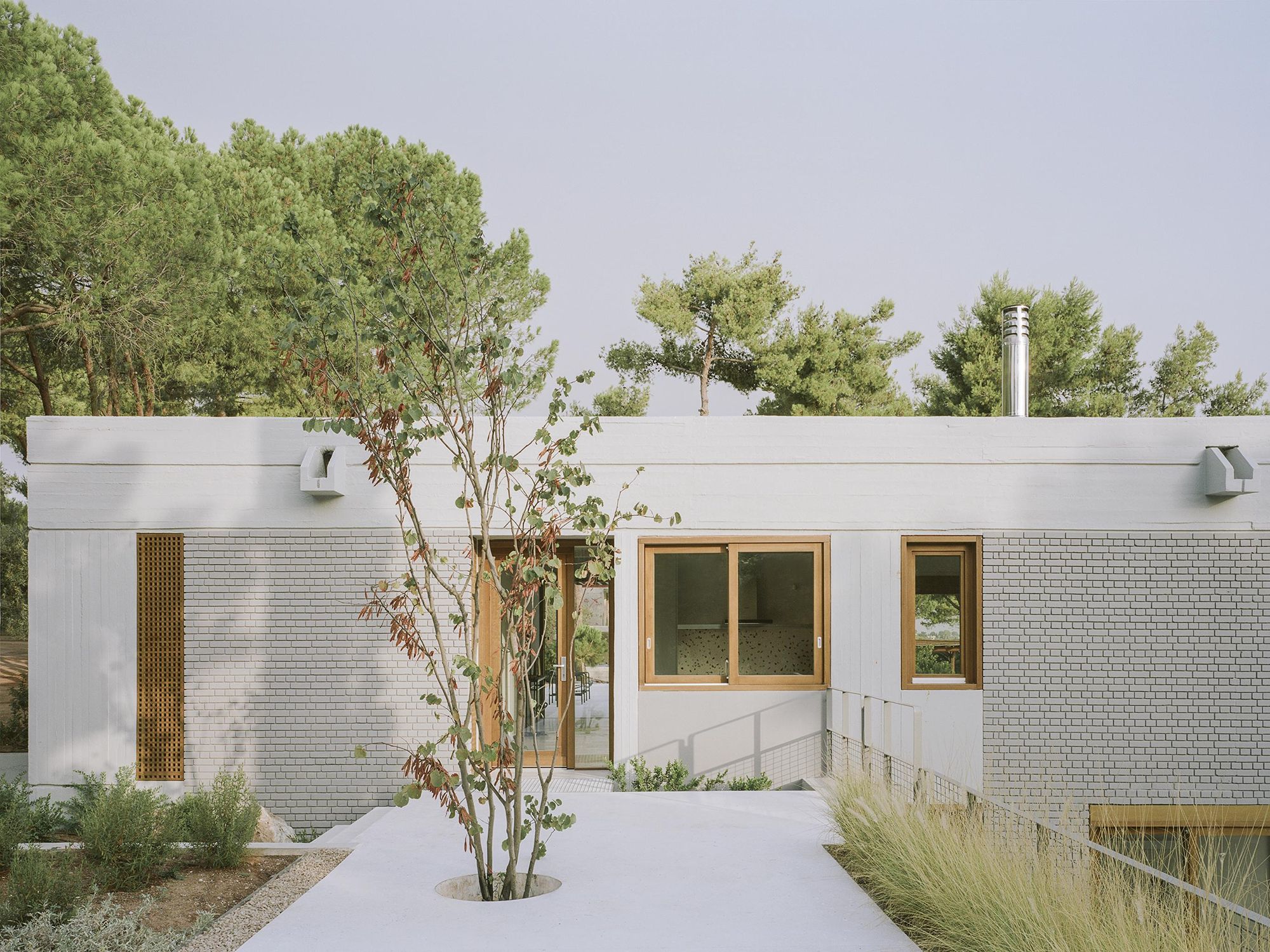
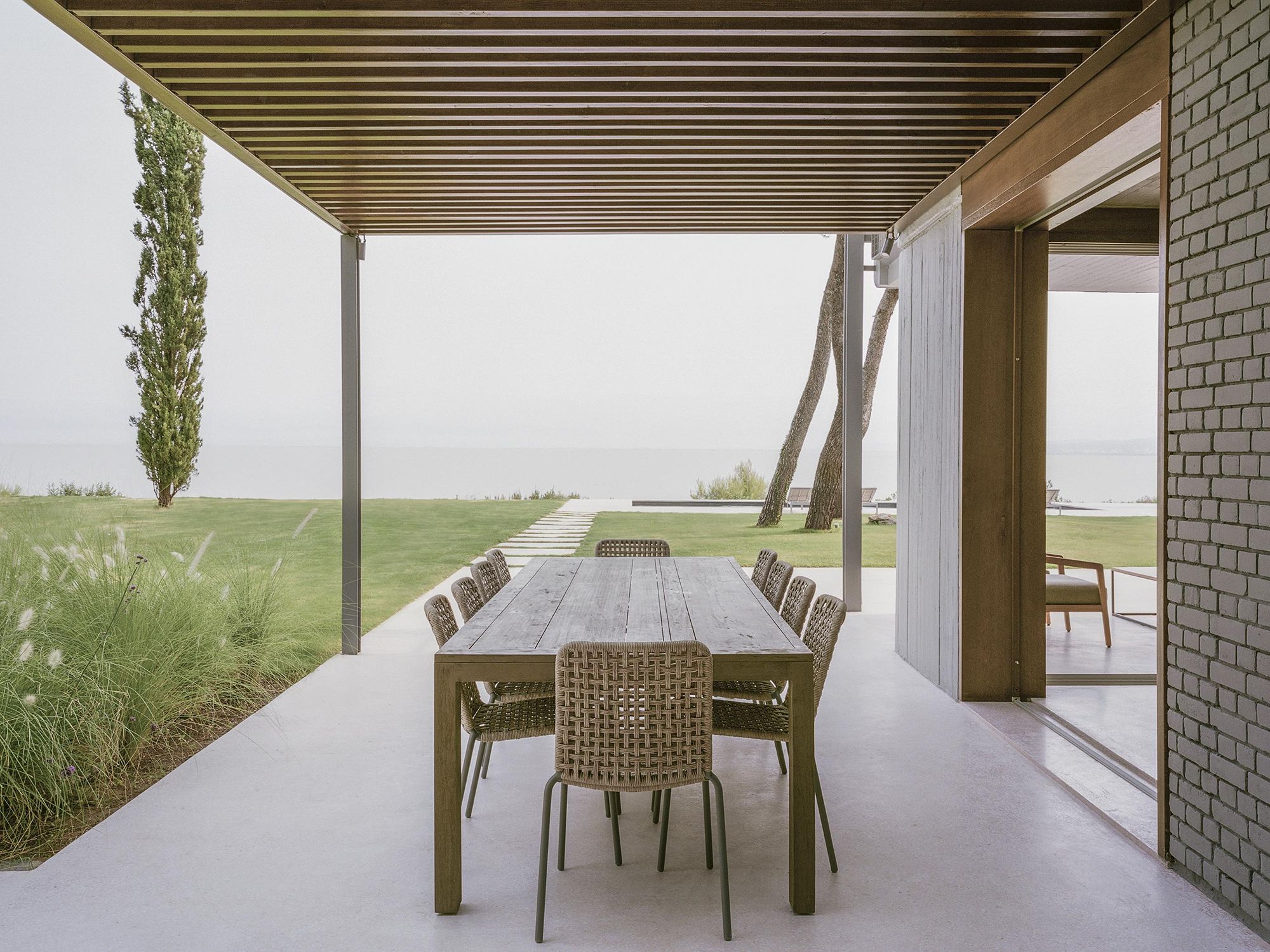
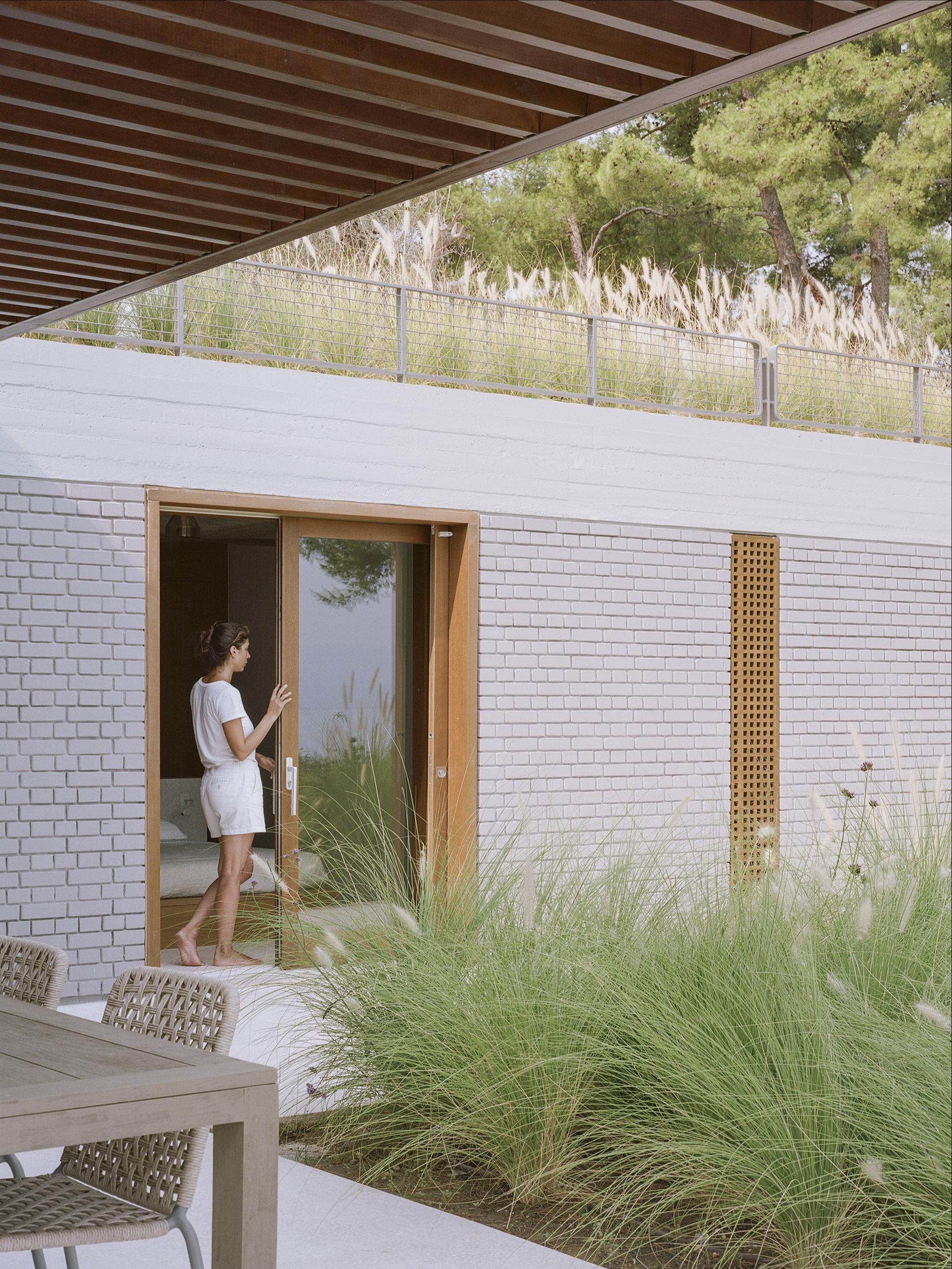
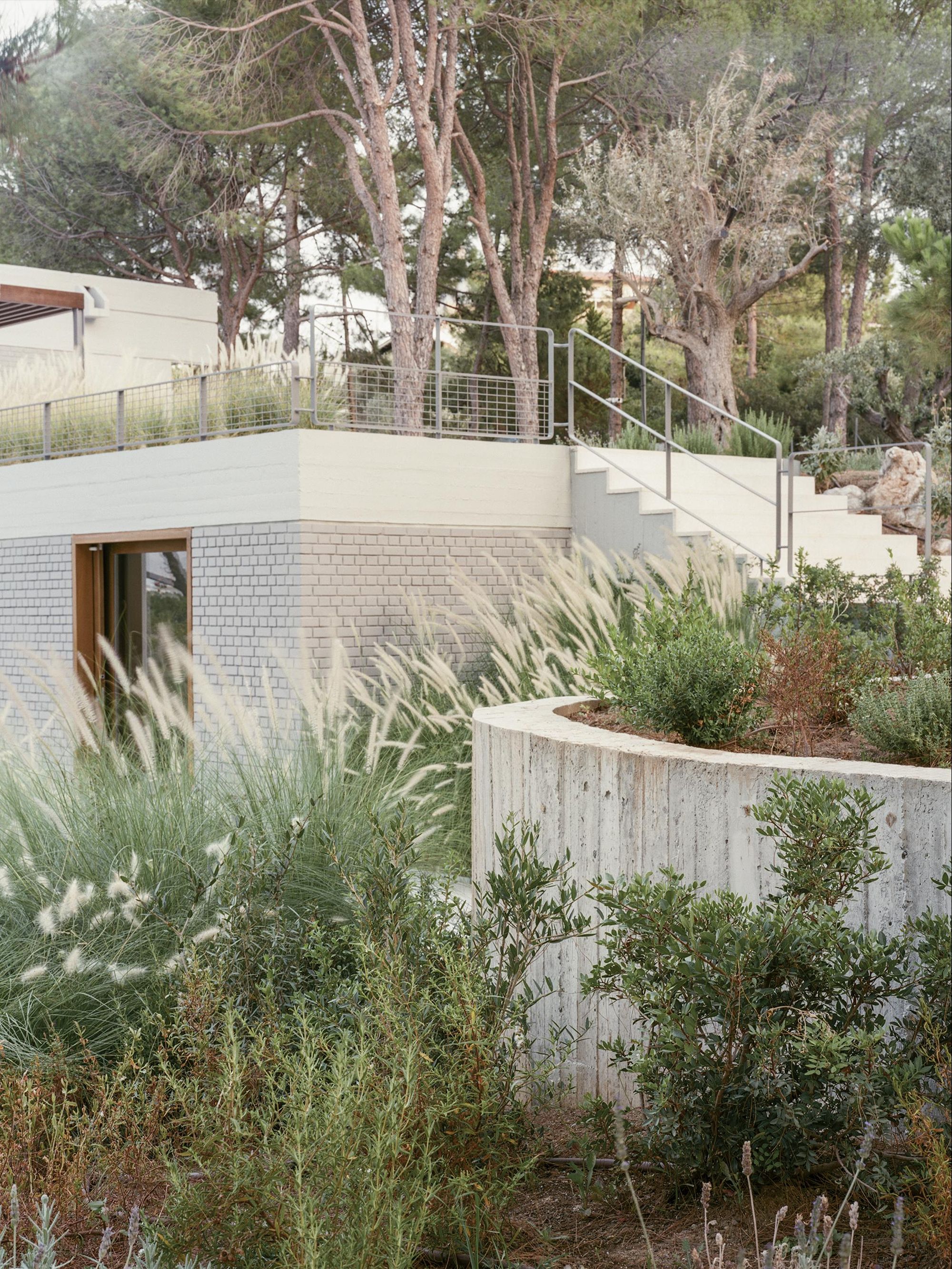
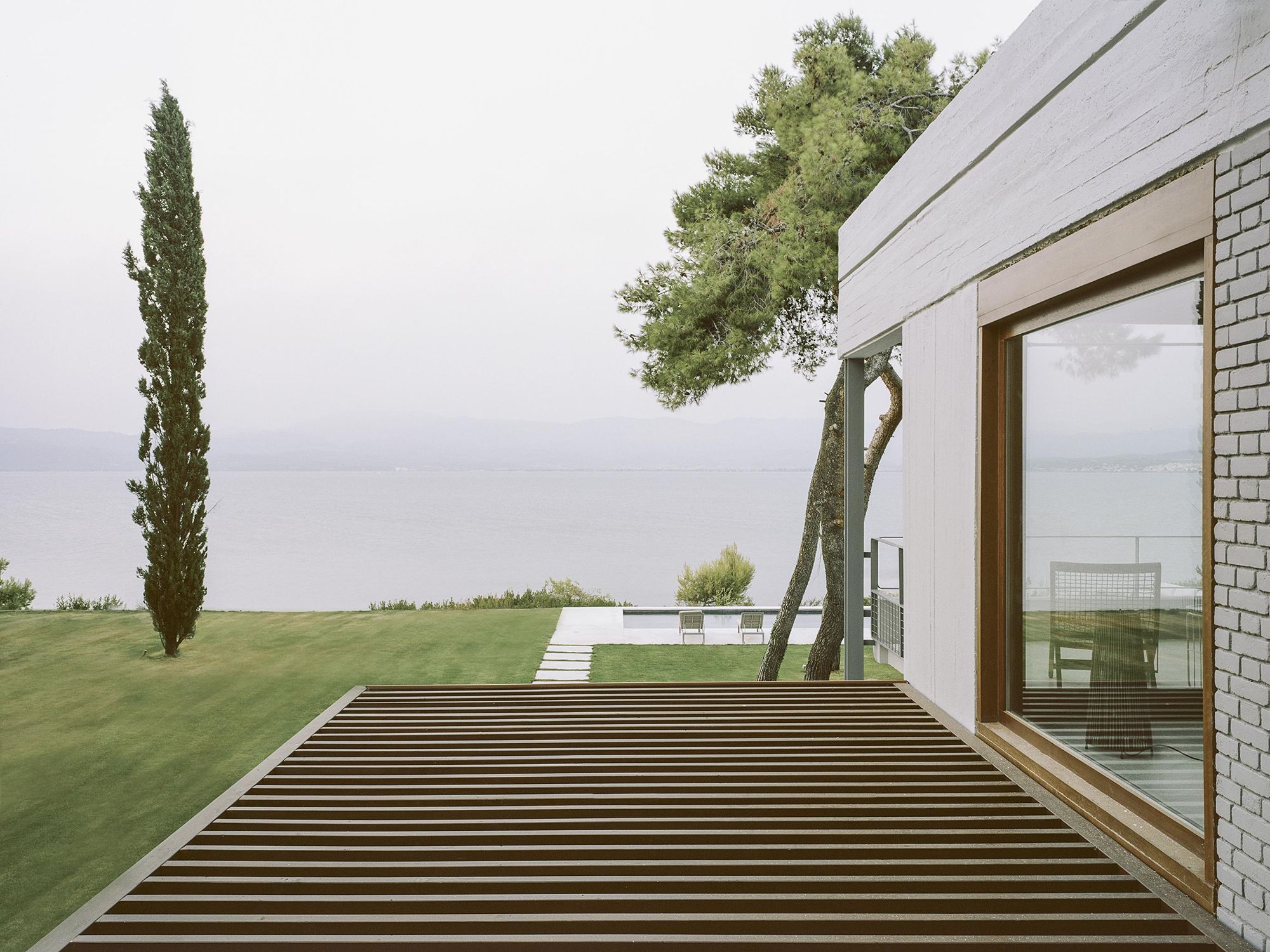
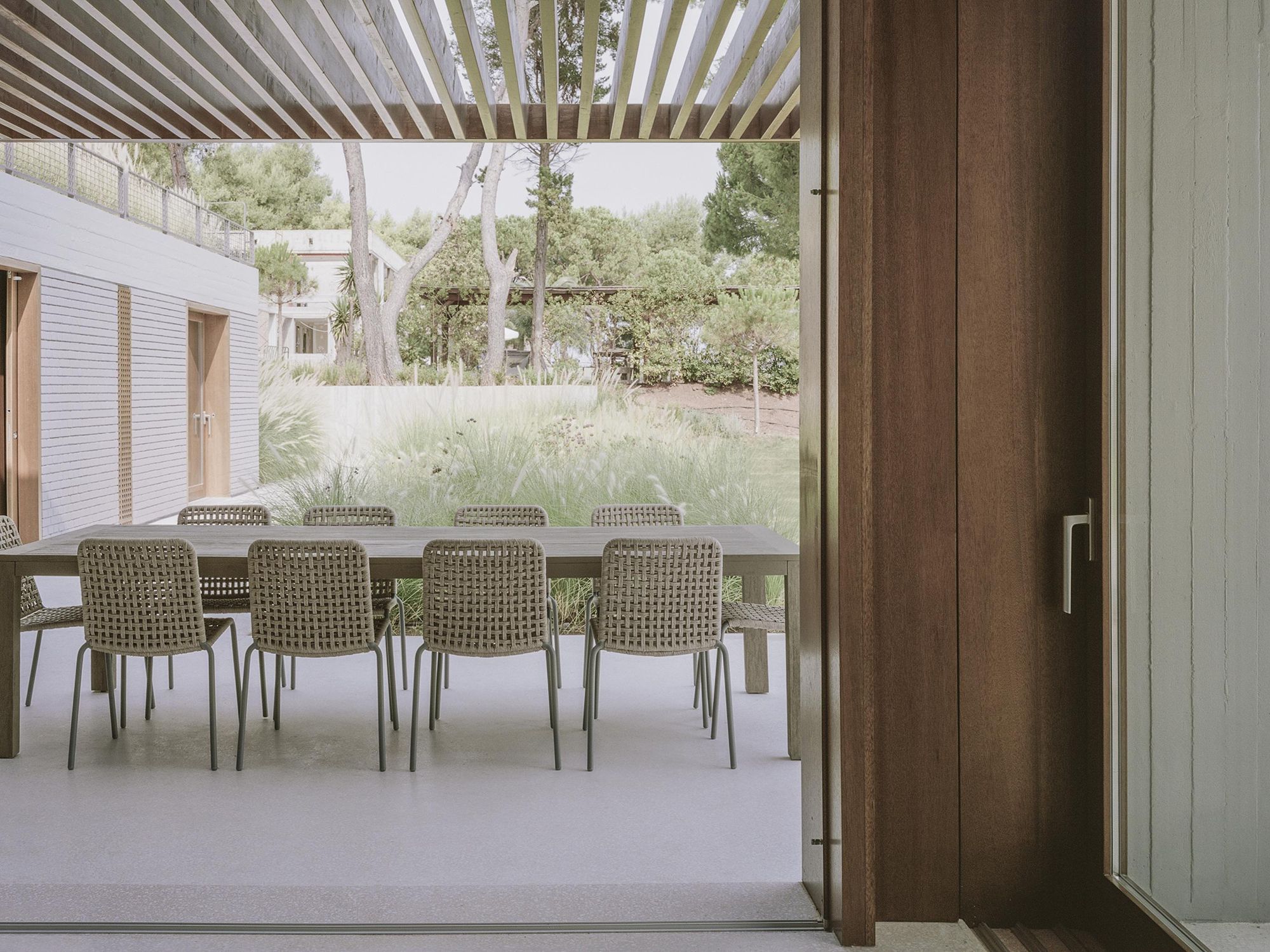
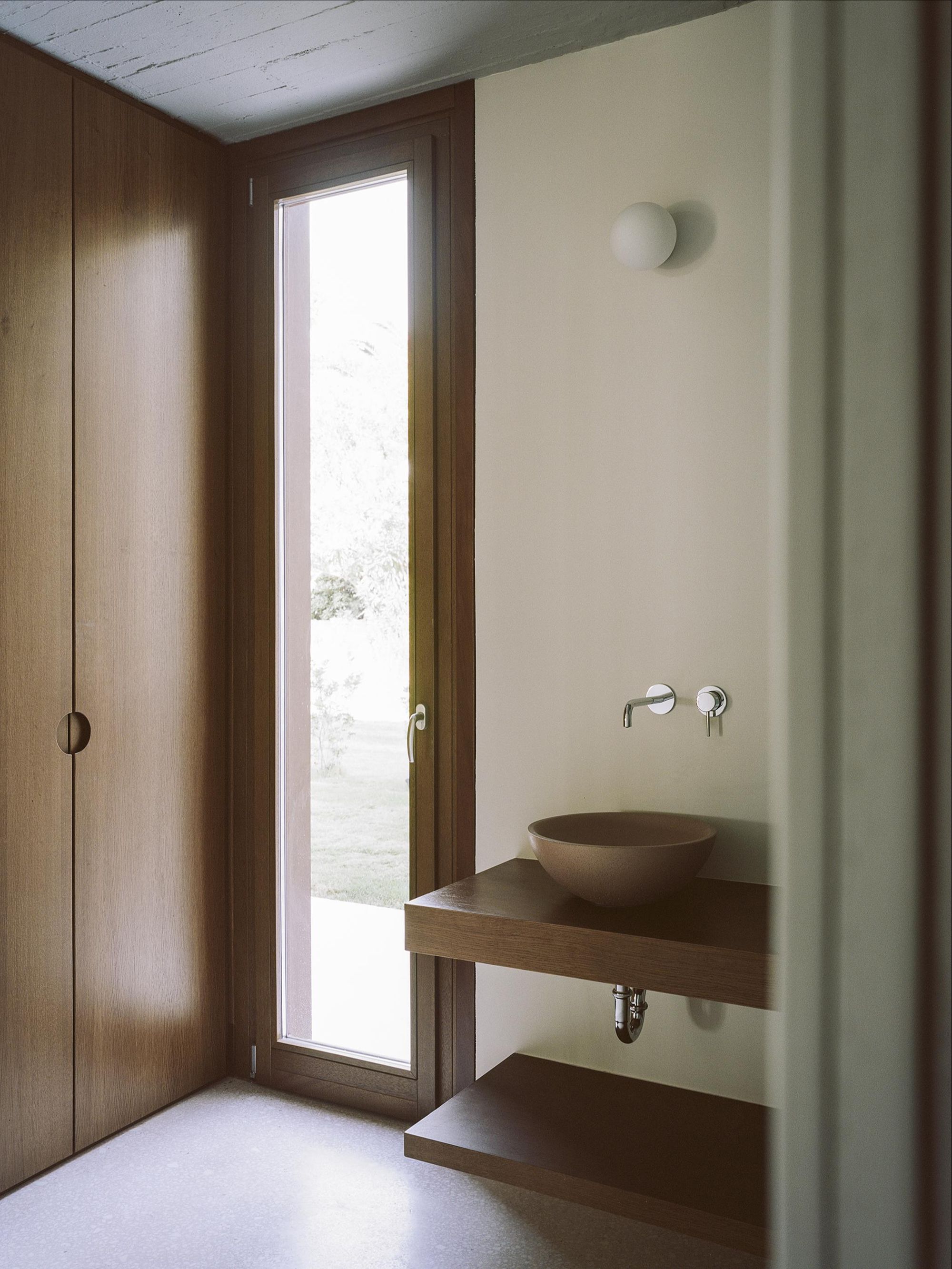
Perpendicular to the vaulted wing, a lower bar tucks bedroom suites into the hillside. From inside, each room looks east through slender openings toward pines and meadow; from outside, the volume reads as part of the retaining wall, its roof thick with grasses that echo the surrounding scrub. The architects cut new apertures through the original concrete, laid a lattice of timber pergolas across the terraces, and let filtered daylight track deep into the plan. Circulation becomes a walk through changing micro-climates: shaded dining under cedar slats, a bleached sun deck that overlooks the sea, a cool garden path lined with feather grass where children wander barefoot.
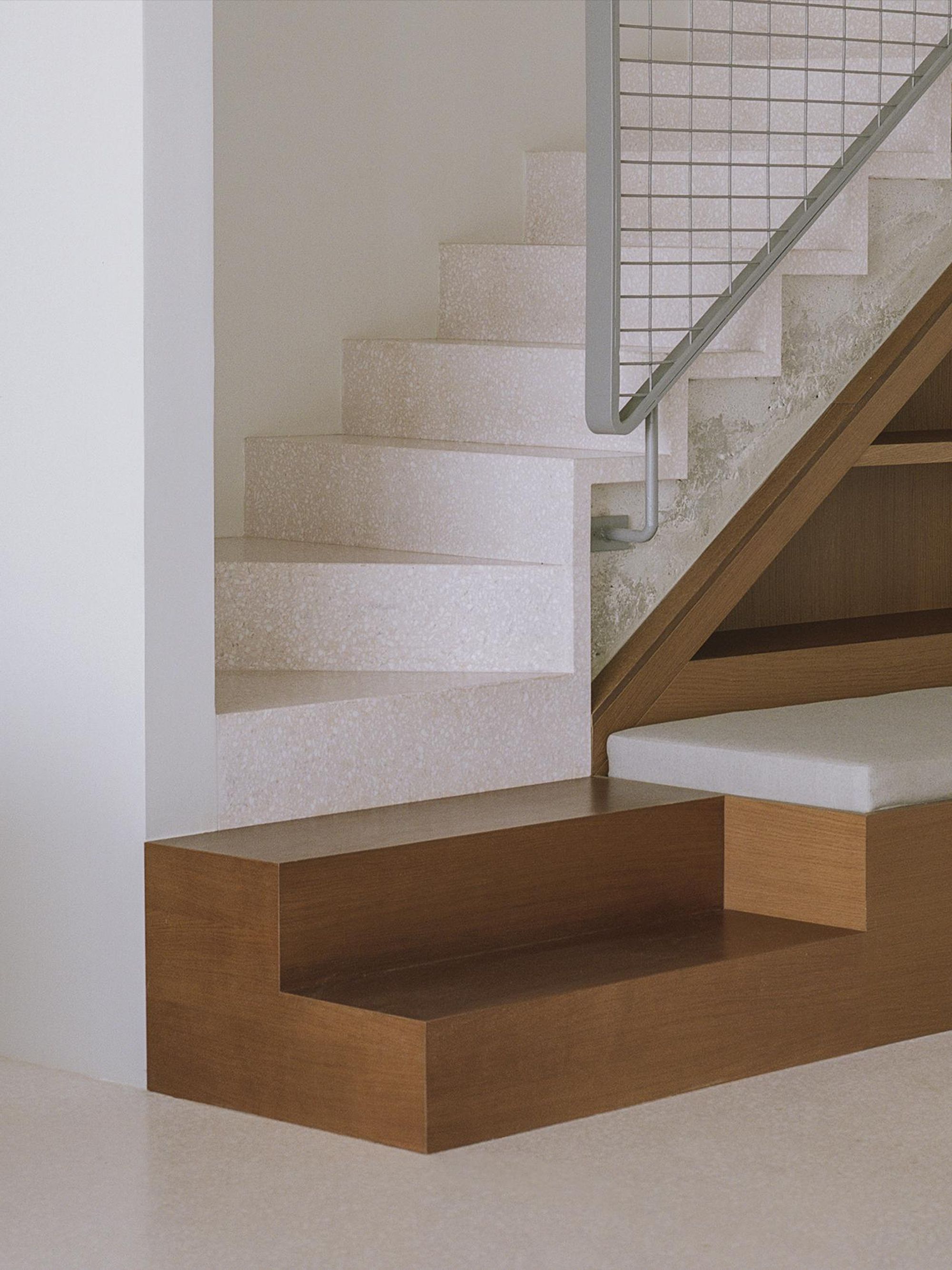
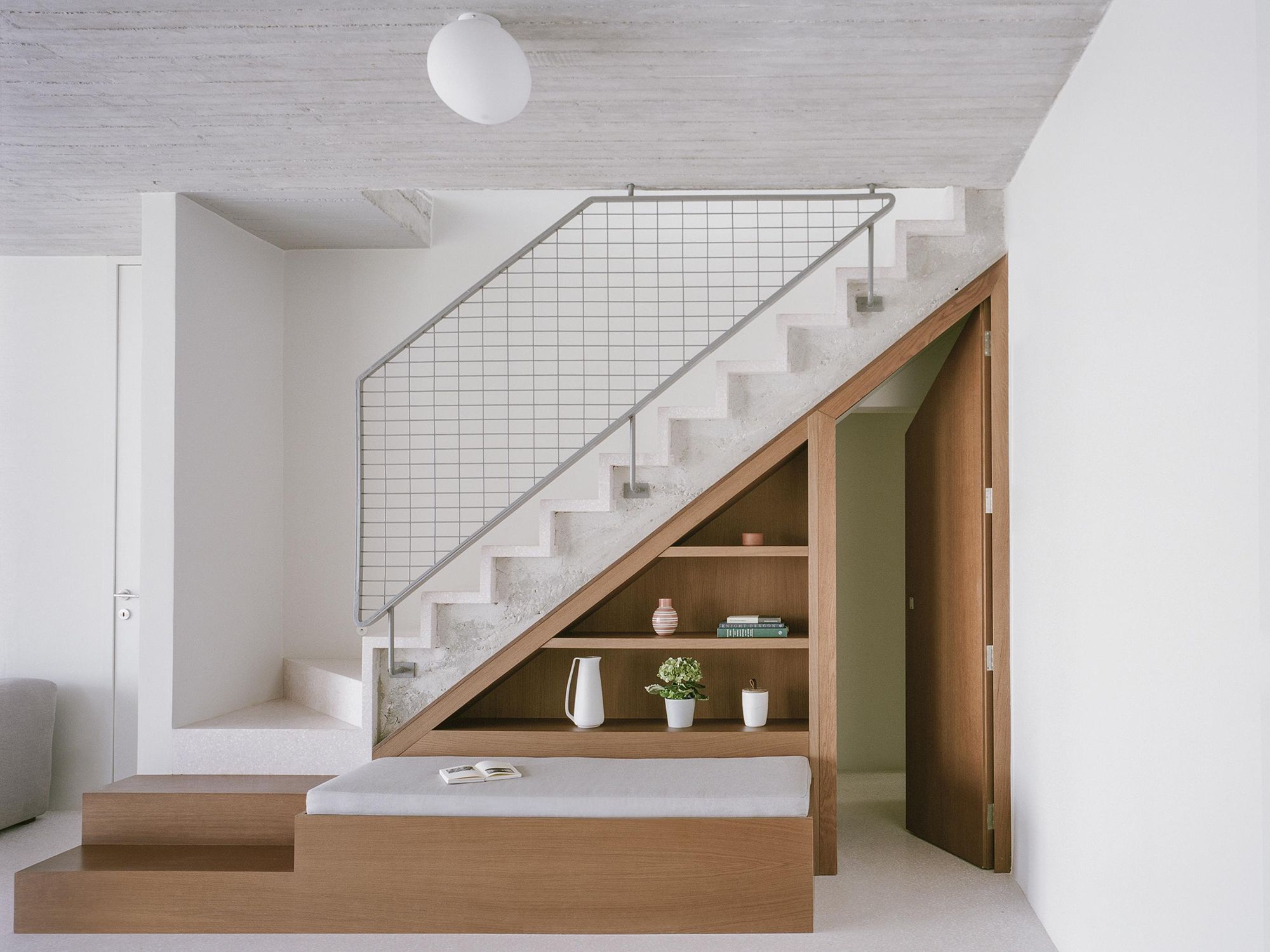
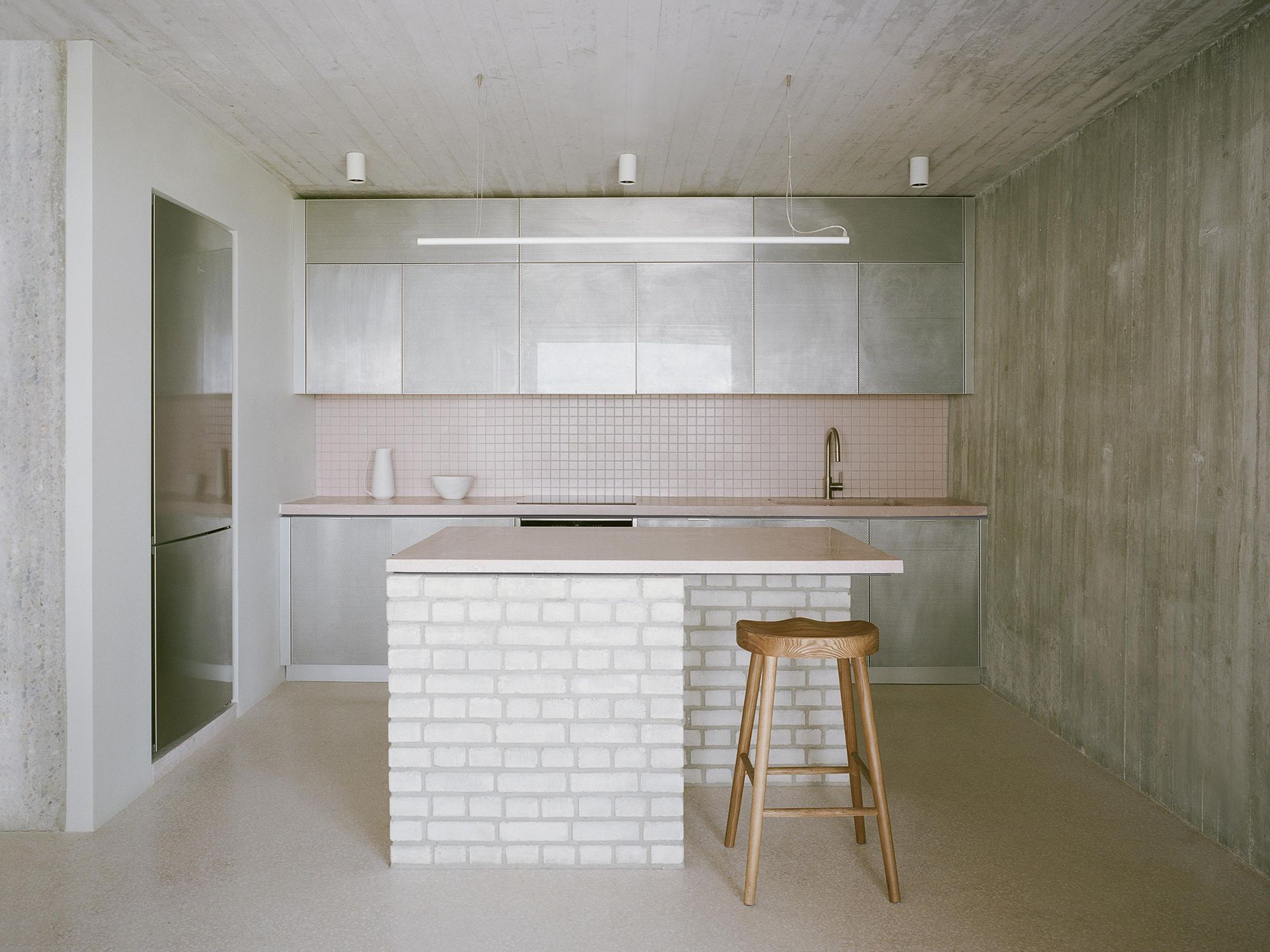
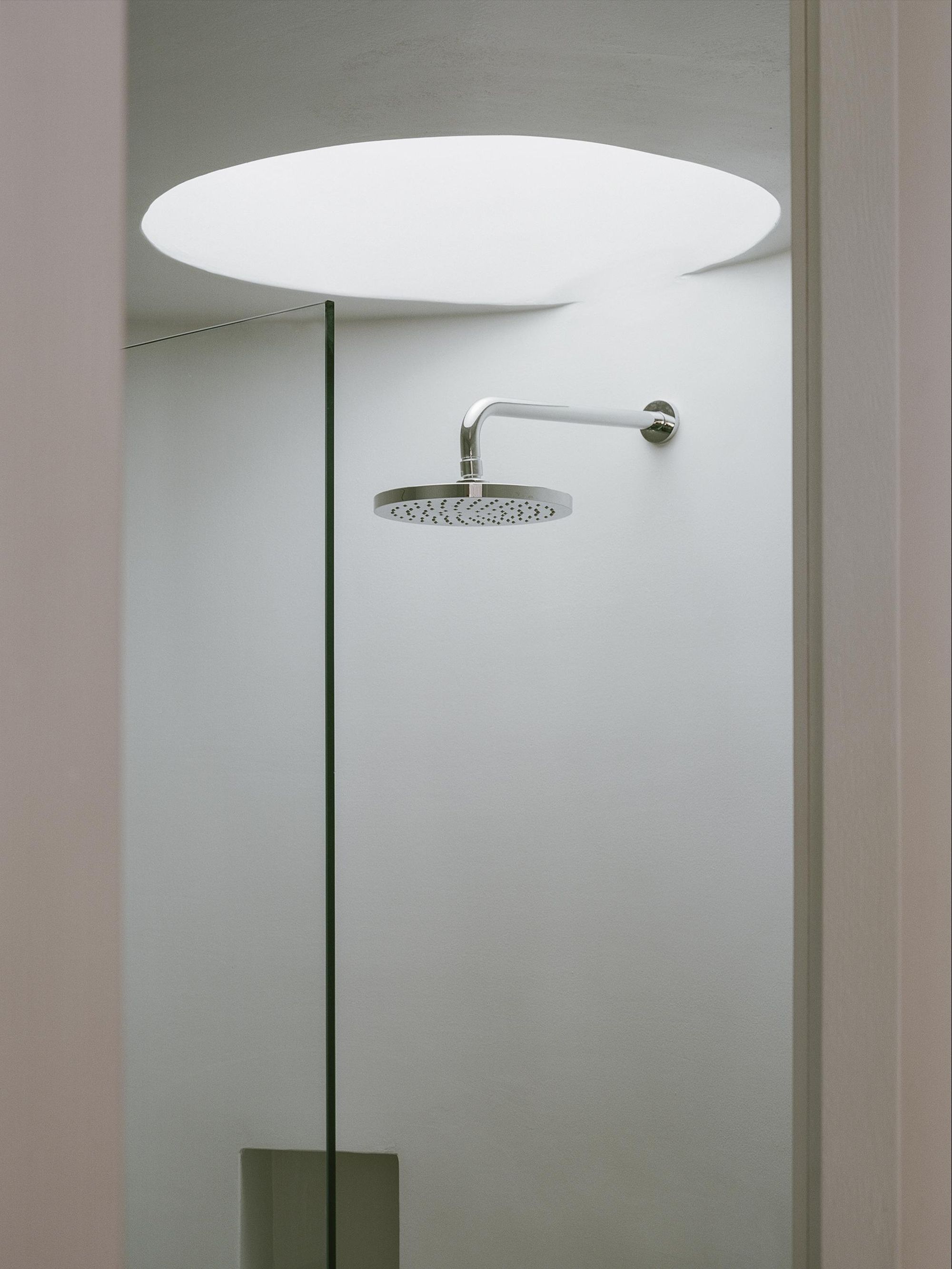
Materials shift in measured steps—exposed brick gives way to white stucco, terrazzo flecks pick up the dark aggregate of the beach below, perforated aluminum cabinet doors catch evening breeze. Many of architect Nikos Hadjimichalis’s modernist details remain, yet every incision, every new surface is left visible, so past and present read as one conversation carried forward. The result is a house that lives in layers: forest at its back, sea at its feet, and a continuous ribbon of outdoor rooms that lets summer unfold in every direction.
Photography by Lorenzo Zandri. All images courtesy of Neiheiser Argyros.