Search






Clube and AGENCIA TPBA turn a 1970s Vila Madalena house into a fine‑dining room edged by a folded steel wall and public plaza.
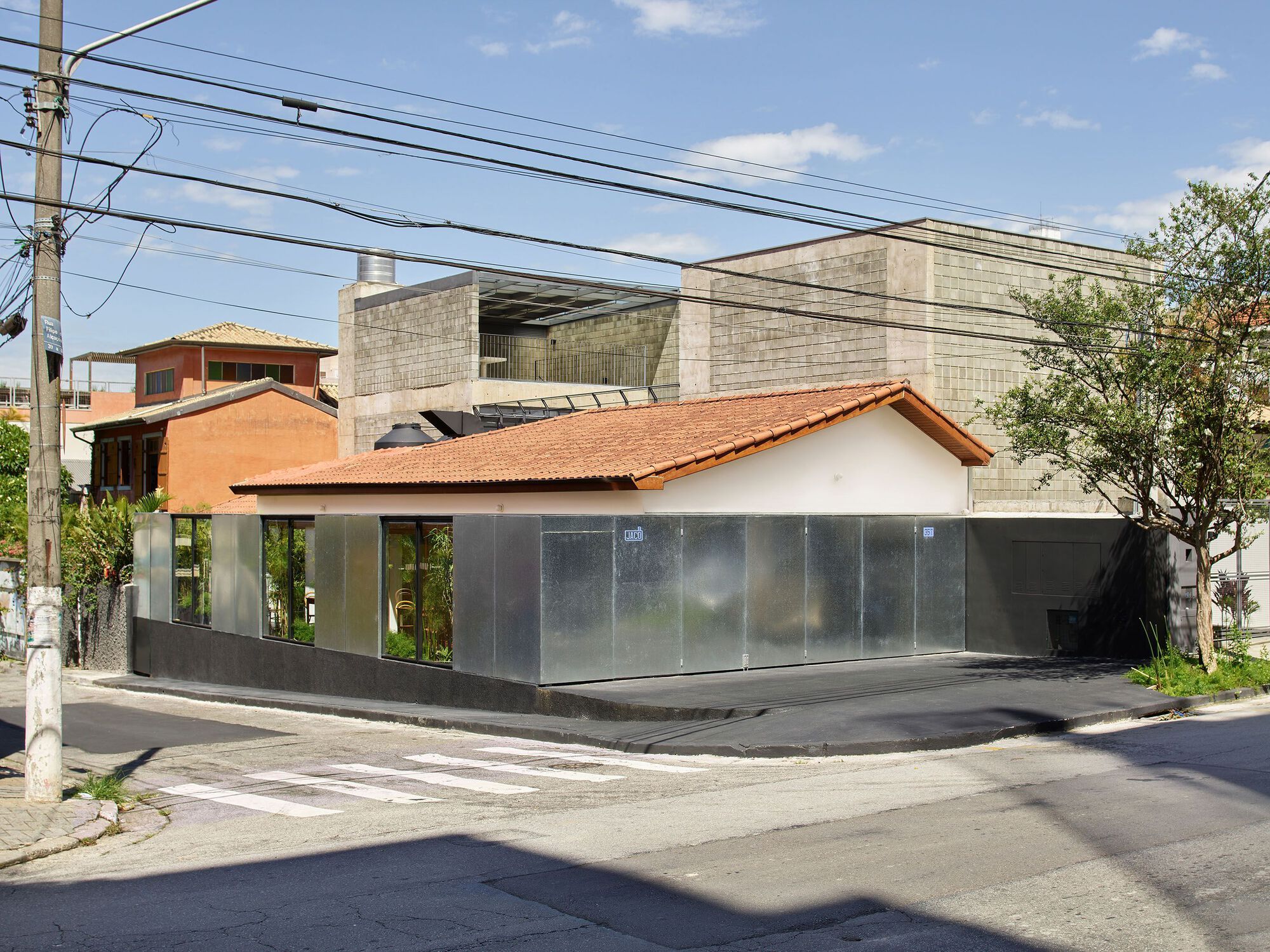
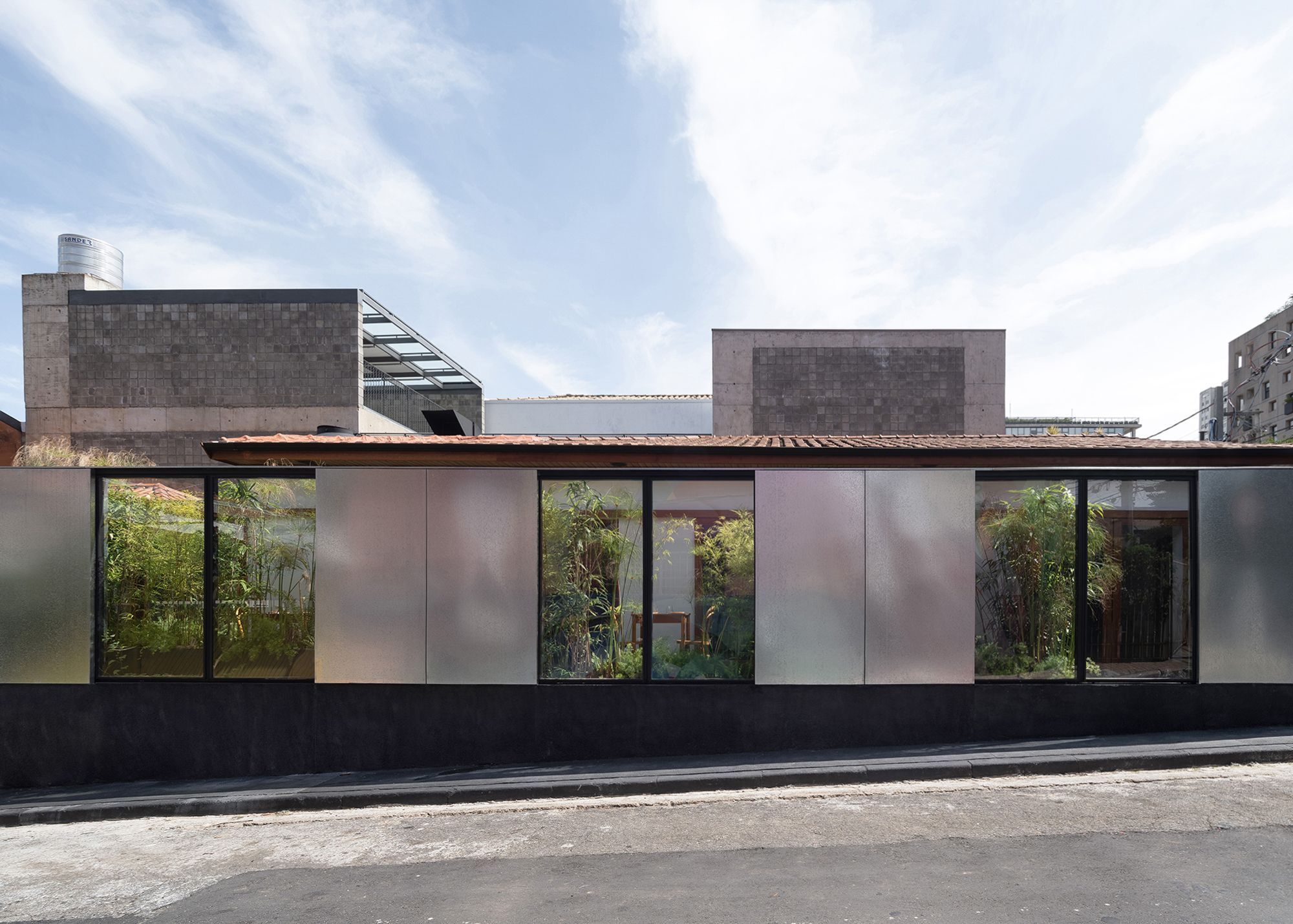
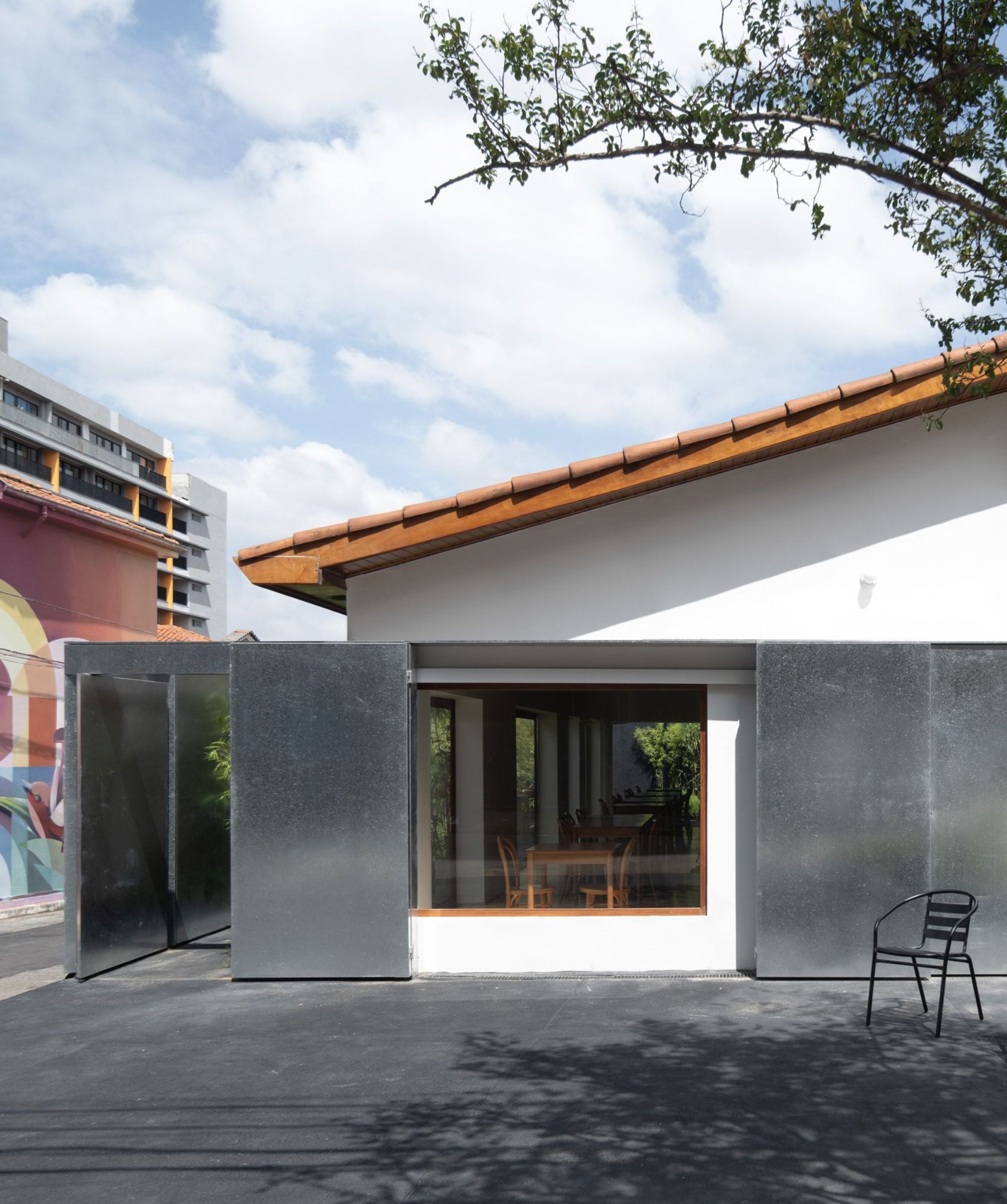
On a narrow side street in Vila Madalena—the hillside arts district on São Paulo’s west side—a modest 1970s house still lines up with its stucco neighbors while condo towers climb behind it. That shell, once partitioned into small living rooms, is now Jacó, a 2,150‑square‑foot fine‑dining spot conceived by Clube and AGENCIA TPBA. Five oversize steel beams—installed years ago by a previous owner—had already cleared out the load‑bearing walls, so the architects treated the emptied box as found history rather than raw material: paint left chipped, roof tiles untouched, ceiling joists still visible. Their intervention reads as a separate object—a folded, L‑shaped metal wall that starts inside the old perimeter and kicks out into the yard, redrawing the boundary between restaurant and city.
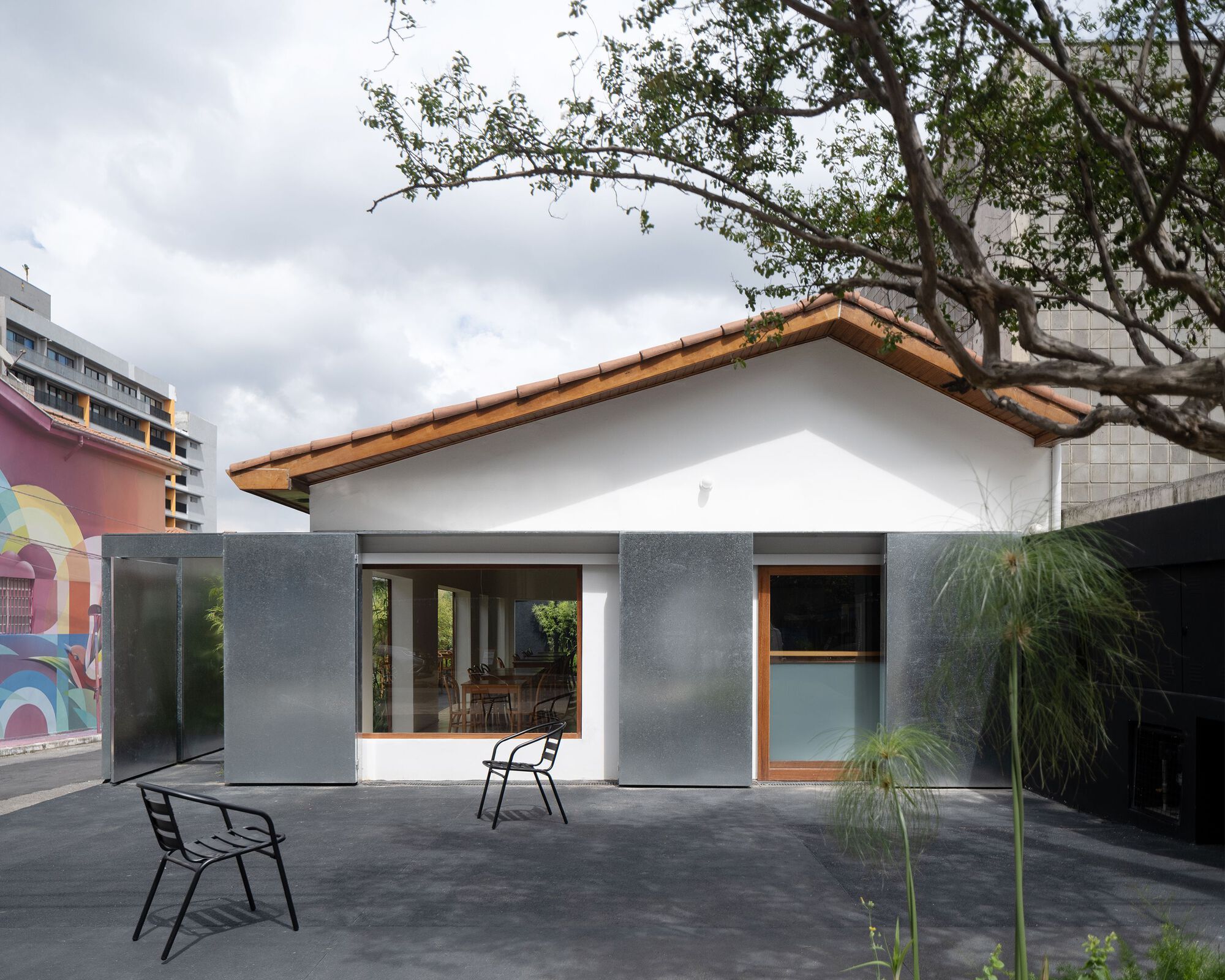
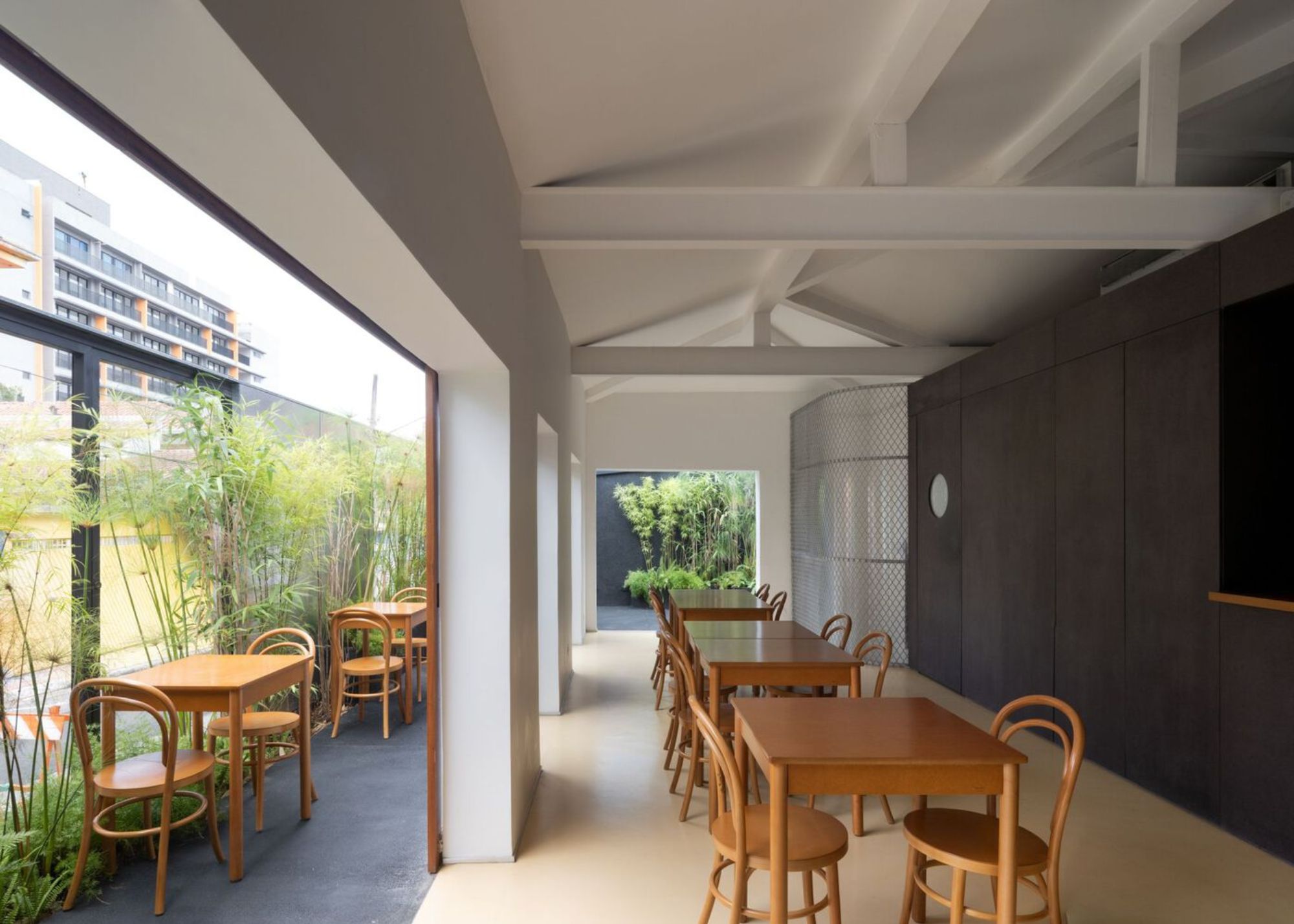
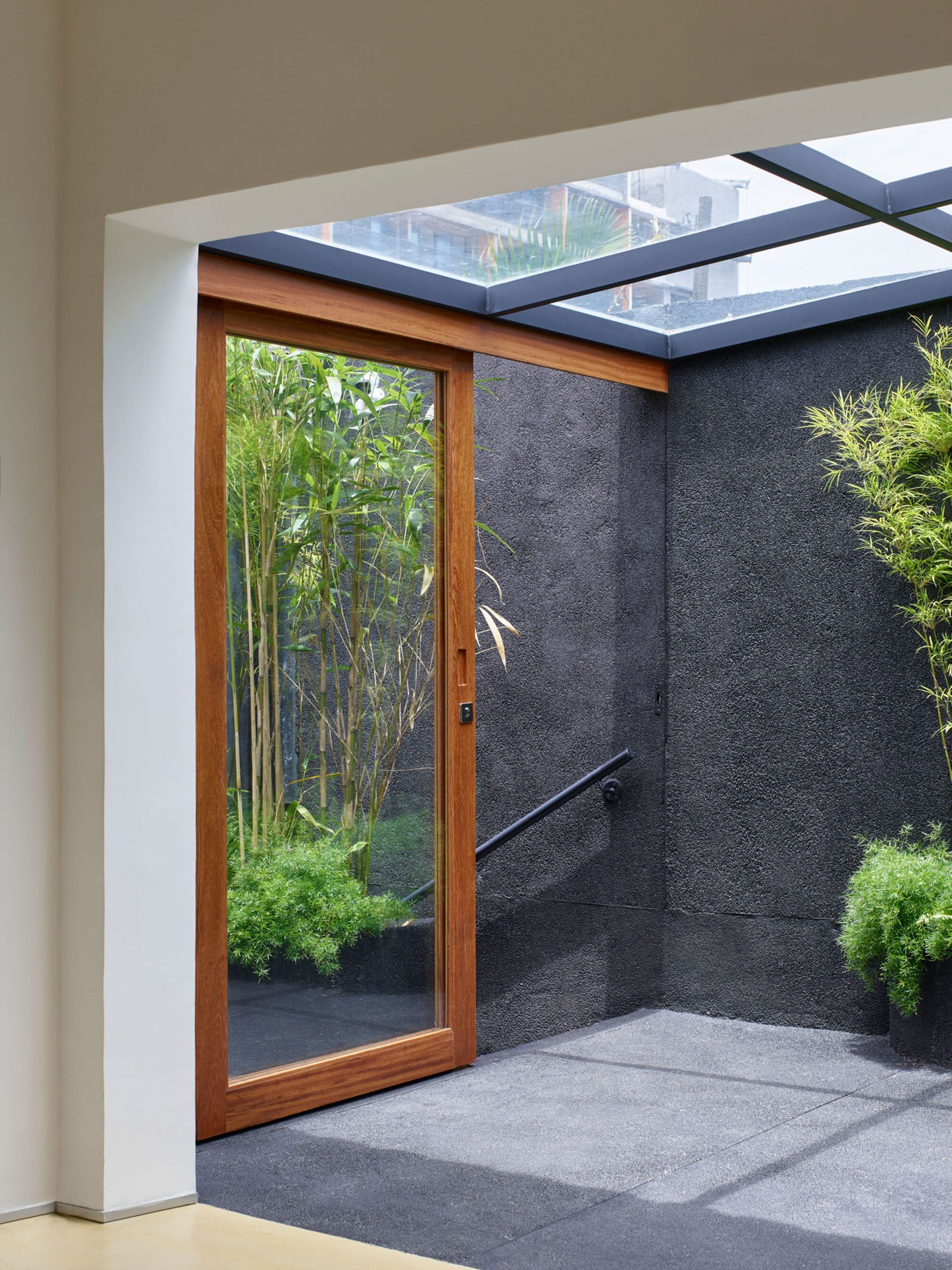
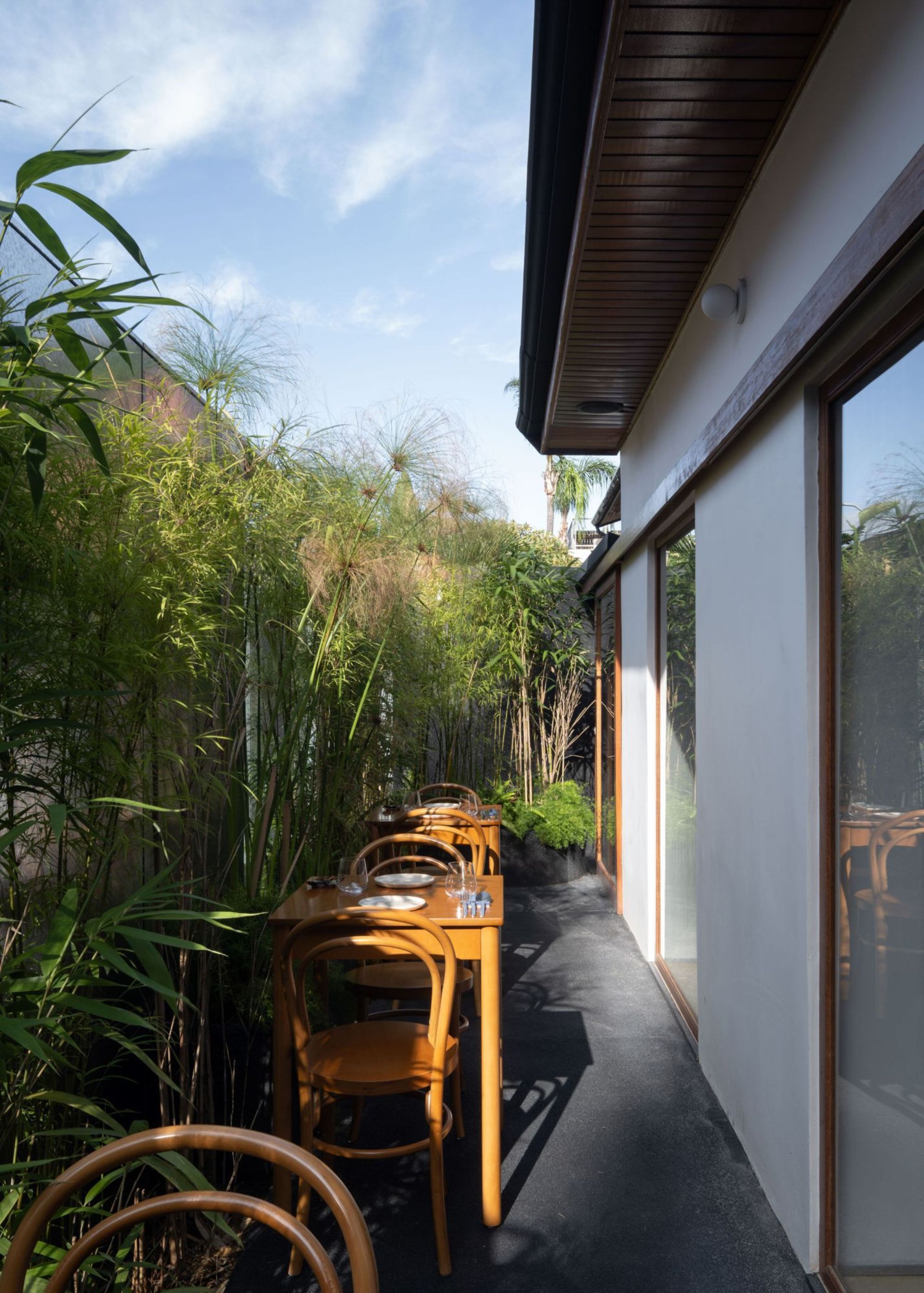
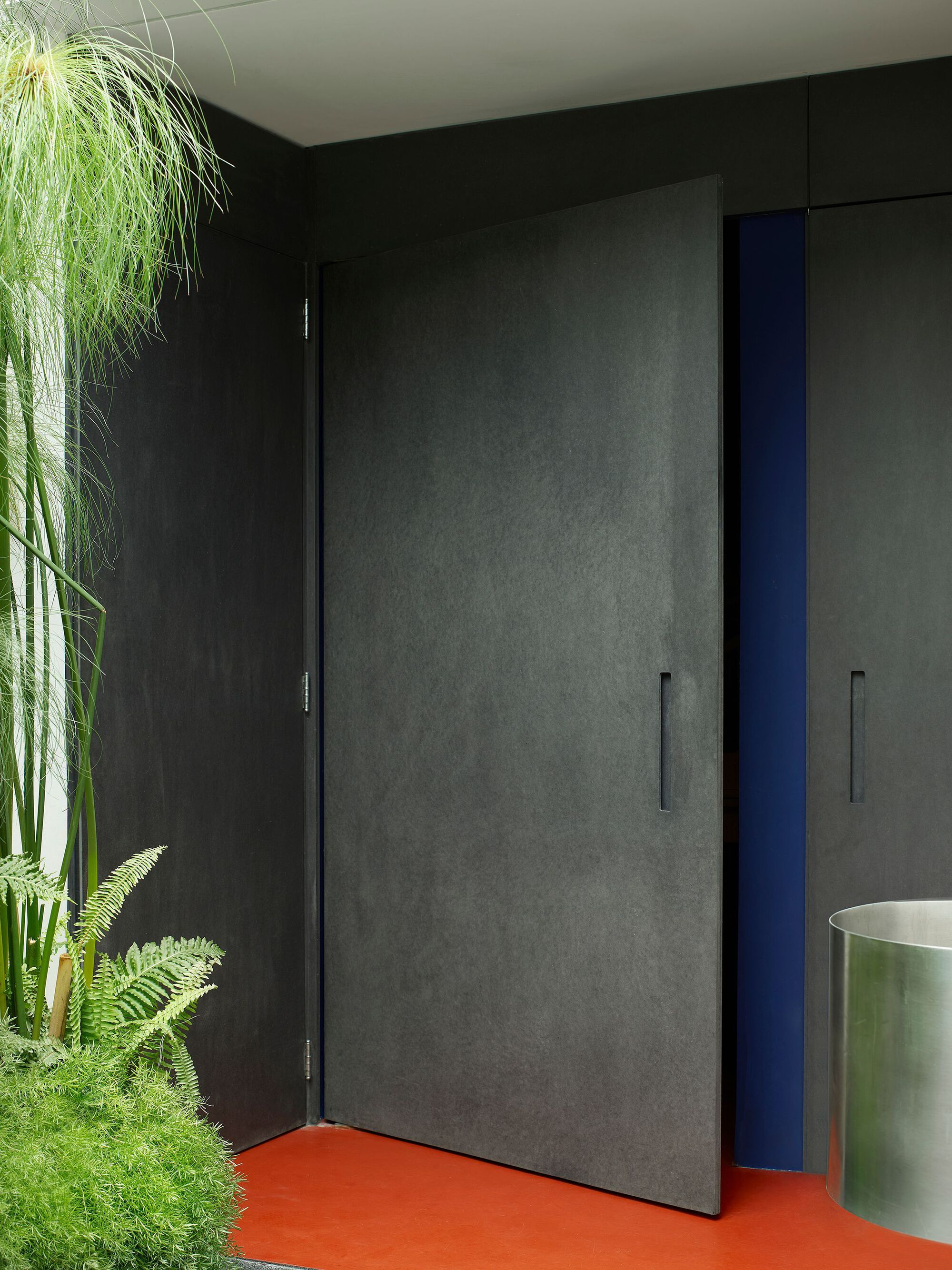
That new wall is a tidy kit of galvanized panels set in slender steel frames. On the garden side it becomes a bar counter, a bench, and a series of pivot windows that slide open for cross‑breezes; on the street side it forms a low, public plaza big enough for a morning espresso or an evening wait‑list. Both plaza and veranda share the same dark basalt floor, so the house, the addition, and the pavement read as a continuous platform—one surface that grounds the project amid the neighborhood’s patchwork of sidewalks and driveways. At night, when the panels swing shut, the wall locks into a quiet, monolithic façade; after sunrise it hinges apart, and the house’s original roofline peeks over the new metallic edge like a historical caption.
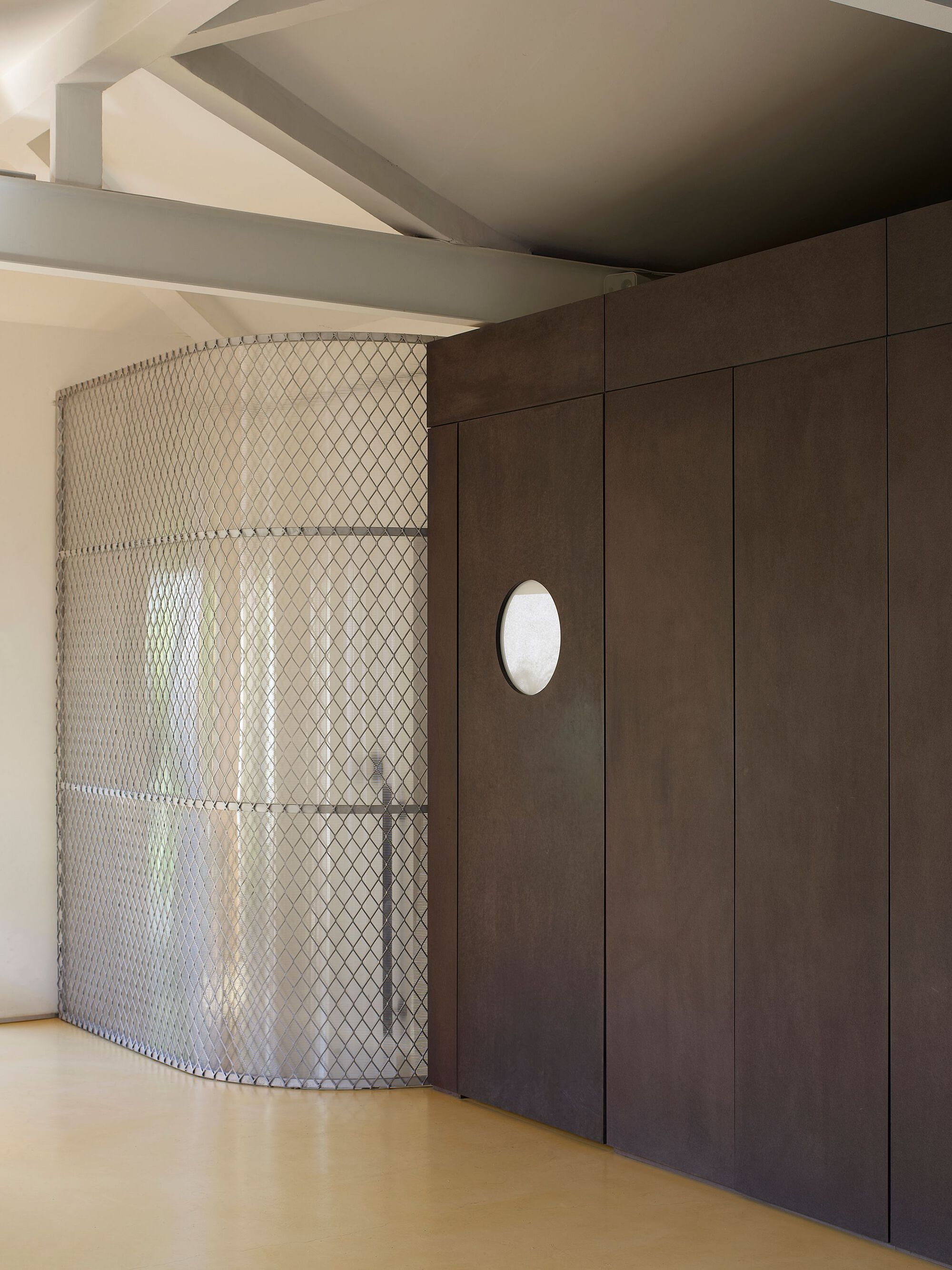
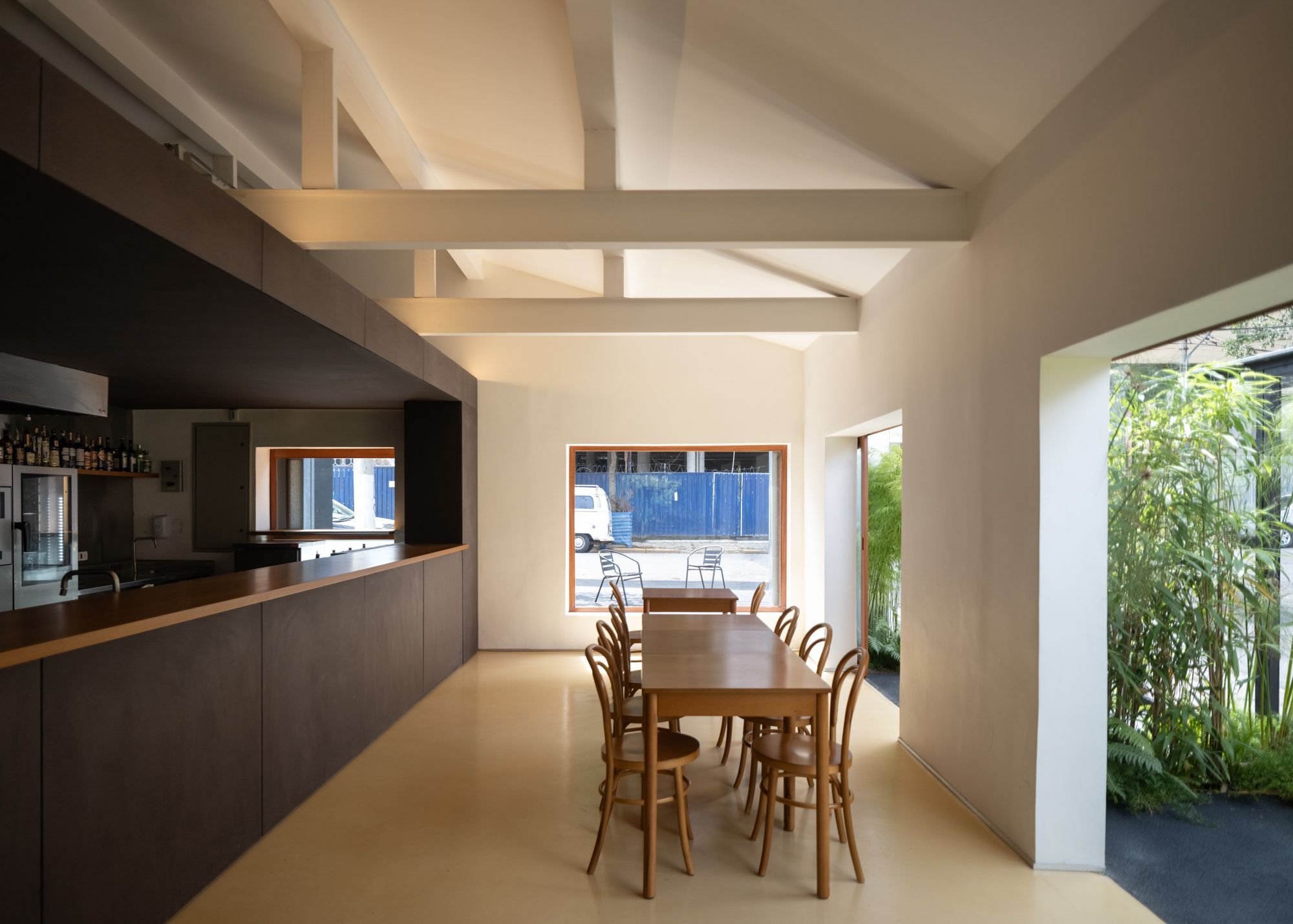
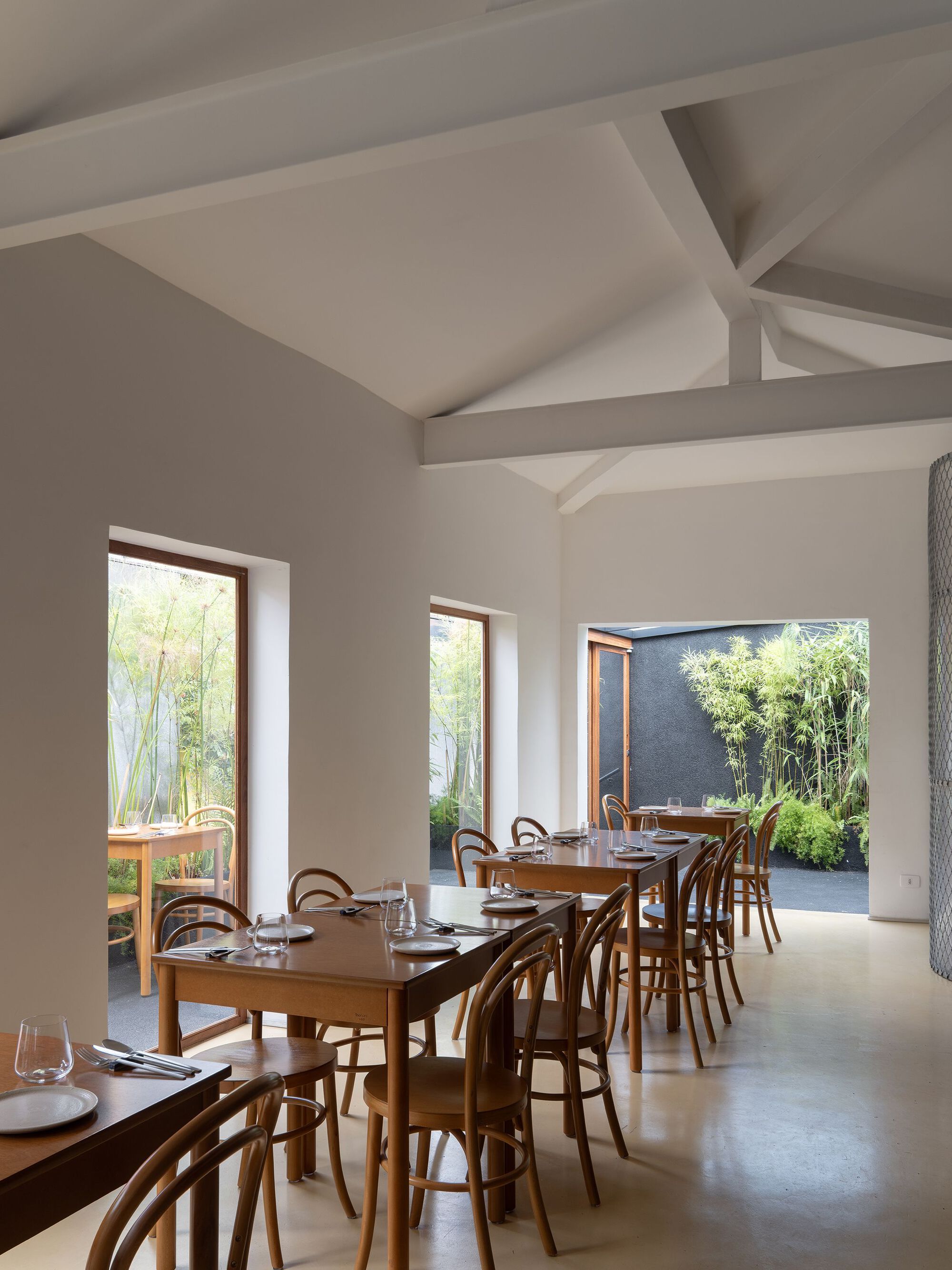
Inside, the single‑room dining hall keeps the grain of domestic scale but lifts out the clutter: tables cluster under a broad skylight, and sightlines run unbroken from the entry to the kitchen pass. Original timber rafters hover above polished concrete, their weathered paint catching soft reflections from brass sconces along the metal wall. The contrast isn’t ornamental; it’s legibility. Old brick and new steel hold their own eras in plain view, letting guests read both the city’s rapid turnover and the value of what was already there—over caipirinhas mixed behind what used to be the living‑room wall.
All images courtesy of Javier Agustin Rojas and AGENCIA TPBA