 Search






Yağmur and Lokman Köylü on working across disciplines, staying open, and designing without final answers.
When I first came across YET. Design Studio, it wasn’t clear what they were. Not a product design firm, not quite an interiors practice, and not easily slotted into the usual “multidisciplinary” box either. Their work—chairs, tables, shelves, spaces—feels like it belongs together, but not in a branded or overly curated way. It’s more like they’re trying to figure something out, and the objects are part of that process.
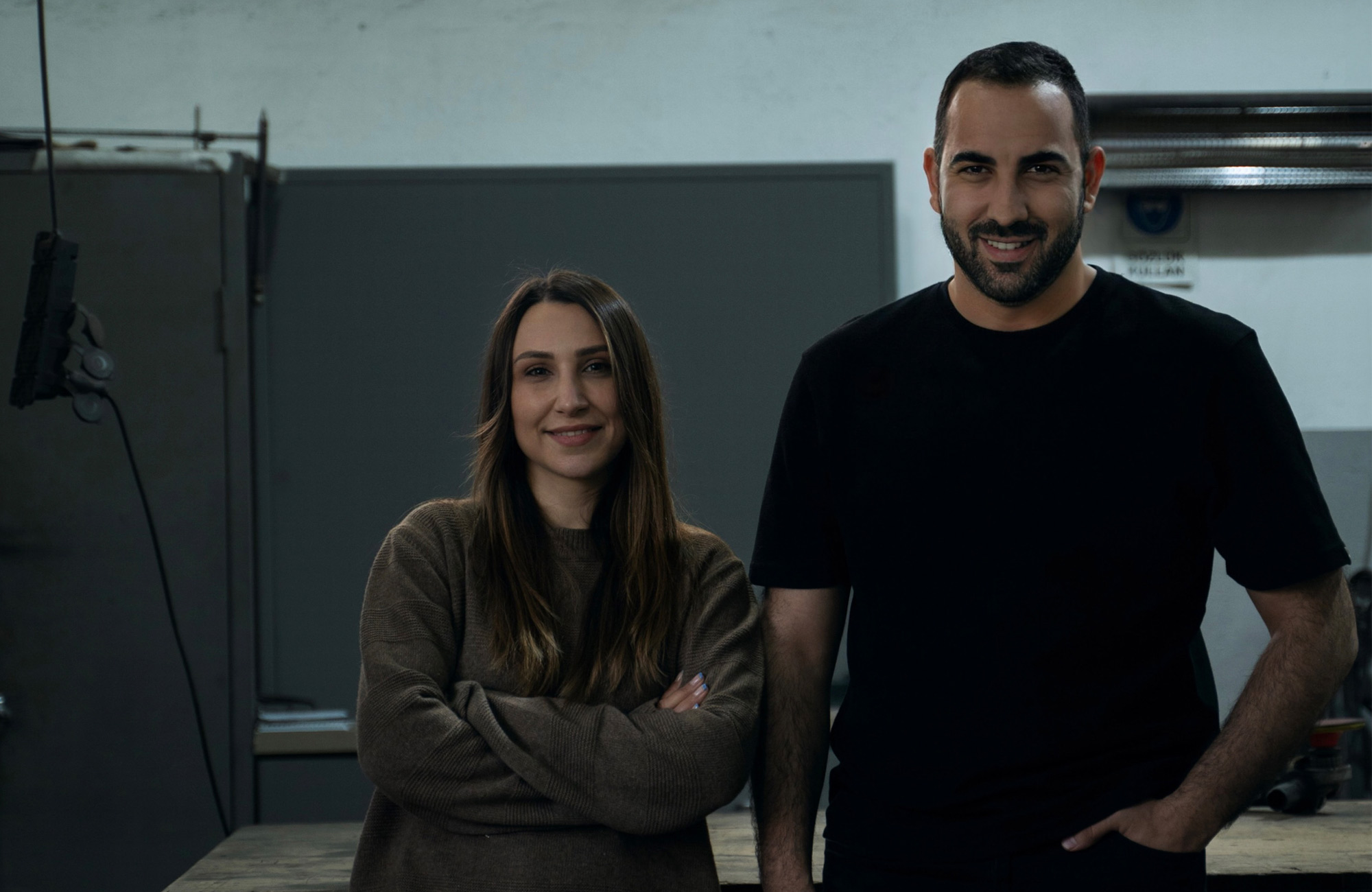
The studio was founded in 2019 by Yağmur Köylü and Lokman Köylü, and they work between Istanbul and London. Their backgrounds are different—Yağmur comes from design, Lokman from strategy—which might explain why their work often seems to oscillate between intuition and logic. You get the sense they don’t want to arrive at final answers. Even the name, YET., suggests an idea still forming.
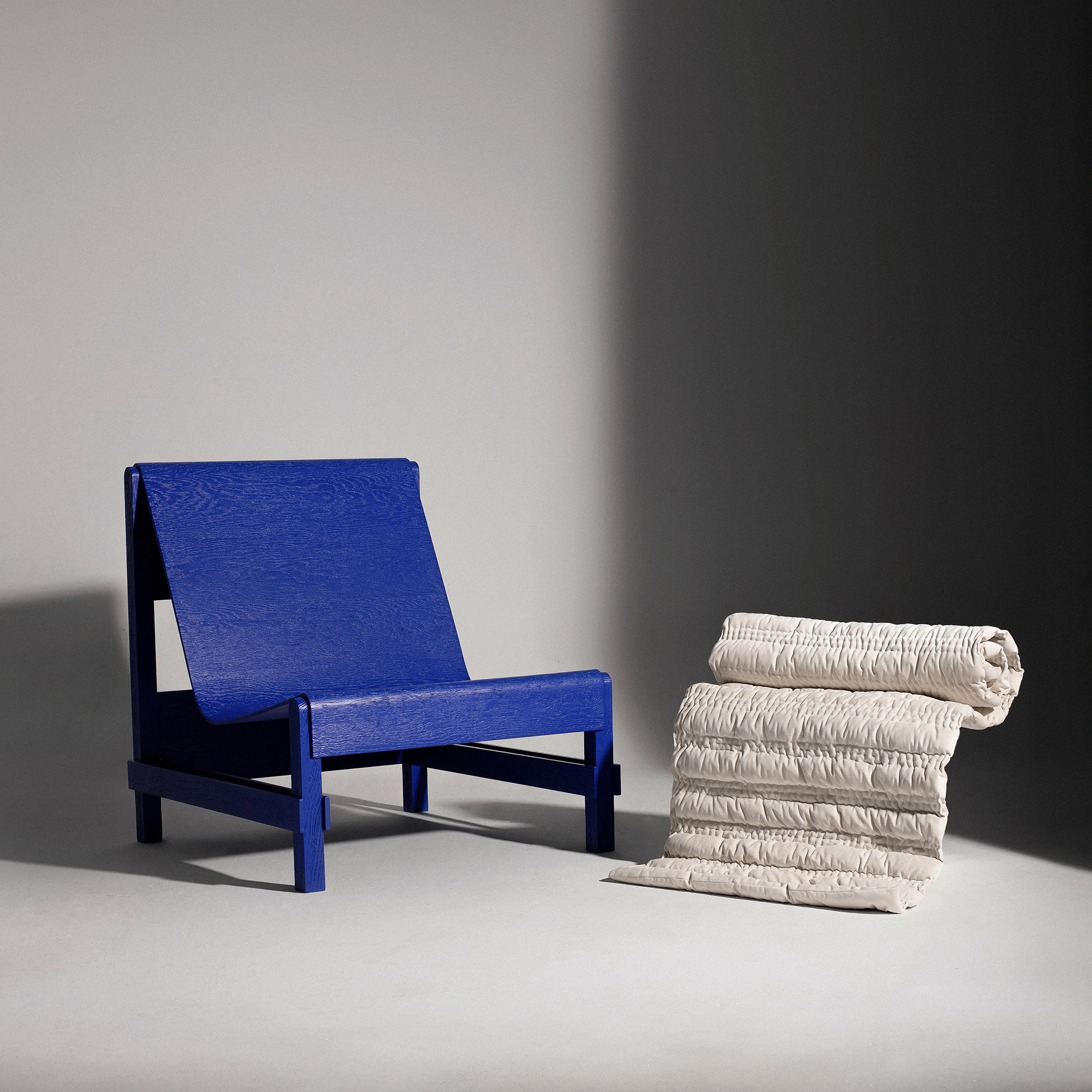
The furniture is pared down, but not in that generic minimalist way. There’s always something slightly off in the best way—a shift in proportion, a softened joint, a curve that doesn’t resolve the way you expect it to. But it never feels performative. It’s just well thought through. And when you see their interior projects, the same thinking applies: storage becomes part of structure, circulation feels natural, and things don’t scream for attention.
Their pieces don’t shout, and neither do they. You notice more in the work the longer you live with it. The details reveal themselves gradually—never all at once.
We spoke with Yağmur and Lokman about how they think through form, process, and meaning—what stays constant, what changes, and what they hold onto in between.
Your studio name, YET., suggests something in progress. How does that idea influence the way you approach design?
At YET., the idea of “incompleteness” isn’t a flaw—it’s an approach. It reminds us that design is never truly finished, only in motion. This perspective allows us to stay open: to experiment, to question, to refine. Instead of chasing finality, we embrace process. Each project becomes a living thing—shaped not just by form and function, but by time, dialogue, and discovery.
You’ve worked across interiors, furniture, and product design. What tends to stay consistent in your approach, no matter the type of project?
No matter the scale or context, we always begin with the same questions: What truly matters? What needs to be felt, not just seen? Whether it’s a space or a furniture, we’re drawn to clarity in form, thoughtful material choices, and the potential for emotional connection. The outcome may shift, but the intention stays the same—design that quietly resonates.
Your work often uses clear, geometric forms, but it never feels cold or rigid. What draws you to this type of visual language?
Geometry gives us clarity—it’s a language that feels both grounded and open. We’re drawn to its quiet strength, its ability to carry emotion without ornament. The challenge we love is to bring a sense of warmth into that structure: finding emotion in proportion, rhythm in repetition, and humanity in restraint. That tension is where our work lives.
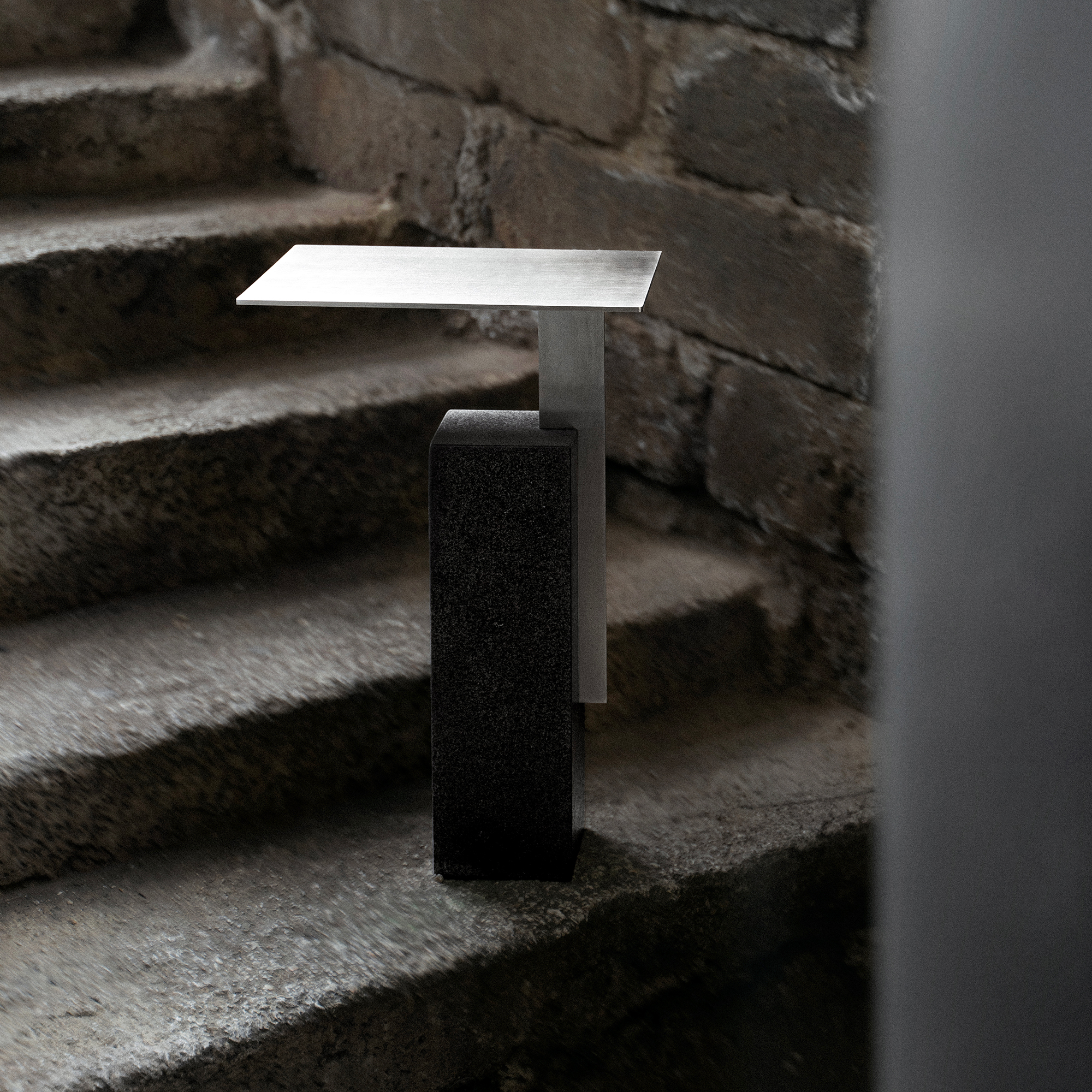
Mono side table ©Yet.
Most of your production is done locally and by hand. How do these conditions shape the work you do?
Working locally and by hand brings a different rhythm to the process. It turns each project into a dialogue, with the maker, with the material, with time. Instead of controlling every outcome, we learn to respond, adapt, and trust the process. You can sense that in the result—small variations, subtle marks, a feeling that something was made by real hands. For us, those details aren’t flaws; they’re what make the design feel alive.
Has there been a moment during the making of a piece where something unexpected ended up improving the design?
Absolutely, some of our favorite moments come from things not going as planned. Sometimes a limitation, a material shift, or even a mistake leads to a better solution than we originally imagined. We try to stay open to those moments, because they often reveal something more natural and genuine than what we first intended.
How do you create a sense of warmth or emotion in a space or object, especially when working with minimal forms?
For us, warmth doesn’t come from adding more, it comes from choosing with care. A curve that softens a line, a texture that catches light, a material that invites touch. Even the quietest forms can carry feeling when they’re made with intention. We try to design in a way that leaves space—for the user, the light, the moment.
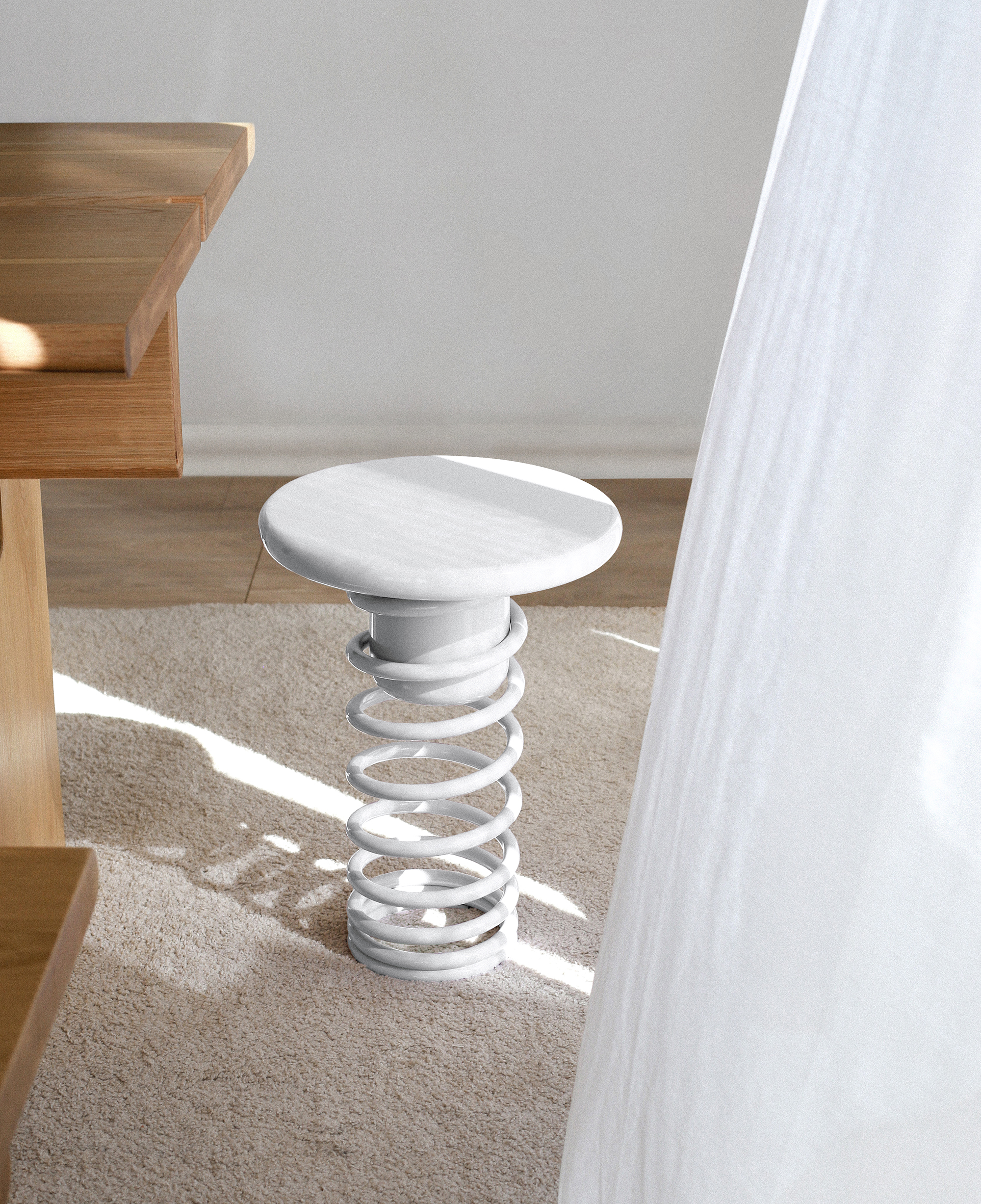
Twist stool ©Yet.
What kind of material do you enjoy working with most—especially for how it feels, not just how it looks?
We’re drawn to materials that have texture, weight, and presence, ones you feel before you even register what they are. Raw wood, brushed metal, natural stone… Materials that carry a quiet honesty. They don’t just complete the form, they define how it’s felt, held, and remembered.
Has anything happened recently in the studio that made you laugh or changed the mood in a good way?
We got our new 3D printer to create small models during the design process, but it quickly turned into our playground. Between real prototypes, we’ve printed some pretty funny things. It keeps the mood light and the process playful.
Is there a designer, past or present, that you’ve always wanted to collaborate with?
There are many, but if we had to choose someone from the past, it would be Charlotte Perriand. Her ability to combine structural clarity with emotional depth feels deeply aligned with how we think and create.
Outside of your practice, are there moments where something in your daily life unexpectedly feeds into your design thinking?
All the time. A shadow on a wall, the way two materials meet on the street, a child stacking objects without rules—those small moments often carry more insight than a moodboard ever could. We try to stay receptive, because inspiration doesn’t arrive with a sign—it appears in small, ordinary moments, if you’re willing to notice.


