Search






An electric scooter with sharp edges, real speed, and a post-car point of view.
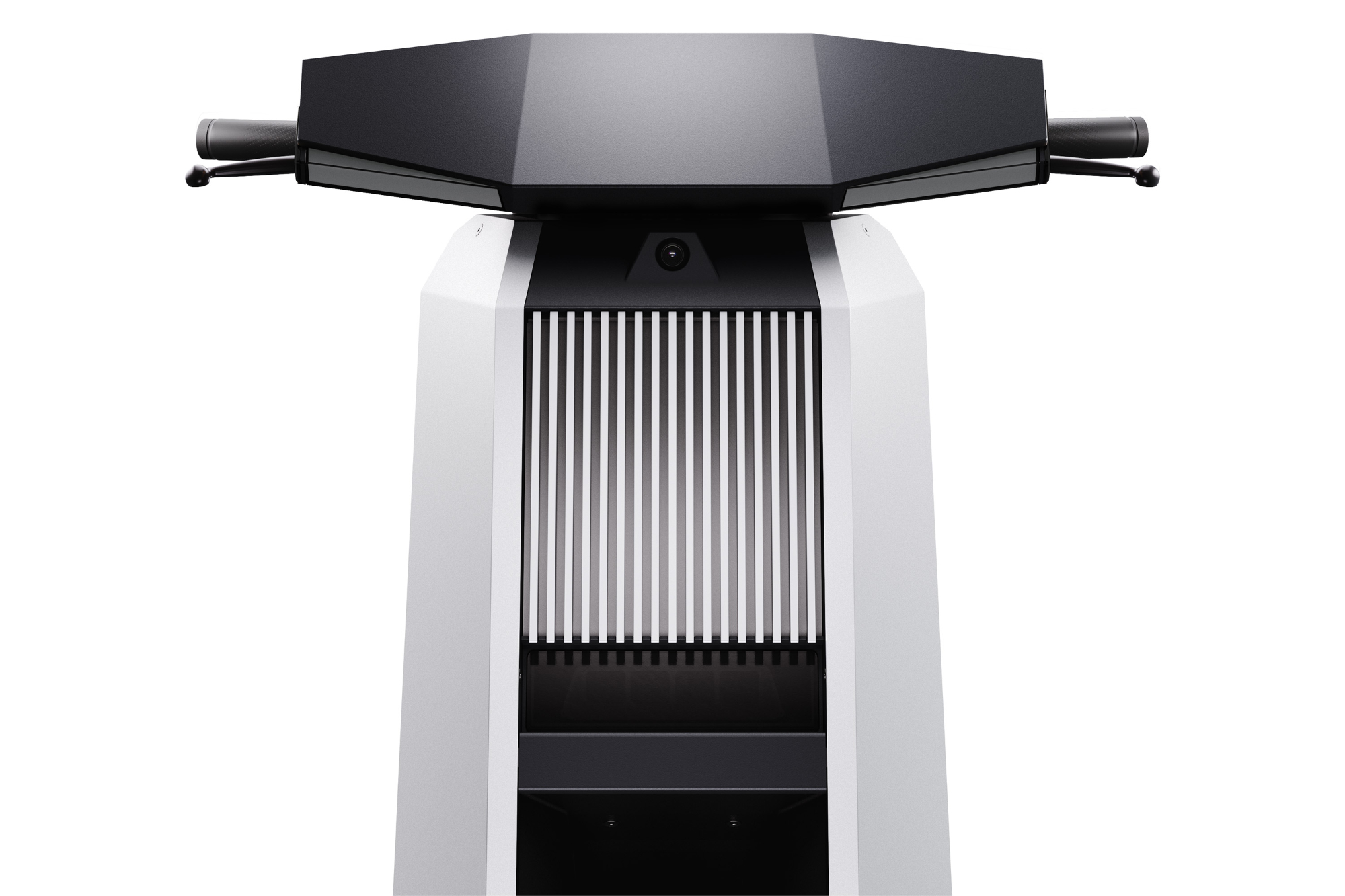
The P1 doesn’t look like a scooter. It looks like a piece of equipment. The kind you’d see in a sci-fi movie, or locked to a pole in New York ten years from now—still running. Built by Infinite Machine, a start-up based in Brooklyn, the P1 is all flat planes and raw finishes: anodized aluminum panels over a powder-coated steel chassis. The shape is geometric but solid. Brutalism in motion. Every line is doing something.

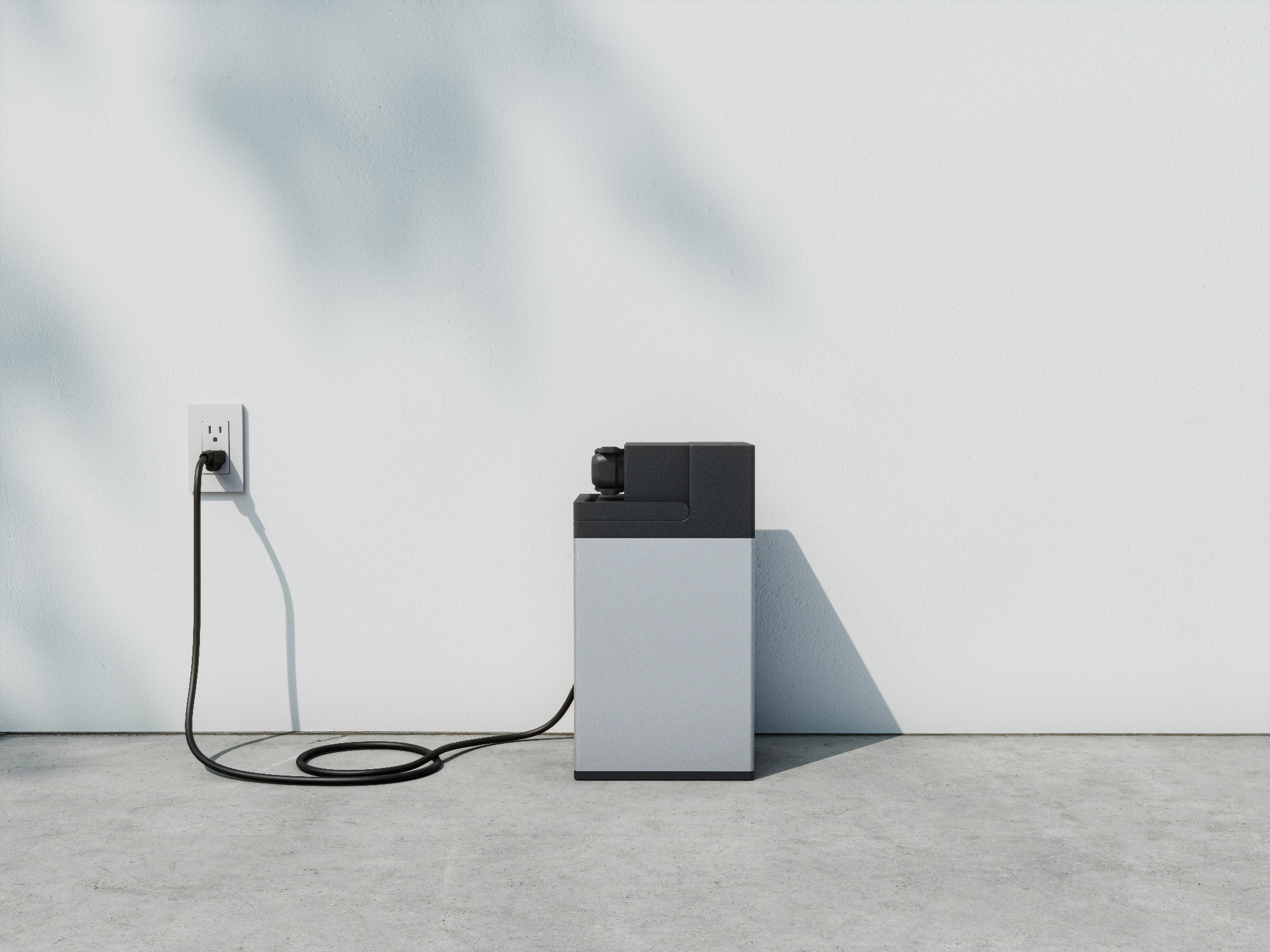
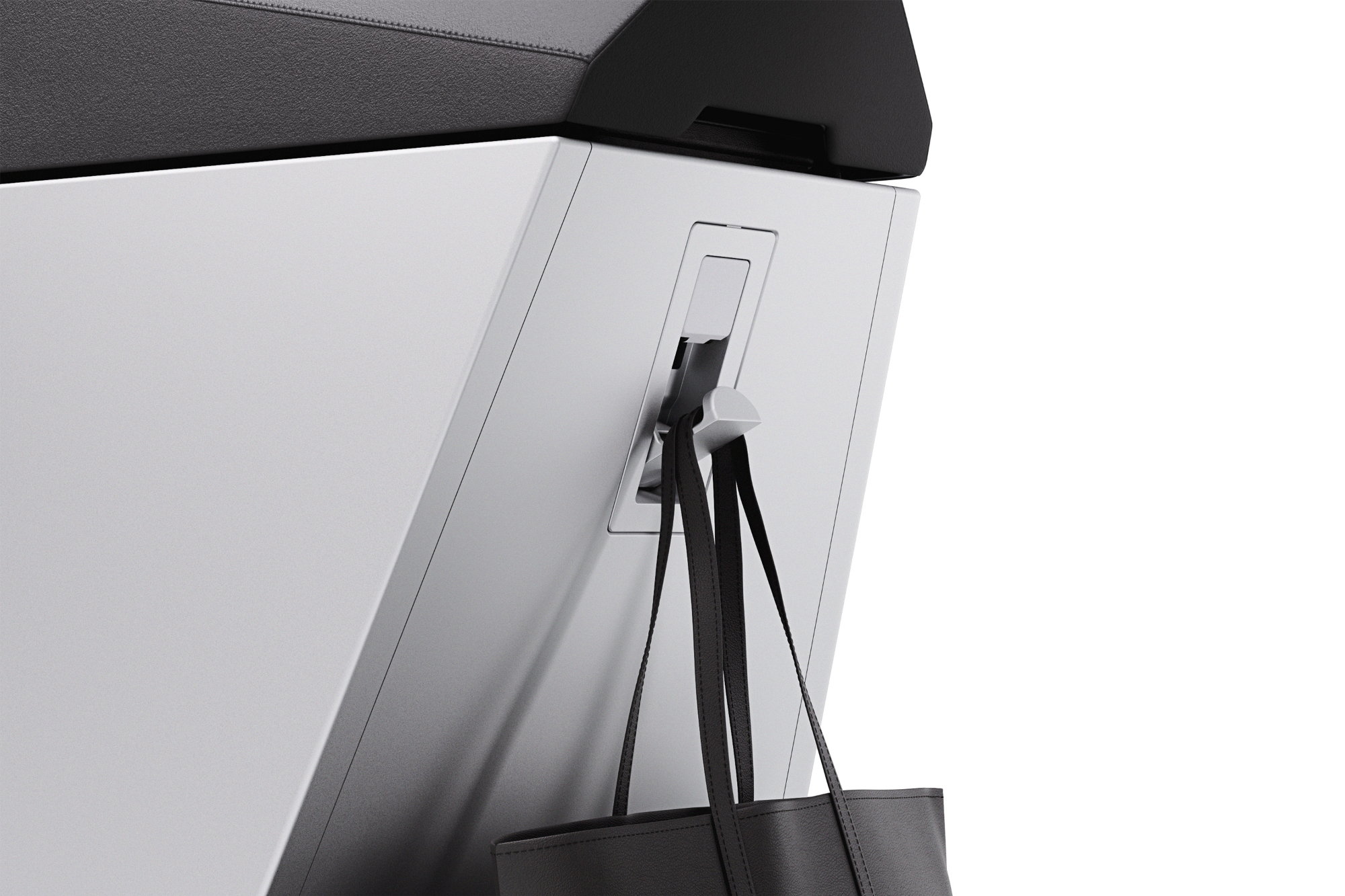
It runs on a 4.3kWh swappable battery, with a top speed of 55 mph and a range of up to 60 miles in the city. There are four ride modes—Eco, Performance, Reverse, and something called Turbo Boost. You need a motorcycle license to unlock full speed in the U.S., but it can run capped at 30 mph otherwise. This is a real vehicle, not a toy or tech novelty. It moves. The platform underneath supports a modular system, with storage under the seat and the option to attach more—cargo boxes, racks, speakers. A waterproof touchscreen handles Apple CarPlay and Android Auto. Cameras face both directions, recording rides, or helping with security. The whole thing is built to live outdoors, stand up to a city, and carry more than just one person and a backpack.
The proportions feel right. Low center of gravity, solid stance, but no wasted material. From a distance, it doesn’t even read as a scooter. Up close, the details take over—visible fasteners, accessible panels, a battery you lift out and charge in your apartment or office. No complex docking, no proprietary cables. The shape follows the logic of its function, which is what makes the form feel believable. Infinite Machine frames the P1 as part of a “post-car” future. That can feel lofty, but in this case, it lands. The vehicle makes a case not by preaching, but by being built for real use. You can ride it, park it, charge it, and move on. It’s durable, repairable, and clearly designed by people who thought through what actually breaks in an urban setting—and what doesn’t need to.
At $10,000, this is a premium ride, but it’s not priced like a concept or collector’s piece. It’s built in batches, with the second round already in motion and deliveries slated for 2025. It won’t be for everyone, and that’s probably the point. The P1 is for people who want their daily transportation to work without compromise—and who want it to look like it came from somewhere else entirely.
All images courtesy of Infinite Machine