Search






A redesign project that has completely transformed the ground floor of a Victorian terraced house in London.
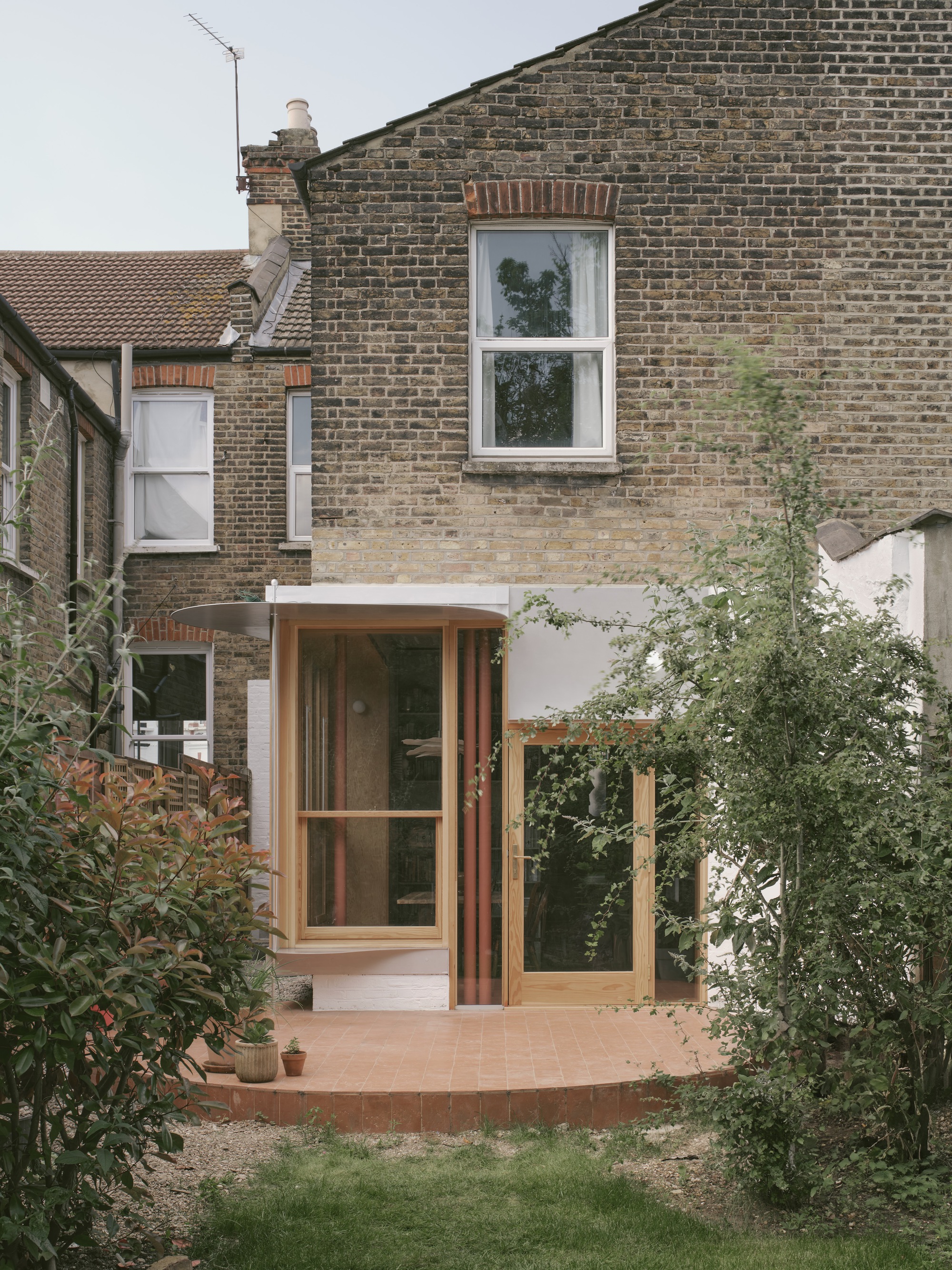
Located in Waltham Forest, North East London, this Victorian terraced house used to have a traditional layout, with small and cramped spaces that desperately needed more natural light. The clients turned to THISS Studio to enhance their home with an extension. Seeing the immense potential of the ground floor’s layout, the architects convinced the clients to change their perspective and embrace a more innovative solution that was also more sustainable. Instead of adding a new volume and thus taking up garden space, the studio reconfigured the ground level, designing airy and playful living spaces that share a close connection to the garden.
“Building bigger does not always mean you’ll have a space with functionality and quality. We worked with our clients to understand what they really needed as a family, which was actually better, more usable space. In rethinking the home as a team, we have saved a huge amount of carbon and allowed our clients’ budget to be redirected into quality, more sustainable materials and fittings that means their home has a sense of beauty, and they will love being there for many years to come,” says Sash Scott, Founder, THISS Studio.
Working within the footprint of the ground floor, the practice designed an entirely new layout that closely follows the clients’ brief. Apart from creating a large family kitchen for entertaining and socializing with friends, and a separate area for working from home, the project also established a strong relationship with the outdoor areas.
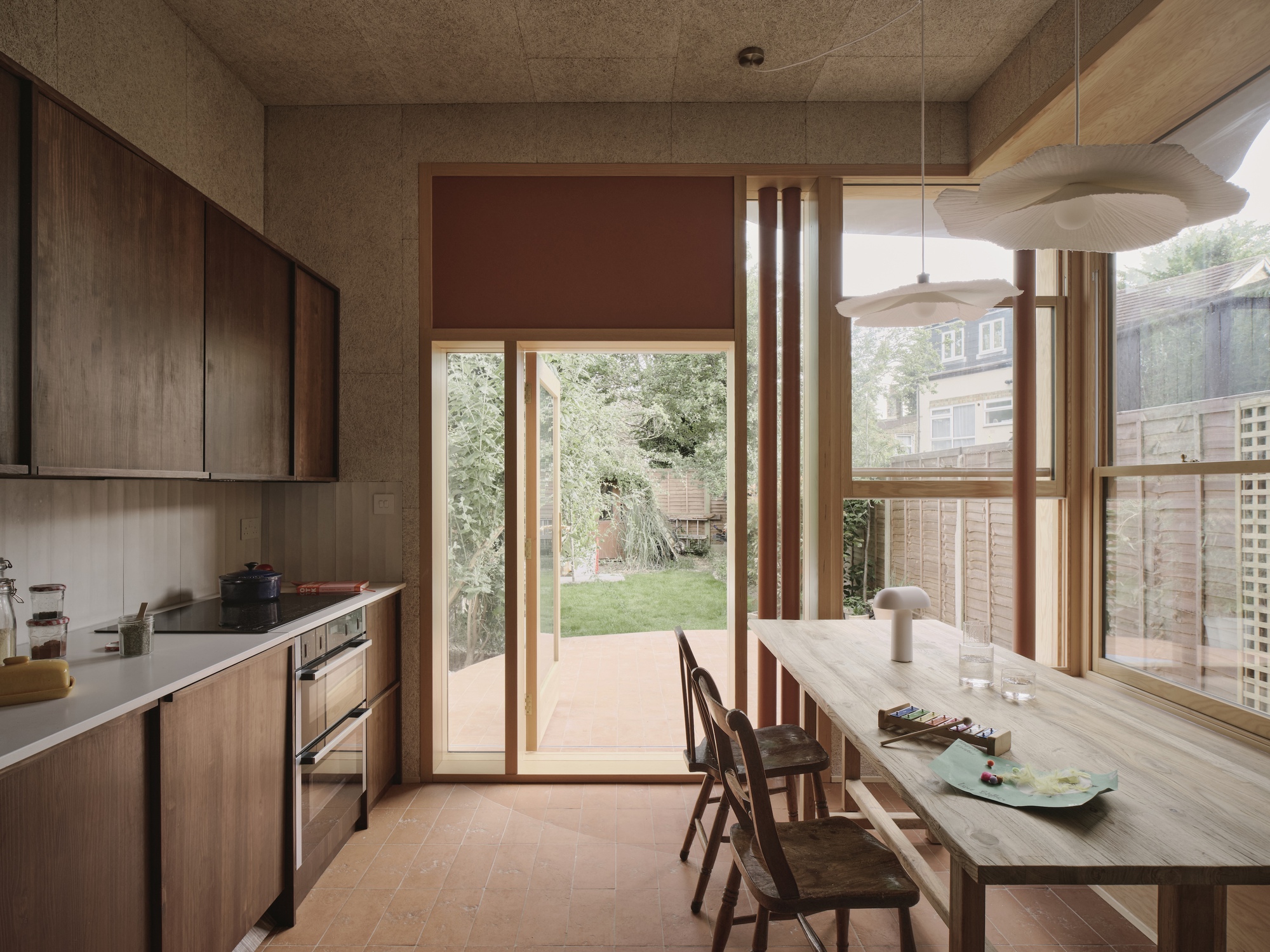
Playful details add texture and color to the new spaces.
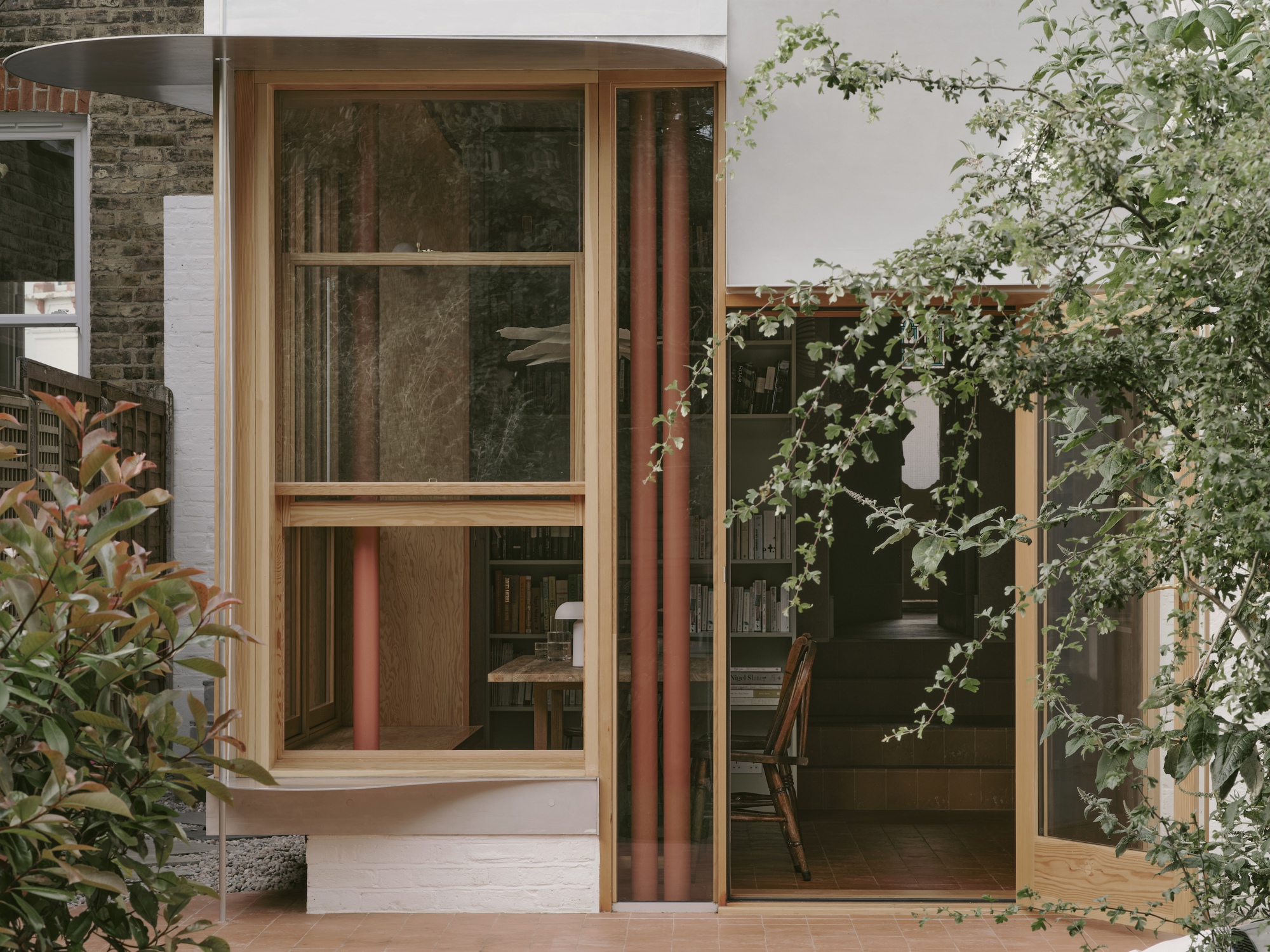
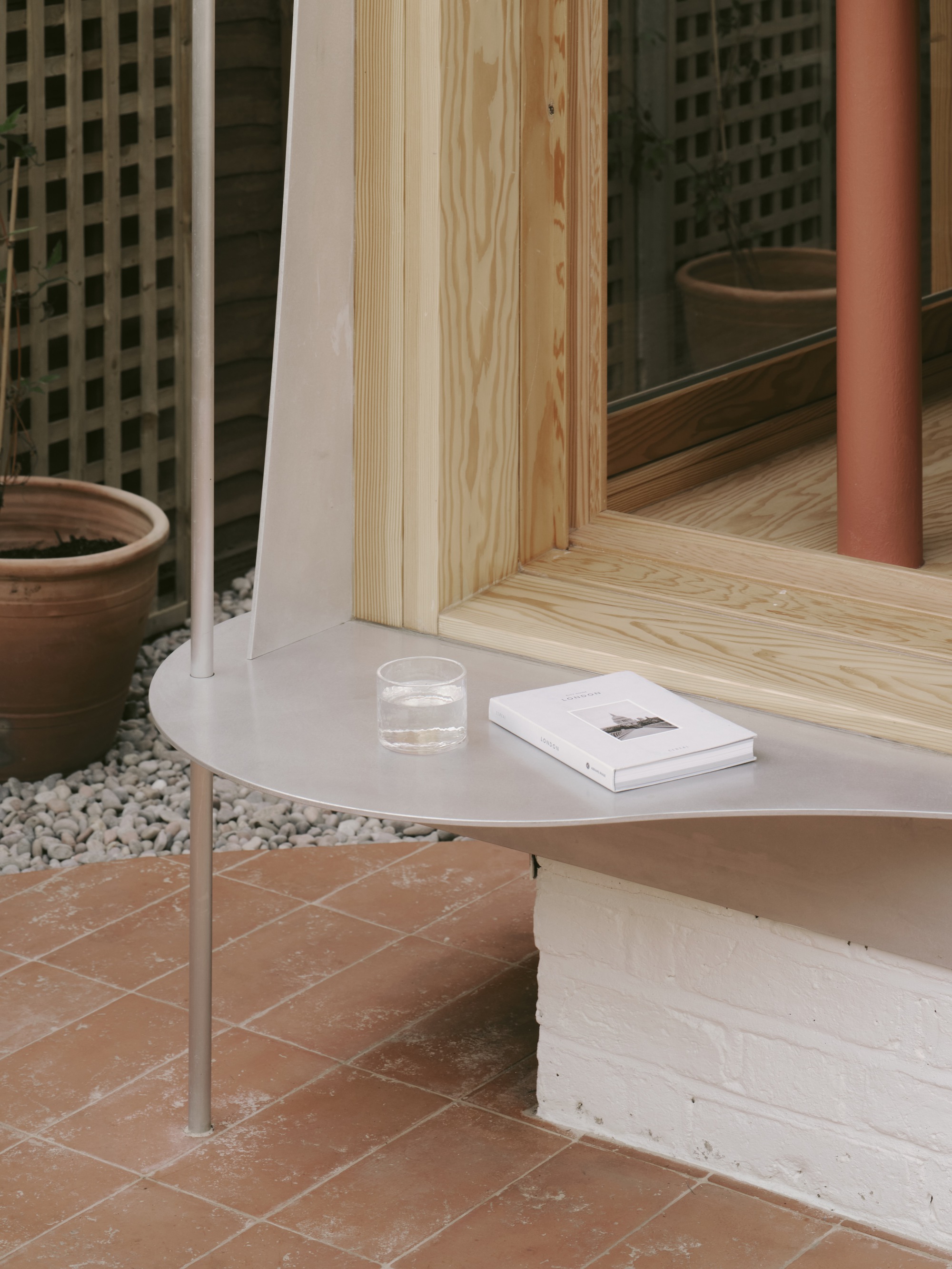
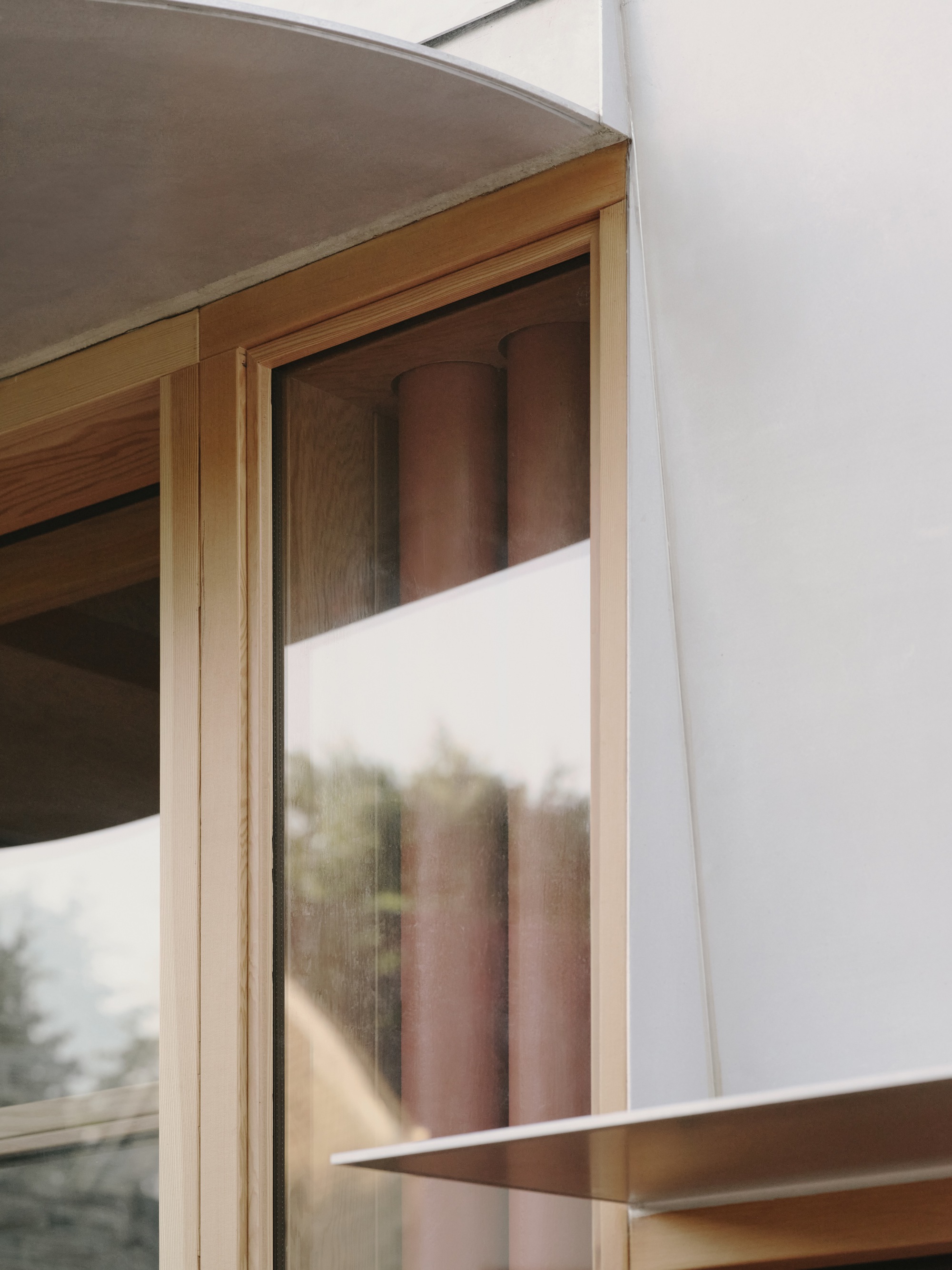
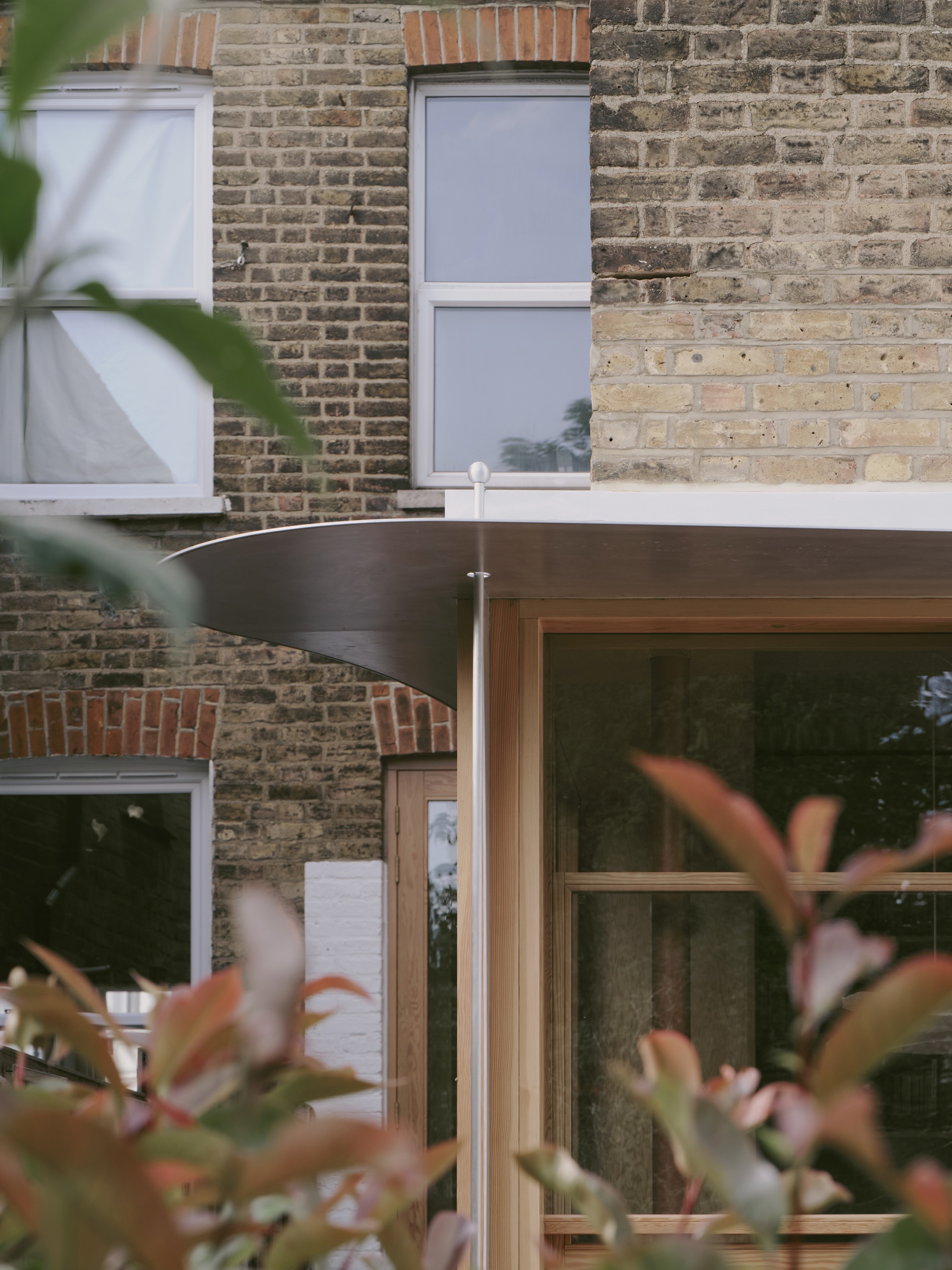
After discovering a large void under the floor, the team lowered the new kitchen area, creating extra ceiling height. This space now features large sash windows with Douglas fir frames, opening up the interior to garden views and filling the home with natural light. Outside, a curved aluminum ledge serves either as a seat or a table. Above, a matching laser-cut aluminum canopy provides protection against the rain and the heat in the summer.
In the new kitchen, a built-in bench allowed the team to free up space for a larger dining table – a must for the clients, who love to socialize with family and friends. The bespoke THISS Studio kitchen was handmade locally with FSC-certified wood. As for the floor, it’s warm terracotta that flows from the kitchen out onto the terrace, creating a smooth path between indoor and outdoor spaces. Beautifully textured, the walls were made with recycled paper waste, adding another tactile accent to the room. Playful details include floral-shaped pendant lights and a mint green shelving unit, designed by the architecture firm.
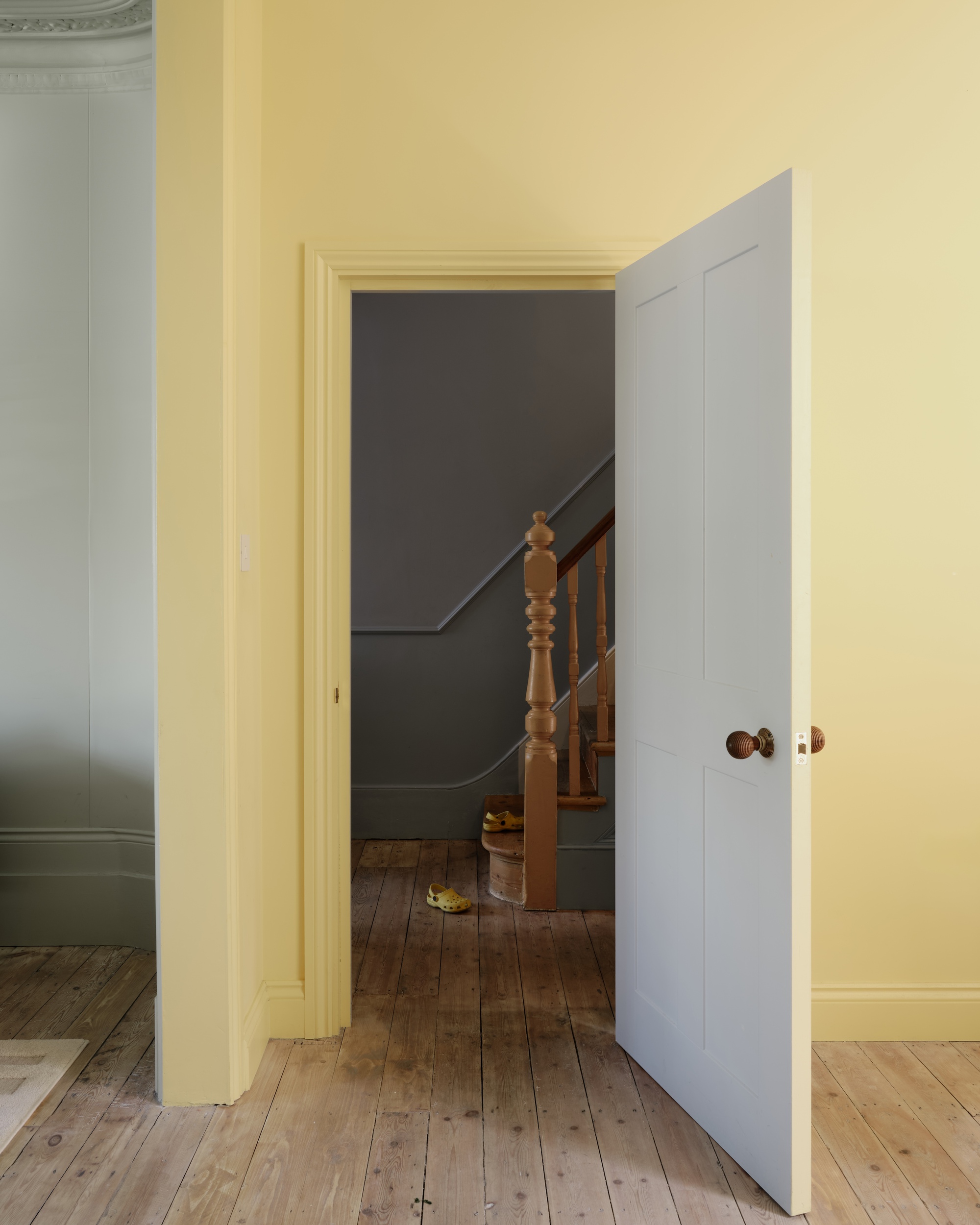
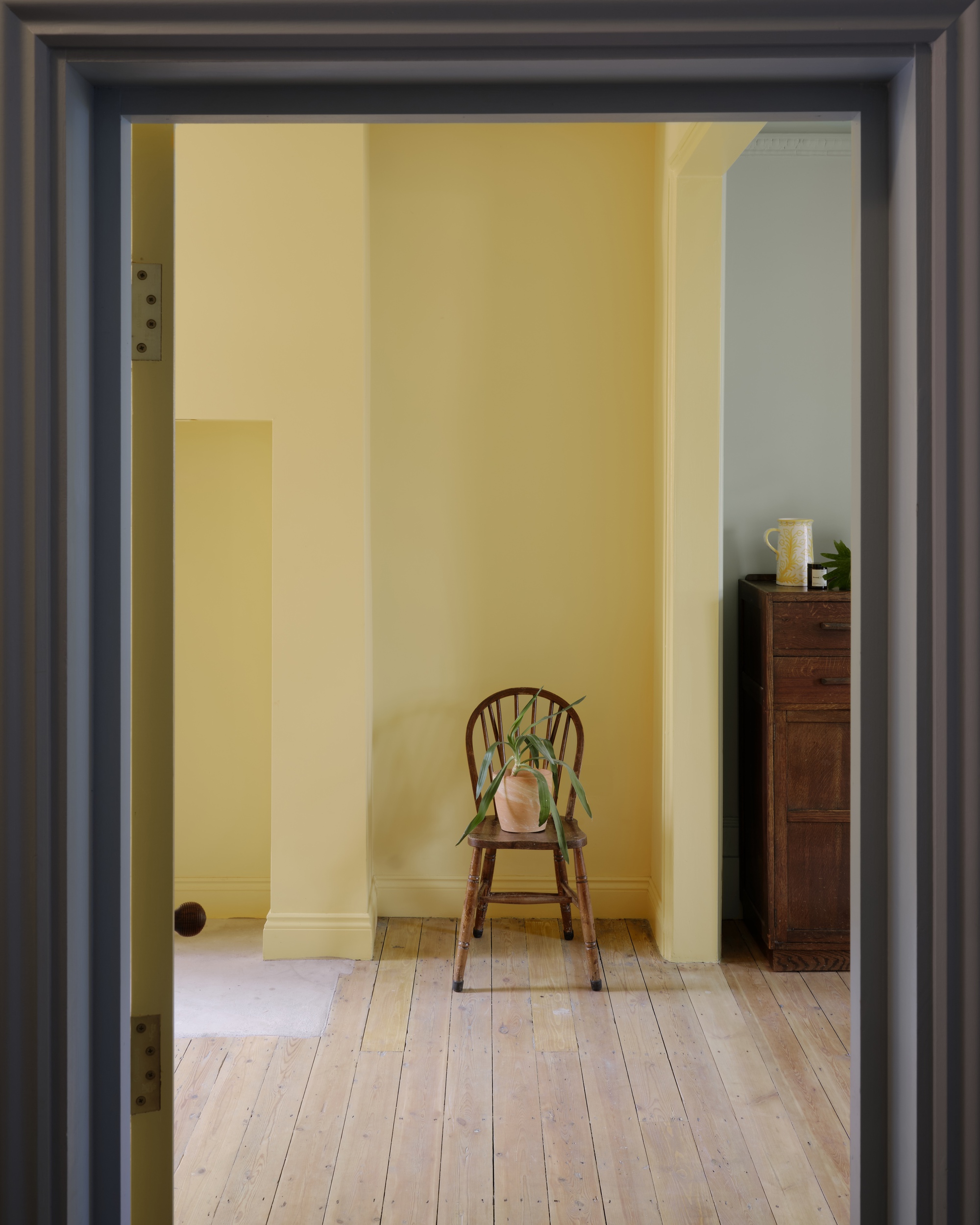
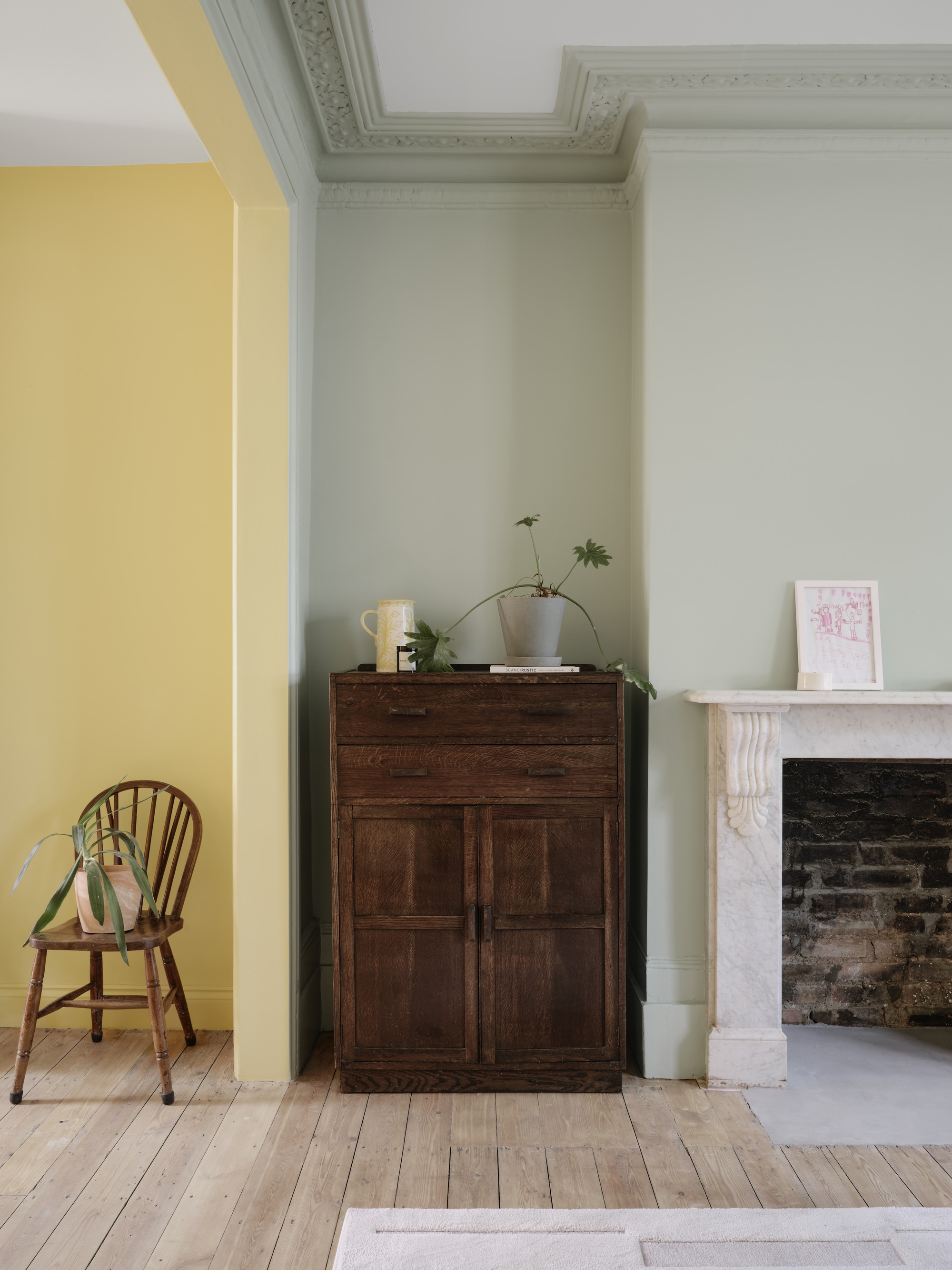
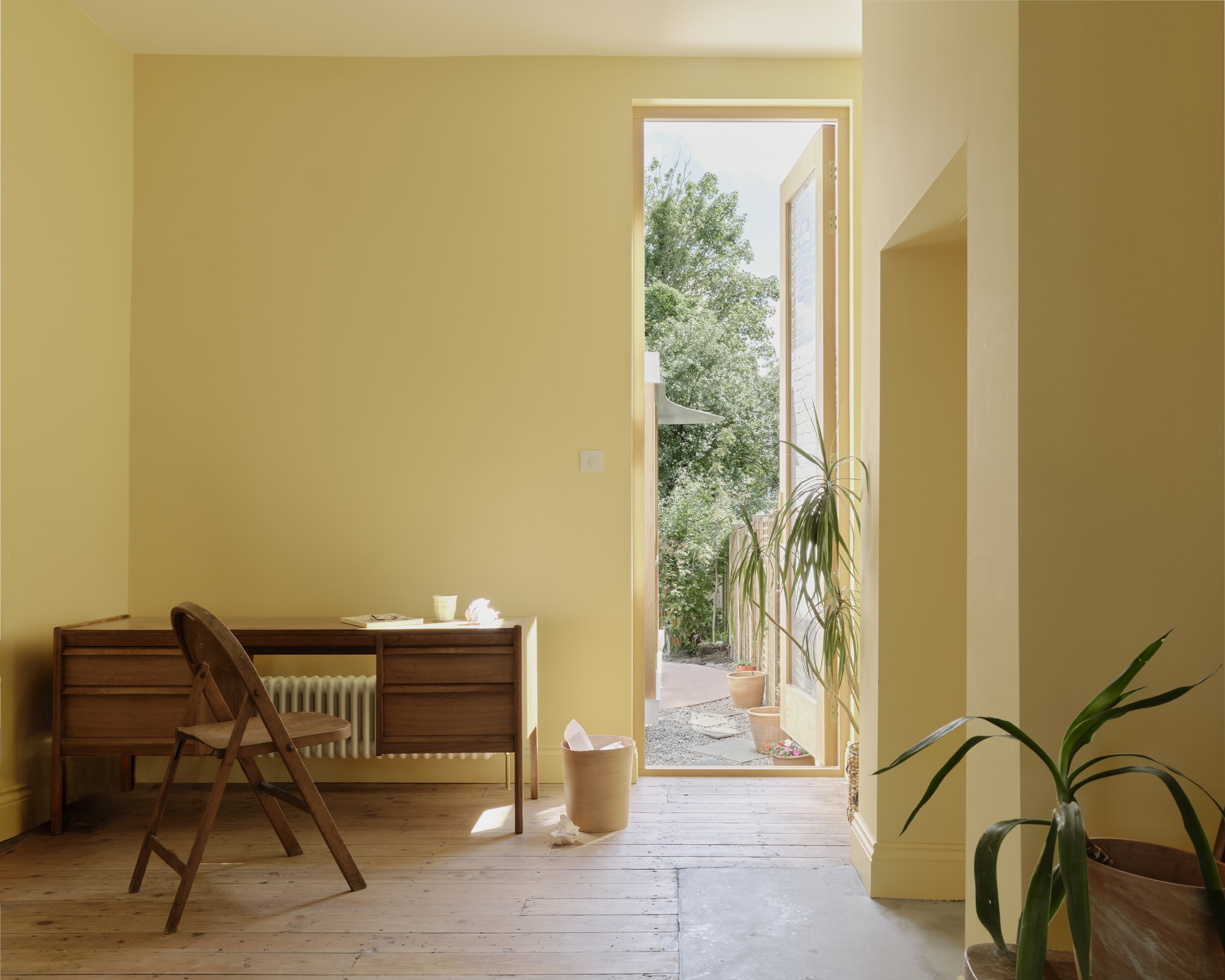
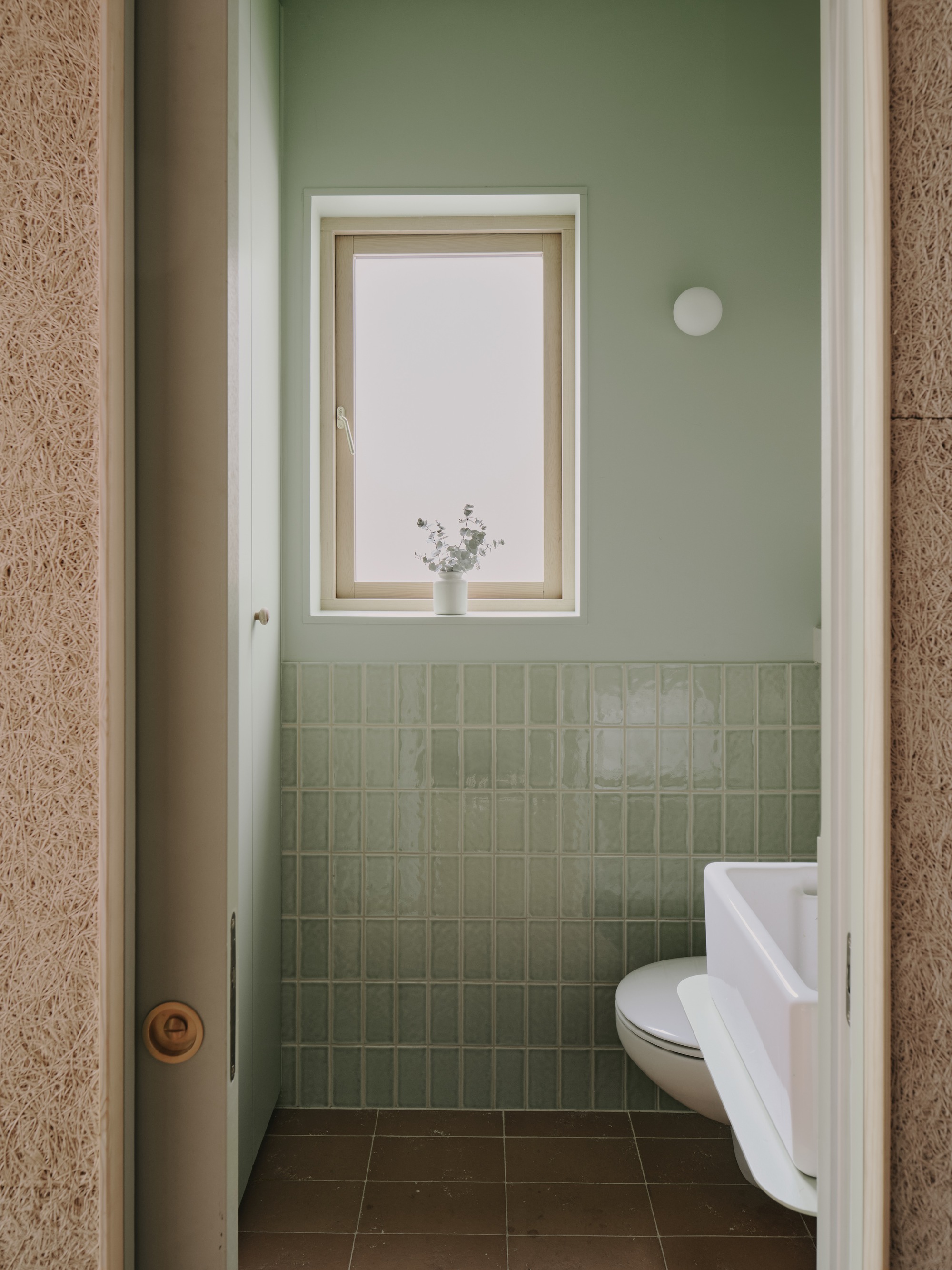
THISS Studio also redesigned the rest of the ground floor. In the place of the old kitchen, the team created a living room and home office. Butter yellow walls and ceilings brighten the space while warm wood floors enhance the décor with the charm and character of the natural material. At the center of the floor, there’s a utility room and a new toilet finished with mint green tiles.
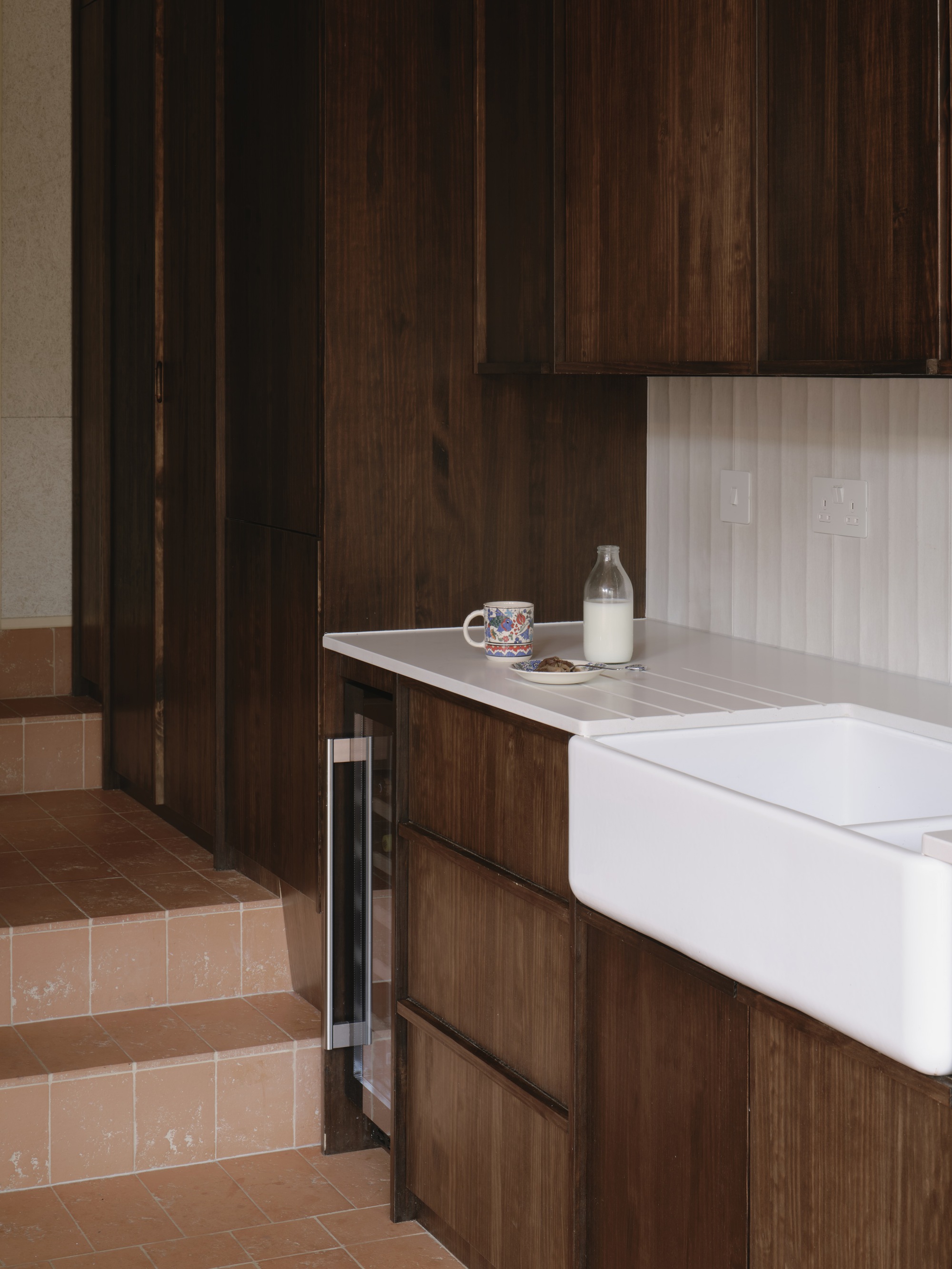
Eco-friendly materials that minimize the project’s carbon footprint while creating a tactile palette.
Renovating Hartley House with a minimal carbon footprint stood at the foundation of the project, from start to finish. THISS Studio focused on preserving the footprint of the home, thus eliminating the need for a costly and carbon heavy extension. Furthermore, the team chose a palette of natural, locally sourced, recycled, or easily recyclable materials. Apart from solid pine and Douglas fir wood, the studio also used recycled paper waste, terracotta, and aluminum.
A thoughtful redesign of a traditional terraced house, this project showcases the studio’s ingenuity, talent, and craftsmanship knowledge. The family home now boasts a spacious, airy and light-filled ground floor that creates a laid-back, relaxed atmosphere with textured finishes, playful accents and touches of color. Photography by Henry Woide, with styling by Beth Golding.