Search






The transformation of a former pigsty into a summer house with industrial/brutalist-style interiors and large windows that open to a garden.
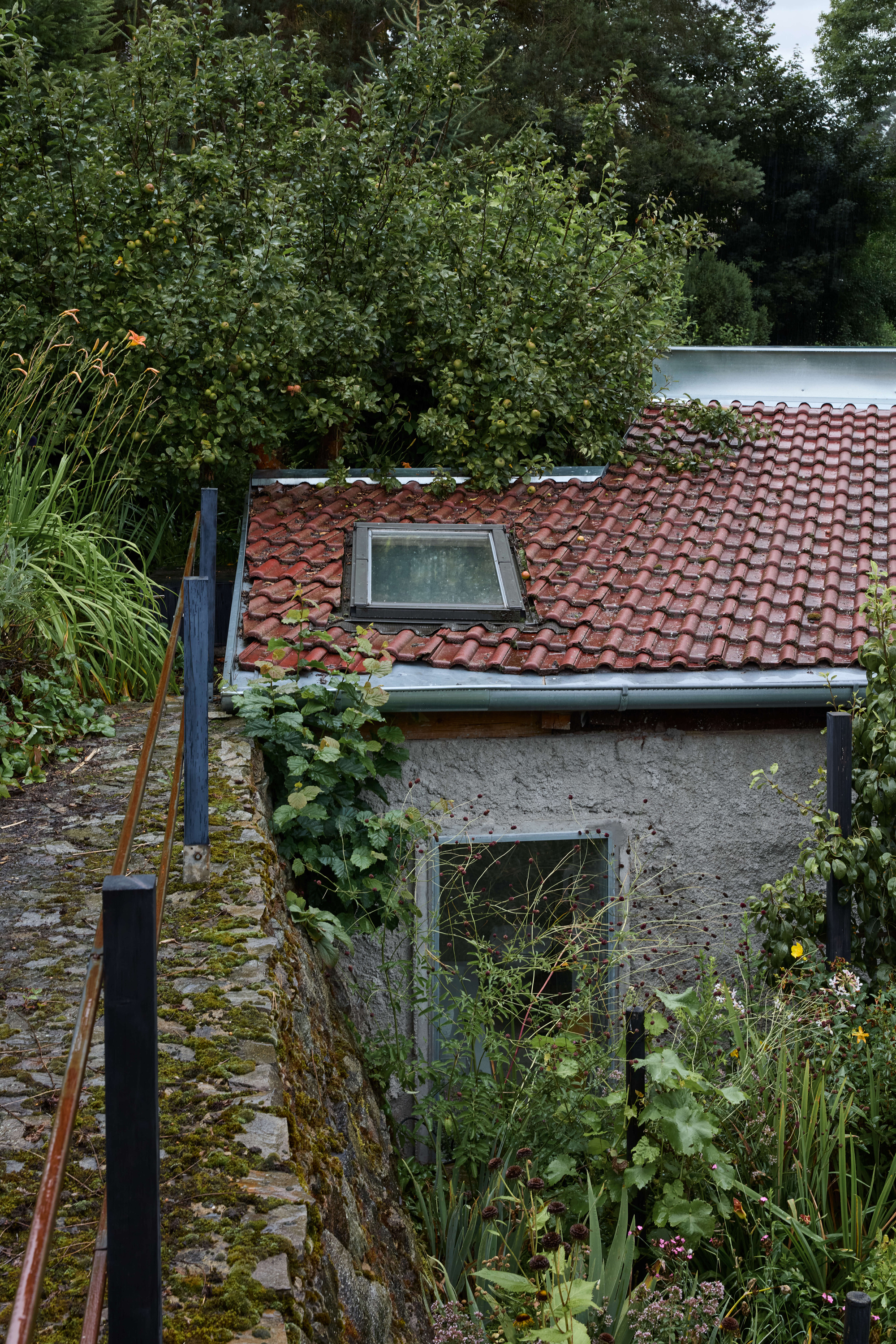
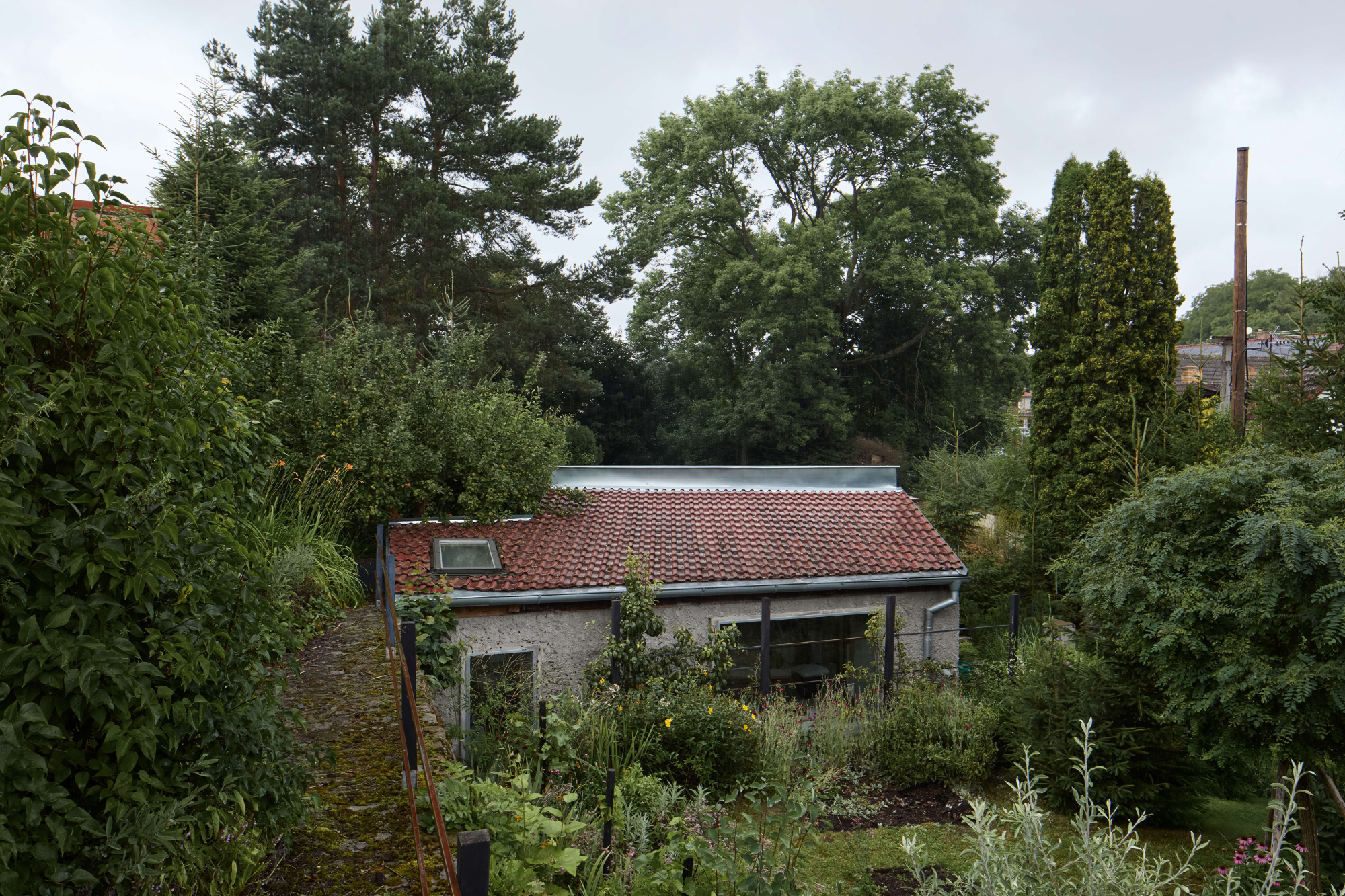
As far as adaptive reuse architecture goes, few projects are more intriguing than this summer house in the village of Panoší Újezd, the Czech Republic. The client, who owned a large house on the property, wanted to downsize. She tasked architect Lenka Milerová with the restoration and redesign of a structure on the property, one that most architects would have demolished: a dilapidated pigsty. Working closely with the client, the architect came up with a concept that preserved the entire building but drastically altered its interiors to serve as a cozy, one-room summer house.
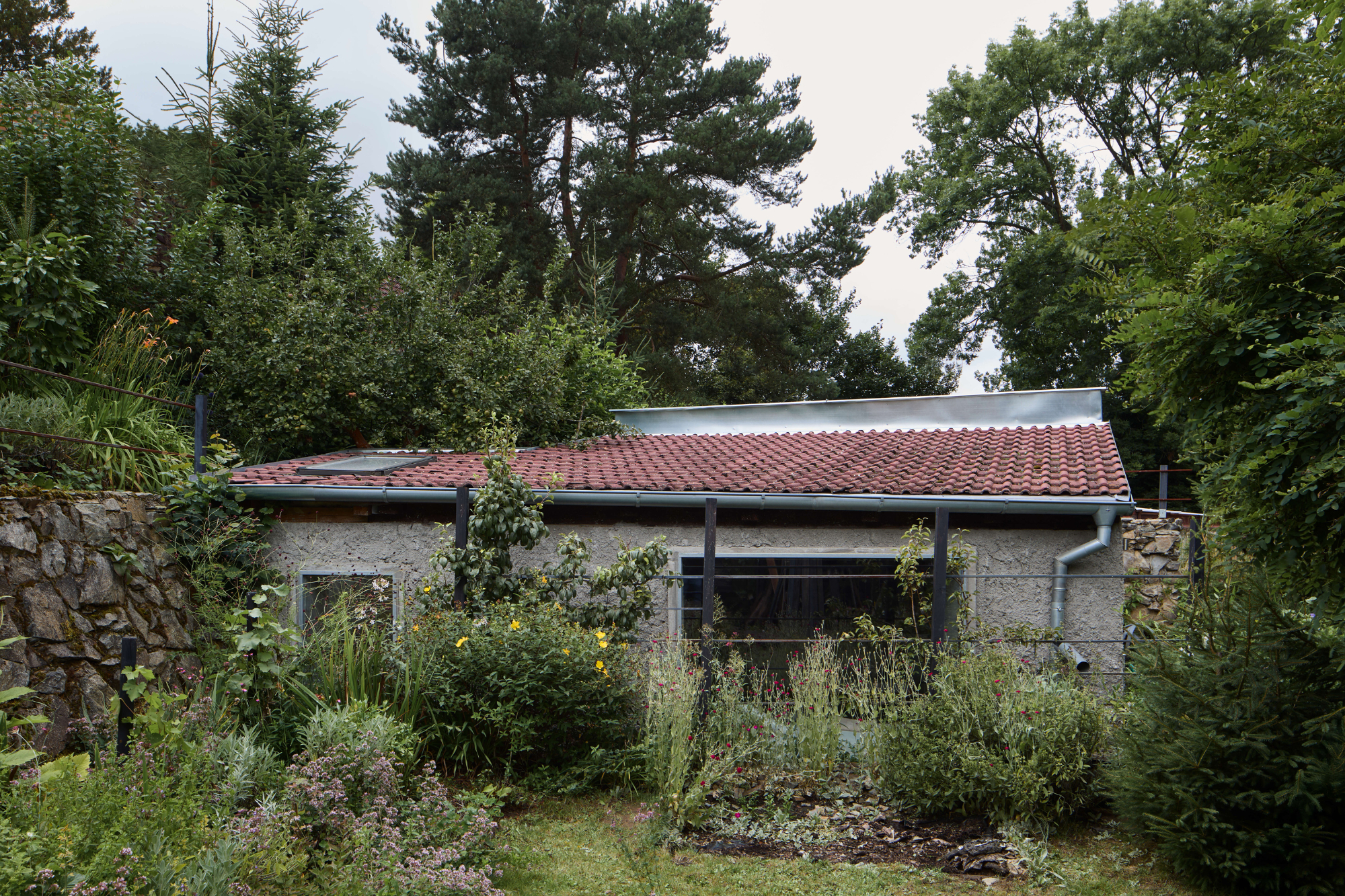
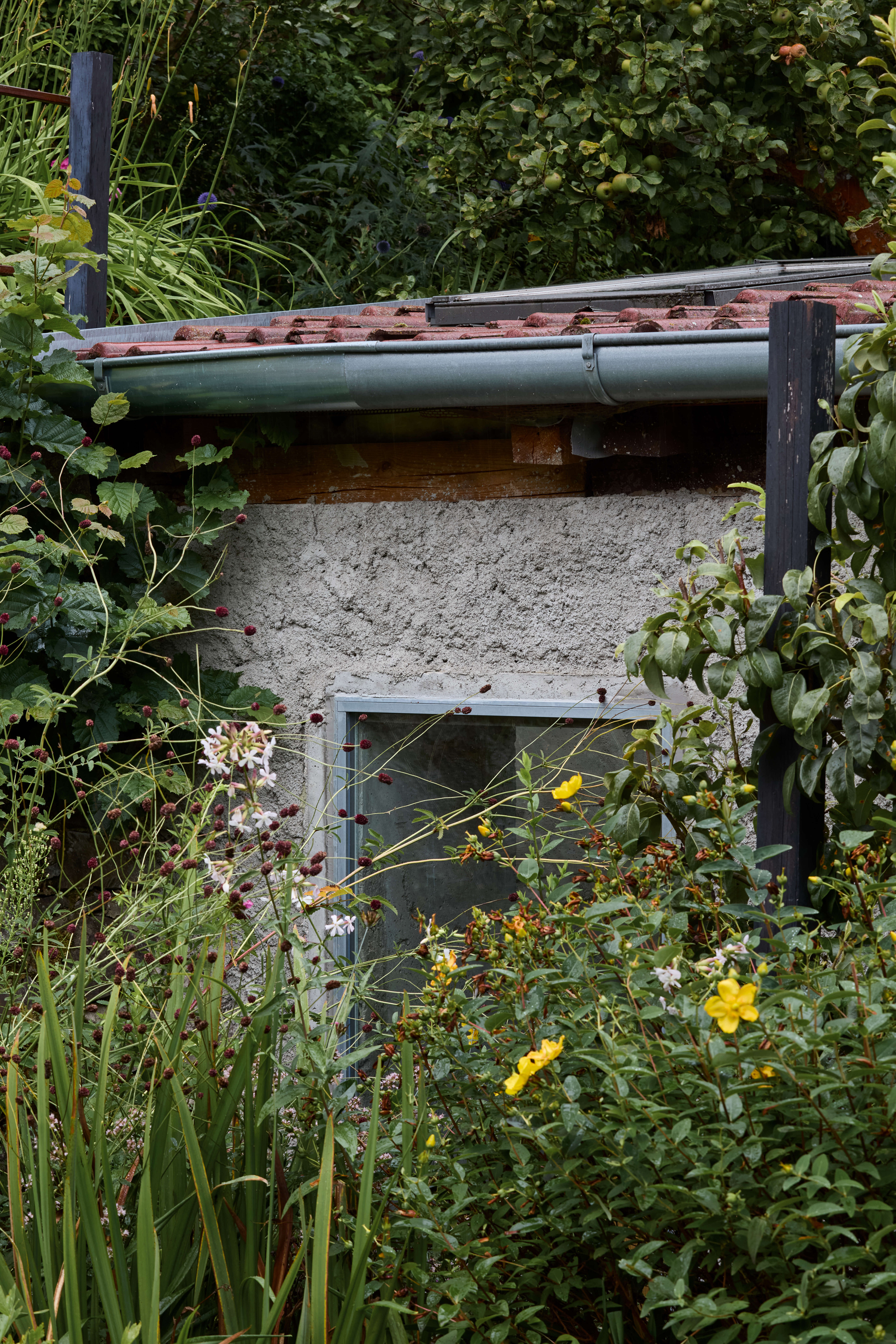
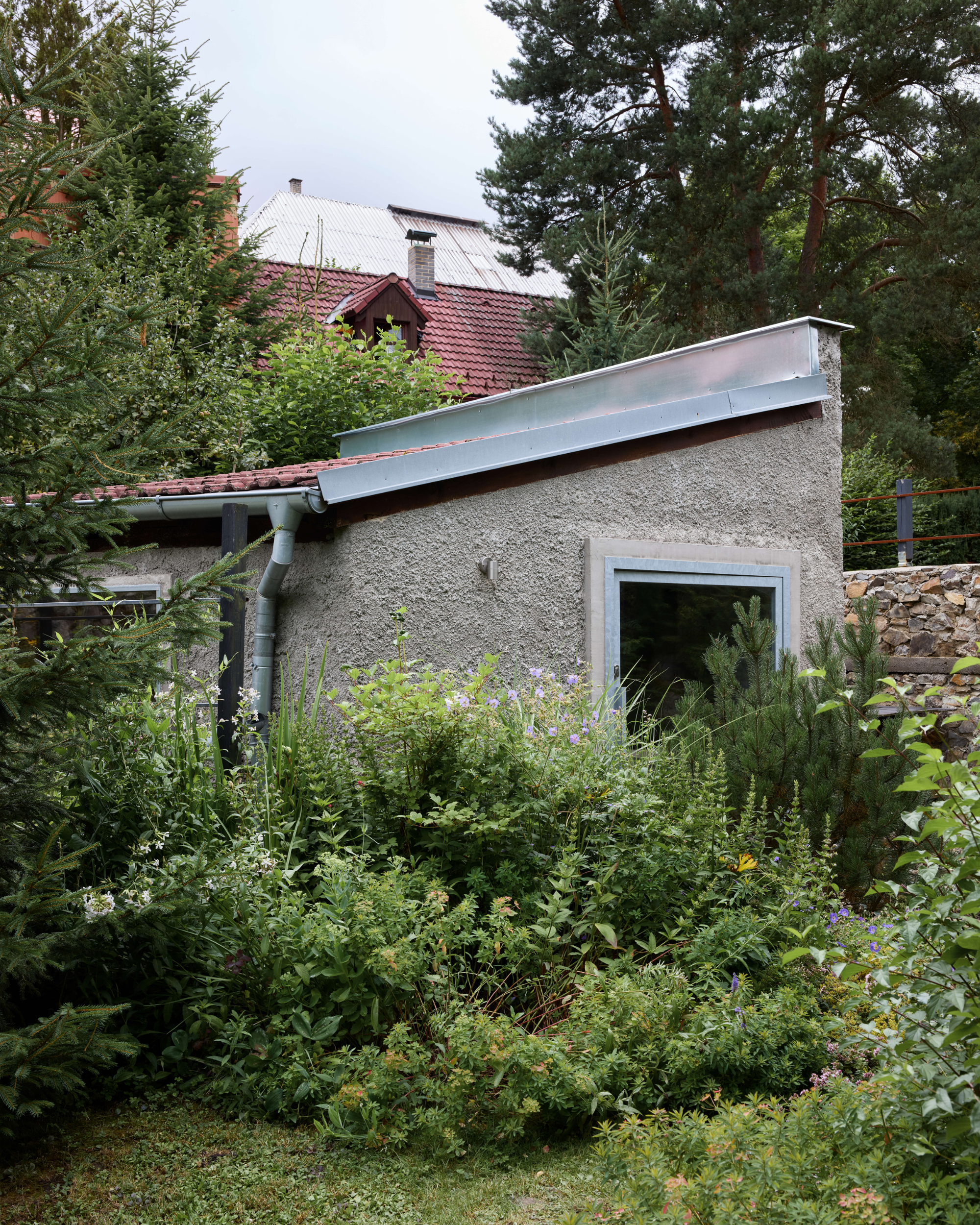
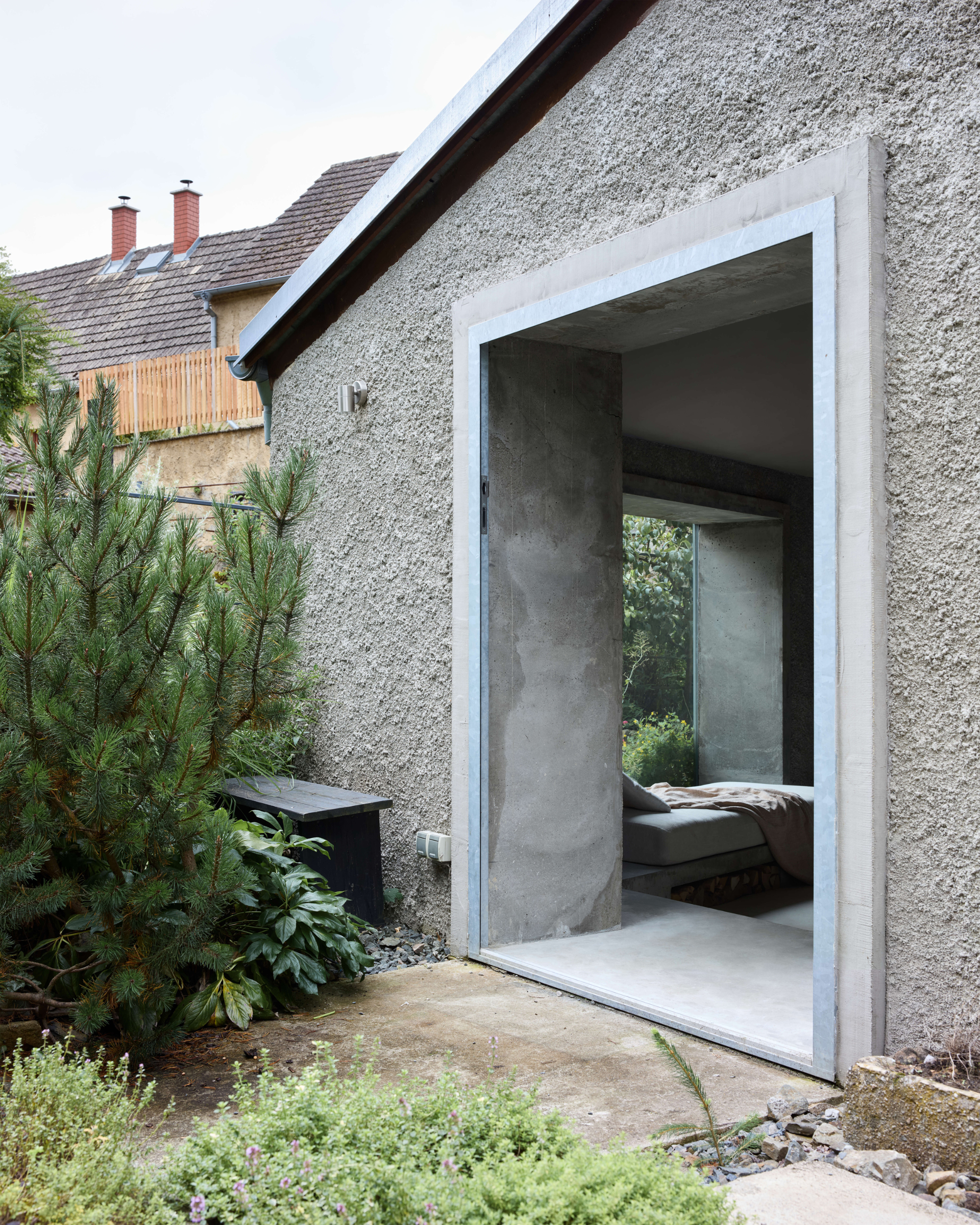
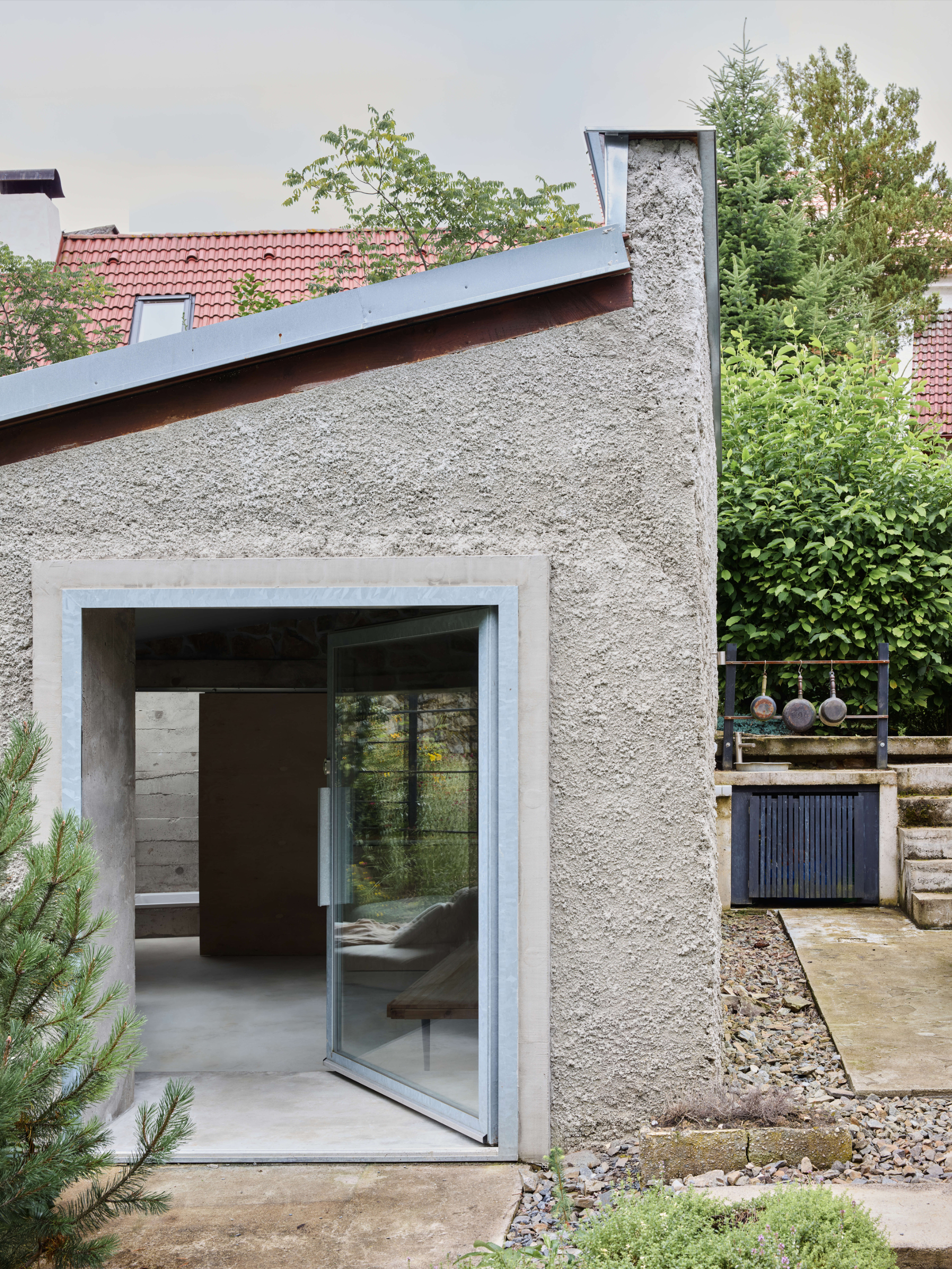
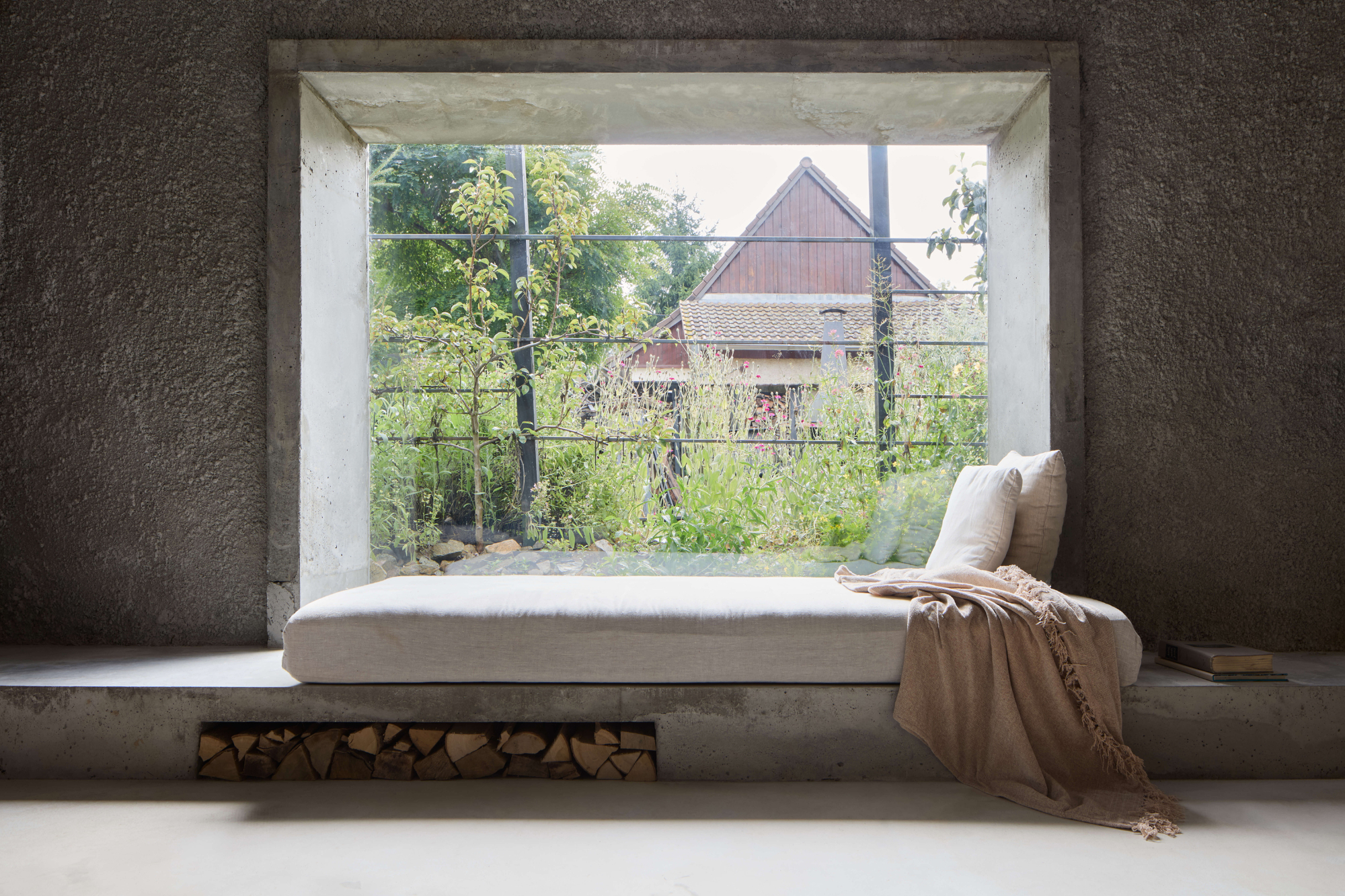
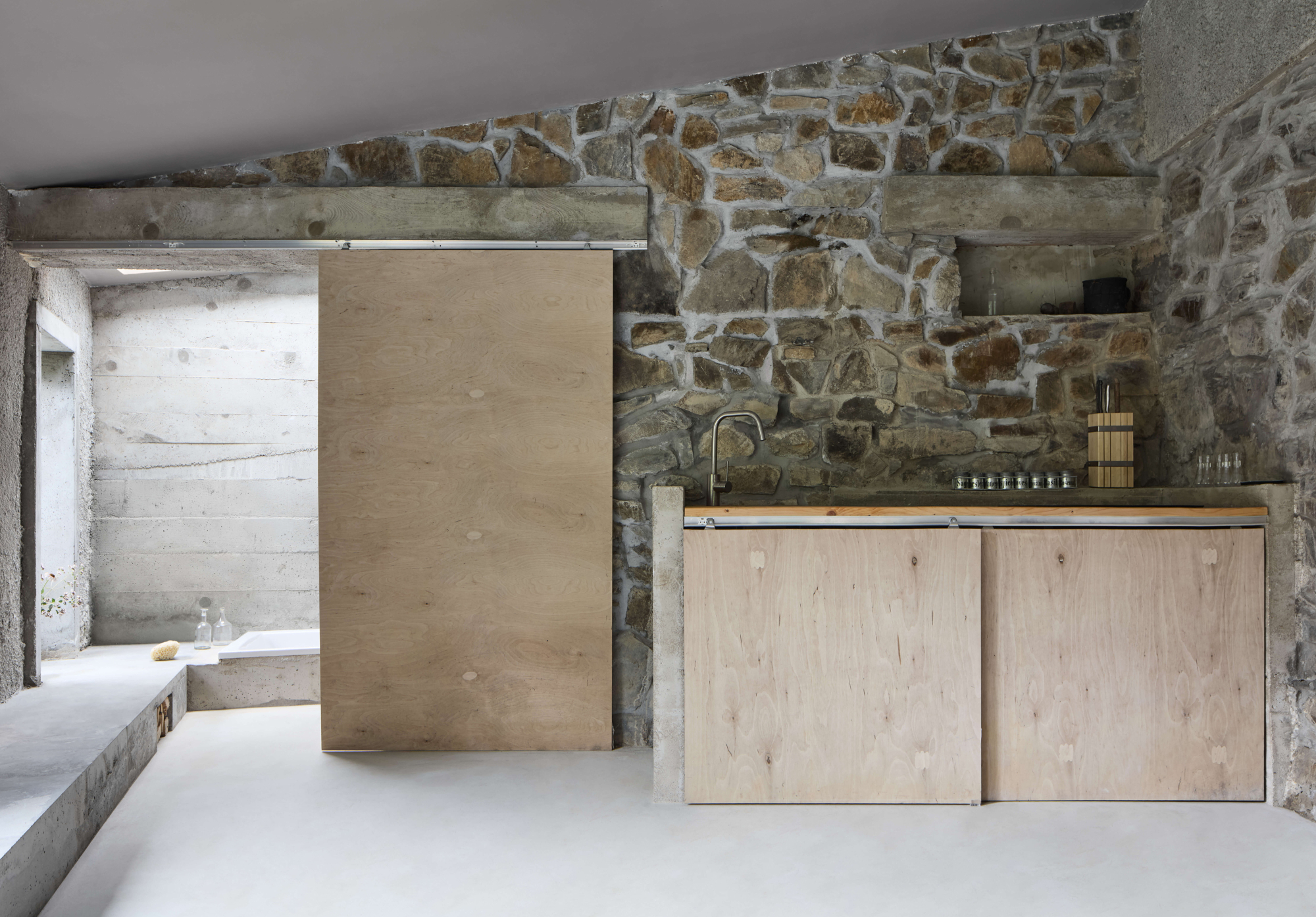
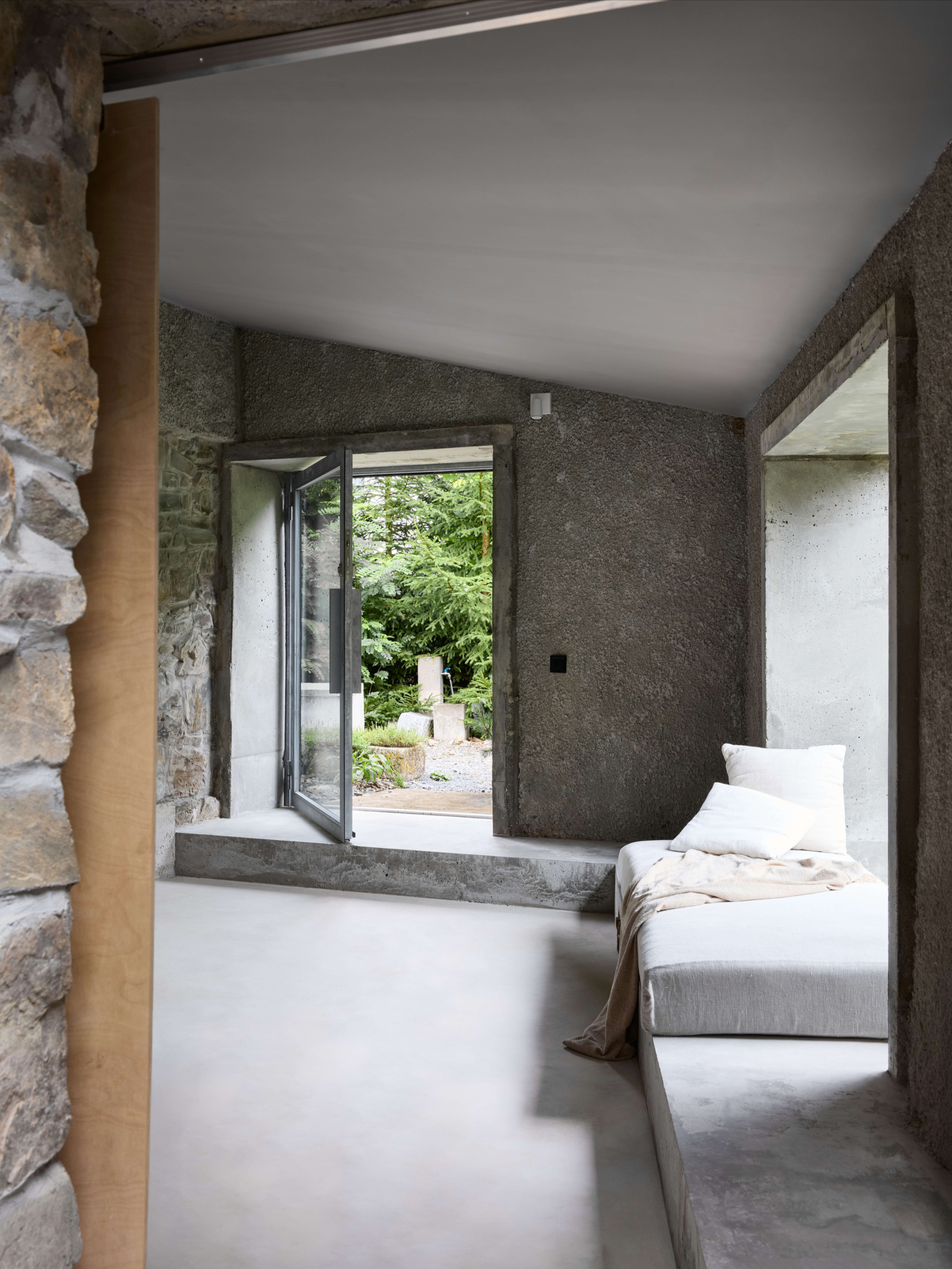
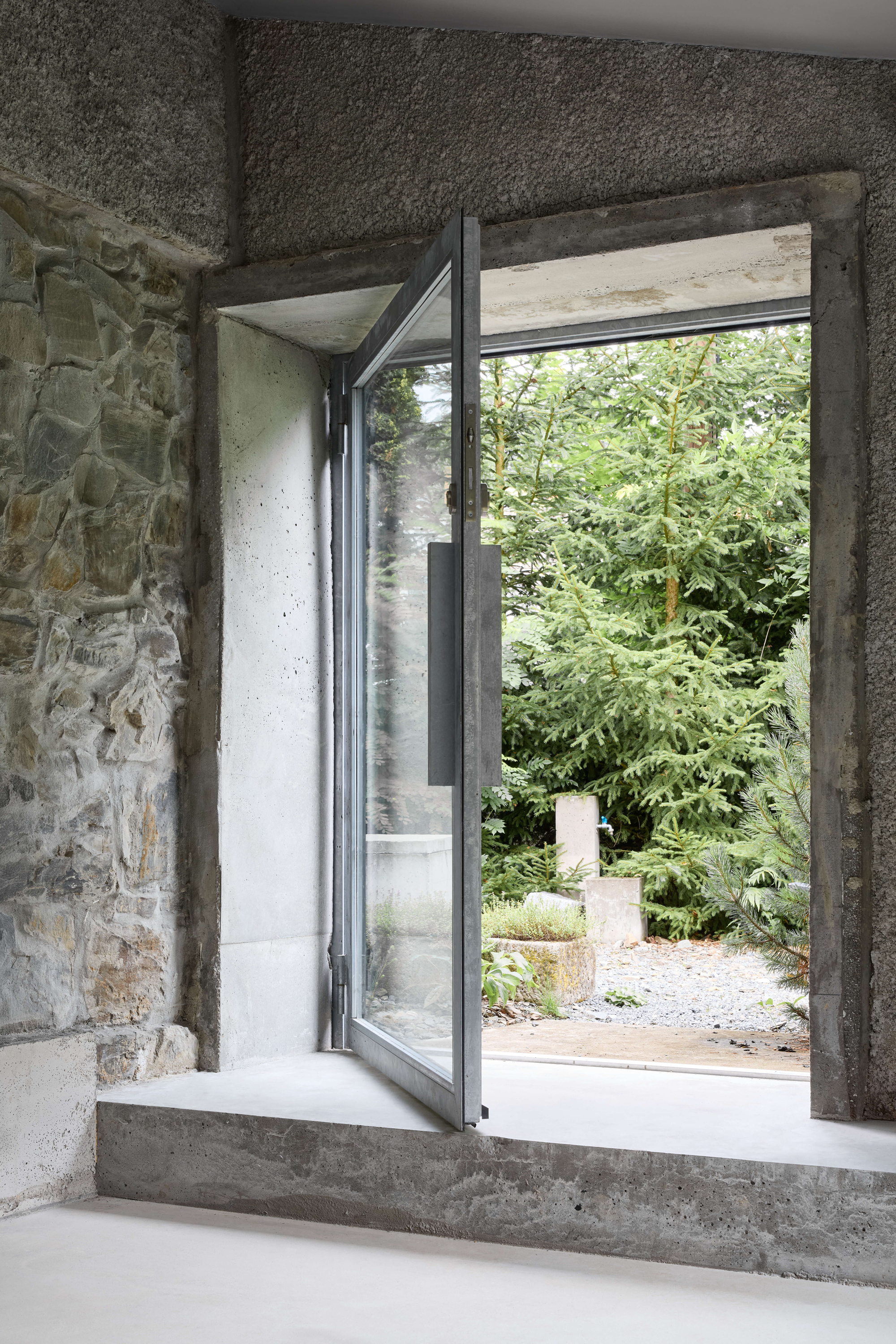
Smaller in scope at the beginning, the project originally involved only the renovation of the structure and the addition of a large window. As the old pigsty started to transform, the client and Lenka Milerová decided to not only add more windows that open to the garden, but to also hire local masons to achieve their industrial and brutalist style vision. Raw concrete and steel make up the material palette, keeping the interiors simple, unpretentious, durable, and easy to maintain.
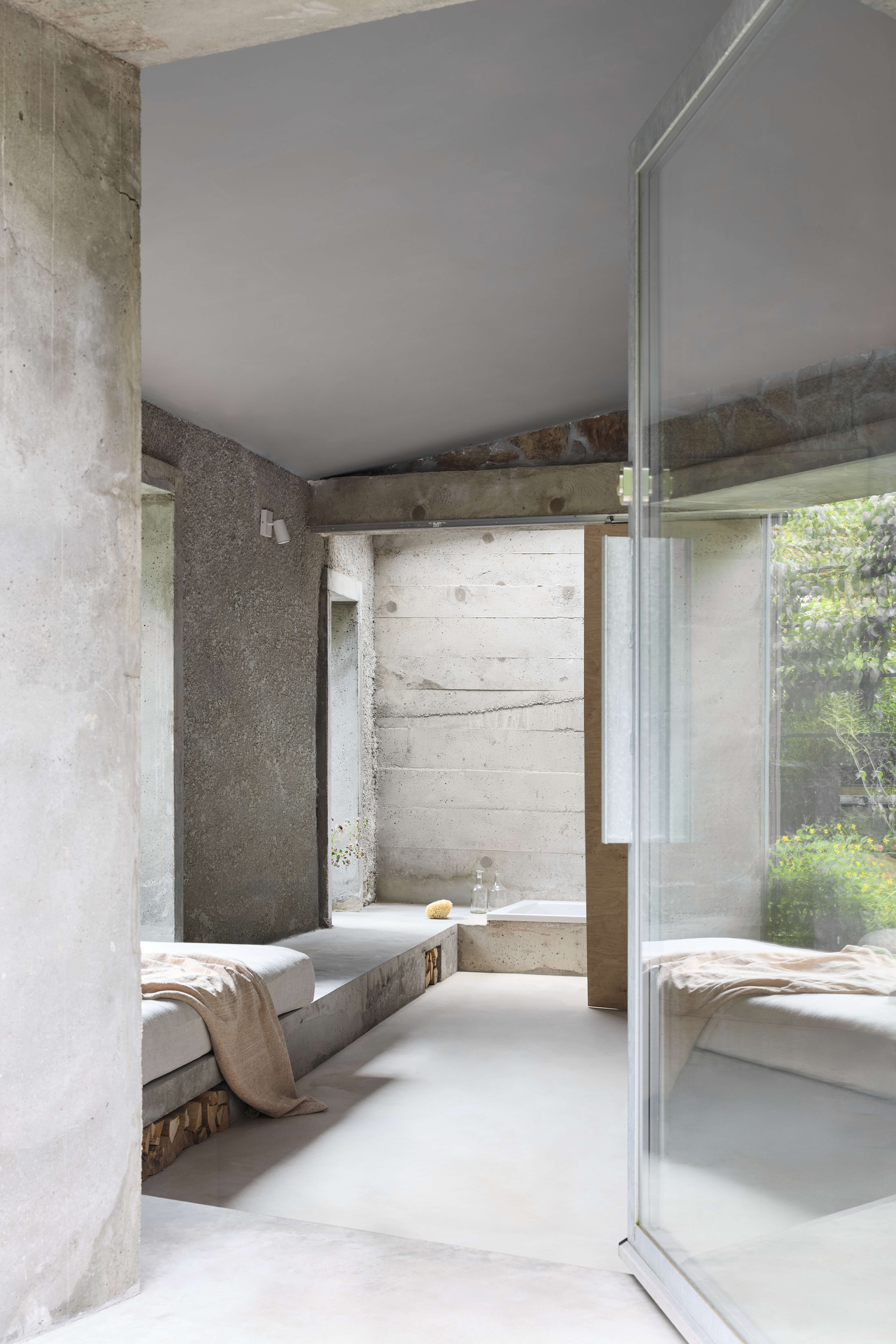
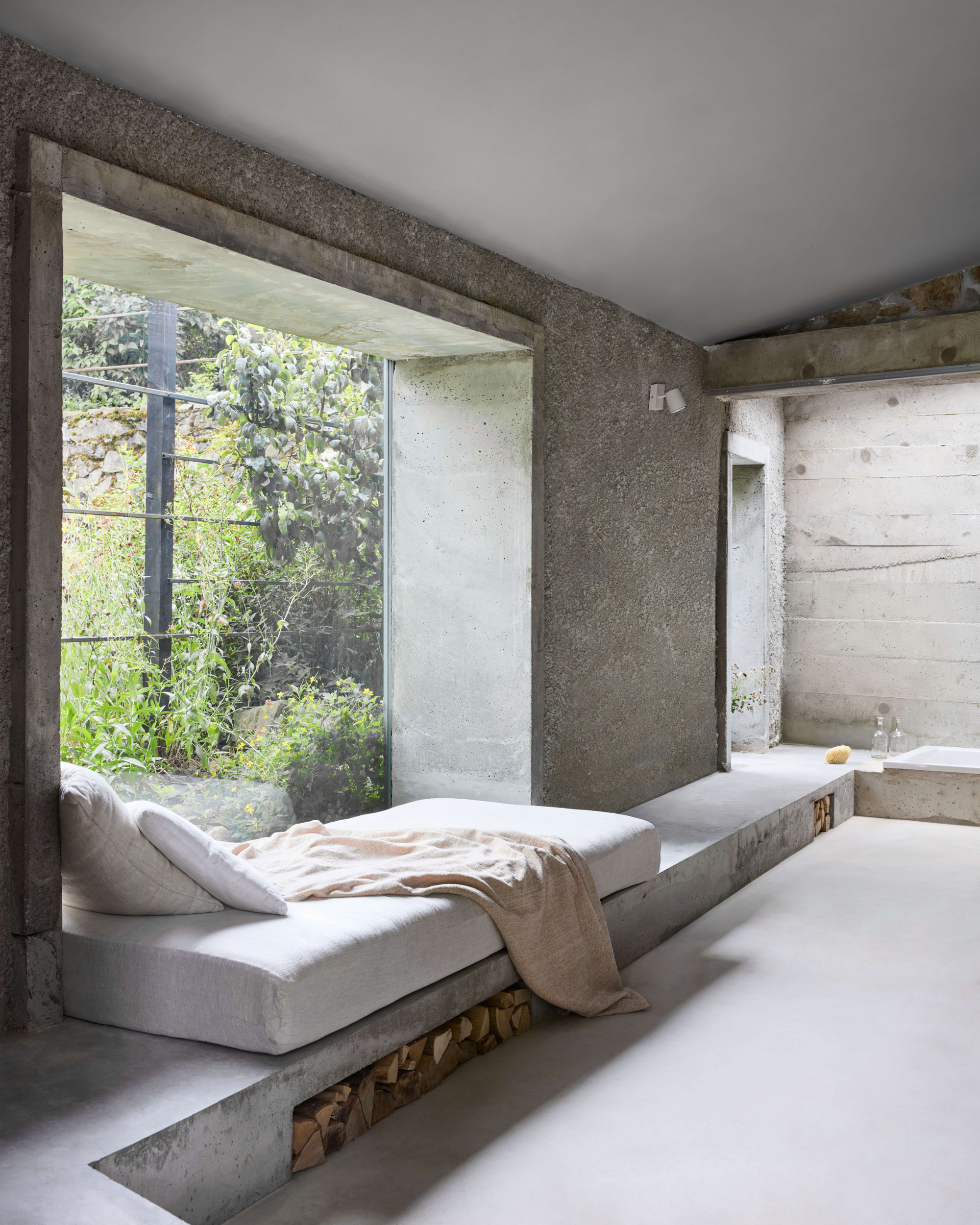
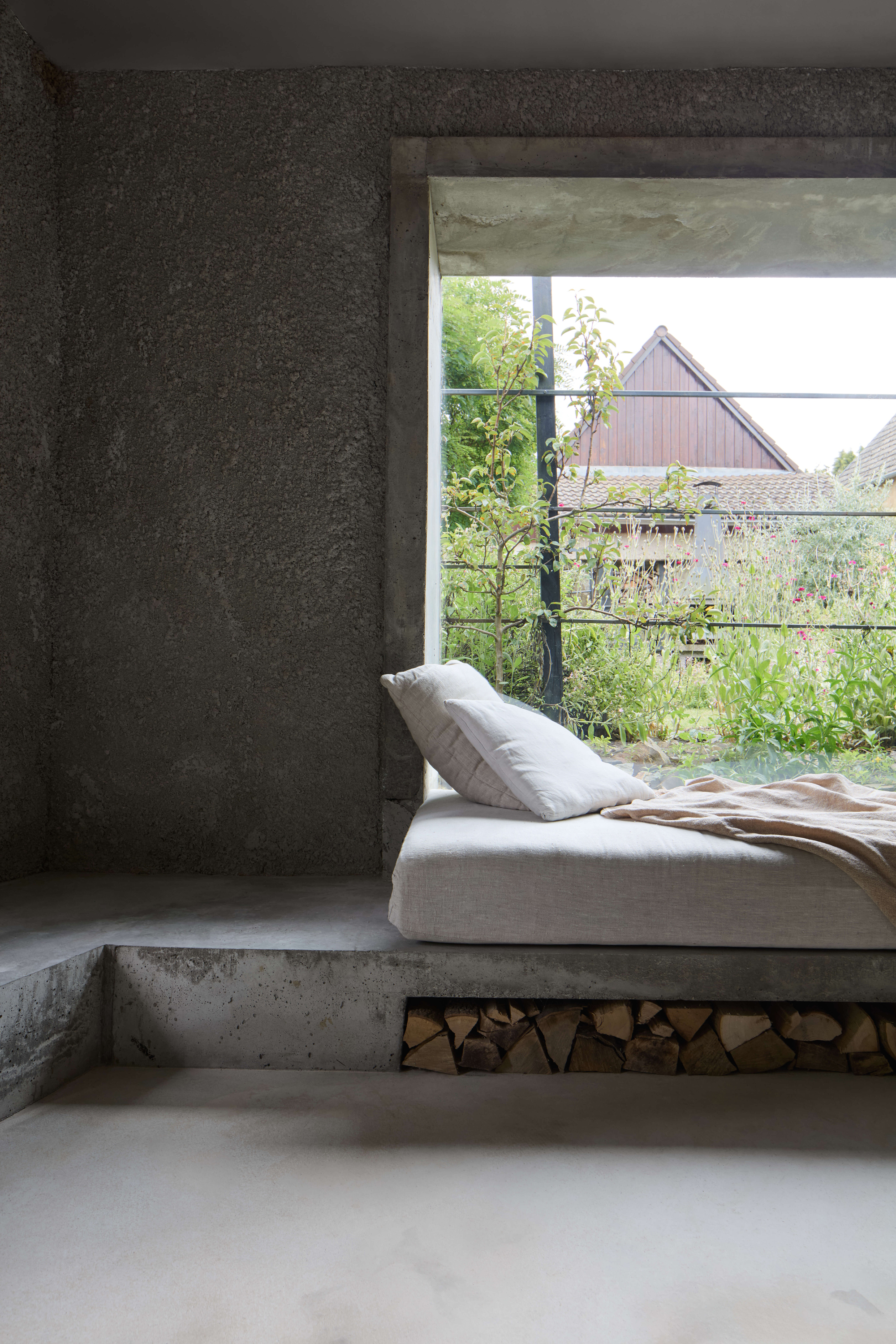
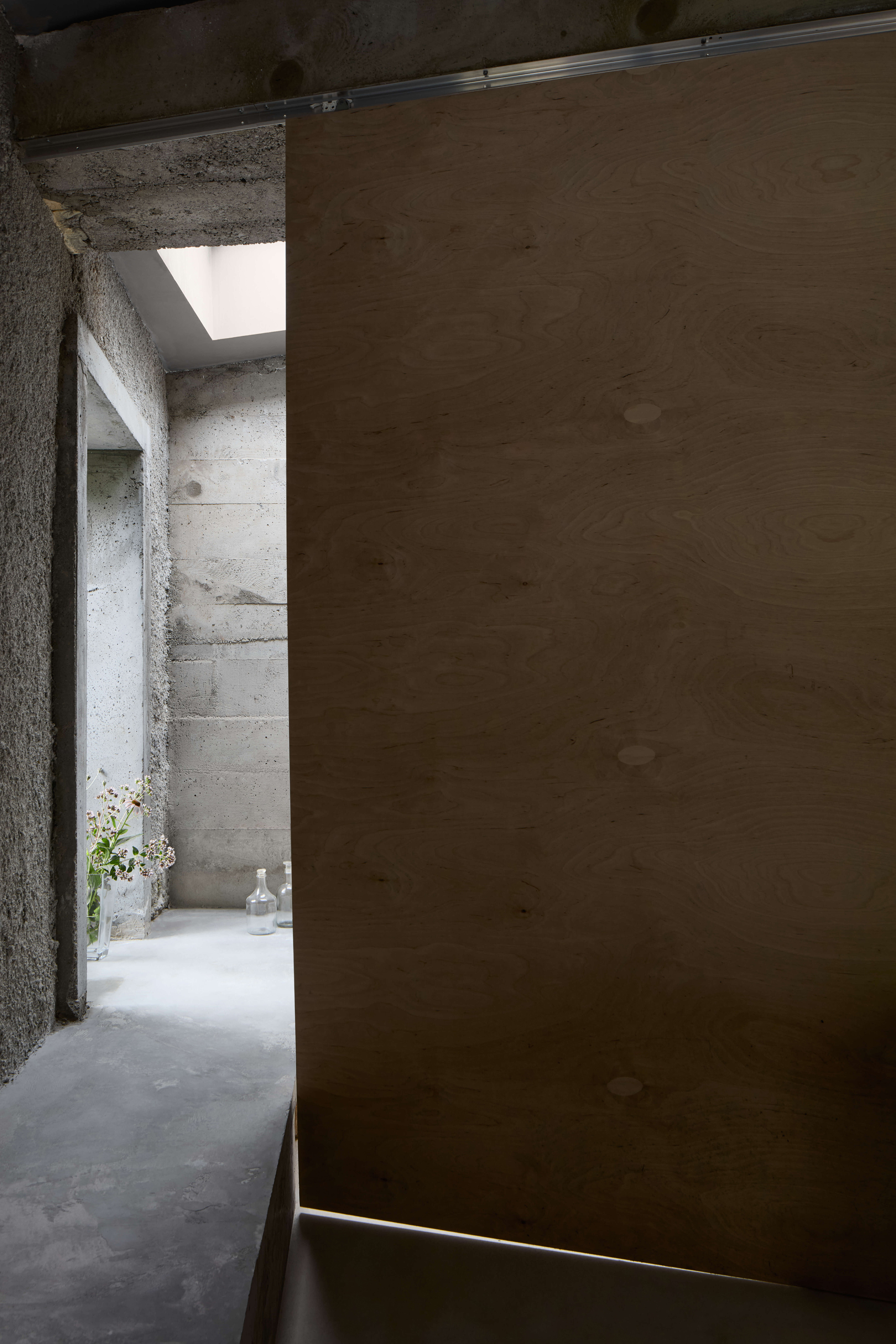
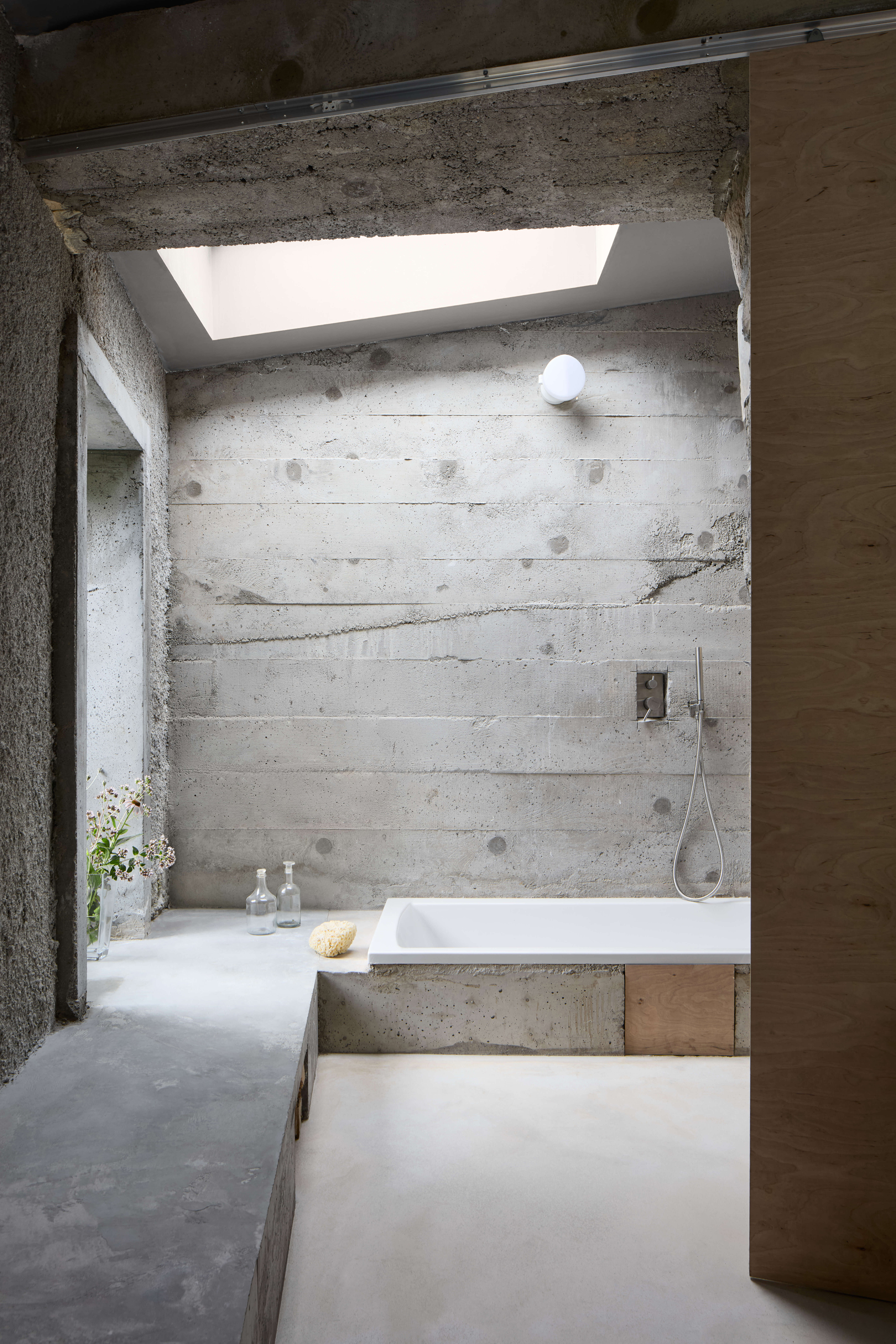
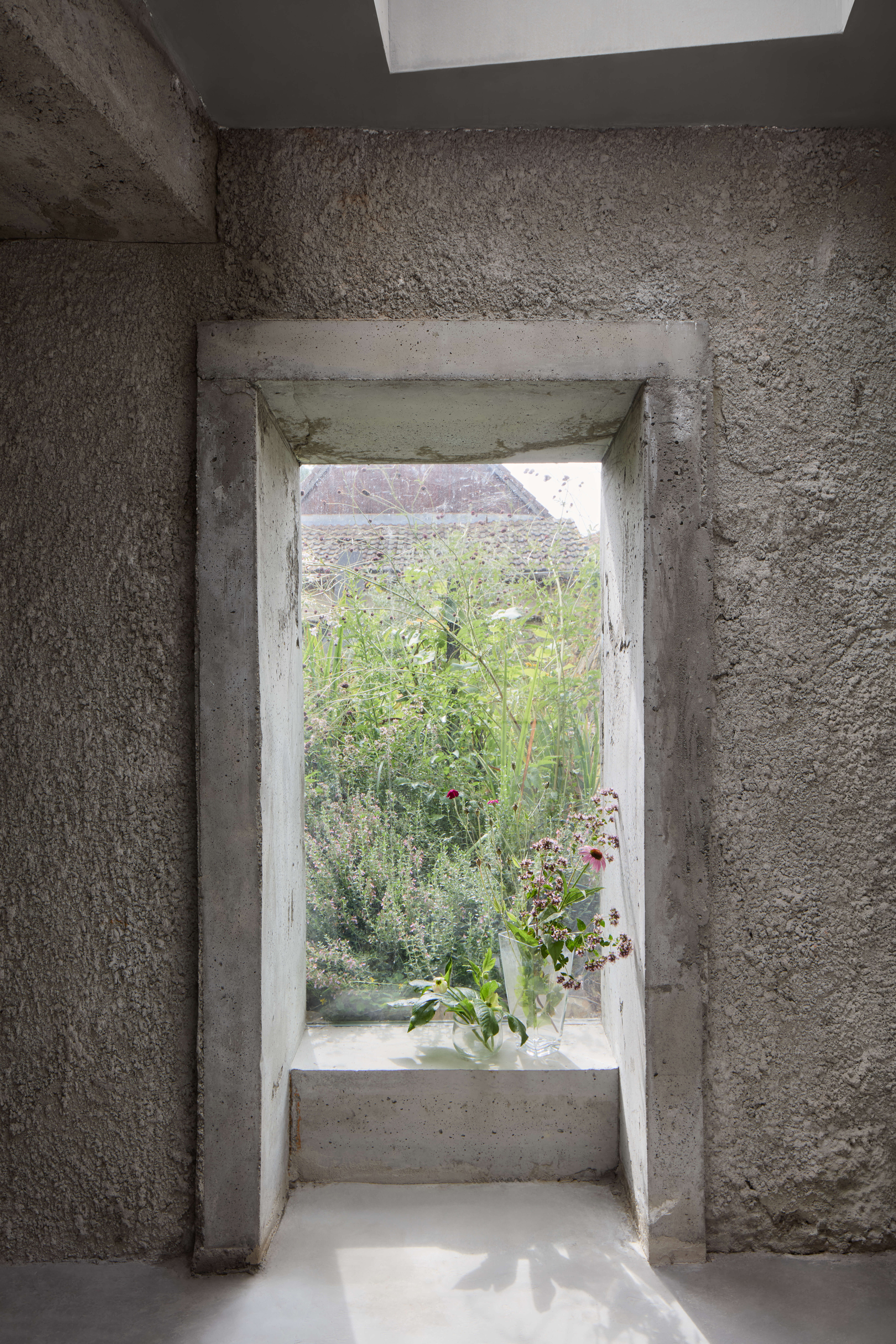
The architect used basic construction techniques, exposing the old stone walls and finishing brick surfaces with a cement spray. Massive concrete jambs frame the new windows, becoming the main design (and functional) element in the interior. From the openings, these custom monolithic volumes flow into the summer house to create a step, a sleeping area with storage space for wood, and a bathroom with a sunken bath. In the garden, there’s an outdoor kitchen completed by the client.
A compelling project from an inventive architect who values the beauty of imperfection, this summer house in Panoší Újezd shows how adaptive reuse architecture principles can be used to transform a modest agricultural structure into a modern and intimate retreat. Rough finishes and the solidity of concrete preserve the essence of the rural building while allowing the verdant garden to become a part of the design concept. Photography by Radek Šrettr Úlehla.