Search






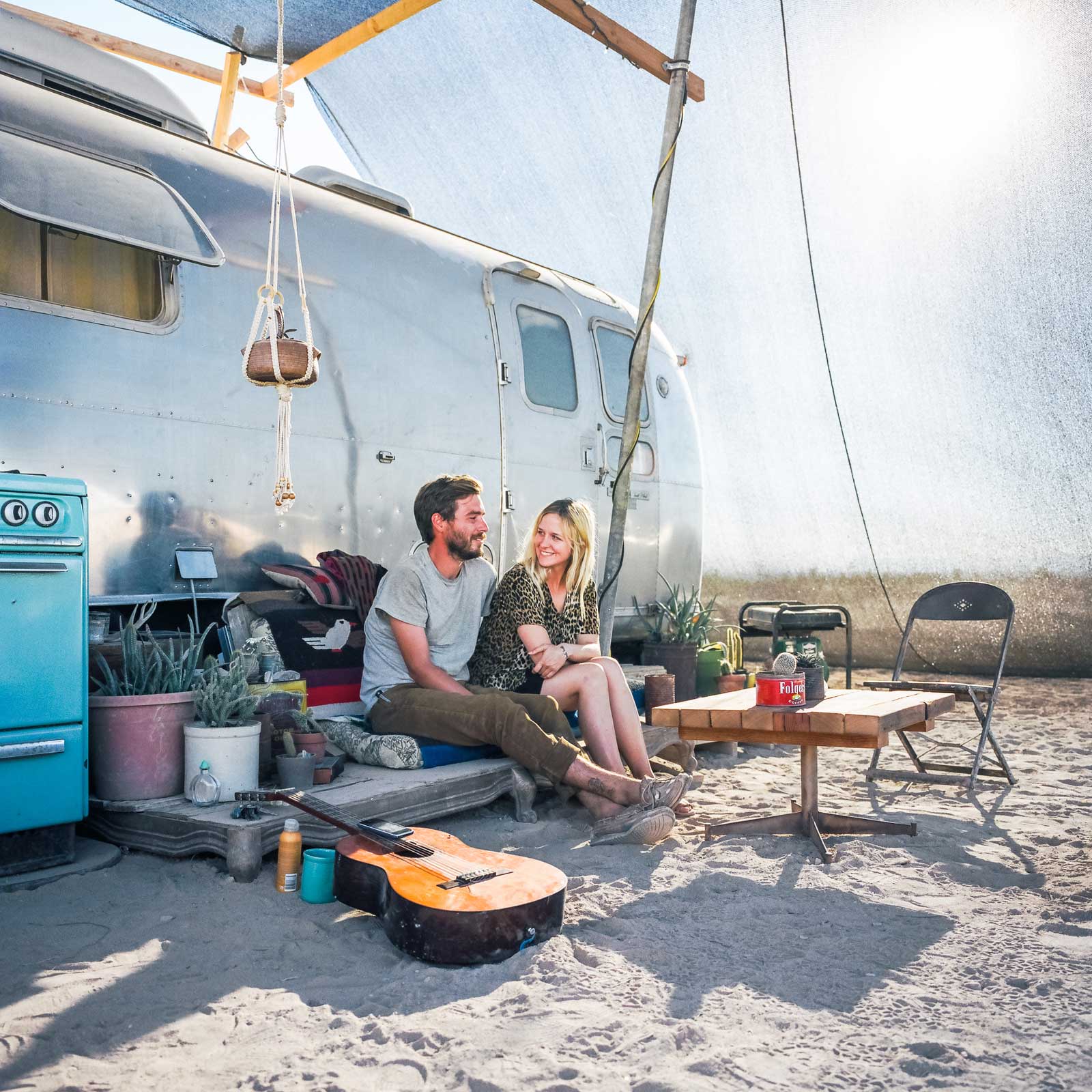
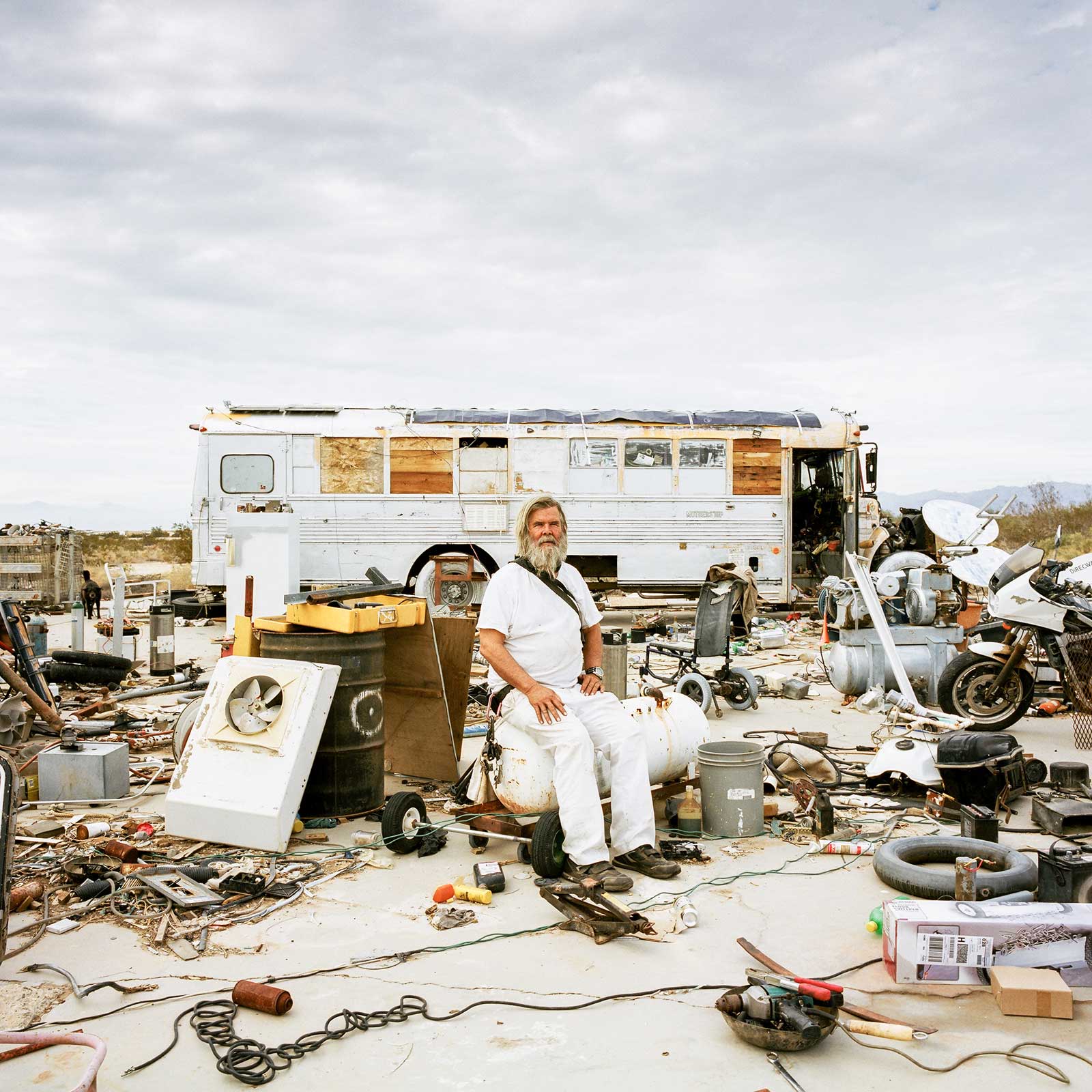
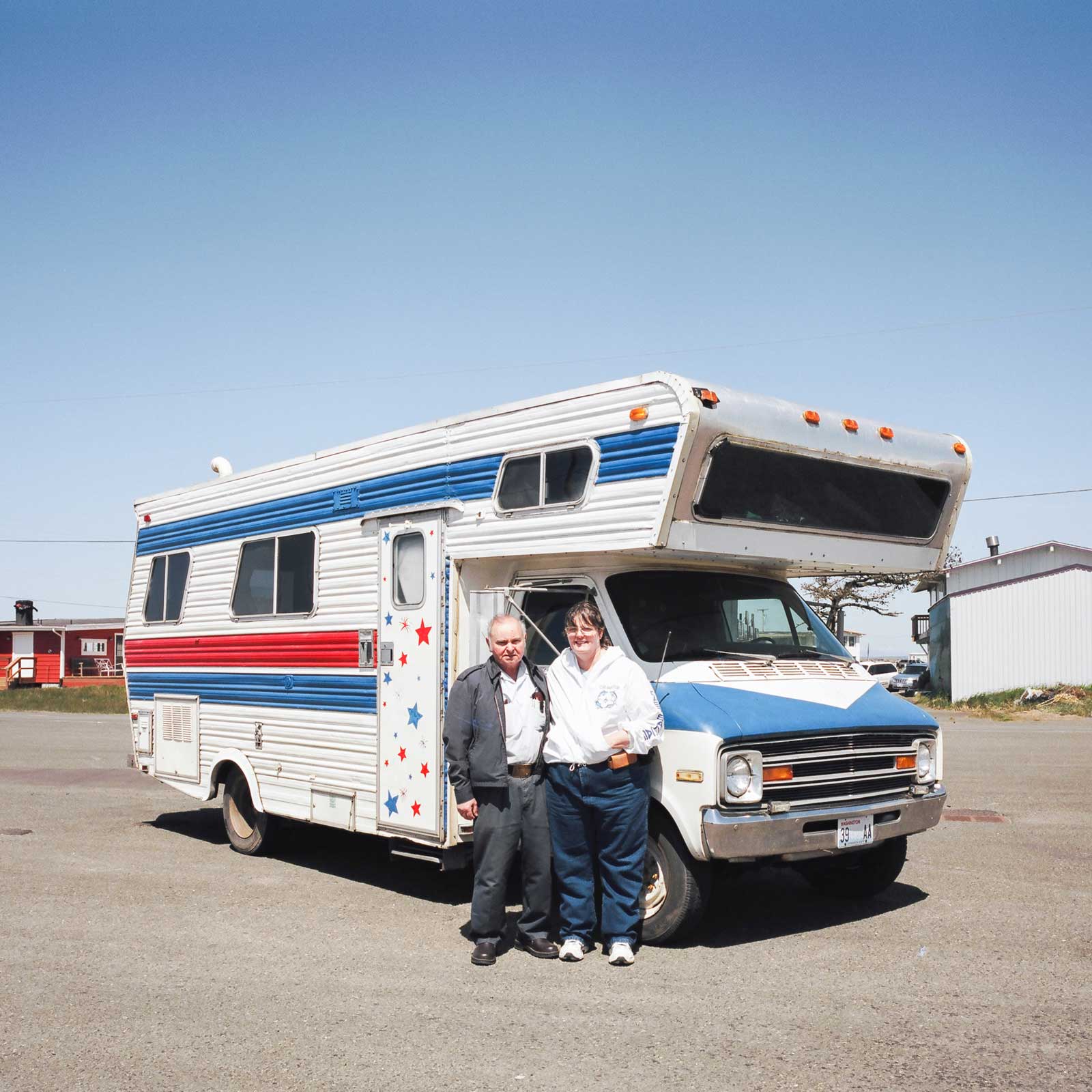
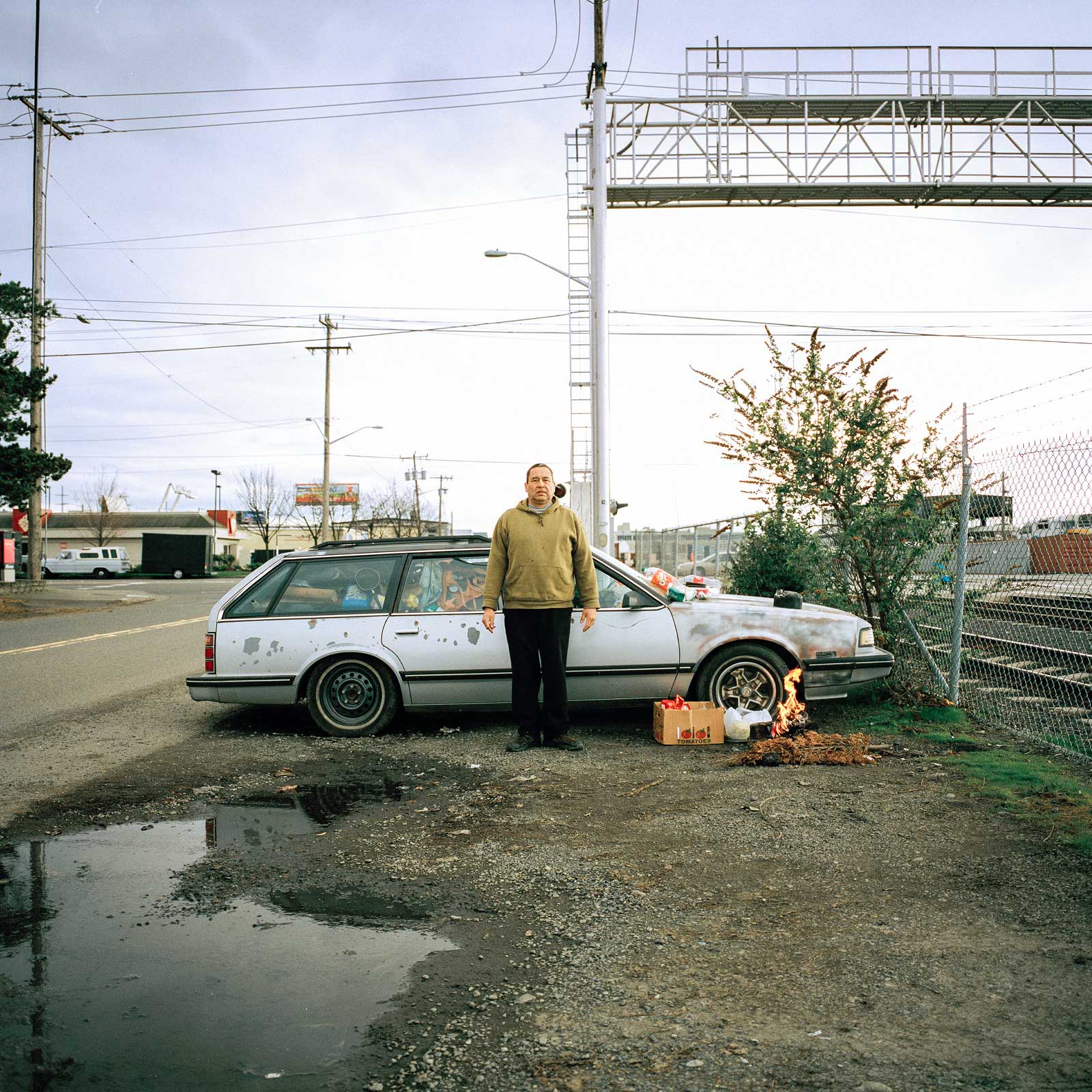
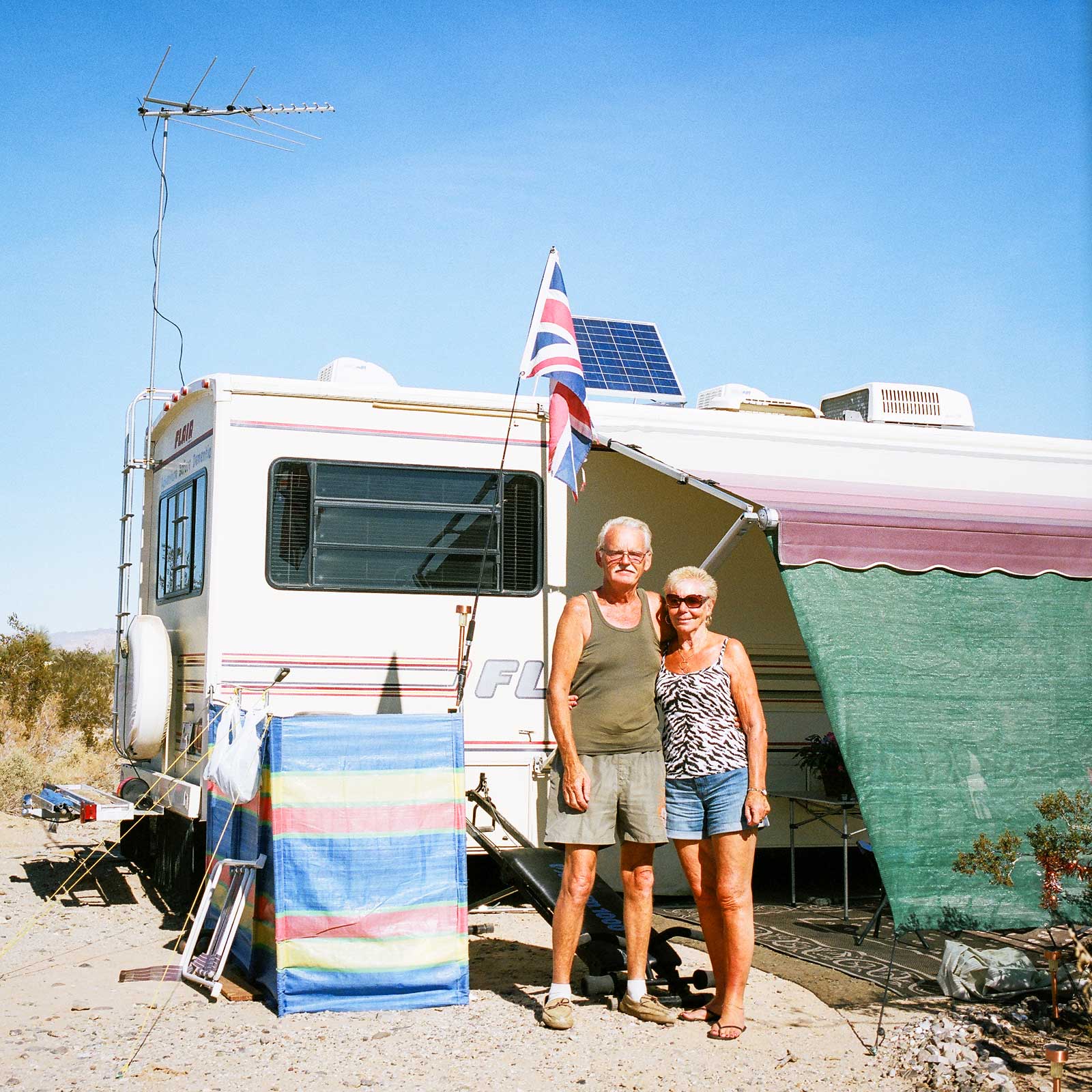
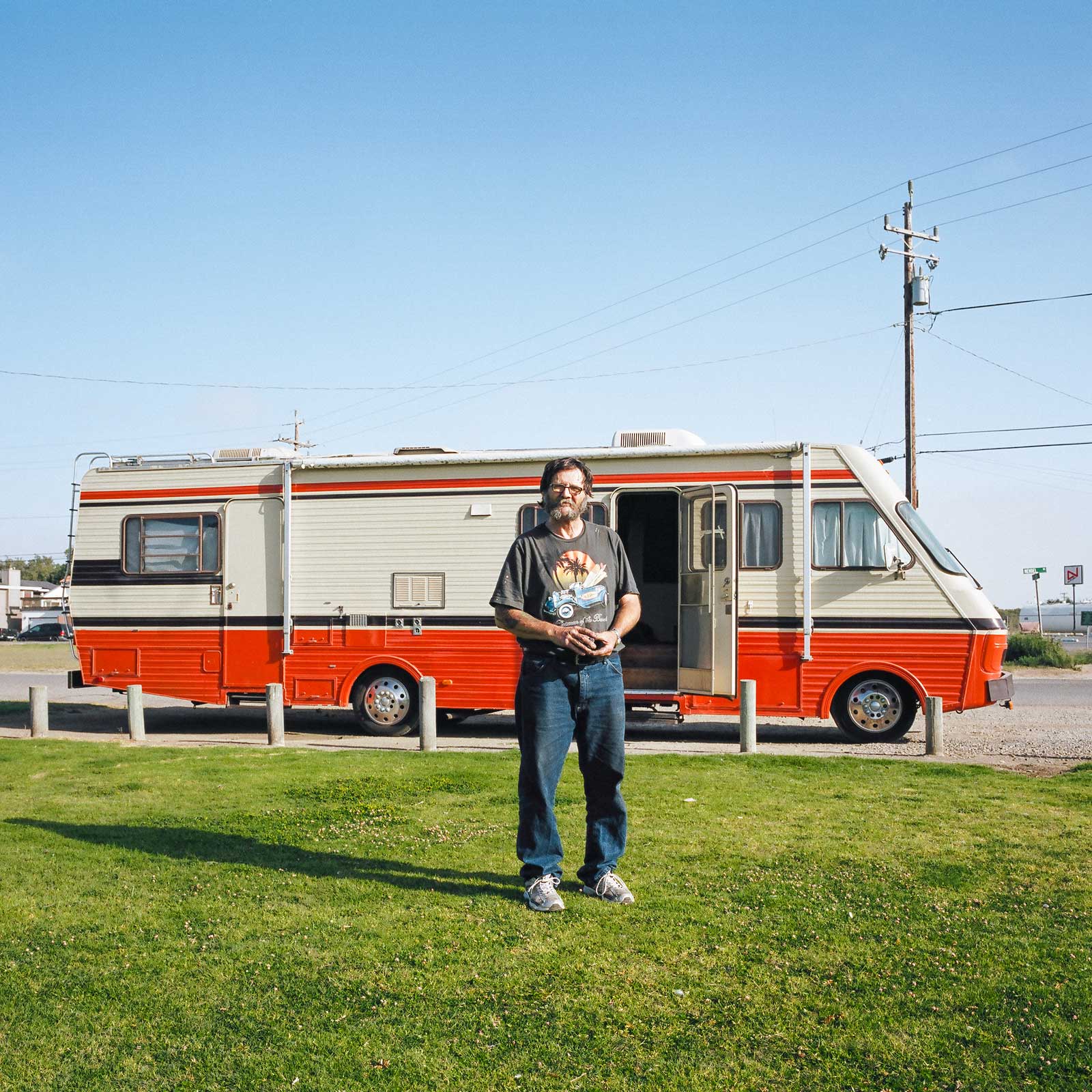
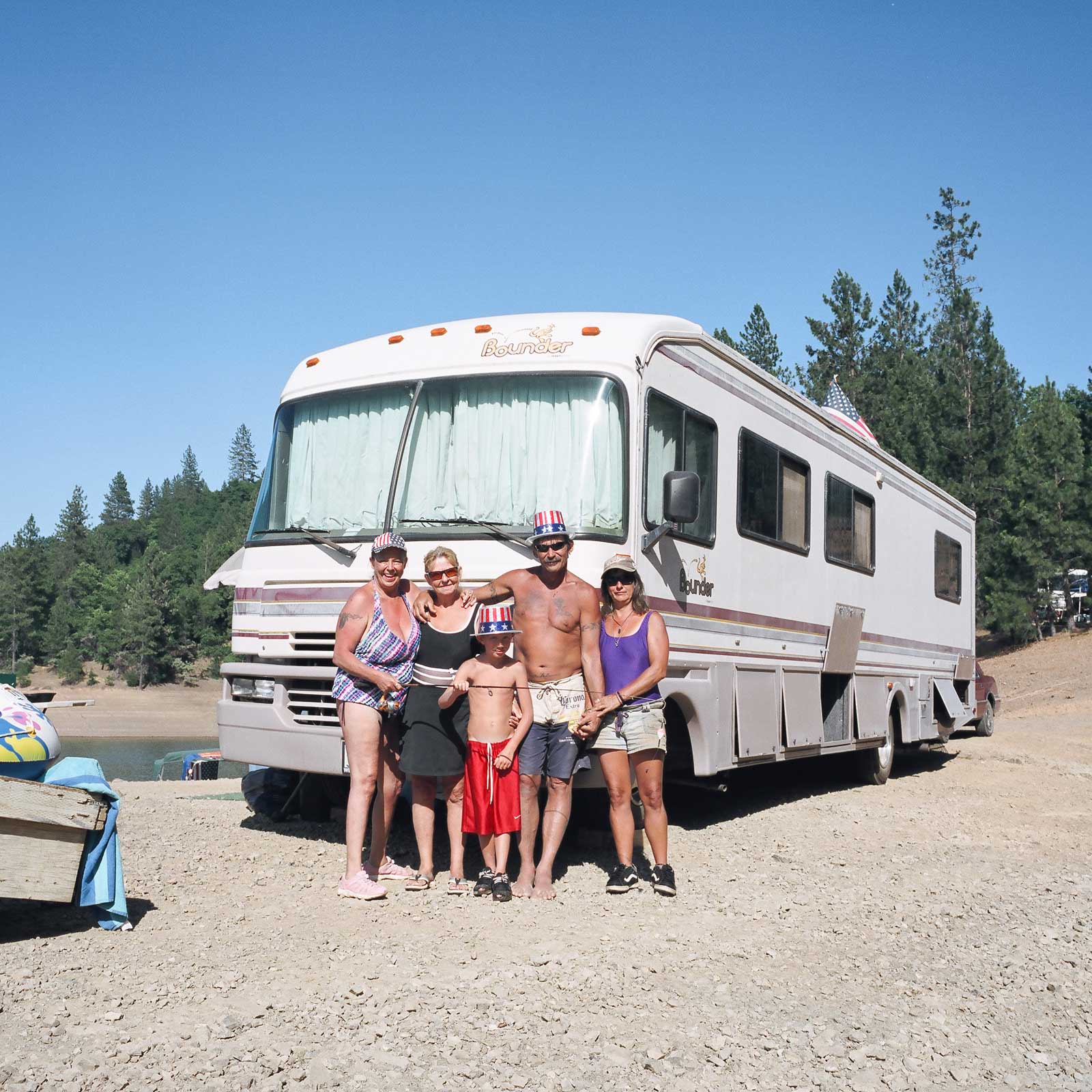
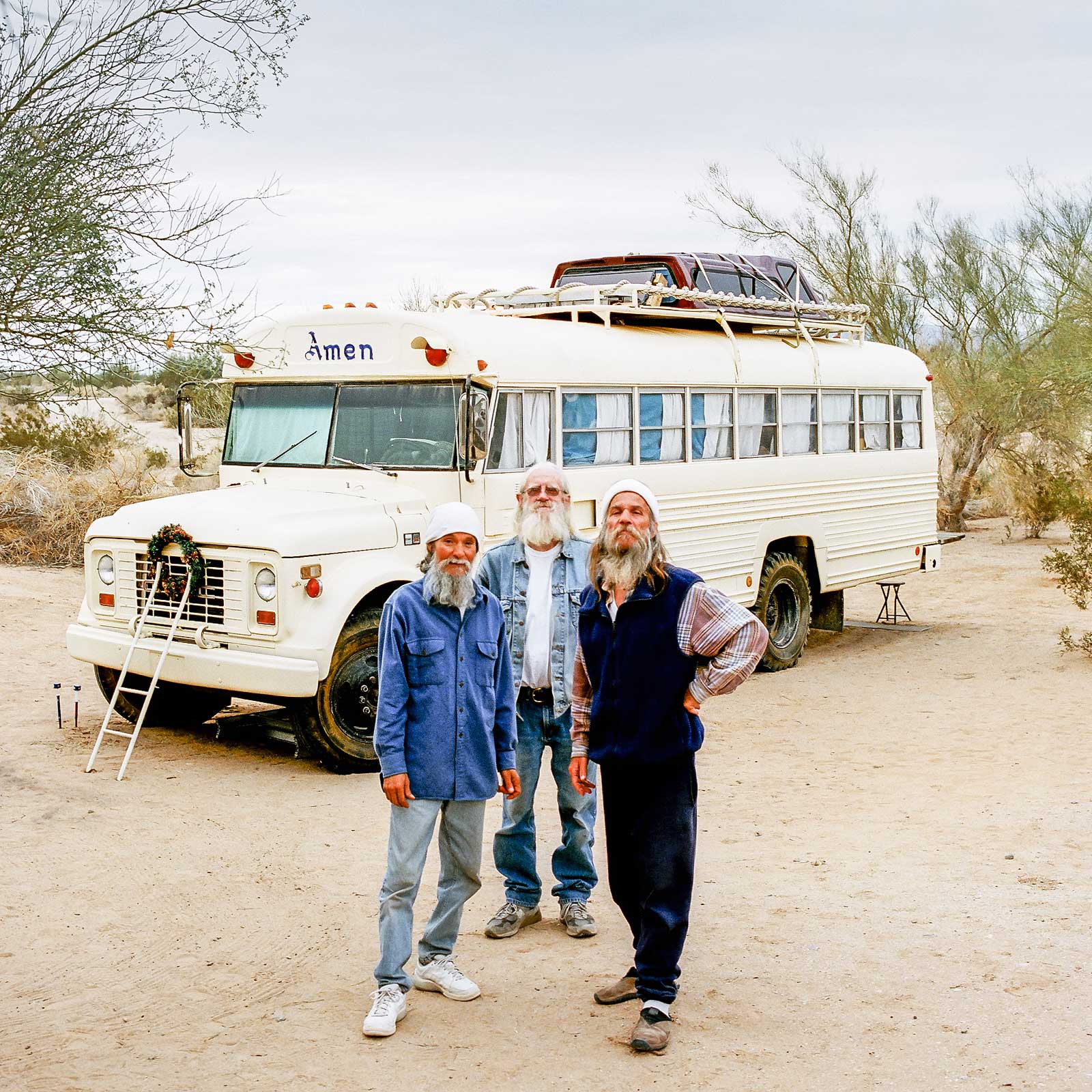
Photographer Andrew Waits’ “Boondock” series follows people who live in vehicles—campers, cars, vans, old school buses, and even a motorcycle—as they roam the West Coast. The two-part collection includes documentary photographs and portraits with interview clips, audio, and links to peoples’ blogs and web groups, exploring why and how people live outside of the ubiquitous American household.
The majority of the people Waits met and photographed are on the road year-round. They live on savings and retirement pensions or earn enough money to keep going as campground hosts and artists. They are writers, bloggers, painters, guitarists, cryptozoologists, and outdoor adventurers, and their vehicles and campsites often serve as both homes and workspaces. Many of them plan to stay on the road for a gap year or until the job market improves, while others intend to drive until death. Several people felt drawn to the nomadic life early on, moving from place to place before they finally found their home: on the move. Many love the outdoors and respect the environment by generating all of their own power. Some are ideologically compelled to live on only what they need, and the majority save money to survive. Societally marginalized, many “houseless” people are also homeless, out of work, living with disability, and recovering from illness or injury. Maybe these same people chose to hit the road, or maybe they did not see any other option. Nevertheless, they share something. Own or rent? Their answer is no.
Many people who Waits spoke to say that they would not choose to be on the road while simultaneously seeing their situation as a chance to live for themselves. For some, taking care of themselves is an individualistic endeavor; they’re hermits, and that’s how they like it. But, most of the travelers find a strong sense of community, meeting like-minded people and bonding in times of need. A handful of them keep up with family connections outside of the mobile community, but many are no longer a part of that sphere, and maybe they never were. A few even said that they made much closer friendships in the mobile community than they ever did in an apartment or subdivision. Without nuclear families and friends next door, the travelers lean on one another—man, woman, and dog—forging non-traditional, yet, I suspect, not uncommon alternatives to the standard two-parent household with 2.5 kids and reshaping the American dream.