Search






Sustainable, 100% natural dyes made from locally sourced seaweed waste.
Established by Nienke Hoogvliet and Anne Boermans, Dutch company Zeefiers aims to change the textile industry with the help of nature. More specifically, by using seaweed waste from the food and cosmetics industries to produce 100% natural dyes. Unlike traditional chemical dyes which are harmful for the environment, seaweed-based solutions don’t require fresh water, land, or chemicals. Seaweed also absorbs CO2 from the atmosphere and produces oxygen. Furthermore, Zeefier uses waste to produce its dyes, making the entire process sustainable and exceptionally green.
Almost 10 years of research and testing have gone into the Zeefier formula. The name itself has a story behind it. It refers on one hand to Zephyr(os), the Greek god of the west wind who guided travelers on their journeys. The name is also pronounced in Dutch similarly to the words “zee” and “fier”, which mean “sea” and “proud”, respectively.
Clothing and textiles dyed with all-natural colors.
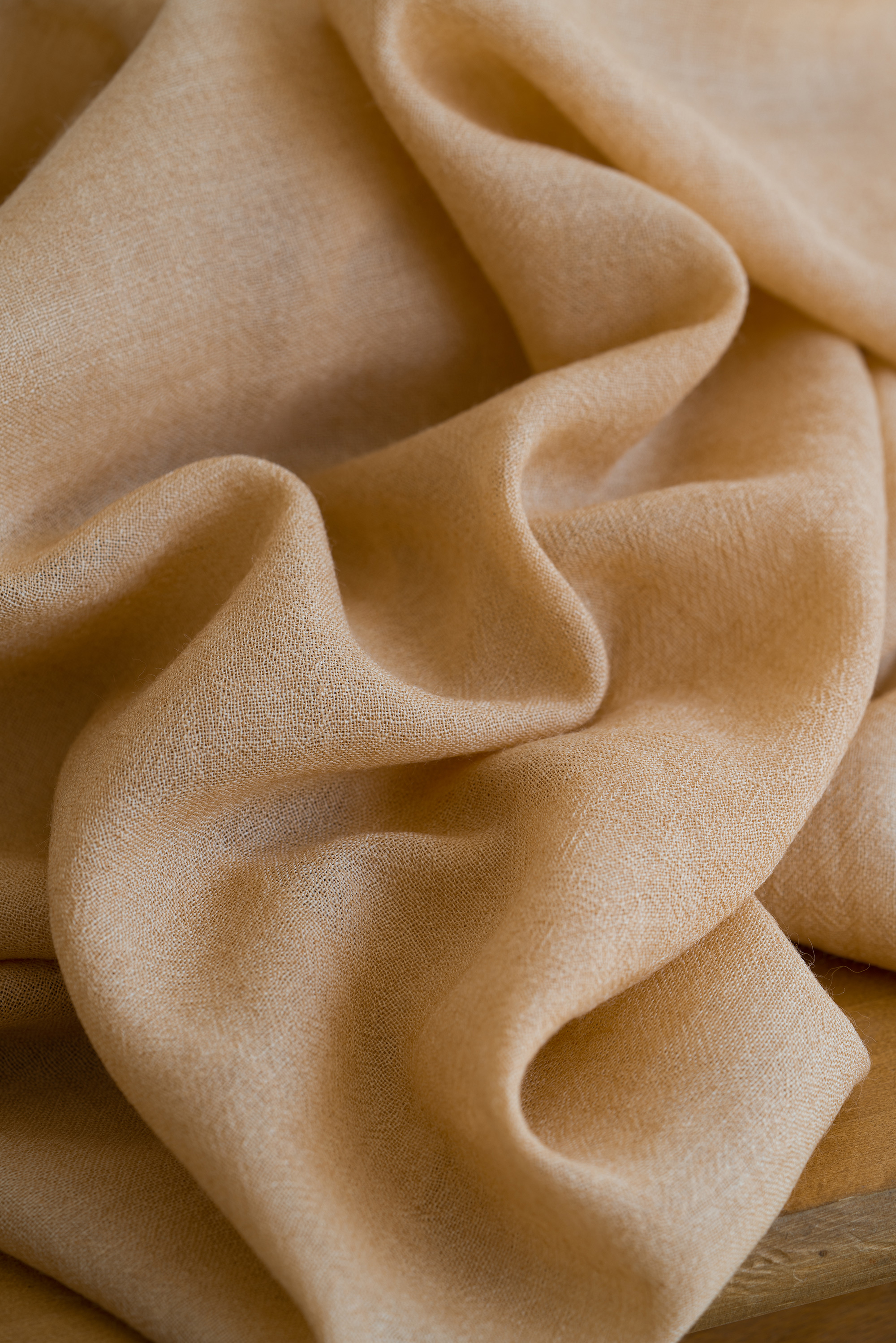
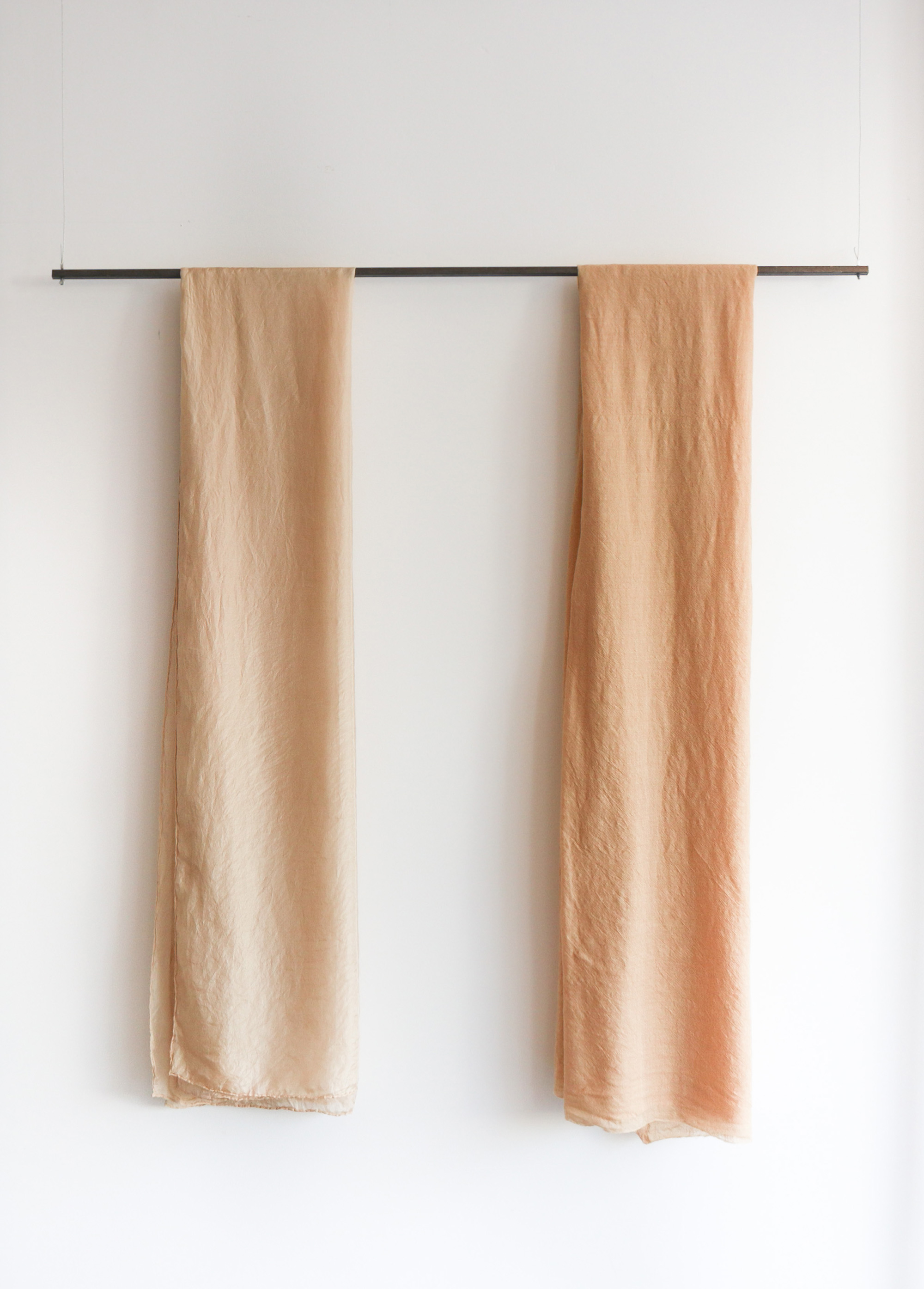
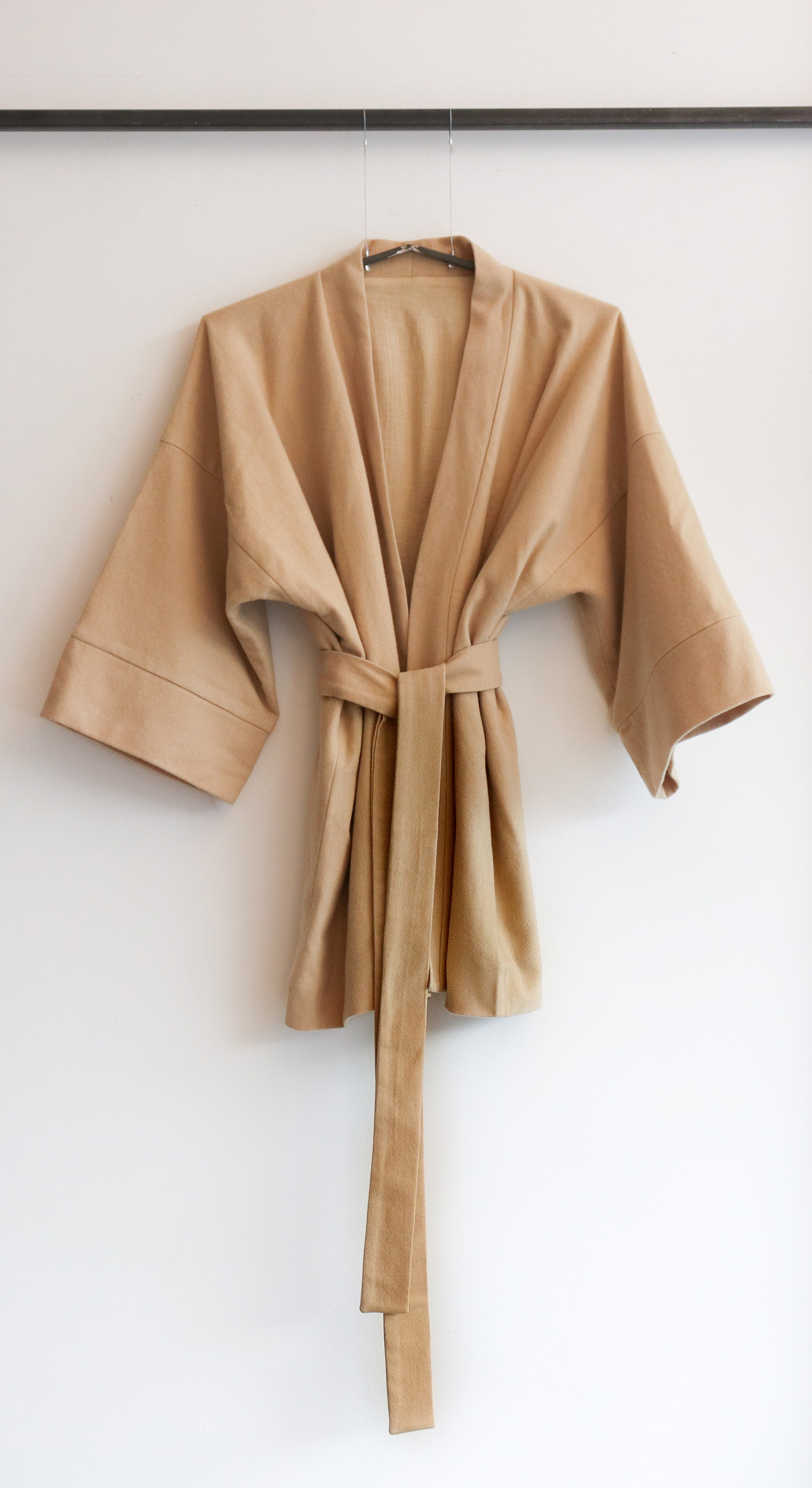
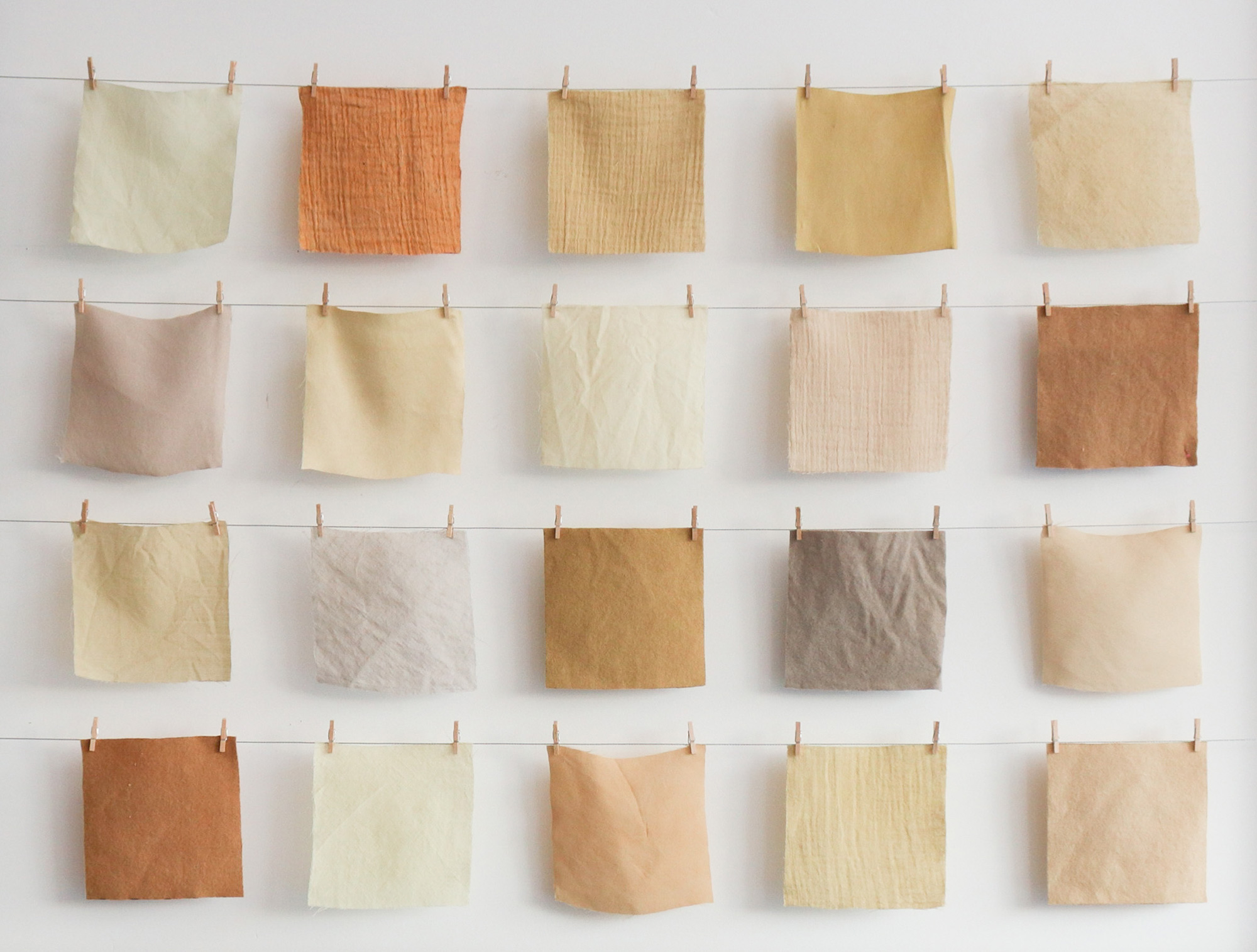
The company has produced natural dyes in a wide range of colors, with dyed clothing available in their online store. To introduce their sustainable dyes to the world, Zeefier has participated in three exhibitions this year. The first, at the Textile Museum in Tilburg where the company presented objects and products dyed with seaweed-based colors. The centerpiece is a specially made coat. Created in a collaboration with The Linen Project, an organization that aims to revive flax production in The Netherlands, and Enschede Textielstad, the coat features flax yarns woven into a linen cloth which Zeefier then dyed in a purple color. A handmade seaweed application showcases the different colors from the Zeefier collection.
Apart from this exhibition, Zeefier will also present a collaborative project at the Plastic: Remaking out World exhibition held at the Vitra Design Museum. Visitors will be able to see a Zeefier dyed fabric on a sustainable version of the Egg Chair designed by Peter Ghyczy in 1968. Finally, the Nature Loves Technology exhibition at Floriade in Almere, showcases a coat, scarves, silk fabrics, and different color samples. Photographs © Zeefier.