Search






A handcrafted stool that marks a new beginning.
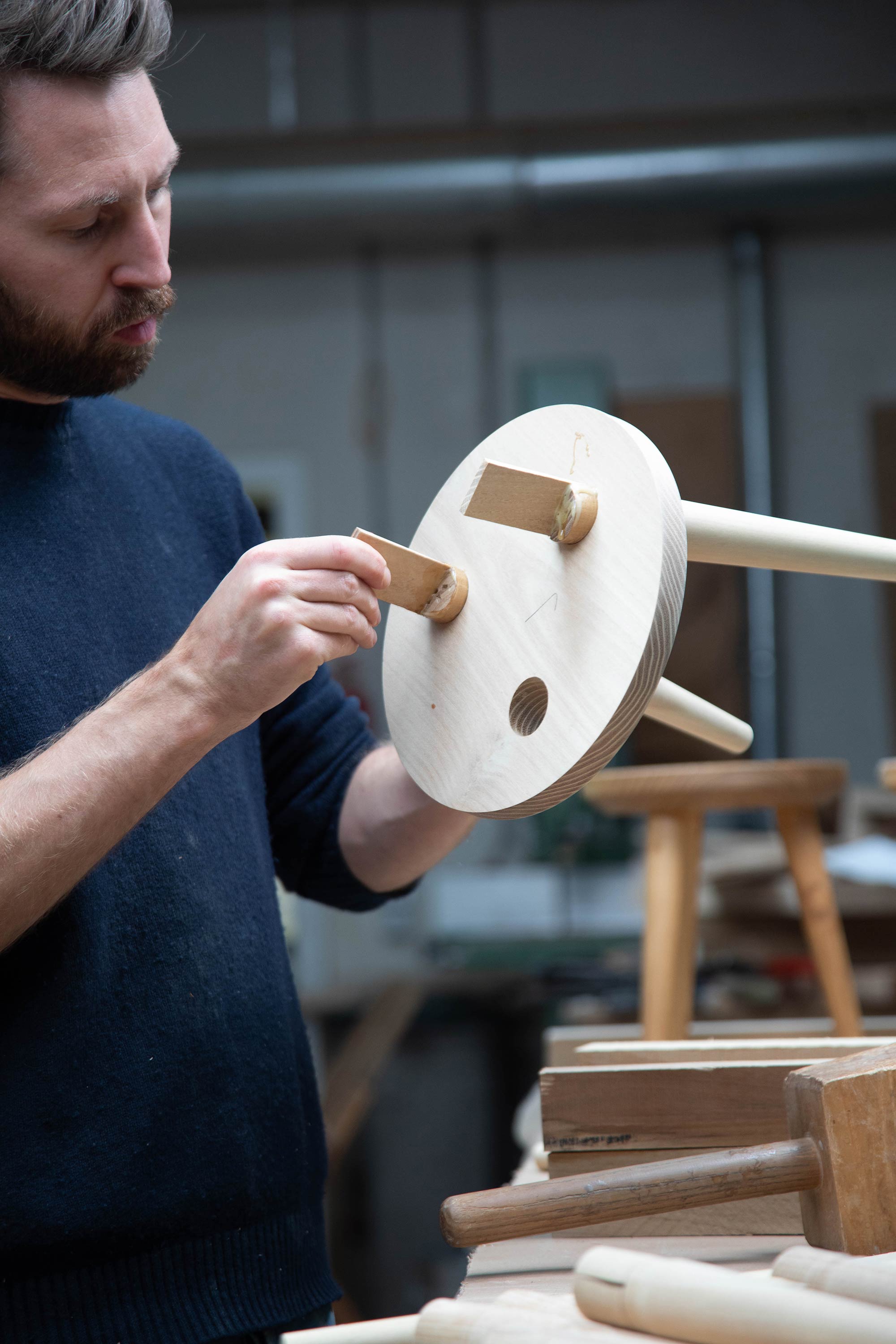
Not all good pieces of furniture have a story behind them, but the best ones do. Like Klaus. Created by German software engineer Max Stralka, this chair design came to be after he received a gift card from a friend for carpentry lessons at a local workshop. The timing couldn’t have been more ideal, as Stralka was ready to embark on a new journey and explore new paths with an open mind. After learning the basics in the Berlin carpentry workshop, he decided to create his first project: a simple stool. Three months later, Klaus was born. Named after Stralka’s carpentry teacher, the stool represented the culmination of months of learning and the joy of crafting an object entirely by hand. Max Stralka continued working in the workshop, eventually making stools for friends. Soon after, he quit his software engineering job to focus on carpentry exclusively.
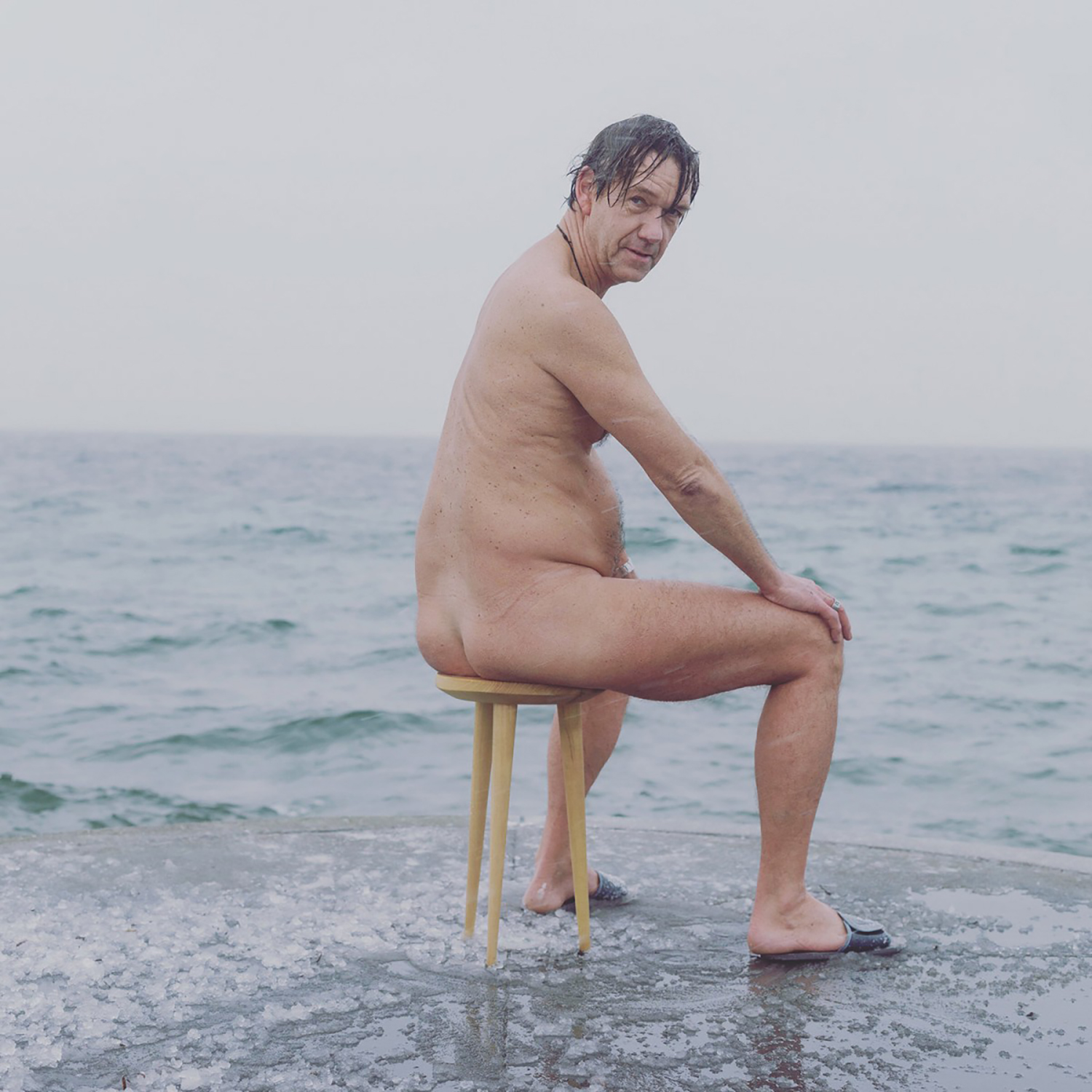
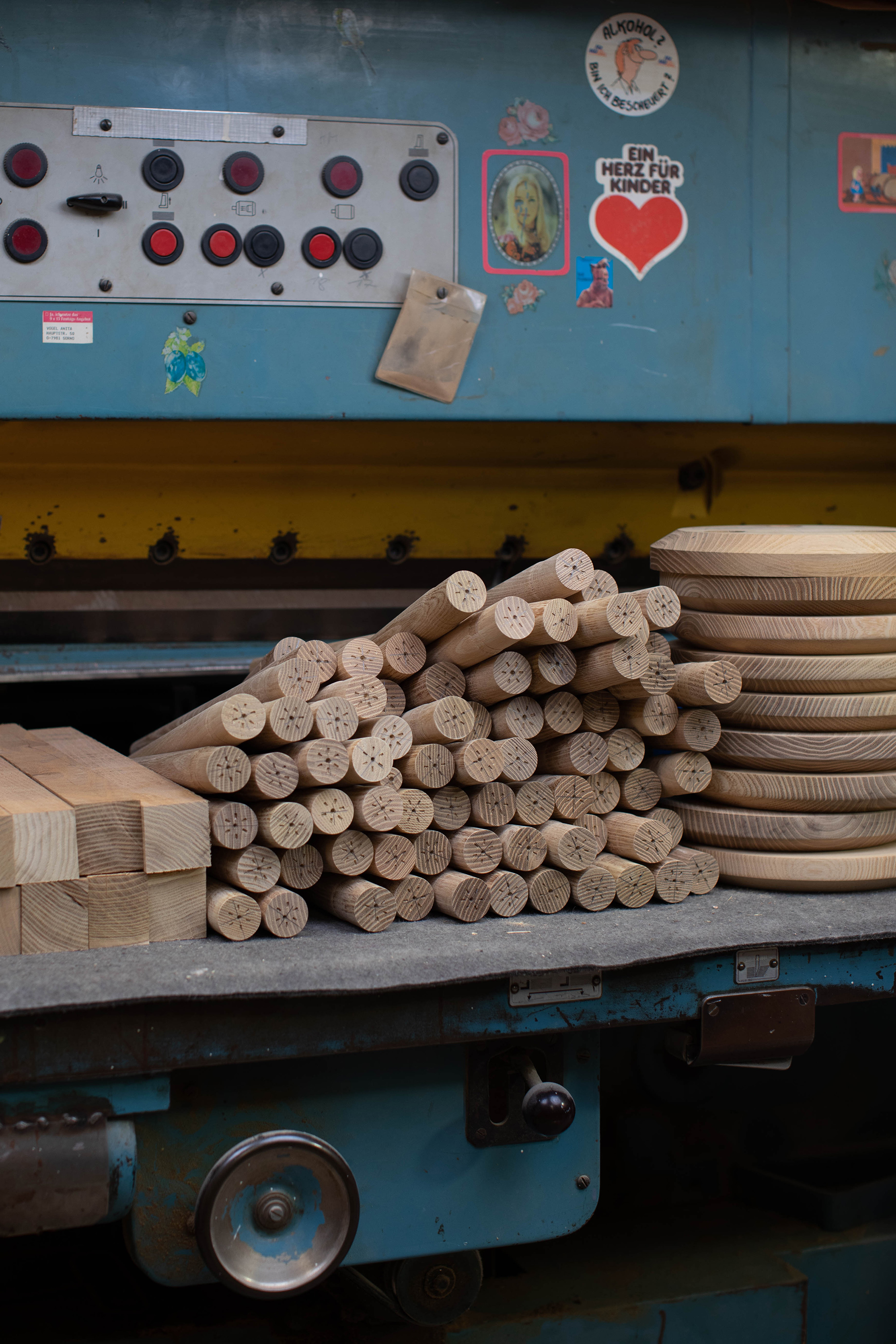
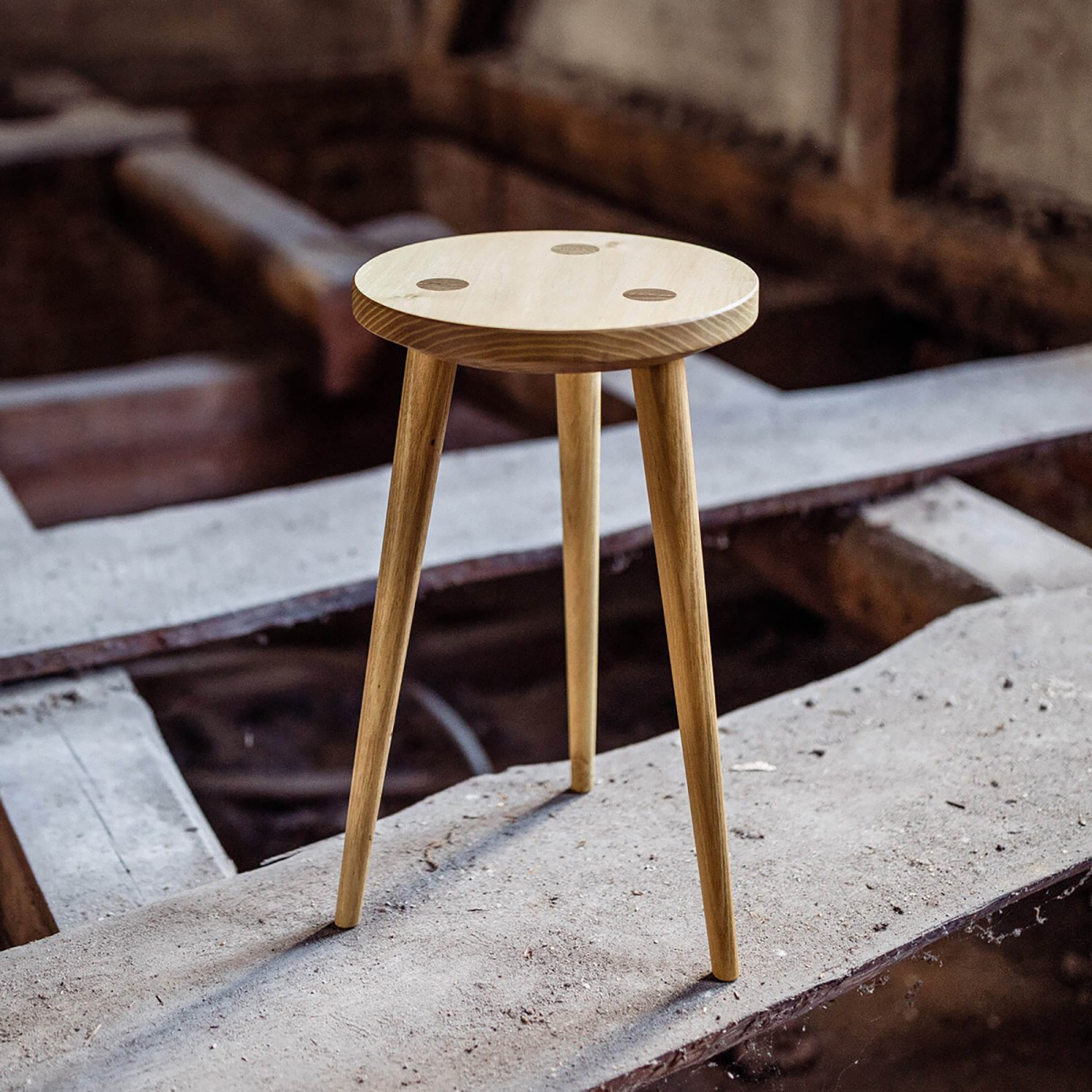
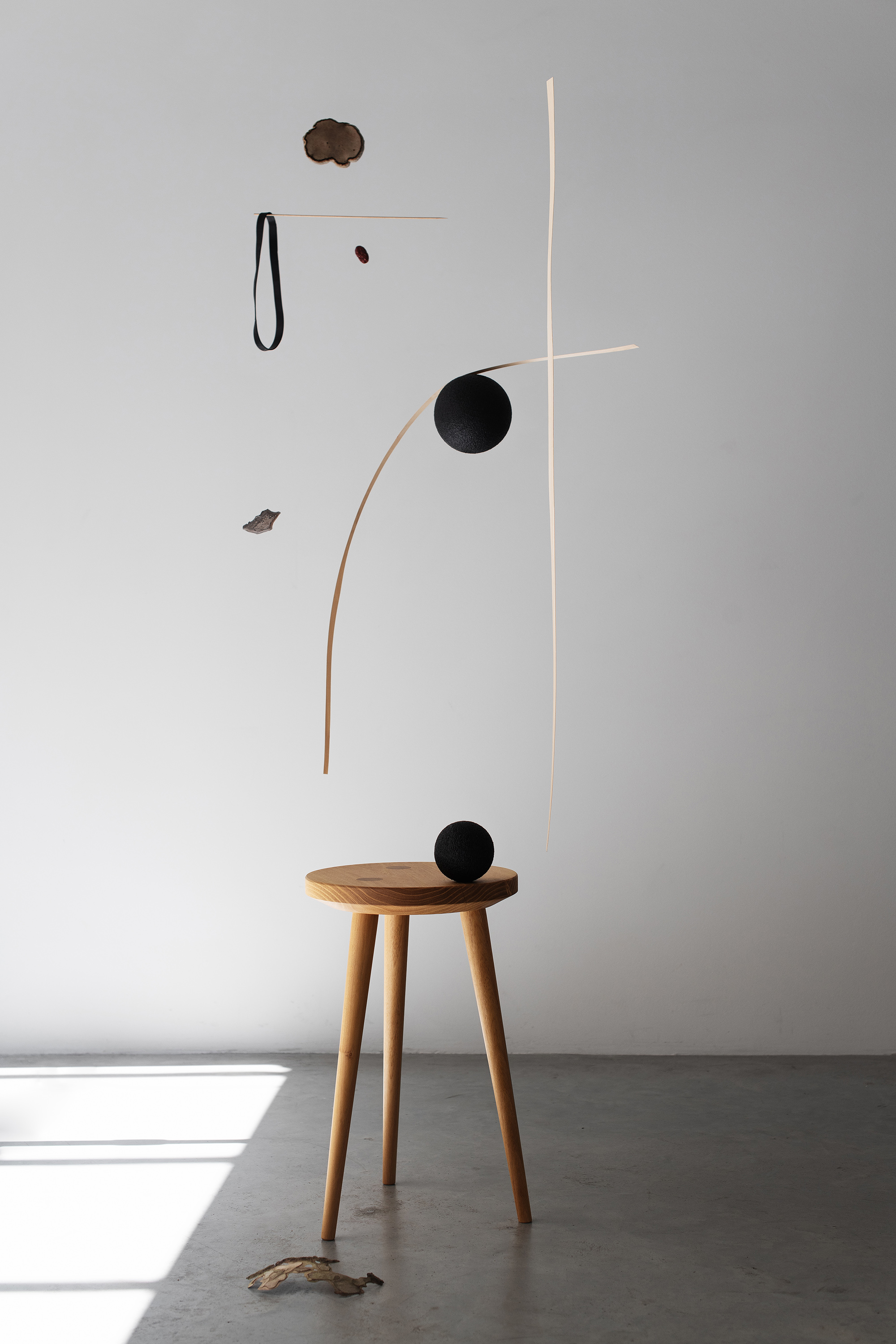
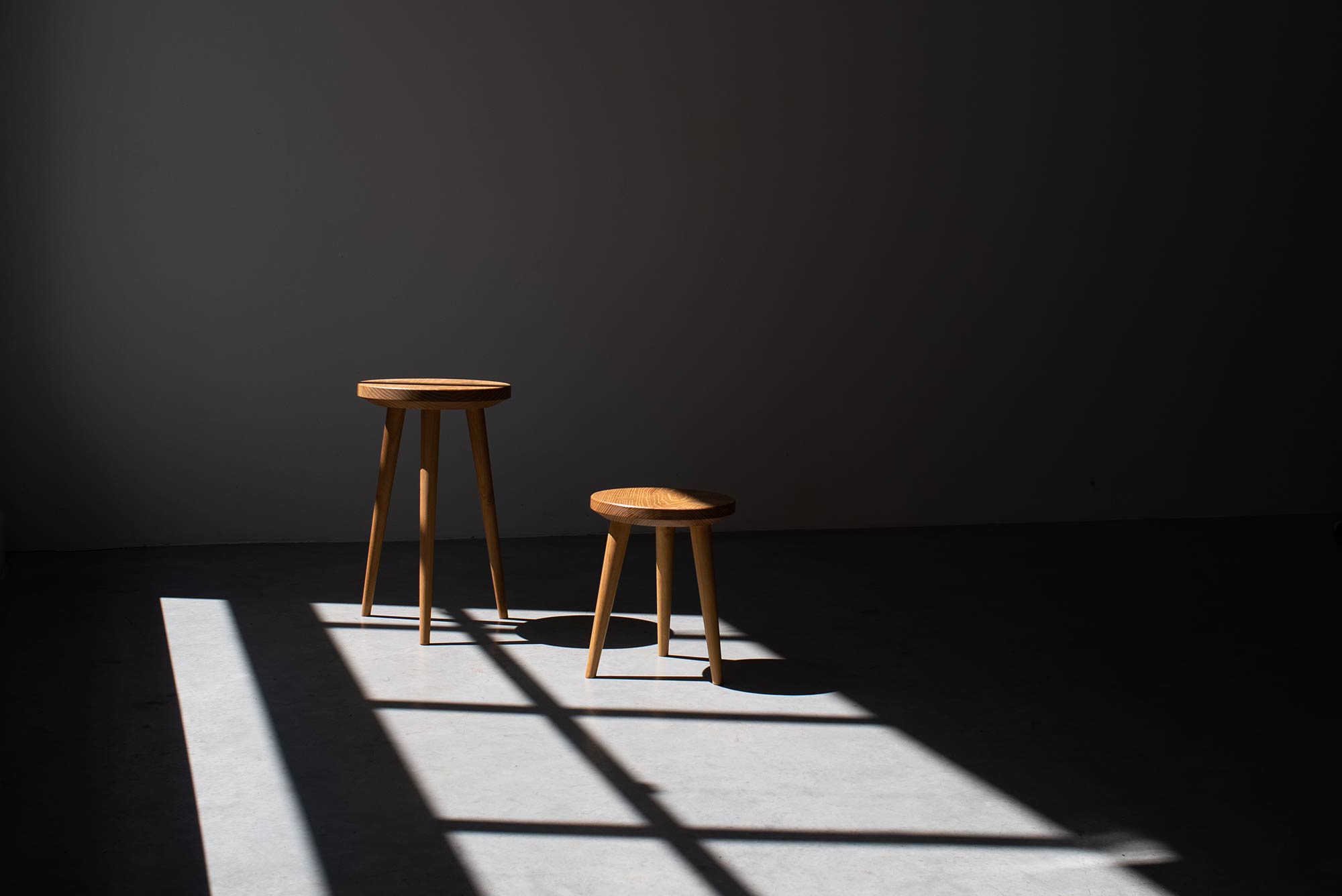
The Kalus stool is simple and beautifully crafted from solid wood. Its compact size offers a comfortable seating solution for moments of concentration or relaxation. It works well either in a home setting or in a creative studio or workshop. Made by hand from European robinia wood in small factories in Berlin and Brandenburg, each stool is one of a kind as well as sustainable, since the wood comes from local, responsibly managed forests. The original Klaus stool has standard height of 46 cm, but Max Stralka has also introduced a smaller version, the Kläuschen, with a seat height of 30 cm.
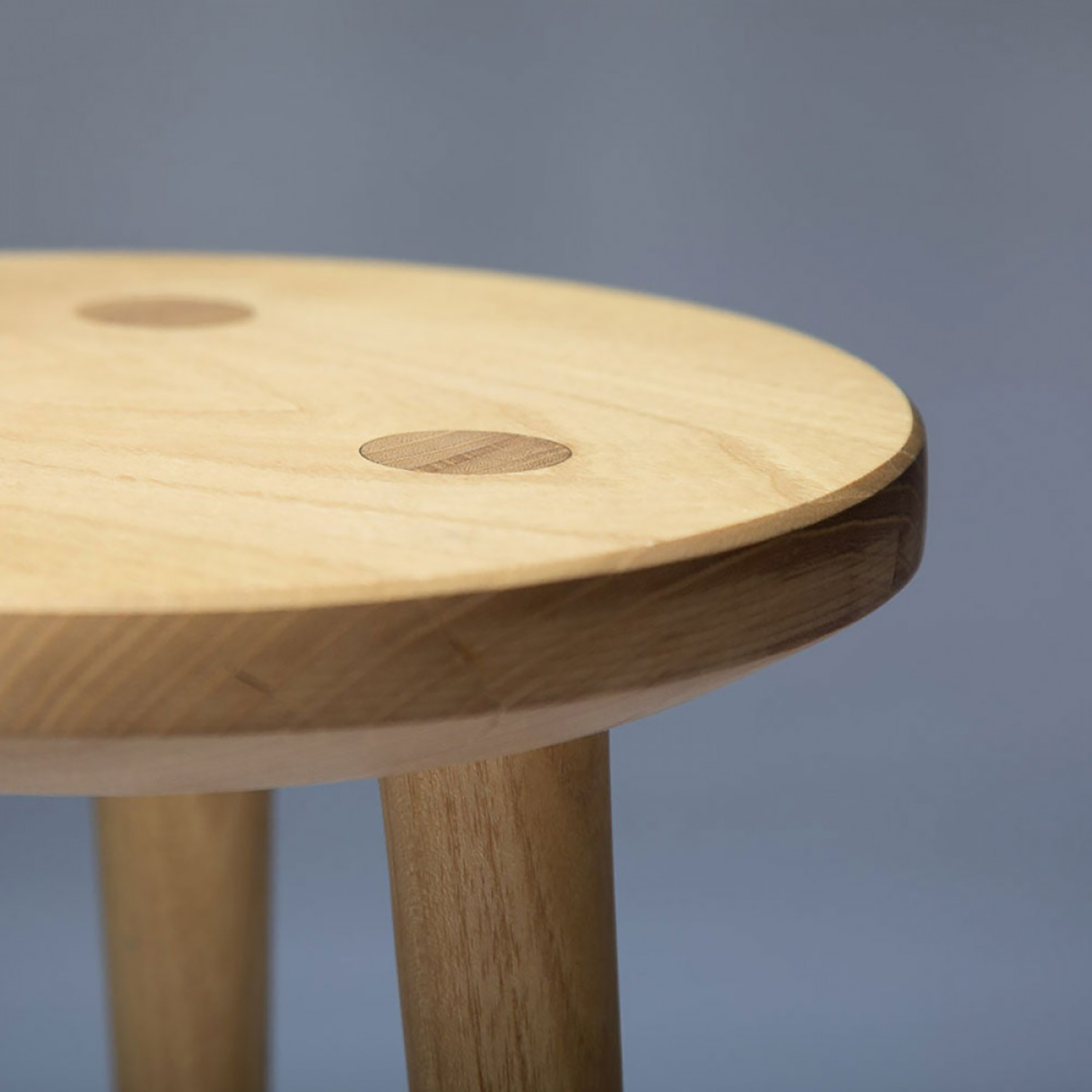
Crafted from a one piece of wood, the seat features three circular shapes that mark the position of the legs. Both stools are comfortable but they can also double as side tables when needed. Plus, the strength and exceptional weather-resistance of robinia wood makes Klaus suitable for outdoor spaces. The stool comes with an oiled finish and only requires minimal maintenance. Treating the wood with oil once every few years ensures that Klaus lasts for generations. Photography© Pilar Schacher, Max Stralka.