Search






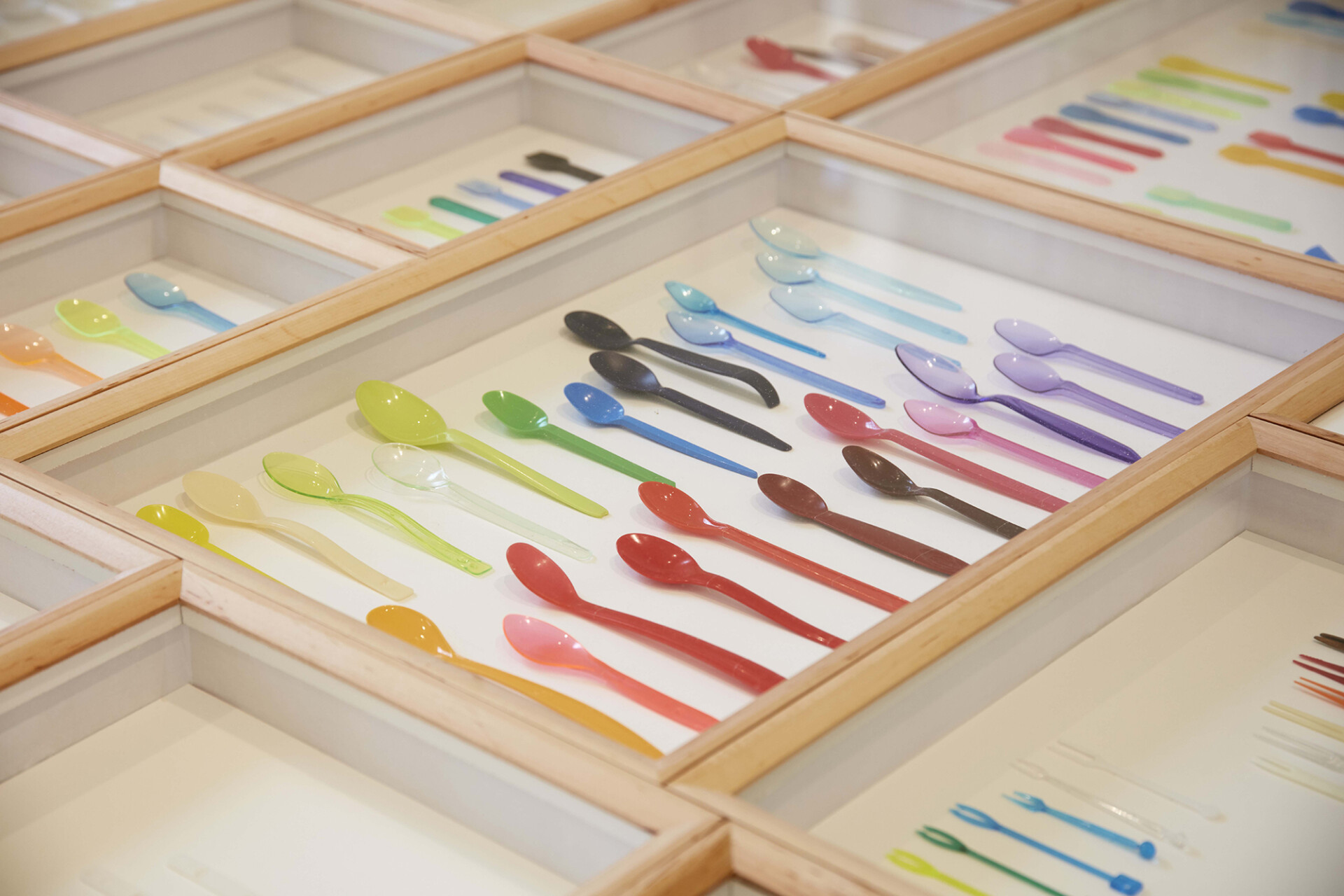
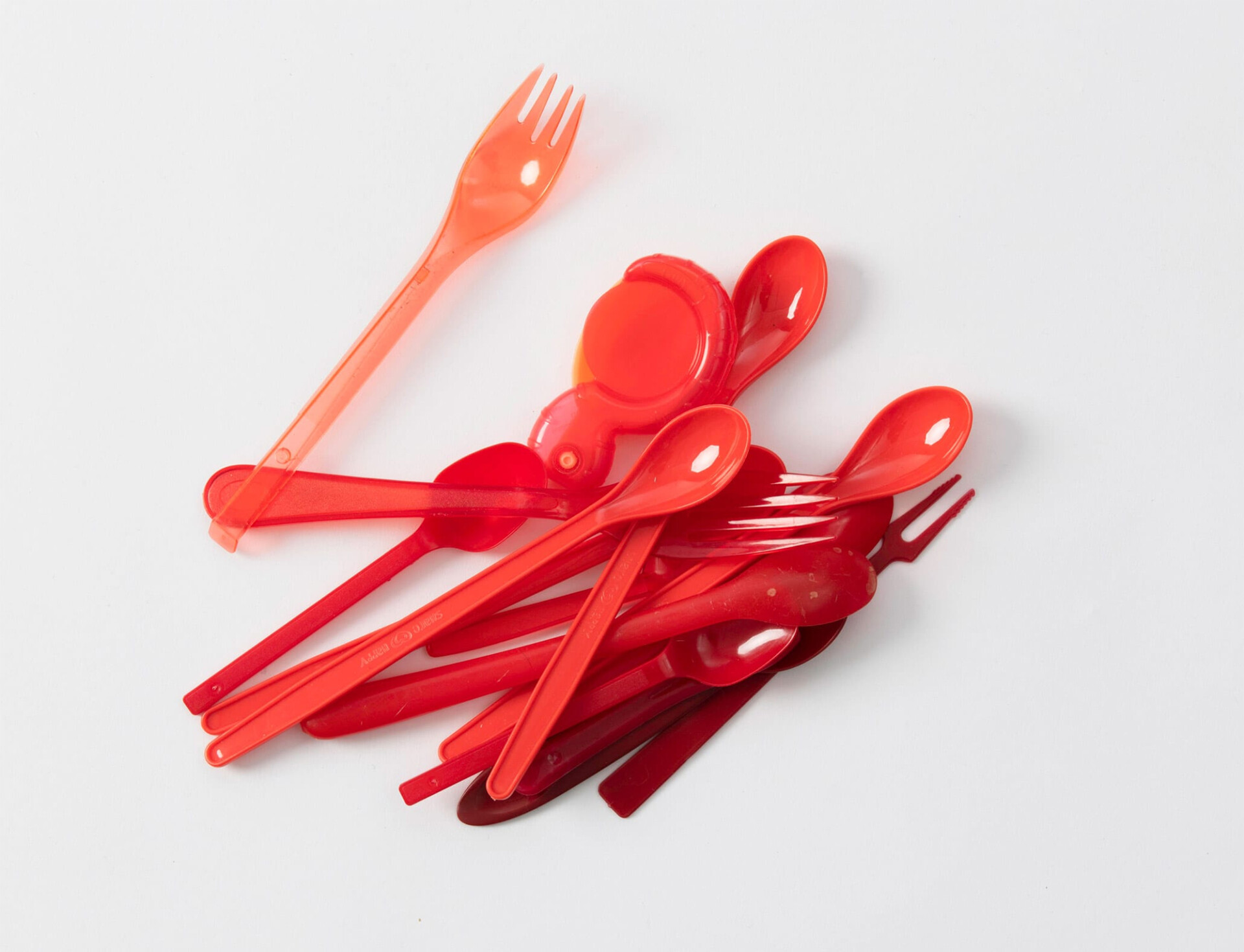
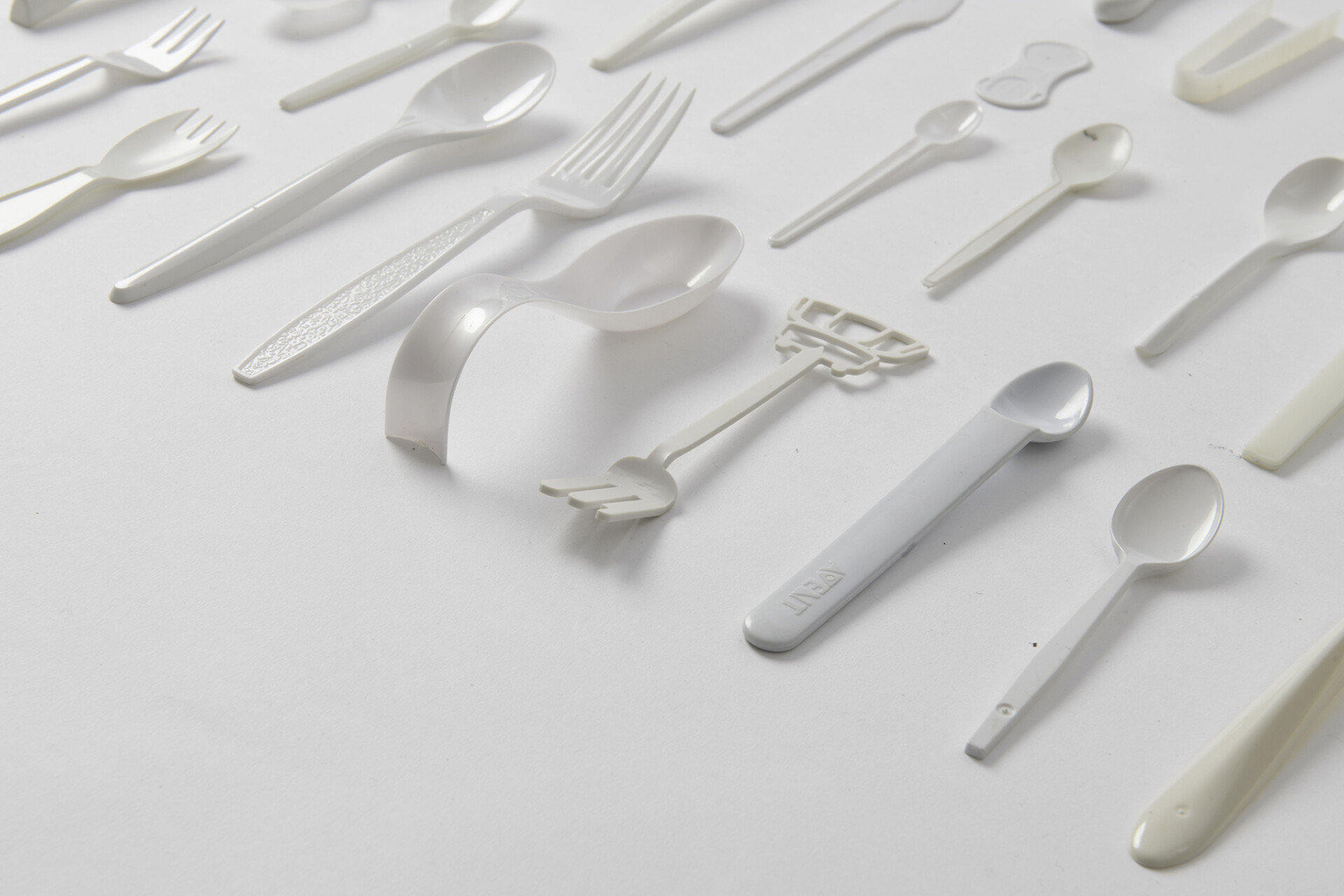
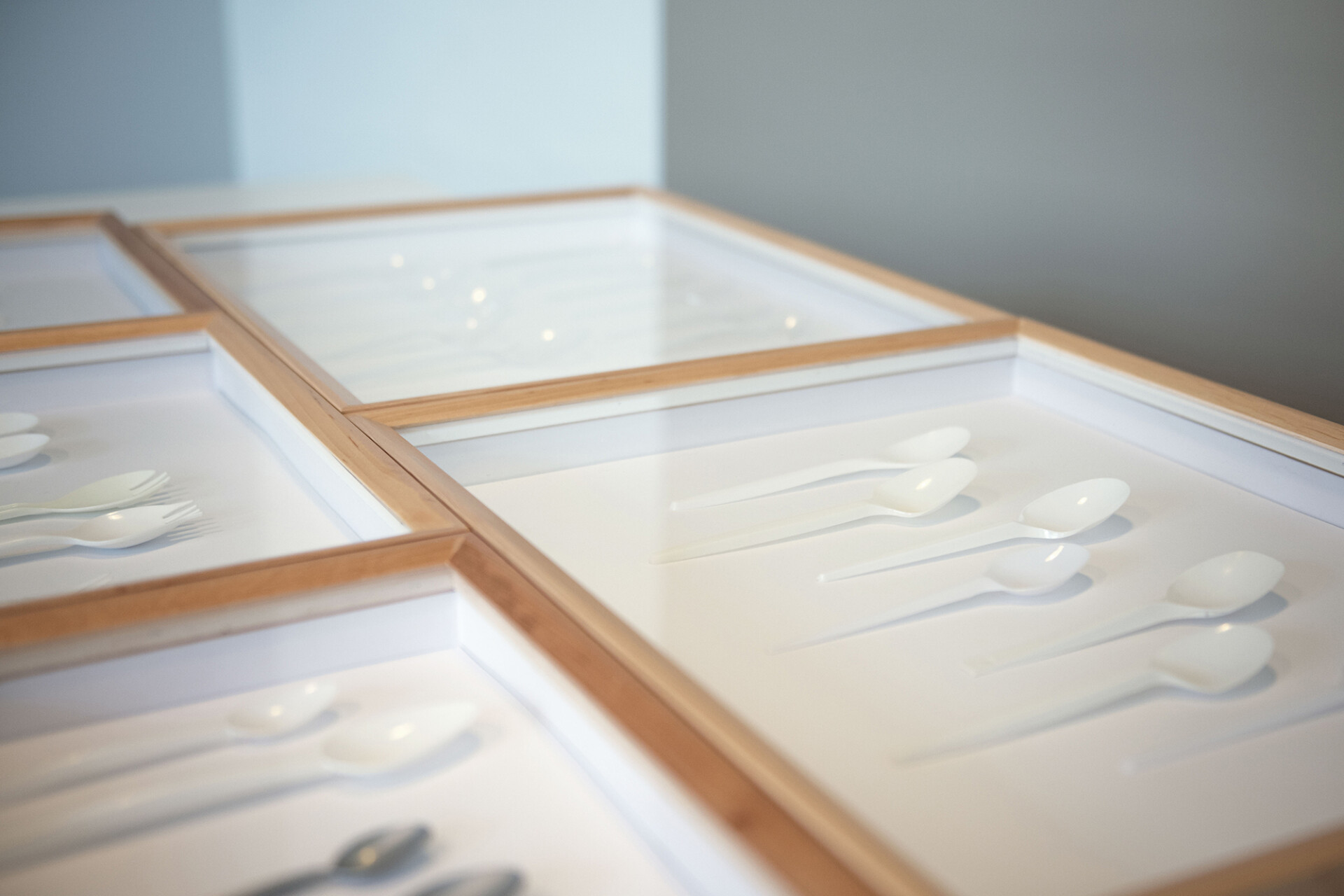
Spoon Archaeology research project and exhibition examines various plastic spoons, forks, and knives collected by German designers Peter Eckart and Kai Linke over the last two decades. Originally planned as part of the “Rapid Response” series of Dresden State Art Collections, the project curated by Thomas A. Geisler became the official German contribution to the London Design Biennale 2021. Approximately 1,400 pieces of disposable plastic cutlery have been meticulously arranged by color, shape, and purpose in glass cases like archaeological remnants. The idea to present this vast collection in the form of an installation that resembles presentations of historical artifacts in museums stems from the European Union’s ban on disposable plastics that came into effect on 3 July 2021.
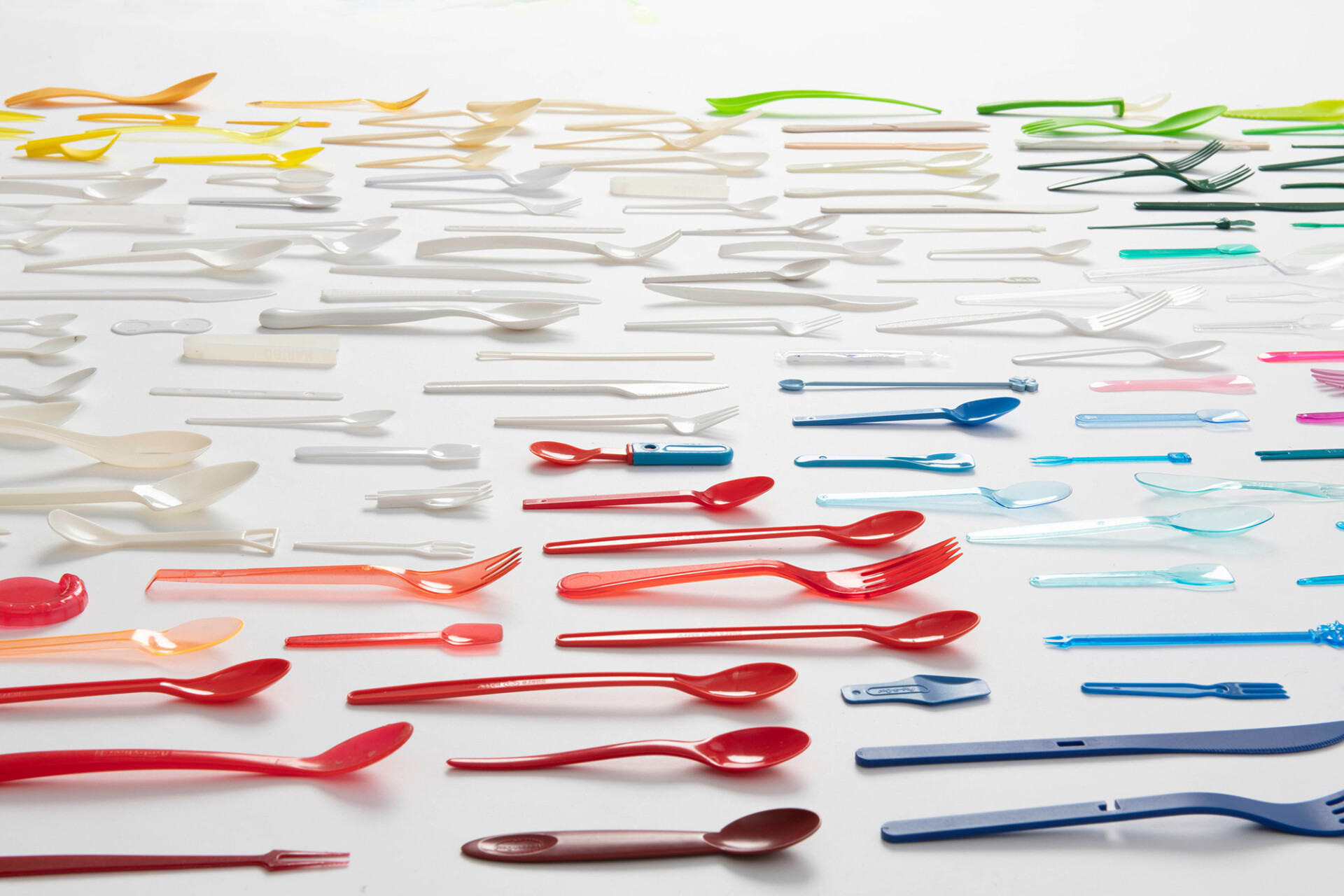
“Plastic spoons are not just well designed, they’re perfect,” says Eckhart. “They are so effective at fulfilling a purpose, which is why they’re so popular around the world. But they’re also an example of how design can have unintended consequences.” In addition to examining the complexity and functionality of spoon design, the history of technology, and changes in our dining culture, Spoon Archaeology also aims to highlight the devastating results caused by a design that focuses on easy, low-cost and short-term solutions. The exhibition is a thought-provoking testament to the pervasiveness of plastics in a contemporary consumer society, which has become a global problem with destructive effects on our ecosystem. It encourages viewing once commonplace objects in a new light, questioning the impact of single-use items on the environment and the implications of a throwaway society. “As disposable products, they are mass-produced, cheap, easy to transport, and can be disposed of just as easily as they have been used. Ultimately, they are a symbol of our globalized logistics and throwaway culture,” Eckart says.
Part of the exhibition is a so-called Spoon complexity map which presents how cutlery is created through the design process. Eckart and Linke also started an Instagram account dedicated to Spoon Archaeology, where you can see more images from their immense archive and get updates on the project.