Search







An iconic furniture designer. A farm that dates back to the 15th-century. Deeply rooted in history, Museum Wegner in Tønder, Denmark has opened its doors to design lovers.
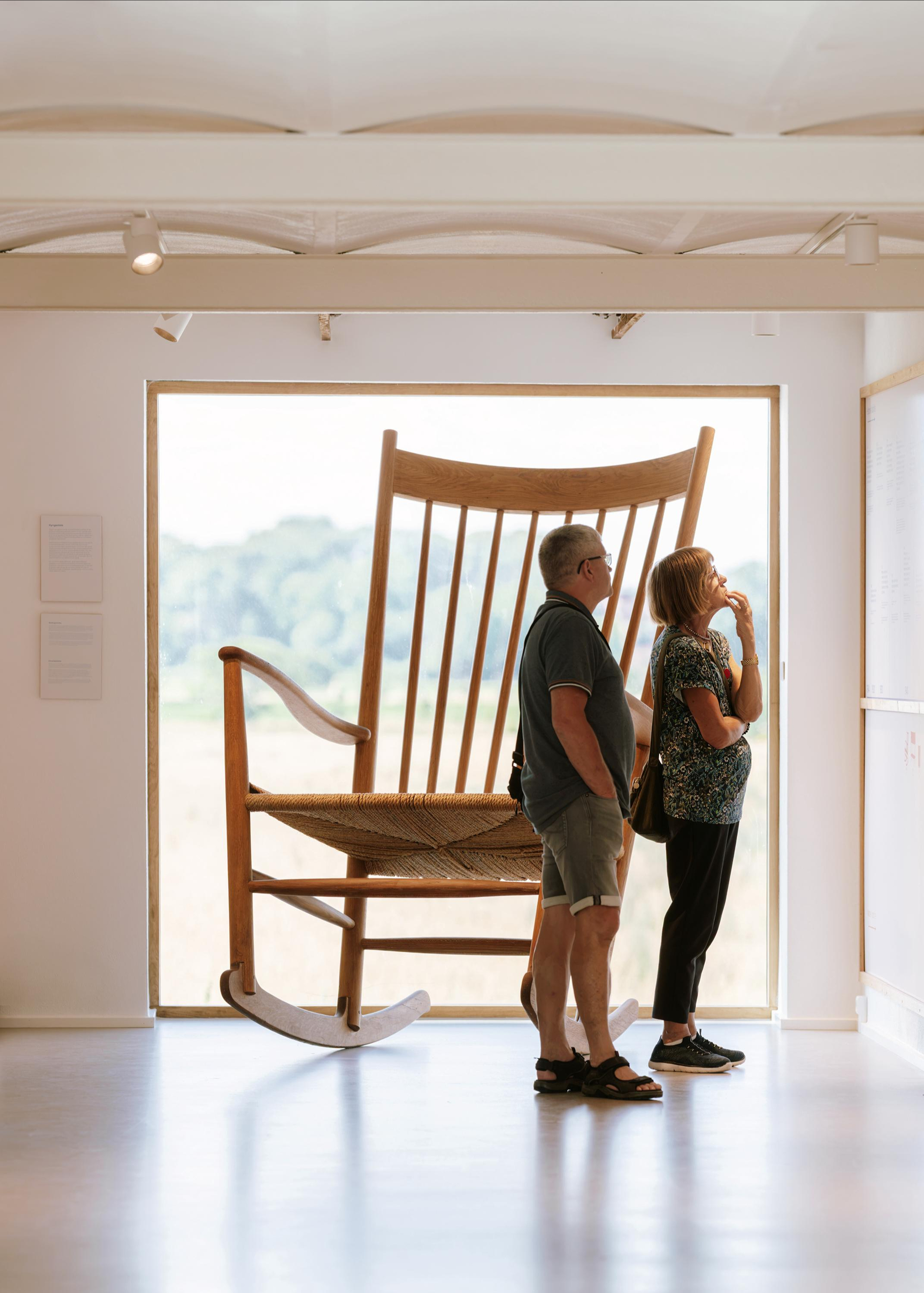
Part of a renovation project that started in 2024 and is still ongoing, Museum Wegner has opened its doors to visitors this spring. Copenhagen, Denmark-based architecture practice Cobe completed the first phase of the project which involved the transformation of the historic farm of Hestholm. Dating back to the 15th-century, the farm was carefully renovated, expanded and then renewed as a cultural space dedicated to one of the world’s most renowned furniture designers, Hans J. Wegner.
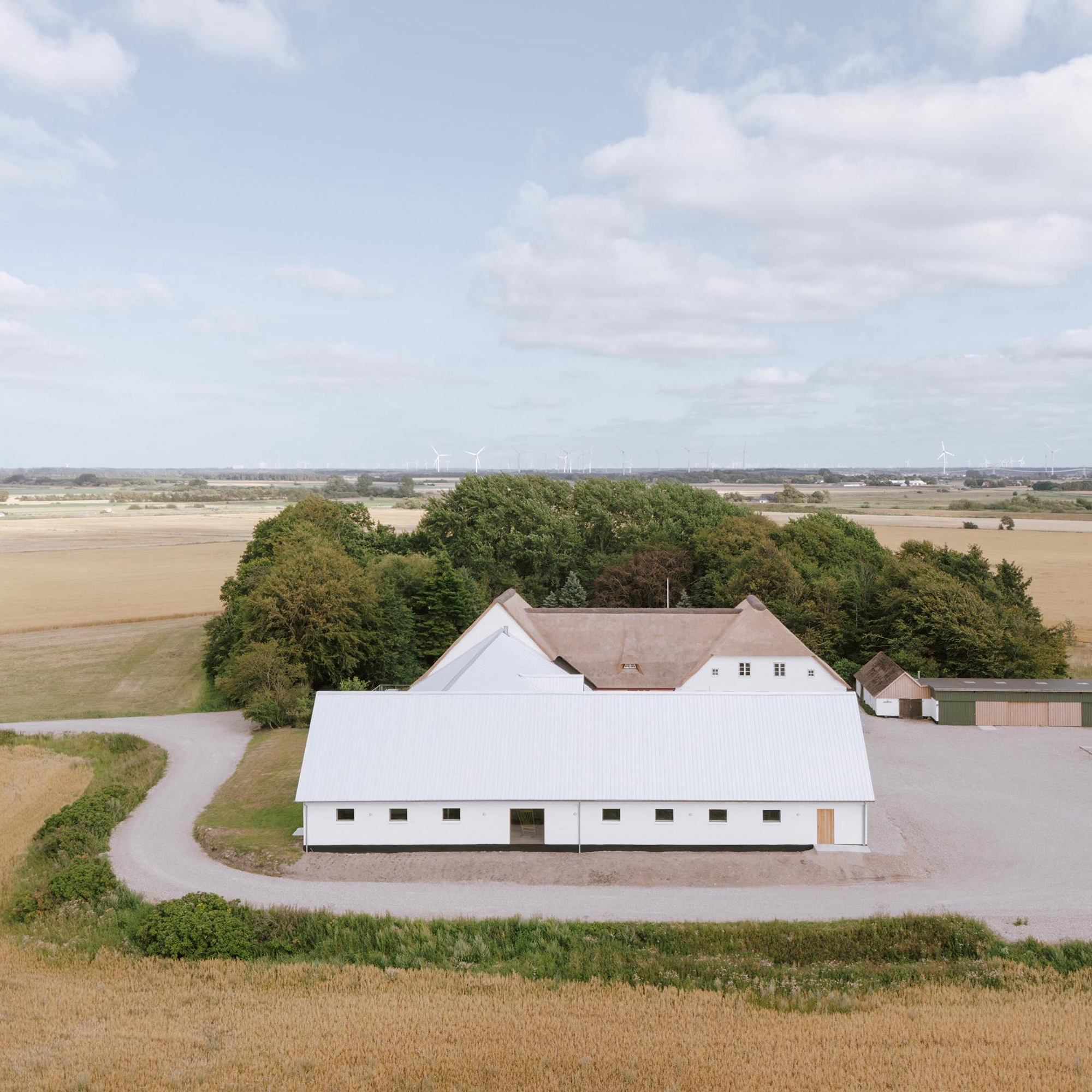
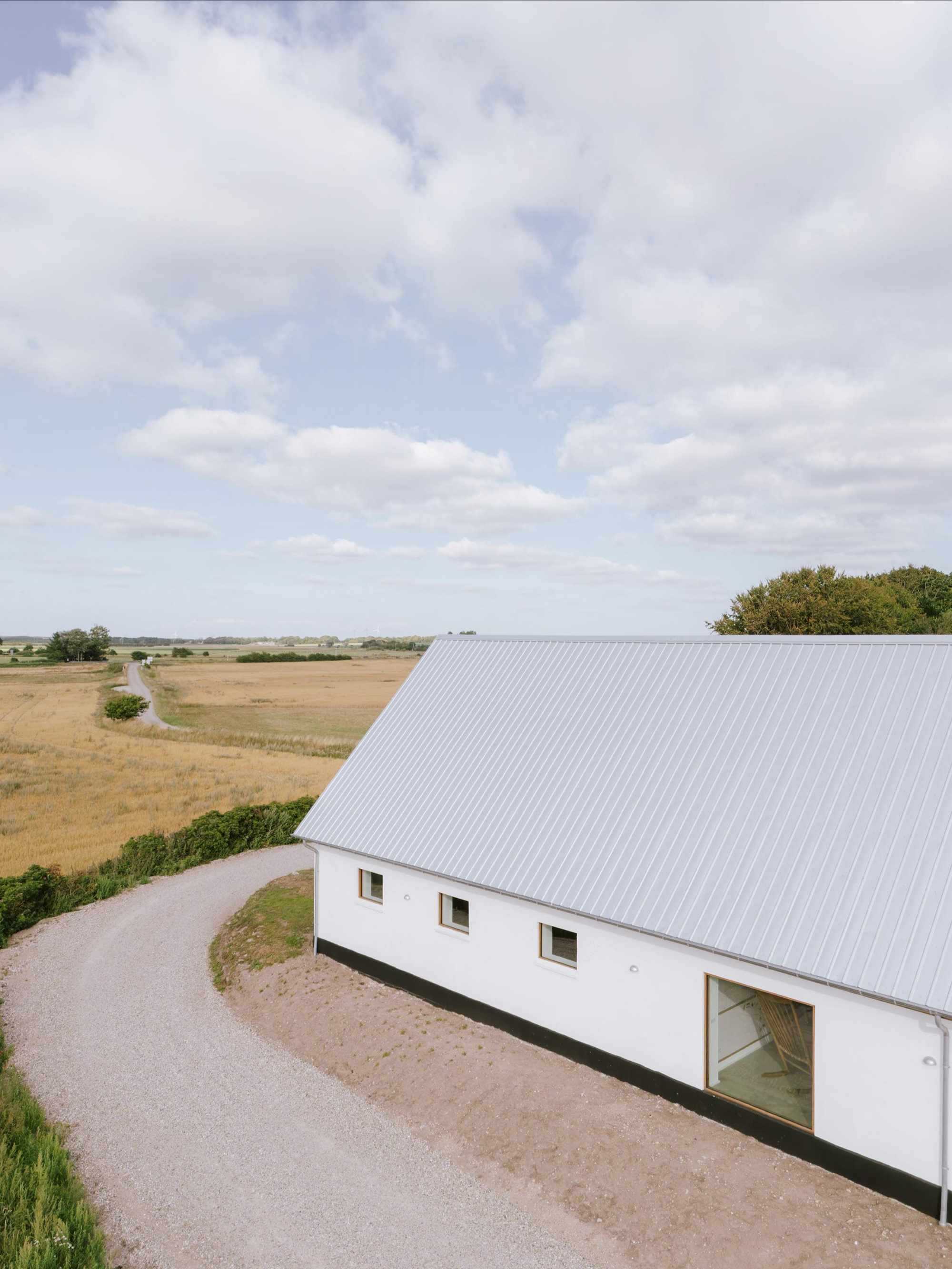
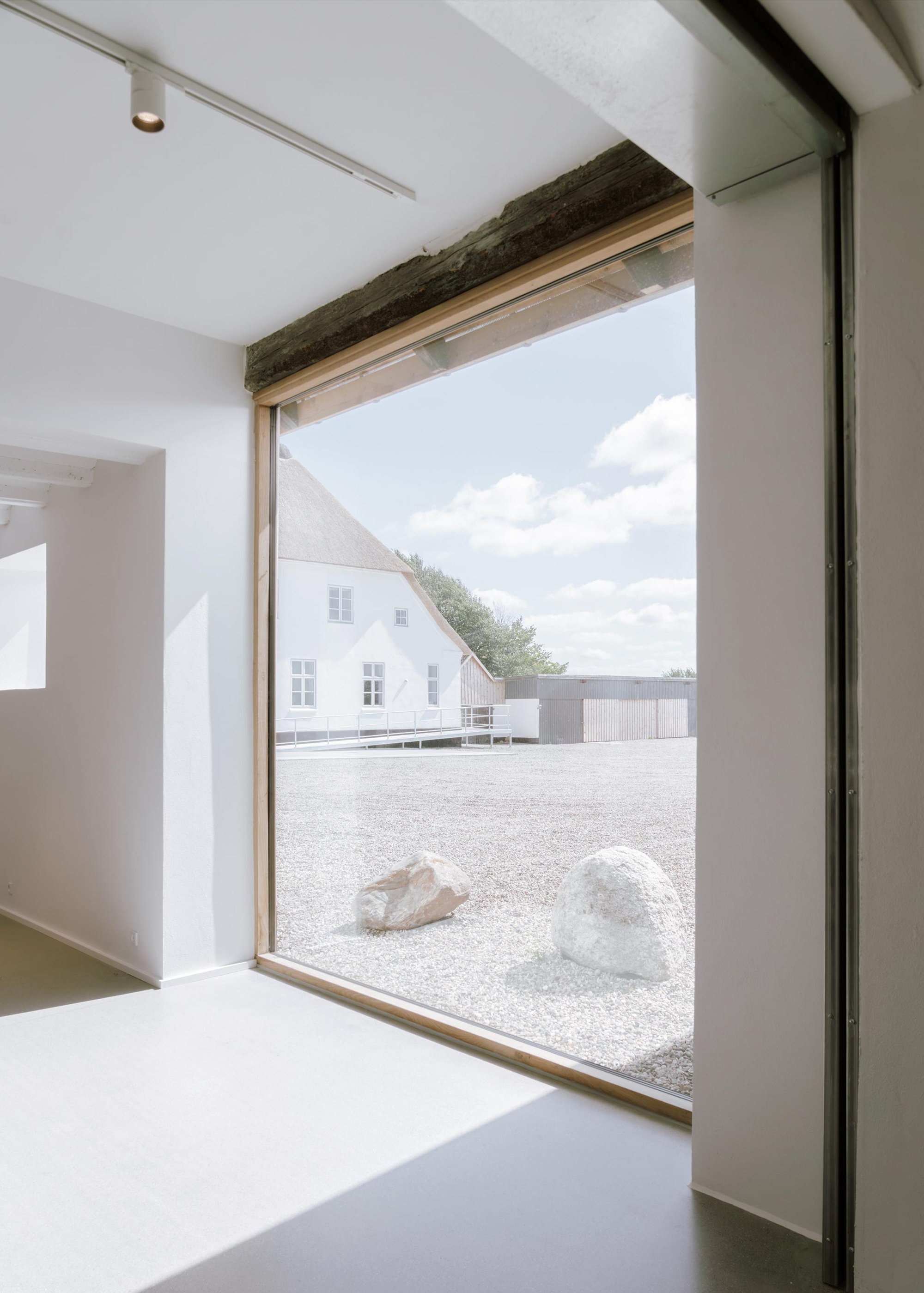
Located within a wide-stretching landscape of marshes, the Hestholm farm stands just outside of Tønder. The area is meaningful for the project, as Tønder is the town where Hans J. Wegner was born and then trained as a carpenter. Known as the ‘Master of the Chair’, Wegner has designed some of the most iconic pieces of furniture in the world, including the famous Wishbone Chair. Cobe drew inspiration from the work of the master of Danish design to create the architecture of the museum while preserving the rural soul of the original farmhouse and adding a contemporary extension. The new volume not only complements the historic buildings, but also references vernacular architecture and offers an elegant interpretation of local traditions.
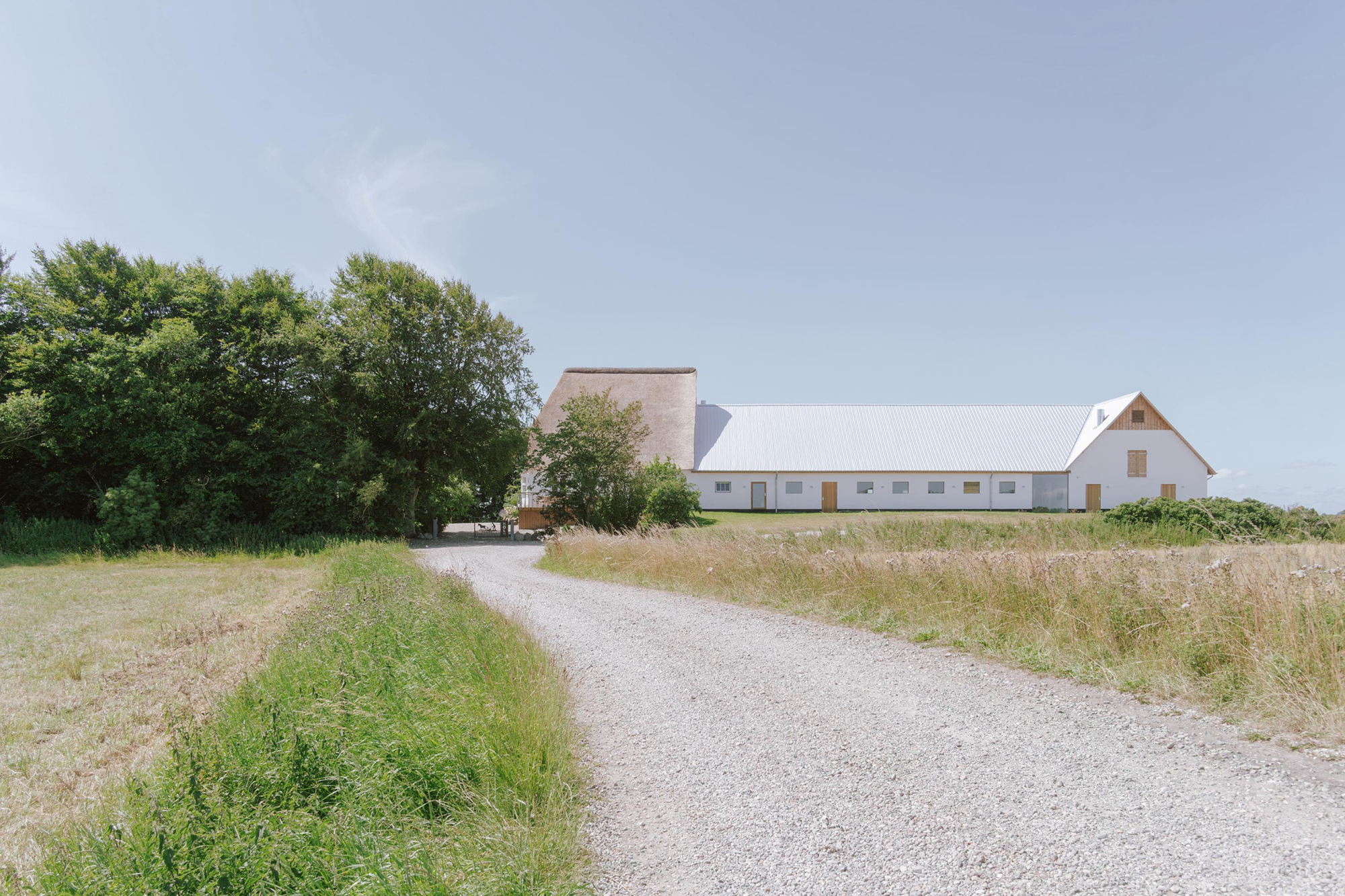
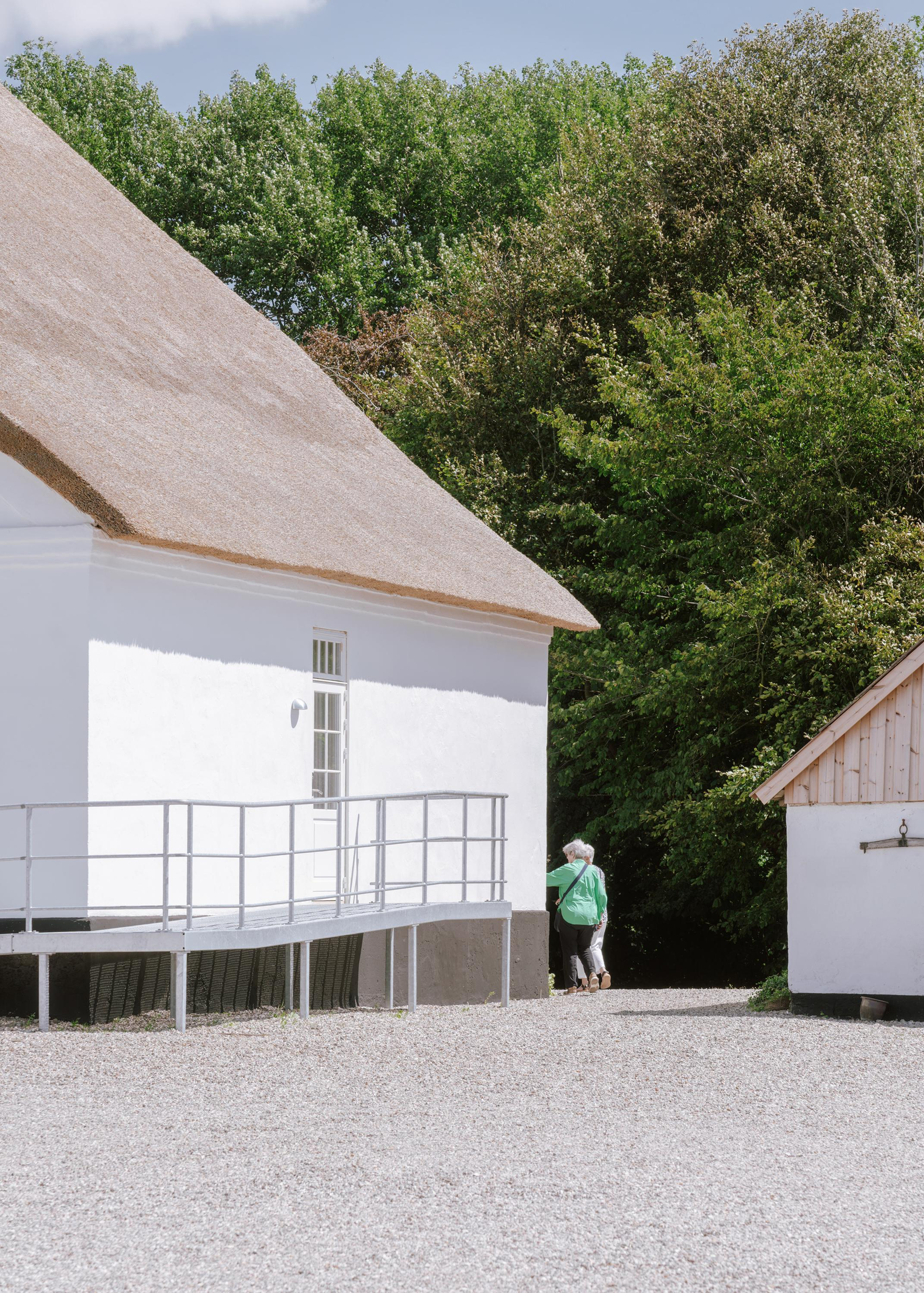
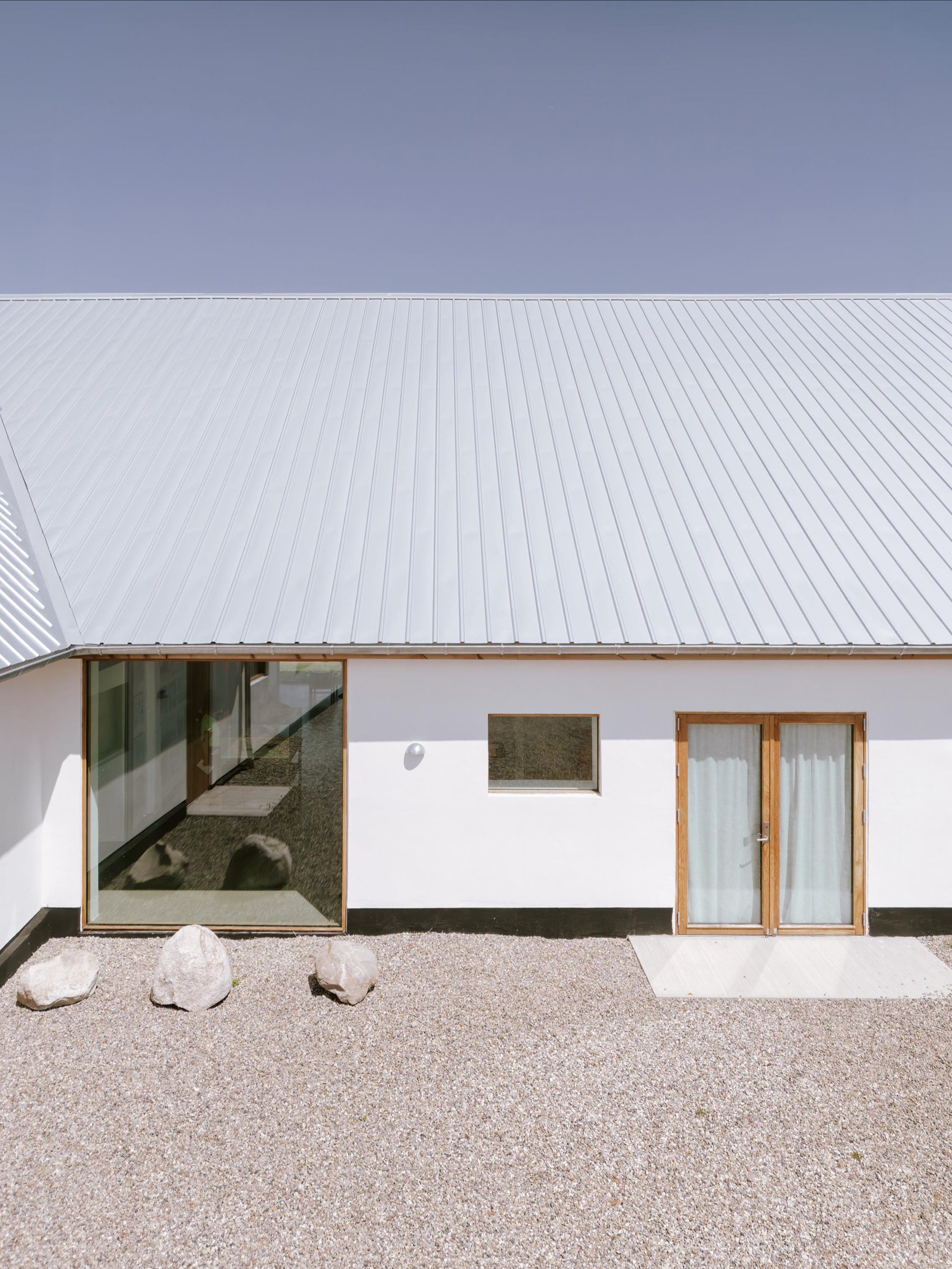
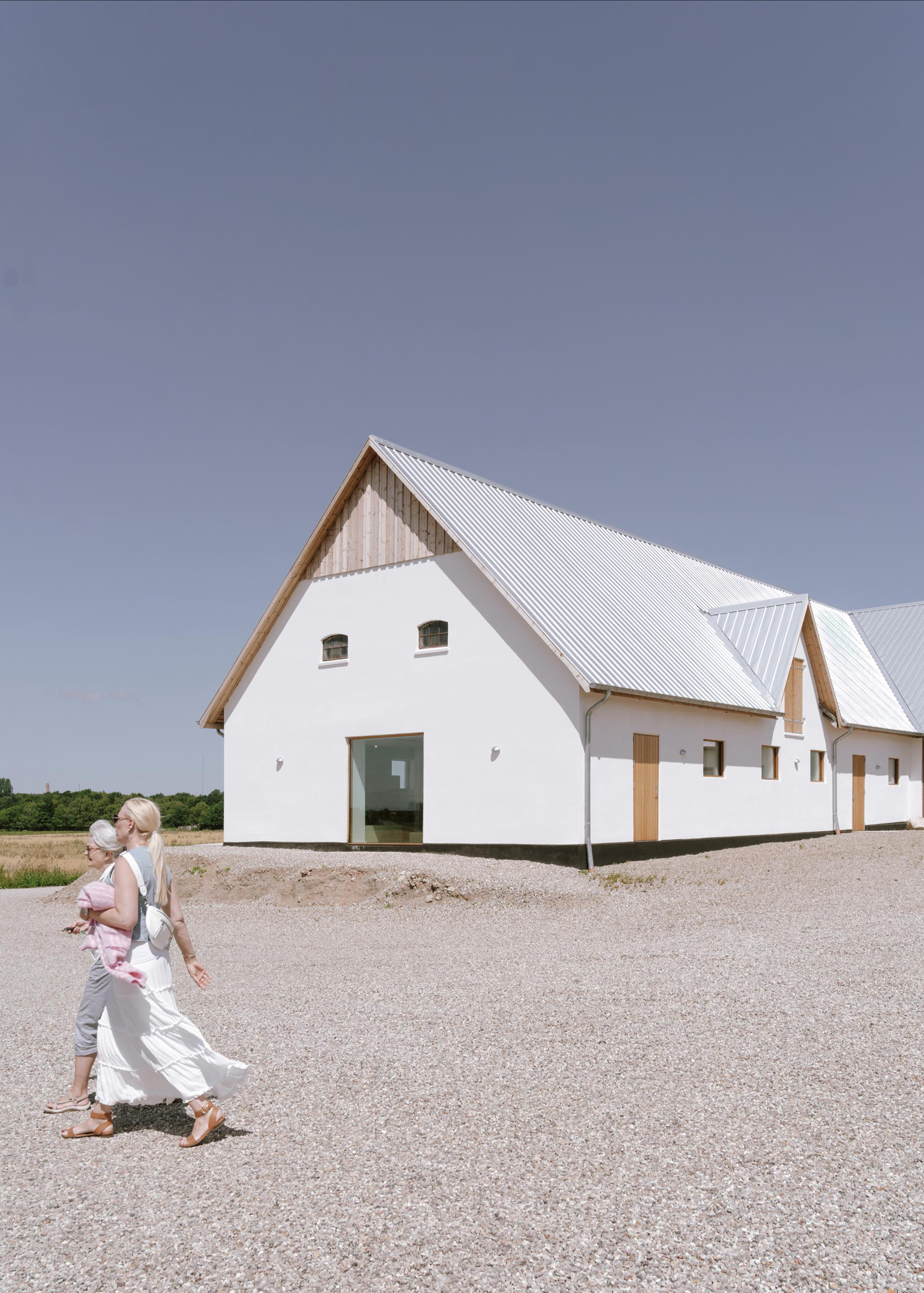
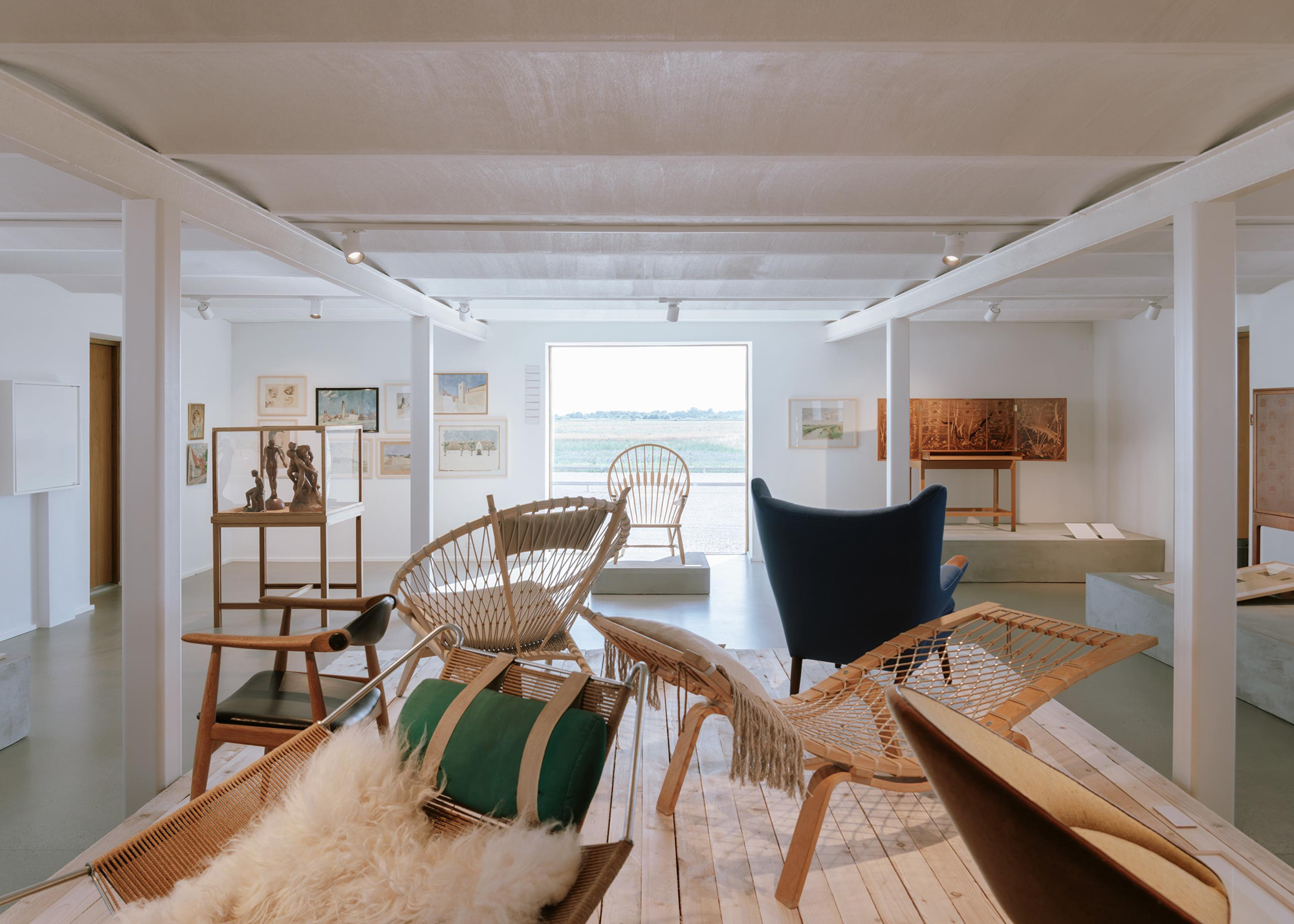
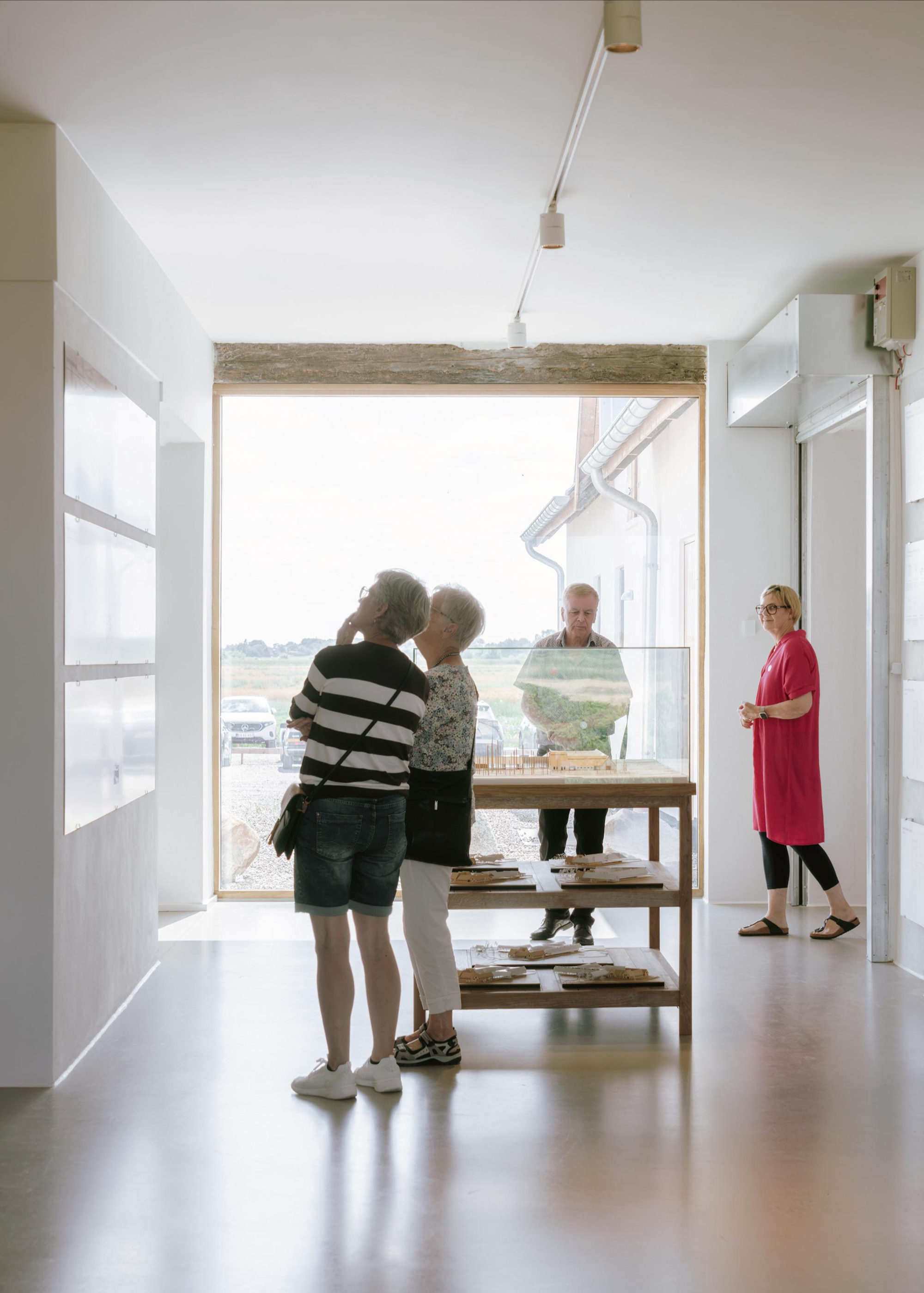
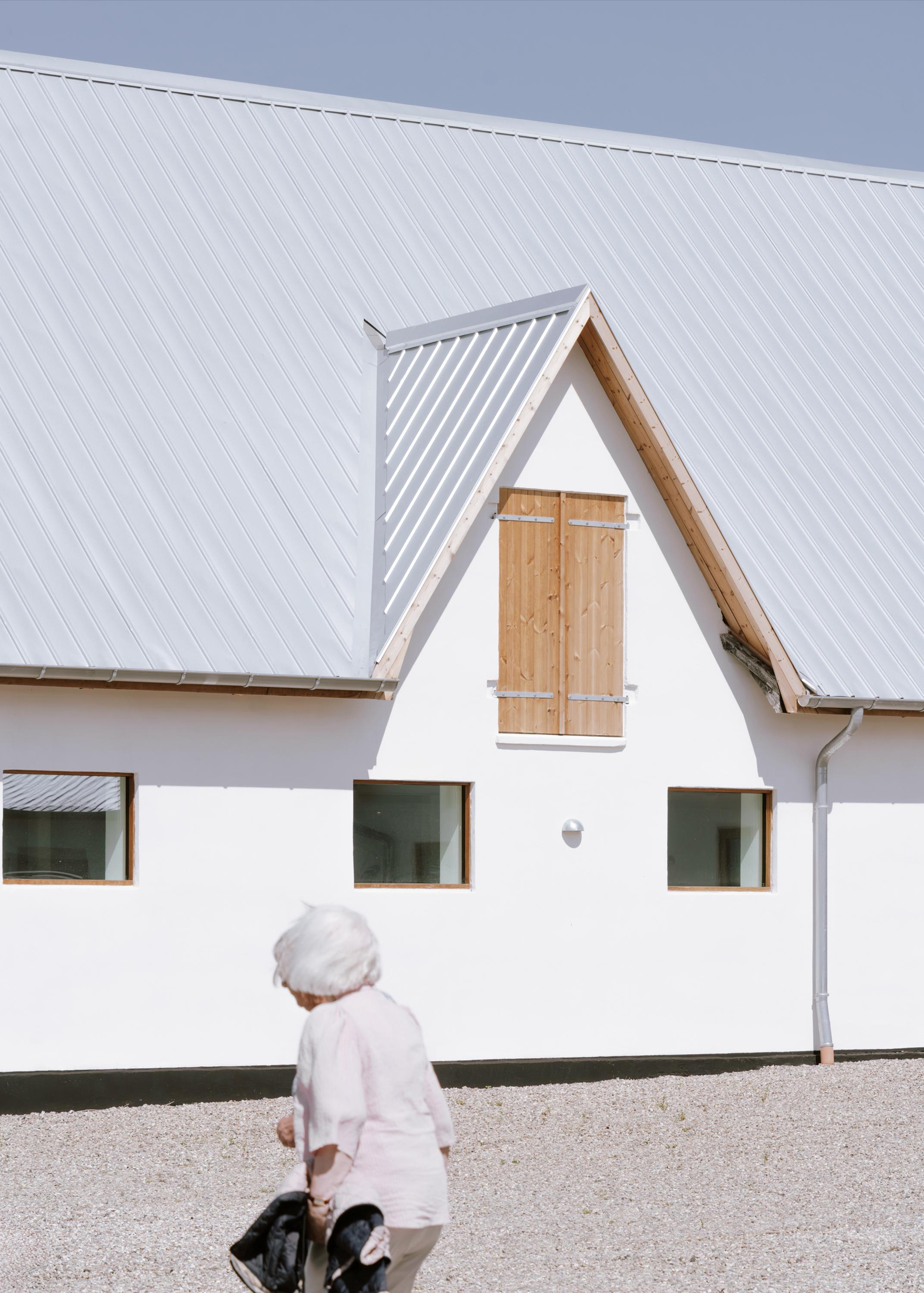
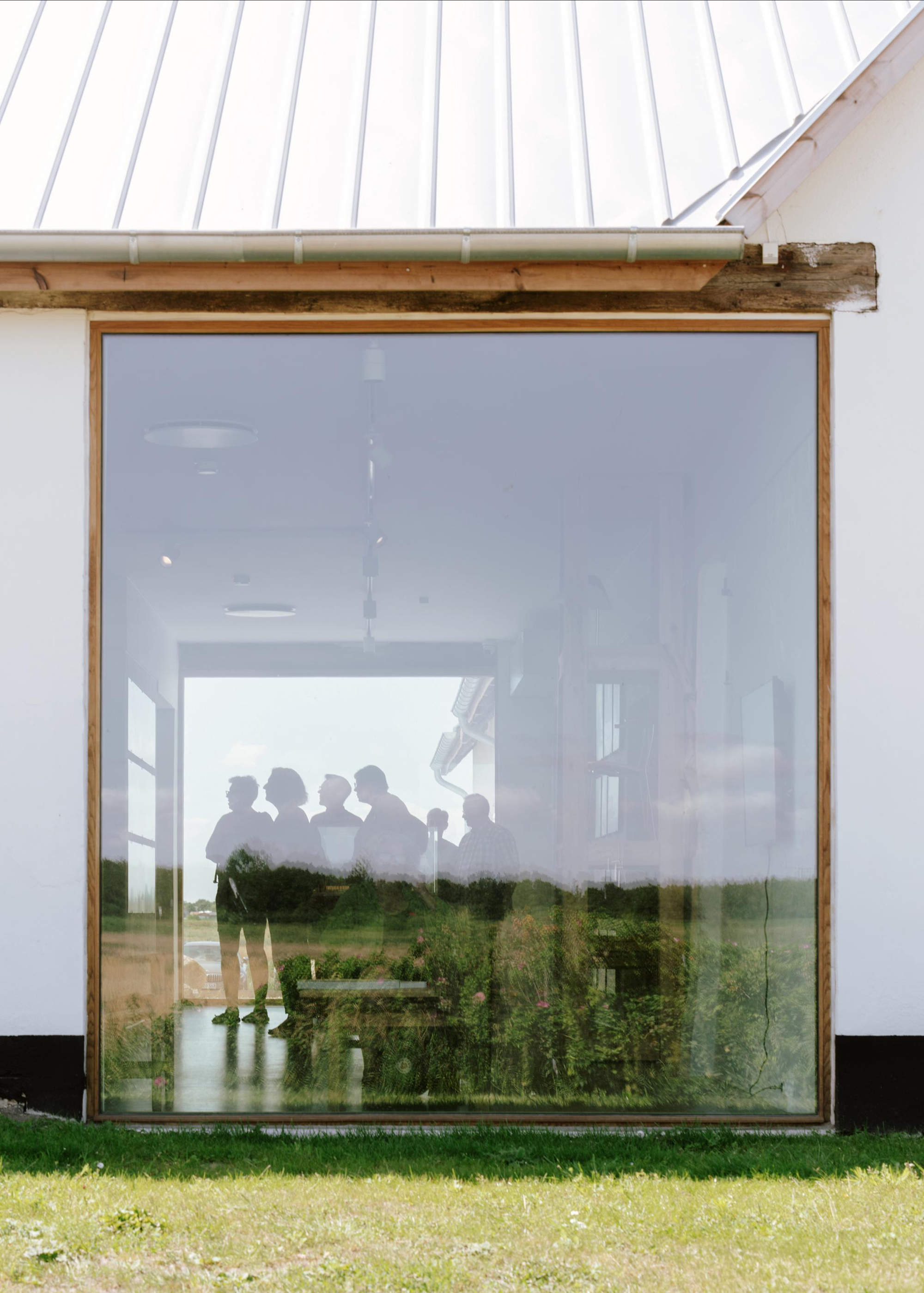
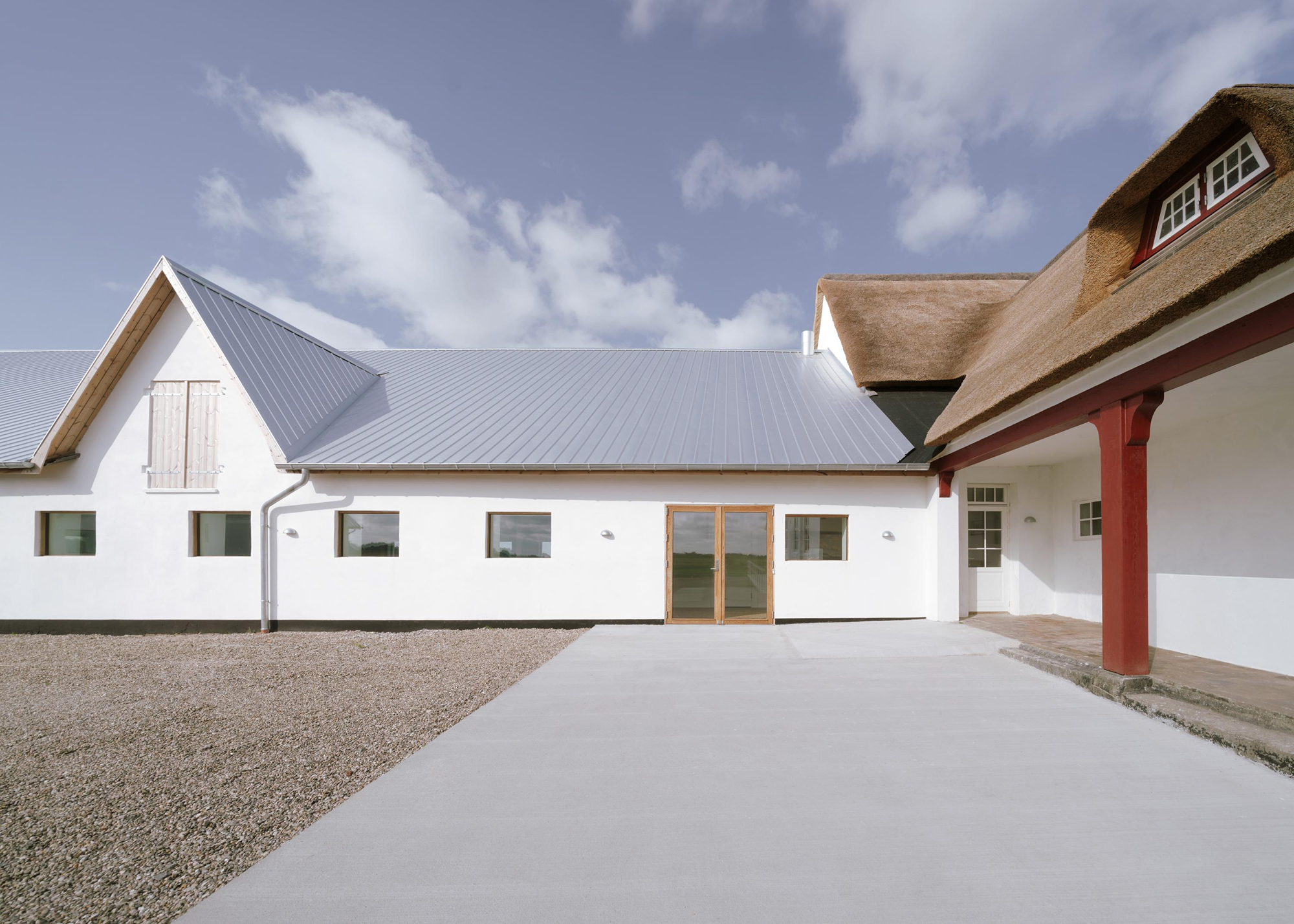
The main farm building kept its charming thatched roof as well as its timber framework. For the long stables, the architecture studio chose modern steel roofs that mirror the shape of the original design. New openings accentuate the property’s connection to nature by framing the surrounding marshland, groves and meadows. The museum beautifully translates Wegner’s furniture design principles into architecture, combining clarity and simplicity with function and craftsmanship. Finally, Cobe used wood for the buildings, the designer’s preferred material.
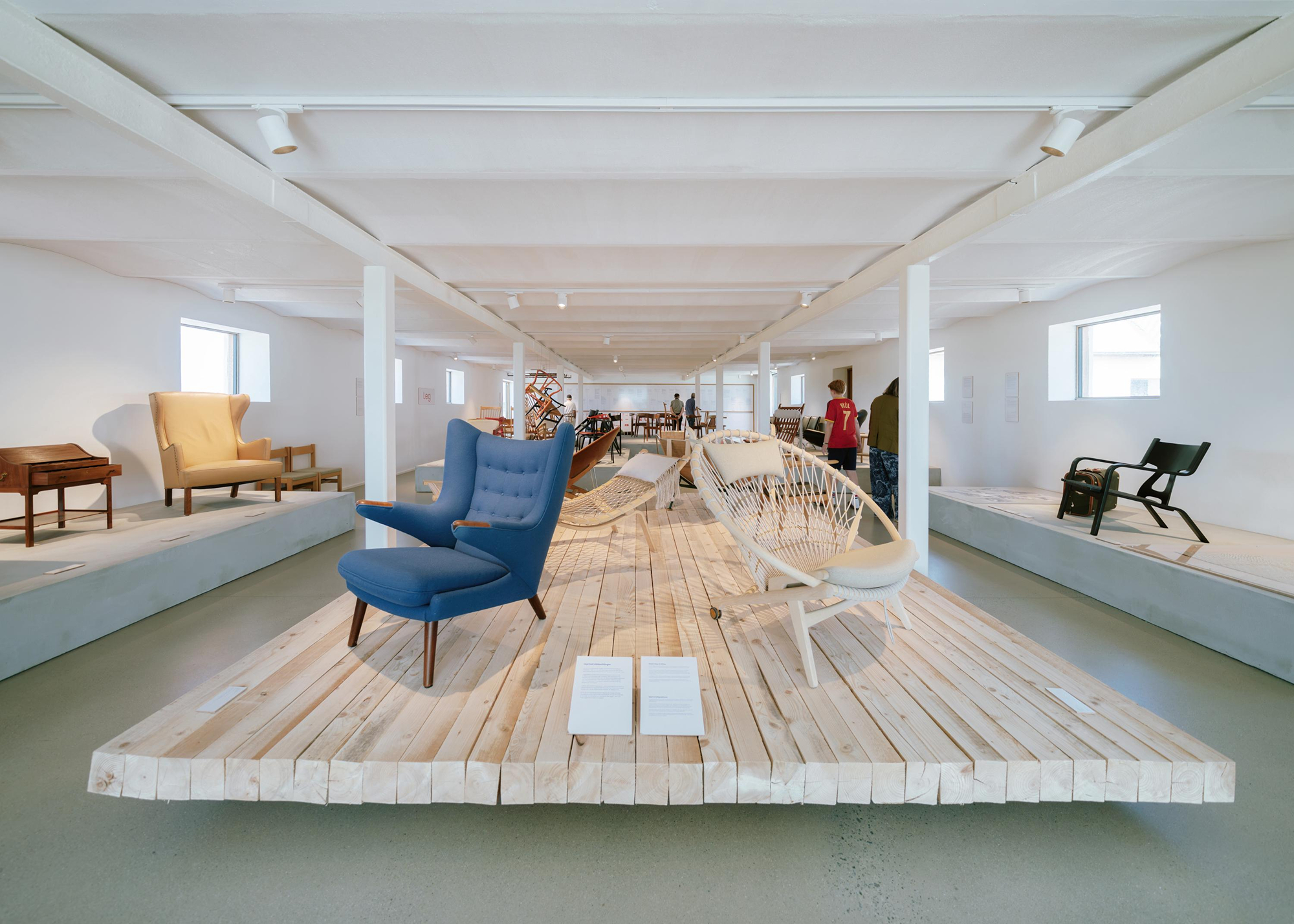
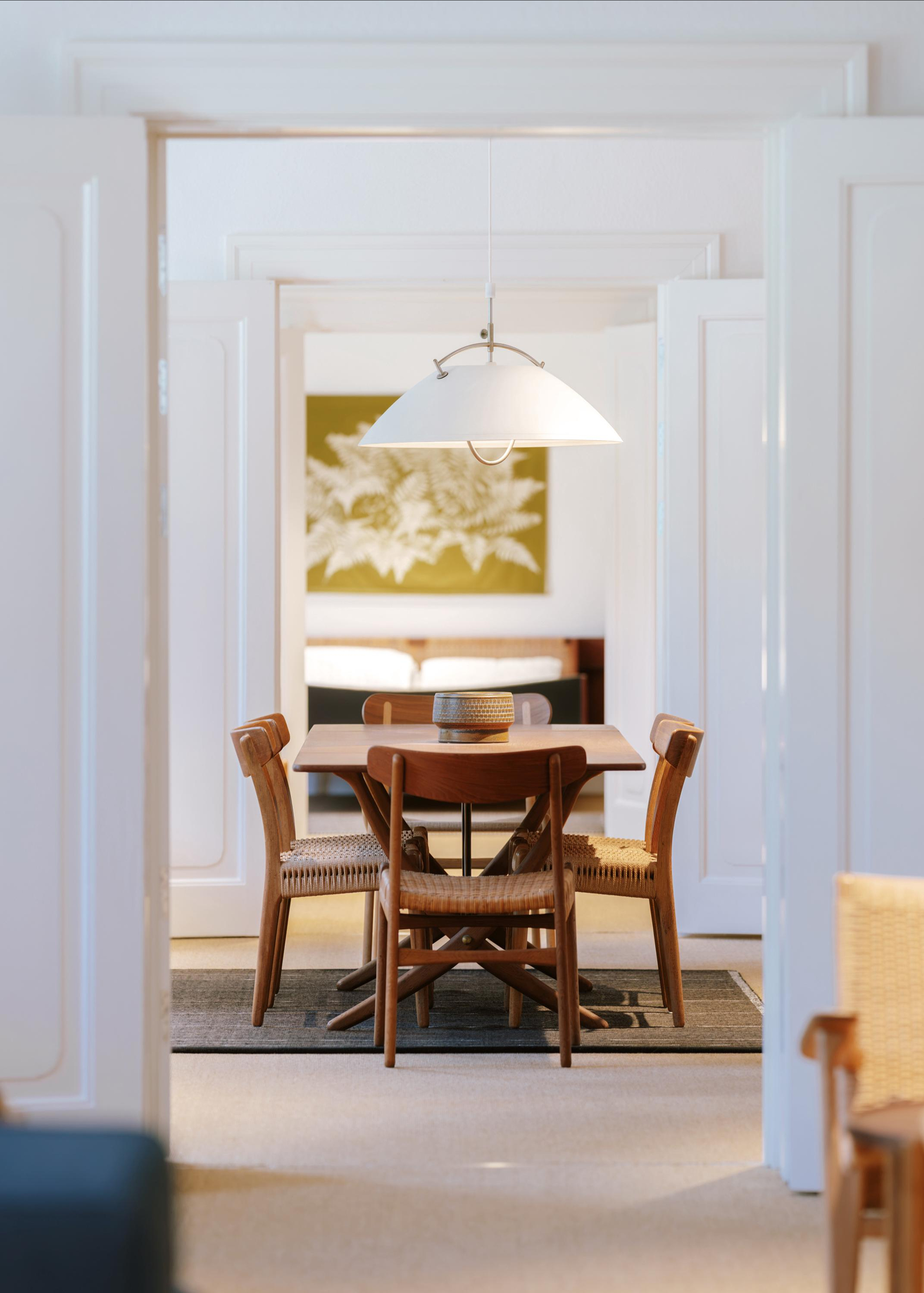
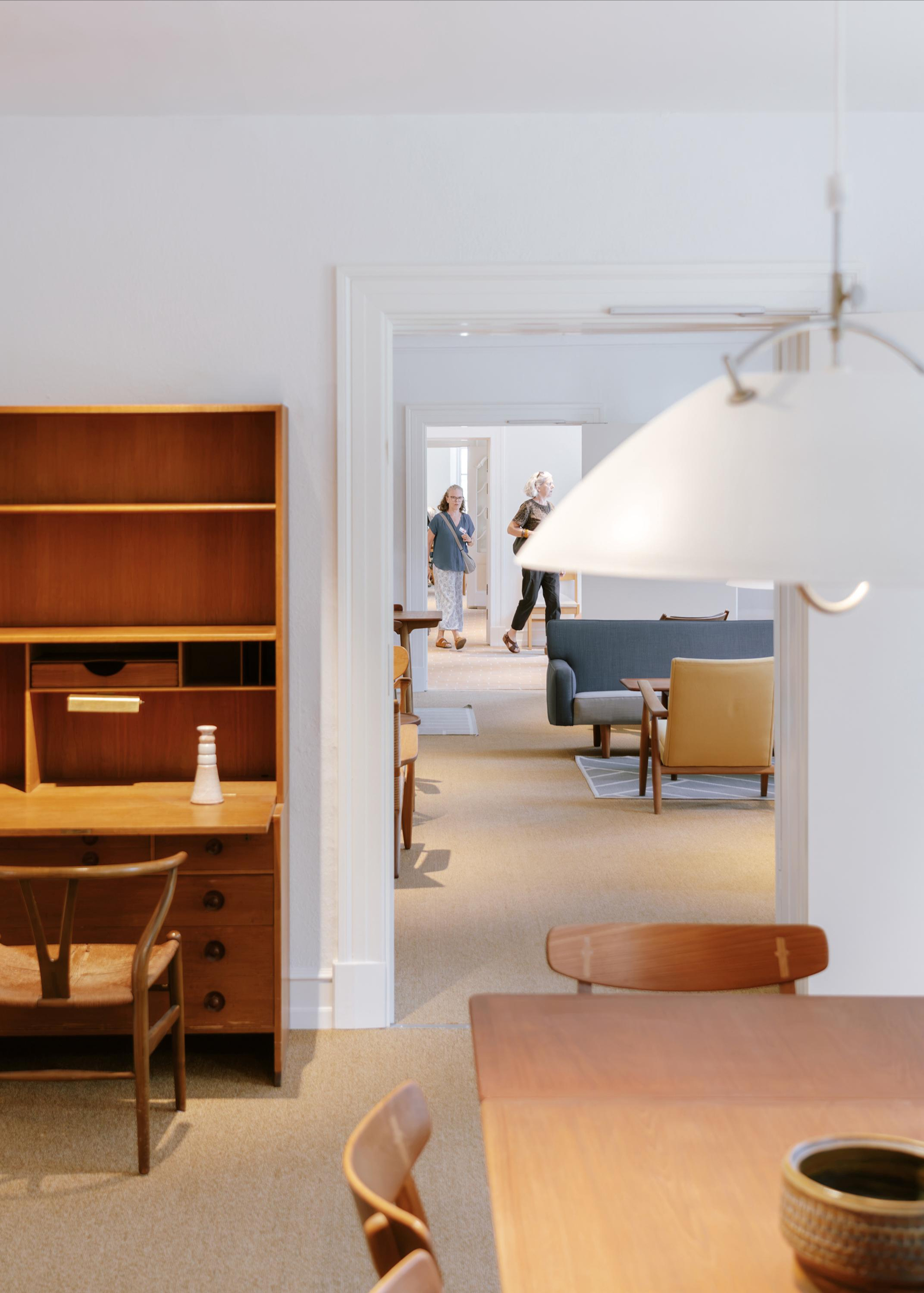
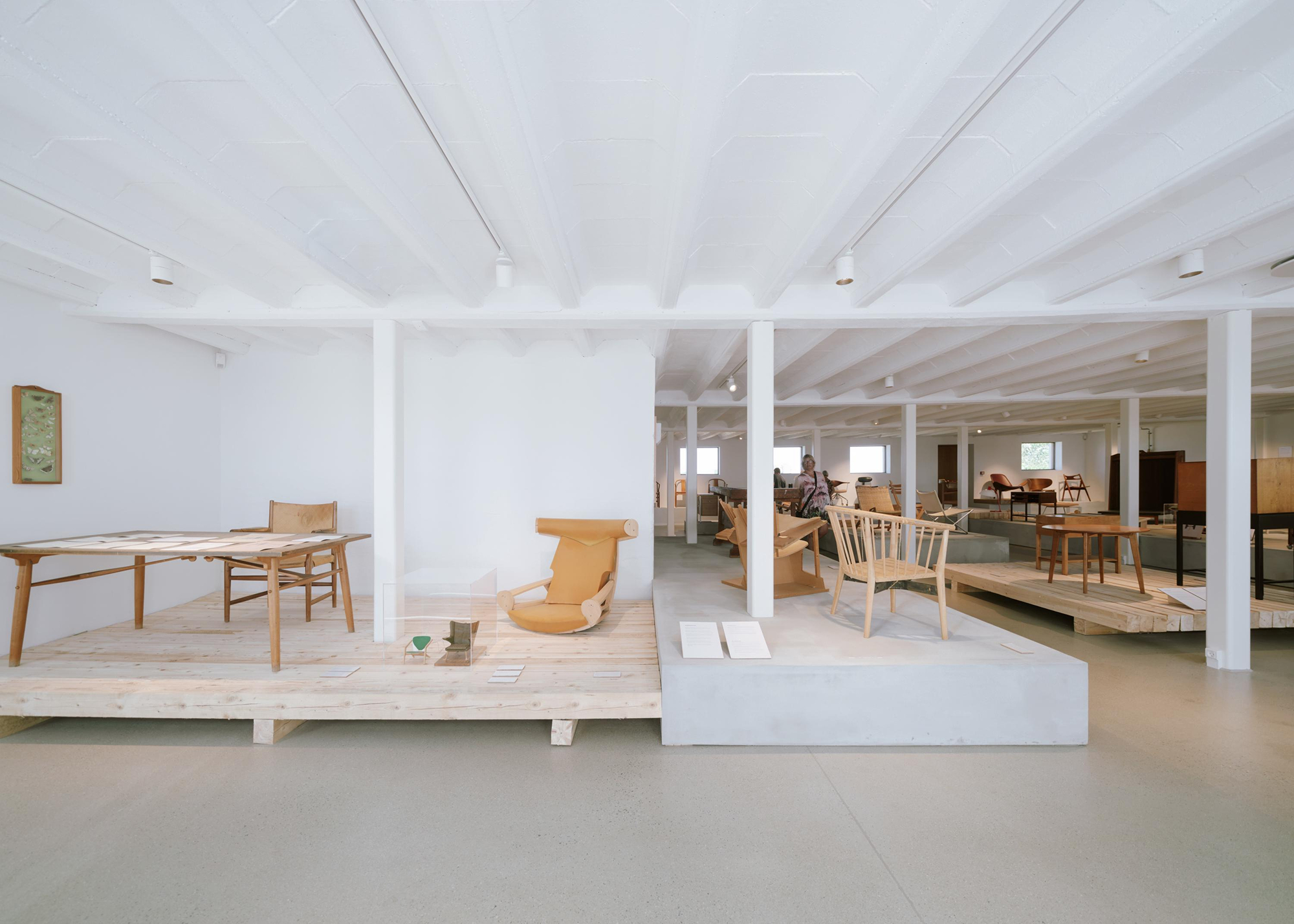
Museum Wegner includes not only exhibition spaces where visitors can admire iconic furniture pieces set against the backdrop of the gorgeous marshland, but also a public café, a library, workshop spaces, an event space, and a furniture archive. The project achieved an impressive balancing act that honors Hans J. Wegner’s legacy and the area’s cultural heritage while putting nature at the heart of the design. Photography by Francisco Tirado.