Search







For Autumn/Winter 2026, Eiichi Suzuki turns to two dancers in Iwate, giving Gorsch’s antique workwear references a new sense of movement.
In 2022, Eiichi Suzuki asked a childhood friend to model for Gorsch. Ryo was a furniture maker in Iwate with a particular interest in Scandinavian design: how a piece was put together, where a curve came from, what its maker had in mind. Suzuki recognized much of his own approach to clothing in that curiosity. A chair Ryo had made appeared in the photographs, too.
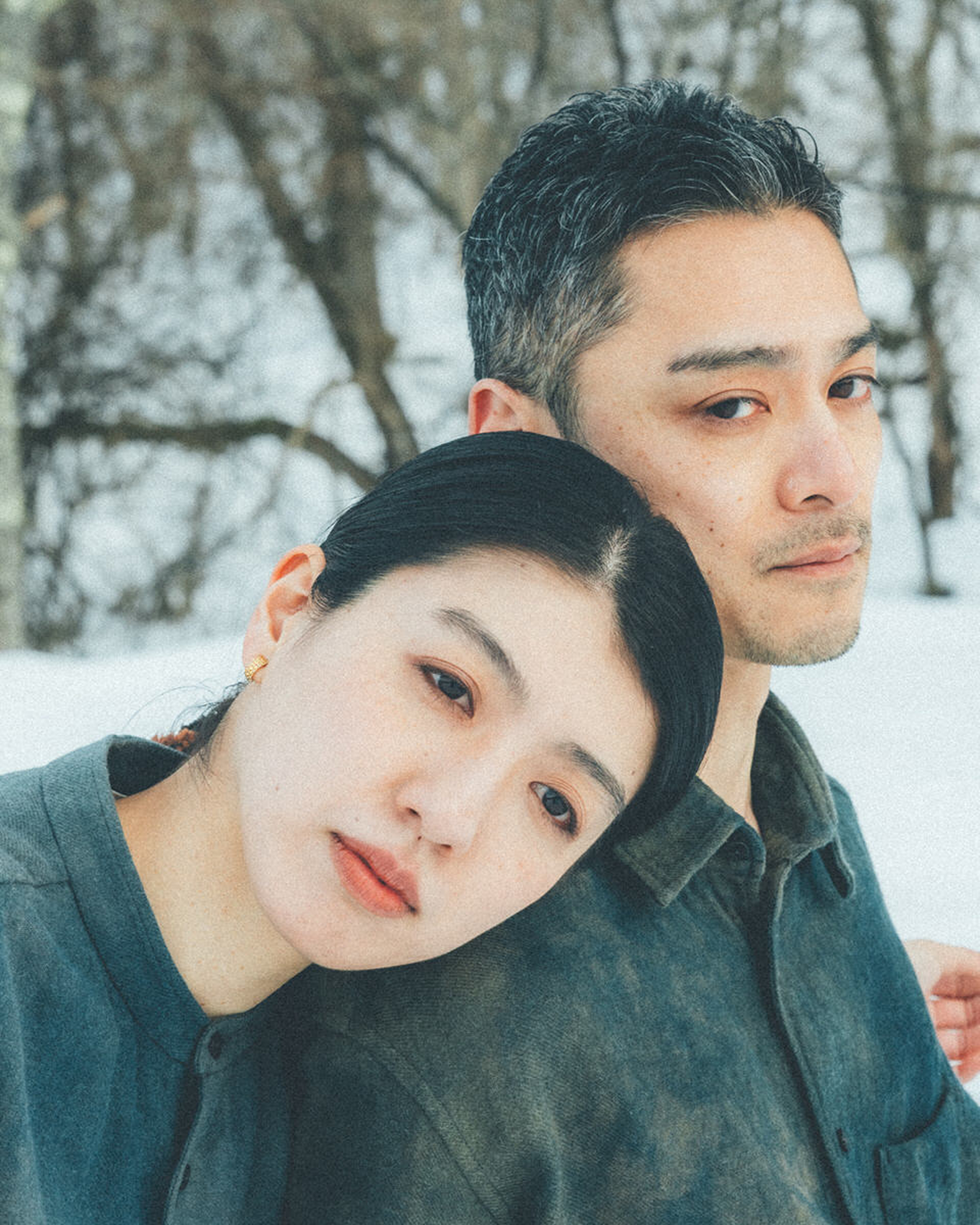
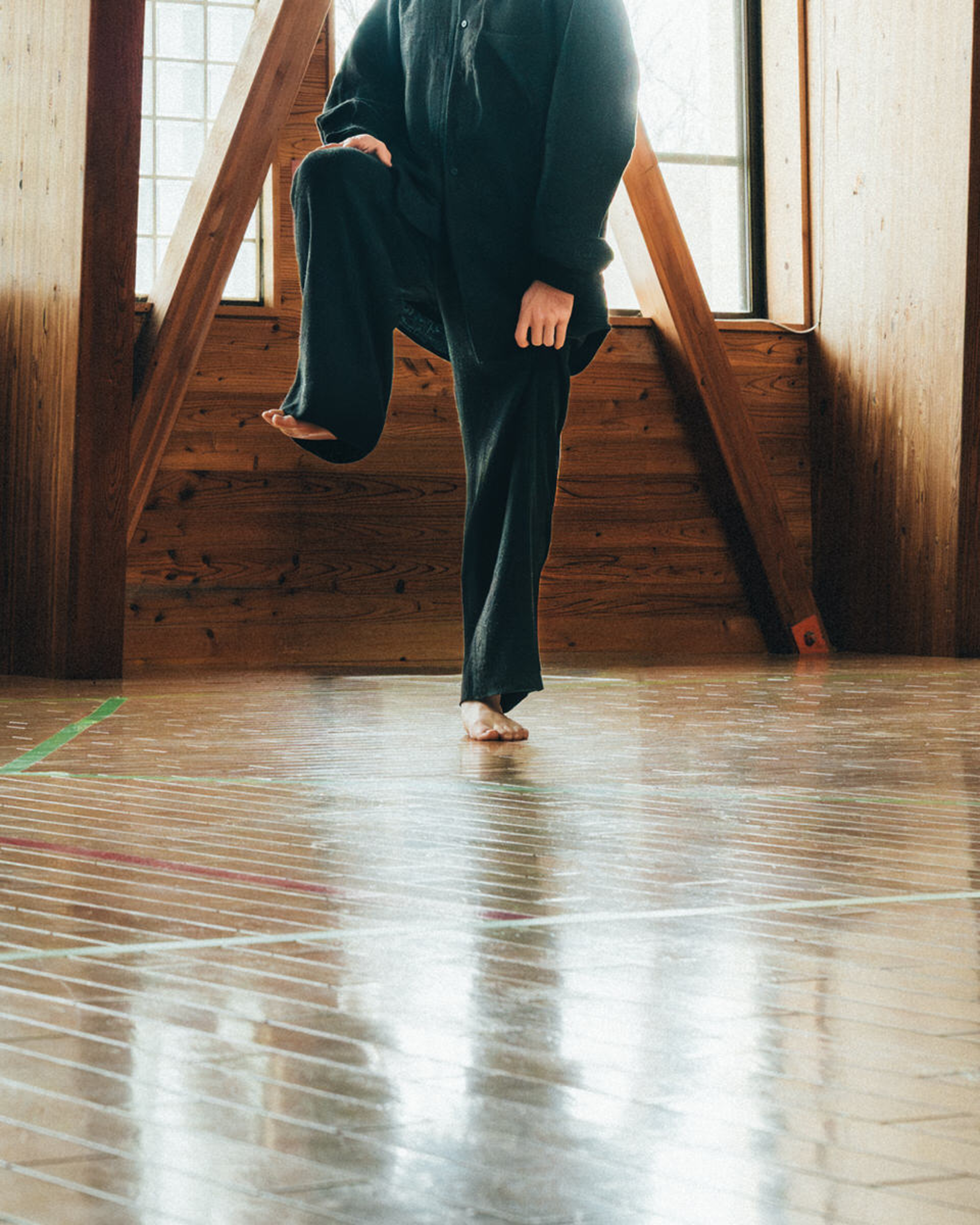
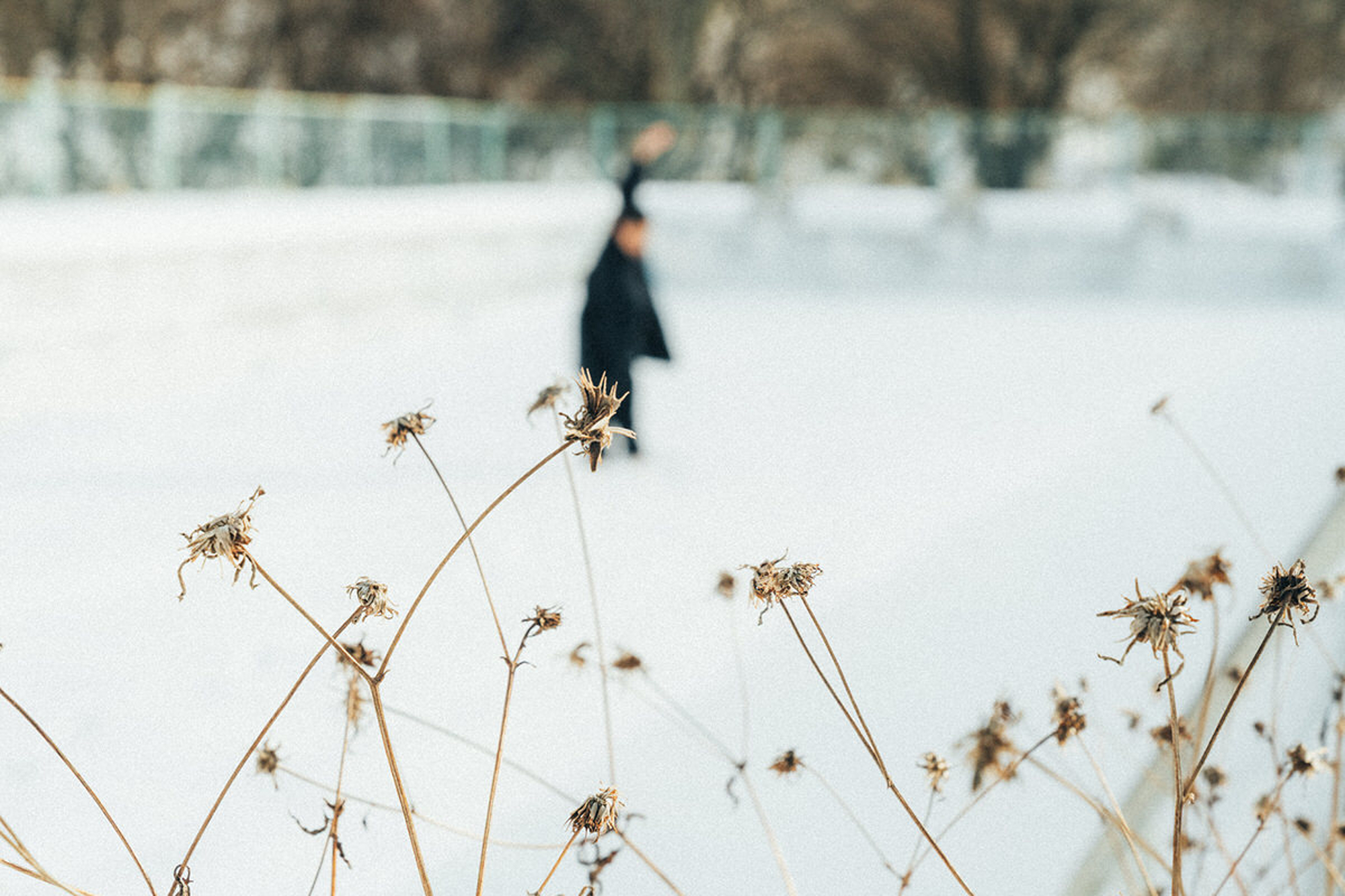
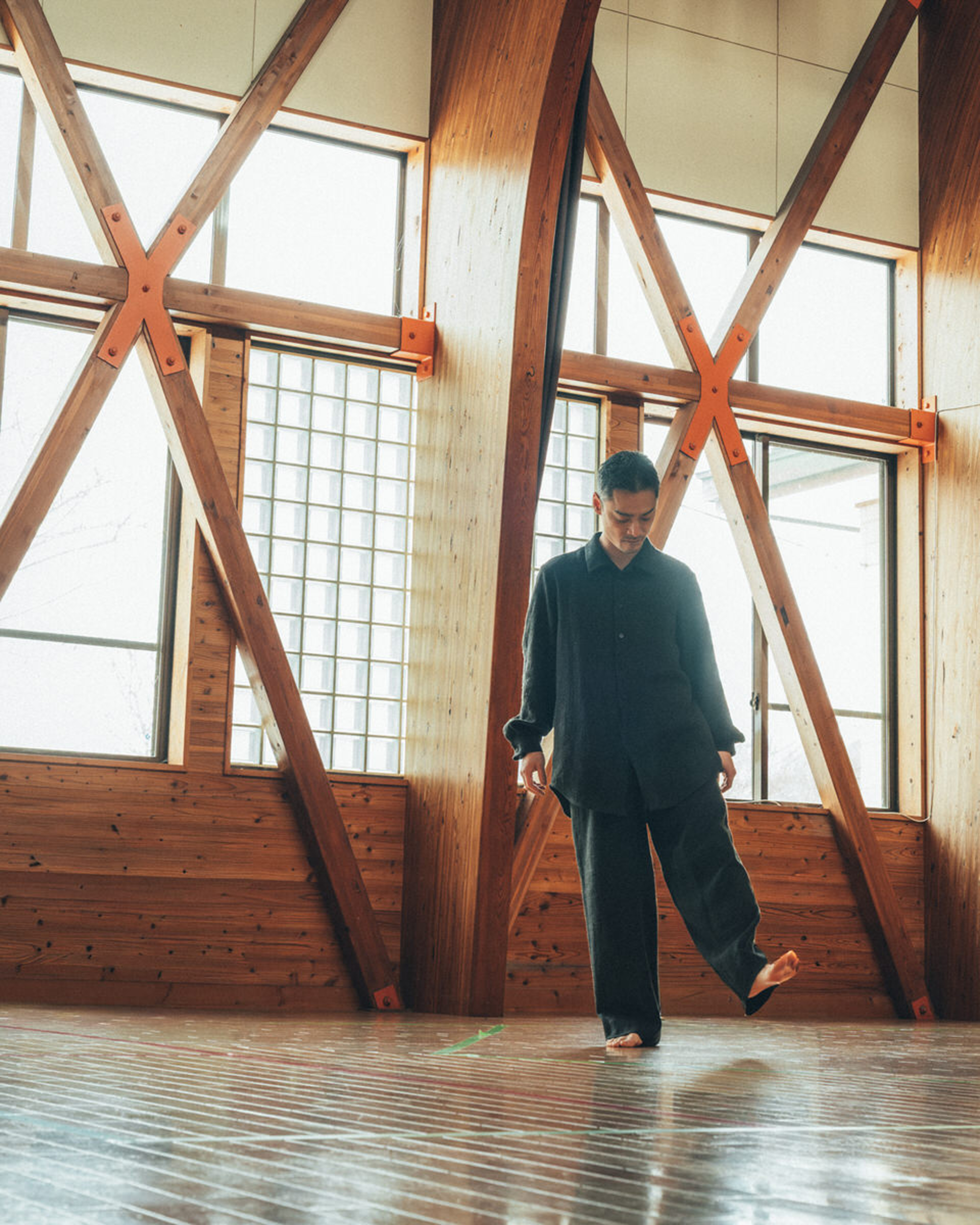
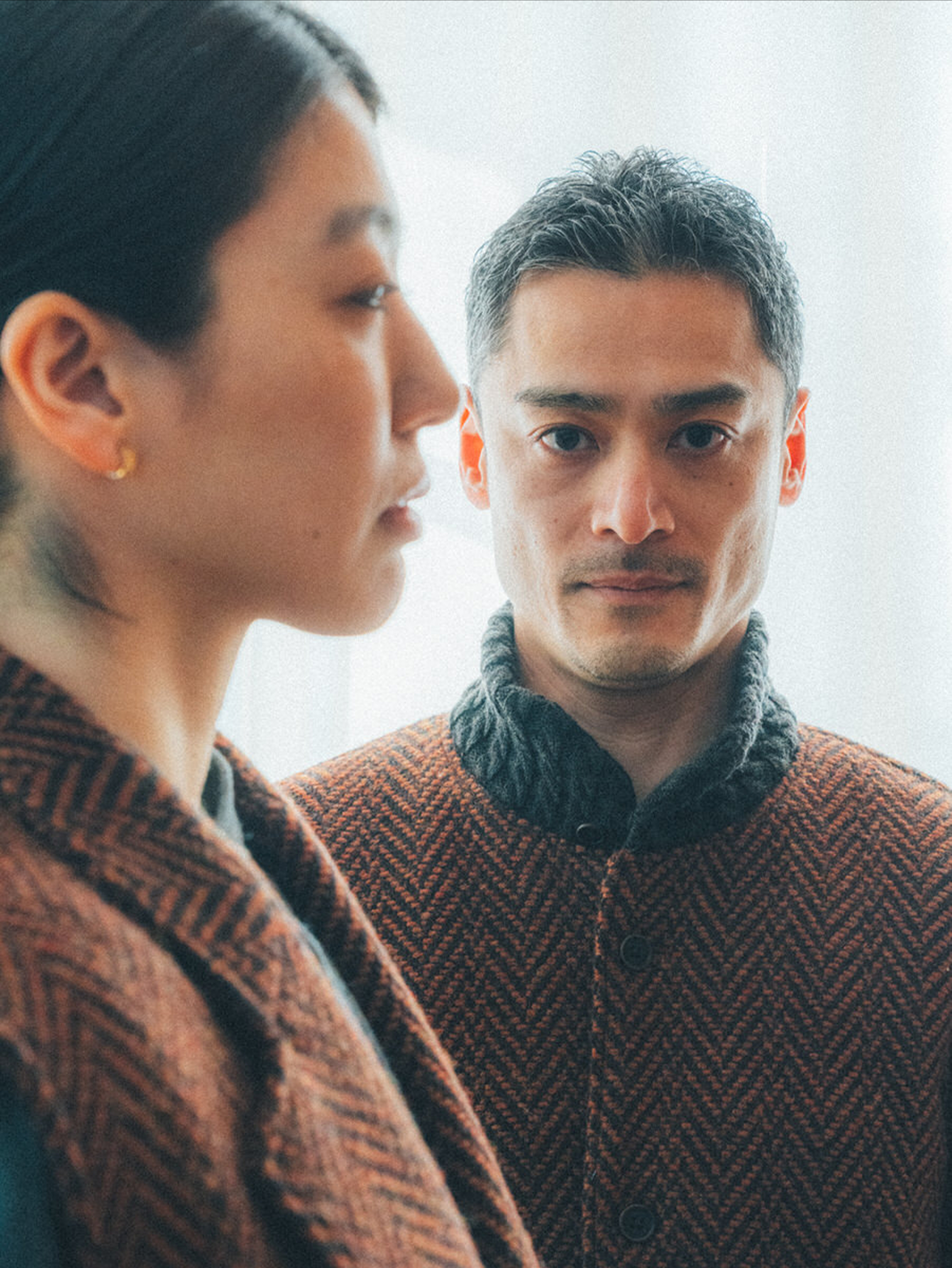
The people in his latest collection are dancers. Ken Sakagami and Aoi Kagaya perform with Bazar Cirque in Iwate, the northern Japanese prefecture where Suzuki has his atelier. Friends of the brand, they inspired The Dancing People, Gorsch’s Autumn/Winter 2026 collection, and wear it in Atsushi Meguro’s photographs. In one frame, Sakagami stands barefoot on a wooden floor, one knee raised. His trousers gather around the bent leg; the other trouser leg falls straight to the ankle. A simple pose makes the generosity of the cut apparent.
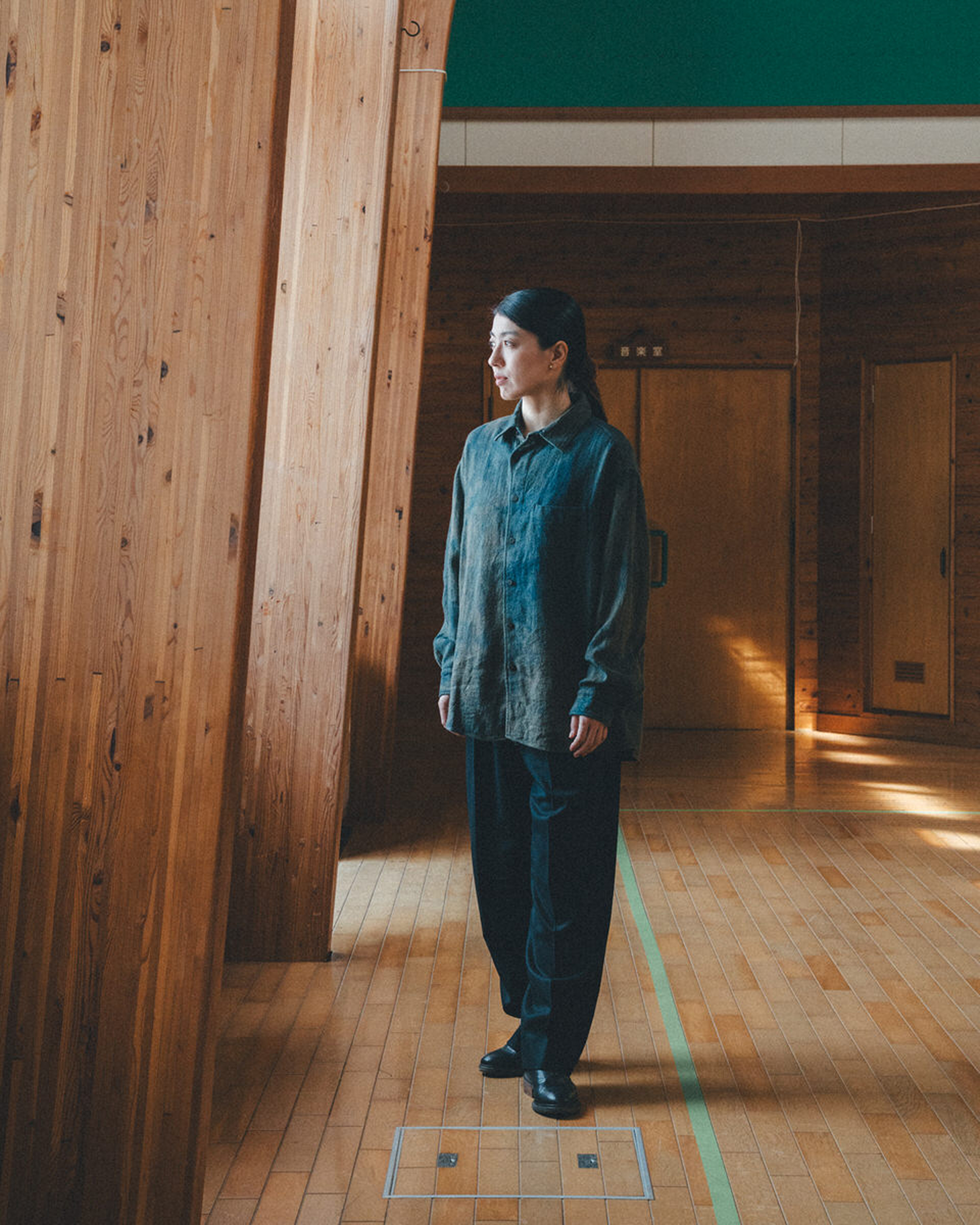
Suzuki draws on antique workwear and tailoring, with room for considerable invention. A short denim jacket takes its cue from vintage flight jackets, its full sleeves narrowing towards the wrists. Worn with the matching pleated trousers, the cropped body leaves their high waist visible. The two pieces have a different outline from the usual denim pairing, with the jacket’s rounded volume sitting above the straight trouser legs.
Their cloth will change, too. Indigo threads run in one direction through the weave, while the threads running across them are dyed with kakishibu, made from fermented persimmon tannin. Warm brown lies within the blue. As the indigo fades, the persimmon tone develops toward a muted orange, gradually altering the appearance of both garments.
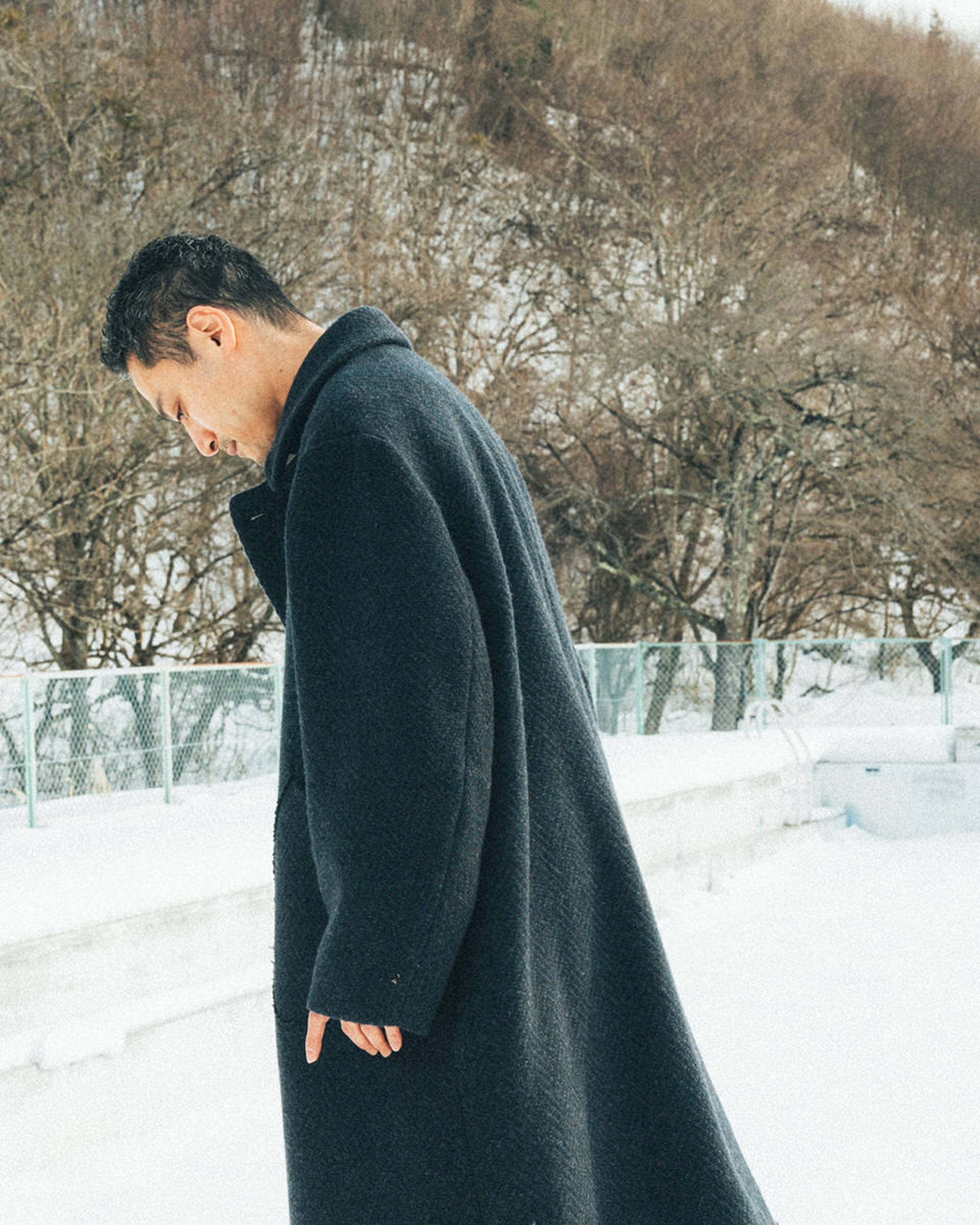
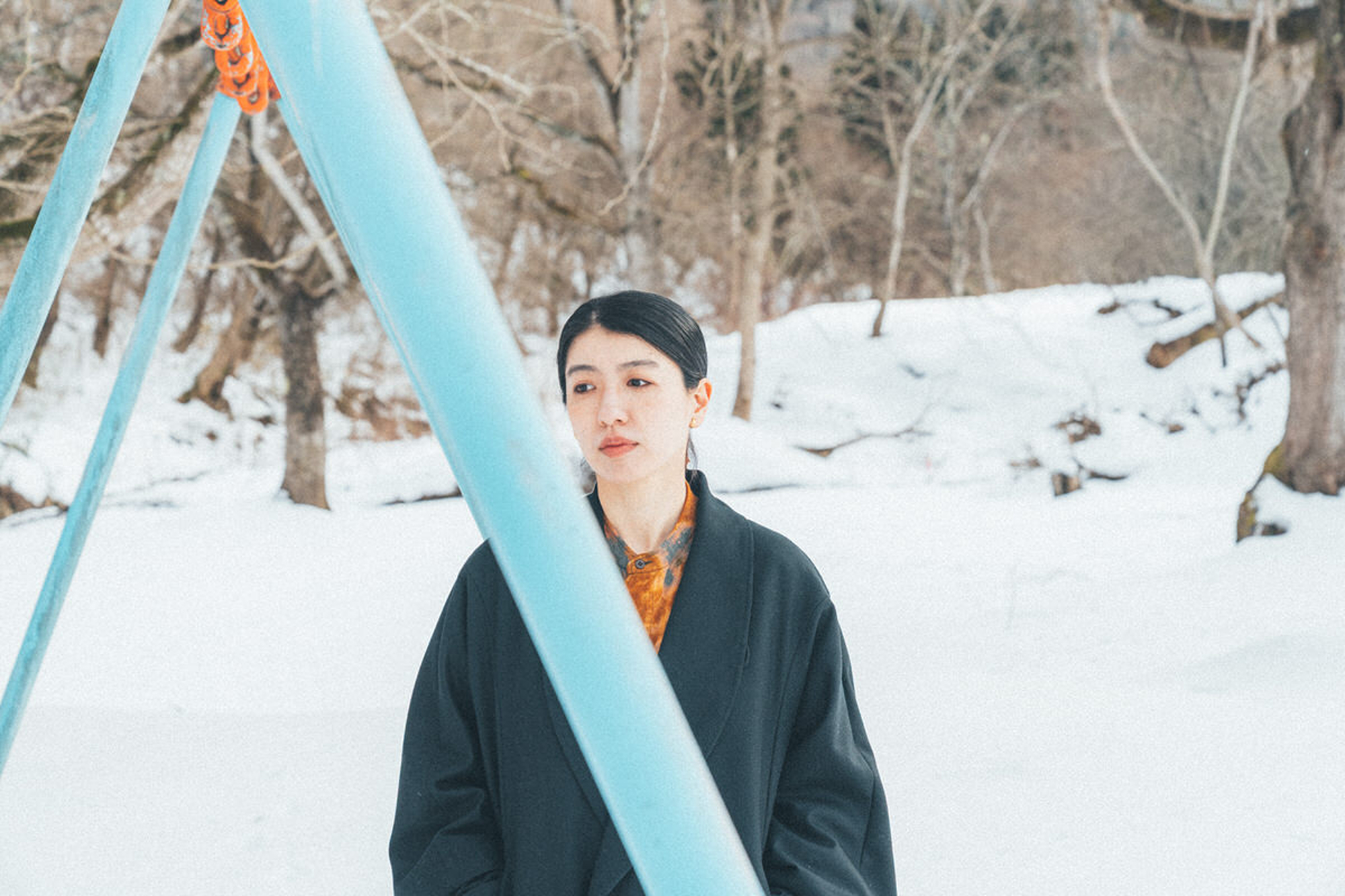
For the black cape coat, Suzuki uses wool flannel woven on traditional shuttle looms at the Kuzuri Keori mill in Ichinomiya. It falls broadly from the shoulders, with a long shawl collar and enough room underneath for another jacket. The sleeves sit beneath the cape and can be tucked inward when it is unbuttoned, allowing the wearer to draw their arms inside. Kagaya wears it in the snow beside a pale blue swing set, with denim trousers and a glimpse of orange at the collar.
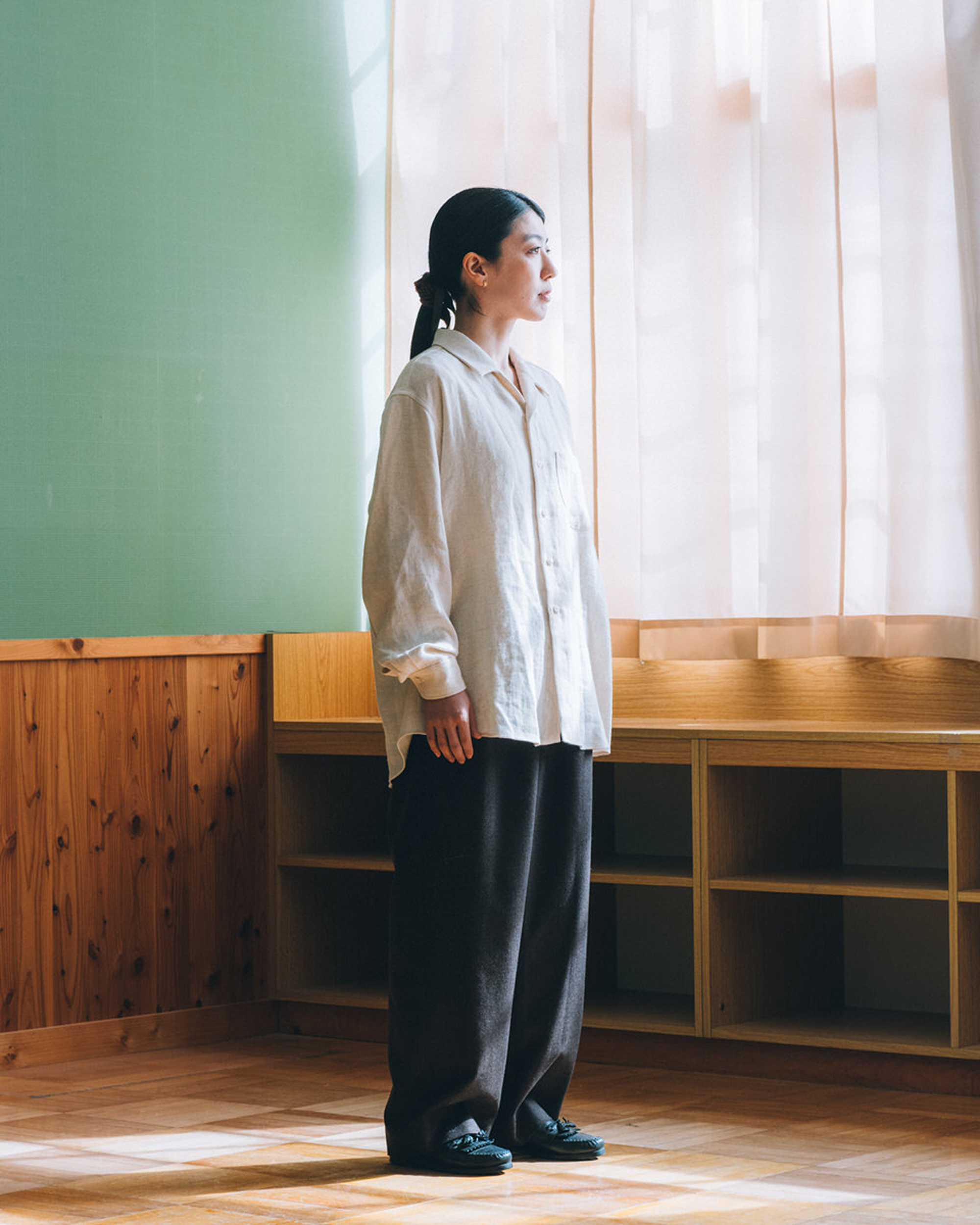
The wide shirt in off-white linen and wool has a detail Suzuki never planned. Its unusual collar began with a sewing mistake, noticed after the shirt had been made. He kept the shape, tracing it into later versions. Among the collection’s deliberate changes of proportion, this small accident has found a permanent place.
Standard & Strange carries a selection from The Dancing People in the US.
Photography by Atsushi Meguro.