Search






Designer cigar ashtrays that earn attention through a minimalist expression and the permanence of tactile materials.
Once a fixture of domestic life, hotel lounges, cafés, and boardrooms, ashtrays have slowly disappeared from the center of the table. With falling smoking rates, what remains is less about habit and more about objecthood. The best designer cigar ashtrays today are no longer disposable accessories, but rather design or art items. They sit closer to small sculptures, desktop architecture, and private ritual tools: objects made for slower gestures or particular rooms.
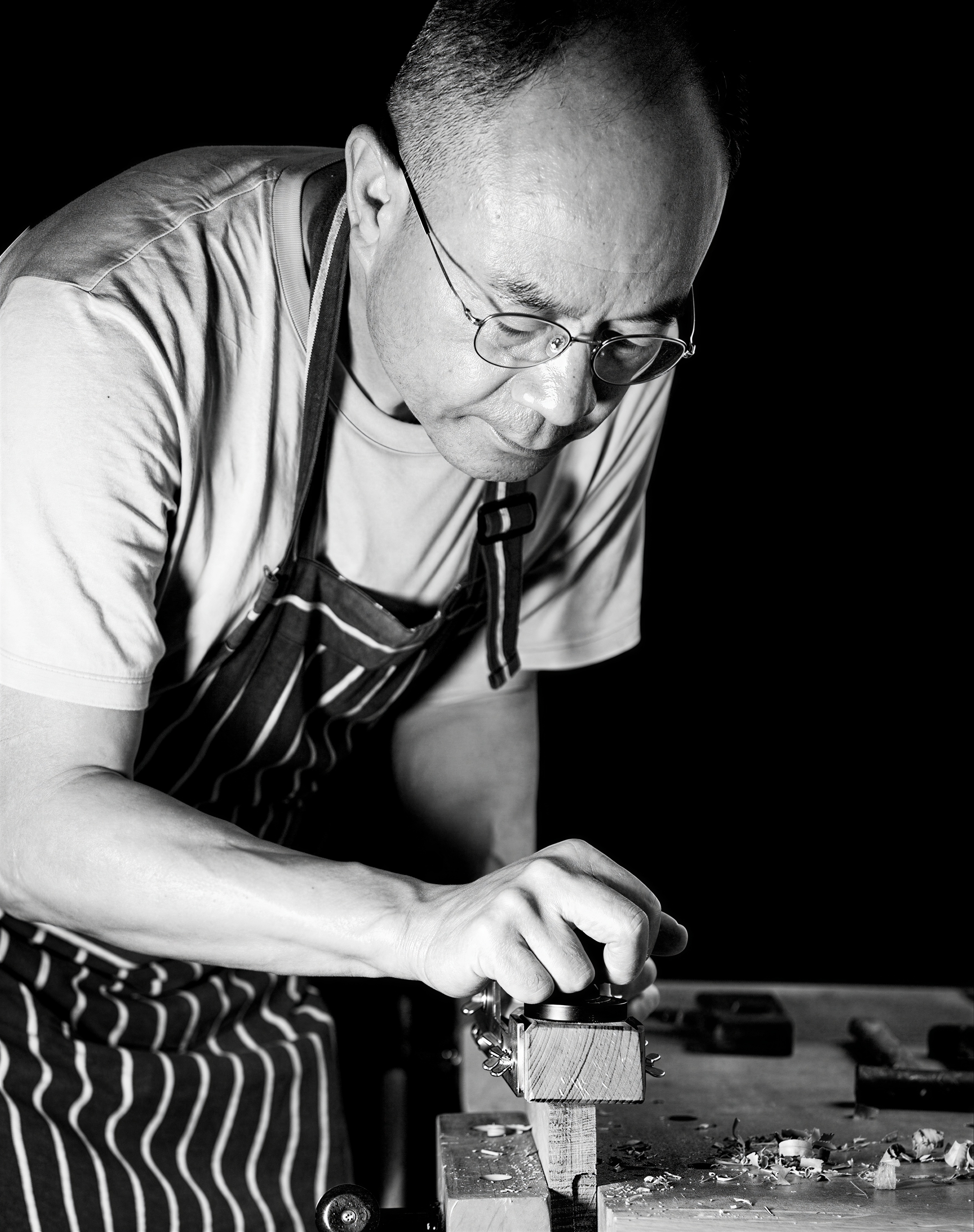
John Meng’s Achille and Cube Study 1 belong in that category. Designed in 2025, the two cigar ashtrays approach the same brief from opposite directions. One begins with a found industrial form and changes its meaning. The other starts with pure geometry and hides its complexity inside a minimalist block of wood.
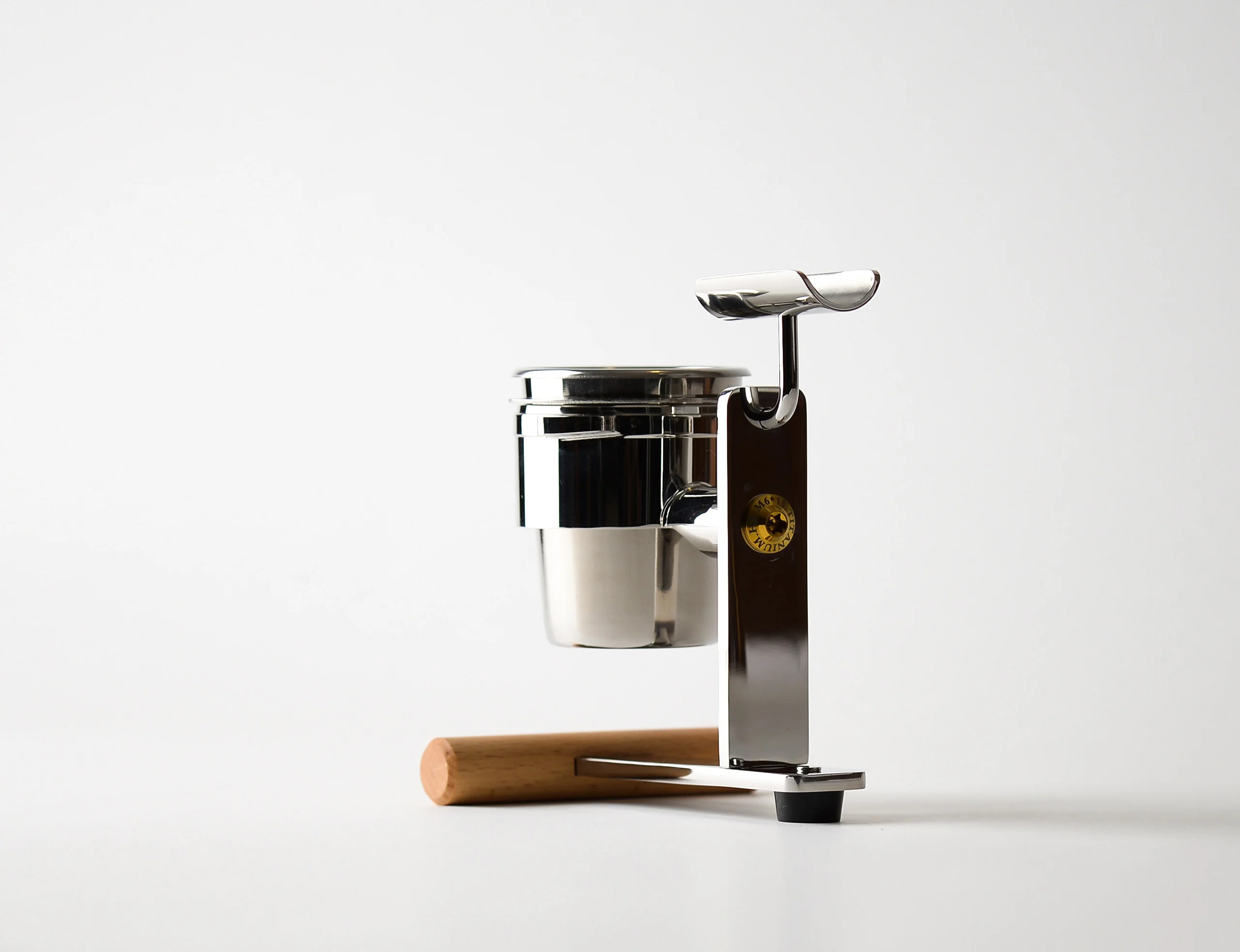
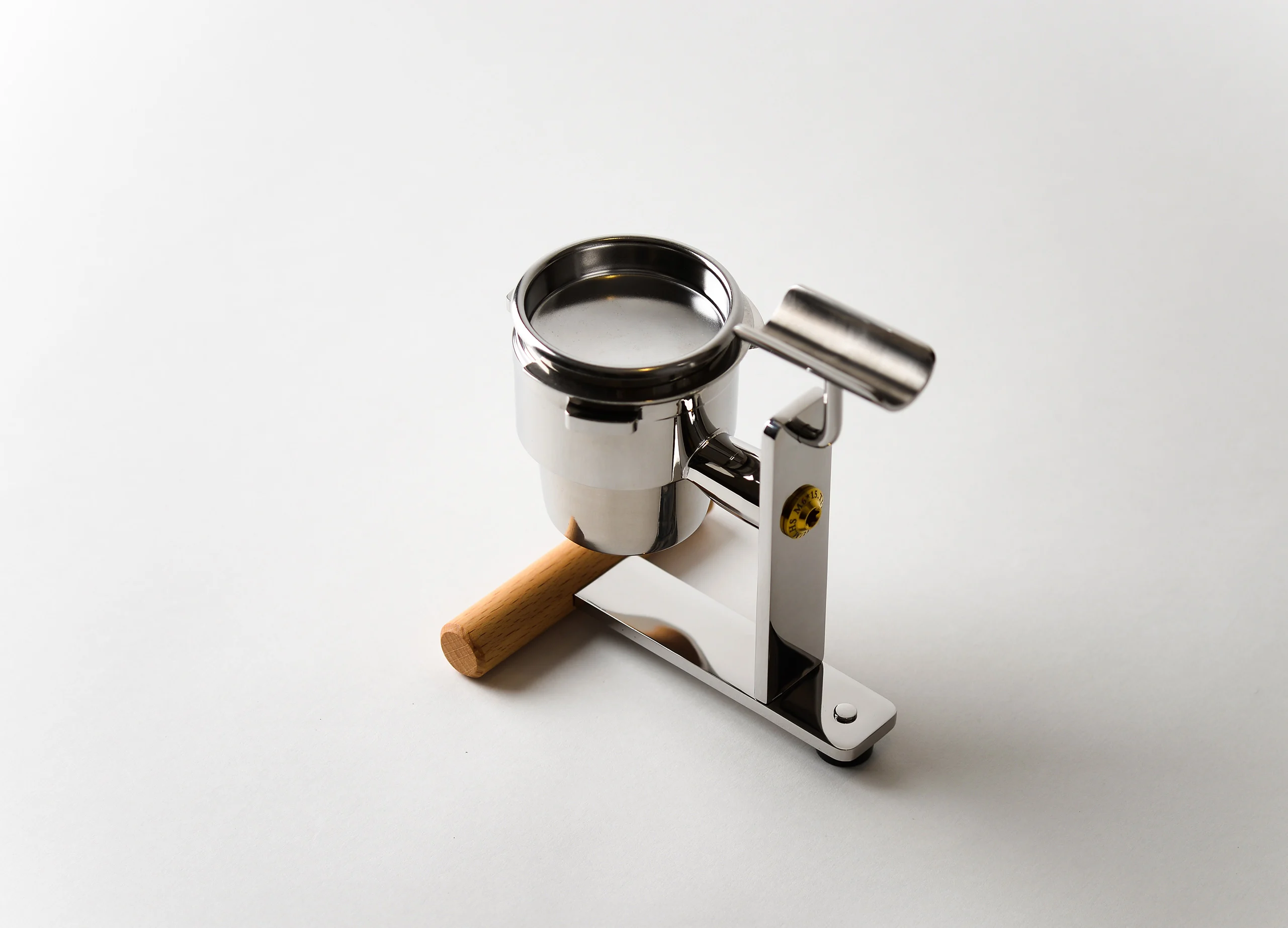
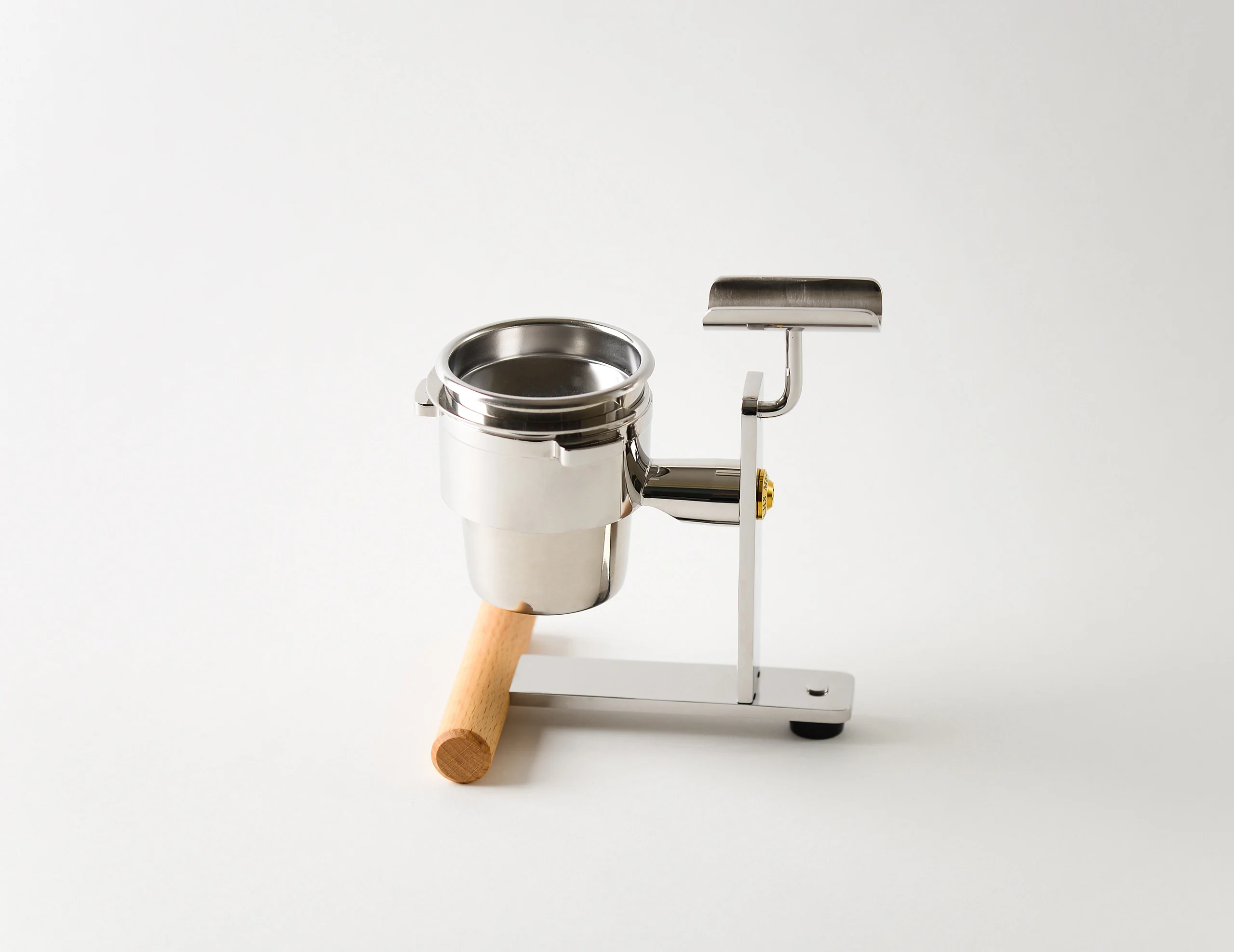
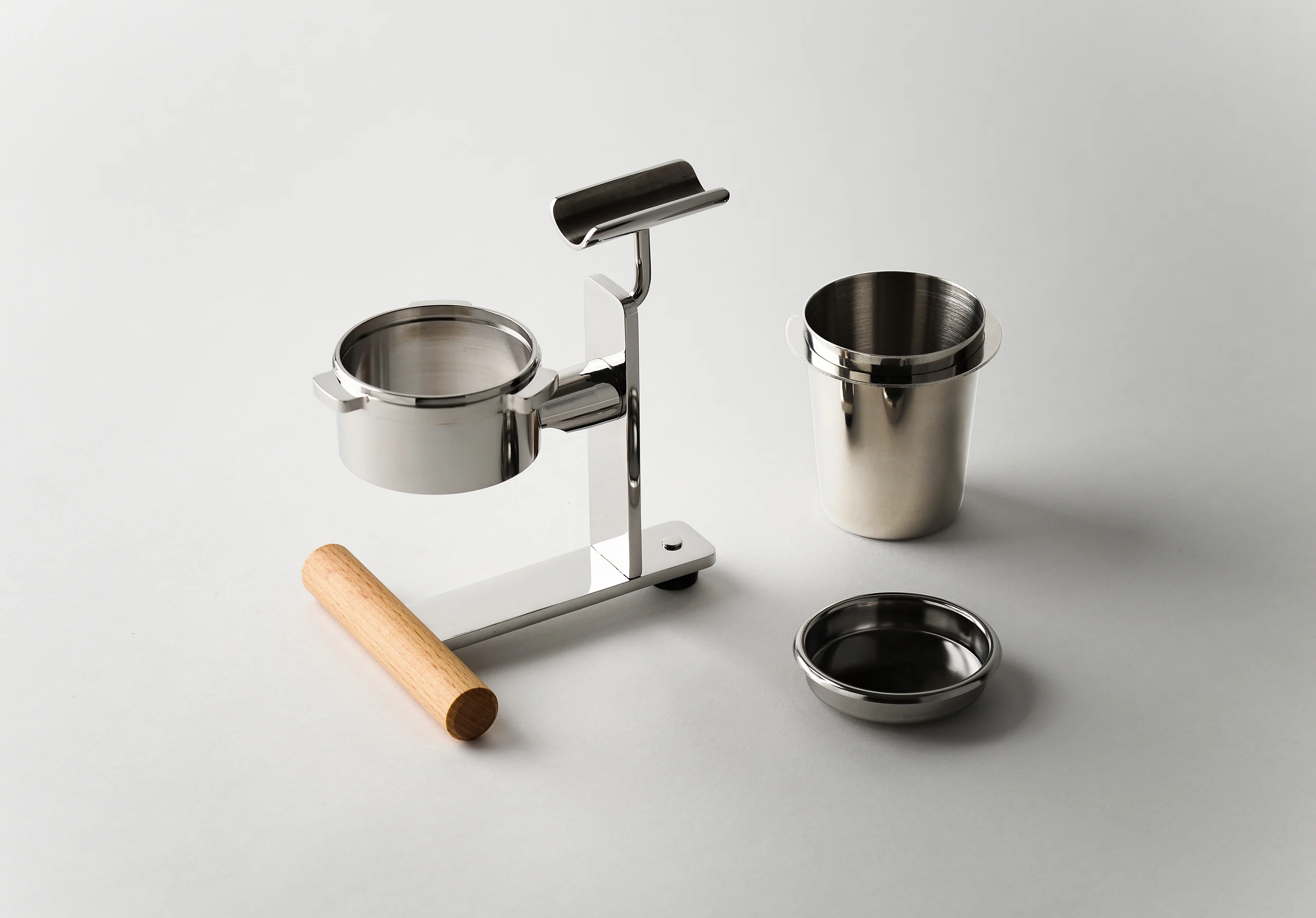
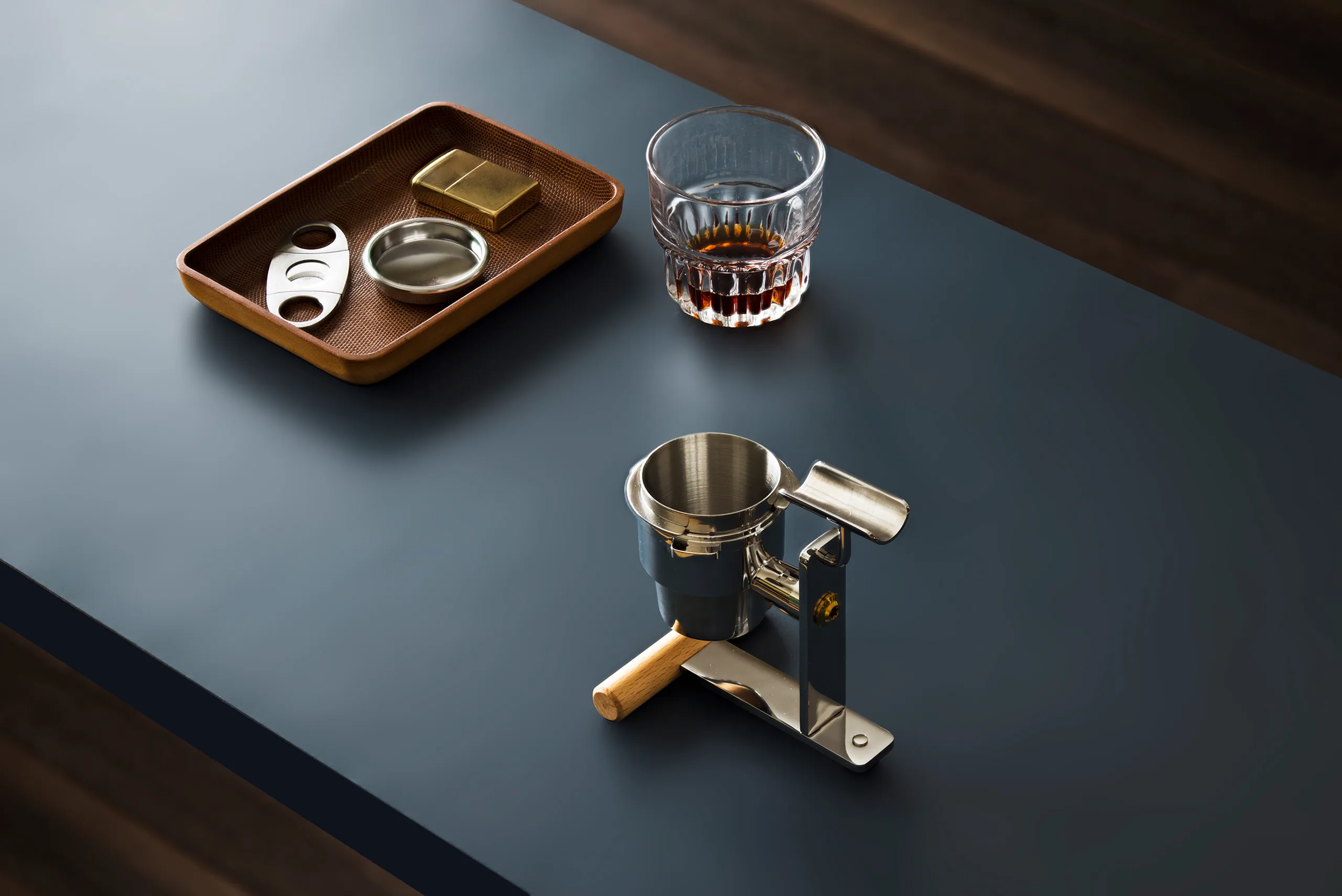
Achille is the more theatrical of the two. Meng built the piece around a professional espresso portafilter, keeping the object’s industrial character visible while giving it a new use. The steel housing is fixed to a custom pylon with a golden titanium screw, while a beech wood rod grounds the base and adds warmth to the design. At the top, a welded groove holds the cigar. Below, the portafilter’s dosing cup becomes the cigar ash chamber, and the filter basket works as a lid. The reference is clear yet also subtle: Achille takes its name from Achille Castiglioni and nods to the designer’s 1957 Mezzadro, a sculptural stool with a striking cantilevered form.
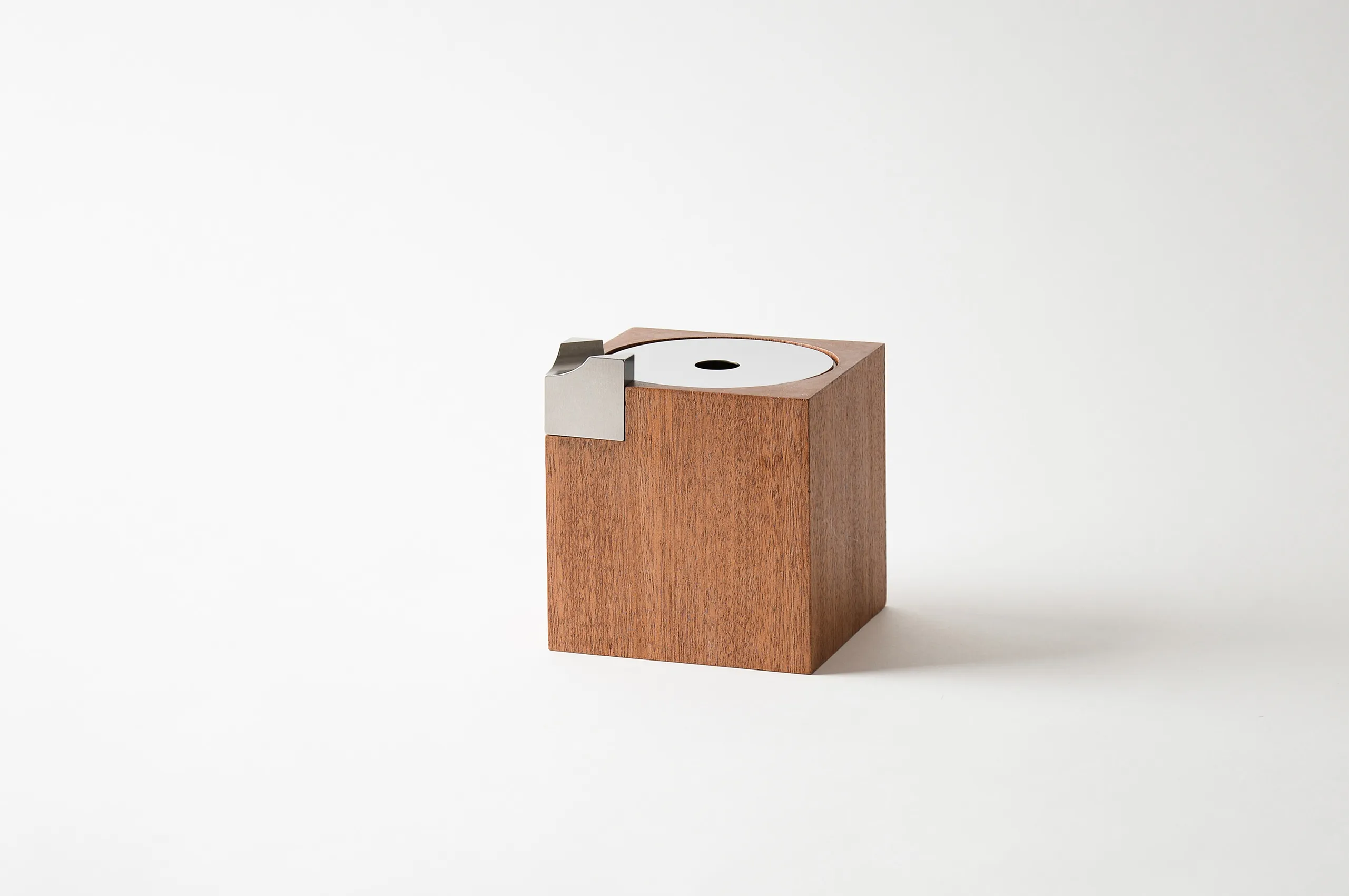
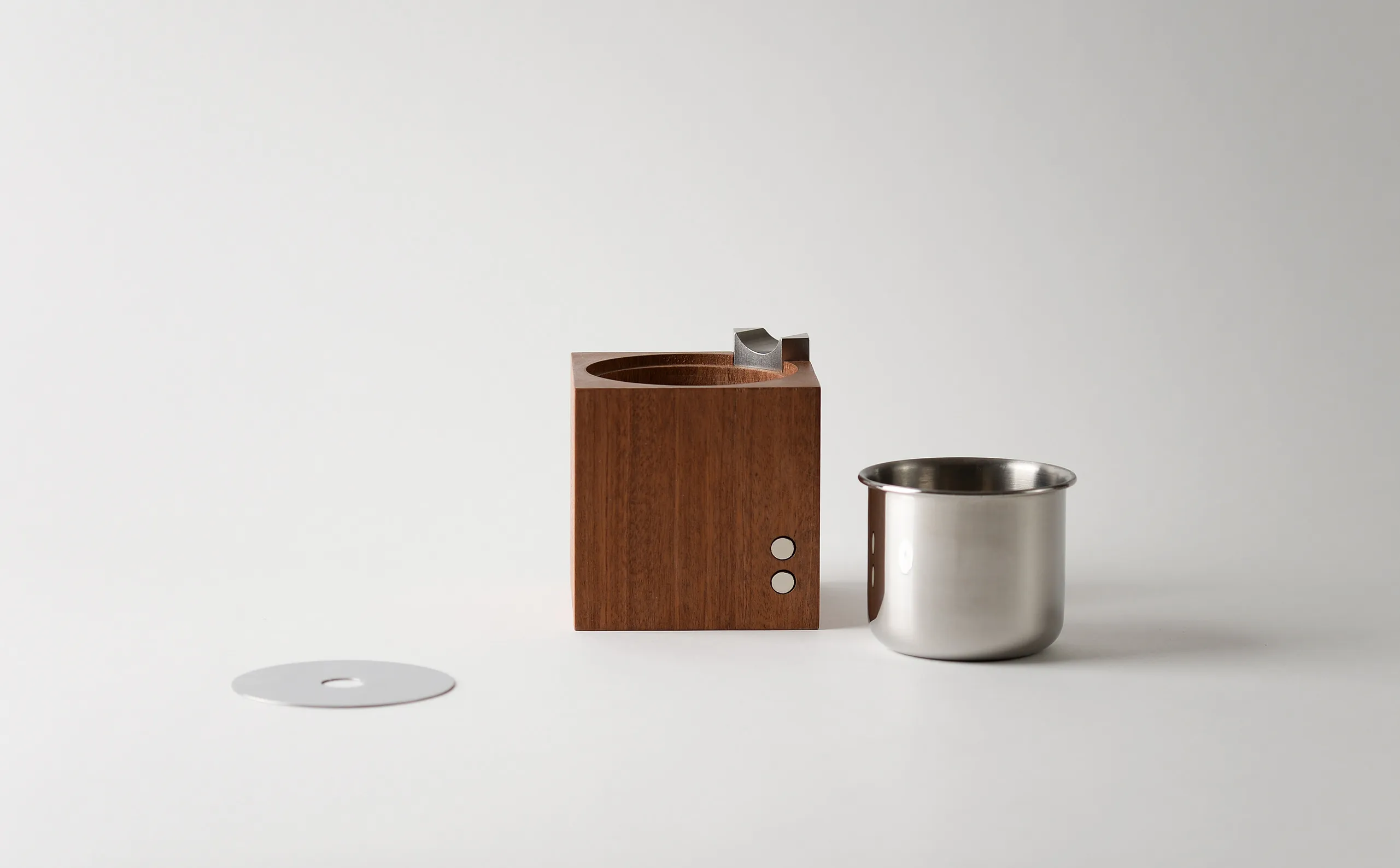
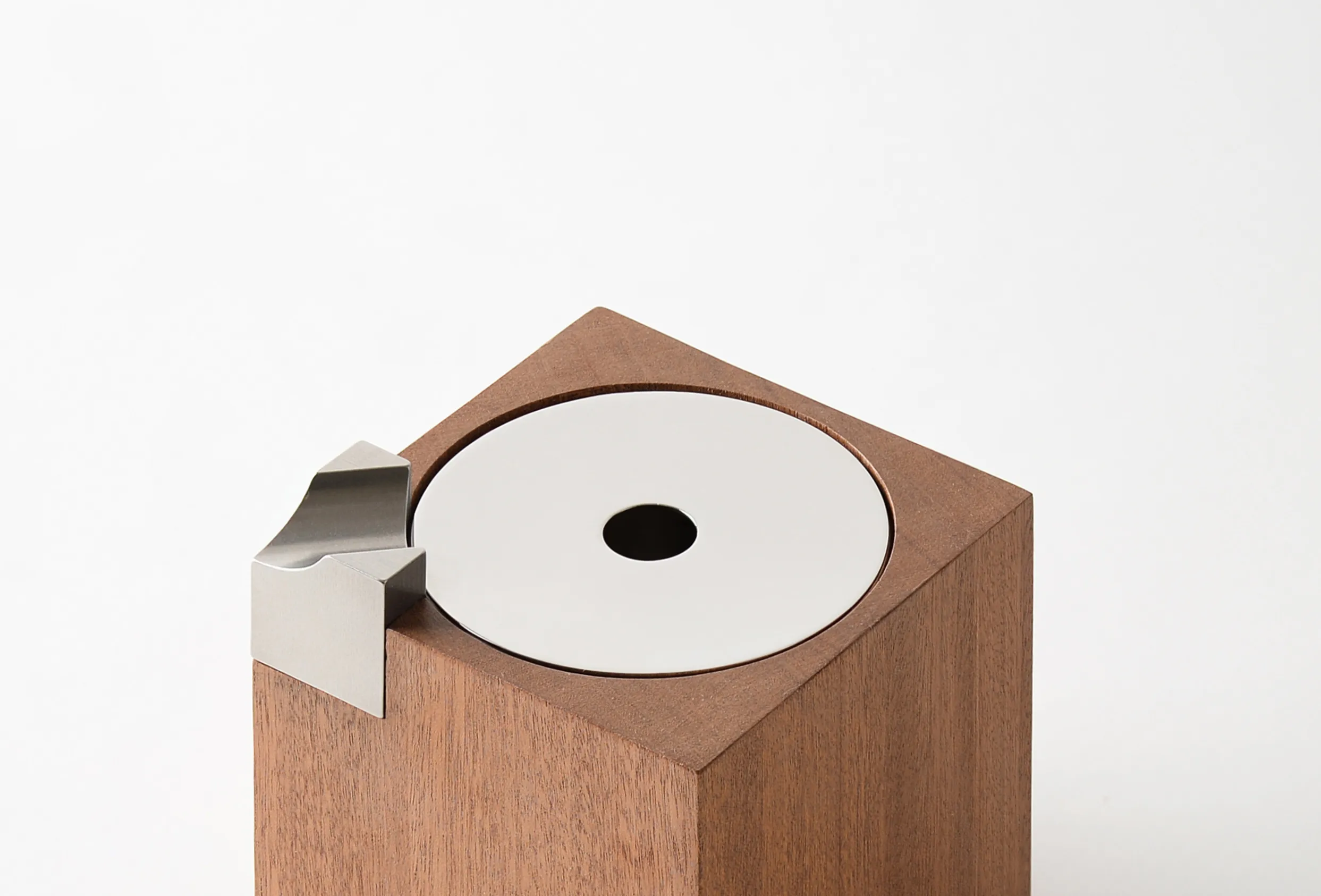
Cube Study 1 has a quieter presence. A solid sapele timber cube is milled to create a cylindrical cavity for a removable stainless-steel vessel. An inset steel cube rises from one corner, its top cut with a diagonal semi-circular groove for a cigar. For the lid, Meng used a stainless-steel disc with a small aperture for removal; when not in use, it docks magnetically to the side of the timber body. The geometry is simple, but the details carry the piece: warm wood against polished steel, the weight of the raised corner, the hidden chamber inside the block.
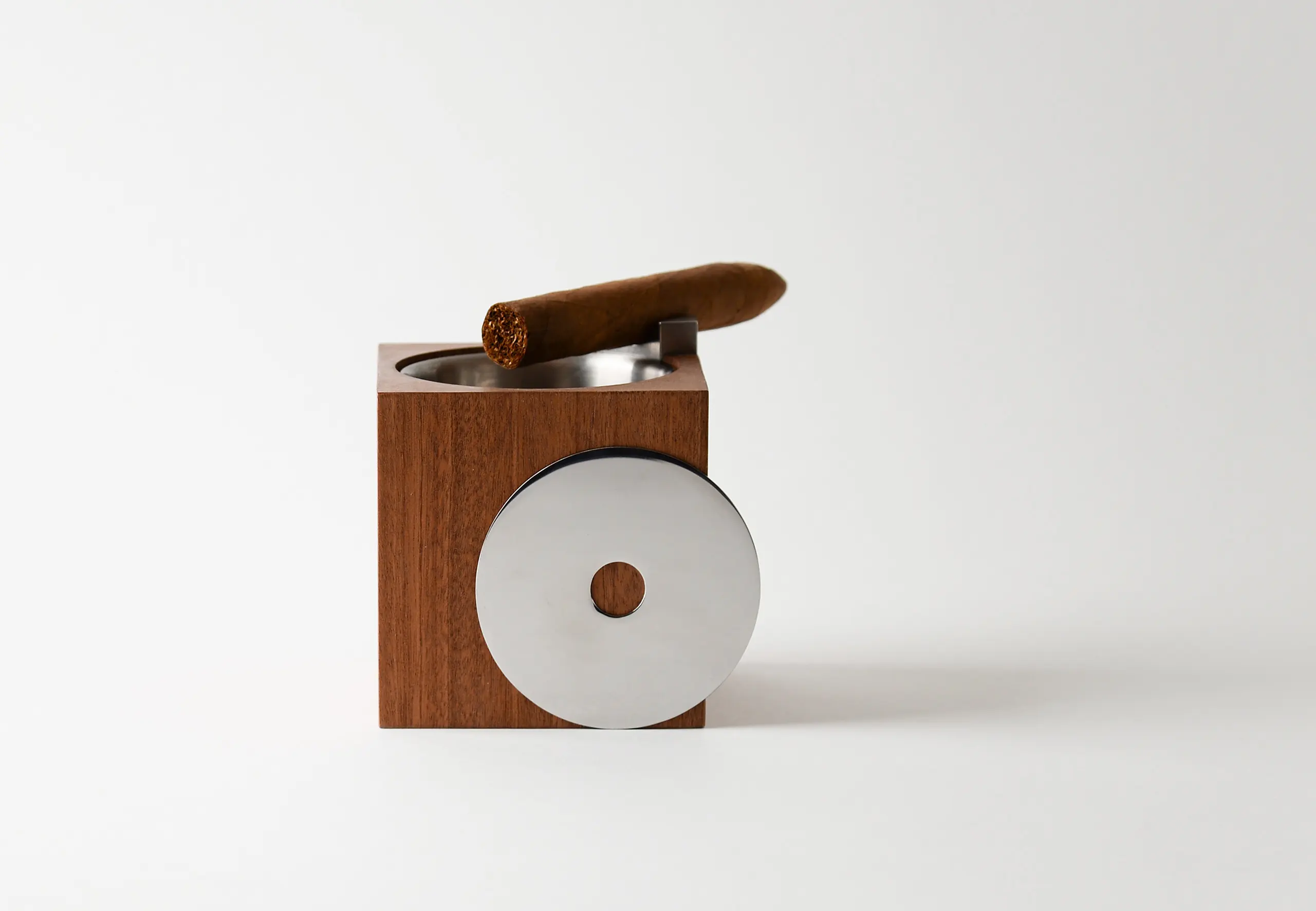
Together, Achille and Cube Study 1 make a case for the ashtray as an object that always demands a second look. In a commercially awkward category, culturally loaded and almost unfashionable by default, Meng’s designer cigar ashtrays move around the stigma of smoking rather than denying it. Achille has the energy of an espresso machine pulled apart and then reassembled with a wink. Cube Study 1 has the solidity of a small architectural model. Neither piece tries to make the ashtray innocent; rather, they simply give it form, weight, and a sculptural expression to become a fascinating highlight of a room. Photography© John Meng.