Search






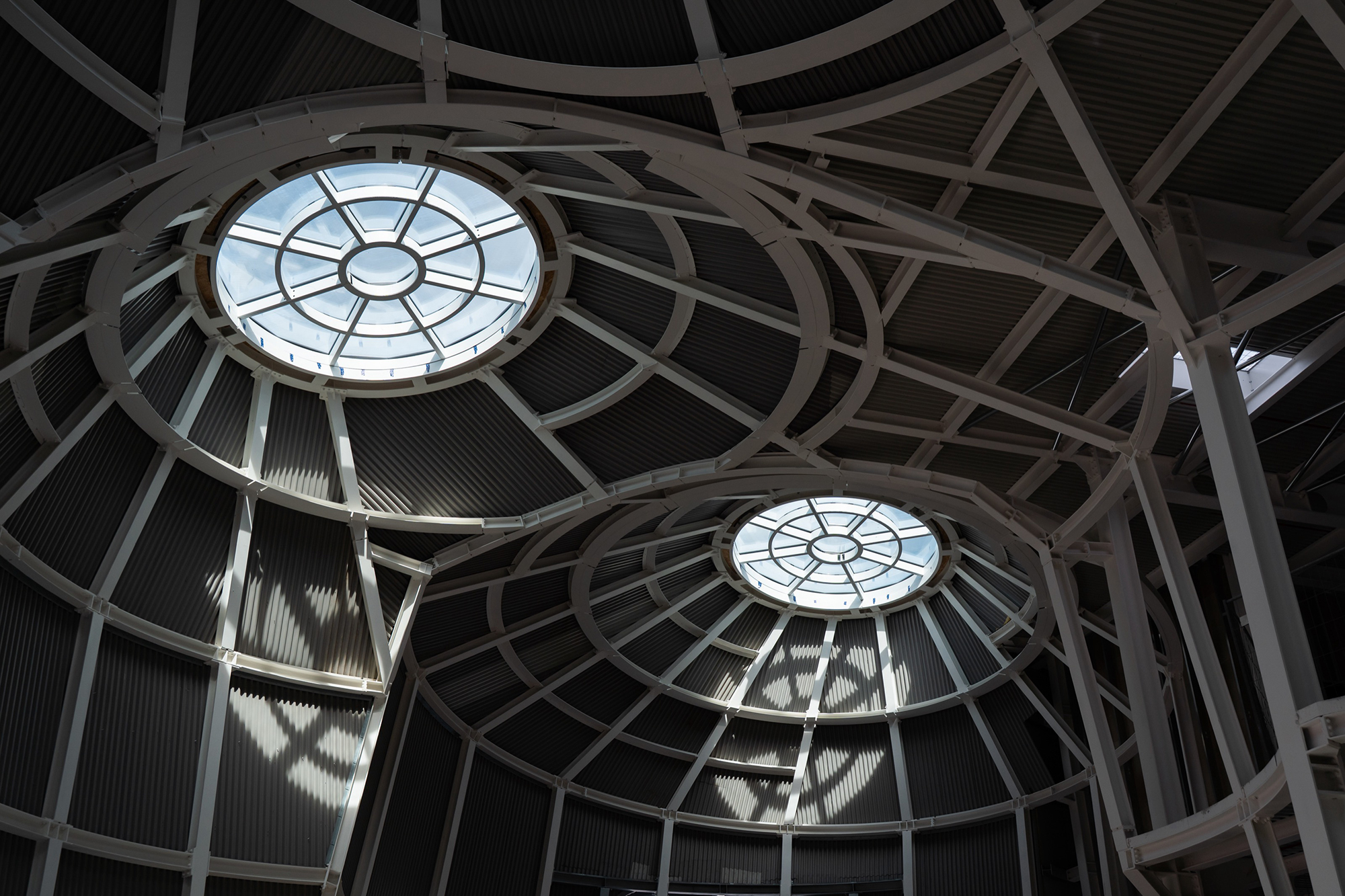
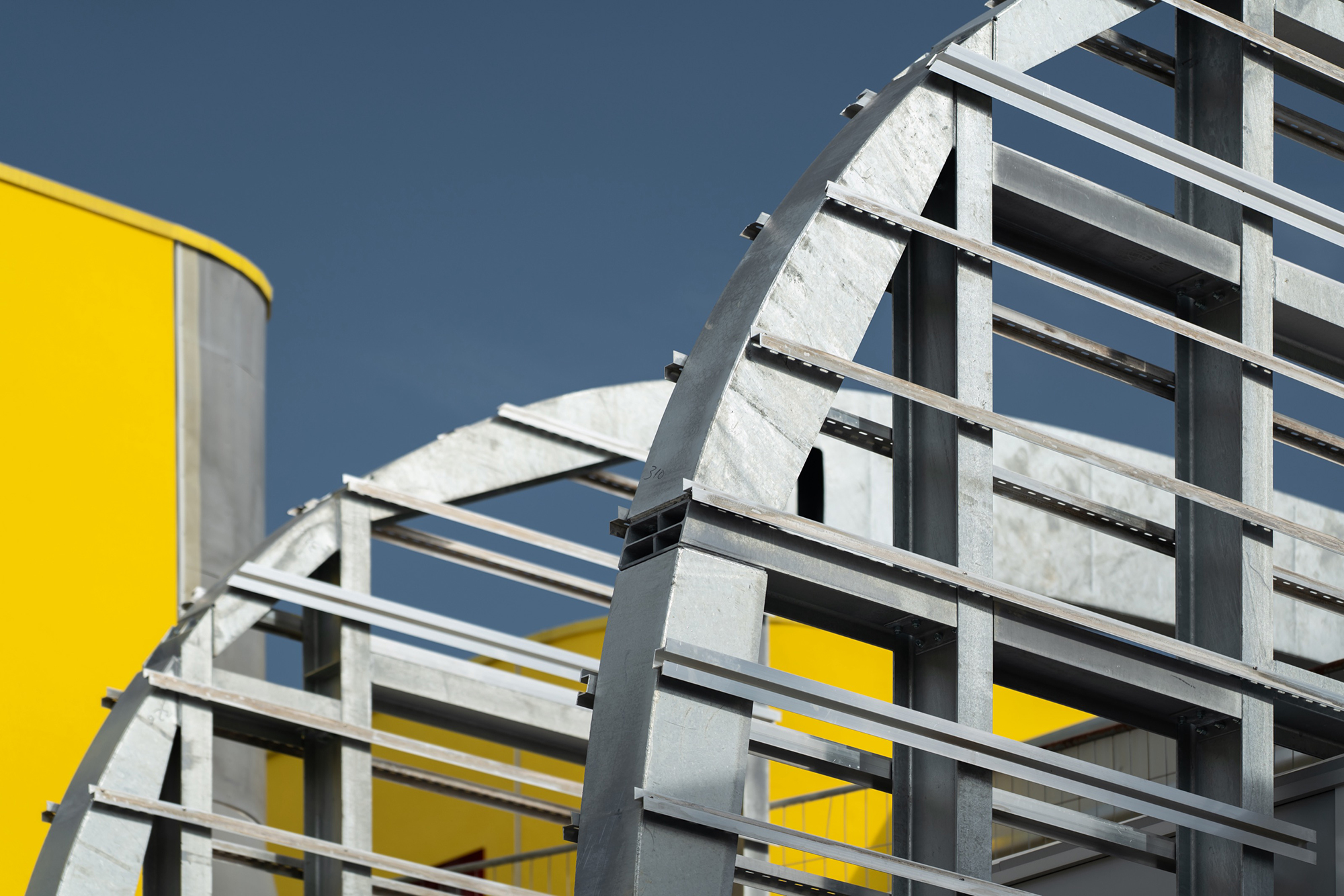
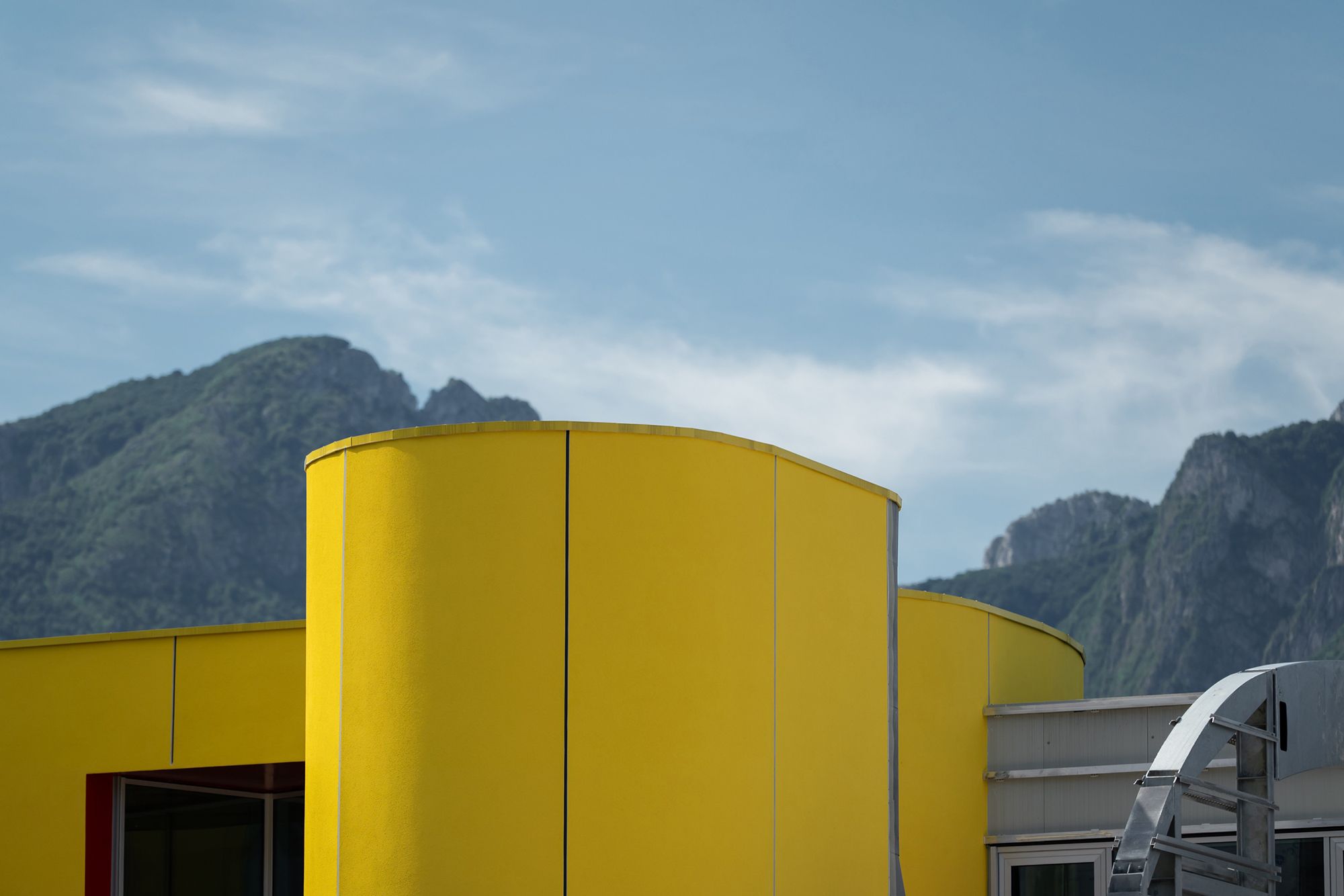
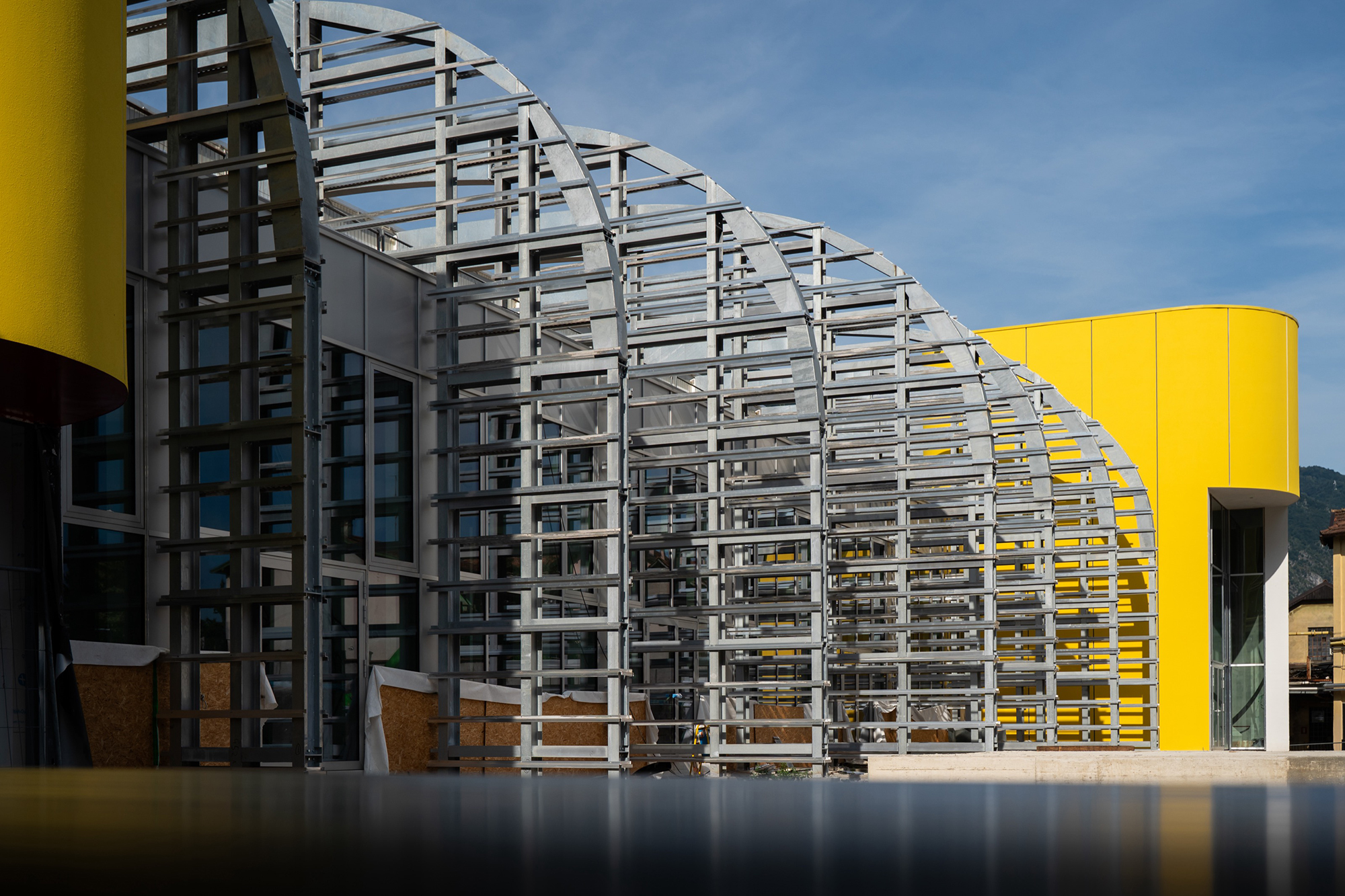
On the shore of Lake Como, architect and Piaggio Fast Forward CEO Greg Lynn completes a decade-long redesign of Moto Guzzi’s century-old factory, its new volumes shaped to echo the cooling fins of a V-twin engine, ahead of a public opening this September.
Mandello del Lario has built motorcycles on the same stretch of Lake Como’s eastern shore since 1921, making the Moto Guzzi factory one of the longest continuously operated motorcycle plants anywhere. On 4 September 2026, that unbroken run enters a new phase: the factory and its museum reopen after an eleven-year redevelopment, timed to the brand’s 105th anniversary and to GMG, the Moto Guzzi World Days rally expected to bring tens of thousands of riders to the small lakeside town for four days of parades, music, and free test rides.
The design is the work of Greg Lynn, the American architect who spent the 1990s arguing that architectural form should be generated by computers rather than compasses. His 1996 essay coining the term “blob architecture” helped define a generation of biomorphic, software-modeled buildings, work that later earned him a Golden Lion at the 2008 Venice Architecture Biennale, teaching posts at Yale, ETH Zurich, and UCLA, and commissions for Vitra, Alessi, and Swarovski. Since co-founding the robotics venture Piaggio Fast Forward in 2015, though, Lynn has led a second career: he became the Boston-based company’s CEO in 2018, overseeing gita, a two-wheeled robot that follows its owner on foot to carry up to 40 pounds of cargo. Piaggio Fast Forward sits within the same Piaggio Group that owns Moto Guzzi, which makes Lynn both the architect reshaping this hundred-year-old factory and the chief executive of its corporate sibling’s robotics lab. For what it’s worth, he also rides a Guzzi.
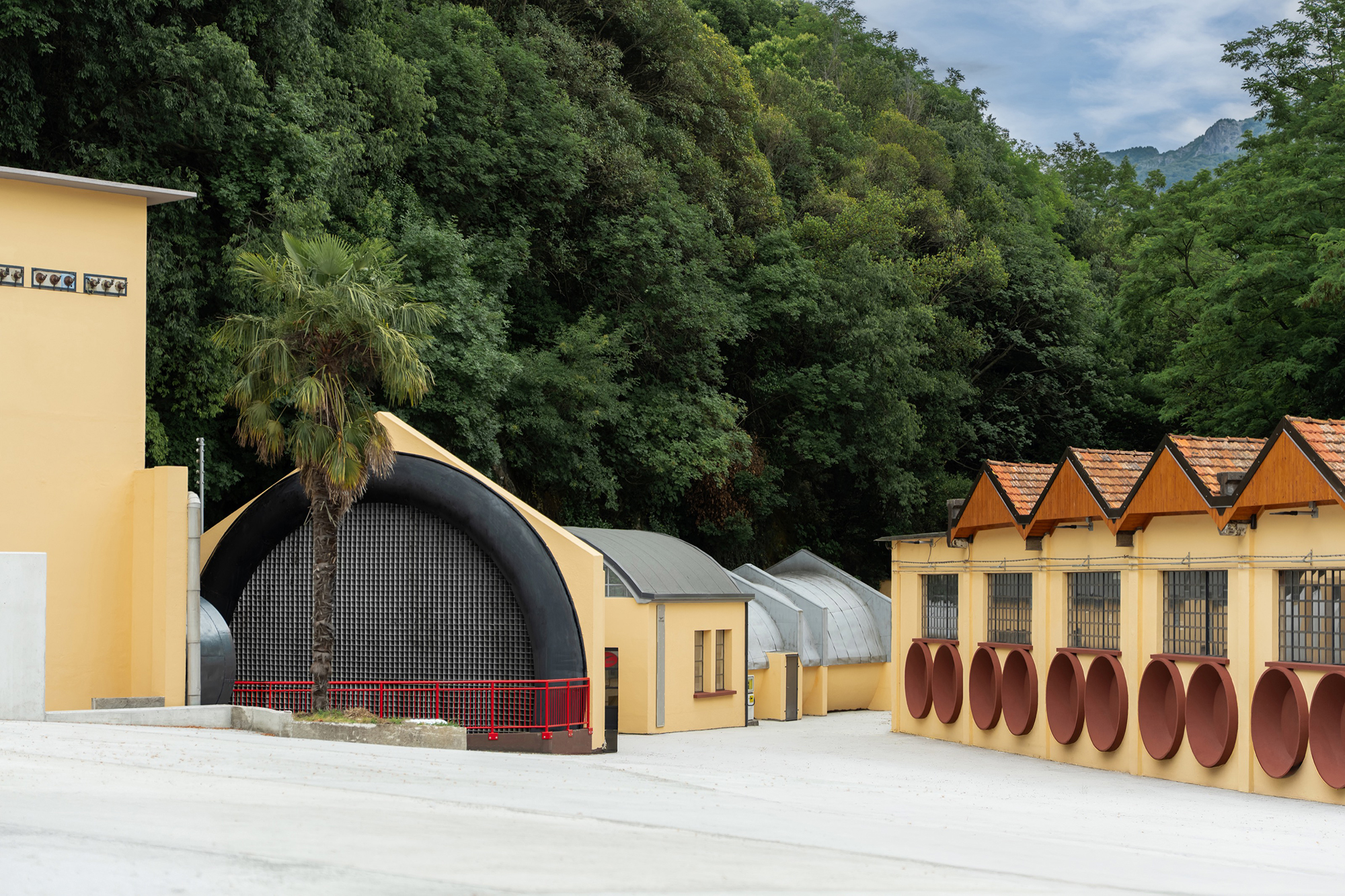
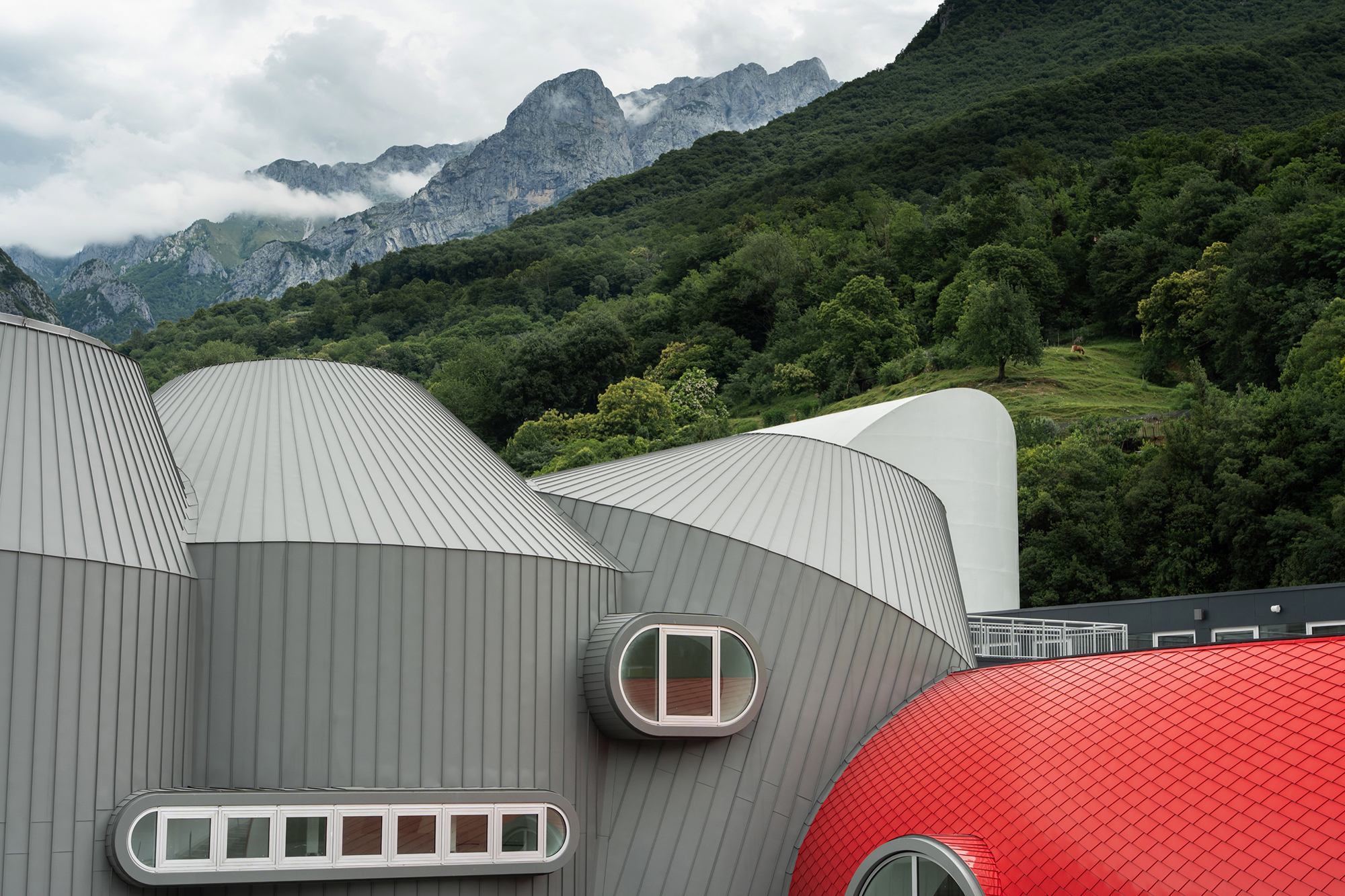
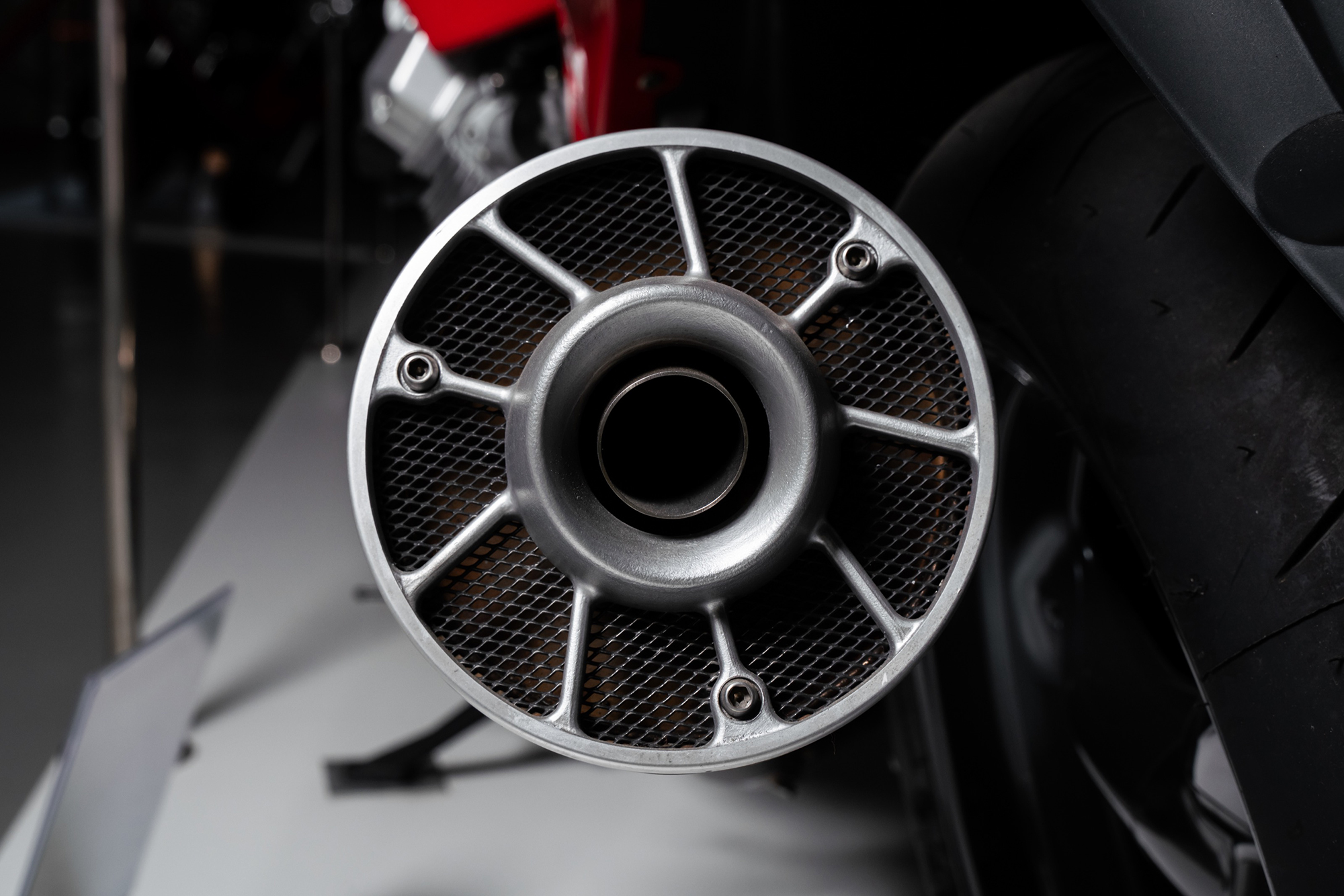
Lynn’s plan, publicly unveiled in 2021 under the name “Road to 2121: Moto Guzzi’s Next 100 Years,” converts the oldest buildings on site into the reopened Moto Guzzi Museum, a Motoplex showroom, and a café, while new construction — an engine plant, an expanded logistics center, a canteen with offices and an auditorium — takes on the business of actually building motorcycles. Two new plazas and a renovated test track knit the old and new wings of the factory together. Two things survive untouched: the century-old red entrance gate, and the wind tunnel Carlo Guzzi built on this site in 1950, the first ever constructed to test motorcycle aerodynamics. According to Italian outlet Moto.it, among the first to publish images from the site, Lynn’s new volumes take their most distinctive cue from the product itself, with fin-like architectural details that recall the cooling ribs of a V-twin engine block.
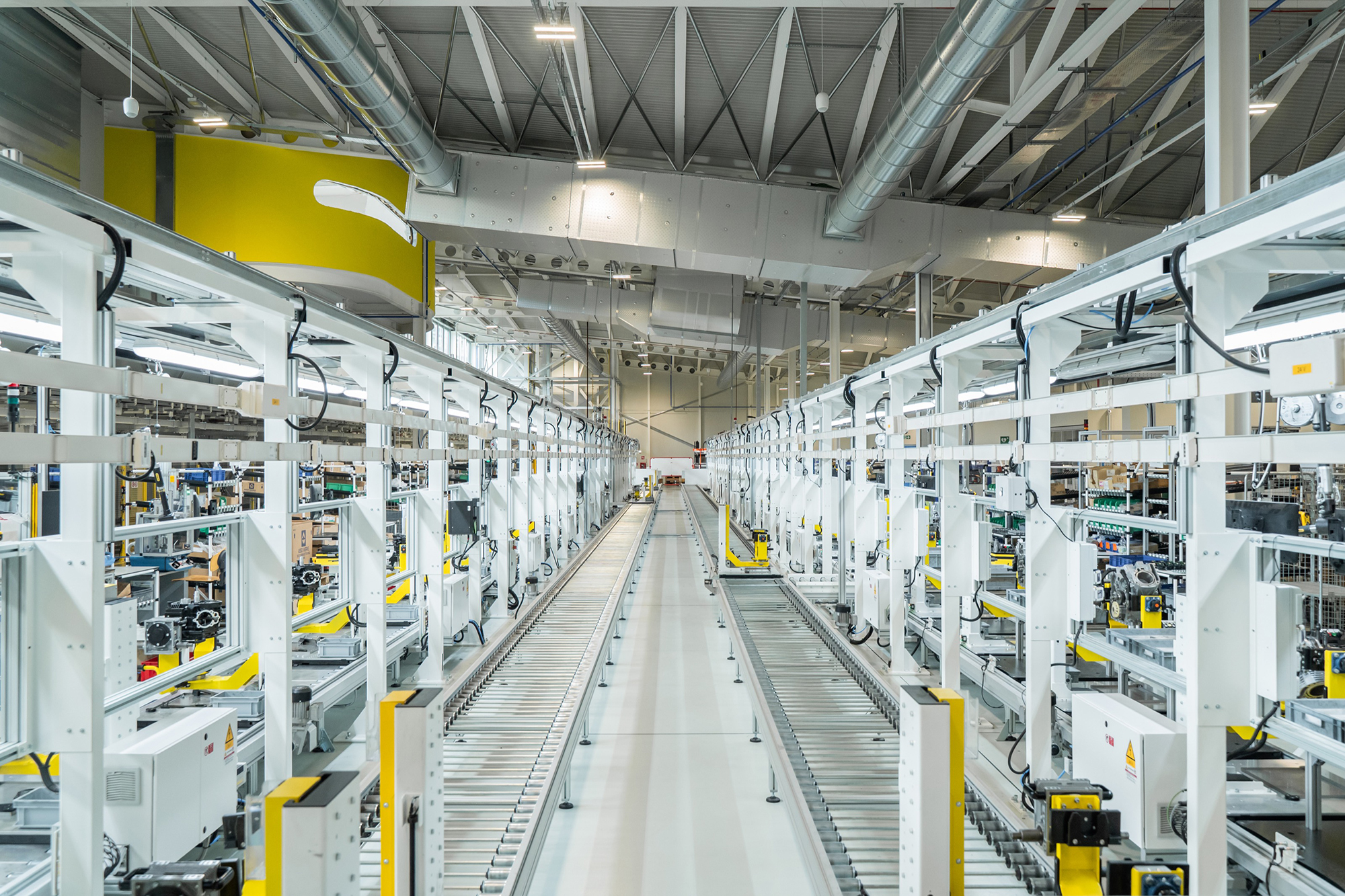
“When people come visit the factory, they’re going to find it’s been radically transformed,” Lynn has said of the project. A new Factory Tour puts the automated assembly lines on view before visitors reach the reopened museum and Motoplex store, where exhibits trace a century of racing history alongside the current lineup. A Customer Center and new event spaces round out the workshops and immersive visitor paths promised for opening weekend.
The building’s debut has been folded into GMG 2026, billed as the largest Guzzi World Days on record, running 3 to 6 September with free public access after registration at gmg.motoguzzi.com. A Saturday parade will carry thousands of Moto Guzzi motorcycles, spanning every era of the marque, on a ride from nearby Lecco back to Mandello; Virgin Radio scores four days of music, and free test rides across the current range run alongside a street food market. It reads less like a ribbon-cutting than a homecoming — one where the Guzzistas, the brand’s famously devoted riders, get to walk through the same gate their motorcycles have rolled out of for the last 105 years.